Three temples, one clear story. This Siem Reap tour threads Angkor Wat and Bayon into Ta Prohm, with a local guide explaining what you’re looking at so the carvings don’t feel random.
I especially like the guide-led pace and storytelling, and the fact that I can relax during the long temple day thanks to the air-conditioned car plus cold towels and drinking water. On the day I reviewed, the local guide Dan stood out for turning myths, politics, and religion into something you can actually see on the walls.
One drawback to plan for: the headline price is not the full cost, since the $37 temple fee is not included, and you’ll still need the right clothing and shoes for steady walking.
In This Review
- Key highlights worth aiming for
- A temple day that makes the carvings make sense
- Price and logistics: what the $45 really buys
- How the 5 to 7 hour plan actually flows
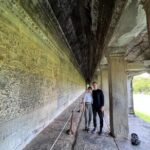
- Angkor Wat: the big symbol, three levels, and where to focus
- Angkor Thom’s South Gate (Tonle Oum): the city layout in one stop
- Bayon Temple: those faces and the feeling behind them
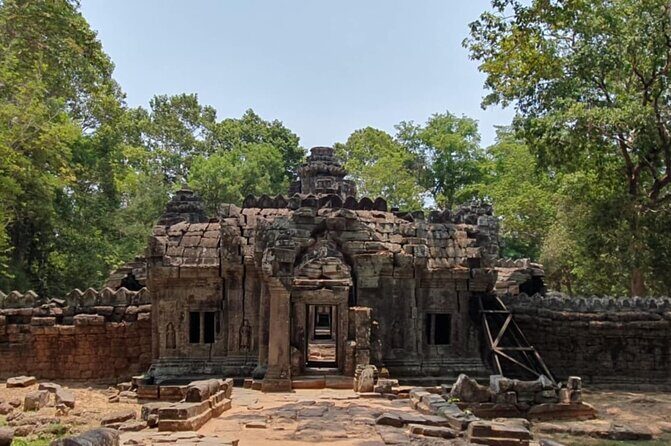
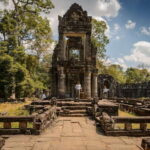
- Ta Prohm (tree temple): planning for shade, steps, and attention
- The small bonus inside Angkor Thom, if you have energy
- Comfort checklist: clothing, shoes, and keeping your day smooth
- Who this tour suits best
- Should you book this Angkor Wat Bayon Ta Prohm tour?
- FAQ
- What is the duration of this tour?
- What’s included in the tour price?
- Are the temple fees included?
- How long do you spend at Angkor Wat?
- What other temple stops are part of the experience?
- Do I need to cover my shoulders and knees?
- Is pickup available?
- Is this tour private?
- What is the cancellation policy?
Key highlights worth aiming for
- Angkor Wat built by Suryavarman II (1113 to 1150 AD) and designed on a massive 330 by 260 meter scale
- Angkor Thom South Gate (Tonle Oum) with five famous gates to understand at a glance
- Bayon Temple’s face towers, explained with the religious and historical meaning behind them
- Ta Prohm’s tree temple look, with practical guidance on how to enjoy it without rushing
- Hotel pickup and drop-off with air-conditioned transport so temple heat doesn’t drain you early
A temple day that makes the carvings make sense
This is the kind of Angkor tour that helps you keep your bearings fast. Instead of hopping between temples with no context, you get a local English-speaking guide who puts the buildings into story form: why they were built, what religions shaped them, and what the carvings are trying to say.
The route also has a practical logic. You start with the big visual anchor—Angkor Wat—then move into Angkor Thom, and finish with Ta Prohm, which is famous for its roots, ruins, and photo-ready atmosphere. By the time you reach Ta Prohm, you’re already trained on what to look for: gateways, layout, and the way the faces and carvings repeat across sites.
I also like that this tour is built for real people, not temple robots. It runs about 5 to 7 hours, and there’s an option for an extra small stop inside the larger Angkor Thom area if you have energy.
Other Angkor Wat temple tours we've reviewed in Siem Reap
Price and logistics: what the $45 really buys
The tour price is $45 per person, and that covers the guided experience and comfort basics. Included is hotel pickup and drop-off, an air-conditioned car, drinking water and cold towels, and a local English speaking tour guide.
But you’ll want to add one line to your budget before you get excited: temple fees are not included. The temple fee listed is $37 per person. So the realistic baseline is about $82 per person, before tips.
On top of that, bring cash for tipping if you plan to do it the recommended way. The exact amount isn’t given here, so just budget something fair for a guide and driver who keep you moving all day. Travel insurance isn’t included either, so if you like peace of mind, add it separately.
Good value? For many people, yes—especially if you want the guide’s interpretation and you’d rather not fight transport and ticket logistics on your own.
How the 5 to 7 hour plan actually flows
You’re out for roughly 5 to 7 hours, and the day is paced like this:
- Angkor Wat: about 3 hours
- Angkor Thom South Gate: about 30 minutes
- Bayon Temple: about 1 hour
- Ta Prohm: about 1 hour
- Plus time for key parts of Angkor Thom beyond the South Gate, like Baphuon, Elephant Terrace, Terrace of the Leper King, and the Royal Palace (timing can flex based on energy and flow)
That schedule matters because Angkor temples aren’t just a “look and snap photos” exercise. You’re climbing, walking, and standing in sun. With this itinerary, you get enough time at each stop to see highlights without sprinting through everything.
You’ll also be stopping at the places that are easiest to get oriented. Angkor Wat gives you the big picture. South Gate and Bayon help you understand the Angkor Thom layout and face style. Ta Prohm then gives you the dramatic, rooted contrast that’s different from the polished Angkor Wat look.
Angkor Wat: the big symbol, three levels, and where to focus
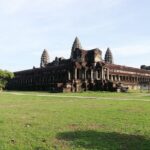
This is your starting monument: Angkor Wat, huge even by Angkor standards. It was built between 1113 and 1150 AD by King Suryavarman II, and it’s described as 330 meters by 260 meters. It has three levels and five main towers, and it’s so important it’s used as Cambodia’s national symbol, even showing up on the country’s flag.
The tour approach is smart: you get to see it from the outside, then go inside for a guided walkthrough. You’re not just staring at walls—you’re learning what’s significant in the design.
What you should watch for while you’re there:
- The overall layering of the complex, since the three levels change how the towers sit above you
- The way the guide connects the layout to the meaning behind the temple
- The carved details that can feel random if you don’t have someone to explain what they’re depicting
Also, Angkor Wat is visually overwhelming in the best way. Without context, it turns into “wow, stones.” With context, you start noticing repeating themes, and the place begins to feel like a designed statement, not just a relic.
Practical note: admission tickets are not included, so you’ll be paying the $37 temple fee separately. Also dress for temples—more on that below.
Angkor Thom’s South Gate (Tonle Oum): the city layout in one stop
Next comes Angkor Thom, the walled city. You start at its South Gate, called Tonle Oum. This isn’t just a dramatic entrance; it’s also a shortcut to understanding the bigger city plan.
Here are the details you’re given, and they make the gate stop more than a photo break:
- Angkor Thom has five gates
- Those include the South Gate, the Ghost Gate (Gate of the Dead), the Victory Gate, the Dei Chhnang Gate (North Gate), and the Killing Gate
- The city is described as having 3 kilometers on each side
That 30-minute stop is short, but it gives you a framework. Once you know the gate names and the idea that the city is sectioned, you’ll find it easier to picture how people moved and where power and ritual spaces likely sat.
Potential drawback: the gate stop is quick. If you love long architecture walks, you might feel you’re rushing. The upside is you’re moving on while your eyes are still fresh, not exhausted and confused.
Other Angkor Thom and Bayon tours we've reviewed in Siem Reap




Bayon Temple: those faces and the feeling behind them
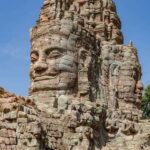
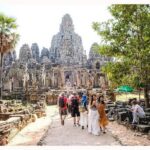
Then you head to Bayon Temple, famous for the faces. You spend about 1 hour, and the tour style is again outside view plus inside exploration with the local guide narrating what you’re seeing.
The key thing I’d tell you about Bayon is how the guide helps you read the expression. These aren’t just random heads stacked everywhere. The guide connects the face style to the religious and historical forces behind the temple.
If you’ve only ever seen Bayon in photos, this is where it turns from flat to real:
- You get a sense of scale because you’re walking around the structures, not just facing a single angle
- You see how the faces repeat across viewpoints
- You get explanation for the carvings and layout so you’re not just guessing what part matters
One other thing: Bayon is busy. The faces are a magnet. A guided visit helps you focus on fewer, better moments instead of trying to capture everything at once.
Ta Prohm (tree temple): planning for shade, steps, and attention
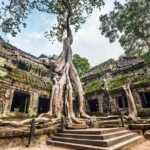
Finally, the tour ends at Ta Prohm, also known as the tree temple. You get about 1 hour, with outside and inside viewing and guide commentary.
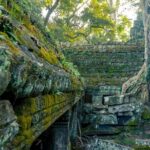
This is the temple most people picture when they think of Angkor in “ruins swallowed by nature” mode. The roots and overgrowth create a different visual rhythm than Angkor Wat and Bayon. You’re shifting from formal, symmetrical temple energy to tangled, frame-by-frame discovery.
Because Ta Prohm is visually busy, the guide’s role is huge. You’re less likely to miss the important architectural bits while you’re busy photographing the trees.
Practical reminder: you still need to cover knees and shoulders when entering temples, and you’ll want comfortable walking shoes. Ta Prohm rewards patience. If you rush, you’ll be just stepping over uneven ground and not enjoying the views.
The small bonus inside Angkor Thom, if you have energy
One of the more fun parts of this tour is that there can be an extra temple stop if you’re up for it. The plan references additional highlights in the Angkor Thom area, including:
- Baphuon Temple
- Elephant Terrace
- Terrace of the Leper King
- Royal Palace
Not every version of the day will feel identical, because your energy level and time flow matter. But even as a “bonus,” these stops help you connect Bayon and the South Gate to the wider royal and ceremonial landscape of Angkor Thom.
If you like variety, you’ll enjoy this. If you prefer a very tight, short day, you might skip any extra and save your legs for Ta Prohm. The good thing is you’re still guided—so even the extra parts aren’t random sightseeing.
Comfort checklist: clothing, shoes, and keeping your day smooth
This tour includes air-conditioned transport and helps with water and towels. That said, temples are still temples. Your comfort mostly comes from what you bring and how you prepare.
Here’s what matters based on the tour guidance:
- Cover knees and shoulders when entering temples
- Wear comfortable walking shoes
- Don’t bring valuables with you on the tour
Also, keep your day simple. A small bag, sun protection, and a clear plan for cash for temple fees will help you avoid stress during transitions.
One more practical thought: you’re on your feet for several hours across multiple sites. If your legs tend to cramp, start slow at Angkor Wat and keep your pace steady. The order of sites here is helpful because it avoids ending the day with the most overwhelming climbs.
Who this tour suits best
This is a strong match if:
- You want an efficient small-circuit style day without trying to stitch tickets and timing together yourself
- You like explanations that connect religion, politics, and carvings to what you’re seeing
- You’d rather rely on a local English-speaking guide than guess your way through temples
It’s also ideal for people who want the major hits: Angkor Wat, Bayon, and Ta Prohm, plus key Angkor Thom stops.
If you’re the type who wants total freedom, this might feel too structured. But if you want value for money and clarity, the guided format does the heavy lifting.
Should you book this Angkor Wat Bayon Ta Prohm tour?
I’d book it if you’re willing to add the $37 temple fee to the budget and you want a guided day that makes each site easier to understand. The mix of outside views and inside time at Angkor Wat, Bayon, and Ta Prohm is the right balance for first-time visitors, and the pickup plus cold towels helps a lot when the day runs long.
Skip it (or compare alternatives) if you hate paying extra at the door for admissions, or if you want a full custom pacing where you can linger much longer at just one temple.
If you want a clear route, a guide with real storytelling skills (including the guide Dan in one standout experience), and a well-timed finish at Ta Prohm, this is a sensible choice.
FAQ
What is the duration of this tour?
It runs about 5 to 7 hours.
What’s included in the tour price?
The tour includes hotel pickup and drop-off, an air-conditioned car, drinking water and cold towels, and a local English speaking tour guide.
Are the temple fees included?
No. Temple fee is listed as $37.00 per person and is not included.
How long do you spend at Angkor Wat?
Angkor Wat is listed as about 3 hours.
What other temple stops are part of the experience?
You visit Angkor Wat, Angkor Thom South Gate, Bayon, and Ta Prohm. The plan also mentions additional stops in the Angkor Thom area such as Baphuon Temple, Elephant Terrace, Terrace of the Leper King, and the Royal Palace if you have energy.
Do I need to cover my shoulders and knees?
Yes. You must cover your knees and shoulders when entering temples.
Is pickup available?
Yes. Hotel pickup and drop-off are included.
Is this tour private?
Yes. It’s listed as private, meaning only your group participates.
What is the cancellation policy?
Free cancellation is available. You can cancel up to 24 hours in advance for a full refund. If you cancel less than 24 hours before the experience starts, the amount paid is not refunded.