REVIEW · SIEM REAP
Angkor Wat: Sunrise 2.5 Days with Tonle Sap Lake Tour
Book on GetYourGuide →Operated by Journey Cambodia · Bookable on GetYourGuide
Sunrise at Angkor changes everything. This 2.5-day mix of early temple viewing plus Tonle Sap lake life gives you both the big monuments and the everyday Khmer world around them.
I like how the pace stays practical: you get meaningful time inside the temples (not just photo stops) and enough breaks to keep the day from feeling like a sprint. One thing to consider up front: temple tickets and meals cost extra, so your real budget isn’t just the $69.
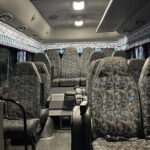
What I really value is the guidance. In past groups, guides like Sopheap Rath and Pal Saruon are called out for clear explanations, and photographers like Sokpee (from one group) are known for finding strong viewpoints. The tour also pairs that with comfort basics like air-conditioned transport, bottled water, and cool towels—helpful when you’re waking up before dawn. The main drawback is timing and rules: it’s a very early start, and you’ll need respectful clothing (no shorts) and solid walking shoes.
In This Review
- Key highlights
- Sunrise, sunset, and Tonle Sap: why this combo works
- Day 1: Pre Rup, Banteay Srei, Neak Pean, Preah Khan—and a Bakheng sunset
- Day 2: Angkor Wat at sunrise, then Ta Prohm and Ta Nei at a humane pace
- Day 3: Tonle Sap Lake, Kampong Pluk, and flooded-forest life by boat
- Price and value: what $69 really buys (and what you’ll still pay)
- Getting the most from your guide: explanations plus smart photo stops
- Comfort rules that matter in Angkor: shoes, heat, and the dress code
- Who should book this 2.5-day Angkor plus Tonle Sap tour?
- Should you book this tour?
- FAQ
- How long is the Angkor Wat and Tonle Sap tour?
- What’s included in the tour price?
- Do I need to buy Angkor temple entrance tickets?
- Are meals included?
- What time do you pick up for Tonle Sap Lake on Day 3?
- Where do you watch sunrise and sunset?
- Is there an alternative if Tonle Sap Lake can’t be visited?
- What should I bring and wear?
Key highlights
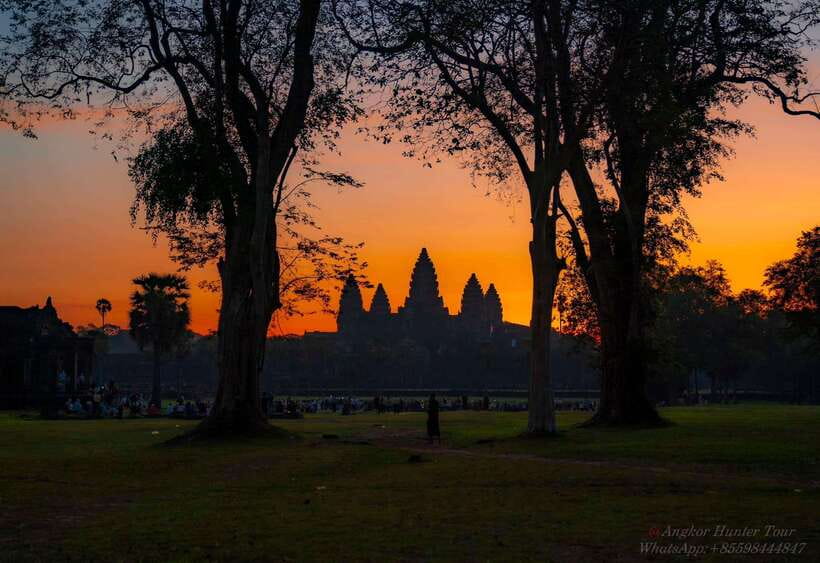
- Sunrise at Angkor Wat, watched outside the main temple zone before you move in
- Sunset at Bakheng, with that classic mountain-at-golden-hour feel
- Banteay Srei and the Grand Circuit, including the delicate, detailed relief work
- Ta Prohm and Ta Nei, for that moody mix of stone, roots, and later Buddha dedication
- Kampong Pluk fishing villages on Tonle Sap Lake by boat through flooded forest
- Small-group or private-tour feel, so you can move at your pace
Sunrise, sunset, and Tonle Sap: why this combo works
If you only do one part of Angkor—sunrise, or big temple days—you miss the emotional arc. This tour builds it on purpose. You begin with atmosphere before the crowds swell, then you spend a real block exploring Angkor Wat’s layout and rooms. After that, the trip drops you into a different rhythm on Tonle Sap Lake, where life floats, seasons change what you can see, and the views feel human-sized.
What makes the experience practical is that the guide isn’t just reciting dates. The best English-speaking guides on this route are described as entertaining and clear, and they also handle the logistics of when to be where for both context and photos. You’ll still do the landmark temples, but you’ll get the “why” behind the “what.”
If you're still narrowing it down, here are other tours in Siem Reap we've reviewed.
Day 1: Pre Rup, Banteay Srei, Neak Pean, Preah Khan—and a Bakheng sunset
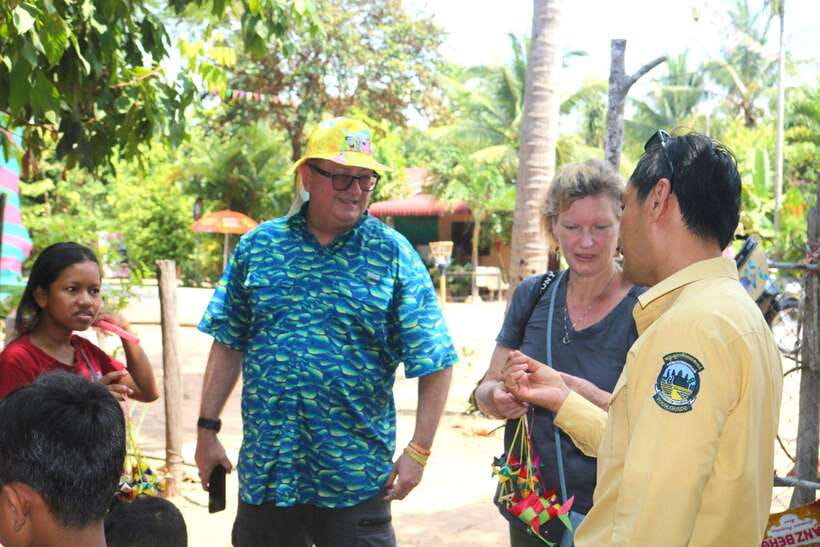
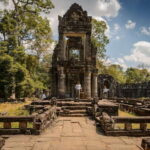
Day 1 is built around variety. You start with Pre Rup, a Hindu temple-mountain connected to Khmer royal identity and constructed with a mix of brick, laterite, and sandstone. It’s not the largest site, but it sets the tone: you’ll notice how the Khmer builders used materials and height to create a sense of importance.
Next comes Banteay Srei. This is a favorite because it’s smaller, with detailed sandstone reliefs. The payoff here is close looking—carvings that reward steady walking and a guide who can point out what you’re actually seeing.
Then you move to Neak Pean, an artificial island temple in Jayatataka Baray—a circular, symbolic kind of layout. Even if you’re not the type who loves “water history,” this stop helps you connect the dots between temples and Khmer ideas about nature, worship, and order.
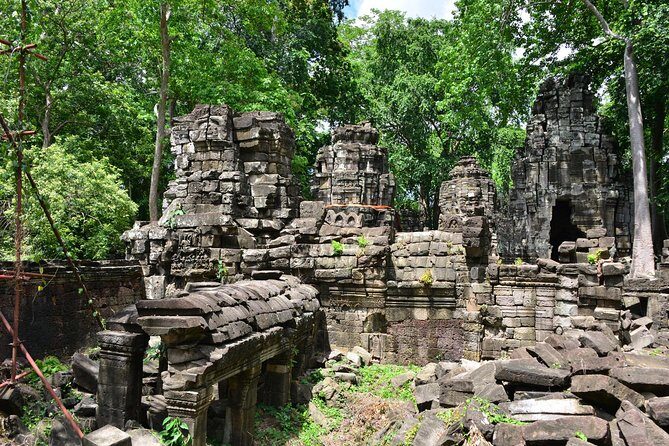
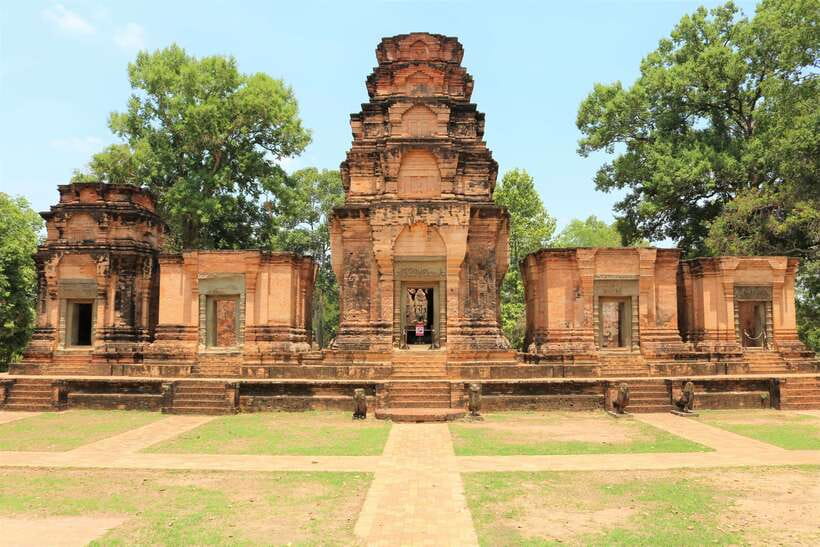
After that, the tone shifts again at Preah Khan. It’s a ruined site, but that ruins-meets-nature look is the point: crumbling stone structures with tree roots. The atmosphere is very real here; it’s the kind of place where a guide’s pacing matters because you’ll want time to step back, look up, and then read the carvings where they remain.
You end the day with sunset at Bakheng. This is the emotional finish line for Day 1. Expect a mountain viewing moment where the temple silhouettes and warm light make everything feel more “myth” than “museum.” If you don’t like crowds, plan to keep moving with your group and follow the guide’s cues for the best timing.
Day 2: Angkor Wat at sunrise, then Ta Prohm and Ta Nei at a humane pace
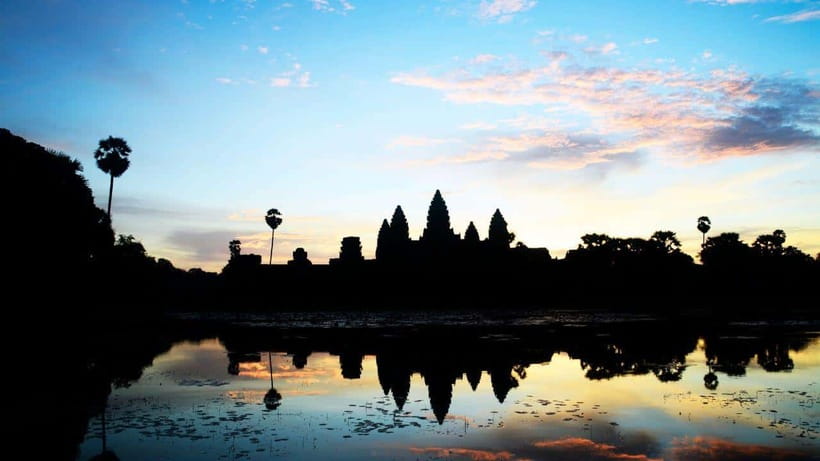
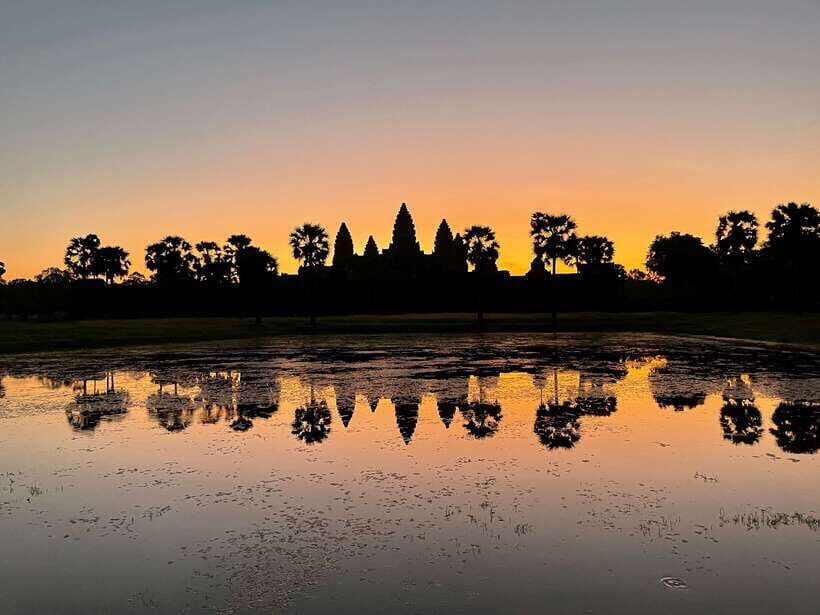
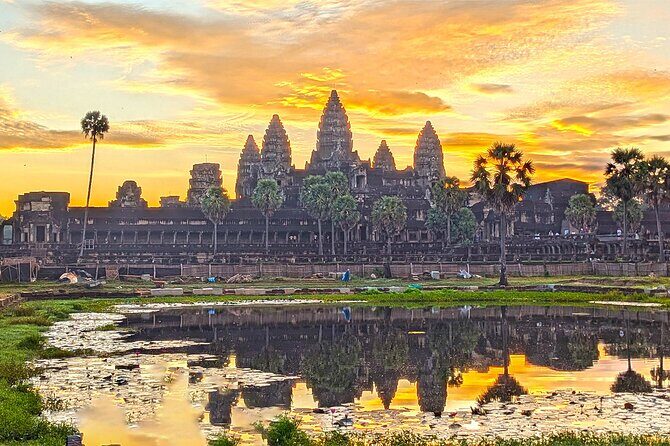
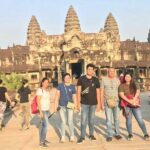
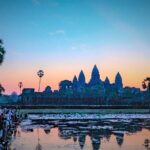
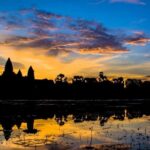
On Day 2, you’re up before dawn for the big one: sunrise outside Angkor Wat. The description here matters. You’ll watch from the edge of one of the ancient library pools, which gives you a calmer starting viewpoint than people squeezing into the busiest spots too early.
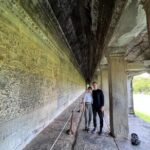
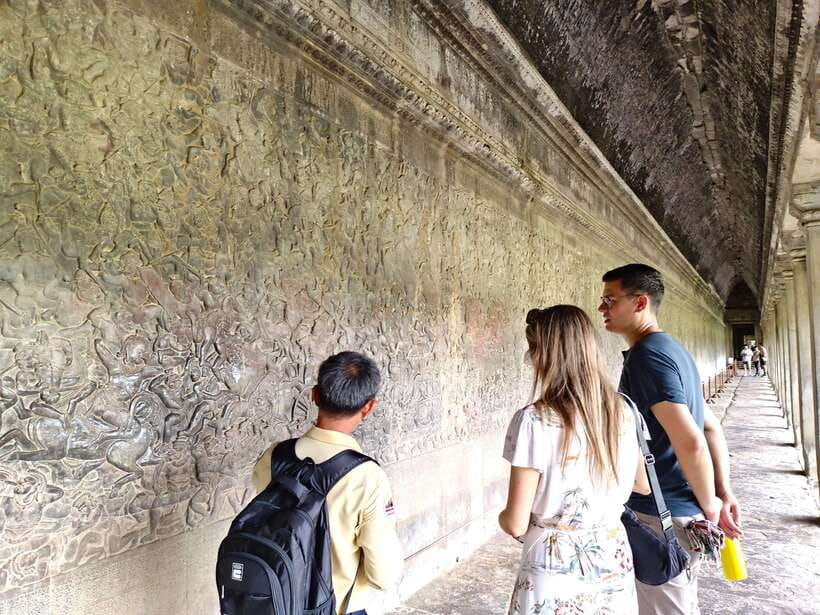
Once sunrise is done, you don’t just rush through. You explore the interior of Angkor Wat for about two hours. That’s long enough to understand the corridors, central chambers, and the upper terraces as a connected path rather than separate rooms. This is where a guide earns their keep. The stone looks impressive either way, but explanations turn it from “pretty ruins” into “a designed space with meaning.”
After the main temple block, you’ll take breakfast at a local restaurant near the temple area. I like that this tour doesn’t force you to hunt for food in a tired haze. Then you move on to the next photo-and-feel heavy temples.
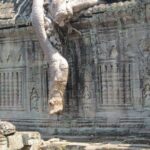
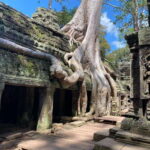
Ta Prohm follows. It’s famous for that atmospheric mix of stone and roots—often compared to a film set, but the real point is how nature and architecture ended up cohabiting here. The guide’s job is to help you spot the structure details under the “wow” visual layer.
Finally, you reach Ta Nei, a long but fulfilling stop and a later-century stone temple dedicated to the Buddha (late 12th century). This matters because it changes the religious lens you’ve been seeing across the days. Angkor isn’t one uniform style; it evolves. Ending with Ta Nei helps your brain connect the timeline you’ve been walking through.
Day 3: Tonle Sap Lake, Kampong Pluk, and flooded-forest life by boat
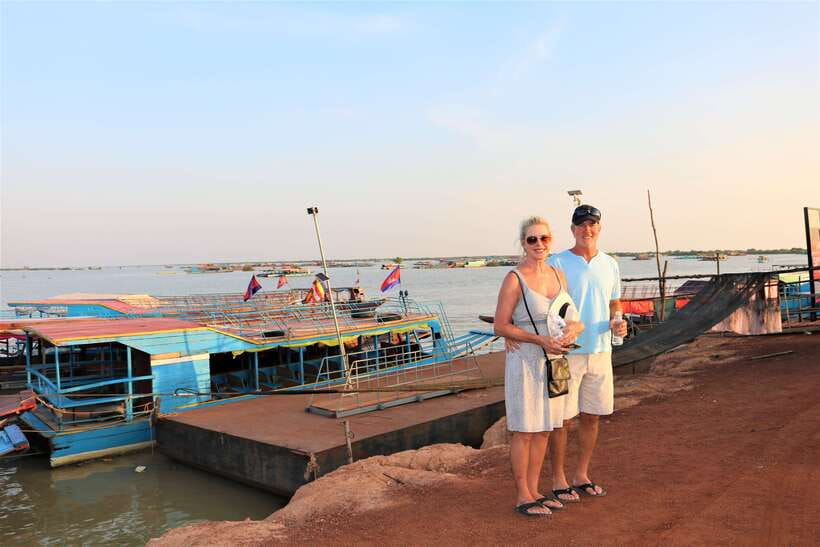
Day 3 breaks the spell in a good way. You start with a pickup around 8:00 AM and head out through the countryside to Tonle Sap Lake, the world’s second largest freshwater lake. The tour gives you the key concept: the lake expands dramatically during wet season and shrinks in the dry half, draining toward the Tonle Sap River.
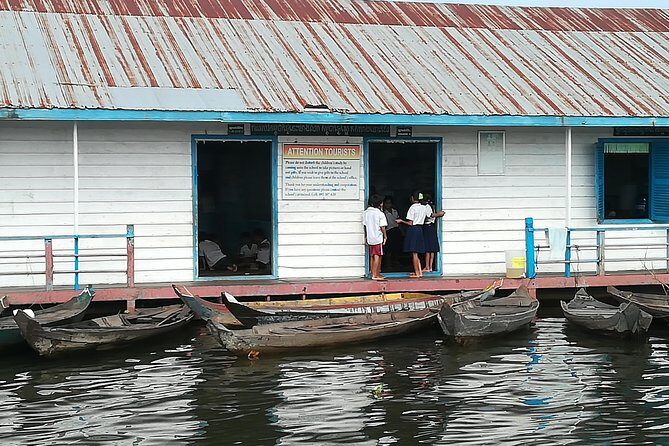
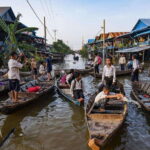
Then you’re off by boat to Kampong Phluk, described as a collection of three small fishing villages in an atmospheric flooded forest setting. This is the kind of place where you’ll stop thinking in terms of temple angles and start thinking in terms of daily routines—where the water level shapes homes, movement, and what’s visible.
Lunch is at your own expense, followed by a short rest. I like that the schedule doesn’t overload you after the boat time, because the day can feel warm and slow in the best way.
One more seasonal note is important. In the dry season (March–July), the tour may switch from Tonle Sap lake to Cambodia Phare Circus (Seat C) due to water levels. That’s a real consideration for planning. If you’re traveling in those months, ask your operator what the swap looks like for your specific date range, and treat the circus as a different kind of cultural experience rather than a direct replacement.
Price and value: what $69 really buys (and what you’ll still pay)
The headline price is $69 per person for a 2.5-day experience with an English guide, hotel pickup/drop-off in Siem Reap, air-conditioned vehicle, bottled water and cool towels, plus sunrise at Angkor Wat and sunset at Bakheng. It also includes “skip the ticket line,” which saves time and reduces friction when the day is moving fast.
But here’s the part to budget: temple entrance tickets are not included, listed at $62 per person covering all temples over your 2–3 days. On top of that, meals are not included. So your all-in cost is closer to the temple pass + tour price, plus meals.
Is it still good value? In my view, yes—if you care about more than checking boxes. Two things drive the value:
- Time and access: sunrise and sunset aren’t just scenic moments; they take scheduling discipline. A guided plan helps you avoid wasting your limited trip energy.
- Context: when guides are praised for explaining temple construction periods and for strong photographic spotting (including guides with named reputations like Pal Saruon, Sokpee, Chhay, and Rom in different groups), that context can be the difference between seeing ruins and understanding them.
If you’re the type who wants total freedom with no structure, you might spend less money self-guiding. But if you want the most out of a short stay, this is one of those packages that often works out cheaper than you’d expect after buying transport, tickets, and piecing together transport yourself—especially with hotel pickup.
Getting the most from your guide: explanations plus smart photo stops
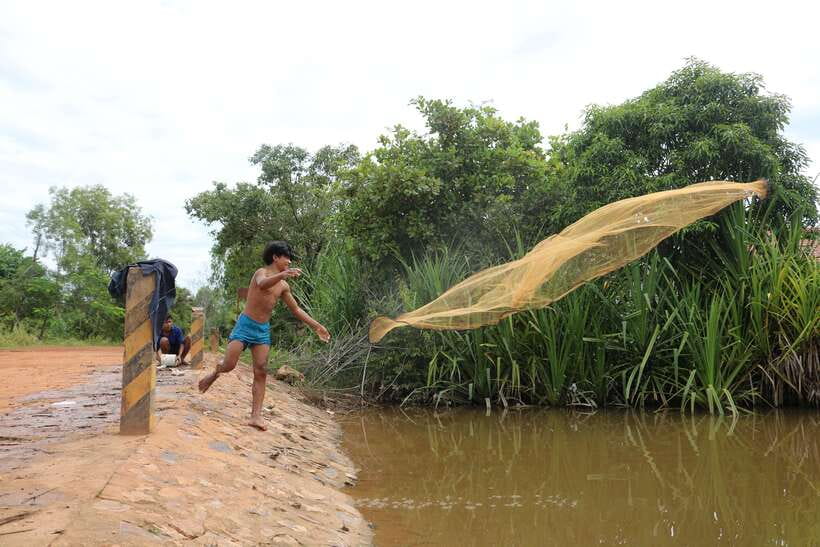
The guides on this route get strong mentions for a reason: they help you read what’s in front of you. In past groups, named guides include Pal Saruon, Sopheap Rath, Sokpee, Chhay, Rom, and Sam. The common thread in the feedback is that people felt they learned real context—temple construction and Khmer life—and that the information was paced so it didn’t fry your brain.
Also, photo value is real here. More than one guide is described as having serious photography skills and knowing the best spots. Even if you’re not a serious photographer, that translates into better viewing points and less time wandering.
If you want to get even more from your guide, ask simple questions at natural breaks:
- Which carvings or layouts should I look for first?
- What was the purpose of this temple style?
- Where will the light hit best for photos during sunrise or sunset?
It also helps to be honest about your pace. The tour notes private options, and several groups reported the ability to tailor choices to what they wanted—meaning you may get more control than a strict group script.
Comfort rules that matter in Angkor: shoes, heat, and the dress code
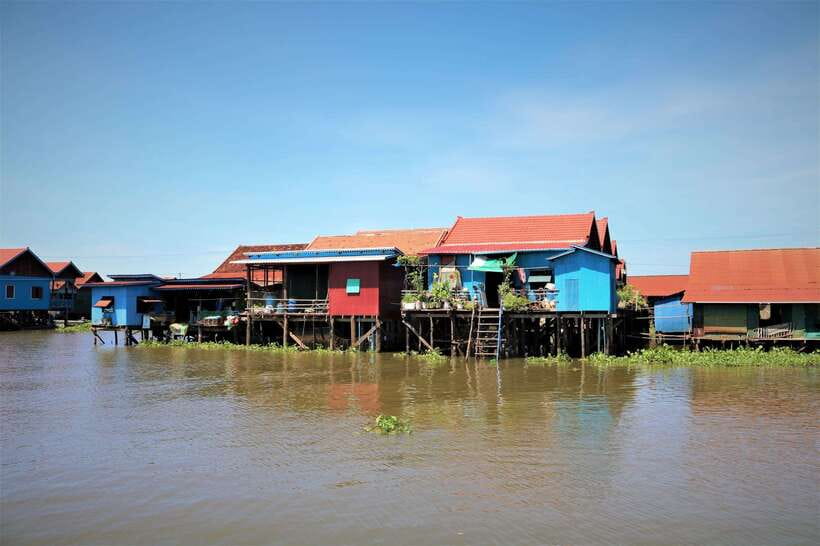
Angkor is physical, even if you think of it as sightseeing. This tour encourages comfortable shoes and recommends insect repellent, which is exactly what you’ll need on walking days and around water areas.
Dress rules are not optional. You’ll want to cover shoulders and knees, and no shorts is stated. That’s easy enough to plan for, but it’s worth packing thoughtfully, especially if your usual Cambodia wardrobe is lightweight.
The early start is another comfort factor. When you depart before dawn for Angkor sunrise, your best friend is a calm routine: drink water when you can, keep your body warm in the cool morning air, and don’t wear anything that rubs. The tour includes bottled water and cool towels, which helps, but it doesn’t replace good footwear.
Accessibility-wise, it’s stated as not wheelchair accessible. If you use mobility aids, this might not be the right fit based on the walking and site conditions.
Who should book this 2.5-day Angkor plus Tonle Sap tour?
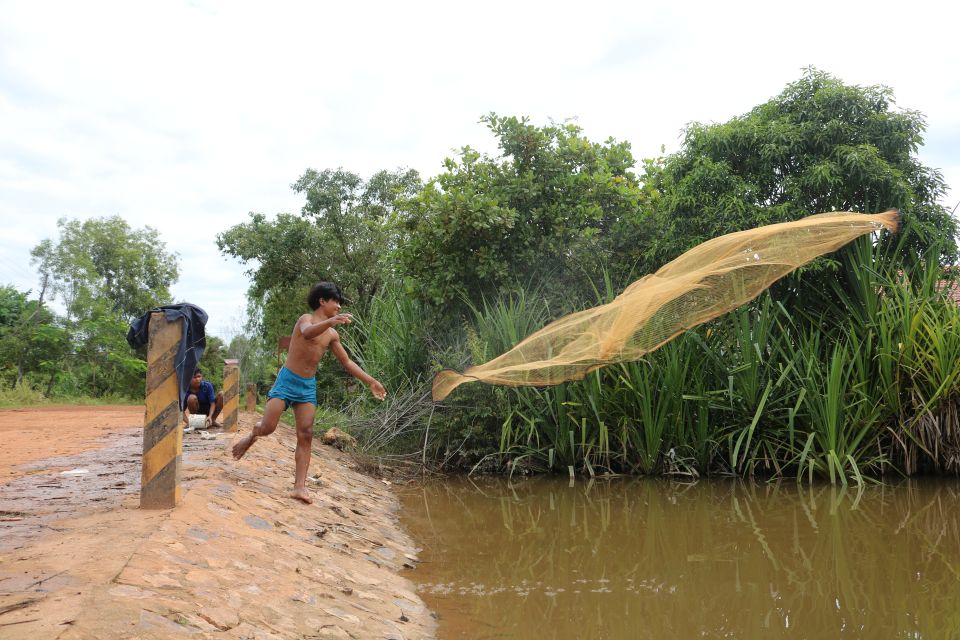
This tour makes sense if you:
- Have a short stay in Siem Reap and want both Angkor highlights and Tonle Sap lake life
- Want sunrise and sunset without trying to solve scheduling and entry timing yourself
- Care about learning enough context to make the temples feel meaningful
- Like a small-group feel or the chance of a more personalized pace
It may be less ideal if you:
- Hate early mornings and long temple days
- Want to skip all structure and wander completely on your own
- Need wheelchair-friendly logistics (the tour isn’t set up for that)
If you’re planning around March–July, factor in the Tonle Sap water-level change and the possible Phare Circus swap.
Should you book this tour?
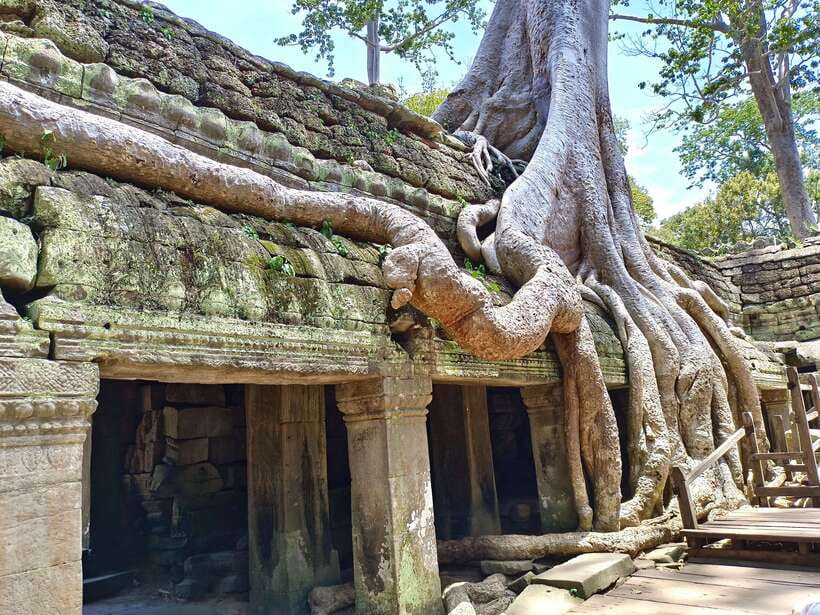
If your priority is a well-paced Angkor experience with sunrise, a guided explanation that makes the temples easier to understand, and a day that shows you Khmer life beyond the stone, I’d say book it. The price feels fair when you add up the guided time, the transportation, and the included sunrise/sunset moments.
Do it especially if you’re the kind of person who wants more than a photo line. The strongest part of this experience is that it links monuments to meaning—and then follows it up with Tonle Sap’s very different, very real world.
If you want to make the decision with confidence, check your travel month (for the dry-season Tonle Sap alternative), pack for lots of walking, and plan for the temple tickets and meals budget.
FAQ
How long is the Angkor Wat and Tonle Sap tour?
It runs for 2.5 days.
What’s included in the tour price?
The package includes hotel pickup and drop-off, an English-speaking guide, sunrise at Angkor Wat and sunset at Bakheng Temple, exploring Ta Prohm, Angkor Thom and Bayon, Banteay Srei and the Grand Circuit, air-conditioned vehicle, plus bottled water and a cool towel.
Do I need to buy Angkor temple entrance tickets?
Yes. Temple entrance tickets are not included, listed at $62 per person covering temples over 2–3 days.
Are meals included?
Meals are not included. Breakfast is mentioned near the temple area on Day 2, and lunch on Tonle Sap Day is at your own expense.
What time do you pick up for Tonle Sap Lake on Day 3?
Pickup from your accommodation is around 8:00 AM.
Where do you watch sunrise and sunset?
Sunrise is watched outside Angkor Wat before dawn, from the edge of an ancient library pool area. Sunset is at Bakheng Temple.
Is there an alternative if Tonle Sap Lake can’t be visited?
Yes. In the dry season (March–July), the alternative listed is Cambodia Phare Circus (Seat C) due to water levels.
What should I bring and wear?
Bring comfortable shoes and insect repellent. Dress respectfully by covering shoulders and knees; no shorts.