REVIEW · SIEM REAP
Angkor Wat Sunrise Bike Tour With Lunch Included
Book on GetYourGuide →Operated by The Guide Cambodia Travel · Bookable on GetYourGuide
Angkor Wat looks different at 5 a.m. This bike tour in Siem Reap Province strings together the big names—Angkor Wat at sunrise and the stone-faced Bayon—plus quieter temple time on the ride. I like that the day is built around timing: you’re out early for the best light, then you keep moving while other people are still stuck in the morning crush.
What I really like is the combination of a strong English-speaking guide and solid bikes. You get an experienced guide who shares temple history as you ride, and the tour provides modern Giant mountain bikes with disc brakes and front suspension—helpful when the paths get rough.
One consideration: this is a long, early morning start (pickup is listed around 4:30–5:00 a.m.) and you’ll need to plan for the temple pass yourself since it’s not included.
In This Review
- Key things that make this tour worth your time
- Sunrise timing: why this ride starts so early
- Entering the early morning reality: tickets, energy, and what you bring
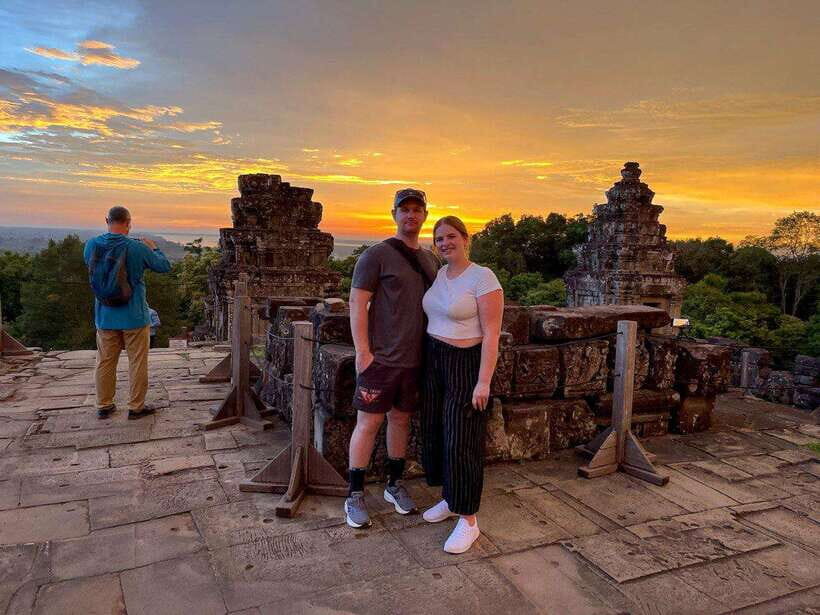
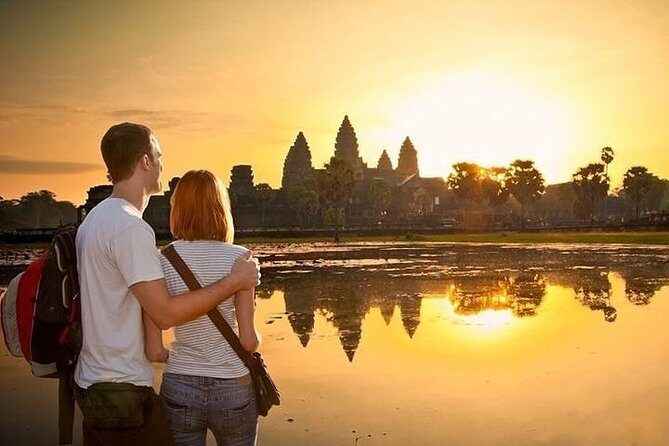
- Angkor Wat sunrise: the big moment, without turning it into a photo marathon
- Angkor Thom’s South Gate and Bayon: biking between the iconic faces
- Ta Nei Temple on the trail: the quieter stop that rewards the ride
- Ta Prohm’s tree takeover: walking among roots and stone
- Lunch at Srah Srang reservoir: fueling up in a calmer pocket
- Bikes and pacing: what the mountain bike details tell you about comfort
- Price and value: is $50 a fair deal for an 8-hour temple cycle?
- Who this tour fits best (and who should reconsider)
- Final call: should you book this Angkor Wat sunrise bike tour?
- FAQ
- What time does pickup happen for this Angkor Wat sunrise bike tour?
- Is the temple pass included?
- How long is the tour?
- How much does the tour cost?
- What’s included with the bike and safety gear?
- What food and drinks are included?
- How big is the group?
- Is there free cancellation?
Key things that make this tour worth your time
- Sunrise at Angkor Wat with the right early start for classic photos and first-light atmosphere
- Small group feel (listed from 2 up to about 8, with a cap around 10), so you’re not lost in a crowd
- Quality Giant mountain bikes with disc brakes, large gear sets, and front suspension
- Ta Nei Temple in the jungle on a less-traveled trail, with time to slow down after
- Ta Prohm’s tree-and-stone moment plus a lunch stop near Srah Srang reservoir
- A guide who actively manages crowd timing and questions, including named-guide feedback from Pok
Sunrise timing: why this ride starts so early
This tour starts in the dark, with pickup listed at 4:30 a.m. in the schedule and also as 5:00 a.m. in the activity details. Either way, you’re rolling early enough to see Angkor Wat when the light is soft and the temple surfaces don’t feel like they’re cooking.
The value here is not just that you get sunrise—it’s that you get sunrise and a full temple circuit without wasting your day on waiting around. After sunrise, the plan immediately switches from photo time to momentum: you bike out to Angkor Thom and keep working through the circuit on your own pace.
If you're still narrowing it down, here are other tours in Siem Reap we've reviewed.
Entering the early morning reality: tickets, energy, and what you bring
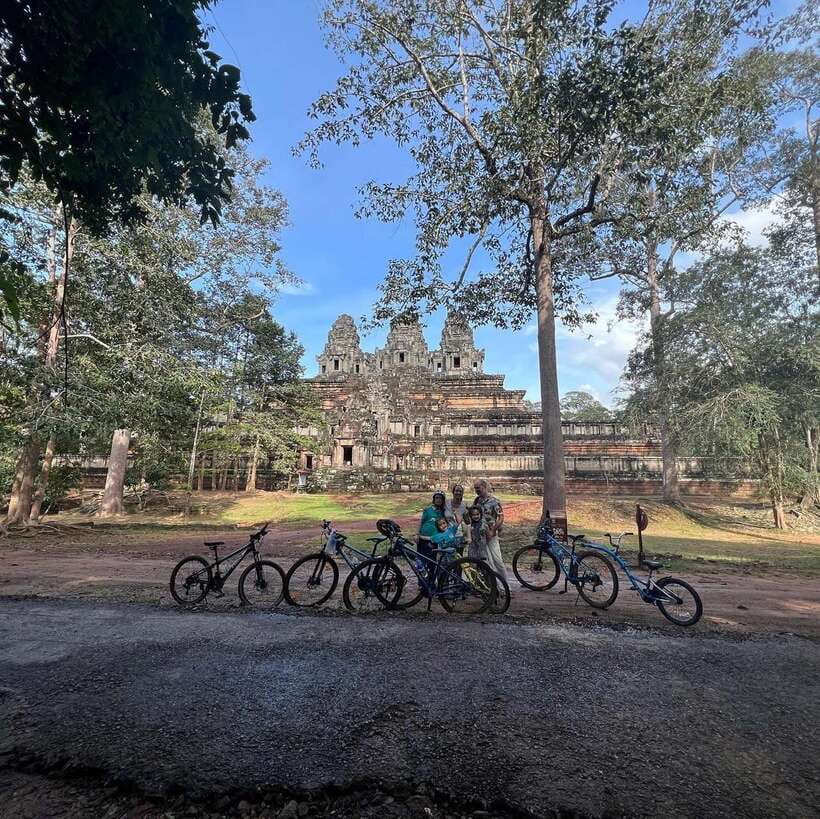
Two practical things matter for your planning:
1) Temple pass not included. You’ll want to purchase your Angkor ticket online ahead of time so you don’t lose sunrise energy at the gate.
2) Start time means you should be ready. This is an 8-hour day starting in the early morning. Bring what helps you handle heat later: sunscreen, light layers, and anything you use to stay comfortable in Cambodia’s sun.
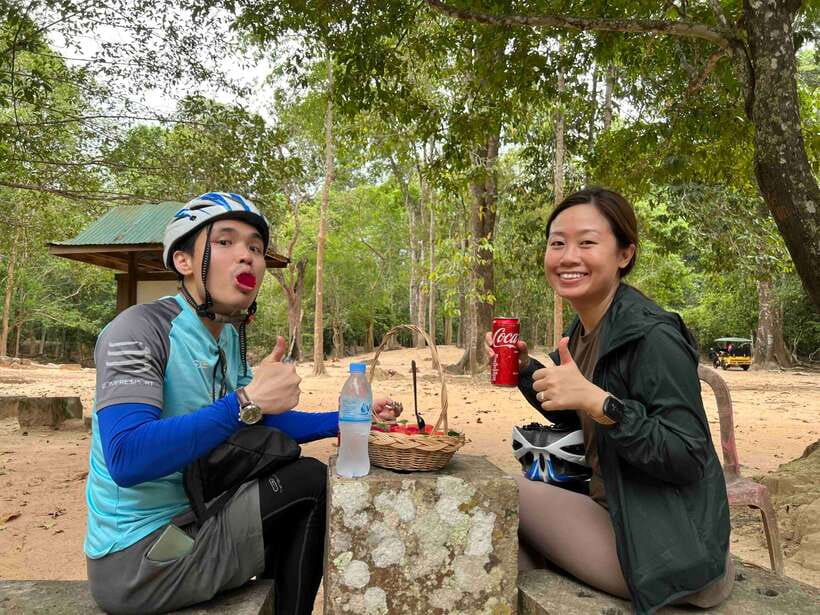
The tour supplies bottle water, Coke, fresh fruit, and lunch, plus helmet and bike. So you’re mostly covering comfort and hydration that would otherwise become your “extra” expense and hassle.
Angkor Wat sunrise: the big moment, without turning it into a photo marathon
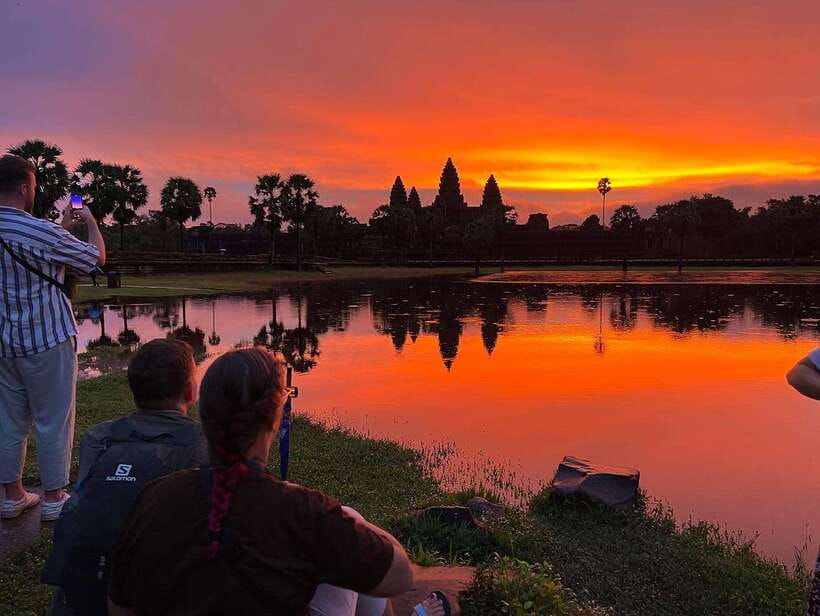
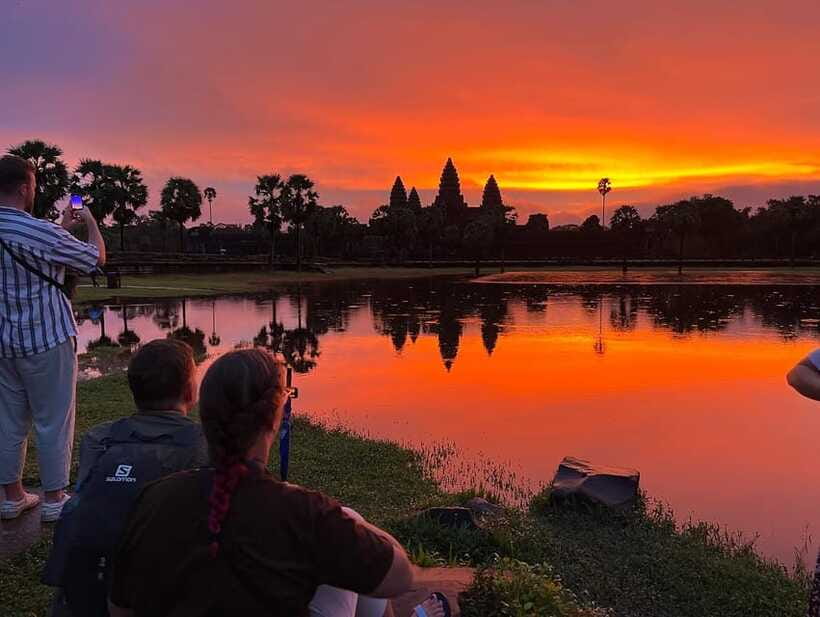
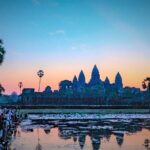
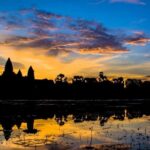
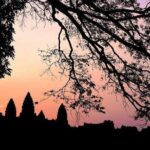
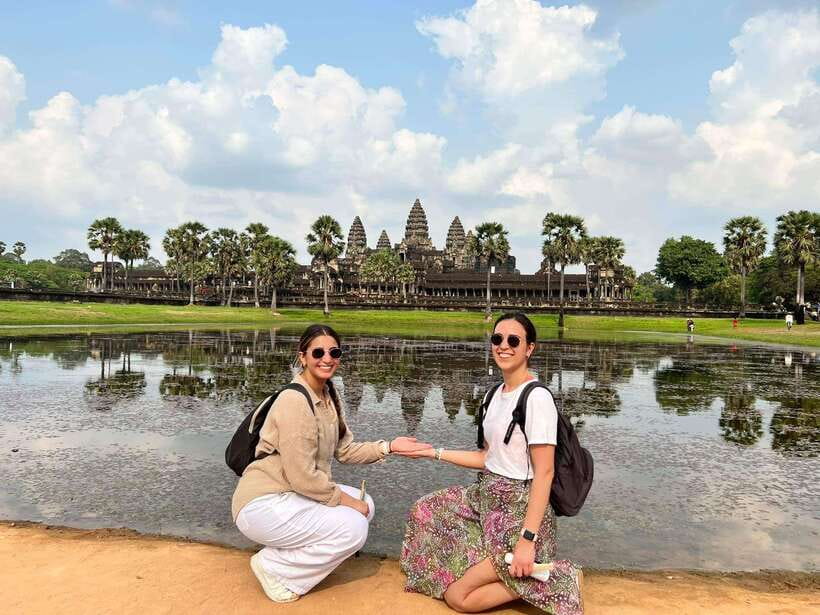
Angkor Wat is listed as the masterpiece of the Khmer empire, and sunrise is one of the few times when the whole complex feels less like a checklist and more like a single scene. During the early stop, your guide leads the way and shares temple history so you’re not just staring at architecture—you’re picking up what you’re looking at and why it mattered.
There’s also a strong practical reason this format works: you get time for the classic Angkor Wat sunrise shots, then you’re moving on. You’re not stuck doing the same photo angles while crowds build.
If you like having a plan for when to stop and when to bike, this part is for you.
Angkor Thom’s South Gate and Bayon: biking between the iconic faces
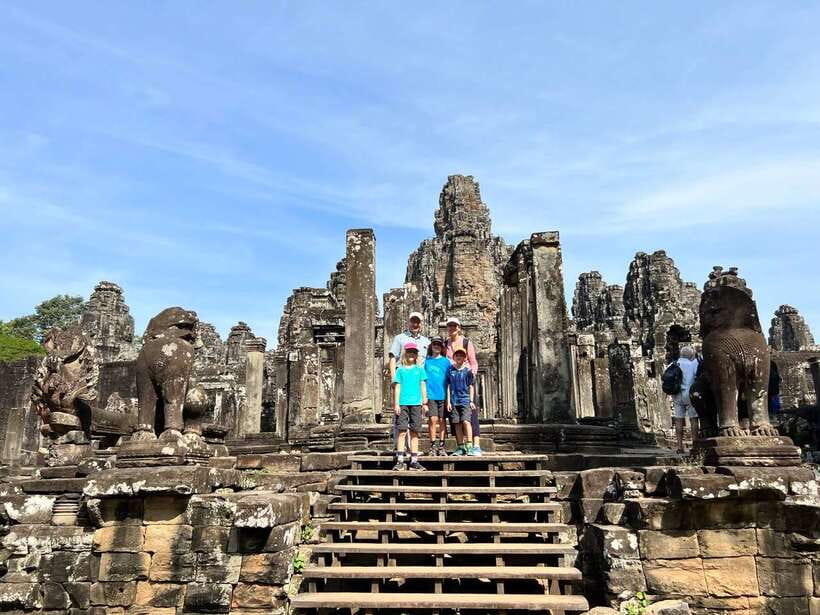
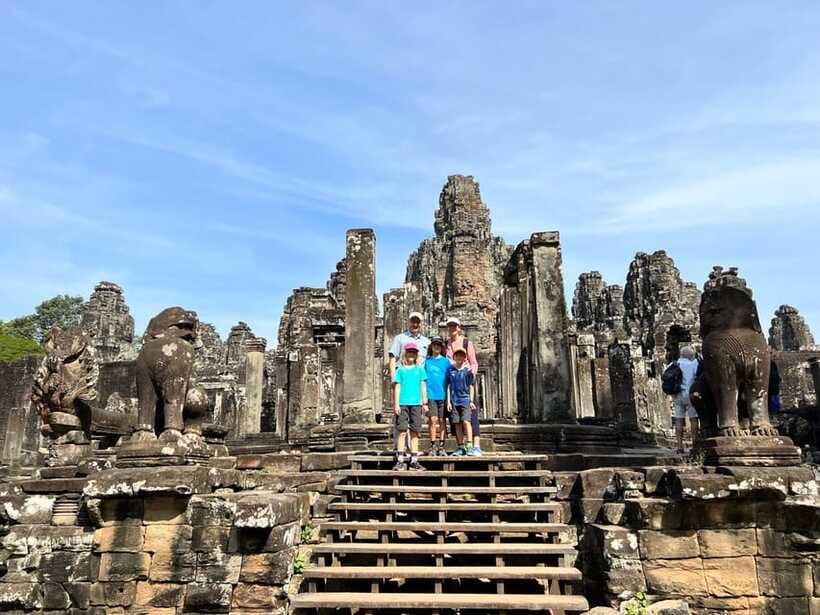
Once sunrise is done, the itinerary shifts to the next visual hit: the south gate of Angkor Thom and the Bayon temple with its smiling stone heads. The guide takes you through the temple history while you ride between points, which helps the day feel cohesive instead of jumpy.
At Bayon, focus on how the faces repeat across levels. It’s easy to treat it as a single postcard view, but the guide-led context helps you notice the structure and placement more clearly.
You also get the Terrace of Leper Kings and the Terrace of the Elephants. Even if you only have a limited window, these areas give you that “Khmer world” feeling—reliefs and storytelling carved into major temple spaces.
Ta Nei Temple on the trail: the quieter stop that rewards the ride
The most “go off-script” part of this day is Ta Nei Temple. It’s described as a temple many tourists can’t see because it’s accessed through a trail in the jungle. And that access method matters.
Instead of only moving through paved, high-traffic routes, you’re cycling along a path where the day becomes more about motion—bike, shade, and the slow build of anticipation as the ruins come into view. The experience provider notes cycling on a trail toward the ruined jungle temple, and a review specifically mentioned a slight cross-country adventure through the jungle and routes that helped protect from sun.
After you reach Ta Nei, you get a breather with fresh fruits—a smart reset after cooler morning riding and before the midday stop.

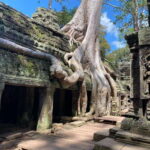
Ta Prohm’s tree takeover: walking among roots and stone
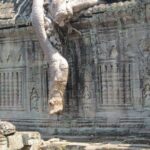
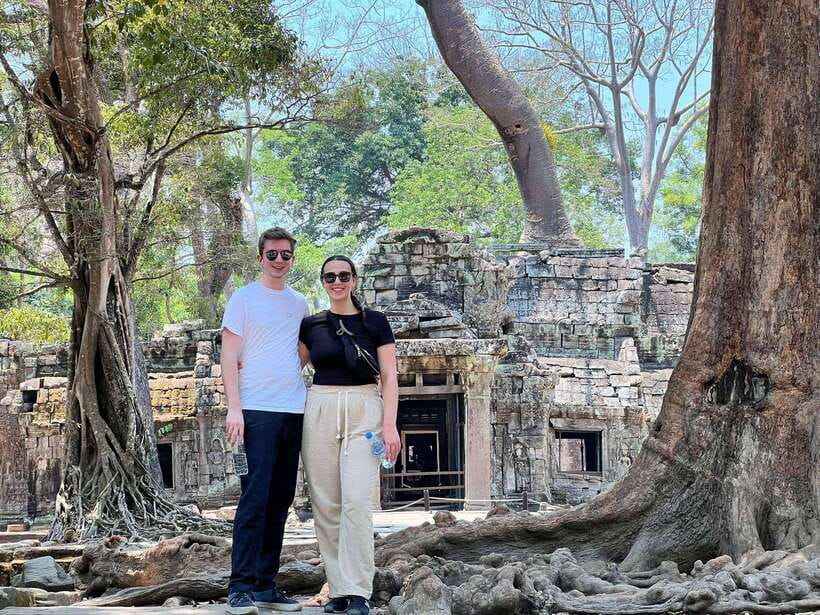
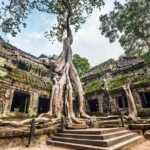
Then you go to Ta Prohm, the jungle temple where tree trunks twist and grow around ancient ruins. The itinerary calls out the key image: trees intertwine their trunks with ancient structures.
This stop is where a lot of people slow down naturally. It’s visually busy, but your guide’s history adds meaning—why this temple feels “alive,” and how that relationship between nature and stone became part of the scene you see today.
Since your morning has already been action-heavy, Ta Prohm is a good balance: you bike in, then you can actually look without the next pedal segment forcing you onward every few minutes.
Lunch at Srah Srang reservoir: fueling up in a calmer pocket
At around 12:00, the tour shifts to lunch at a local restaurant near the Srah Srang reservoir. This timing is helpful. You’ve already seen sunrise, Bayon, and the quieter Ta Nei stop, so you’ll likely welcome a break before the afternoon heat firms up.
The good part: lunch is included, and the day already gives you water, Coke, and fresh fruit. That means you’re not scrambling for meals between temples or spending your limited time hunting food.
And Srah Srang’s proximity gives you a natural sense of place. It’s a different vibe than the dense temple core—more open and, for many people, a nice pause in the day’s intensity.
Bikes and pacing: what the mountain bike details tell you about comfort
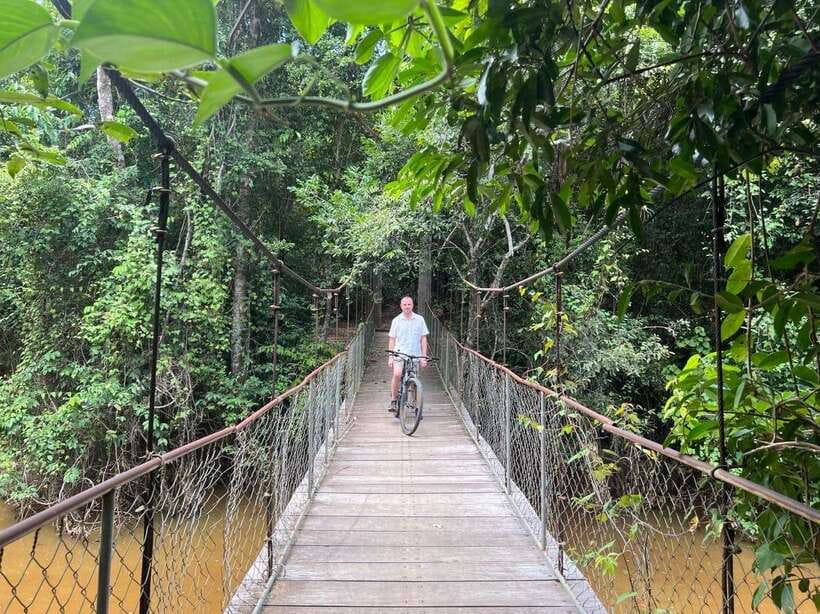
The bike is not just a nice extra—it’s a big part of why this tour can feel enjoyable instead of exhausting. You’ll ride a modern Giant mountain bike with:
- Large gear sets (helpful when you hit different riding surfaces)
- Disc brakes (reassuring when conditions aren’t perfectly smooth)
- Front suspension (a comfort win on uneven paths)
You’ll also have helmet and support transportation, which matters when a tour includes early morning darkness and later temple stops. Support helps keep the day running smoothly if you need a hand.
In one strong piece of feedback, the guide (Pok) was praised not just for explanations, but for choosing routes that offered shade and a slight jungle-track feel. That combination—good bikes plus thoughtful routing—is what turns “bike tour” from a marketing label into something you’d actually be glad you booked.
Price and value: is $50 a fair deal for an 8-hour temple cycle?
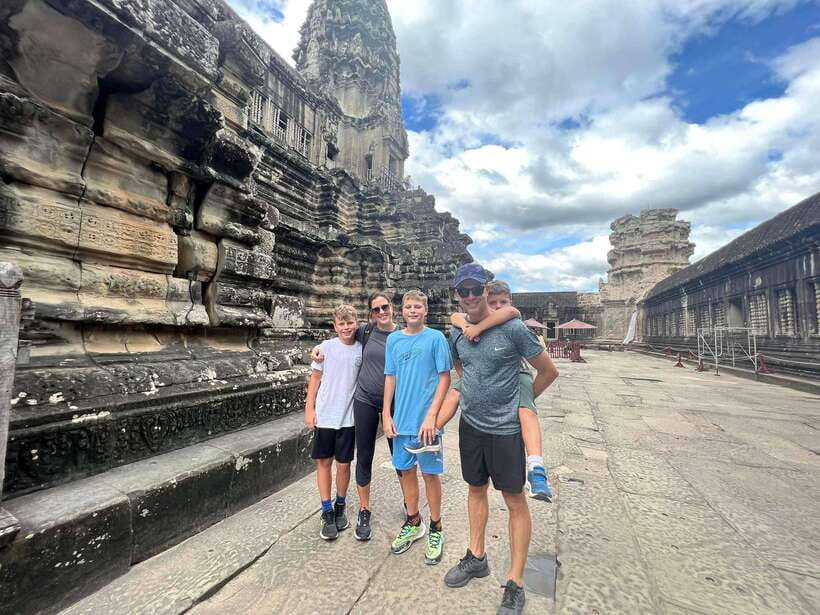
At $50 per person for an 8-hour tour, the value comes from what’s packaged together:
Included items that save you hassle and cost:
- Professional English-speaking guide
- Modern bike setup (Giant mountain bike, helmet)
- Water, Coke, fresh fruits, and lunch
- Hotel pickup and drop-off by tuk-tuk or car
- Support transportation
What’s not included:
- Temple pass
- Personal expenses
To judge value, think about what you’d otherwise pay for sunrise access, local guide time, and transportation between several temple areas. This itinerary covers Angkor Wat at sunrise, key Angkor Thom highlights (South Gate, Bayon, terraces), Ta Nei on a jungle trail, Ta Prohm, and lunch near Srah Srang. That’s a lot of ground for one day—especially when the bikes and guide are included.
If you already plan to buy the temple pass online anyway, the $50 looks like you’re paying primarily for time, routing, and the bike-and-guide bundle.
Who this tour fits best (and who should reconsider)
This is a strong match if you:
- Want early Angkor Wat sunrise without spending the day in traffic
- Like having a guide actively explain what you’re seeing (there’s specific praise for Pok’s English and his willingness to answer questions)
- Prefer a small group experience where you’re not just herded from one stop to the next
- Enjoy cycling on uneven paths and don’t mind a long day
It might be less ideal if you:
- Don’t want to start around 4:30–5:00 a.m.
- Are not comfortable riding a mountain bike for a multi-stop day
- Need a fully car-based temple day instead of a mixed biking route
Final call: should you book this Angkor Wat sunrise bike tour?
If your priority is getting the best light at Angkor Wat and still seeing the other headline temples in one organized day, I’d book it. The mix of sunrise + cycling + guided context is the core strength, and the inclusion list (water, fruit, lunch, bikes, helmet, hotel pickup/drop-off) keeps the day from turning into constant extra spending.
I’d only think twice if you’re not a morning person or you’d rather avoid any cycling on rougher trails. Otherwise, this is the kind of day where the schedule actually helps you, instead of fighting you.
FAQ
What time does pickup happen for this Angkor Wat sunrise bike tour?
Pickup is listed as 4:30 a.m. in the schedule, and also stated as 5:00 a.m. at the hotel lobby in the activity details. Check the starting time when you book.
Is the temple pass included?
No. The temple pass is not included, and you’re advised to buy the Angkor ticket online.
How long is the tour?
The duration is listed as 8 hours.
How much does the tour cost?
The price is $50 per person.
What’s included with the bike and safety gear?
You get a helmet and a modern Giant mountain bike with large gear sets, disc brakes, and front suspension.
What food and drinks are included?
The tour includes water, Coke, fresh fruits, and lunch.
How big is the group?
The tour is described as a small group: from a minimum of 2 up to a maximum of 8, with the activity also stating it’s limited to around 10 participants.
Is there free cancellation?
Yes. It’s listed as free cancellation up to 24 hours in advance for a full refund.