REVIEW · SIEM REAP
Back to Basics: Village Life Tour from Siem Reap
Book on GetYourGuide →Operated by Khmerdetours · Bookable on GetYourGuide
A village day beats any museum stop. This Back to Basics tour turns everyday survival tasks into a real window on Cambodian rural life, with an insider guide and a school visit that make the story feel personal, not staged. You’ll see families working—baskets, weaving, water collection, and even rice wine—while your guide explains how global issues filter down to local daily needs.
The best part is how much you can learn in a short window. Just remember the four hours move quickly, so you’ll take in highlights rather than sitting for long, slow conversations with every family. Still, it’s a thoughtful format that keeps the focus on community and daily work, not just photos.
In This Review
- Key highlights at a glance
- Entering village life with the right kind of context
- Pickup, tuk tuk rides, and a 4-hour pace that stays manageable
- Water, firewood, and the real rhythm of daily work
- Weaving stories into what you can see: Khmer music, photos, and respectful questions
- Silk production and market life you can actually taste
- School visit: meeting teachers and students on their home turf
- Pergola village Buddhist temple: a calm pause between work and questions
- Lunch by the water: hammocks, chicken and rice, and tamarind-pepper flavors
- Price and logistics: what $68 really covers
- How to photograph, ask questions, and avoid turning people into props
- Who this tour is best for
- Should you book Back to Basics: Village Life Tour from Siem Reap?
- FAQ
- How long is the Back to Basics: Village Life Tour?
- What does the tour cost?
- Is pickup included, and how do you travel?
- What’s included in the price?
- Will I get to visit a school?
- Is the tour in English?
- What about kids pricing?
- Is there a cancellation policy or flexible booking?
Key highlights at a glance
- Insider perspective with a guide who grew up there and can translate the why behind daily tasks
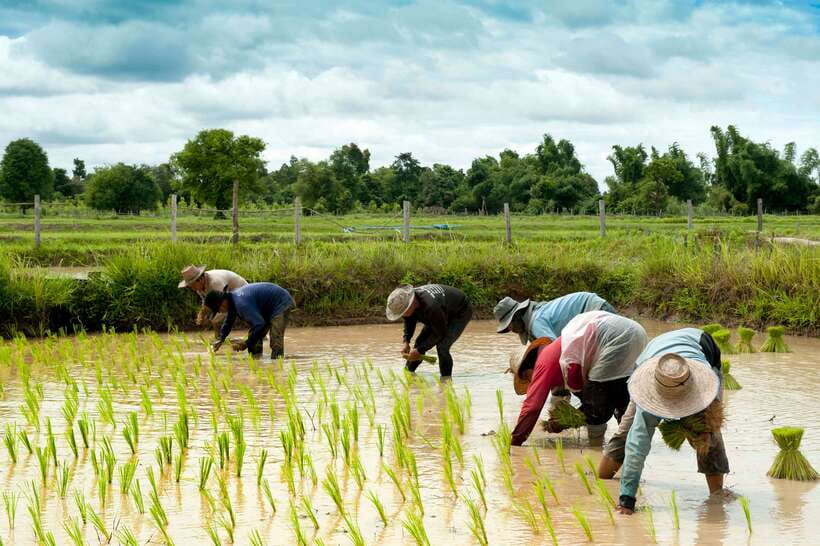
- Village-work viewing like weaving, basket making, well or water pumping routines, and rice wine
- School stop with time to meet and speak with teachers and students
- Pergola Buddhist temple visit to round out village life with spiritual context
- Lunch and drinks included, eaten with a local feel and time to relax on a hammock
- Transport with pickup plus cold towels, so the countryside day doesn’t feel like a logistical headache
Entering village life with the right kind of context
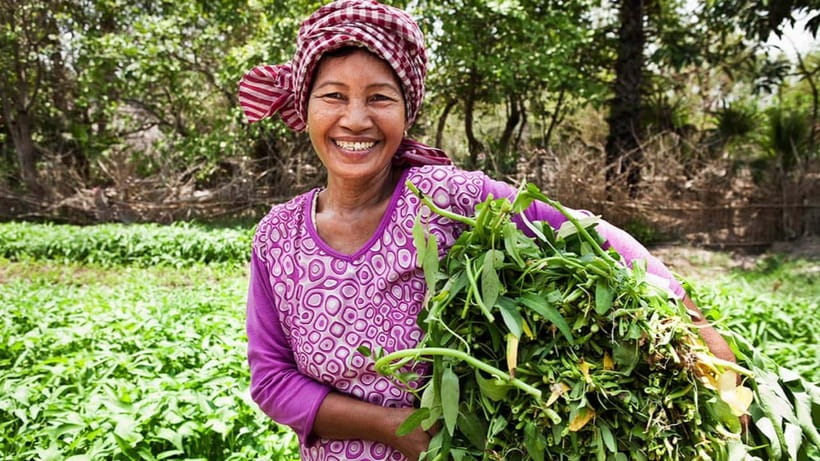
This tour works because it starts with basics. Not “look at the ruins,” not “here’s a performance.” You step into a working village and see how people handle the daily essentials—water, work, home materials, and education. That changes how you read Cambodia, especially when you’re used to Siem Reap being all about big-ticket sights.
I like the way the guide frames things. You’re not just handed a script. You’re encouraged to ask questions and connect everyday tasks to bigger pressures, like employment and access to clean water. When a guide explains it in plain language, you start noticing details you’d otherwise walk past—like why certain materials get used, or why the school matters beyond the classroom.
If you're still narrowing it down, here are other tours in Siem Reap we've reviewed.
Pickup, tuk tuk rides, and a 4-hour pace that stays manageable
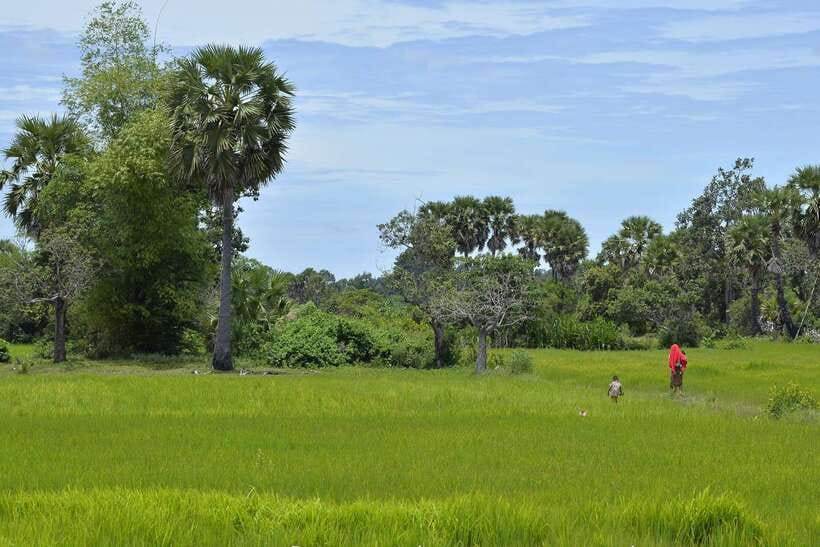
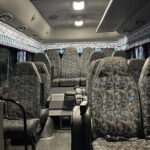
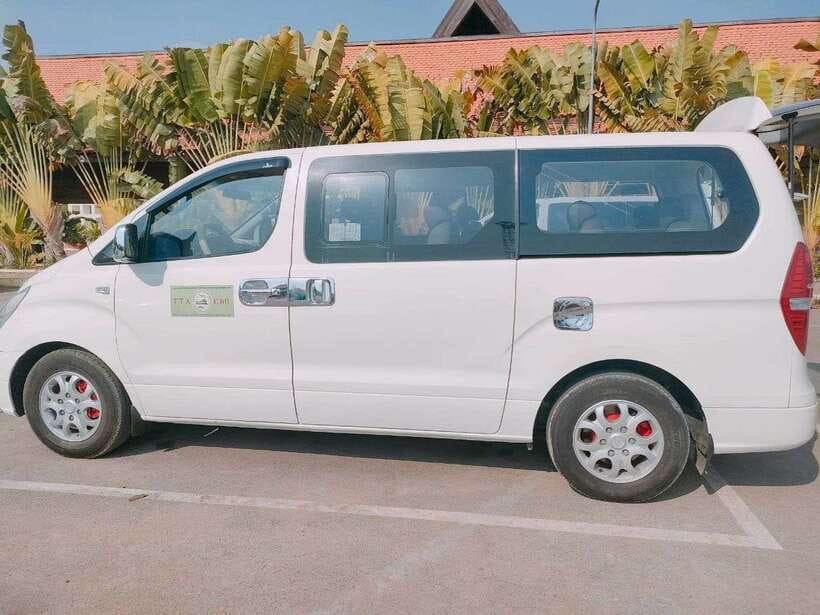
You’re picked up from your hotel or guest house, then taken out by tuk tuk, car, or mini van depending on the day and group needs. The transport is air-conditioned, which matters because your village portion can involve a lot of time in the sun and around activity.
The tour lasts 4 hours. That’s a sweet spot. It gives you enough time to actually meet people, see multiple village stops, and still get back without turning the day into a half-day slog. The one trade-off is simple: you won’t linger as long as you might if you were staying in the countryside. If you’re the type who likes to sit and talk for hours, you may feel the pace is brisk.
Water, firewood, and the real rhythm of daily work
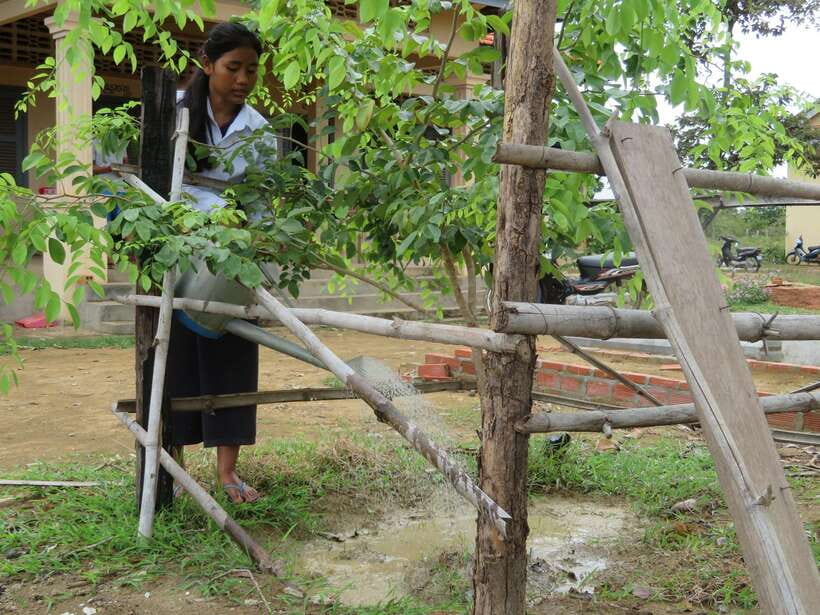
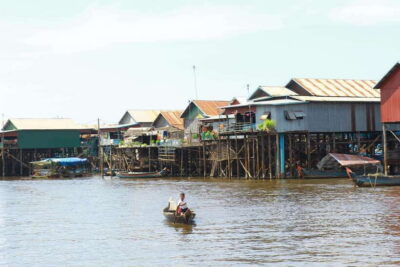
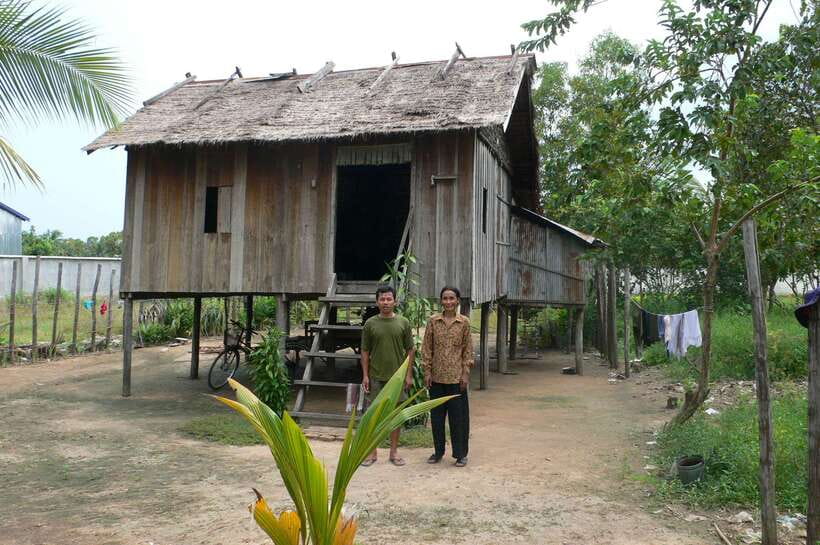
As you enter the village area, you’ll be greeted in a warm, practical way—more like being introduced than being escorted. One of the strongest parts of the experience is how directly it connects tasks to outcomes: gathering firewood, pumping or collecting water, preparing food, and supporting family work schedules.
You’ll also see craft work in motion. Basket making and weaving are front and center, and you may notice how techniques are passed along in a way that feels intergenerational. It’s not “watch a demonstration.” You’re seeing what people do because they need the baskets, the woven items, and the routines that keep daily life moving.
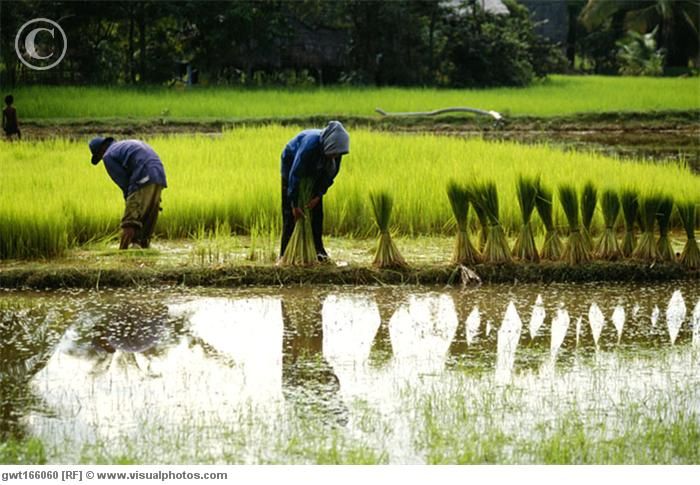
Rice wine also comes up. Even if you don’t see every step from start to finish, you’ll understand that fermentation and ingredient choices aren’t random—they connect to what’s available locally and how families manage seasonal work.
Weaving stories into what you can see: Khmer music, photos, and respectful questions
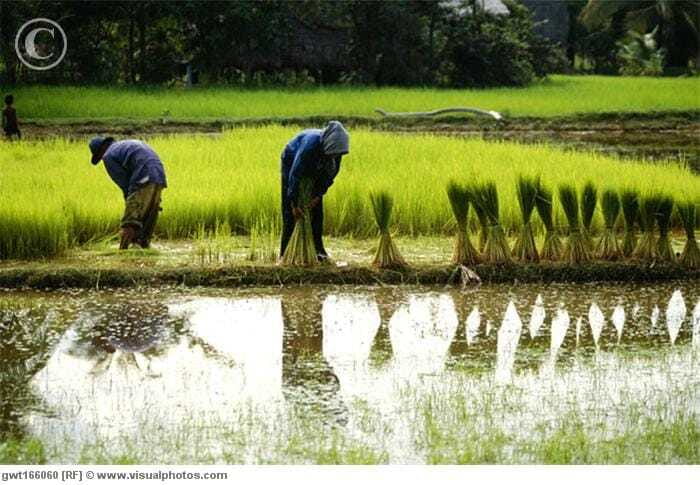
Along the path, you’ll get moments that make the experience feel human. Expect Khmer music to show up as part of the atmosphere, and you’ll have time to stop, look closely, and take photos. The best advice is to treat your camera like a tool, not the main event. If you want good pictures, you’ll also want good timing—pause, ask, and then capture.
Questions matter here. Your guide can explain how things like employment opportunities, clean water, and sustainable development affect even communities that feel far from major cities. This is the part that helps you avoid the “tour bubble.” You start connecting the village work you’re seeing to broader pressures, without turning it into doom or politics on demand.
Silk production and market life you can actually taste
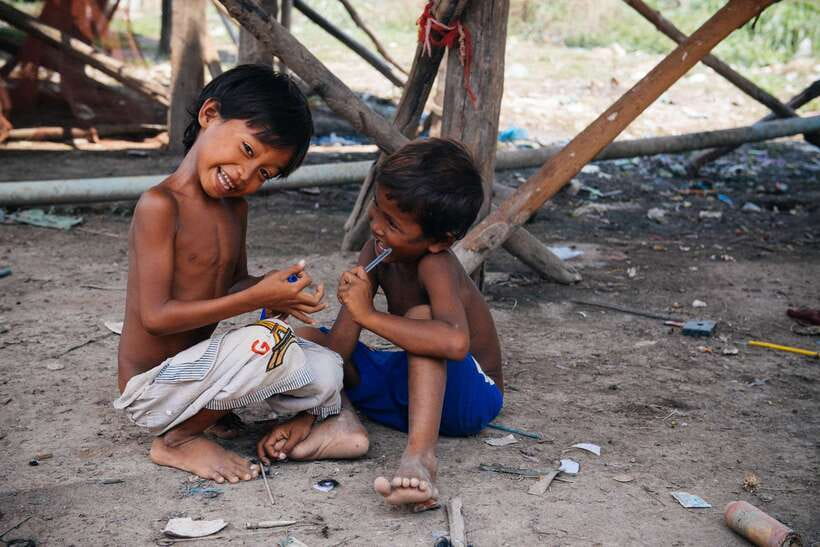
Some countryside days include stops where everyday goods become part of the story. You might see how silk production works—from the silkworm stage through the process of making something wearable. The point isn’t just trivia. It shows how much labor and knowledge sits behind items that tourists often think of as “just products.”
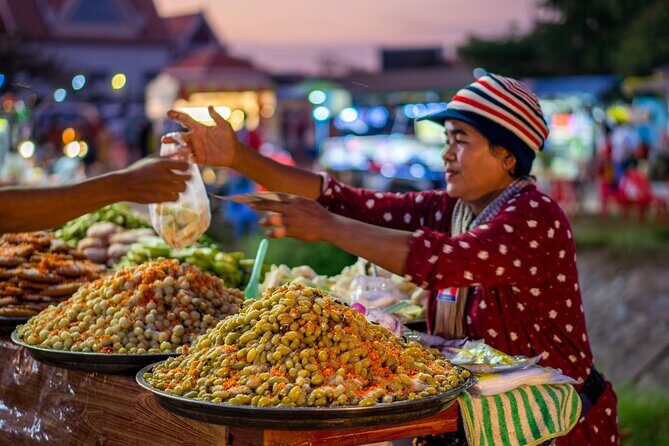
You may also have a chance to encounter local market life. Think fresh fruit, pastries, and stalls where you can see what families buy and sell. If your day includes food sampling, palm juice tasting is a common highlight. It’s a simple moment, but it helps you experience local flavors as part of the local economy, not as a random snack.
If you’re the type who likes to shop, this is where it can be meaningful. Don’t rush buying. Ask what something is made from and how it’s used. You’ll usually learn far more than you expected.





School visit: meeting teachers and students on their home turf
The school stop is one of the most important reasons to book this tour. You’re not just walking past a building. You’ll visit a school and have a chance to meet and speak with teachers and students. That direct interaction turns the experience from “sightseeing” into understanding.
I value this part because it shows education as a lived priority, not an abstract ideal. Your guide can explain what matters for students—access, daily attendance, and how families weigh work and school. And once you meet the students, you quickly realize the conversation becomes about curiosity and respect.
Some guests have gone a step further—bringing small supplies or treats to share, then joining in simple fun like singing together. If that sounds like something you want to do, ask your guide what’s appropriate first, so it fits the school’s comfort level and your budget. Even without giving anything, the best “gift” is your attention and your kindness.
Pergola village Buddhist temple: a calm pause between work and questions
After school time, you’ll visit the village Pergola, a local Buddhist temple. This stop gives you a different angle on village life—one that isn’t centered on chores and production. It’s a quieter moment that helps you understand how faith and daily routine overlap.
Temple visits can be sensitive, so keep it simple: dress modestly, move respectfully, and let your guide handle the tone of any questions. If you want better context, ask what visitors should notice and why. That way you don’t just see a structure—you understand how it fits into everyday beliefs.
Lunch by the water: hammocks, chicken and rice, and tamarind-pepper flavors
Lunch is included, and it’s often one of those moments you remember longer than the craft stops. You’ll eat near water, typically with a setup that feels local—laid out mats and time to relax on a hammock when it’s offered.
The meal you’re served can include chicken and rice with sauces that may include pepper and tamarind. The sauces matter here. They’re not just flavor for tourists; they reflect what families use and how they balance taste with what’s available.
One of the best things about lunch on this tour is the pace. This isn’t a rushed restaurant stop between two highways. You take a break, then you’re ready to continue with clearer eyes and less “tour fatigue.” Some guests even end up trying local eating style, like eating with hands, because it feels natural in that setting.
Price and logistics: what $68 really covers

At $68 per person for about 4 hours, you’re paying for more than a ride. You’re getting an English-speaking guide, air-conditioned transport, pickup from your hotel or guest house, lunch and drinks, and cold towels. Those inclusions matter in Siem Reap, where adding taxis, guide time, and meals separately can get expensive fast.
Value-wise, you also get something that’s hard to price: access to a community through an insider guide. That kind of connection usually takes planning and trust. If you’ve ever felt disappointed by tours that only skim the surface, you’ll appreciate that this one is built around everyday work and real conversation.
If you’re traveling as a family, the pricing also helps. Children 12 and under are half price, and 5 and under are free, which makes it friendlier for multigenerational groups.
How to photograph, ask questions, and avoid turning people into props
You’ll likely take photos. That’s normal. Just do it with care. Ask before filming or close-up photographing, especially around children. If someone says no, take that as a boundary and move on.
For questions, think practical, not invasive. You’ll get better answers if you ask about daily routines and how people learn skills. For example:
- how basket weaving fits into family schedules
- what kids learn at school and why attendance is important
- how materials for homes are chosen
- what clean water and employment mean in daily terms
Also, keep expectations realistic. This isn’t a disaster-focused tour. It’s a look at how a community tries to keep its way of life while modernization pressures keep showing up.
Who this tour is best for
This is a great fit if you:
- like seeing daily life, not just landmark monuments
- want an insider-led explanation of rural work and education
- enjoy conversations and small moments, like food tasting and school interaction
It might not be the best fit if you only want “major attractions” packed into a day. This tour is about villages and people. The payoff is understanding.
Wheelchair accessibility is listed, and transport is provided, so it can be easier to manage than DIY village exploring. Still, since village paths may be uneven, move with patience and follow your guide’s lead.
Should you book Back to Basics: Village Life Tour from Siem Reap?
Yes, if you want a countryside day with purpose and real human connection. The combination of village work scenes, school time with teachers and students, and a temple stop—plus lunch included—makes this feel like more than a checklist tour.
I’d recommend booking if you’re ready to slow down a bit, ask respectful questions, and focus on understanding. If you’re hoping for a long, deep stay in one place, know that four hours will only touch the surface. But as a first look at how Cambodian village life continues—while global issues still reach it—this tour is one of the better ways to spend half a day from Siem Reap.
FAQ
How long is the Back to Basics: Village Life Tour?
It’s a 4-hour tour.
What does the tour cost?
The price is $68 per person.
Is pickup included, and how do you travel?
Yes. You’re picked up from your hotel or guest house with tuk tuk, car, or mini van, and transport is provided with air-conditioning.
What’s included in the price?
The tour includes an English-speaking guide, air-conditioned transport, lunch and drinks, and cold towels.
Will I get to visit a school?
Yes. The tour includes a stop where you can meet and speak with teachers and students.
Is the tour in English?
Yes, the live tour guide speaks English.
What about kids pricing?
Children 12 or under are half price, and 5 and under are free.
Is there a cancellation policy or flexible booking?
There is free cancellation up to 24 hours in advance for a full refund, and you can reserve now & pay later.