REVIEW · SIEM REAP
Siem Reap: Angkor Wat Small-Group Full Day Tour and Sunset
Book on GetYourGuide →Operated by Passion Indochina Travel Co.,Ltd. · Bookable on GetYourGuide
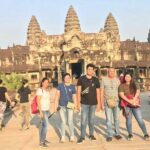
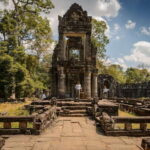
Siem Reap turns into a time machine on this Angkor day. You’ll move through Angkor Thom, the face-filled Bayon, the tree-choked Ta Prohm, and end with a Phnom Bakheng sunset view over the same temples you’ve seen in photos.
Two things I really like: first, the way the route builds momentum—fortified Angkor Thom first, then Ta Prohm, then Angkor Wat—so each site feels like a new chapter. Second, the cultural stop at Phum Preah Dak, where you watch how locals make palm cake and palm sugar, adds a human layer beyond stone and roots.
One possible drawback: you’ll be on the move for about 10 hours, and the late-day sunset involves a climb and timing pressure. If you’re expecting a quick, low-effort day, you may feel it.
In This Review
- Key things to know before you go
- A 10-hour Angkor circuit that actually feels logical
- Angkor Thom: fortress city views and the faces at Bayon
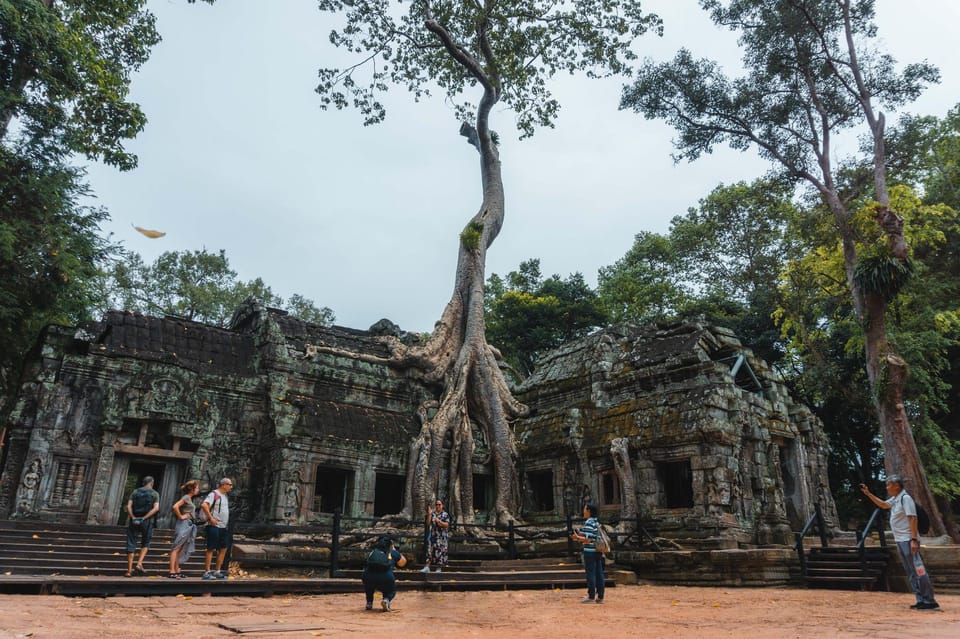
- Ta Prohm: trees, roots, and the right way to look
- Phum Preah Dak village stop: palm cake and palm sugar basics
- Lunch and the practical reality of eating in Siem Reap
- Angkor Wat: timing, jungle views, and why you’ll appreciate it more after Thom
- Phnom Bakheng sunset climb: worth it, but plan your energy
- Price and pass math: the real cost of seeing Angkor
- Small-group comfort: minivan, guide pace, and what to watch
- What to bring (and what not to wear) for Angkor heat and temples
- Who should book this tour
- Should you book it?
- FAQ
- Do I need an Angkor pass for this tour?
- Is lunch included in the price?
- How long is the tour from start to finish?
- Is hotel pickup and drop-off included?
- What language is the guide?
- What should I wear or bring?
Key things to know before you go
- Angkor Thom first, so you get the fortress vibe: walls, gates, and the “Great Royal City” setting you don’t get when you only do Angkor Wat.
- Bayon’s stone faces are the main event: hundreds of faces watching over the courtyards.
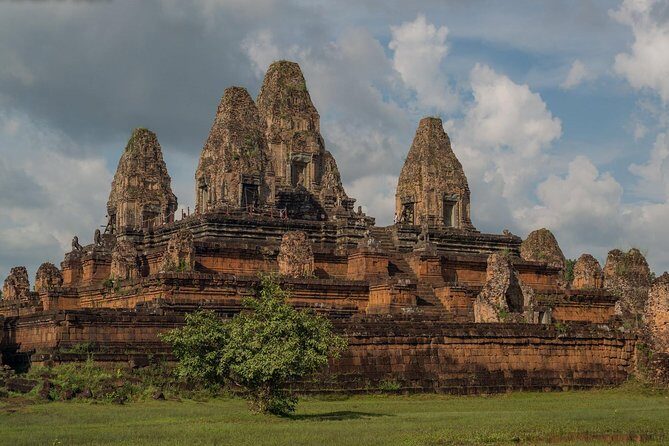
- Ta Prohm is left in original state: trees and roots are part of the architecture, not a special effect.
- Angkor Wat is the iconic finish: you get time there after you’ve already been “indoctrinated” by the earlier temples.
- Phnom Bakheng sunset includes a climb: it’s worth it, but it’s not casual walking.
A 10-hour Angkor circuit that actually feels logical
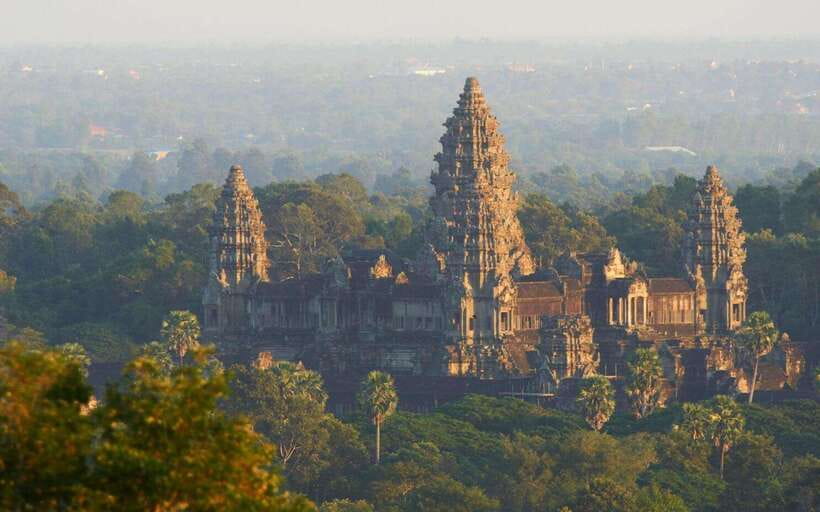
Angkor can feel like a blur if you only do the biggest name. This tour avoids that by starting with the fortified heart of the complex and working outward.
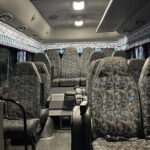
You’ll get hotel pickup from Krong Siem Reap and ride in a luxury minivan with an insured setup and a licensed English-speaking guide. The vibe is practical: cold water and cold towels so you’re not fried before the first carvings.
Then the day follows a clear rhythm—temples in sequence, a lunch break, a village stop, and finally sunset at Phnom Bakheng. That order matters because you’ll notice repeated themes: gateways that frame views, stonework that rewards slow looking, and the way water and jungle shape how the ruins feel.
If you're still narrowing it down, here are other tours in Siem Reap we've reviewed.
Angkor Thom: fortress city views and the faces at Bayon
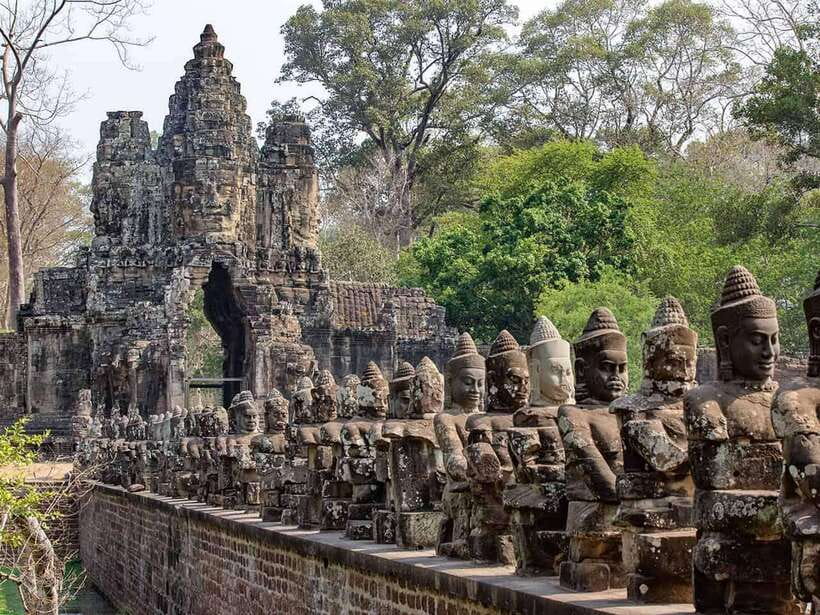
Angkor Thom is the “Great Royal City,” built in the 12th century by King Jayavarman VII. Even before you reach the most famous sculptures, you get the sense of power: this wasn’t a small shrine visit. It was a statement.
You’ll see major stops inside the walls:
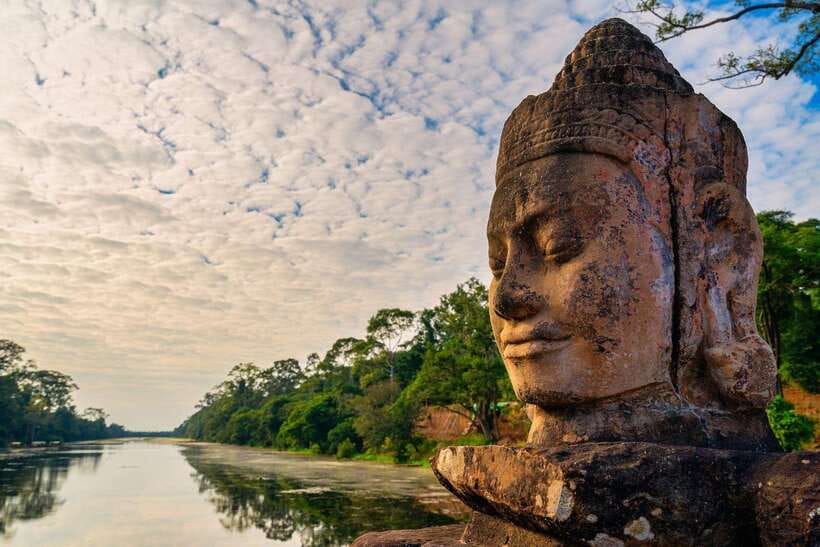
- The statue of Avalokiteshvara (the guide focus is strong here, and it also gets tied to movie fame because it was featured in Tomb Raider). Even if you’re not there for pop culture, the scale and positioning are memorable.
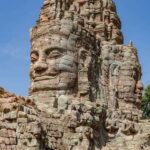
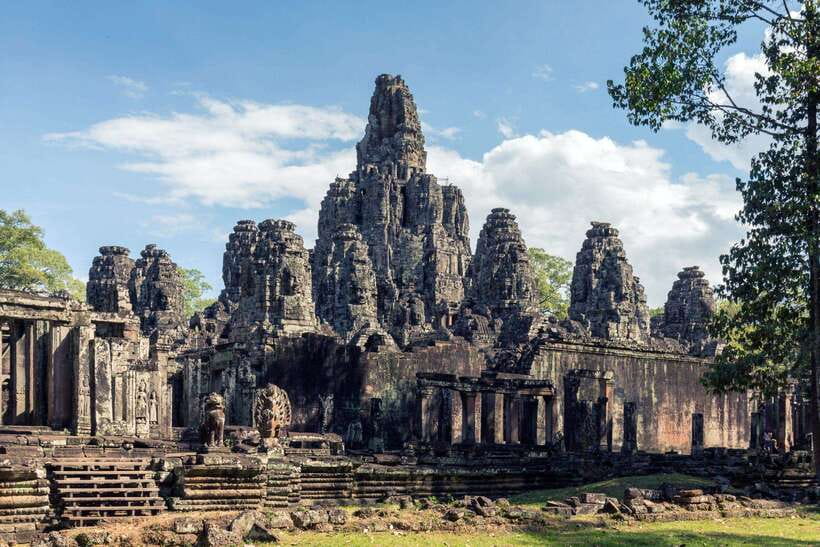
- Bayon Temple, decorated with hundreds of stone faces. This is the part where you stop thinking of Angkor as one monument and start thinking of it as a whole system of sacred, layered spaces.
- Terrace of Elephants, connected to royal and ceremonial life rather than just religious symbolism.
- Additional key Angkor Thom temple sites like Phimeanakas, the Terrace of the Leper King, and Baphuon Temple.
The payoff for doing Angkor Thom before Ta Prohm is that Ta Prohm feels even more dramatic afterward. Bayon and Baphuon remind you how controlled the stone design is. Then Ta Prohm hits you with the contrast of nature winning its arguments.
Ta Prohm: trees, roots, and the right way to look
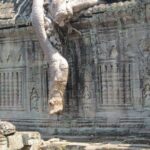
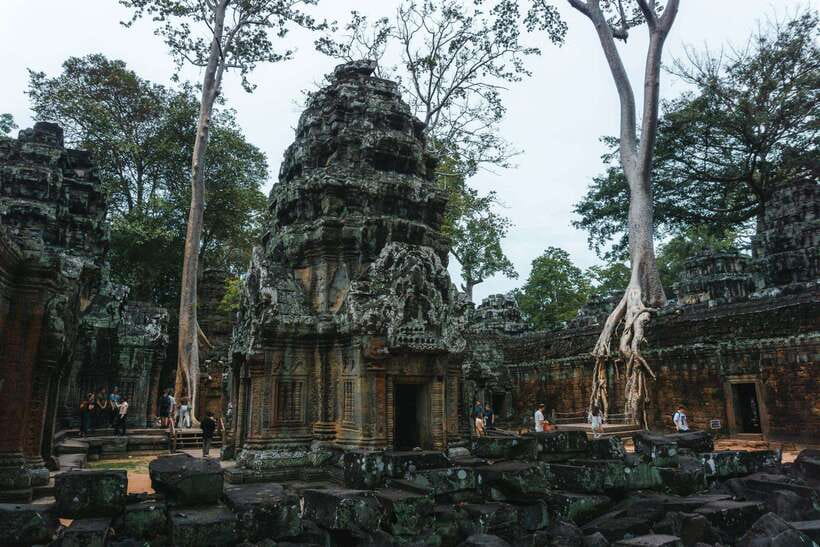
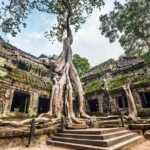
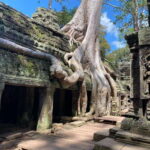
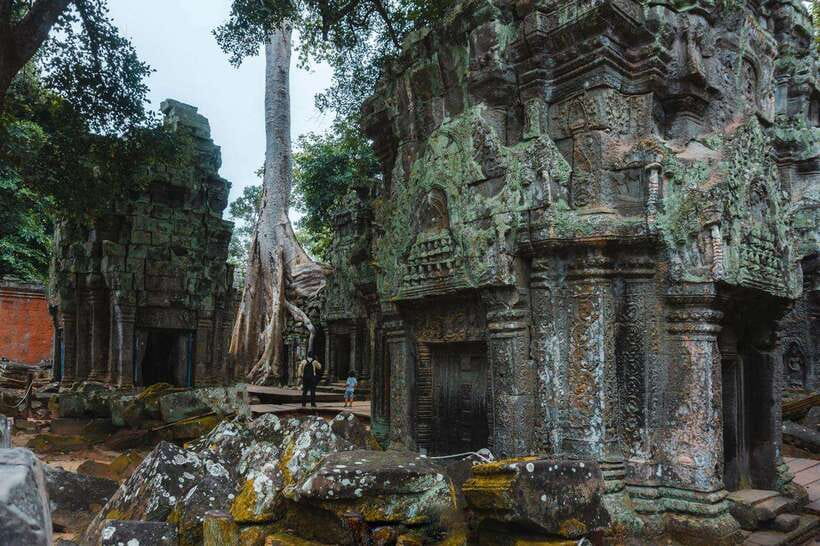
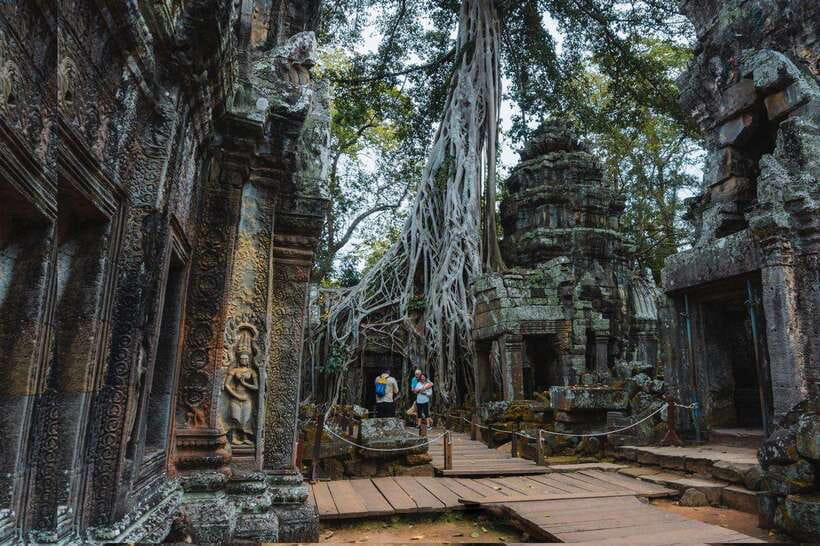
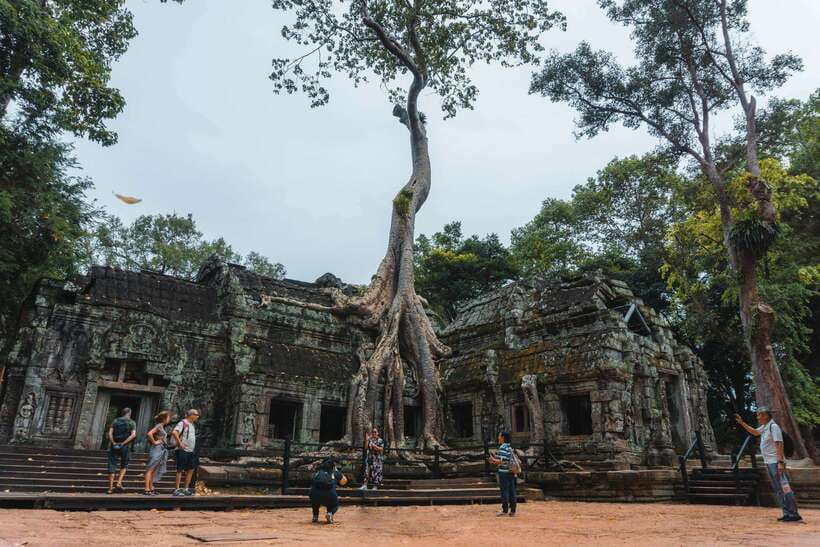
Ta Prohm is famous for being left in its original state—so the trees and roots aren’t a distraction. They’re the point.
You’ll see those tangled roots wrapping around stone, and the temple feels less like a museum piece and more like something that’s still negotiating with the jungle. The best way to experience it is to slow your pace at a few key spots rather than trying to photograph everything at once. If you keep moving nonstop, you’ll miss the geometry—doorframes, wall segments, and the way the roots pull your eye to edges and corners.
Also, this is one of the places where your comfort choices matter. You’ll want comfortable shoes for uneven ground and walking that can feel steppy. A sun hat and sunscreen are worth it here, since you’ll be outside.
Phum Preah Dak village stop: palm cake and palm sugar basics
Angkor is the headline, but the village stop at Phum Preah Dak is the part that often gives people a calmer feeling when the temple intensity starts to stack up.
You’ll learn local food-making, specifically how locals make palm cake and palm sugar. It’s a simple, tangible cultural lesson. You’re not just hearing history—you’re seeing everyday production that still shapes life around the ruins.
This stop also helps you reset mentally. After hours of stone carvings and tree roots, switching to something practical and local makes the day feel more human.
Lunch and the practical reality of eating in Siem Reap
The schedule includes lunch at a local restaurant. The important detail for your planning: lunch isn’t included in the tour price.
In practice, that means you should expect to pay for your meal separately at the stop. If you’re the type who hates surprises, plan for that and carry some cash just in case. One thing I’ve learned the hard way in this area: payment expectations can vary by restaurant and setup, even when the tour plan says there will be a lunch break.
If you have food restrictions, don’t assume everything is adjustable. Ask your guide at the start of the day what the lunch options are, and decide early so you’re not stuck waiting at the table.

Angkor Wat: timing, jungle views, and why you’ll appreciate it more after Thom
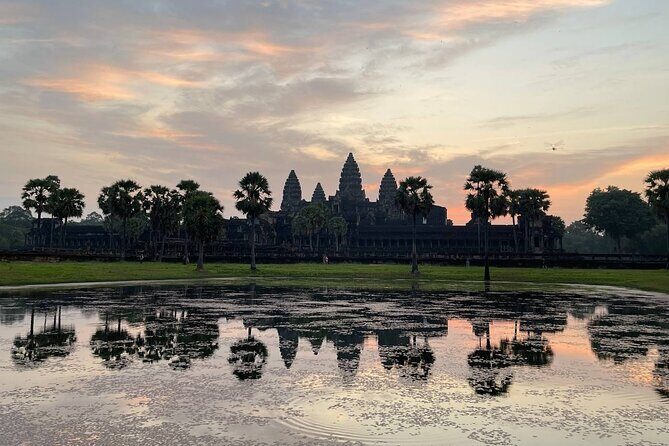
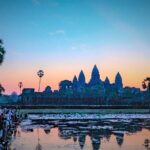
Angkor Wat is the largest sacred building on Earth and the iconic symbol of Khmer civilization. Seeing it after Angkor Thom and Ta Prohm changes how it lands.
By the time you arrive, you’ve already studied:
- Royal-city logic (Angkor Thom)
- Symbolic faces and terraces (Bayon and the surrounding structures)
- Nature’s takeover effect (Ta Prohm)
So Angkor Wat doesn’t just look grand—it feels like the culmination of the earlier themes. You’ll also get views of dense jungle, which helps explain why these temples look the way they do: they’re not sitting in an empty landscape. They’re part of a living environment.
This is also a good moment to slow down. Look at the carvings and the angles, not just the postcard front view. If you catch yourself rushing, stand still for a few minutes and let your eyes adjust. The stone details pop when you stop treating the site like a checkmark.
Phnom Bakheng sunset climb: worth it, but plan your energy
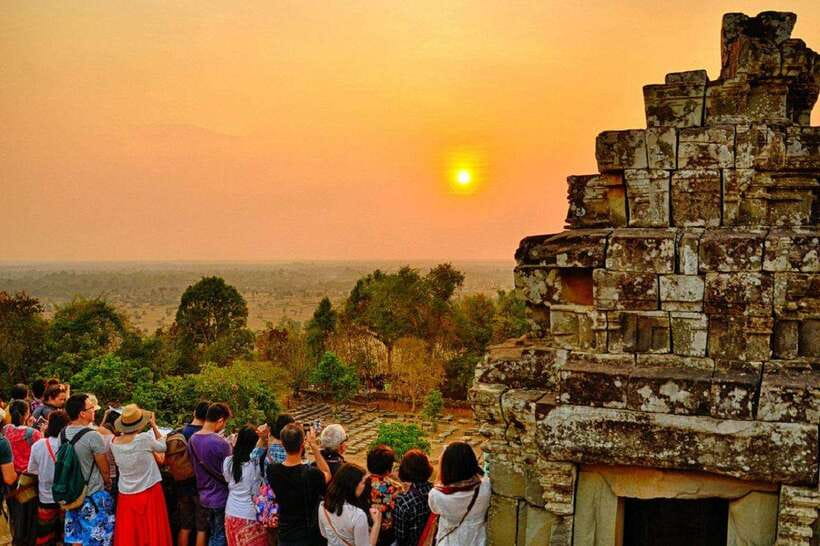
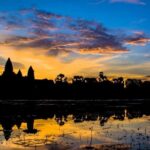
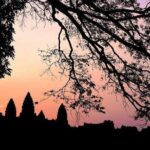
The day ends with a sunset climb at Phnom Bakheng. Sunset viewpoints are popular in Angkor, and the climb is part of why people do it: you’re going up to get the wider view.
What to expect:
- It’s a climb, so don’t wear shoes that aren’t stable.
- Timing matters because you want to reach the viewpoint before the light drops.
- You’ll be tired. That’s normal after a full temple day, so keep your water intake sensible and pace yourself.
Is it worth it? For many people, yes—because you’re finishing the day looking back over the same dense surroundings that framed the morning temples. But if you hate steep steps or you’re traveling with limited mobility, this is the moment to consider whether the effort fits your style.
Price and pass math: the real cost of seeing Angkor
The tour price is $32 per person, and it’s a strong value for a full-day circuit with pickup, an English guide, and park-time structure. But the catch is the big one:
- Angkor pass is not included: $37 per person
- Lunch is not included
So your practical total often lands closer to $69+ per person, before any extra meal spending.
Also note what you are getting with that $32: hotel pickup and drop-off, a licensed English-speaking guide, and comfort basics like cold drinking water and cold towels. Those details matter when you’re doing long hours and walking between temples.
If you’re comfortable paying the Angkor pass separately anyway, this tour can be a solid deal. If you want everything bundled and paid in one shot, you may prefer another option—but the added convenience may cost more.
Small-group comfort: minivan, guide pace, and what to watch
This tour uses a luxury minivan and an insured setup, plus a white-glove licensed driver and an English guide. That kind of setup usually means fewer delays and smoother transitions between sites—especially when you’re trying to hit temples and a sunset climb in one day.
Two guide notes from real on-the-ground experiences in the area:
- One guide named Bunkhak was praised as great and informative.
- A driver named Nol was described as kind and helpful.
Those names aren’t the reason you should book, but they hint at the key variable that changes the experience: a good guide keeps the day moving without turning it into a race.
Where you should be cautious is timing. One experience described some extra transfer steps early in the morning and a longer lunch stop than expected. That doesn’t mean it will happen the same way for you, but it’s a reminder: a “small-group full day” can still stretch if pickups, reloading, or pace get mismanaged.
My advice: treat the schedule like a plan, not a guarantee. If you’re the type who likes a buffer (you should be), plan your evening in Siem Reap with some breathing room.
What to bring (and what not to wear) for Angkor heat and temples
This is not a sit-and-watch day. Pack for walking and sun.
Bring:
- Comfortable shoes
- Sun hat
- Sunscreen
- Comfortable clothing you can move in
Avoid:
- Short skirts (not allowed)
Also, bring the mindset of a temple day: you’ll be outside a lot, and you’ll want to cover up enough to stay comfortable while still being practical for walking.
Who should book this tour
This experience fits best if you:
- Want a full Angkor highlights route in one day (not just Angkor Wat)
- Like guided structure so you understand what you’re looking at
- Appreciate the mix of temples plus a real village cultural lesson
- Don’t mind a long day and a sunset climb
If you’re visiting Angkor for the first time and you’re torn between doing only the headline sites or trying to do more, this kind of route gives you breadth without feeling random.
Should you book it?
I’d book it if you want an organized, English-guided day that covers the major temples plus a cultural village stop. The value is good at $32, and the included comforts (water, towels, pickup) help a lot on a 10-hour schedule.
I wouldn’t book it if your priority is a slow, low-effort day, or if you strongly dislike climbs near sunset. In that case, you might feel the fatigue more than the view payoff.
If you do book, go in with the right expectations: you’re collecting multiple temple “moods” in one day—fortress city, face temple, tree-and-root chaos, iconic Angkor Wat, then a viewpoint climb.
FAQ
Do I need an Angkor pass for this tour?
Yes. The Angkor pass is not included and costs $37 per person.
Is lunch included in the price?
No. Lunch is not included, even though there is a lunch stop during the day.
How long is the tour from start to finish?
The tour runs for 10 hours.
Is hotel pickup and drop-off included?
Yes. Pickup and drop-off at your hotel are included, with a note to wait in the hotel lobby about 10 minutes before pickup.
What language is the guide?
The guide provides the tour in English.
What should I wear or bring?
Wear comfortable shoes and bring a sun hat and sunscreen. Short skirts are not allowed.