REVIEW · SIEM REAP
Siem Reap: Banteay Srei and Grand Circuit Heritage Tour
Book on GetYourGuide →Operated by Journey Cambodia · Bookable on GetYourGuide
Lesser temples, stronger wow. I love the Banteay Srei carvings up close and the atmospheric sunset payoff at Pre Rup, all in a tight, 9-hour loop. One thing to budget for: temple entrance fees and the Angkor Pass surcharge are not included in the $18 rate.
This tour is built for people who already did the biggest hits or simply want Angkor’s quieter corners. You get an English-speaking guide, an air-conditioned van, and the small touches that matter in Cambodia heat—bottled water and cool towels—without turning it into a tiring marathon of rushed stops. The day runs early and finishes after sunset, so plan for a full day on your feet.
In This Review
- What I’d Watch Before You Go
- Key Points at a Glance
- A Grand Circuit Day That Feels Like You Got the Insider Route
- Price and Comfort: What $18 Really Buys (and What It Doesn’t)
- Pickup at Siem Reap: How the Morning Gets You Moving
- Pre Rup: A Hindu Temple Mountain Built for Big Views
- Banteay Srei: The Carving Detail Stop That Steals the Day
- Neak Pean: Buddhist Water Views That Change the Tempo
- Preah Khan: Tree Roots, Crumbling Stone, and a World Monument Focus
- Lunch Break and the Heat Reality Check
- How the Day Feels: Timing, Walking, and What to Wear
- Guides and Drivers: Why the Small-Group Format Matters
- Is It Worth Doing This If You Also Plan Angkor Wat?
- Should You Book This Banteay Srei and Grand Circuit Tour?
- FAQ
- How long is the tour?
- What time does the tour start, and how does pickup work?
- Is lunch included?
- Are temple entrance fees included in the price?
- What’s included for comfort during the day?
- Is this a small group tour?
- What should I bring and wear?
- Is the tour suitable for children or wheelchair users?
What I’d Watch Before You Go
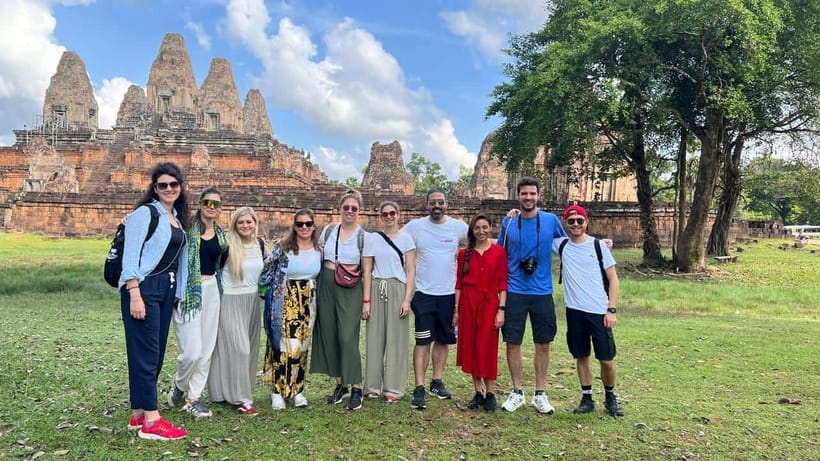
If you’re hoping for a long, laid-back temple picnic, this isn’t that. You’ll walk and explore at multiple sites, and the schedule expects you to keep moving even though you do get time at each stop. Also note the dress rule: no shorts, so bring lightweight long pants or skirt-style alternatives.
Key Points at a Glance
- Pre Rup’s temple mountain views at sunset make the day feel complete
- Banteay Srei’s sandstone reliefs are the carving show of the Grand Circuit
- Neak Pean’s calm, water-formed setting gives you a different pace from the bigger ruins
- Preah Khan’s tree-root textures contrast sharply with the more famous Angkor temples
- Small-group format means you’re not just standing in a crowd
- Cooling breaks are part of the plan with water and cool towels during the day
If you're still narrowing it down, here are other tours in Siem Reap we've reviewed.
A Grand Circuit Day That Feels Like You Got the Insider Route
Angkor can be crowded in a way that makes you rush your own eyes. This tour takes you beyond the Angkor Thom core and beyond the “everyone goes here” checklist. The big value is that you’re not just ticking off names—you’re seeing temples that change the way you understand the Khmer world: different religions, different building styles, different moods.
I like that the day is shaped like a story, not a buffet. You start with a Hindu temple mountain concept, move to the hyper-detailed craft of Banteay Srei, pause at a water-centered Buddhist site, then hit Preah Khan’s dramatic ruin-and-roots look before ending at Pre Rup for sweeping light.
And because it’s a small group with an English-speaking guide, you can ask questions without shouting over a tour bus parade. That matters here, because the carvings and layouts can feel confusing if you don’t have someone to translate what you’re seeing.
Price and Comfort: What $18 Really Buys (and What It Doesn’t)
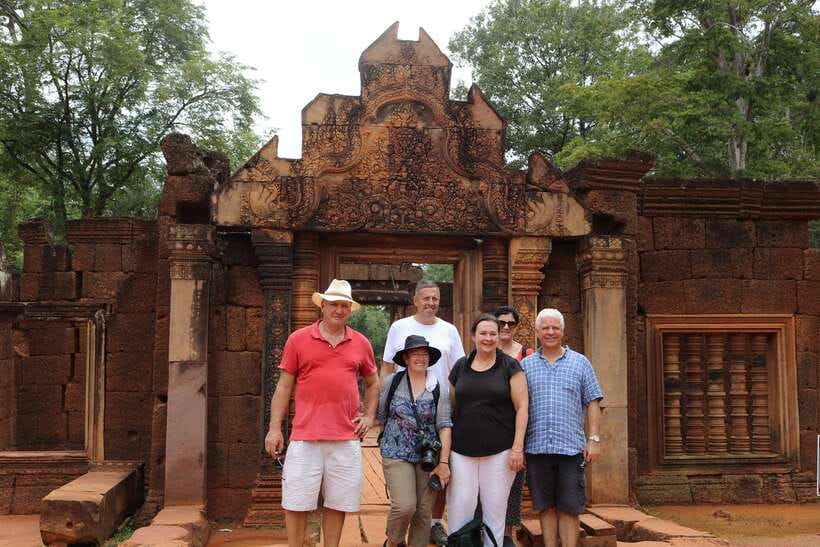
The base price is $18 per person for a day trip that lasts about 9 hours. For that money, you get the big practical stuff: hotel pickup and drop-off in Siem Reap, a comfortable air-conditioned vehicle, an English-speaking guide, and refreshments like bottled water plus cool towels.
What’s not included is temple entry. Plan for $37 per person for the day’s temple entrance/Angkor Pass surcharge, paid on the day of your activity. In other words, your real “all-in” cost is base tour price plus the Angkor entrance cost.
Is it still good value? For many people, yes—because you’re getting:
- Guided visits at multiple sites (not just drop-offs)
- Lunch at a local restaurant
- Cooling support in hot weather (water and cool towels repeatedly)
- A route that covers key “Grand Circuit” temples without requiring you to organize transport yourself
If you already have the Angkor Pass for multiple days, you’re mainly paying for access for that day and the extra guided value.
Pickup at Siem Reap: How the Morning Gets You Moving
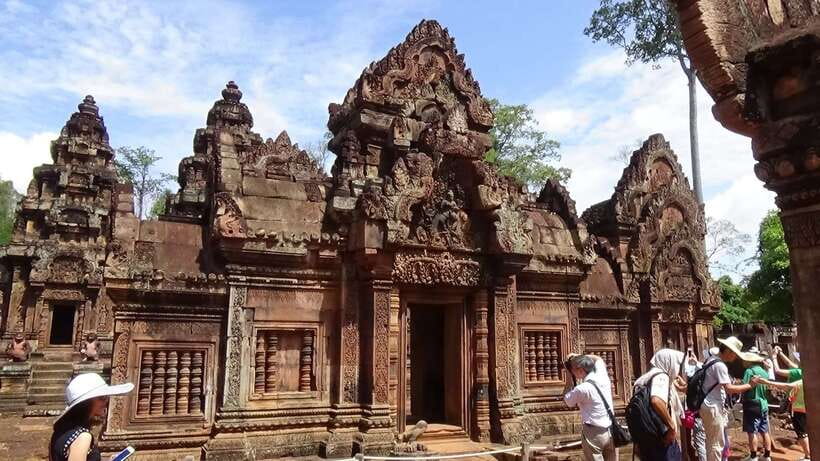
Pickup is handled from hotels across Siem Reap city, with the exact pickup time depending on where you stay. You’re typically set out around 8:00 am, which is ideal if you want to beat the thickest heat and crowds.
You’ll start with a van ride to the first major site, then keep bouncing between temples with short drive segments. Those car breaks are not wasted time here—they’re part of the cooling rhythm, especially on a day that ends with sunset.
A small note that helps: bring what the heat asks for—sun hat, sunglasses, insect repellent, and outdoor clothing. You’ll be glad you did when you’re walking temple grounds under strong sun.
Pre Rup: A Hindu Temple Mountain Built for Big Views
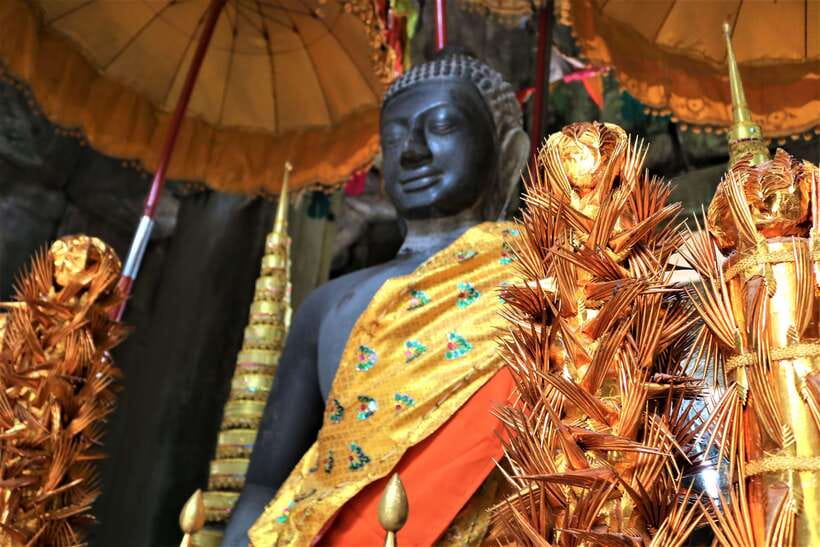
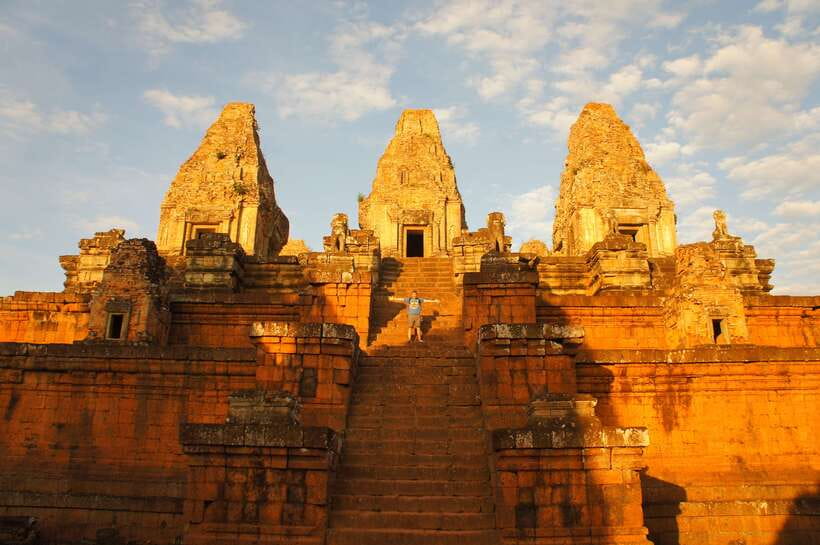
Pre Rup is your first major stop. This is a temple mountain connected to Khmer king Rajendravarman, dedicated in 961 or early 962. It’s built using a mix of brick, laterite, and sandstone, so it has that layered, textured look you get when Khmer builders used whatever strong local materials were available.
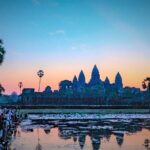
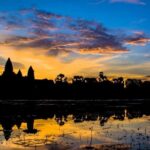
You’ll have time for photos and a guided visit, plus time at the viewpoint. The highlight is the sunset component. Pre Rup isn’t just “pretty at golden hour”—it’s positioned to give you sweeping views over the temple landscape and sky.
Practical takeaway: wear grippy footwear. Temple paths can be uneven, and you’ll want stable steps so you can focus on photos instead of balance.

Banteay Srei: The Carving Detail Stop That Steals the Day
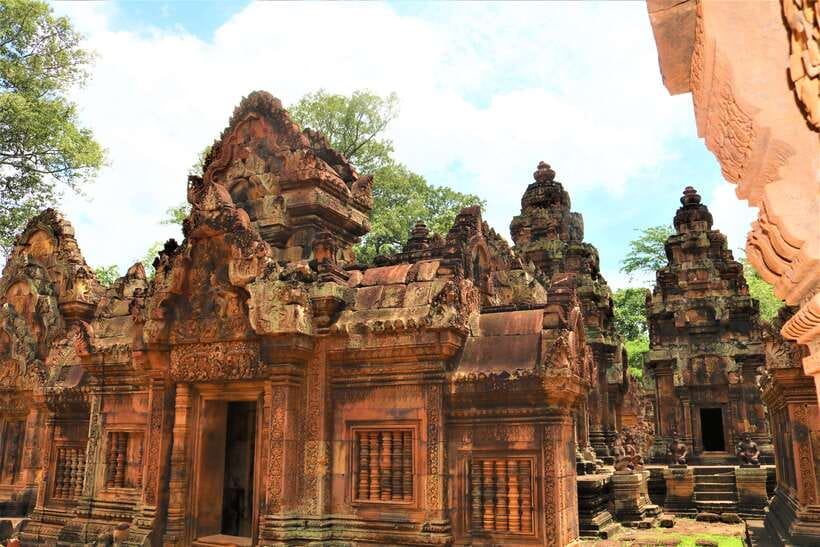
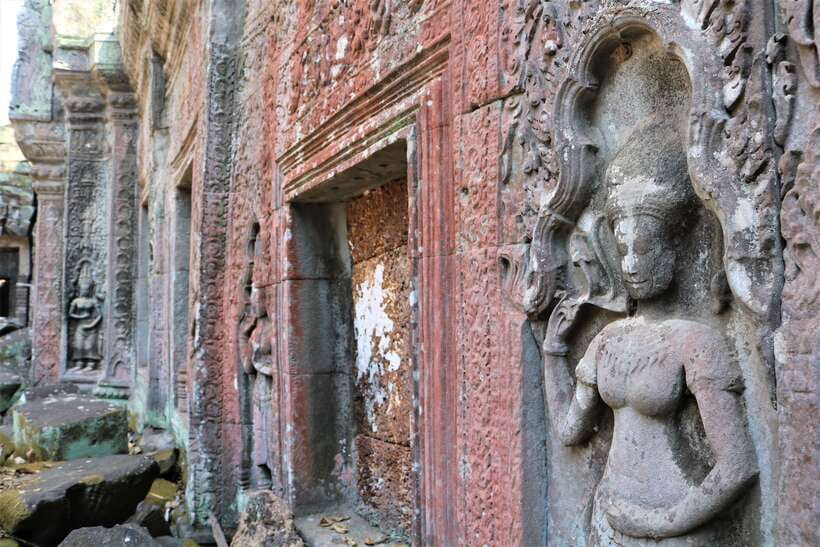
If I had to pick one temple that can change how you feel about Angkor, it’s Banteay Srei. This is a smaller sandstone complex, but the scale of detail is what hits you. The reliefs are considered among the finest in Cambodia, and the craftsmanship shows in how carefully scenes are carved into the stone.
There’s also a meaningful modern-history layer: Banteay Srei has only been accessible since the late 1990s after the Khmer Rouge left the area. That adds weight to the visit—this isn’t just an old ruin, it’s a place that had its future seriously disrupted and then reopened.
You’ll get guided time and a walk, with the chance to take photos. Because it’s smaller, you can slow down. Look closely at the carving scenes and the way the lines flow. This is where a guide who can explain symbols can make the time fly.
Practical note: this is also where the no-shorts rule matters most. Plan your outfit so you’re comfortable moving and climbing gentle temple edges without feeling restricted.
Neak Pean: Buddhist Water Views That Change the Tempo
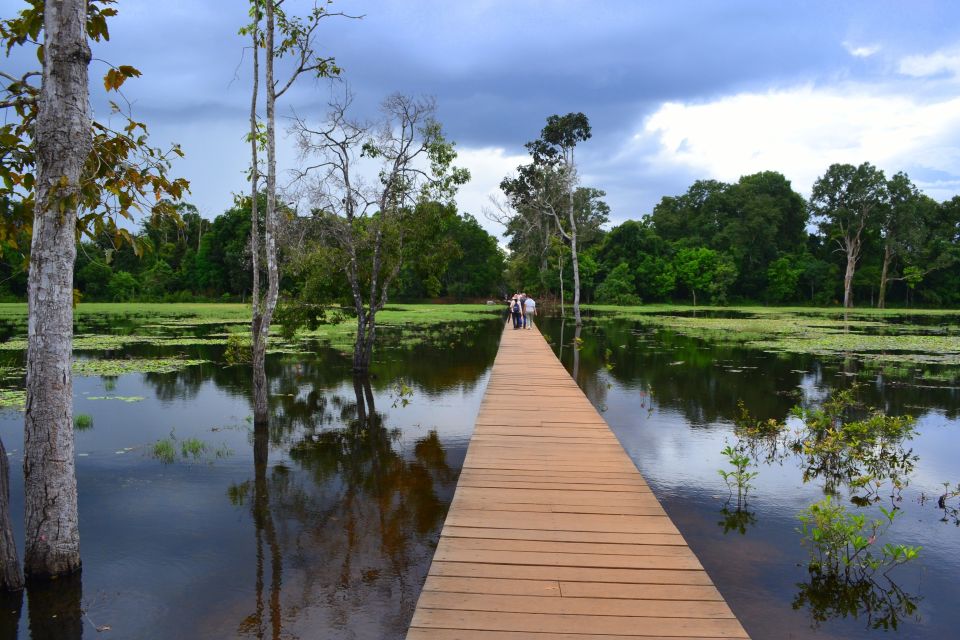
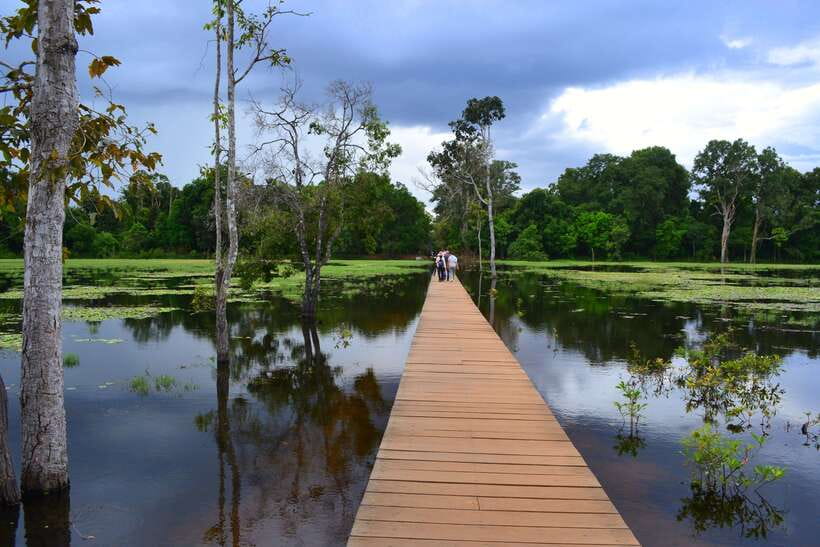
After Banteay Srei, the tour turns toward a different kind of atmosphere at Neak Pean. Neak Pean sits on an artificial island with a Buddhist temple on a circular island in the Jayatataka Baray.
What I like about this stop is the change in pace. After detailed stonework, you get a more open, water-framed scene. You’ll still have photo time and guided explanation, but it feels less like you’re searching for meaning in dense carvings and more like you’re reading the layout and symbolism through the setting.
If you’re a fan of reflective, quieter spaces, Neak Pean can be a breather. You’ll walk around enough to understand the geometry, then soak in the water + temple relationship before moving on.
Preah Khan: Tree Roots, Crumbling Stone, and a World Monument Focus
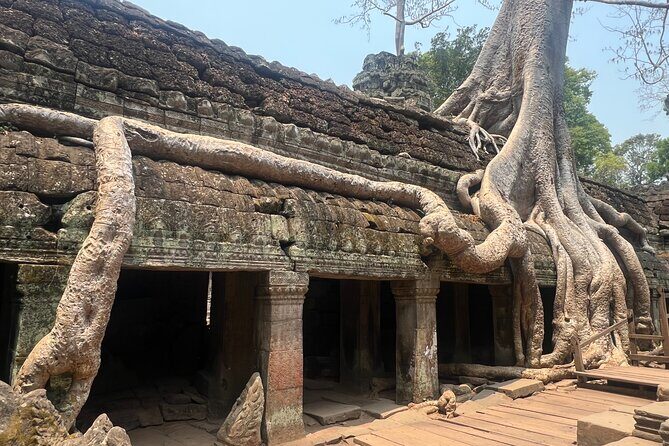
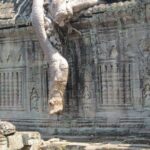
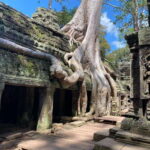
Next comes Preah Khan, a ruined temple site with an instantly recognizable look: crumbling stone structures mixed with huge tree roots. It’s atmospheric in the real, lived-in way—less about perfect symmetry, more about time and nature doing what time and nature do.
Preah Khan was commissioned by Jayavaraman VII, honoring his father, and it gives you a strong contrast to the more famous Angkor-style mega-temples. The scale may feel smaller than the biggest names, but that’s part of the appeal. You can stand in one spot and see layers of stone, roots, and pathways that feel like a maze you’re starting to decode.
One practical detail: Preah Khan is being restored by the World Monument Fund, and in places it’s in remarkably good condition. That means you’re seeing both ruin and recovery, which changes how the site feels. It’s not frozen in time.
Pro tip for photos: if there’s any open light between roots, grab it. Your guide can point out angles, and the best shots often come from stepping slightly sideways, not from standing dead-center.
Lunch Break and the Heat Reality Check
A local restaurant stop is included, with lunch plus beer, coffee, and tea. You’ll have about an hour here, which is enough to eat without losing the whole afternoon.
Heat can turn “one more temple” into “why did I do this.” The tour’s built-in cooling rhythm helps: you’re usually back in the van often enough to reset, and you’re met with bottled water and cool towels after temple walking. That’s a big reason this tour scores so well on comfort.
One practical tip from experience: if you plan to use a card for the meal, it’s smart to bring a little extra cash just in case there’s a small payment fee at the lunch stop. It’s not a guarantee everywhere, but it can save you an awkward moment.
How the Day Feels: Timing, Walking, and What to Wear
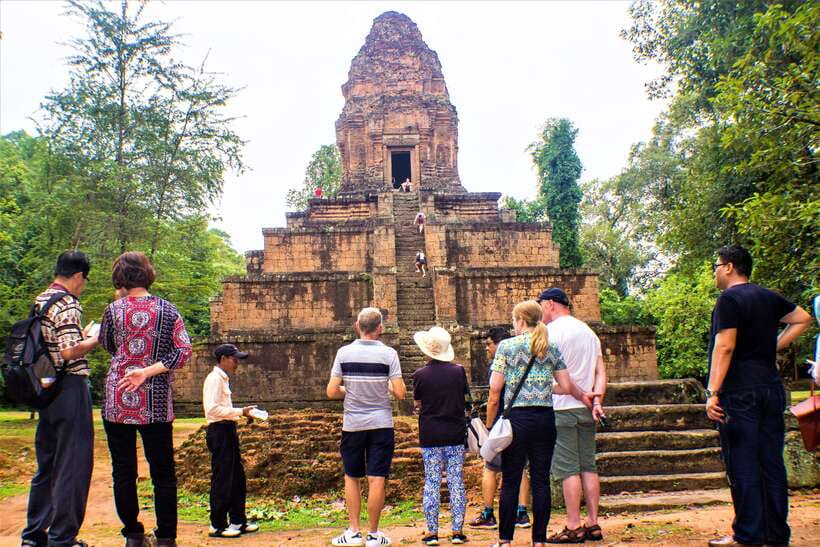
This is a full 9-hour day, from around 8:00 am to returning after sunset. You’ll spend time moving, walking, and exploring at each site, including photo stops and guided tours. It’s not an all-day slog because the sequence mixes:
- viewpoint time at Pre Rup,
- carving-focused slow looking at Banteay Srei,
- water-setting contrast at Neak Pean,
- and root-and-ruin atmosphere at Preah Khan.
Still, you should dress for sun and dust. Bring:
- sunglasses
- sun hat
- insect repellent
- outdoor clothing you can move in
Avoid shorts (they’re not allowed). If you’re traveling light, choose lightweight long pants. Your future self in that first hot hour will thank you.
Guides and Drivers: Why the Small-Group Format Matters
The biggest difference between a good temple day and a great one is the guide. On this tour, guides like Pal, Sak, Bun, Chhay, and Sokpee are often mentioned as standouts, and their value shows up in how they explain Hinduism and Buddhism side-by-side, connect carvings to Khmer kings, and help you understand symbols you’d otherwise miss.
What I appreciate is how guides make complex topics feel usable. Instead of burying you in names, they connect what you’re seeing on the stone to what it meant in that culture.
Drivers also play a role in comfort. Many teams arrive prepared with cold water and cool towels after each temple stop, and they keep the van smooth and efficient over imperfect roads. In rain season, there can be weather adjustments around sunset timing too, so you’ll want to stay flexible if clouds roll in.
Is It Worth Doing This If You Also Plan Angkor Wat?
If you’re in Siem Reap for multiple days, this tour is a strong choice. Here’s why it works even if you’re the type to love the big famous temples:
- It changes your Angkor perspective. You’ll see lesser-visited sites with their own moods and religious mix.
- It balances detail and variety. Banteay Srei gives you carving mastery; Preah Khan gives you roots and atmosphere; Pre Rup gives you the viewpoint payoff.
- You’re not spending your day fighting crowds. The route is designed to feel more like a guided route through temple “chapters,” not a queue system.
If you only have one day and you’re trying to choose between this and the mega-famous temples, it’s more complicated. This tour can still feel satisfying because you do hit multiple major stops—but your decision should depend on whether you want the biggest iconic sights or the quieter, craft-focused Angkor experience.
Should You Book This Banteay Srei and Grand Circuit Tour?
Book it if you:
- want Angkor beyond Angkor Wat without giving up guidance,
- care about carvings and symbolism (especially at Banteay Srei),
- prefer a smaller group where questions get answered,
- and you don’t mind a full day of walking and sun.
Skip or reconsider if you:
- can’t handle a long, active day with temple walking,
- need wheelchair access,
- or are traveling with children under 8.
For the rest of us: this is one of the best ways to use a Siem Reap day to see temples with distinct vibes, strong photo potential, and a guide who can connect the stonework to meaning. If you’re ready for a real Grand Circuit day, this one is an easy yes.
FAQ
How long is the tour?
The tour lasts 9 hours.
What time does the tour start, and how does pickup work?
Pickup is included from hotels in Siem Reap city, and you depart from your hotel around 8:00 am. The exact pickup time depends on your hotel location and is shared one day before the tour starts.
Is lunch included?
Yes. A local restaurant stop is included for lunch (along with beer, coffee, and tea).
Are temple entrance fees included in the price?
No. Temple entrance fees are not included. You should budget $37 per person for the Angkor Pass/temple entry charge on the day of your activity.
What’s included for comfort during the day?
You get an air-conditioned vehicle, an experienced English-speaking guide, plus bottled water and cool towels to help you stay refreshed.
Is this a small group tour?
Yes. It’s described as a small group tour, which means you tend to get more attention from your guide.
What should I bring and wear?
Bring sunglasses, a sun hat, insect repellent, and outdoor clothing. Shorts are not allowed.
Is the tour suitable for children or wheelchair users?
No. It’s not suitable for children under 8 years old, and wheelchair users are not suitable.