REVIEW · SIEM REAP
Siem Reap: Full Day Angkor Wat Temple Experience with Sunset
Book on GetYourGuide →Operated by ASEAN ANGKOR GUIDE · Bookable on GetYourGuide
One day. Big temples. Smart pacing. This full-day loop through Angkor Thom to Angkor Wat mixes the iconic sights with a jungle temple visit, plus a sunset viewpoint on Phnom Bakheng. I especially like how the day is structured so you get major highlights without feeling like a sprint, and how the tour keeps you comfortable with cold towels and bottled water between stops. The one drawback to plan for: you still need to buy the Angkor pass separately before you start, which is a cost and a timing step you can’t ignore.
This tour also works for people who don’t want to guess their way around. You’re driven in A/C, guided in English, and taken temple to temple with a schedule that leaves room to look up close. Just remember the rules for temples: you’ll want covered knees and shoulders, and you should leave big bags behind.
In This Review
- Key points that make this day tour work
- A Temple Circuit That Fits One Hot Day
- Pickup, A/C Transport, and the Pace That Helps You Actually Enjoy It
- Angkor Thom: The Royal City Setup (South Gate to Royal Temple Group)
- Bayon Temple: Hundreds of Faces and the Feeling of Being Watched
- Baphuon and the Terrace Stops: Smaller Temples, Big Meaning
- Srah Srang Break and Lunch: The Calm Reset Before the Jungle and the Main Star
- Ta Prohm: The Jungle Temple That Still Feels Alive
- Phum Preah Dak: Palm Cake and Palm Sugar Hands-On Culture
- Angkor Wat Main Complex: Moat, Towers, Vishnu, and Bas-Relief Details
- Phnom Bakheng Sunset: The Climb, the View, and Timing Without Panic
- Price and Value: What $25 Really Buys (Plus the Pass You Must Add)
- Who This Tour Fits Best (and Who Might Want a Different Plan)
- Practical Packing and Temple Dress Rules (Do These Before You Go)
- Should You Book This Full-Day Angkor Wat Temple Experience With Sunset?
- FAQ
- Is the Angkor pass included in the tour price?
- What’s included for the $25 per person?
- What time do I get picked up?
- What should I bring to the temples?
- Is there a vegetarian lunch option?
- Are there dress code rules or bag limits?
Key points that make this day tour work
- Angkor Thom first: Fortified Royal City sites set the historical tone before you hit the most famous temple complex.
- Bayon’s stone faces: Buddhist-style carvings give you that unmistakable Angkor look.
- Ta Prohm as a film-famous jungle temple: Trees, roots, and crumbling stone create the “don’t blink” atmosphere.
- Palm-cake and palm-sugar village stop: A hands-on cultural break that breaks up the temple intensity.
- Angkor Wat at the right time window: You get time for the main structures, then end with the climb for sunset.
- Cooling breaks built into the day: The day’s heat management matters in Siem Reap.
A Temple Circuit That Fits One Hot Day
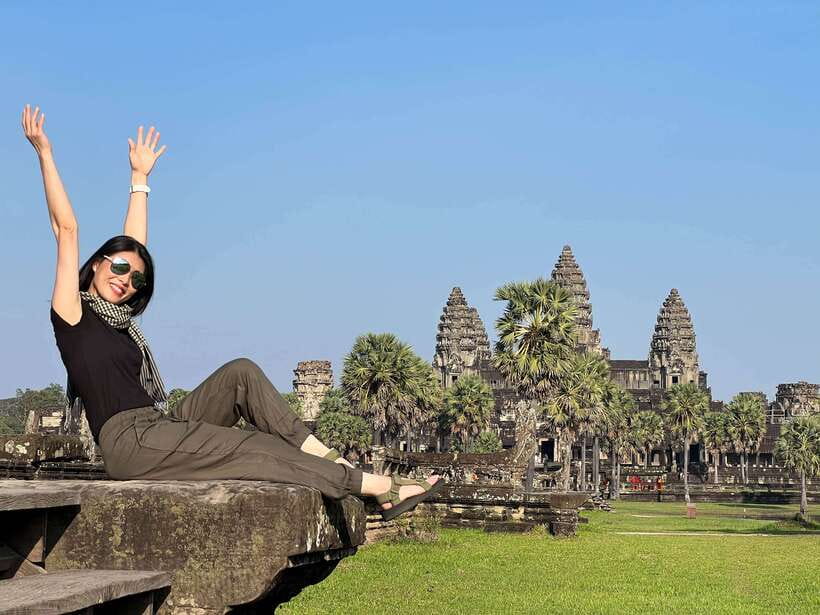
Angkor can be overwhelming if you go in blind. This itinerary is designed like a practical loop: you start with Angkor Thom’s carved city walls and gateways, work through major temple highlights, then pivot to the Angkor Wat complex when the light is more forgiving. The order matters. By the time you reach Angkor Wat, the carvings and layout stop feeling like random stonework and start clicking into place as Khmer design.
The “full day” part is real though. Plan for long walks, stairs, and sun exposure. You’ll be out for about 10 hours from pickup to drop-off. If your goal is to see a lot without wasting time negotiating tuk-tuks, this format is efficient.
If you're still narrowing it down, here are other tours in Siem Reap we've reviewed.
Pickup, A/C Transport, and the Pace That Helps You Actually Enjoy It
You’re picked up from your hotel in Krong Siem Reap around 8:00–8:30 a.m. (with a note that you should be ready in the lobby a little early). The day runs smoother when you’re not rushing out the door and when you keep your day-bag light—there’s a specific “no large luggage” rule.
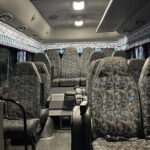
The transport is one of the quiet benefits. The vehicles are A/C, and you can keep phones charged thanks to built-in USB/USB-C charging ports (a detail that keeps navigation and photos from becoming a battery panic). Between stops, you’re also getting unlimited bottled water and cool towels, which sounds small until you’re standing in Cambodia heat, wearing temple-appropriate clothing, and trying to keep moving.
Many guides on this route are also effective photographers—helping you get a shot without you turning into your own personal tripod. That makes a difference when you’re climbing stairs or positioning for the best angles.
Angkor Thom: The Royal City Setup (South Gate to Royal Temple Group)
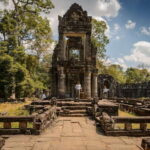
Your day begins with Angkor Thom, the fortified “Great Royal City” built in the 12th century by King Jayavarman VII. Starting here sets context fast: you see the grandeur of the Khmer Empire through the city layout first, not only through one famous temple.
At the South Gate, you’ll spot a massive Avalokiteshvara statue—the same look that many people associate with the movie Tomb Raider. It’s a good moment to orient yourself, because once you’re inside, you understand that Angkor Thom isn’t just one monument. It’s a whole urban vision made of stone.
Bayon Temple: Hundreds of Faces and the Feeling of Being Watched
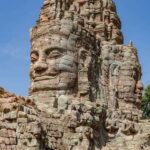
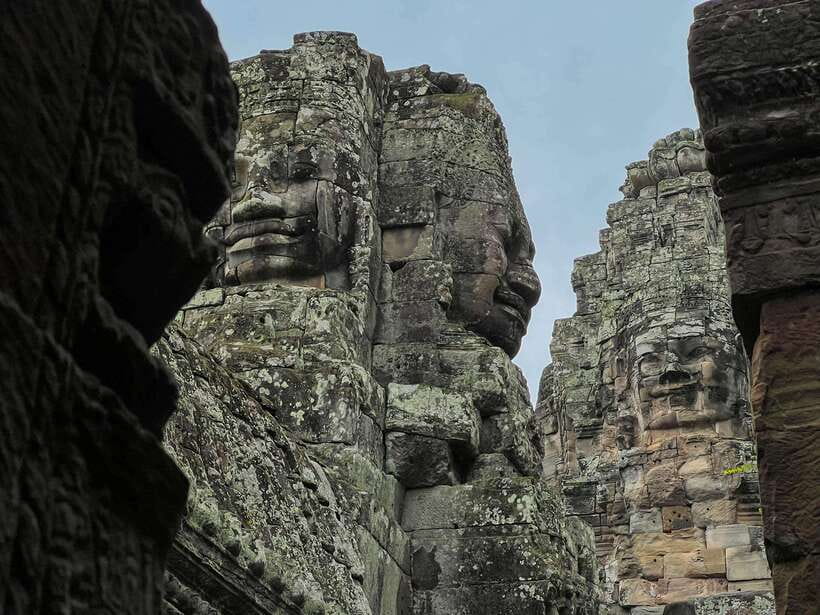
After the gate, you head to Bayon Temple, the Buddhist-style center known for its stone faces. This is the temple where the carvings stop being “pretty” and start feeling emotionally present. Even if you don’t know the Khmer details yet, those faces give you a sense of storytelling—this place isn’t silent.
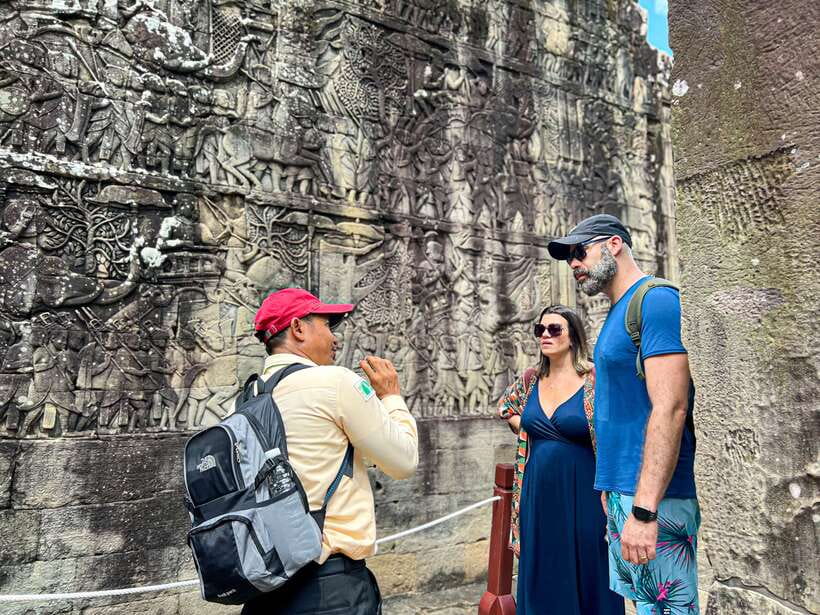
The time here is about an hour. That’s helpful because you need time to look up (the faces are vertical), walk the corridors slowly, and still have energy left for the rest of the day. The best value is when your guide explains what you’re looking at—especially how Buddhist symbolism shows up in the building style and layout.
Baphuon and the Terrace Stops: Smaller Temples, Big Meaning
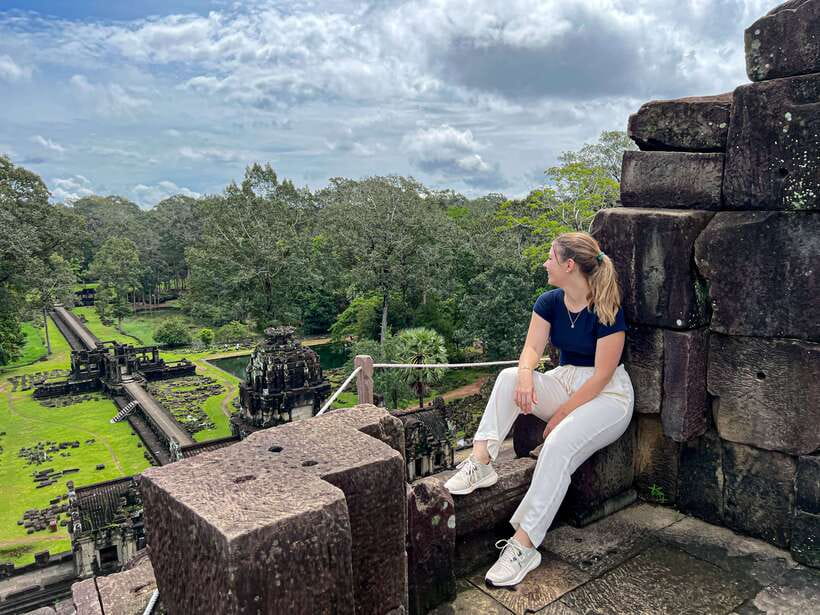
From Bayon you continue into Baphuon, plus a series of terraces that show different royal functions and eras within Angkor Thom.
Here’s what makes these stops worth your time:
- Terrace of the Elephants: once part of the royal palace setting, it helps you picture ceremonial power, not just religious stone.
- Phimeanakas: linked to the royal palace zone, so you see how ruler life and temple design overlap.
- Terrace of the Leper King: a key structure for understanding the scale of Khmer court symbolism.
- Baphuon: described as the largest Hindu temple within Angkor Thom—meaning you’re also seeing the “religion changes over time” layer of the site.
These visits are shorter individually, typically 20–30 minutes each, but the payoff is that you build a mental map. Angkor is confusing if it’s only one temple at a time. This sequence gives you the bigger picture without requiring a second trip.

Srah Srang Break and Lunch: The Calm Reset Before the Jungle and the Main Star
You’ll get a break at Srah Srang, a water feature area where the pace pauses long enough to catch your breath. Then comes lunch at a local restaurant, and there is a vegetarian option if you let the operator know in advance.
This matters for value because lunch inside Angkor tours can be either rushed or mediocre. Here, lunch is part of the day’s schedule (about an hour), not an afterthought squeezed between temples. You’ll eat and reset—then the afternoon continues with energy instead of fading halfway through.
Ta Prohm: The Jungle Temple That Still Feels Alive
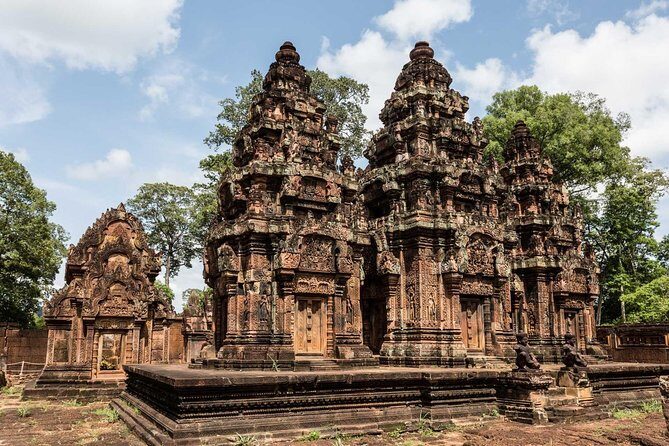
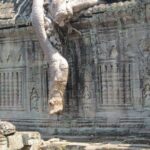
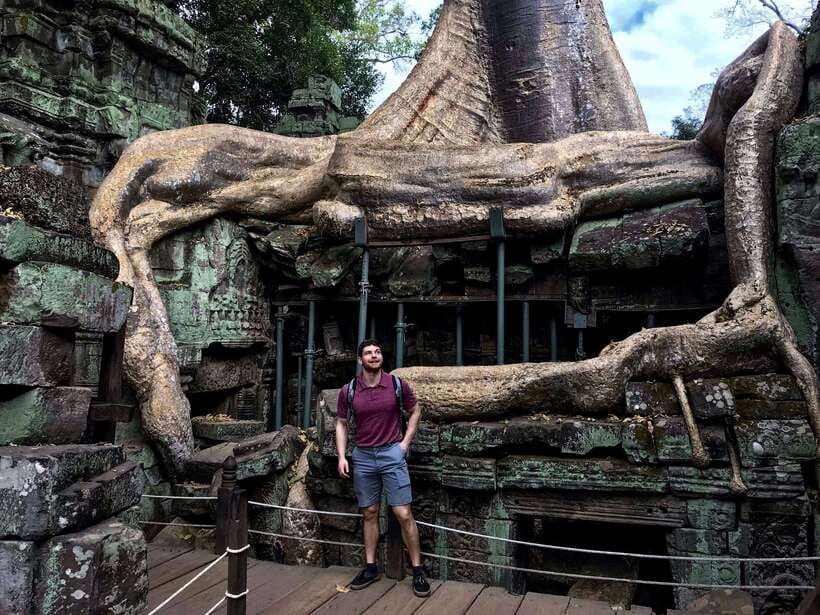
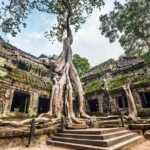
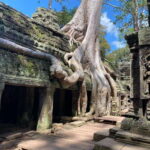
Next you go to Ta Prohm, famous for being left in a more original, nature-overgrown state. The huge roots and tree growth aren’t a decorative effect. They change how the temple feels—like the stone is fighting for space and losing slowly.
This is also known as a Tomb Raider backdrop, and even if you don’t care about the film connection, the visual is unforgettable. The best way to enjoy Ta Prohm is to slow down at the roots and let the scene “frame” you. Many people rush through because it looks like an outdoor photo set. Don’t. Give yourself time to stand back, then walk closer, then look up.
The visit time is about an hour. That’s about right because you need time to explore without feeling like you’ll miss the rest of the day. Also, it’s another spot where you’ll want insect repellent—trees and shaded corners can mean bugs.
Phum Preah Dak: Palm Cake and Palm Sugar Hands-On Culture
One of the smartest parts of this day is not another temple. You stop at Phum Preah Dak, described as the more authentic local village where you can learn how locals make palm cake and palm sugar.
This is a genuinely useful change of rhythm. Temples are stone and history. A village food process gives you something sensory and local: the smell of palm products, the steps of making sweet goods, and the everyday skills behind what you eat.
It also helps you avoid “temple fatigue.” If you’re starting to feel like every stop looks the same, this village stop breaks that spell in a good way.
Angkor Wat Main Complex: Moat, Towers, Vishnu, and Bas-Relief Details
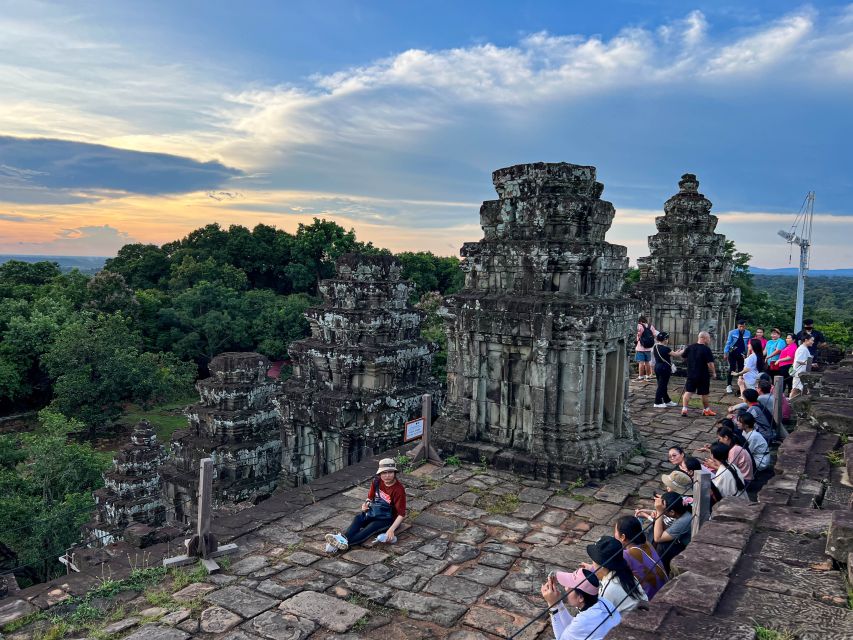
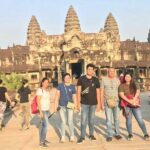
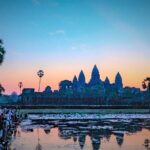
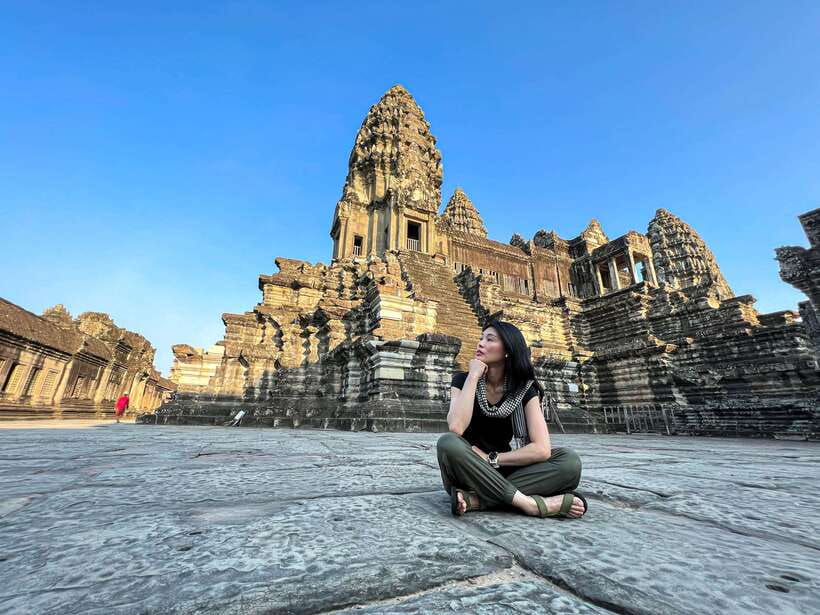
In the afternoon, the day shifts to Angkor Wat, often the star for first-time visitors. This is the largest sacred building on the planet and a Khmer icon. It was built by King Suryavarman and dedicated to Vishnu, and the structure is packed with carved decoration.
What makes this portion of the tour work for you is not just seeing the towers. It’s understanding the design logic:
- The temple is surrounded by a giant moat, which reinforces the idea of sacred separation.
- The five towers connect to the symbolism of the Cambodian flag.
- You’ll see hundreds of decorations covering walls.
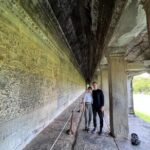
- You’ll also hear about the longest bas-relief in the world—bas-relief that tells story across long carved runs rather than single scenes.
Time matters here. You’ll get about two hours for Angkor Wat itself (with earlier walking and setup time already used in the day). That duration is important because you need time for stair climbing, photo pauses, and the moments where you stare at the carvings because they’re too detailed to “read” quickly.
Also, you’ll get views over dense jungle from the top areas. Even without being a “sun worshipper,” it’s worth climbing when the light is softer.
Phnom Bakheng Sunset: The Climb, the View, and Timing Without Panic
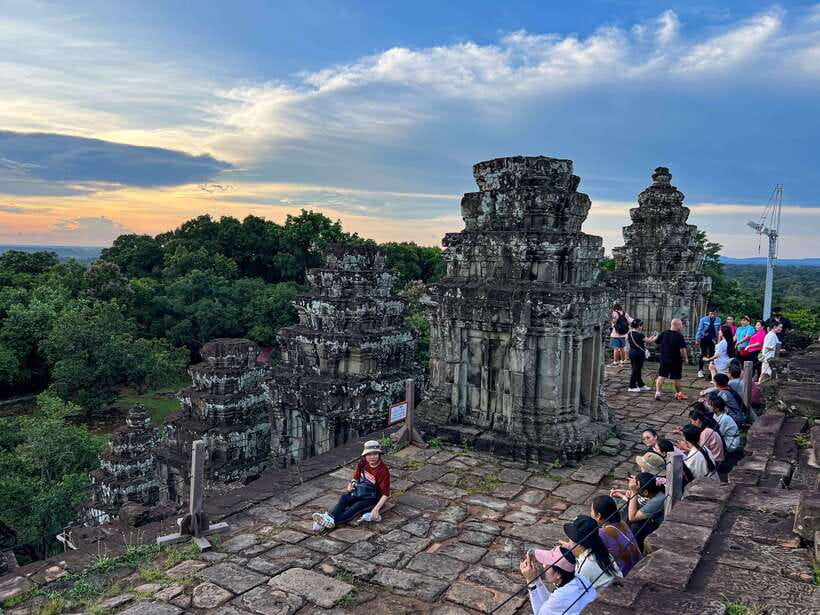
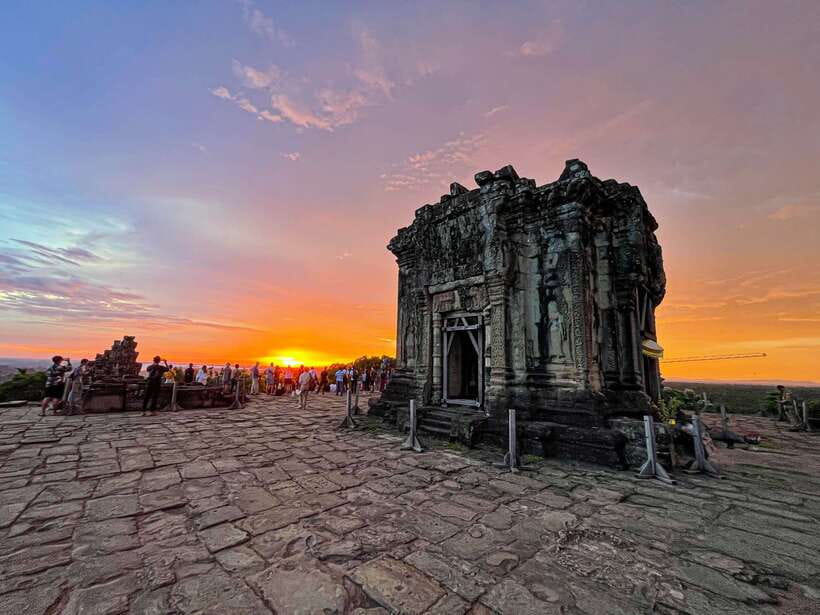
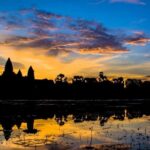
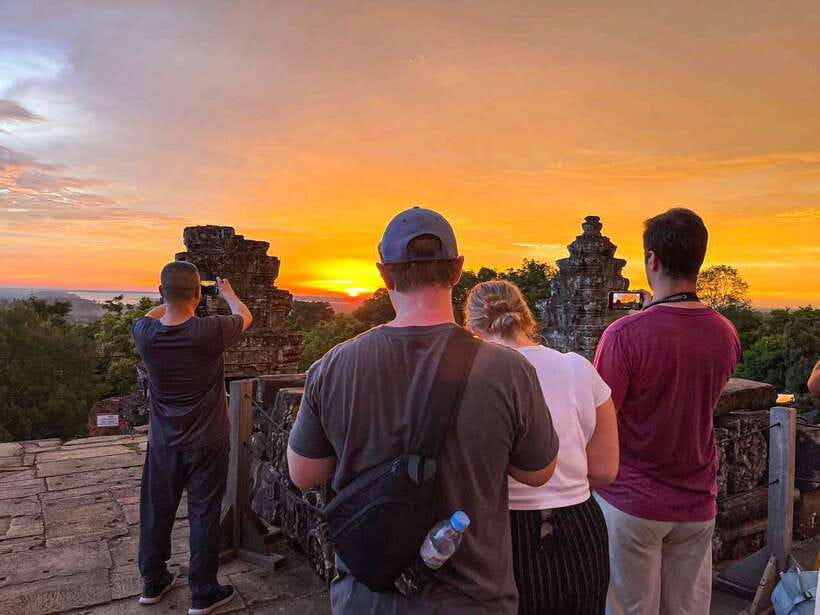
To close the day, you climb Phnom Bakheng for sunset. Watching sunset from the top of Bakheng is one of the most popular ways to end an Angkor day because it gives you the temple plus the surrounding sense of place: stone, forest, and sky all in one frame.
The climb is part of the work. Bring your best walking shoes, and keep your water going. This tour typically schedules about 1.5 hours for the Phnom Bakheng visit, walk, and sunset moment, which is long enough to find a viewing spot and still enjoy the light shift.
A real practical tip: start using sunscreen early in the day. If you wait until late afternoon, you’ll regret it during the climbs.
Price and Value: What $25 Really Buys (Plus the Pass You Must Add)
The listed price is $25 per person, for a day around 10 hours. What you’re paying for is not only a guide. You’re also buying A/C transport, hotel pickup and drop-off, cool towels and unlimited water during the excursion, and lunch (with a vegetarian option).
Then comes the one cost that changes the total: the Angkor temple pass is not included and costs $37 per person. The tour requires you to have the pass before the start of the tour.
So your realistic “all-in” cost is about $62 per person (before any soft drinks). That’s actually decent when you factor in that you’re covering multiple major sites in one day, plus the sunset element that requires good timing.
If you’re the type who would otherwise hire a driver yourself and then pay for a guide separately at each stop, this package-style approach can feel like better value. If you’re traveling with your own reliable plan and you don’t want a structured route, you might compare against self-guided entry costs and your own transportation time.
Who This Tour Fits Best (and Who Might Want a Different Plan)
This is a strong fit if you want:
- A single-day Angkor plan that hits the major highlights: Angkor Thom, Bayon, Ta Prohm, Angkor Wat, and sunset at Phnom Bakheng.
- A guide who helps you connect what you see to Khmer meaning and temple function.
- Comfort upgrades that matter in heat: A/C rides, cold towels, bottled water.
- A cultural break beyond temples at Phum Preah Dak.
It may be less ideal if you:
- Hate climbing stairs or long walking in heat.
- Want a super flexible schedule where you stay longer at just one site.
- Are traveling with someone for whom temple dress code is a deal-breaker (covered knees and shoulders are required, and short skirts and sleeveless shirts aren’t allowed).
The tour also offers private or small groups. For small-group tours, it’s limited to up to 14 participants, which tends to keep the day feeling personal rather than chaotic.
Practical Packing and Temple Dress Rules (Do These Before You Go)
You’ll be happier at every stop if you prepare for the day’s weather and rules.
Bring:
- Sunscreen
- Hat
- Insect repellent
- Camera (and sunglasses)
Dress code essentials:
- Cover knees and shoulders. Short skirts and sleeveless shirts are not allowed.
- Avoid large bags and luggage.
And keep your day-bag simple. You’ll be moving between sites often, and having a light carry makes climbing and photo stops easier.
Should You Book This Full-Day Angkor Wat Temple Experience With Sunset?
If you’re in Siem Reap and you want to see the real Angkor highlights in one controlled day, I’d book this. The biggest selling point for me is the combination of major temple coverage with real heat-comfort support and a sunset finish that feels intentional, not tacked on.
Book it especially if:
- You don’t want to manage transport across multiple sites yourself.
- You’d rather spend time learning what you’re looking at than trying to figure it out alone.
- You want a break from pure temple sightseeing through the palm sugar and palm cake village experience.
Skip it if you’re only interested in one single temple, or if you’re sensitive to long walking and stairs. In that case, a shorter, more focused plan might fit you better.
FAQ
Is the Angkor pass included in the tour price?
No. The Angkor temple pass costs $37 per person and is not included. The tour requires you to have the pass before the start of the tour.
What’s included for the $25 per person?
You get a professional English-speaking tour guide, A/C transportation, hotel pickup and drop-off, unlimited bottled water and cool towels, and lunch (vegetarian option available).
What time do I get picked up?
Pickup is included from your hotel and runs between 8:00 a.m. and 8:20 a.m. (you’ll be asked to wait a short time in the lobby before pickup). The full experience lasts about 10 hours.
What should I bring to the temples?
Bring sunscreen, a hat, and insect repellent. You may also want a camera and sunglasses.
Is there a vegetarian lunch option?
Yes. Let the operator know in advance if you’re vegetarian so a vegetarian option can be arranged.
Are there dress code rules or bag limits?
Yes. You should not wear short skirts, sleeveless shirts, or shorts that don’t meet the covered-knees and shoulders rule. Luggage or large bags are also not allowed.