REVIEW · SIEM REAP
Siem Reap: Khmer Rogue, War museum &landmine museum Day Tour
Book on GetYourGuide →Operated by Angkor Wat Share Tours · Bookable on GetYourGuide
Trauma has a way of turning into learning here in Siem Reap. This full-day tour connects the Khmer Rouge era with today’s survival story through three sobering stops: Wat Thmey Killing Fields, the Landmine Museum, and the War Museum.
I especially like how the day mixes education with practical context, not just shock value. The Landmine Museum is particularly memorable because it’s tied to real people rebuilding lives after conflict.
One drawback to plan for: this is heavy, emotional content. If you want a light, feel-good day, this won’t match your mood.
In This Review
- What Makes the Guides Matter on This Tour
- Key Points at a Glance
- Wat Thmey Killing Fields: The Tour’s Emotional Starting Line
- The Landmine Museum: How War’s Aftermath Still Shows Up
- Cambodia War Museum: Weapons, Context, and the Limits of Meaningful Objects
- How the Day Moves: Transfers, Time, and Not Getting Rushed
- What You’re Really Learning: Survival, Recovery, and Ongoing Impact
- Price and Value: Is $78 Worth It?
- Practical Comforts: What to Wear, How to Handle Photos, and What to Bring
- Who This Tour Fits Best (and Who Might Skip It)
- Should You Book This Khmer Rouge, War & Landmine Day Tour?
- FAQ
- How long is the Siem Reap Khmer Rouge, War museum and Landmine Museum day tour?
- Where does pickup happen?
- What language is the guide?
- What are the main stops on the tour?
- Are museum entries included in the price?
- Is food included?
- Does the tour allow flash photography?
- What comfort items are included?
- Is there free cancellation?
- Is the tour wheelchair accessible?
What Makes the Guides Matter on This Tour
The biggest plus I see here is the human element—an English live guide who can explain what you’re seeing in a way that’s clear and grounded. The names that come up often include Mr Sok Vuthy and Buth Veasna, and both are described as highly experienced and passionate about the information they share.
You also get small basics that help you last the day: hotel pickup and drop-off, museum entries, and cold water plus a wet towel. The main consideration is simple: you’ll need some emotional stamina, because Wat Thmey is sad and the other two stops keep the focus on the real, lingering damage of war.
Key Points at a Glance
- Wat Thmey Killing Fields: a structured, guided visit to a heartbreaking Khmer Rouge site
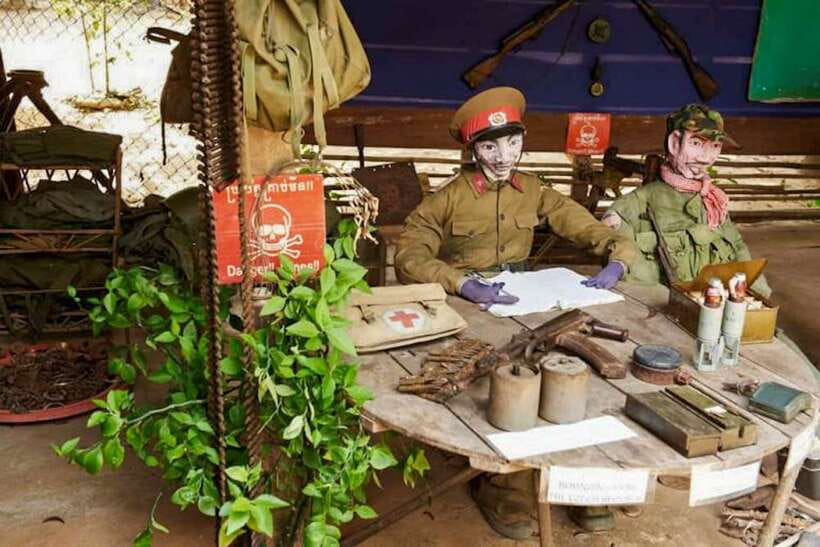
- Landmine Museum: thousands of decommissioned landmines, shown with a survivor-centered purpose
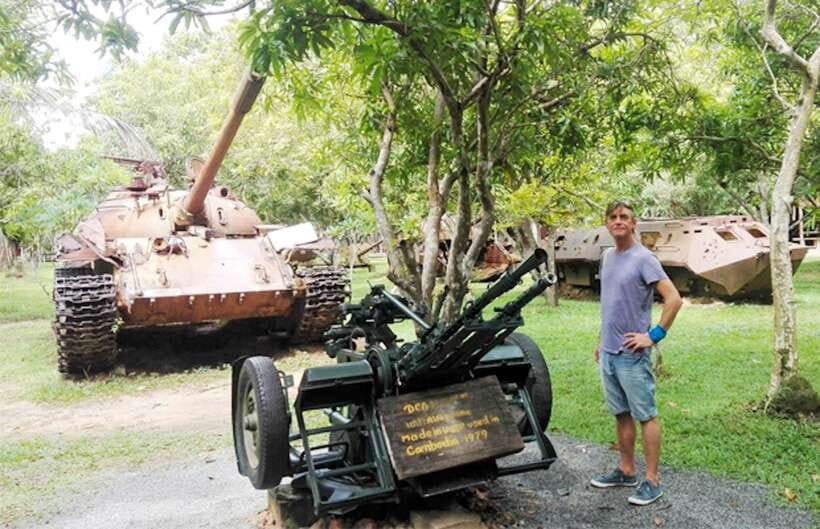
- War Museum Cambodia: a growing weapon collection gathered since 1999 from known conflict areas
- Guided learning in English: explanations that help you connect the dots between different forms of war
- 8-hour pacing with transport breaks: multiple transfers built into the day so you’re not rushing alone
- Cold water and wet towel: small comfort touches during a long, intense outing
If you're still narrowing it down, here are other tours in Siem Reap we've reviewed.
Wat Thmey Killing Fields: The Tour’s Emotional Starting Line
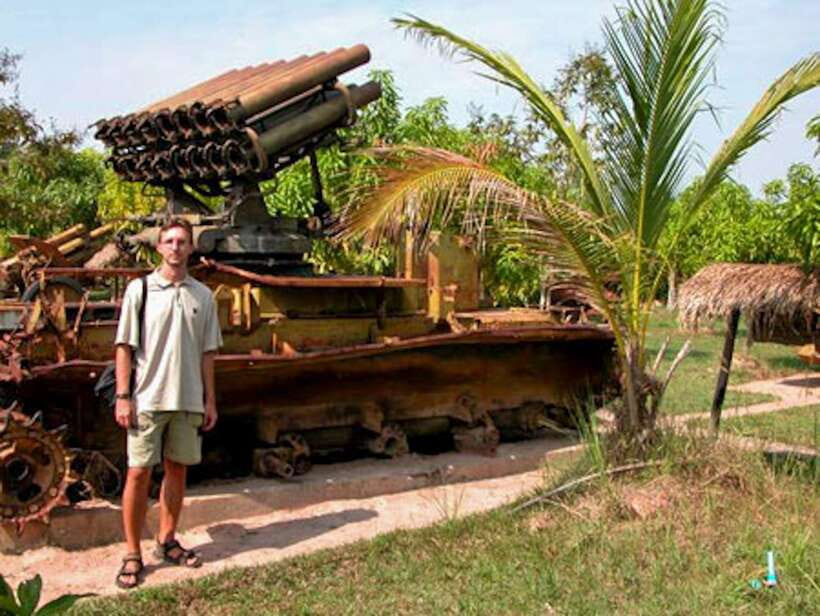
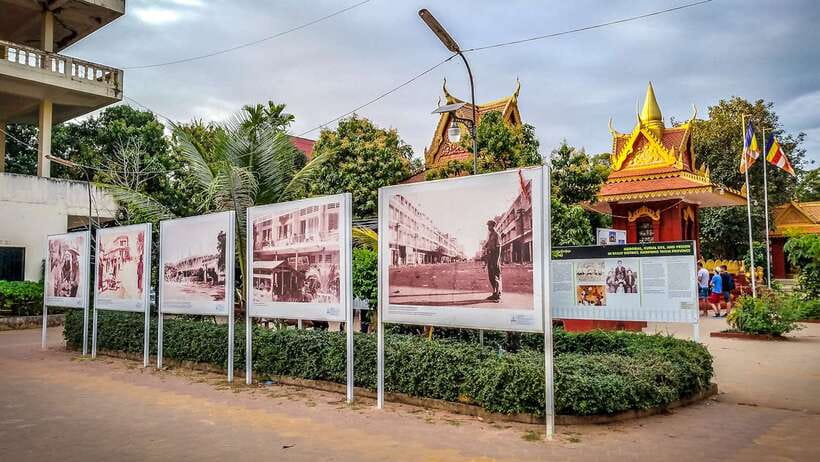
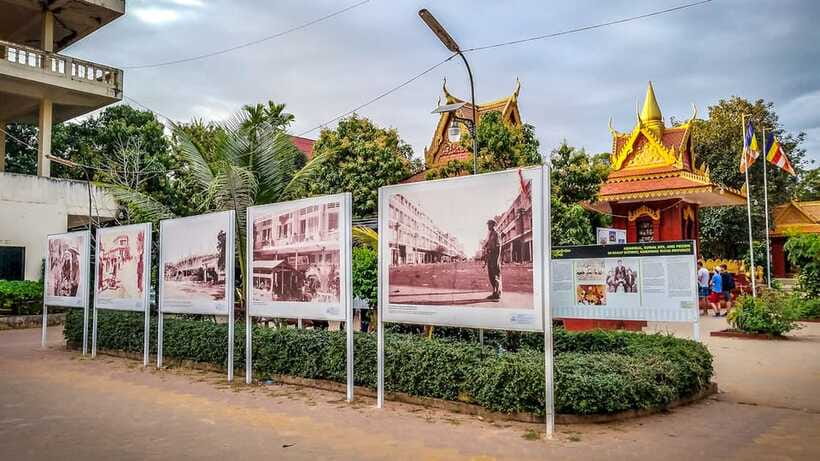
The day begins at Wat Thmey Temple Killing Fields, a place many people describe as difficult to process. You’re not sent there to rush. Instead, you’ll have time to explore with a guide, which matters because it’s easy to leave with the wrong kind of takeaway if you’re not given context.
This site is heavy in a specific way: it’s not only about the past killings. It also reflects how the Khmer Rouge used prisons, execution sites, and terror to control people. On a practical level, that’s what makes a guided visit more useful than wandering at random—your guide can frame what you’re seeing in a way that helps you understand the system behind the suffering.
Also, notice the location itself. Wat Thmey is a temple setting, and that contrast is part of the lesson. You’ll see how ordinary sacred spaces and everyday life were affected by violence and state terror. It’s not comfortable, but it’s more instructive than a purely graphic museum-style approach.
Quick tip: bring a calm mindset. You may want to pause after the initial sections and then continue when you’re ready.
The Landmine Museum: How War’s Aftermath Still Shows Up
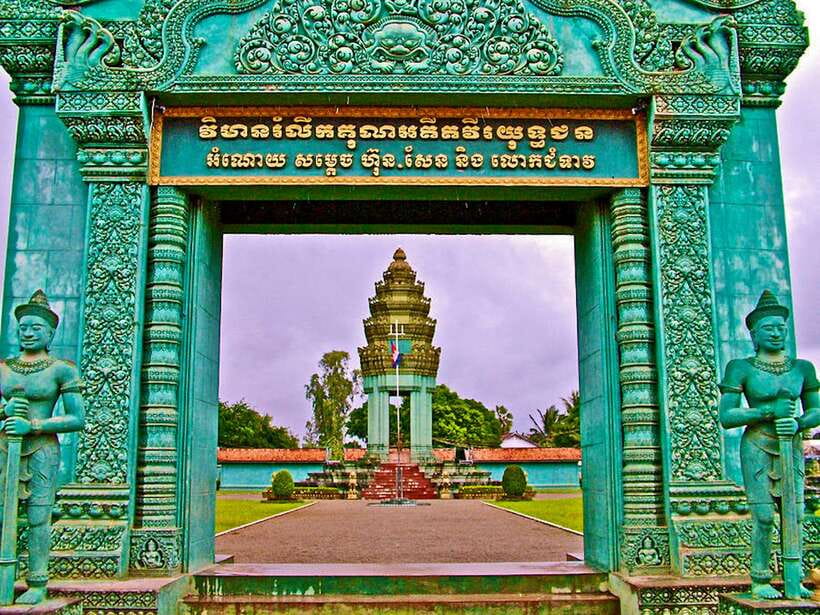
After Wat Thmey, the tour moves to the Cambodia Landmine Museum. This stop has a different emotional texture than the Killing Fields. Instead of focusing only on imprisonment and execution, it puts the spotlight on what happens after a war ends—especially the danger that remains.
The museum was established by a former child soldier, which changes the tone in a meaningful way. You’re not just looking at artifacts. You’re seeing the legacy of conflict through someone who lived the consequences early.
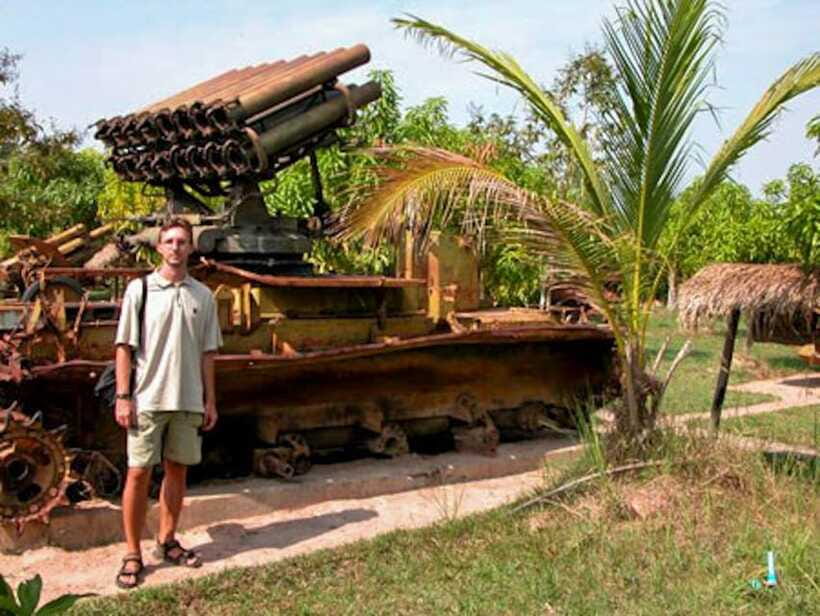
What you’ll likely notice first is the sheer scale: thousands of decommissioned landmines and other weapons of war. That number matters. Landmines aren’t rare tragedies; they’re widespread hazards that can affect people long after the fighting stops.
Here’s why I think this stop is valuable for you: it turns history into an everyday safety conversation. You’ll learn about the devastating impact of landmines and also about how people help rid the world of these dangerous leftovers. That second half—recovery and action—is the part that helps the day not end in pure despair.
Practical note: expect this stop to be interactive in your head, even if you’re standing still. You’ll start connecting what war does physically with what it does socially—fear, displacement, and lost opportunities.
Cambodia War Museum: Weapons, Context, and the Limits of Meaningful Objects
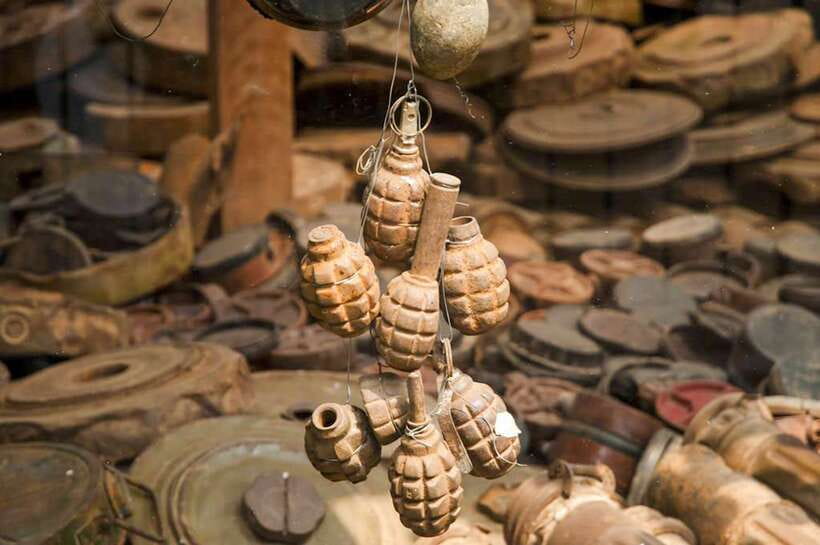
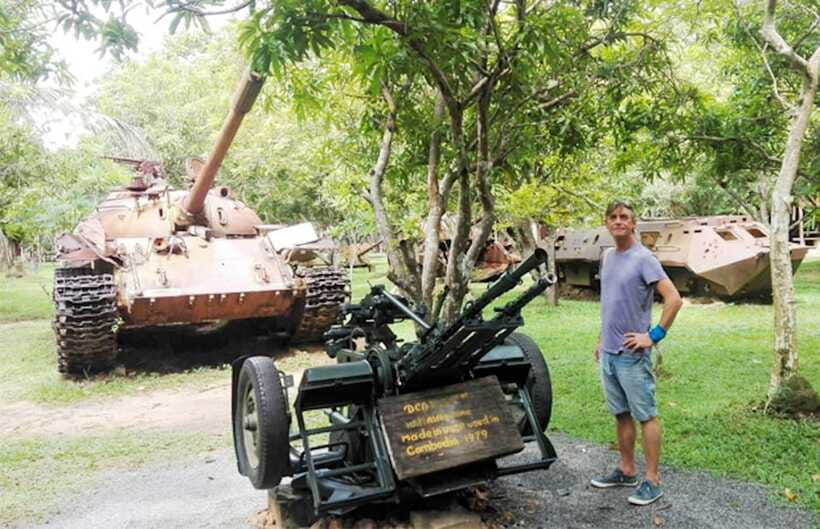
Next up is the War Museum Cambodia. This museum takes a more material approach—weaponry and war artifacts arranged so you can learn what they are and where they came from.
The collection is unique in the way it’s described as gathered and growing since 1999. It’s not presented as a single static archive. Instead, it has been expanding with items collected from areas where fighting took place, including places like Anlong Veng, Siem Reap, and Odor Meangchey. That geographic detail helps. It connects the museum objects to the real Cambodian geography you’ll recognize from the region.
The guide approach is important here too. Weapons can be easy to misread if you only see them as objects. With an explanation, they become evidence of conflict patterns and changing tactics—how different sides fought and how war physically entered daily life.
One thoughtful drawback to keep in mind: because this is a museum with artifacts, it can feel visually more neutral than the Killing Fields. That can make some people underestimate the emotional weight. So don’t let your eyes trick you. Stay anchored to what your guide is telling you about the broader conflict history.
How the Day Moves: Transfers, Time, and Not Getting Rushed
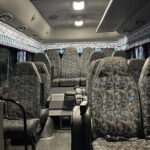
This is an eight-hour tour built around three major stops plus transfer time. You’ll get picked up in Krong Siem Reap in a minivan, then you’ll move between locations with bus/coach segments scheduled into the day.
A clear pattern emerges:
- Time at the museums and sites: each stop is given a guided window so you’re not stuck scanning alone.
- Transfer blocks between stops: the schedule includes travel time—so you’re less likely to feel constantly on the move.
- A longer stretch at Wat Thmey: you get about two hours there, which makes sense because it’s the emotional anchor of the day.
This structure is worth your attention if you’re choosing your activities carefully. In Siem Reap, it’s common to stack a lot of temple time. This tour breaks that rhythm. You’re trading photo stops for guided reflection and learning. That shift can feel refreshing or exhausting, depending on what you need that day.
If you’re planning other activities: keep the rest of your day light afterward. Returning to your hotel to reflect is part of how the tour naturally settles in your mind.


What You’re Really Learning: Survival, Recovery, and Ongoing Impact
On paper, this tour is about three sites. In practice, it’s about a through-line: the Khmer Rouge period’s devastation and Cambodia’s recovery afterward—and how war’s harm can continue long after the headlines disappear.
Wat Thmey gives you the human cost of state terror. The Landmine Museum shows the physical afterlife of war—hazards left behind that still affect communities. The War Museum Cambodia adds one more layer: the complexity of conflict, including the weapons and the areas where fighting happened.
That combination is useful because it prevents a common problem. People often remember only one angle—genocide/atrocities, or landmine danger, or weapons and battles. This day keeps those threads connected so you see the bigger picture of what war does to a country.
Also, the tour is framed as educational in a digestible way. That wording matters. It signals that the guide isn’t just dumping facts. You should expect explanations that help you process what you’re seeing without requiring you to have deep prior knowledge.
Price and Value: Is $78 Worth It?
At $78 per person, you’re paying for a full guided day, not just transport. Here’s what that price covers:
- Hotel pickup and drop-off in the Siem Reap area (Krong Siem Reap)
- An English live guide
- Museum entries for the stops
- Cold water and a wet towel
What you don’t get included:
- Food and soft drinks
- Souvenirs
So is it good value? For me, the answer hinges on your preference. If you’d otherwise try to DIY all three stops, you’d spend time coordinating transport and paying separate entry fees, and you’d lose the guided explanations that connect everything. The guide is what turns the locations into a coherent learning day.
Also, you’re buying time. The schedule is long enough that the built-in pacing matters. You’re not just hopping between sites for an hour each. You get guided visits long enough to actually understand what you’re looking at.
Budget tip: plan on covering your own lunch/snacks and any drinks. Since those are not included, you’ll feel better if you bring a little extra cash or plan a nearby meal after the tour returns you to your hotel.
Practical Comforts: What to Wear, How to Handle Photos, and What to Bring
This is a day where your body needs support even if your mind is busy. You’ll have a lot of walking and standing, so dress for warm Siem Reap weather and for long indoor/outdoor transitions. Comfortable shoes help more than you’d think.
A clear rule to remember: flash photography isn’t allowed. That affects how you shoot photos at Wat Thmey and inside the museums. You’ll want to set your camera/phone for no-flash and rely on available light.
The tour includes cold water and a wet towel, which is a nice detail in Cambodia’s heat. You still might want a small personal backup—like a hat or sunglasses—because comfort keeps you more attentive to your guide’s explanations.
Emotional preparation counts too. If you’re sensitive to war-related content, consider taking a quiet moment before the Killing Fields stop and after the tour ends. That helps you process rather than just absorb.
Who This Tour Fits Best (and Who Might Skip It)
This is a great fit if you:
- want real, guided context for Cambodia’s conflict history
- prefer education that connects multiple angles (atrocities, aftermath, and artifacts)
- like having an experienced guide explain what you’re seeing instead of guessing
It might be less suitable if you:
- don’t handle heavy themes well
- are looking for a relaxing day with light, scenic stops
- expect this to feel like a casual museum outing
One thing I’d emphasize: the best experience here comes from accepting the tone of the day. The sites aren’t meant to entertain you. They’re meant to teach you, and teaching requires patience.
Should You Book This Khmer Rouge, War & Landmine Day Tour?
If your goal is to understand Cambodia beyond Angkor, this is one of the more meaningful ways to do it in Siem Reap. The three stops work together: Wat Thmey shows the cruelty of the Khmer Rouge period, the Landmine Museum shows the lingering dangers, and the War Museum adds context through objects gathered from known conflict areas since 1999.
I’d book it if you value strong guidance and you can handle an emotionally heavy day. I’d skip it if you want only light sightseeing or you’re not prepared for war’s after-effects to feel immediate.
If you do book, go in with two expectations: respect for what you’re seeing, and enough time afterward to let it settle. That’s where the learning sticks.
FAQ
How long is the Siem Reap Khmer Rouge, War museum and Landmine Museum day tour?
The tour duration is 8 hours.
Where does pickup happen?
Pickup is included from your hotel area in Krong Siem Reap.
What language is the guide?
The live tour guide is English.
What are the main stops on the tour?
The day includes Wat Thmey Temple Killing Fields, the Cambodia Landmine Museum, and the War Museum Cambodia.
Are museum entries included in the price?
Yes, museum entries are included.
Is food included?
No. Food and soft drinks are not included.
Does the tour allow flash photography?
Flash photography is not allowed.
What comfort items are included?
You’ll receive cold water and a wet towel.
Is there free cancellation?
Yes. You can cancel up to 24 hours in advance for a full refund.
Is the tour wheelchair accessible?
The tour is wheelchair accessible.