REVIEW · SIEM REAP
Siem Reap: Traditional Spiritual Water Blessing in Monastery
Book on GetYourGuide →Operated by Angkor Locals · Bookable on GetYourGuide
Holy water, quiet chants, and a luck bracelet. You swap Siem Reap crowds for ancient pagodas where monk chants and blessed water are all about a fresh start, not sightseeing. They tie a red bracelet you can wear until it naturally falls off. One catch: the full cleansing option gets you properly wet, so bring a towel and a change of clothes.
What I really like is how the ceremony is explained before anything happens. Guides such as Sopheak or John walk you through what the blessing is meant to do and what to expect as you sit with the monks. You’ll also have a calm, respectful pace that feels built for your mind, not your camera roll.
In This Review
- Key points to know before you go
- From Crowds to Quiet Pagodas: What Makes This Blessing Special
- Getting There by Tuk Tuk: How the 2.5 Hours Flows
- The Monk-Led Tour First: Context Before the Water
- Light Sprinkling or Full Cleansing Over Your Head
- The Red Bracelet Ritual and How to Wear It
- Market Time and a Second Pagoda Stop
- Price and Value in Siem Reap for a 2.5-Hour Ceremony
- Tips for Showing Up Respectfully (and Staying Dry)
- Should You Book This Siem Reap Water Blessing?
- FAQ
- How long is the Siem Reap monastery water blessing experience?
- What does it cost?
- What are the two blessing options?
- Will I receive a bracelet?
- What should I bring?
- What clothing rules should I follow?
- What’s included in the tour price?
- Is this experience private and wheelchair accessible?
- Is there free cancellation or reserve now pay later?
Key points to know before you go
- Two blessing styles: gentle light sprinkling or a longer full cleansing with holy water over your head
- Monk chants guide the rhythm: you’re part of the moment, not just watching
- A red bracelet at the end: tied on your wrist as a tangible reminder of the blessing
- Private, English-guided flow: you get context and time to ask questions
- Local atmosphere beyond the ceremony: a market stop and a second quieter pagoda site
From Crowds to Quiet Pagodas: What Makes This Blessing Special
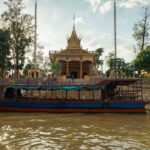
This is one of those Siem Reap activities that changes your pace right away. Instead of marching from one major attraction to the next, you’re led to a pagoda setting where the focus is spiritual cleansing and peace of mind. The ceremony centers on a simple idea: washing away bad luck, protecting your health, and helping you start over with good fortune.
Two parts stand out for me. First, the monks chant in a steady, harmonized way that makes the whole thing feel grounded and solemn. Second, the red bracelet at the end gives the blessing a physical reminder you can actually keep with you as you continue your trip.
The atmosphere matters. You’re in a religious space where you’re expected to be quiet and respectful. If you tend to treat temples like photo studios, this may feel a little strict at first. But if you can slow down, the setting does its job quickly.
If you're still narrowing it down, here are other tours in Siem Reap we've reviewed.
Getting There by Tuk Tuk: How the 2.5 Hours Flows
The timing is compact and efficient: 2.5 hours total. You’re picked up in Krong Siem Reap by tuk tuk, then you drive for about 20 minutes to the monastery area. That short ride helps you transition from the busy city mood into something more still.
After the ceremony and guided time at the monastery, you head to a second pagoda site for a guided visit lasting around 20 minutes. You’ll also include a local market stop during the overall experience. Then it’s another tuk tuk ride back to Krong Siem Reap, about 25 minutes.
This structure makes the tour feel doable even if you’re not staying in full-day temple mode. It’s also why the price can make sense: you’re not just paying for the water ritual. You’re paying for transportation, an English guide, and the time between stops so it doesn’t feel rushed.
The Monk-Led Tour First: Context Before the Water
You don’t get thrown straight into the ceremony. You start with a monastery visit led by your English-speaking guide, usually around 1.5 hours. You’ll get background on the ceremony’s meaning and why water plays such a central role.
This context is where the experience becomes more than a moment you watch. You’re told the symbolism behind cleansing the spirit, washing away negative influence, and inviting good luck, health, and peace. When I hear the explanation first, the chanting and sprinkling feel purposeful instead of random.
Guides like Sopheak and John are known for explaining the process clearly and guiding you through what you’re doing. That matters because the ceremony involves listening, sitting, and responding in a calm way. If you know what’s coming, you can relax and focus on the meaning.
Also, you’ll be asked to keep a quiet, respectful demeanor during the blessing. That’s not just rules for fun—it helps the monks, and it helps you stay present.
Light Sprinkling or Full Cleansing Over Your Head
This is the heart of the tour: you receive one of two blessing forms from the resident monks. Both include monk chants, but they feel different in intensity and in how you prepare.
Light Sprinkling is the gentle option. Monks chant and invoke blessings while they lightly sprinkle blessed water over you. It’s symbolic purification—less dramatic on the body, but still meaningful in intention. If you want something spiritual without feeling like a shower is happening to you, this is usually the safer first choice.
Full Cleansing Ritual is the longer, more intense version. During this one, monks pour vessels of holy water over your head while continuing their rhythmic chants. The tour provides a sarong so you can change into it for the ceremony and keep your regular clothes dry.
Practical note: the full option can feel startling if you’re expecting a soft touch. But if your goal is a complete reset—spirit, mind, and spirit in the ceremony’s own language—you’ll likely feel satisfied once you’ve done it.
The Red Bracelet Ritual and How to Wear It
At the end of the blessing, monks tie a special red bracelet on your wrist. This string is part protection, part reminder—something you can physically carry with you after the ceremony finishes.
You’re meant to wear it until it falls off naturally. That detail sounds small, but it helps you stay connected to the intention of the ritual as the rest of your day unfolds. You’re not just leaving the monastery and forgetting it. You’re still carrying the moment.
It’s also one of the easiest parts of the tour to appreciate right away because there’s no guessing. You’ll see it happen, understand its purpose, and then you get the simple instruction: wear it, respect it, and don’t rush it.
Market Time and a Second Pagoda Stop
Not every temple tour includes any local life. Here, you also get some time at a local market sit. That’s useful if you want your day to feel tied to real surroundings, not only to polished tourist circuits.
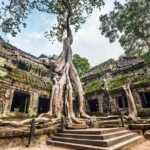
After the main monastery section, you visit a second pagoda site for a guided tour of about 20 minutes. Since it’s short, it doesn’t turn into temple overload. It works as a calm follow-up that keeps the religious focus while still giving you variety in the setting.
One advantage of having the guide with you here is simple: you’re not left to guess what you’re seeing. Even if you don’t memorize every detail, you’ll come away with a better sense of how these sites fit into Cambodian cultural heritage and daily spiritual life.
Price and Value in Siem Reap for a 2.5-Hour Ceremony
At $45 per person for roughly 2.5 hours, you’re paying for more than the ceremony itself. The value stack includes an English-speaking guide, tuk tuk pickup and drop-off within Siem Reap, a donation to the pagoda, and the sarong if you choose the full cleansing option. There’s also that market stop and time with the guide to help you understand what you’re doing.
So where does it feel worth it? When you want a structured cultural experience that’s respectful and explained, and you don’t want to navigate logistics on your own. The tuk tuk route also saves time, and you don’t have to worry about timing the ceremony with temple opening hours.
Where it might not feel worth it is if you’re only looking for quick photos or if you already know the ritual and don’t need the guidance. But if you want meaning, context, and a calm pace, the price lands more comfortably.
Tips for Showing Up Respectfully (and Staying Dry)
Before you go, read the clothing rules closely. You’ll visit a religious site, so modest clothing is required: cover your shoulders and knees. That means no short skirts and no sleeveless shirts.
You should also bring practical items. Pack a change of clothes and a towel. Even if you pick the light sprinkling, accidents happen and water can travel. If you pick the full cleansing ritual, you’ll be provided with a sarong to help keep your clothes dry, but you’ll still appreciate having your own towel ready to feel comfortable afterward.
During the ceremony, keep your voice down and follow the guide’s cues. The experience is designed for a quiet, respectful attitude. When you do that, the monks’ chanting and the whole atmosphere make more sense fast.
Finally, keep an open mind. This is a spiritual practice with beliefs tied to good fortune and peace—not a performance for outsiders. When you treat it that way, the experience tends to work better.
Should You Book This Siem Reap Water Blessing?
I think you should book it if you want a break from typical temple touring and you’re looking for something calm, guided, and personally meaningful. The monk-led chanting, the two cleansing options, and the red bracelet ritual all give you a clear structure. You also get English context from guides like Sopheak or John, which makes a difference when the ceremony is unfamiliar.
Skip it if you’re uncomfortable getting wet in the full cleansing option or you don’t want to follow modest clothing and quiet behavior requirements. If you’re flexible on that—and you’re actually interested in peace, good fortune, and a fresh start—this is a solid use of half your day in Siem Reap.
If you’re planning other emotionally heavy stops too, you might find the guide has time for meaningful extras on certain days. One guide-and-driver team has reportedly added the Killing Fields when there was extra time, so ask if your schedule allows something additional.
FAQ
How long is the Siem Reap monastery water blessing experience?
The experience lasts 2.5 hours.
What does it cost?
It costs $45 per person.
What are the two blessing options?
You can choose the light sprinkling option or the full cleansing ritual. The full cleansing involves monks pouring holy water over your head while chants continue.
Will I receive a bracelet?
Yes. At the end of the blessing, monks tie a red bracelet around your wrist. You can wear it until it falls off naturally.
What should I bring?
Bring a change of clothes and a towel.
What clothing rules should I follow?
Wear modest clothing that covers your shoulders and knees. Short skirts and sleeveless shirts aren’t allowed.
What’s included in the tour price?
Included are an English-speaking guide, tuk tuk pickup and drop-off, a sarong for the water blessing ceremony, a donation to the pagoda, and a local market stop.
Is this experience private and wheelchair accessible?
It’s a private group experience and wheelchair accessible.
Is there free cancellation or reserve now pay later?
Yes. You can cancel up to 24 hours in advance for a full refund. You can also reserve now and pay later to keep plans flexible.