REVIEW · SIEM REAP
Private Siem Reap 4 Days: Full Exploration of the Angkor Complex
Book on Viator →Operated by About Cambodia Travel & Tours · Bookable on Viator
Angkor is one of those places that feels bigger in real life. This private 4-day plan strings together the headline temples, the quieter jungle ruins, and the best lighting moments, with a licensed English-speaking guide and a comfortable air-conditioned car.
What I like most is the built-in rhythm: Angkor Wat at sunrise on day 2, then a full day of Angkor Thom, Bayon, Ta Prohm, and other Grand Circuit favorites. I also appreciate that the guide work seems to matter here—English is strong, and the guide is set up to explain what you’re seeing and answer questions, with names like Sara, Sok, Dorn, Meng, and Leap showing up in guide mentions.
The main drawback to consider is pace. You’re up early (including a 4:30 AM hotel pickup for sunrise), and days are packed with many sites, so it’s not a slow, wandering kind of trip.
In This Review
- Key highlights you’ll feel fast
- Why this private Angkor complex tour works better than piecing it together
- Day 1 in Siem Reap: airport welcome and settling into your hotel
- Day 2: Angkor Wat sunrise, then Angkor Thom’s gates, towers, and terraces
- Ta Prohm and the quieter corners: what to expect from the Grand Circuit day feel
- Day 3: Banteay Srei’s fine detail, then Pre Rup, Preah Khan, and sunset viewing
- Day 4: Tonlé Sap Lake and Kampong Phluk floating village for a different Cambodia
- Phnom Bakheng and sunset strategy: how to think about the light moments
- Price and value: what $375.06 per person gets you in the real world
- Guides and drivers: what you can expect from the people behind the steering wheel
- Who this private 4-day Angkor tour suits best (and who should pause)
- Should you book this private Angkor complex tour?
- FAQ
- How long is the private Angkor tour?
- Is this tour private?
- Are airport transfers included?
- Do I need to buy admission tickets for the temples?
- What time is the Angkor Wat sunrise pickup?
- What about hotels—are they included?
- What transportation do I get during the tour?
- Is the guide English-speaking?
- What meals are included?
- Are tips included?
- FAQ
- Can I cancel and get a refund?
- Is the tour suitable for most people?
Key highlights you’ll feel fast
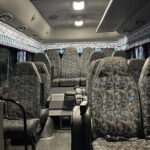
- Private, air-conditioned vehicle with hotel pickup and day-to-day transfers
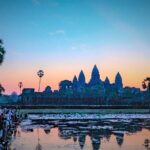
- Angkor Wat sunrise timed with a very early start (4:30 AM pickup)
- Full Angkor footprint: Grand Circuit + Small Circuit style coverage across major and lesser-known temples
- Two big light shows: sunrise at Angkor Wat and sunset viewing at the temples area (with Phnom Bakheng included in the overall tour concept)
- A day off the temple path: Tonlé Sap Lake and Kampong Phluk floating village
Why this private Angkor complex tour works better than piecing it together
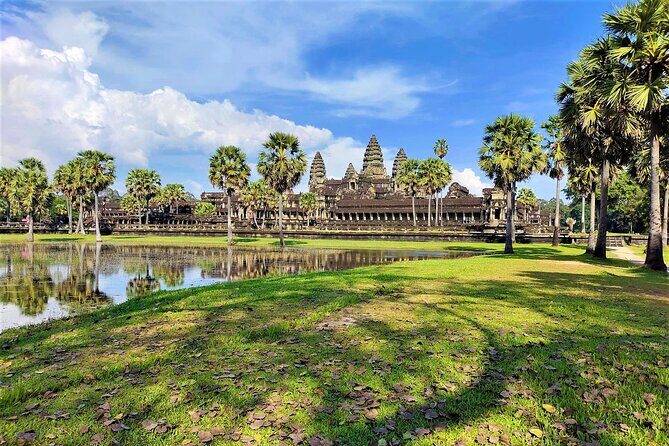
This is the kind of itinerary that makes sense if you want to see a lot without turning your trip into a logistics puzzle. You’re not figuring out which gate to enter, where to hire a driver, or how to stitch together circuits. Instead, you get a licensed guide, admission fees handled for the sights, and a private vehicle that moves you from temple to temple.
I also like that the tour is set up for the real reasons most people come to Angkor: morning light at Angkor Wat, then the dense “city-scale” experience of Angkor Thom with its terraces, gates, and faces. Later, you shift into temples that feel less busy—places like Ta Prohm, and other sites that reward time and good explanations.
One more practical detail: you’re not just dropped off. You get a welcome transfer in Siem Reap, and at the end, you transfer back to the airport. That reduces the “last day scramble,” which is common when people DIY.
Other private tours in Siem Reap
Day 1 in Siem Reap: airport welcome and settling into your hotel
Your trip starts with a straightforward welcome: you’re met at Siem Reap Angkor International Airport. The driver holds a welcome signboard with the company logo and your name, then takes you into town.
After that, you check into the hotel category you picked: 3-star, 4-star, or 5-star options are listed, and daily breakfast is included. This matters because Angkor mornings are early. Having breakfast included keeps the first day from turning into extra planning.
You’ll also find it convenient that the tour offers transfers without you needing to coordinate public transport. In a place where timing affects everything, that’s an underrated comfort.
Day 2: Angkor Wat sunrise, then Angkor Thom’s gates, towers, and terraces

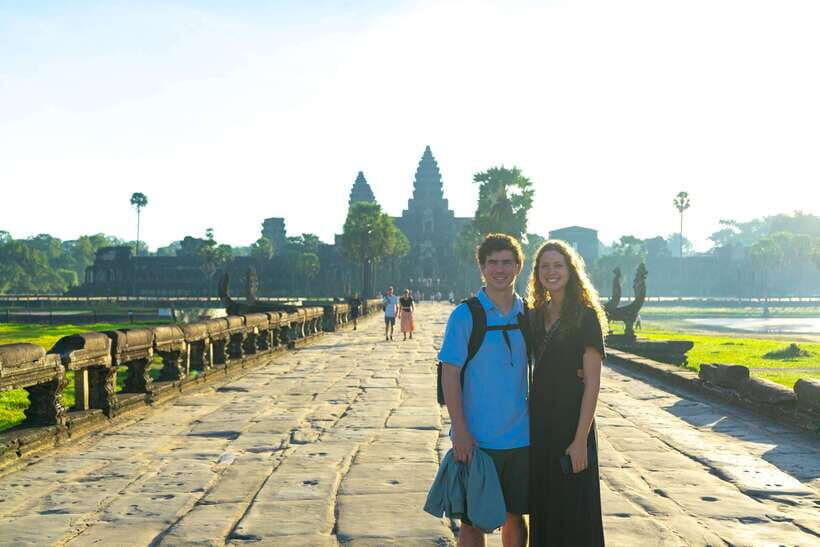
Day 2 is built around the big moment. You’re picked up at 4:30 AM from your hotel lobby to see sunrise at Angkor Wat—the largest and best-preserved monument in the Angkor group. The point of this timing isn’t just photos. Early hours help you avoid the feeling that you’re sprinting through crowds. You get that first “wow” moment while the site is still waking up.
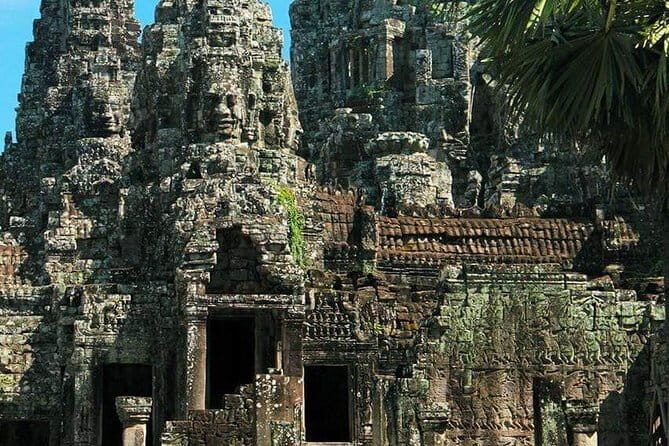
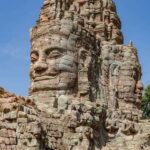
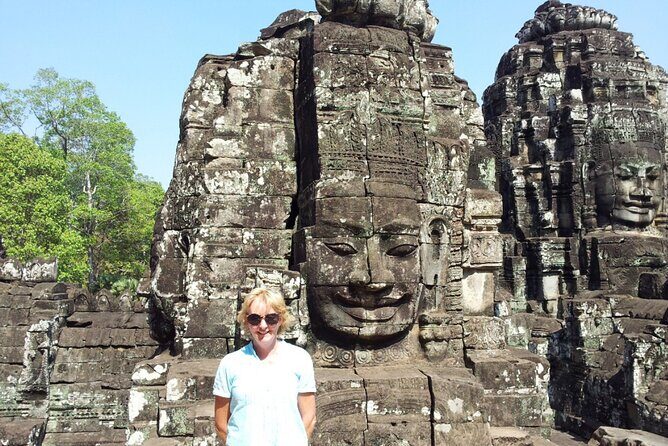
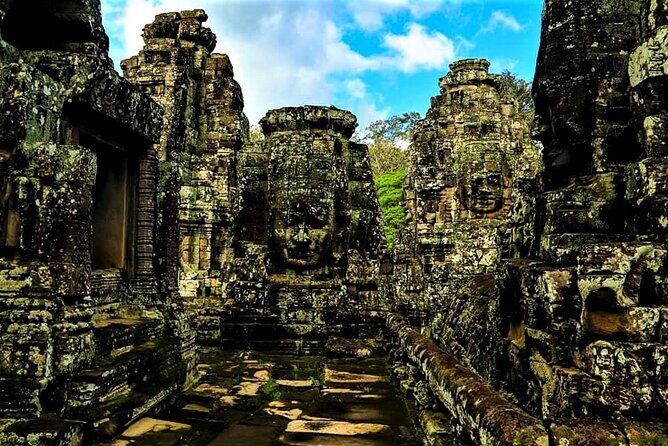
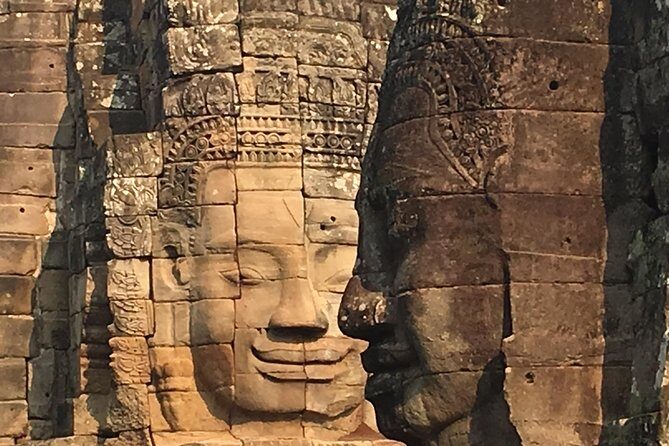
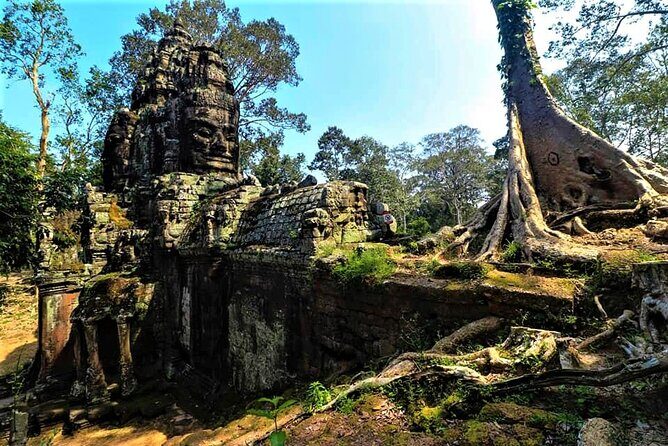
After sunrise, you continue into Angkor Thom, starting at the South Gate. This gate is popular because it has been restored, and the stone heads remain in place. It’s a good warm-up step: it gives you a clear sense of the city’s layout before you go deeper into the palace area.
From there, the plan moves through core sites tied to royal power and religious symbolism:
- Bayon Temple: built about a century after Angkor Wat, and famous for its central presence in the royal city
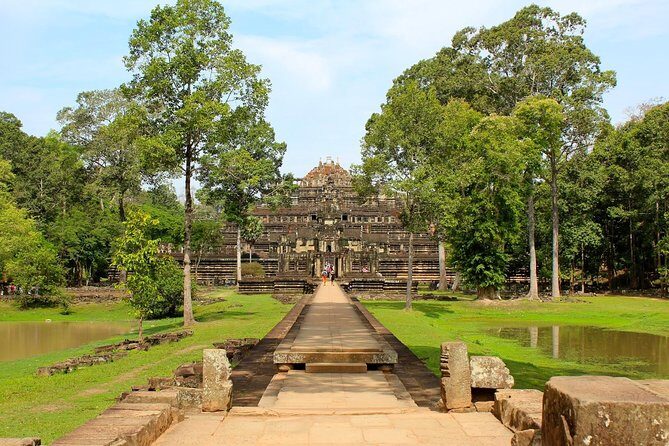
- Baphuon Temple: a temple on a rectangular sandstone base with multiple levels
- Phimeanakas: set near the center of the royal palace enclosure, originally described as having a golden pinnacle
- Terrace of the Elephants: designed for processions and royal visibility
- Terrace of the Leper King: known for dramatic bas-reliefs
- Ta Nei: a late 12th-century stone temple near the East Baray
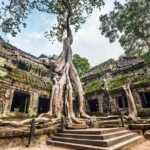
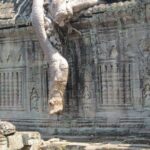
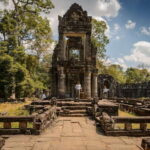
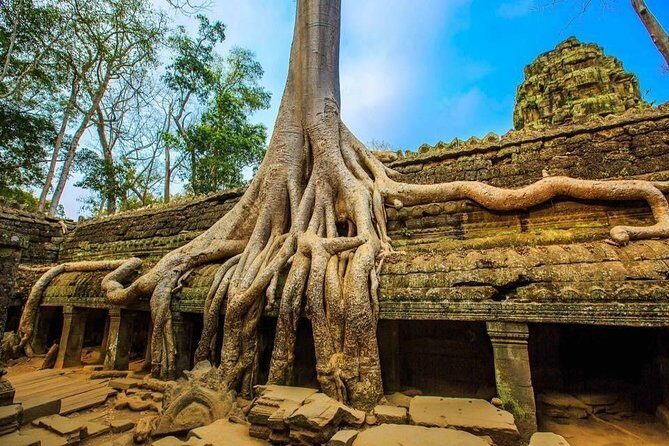
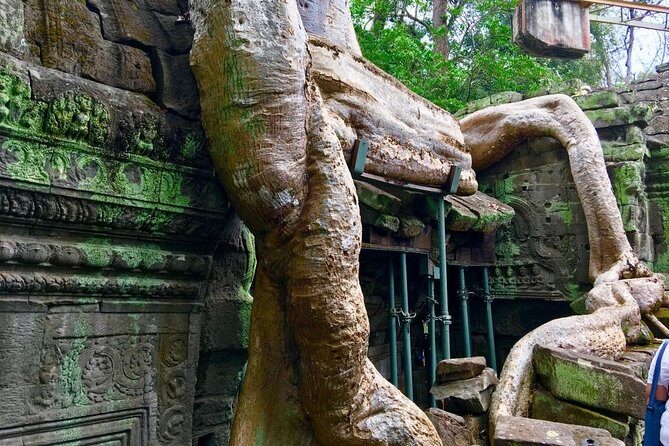
Then you shift into Ta Prohm, often described as the kingdom of trees. This is where many people start to feel the contrast: some monuments look engineered and crisp; Ta Prohm feels like time is still moving around it. You also have time for Banteay Kdei and Srah Srang, so the day doesn’t just become a straight line of the most famous names.
Why this day is a win for value: the admission fees are included for the sites you visit, and the guide adds context across multiple temples in one run. If you tried to DIY this, you’d spend real energy just on planning and timing.
Ta Prohm and the quieter corners: what to expect from the Grand Circuit day feel
The middle of day 2 hits a specific sweet spot. After Angkor Thom’s major structures, you get temples that reward walking slowly and looking up. Ta Prohm is a highlight for many because it’s both visually striking and story-heavy—so the guide’s explanations matter more than with some “quick hit” attractions.
Also, the itinerary doesn’t stop at the loudest stops. You get Banteay Kdei, then Srah Srang, a reservoir area that shifts the mood away from tightly packed carvings and back toward the broader sacred landscape idea Angkor represents.
One small consideration: the day is long. With multiple stops listed and sunrise the previous planning anchor, you’ll want to pace your energy. If you’re the type who gets tired by mid-afternoon museum-style, plan on taking breaks where you can between temples.
Day 3: Banteay Srei’s fine detail, then Pre Rup, Preah Khan, and sunset viewing
Day 3 starts with Banteay Srei, often called a precious jewel by French archaeologists in descriptions used for this site. The main reason it’s special is the sense of refined Khmer artistry compared to bigger-scale monuments. If Angkor Wat and Angkor Thom feel like grand architecture, Banteay Srei feels more delicate—worth slowing down for.
Then you move through additional Small Circuit style sites:
- Banteay Samre: described as complete in one complex sense due to restoration, but you’ll see signs of maintenance gaps
- Pre Rup: noted for bold architectural design and strong balance in scale and proportion
- Ta Som: a smaller, quieter temple that isn’t heavily restored
- Neak Pean: a square man-made pond arrangement with surrounding features
After that, you reach Preah Khan, built in the late 12th century (around 1191) and dedicated to the king’s father. It’s positioned north-east of Angkor Thom, and the stop gives you a different Angkor flavor—less “postcard centerpiece” and more “whole complex with internal logic.”
Finally, the day includes sunset watching at the Angkor Temples area (as listed under Srah Srang). Sunset is where many people feel the temples change. Stone cools down, silhouettes sharpen, and the walk from one viewpoint to another becomes part of the experience.
How the guide experience shows up here: In the guide names I saw connected with this itinerary, people consistently highlighted strong English and a willingness to explain details and answer questions. That’s especially useful on day 3 because several stops are not as universally recognized as Angkor Wat.
A few more Angkor & Siem Reap tours and experiences worth a look

Day 4: Tonlé Sap Lake and Kampong Phluk floating village for a different Cambodia
After three temple-heavy days, the final day gives you a change of scene: water, life, and ecosystems.
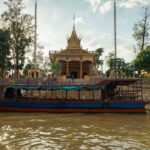
You start with Tonlé Sap Lake, described as the largest freshwater lake in Southeast Asia and a highly productive ecosystem. Then you continue to Kampong Phluk Floating Village, where the day stays focused on the lakeside world rather than temple stone.
This contrast is more than a nice break. It helps you understand Cambodia as a living place, not only an archaeological site. Angkor was built by people who depended on rivers, reservoirs, and agricultural cycles. Even if you don’t connect those dots formally, being on the lake makes it easier to feel that link.
Then it ends with a transfer to Siem Reap Angkor International Airport for your next flight.
Phnom Bakheng and sunset strategy: how to think about the light moments
The tour concept includes sunrise at Angkor Wat and the idea of a sunset view from Phnom Bakheng. The day-by-day listing also shows sunset viewing at the temples area on day 3 at Srah Srang.
Here’s my practical advice: treat these sunset moments as part of your planning, not an optional extra. Early mornings and sunset afternoons can be mentally demanding. If you want the best experience, keep your energy steady across the 4 days, rather than trying to stay out late on a hotel bar crawl the night before.
The payoff is big: Angkor is one of those places where lighting changes the feel of every surface. Faces, towers, and carvings read differently in early light versus late light, and a guide who knows the timing makes a difference.
Price and value: what $375.06 per person gets you in the real world
At $375.06 per person for about 4 days, you’re paying for more than transport and tickets. You’re paying for a system: private vehicle, licensed English-speaking guide, all admission fees for the listed sights, hotel with daily breakfast, plus supportive touches like water and fresh tissue during the tour.
That combination is the value. If you try to piece this together yourself in Siem Reap, your costs often creep up once you include admissions and the time it takes to build a clean plan. Here, the admission fees are included, so you’re not juggling multiple separate ticket purchases while also managing sunrise timing.
The hotel element also affects value. You get choices in 3-star, 4-star, or 5-star categories, all with daily breakfast included. That’s important because breakfast matters more on Angkor days than on most trips.
Guides and drivers: what you can expect from the people behind the steering wheel
This itinerary is built around an English-speaking licensed guide, and the driver is part of the experience. Names that show up in guide mentions connected to this tour include Sara, Sok, Meng, Dorn, and Leap. People also mention drivers by name, like Paul, Lym, and Deab, and describe them as safe and on-time.
What matters for you: you’ll get explanations that connect the temples into one story. You’ll also have an easier time asking questions because the guide is set up to handle English-speaking visitors and is expected to guide you across many stops in a structured way.
If you’re traveling as a family, this kind of guided structure tends to work well: kids get answers, adults get context, and the driving schedule doesn’t collapse the whole day.
Who this private 4-day Angkor tour suits best (and who should pause)
This tour is a strong fit if you want:
- A private Angkor plan with a vehicle and guide instead of DIY
- Big highlights with real pacing across multiple circuits
- Sunrise and sunset experiences that are scheduled into the day
- A final-day change into Tonlé Sap and Kampong Phluk
It may not be ideal if you:
- Hate early starts (there’s a 4:30 AM pickup for sunrise)
- Prefer a lighter schedule with fewer sites per day
- Want time for long café stops or slow wandering without movement
Should you book this private Angkor complex tour?
If your goal is to see the major Angkor temples plus the smaller, more atmospheric sites, without wasting your precious Siem Reap days on planning, I think this is a smart booking. The value comes from bundling what normally causes hassle: hotel transfers, admissions, and an English-speaking guide who can connect the sites so they feel like more than a list.
Book it if you’re excited by sunrise timing and you’re okay with a packed route. If you want a slow travel pace above all else, you might choose a shorter, fewer-temple itinerary instead.
FAQ
How long is the private Angkor tour?
It’s listed as 4 days (approximately), based in Siem Reap.
Is this tour private?
Yes. It’s a private tour/activity, so only your group participates.
Are airport transfers included?
Yes. There’s pickup on arrival at Siem Reap Angkor International Airport and a transfer to the airport at the end.
Do I need to buy admission tickets for the temples?
No. Admission fees for the tour sights are included.
What time is the Angkor Wat sunrise pickup?
The pickup for Angkor Wat sunrise is listed as 4:30 AM from your hotel lobby.
What about hotels—are they included?
Yes. Hotel accommodation is included, with options listed as 3-star, 4-star, or 5-star hotels. Daily breakfast is included.
What transportation do I get during the tour?
You travel by an air-conditioned vehicle, and the tour also lists water and fresh tissue during the day.
Is the guide English-speaking?
Yes. The tour includes an English-speaking license tour guide.
What meals are included?
Breakfast is included for 3 days.
Are tips included?
No. Tips for the tour guide and driver are not included.
FAQ
Can I cancel and get a refund?
Yes. You can cancel up to 6 days in advance for a full refund. Cancellation rules change depending on how close you are to the start time.
Is the tour suitable for most people?
The additional info says most travelers can participate.