REVIEW · SIEM REAP
2-Day Angkor Wat, Kulen Mountain, Beng Mealea and Tonle Sap
Book on GetYourGuide →Operated by BREKSA TRAVEL · Bookable on GetYourGuide
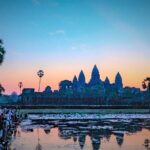
Sunrise at Angkor feels unreal. I love the Angkor Wat early-morning timing and the small-group pace, and the big trade-off is the brutally early hotel pickup around 4:30 to 5:00 am. You’ll spend two packed days bouncing between world-famous stonework and wilder jungle ruins, then end at Tonle Sap for stilt-house life and mangrove scenery.
Day 1 focuses on the classic Angkor core: Angkor Wat first (before heat and crowds), then Ta Prohm’s tree-root drama, and finally Angkor Thom’s smiling faces and royal terraces. I also like the built-in breaks for a proper breakfast and a stop for local palm cake in the Preah Dak area, which makes the temples feel less like a checklist.
Day 2 turns into nature mode: Phnom Kulen’s waterfalls and reclining Buddha, a picnic with grilled chicken and seasonal fruit, then Beng Mealea’s overgrown maze. You finish with a boat ride to Kampong Phluk on Tonle Sap Lake, which adds real-world texture beyond stone. The one practical consideration: the $69 tour price does not include temple and lake passes, so plan for extra costs at the start.
In This Review
- Key things I’d mark on your map
- How the 4:30–5:00 am Angkor Wat sunrise start plays out
- Angkor Wat and the breakfast + palm cake pause that resets your brain
- Ta Prohm’s jungle temple: roots, moss, and the fun kind of chaos
- Angkor Thom highlights: Bayon faces, Elephant Terrace, Leper King
- Phnom Kulen’s waterfalls, reclining Buddha, and River of Thousand Lingas
- Beng Mealea: the jungle ruin that feels more like an adventure
- Kampong Phluk on Tonle Sap: stilt houses, mangroves, and real routines
- Price and logistics: what $69 really covers
- Tips that make the heat, walking, and photos feel manageable
- Who should book this 2-day Angkor–Kulen–Tonle Sap combo
- Should you book Breksa Travel for Angkor Wat, Kulen, Beng Mealea, and Kampong Phluk?
- FAQ
- What time will I be picked up for Angkor Wat sunrise?
- Is the Angkor pass included in the tour price?
- What meals are included during the two days?
- Do I need separate passes for Kulen Mountain, Beng Mealea, and Tonle Sap?
- How large is the group?
- Can I swim on Day 2 at Phnom Kulen?
Key things I’d mark on your map
- Angkor Wat sunrise timing before the main crowd crush
- Small-group size (max 14) for easier movement and better guide attention
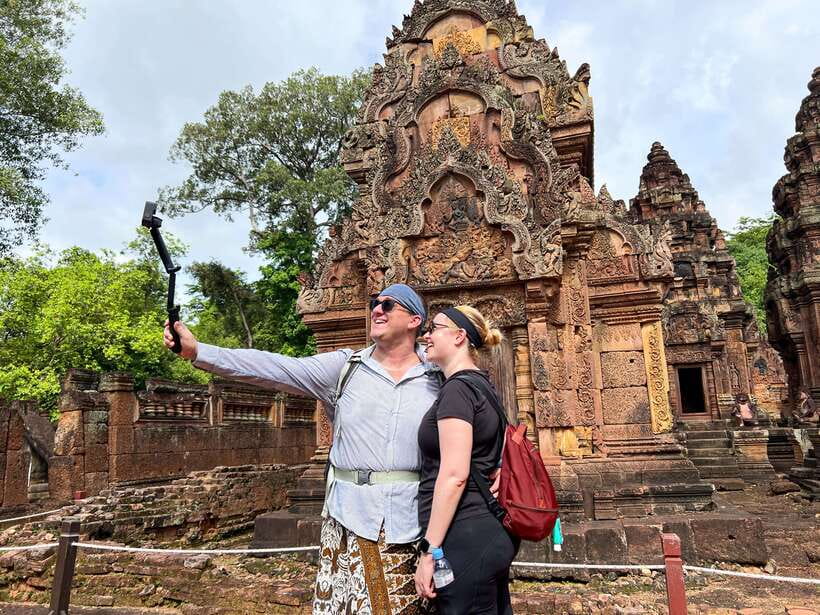
- Ta Prohm and Beng Mealea: jungle ruins with roots, moss, lianas, and mossy stone
- Phnom Kulen highlights: waterfalls, reclining Buddha, and the River of Thousand Lingas
- Tonle Sap boat to Kampong Phluk: stilt homes, fishing life, and mangrove wildlife
How the 4:30–5:00 am Angkor Wat sunrise start plays out
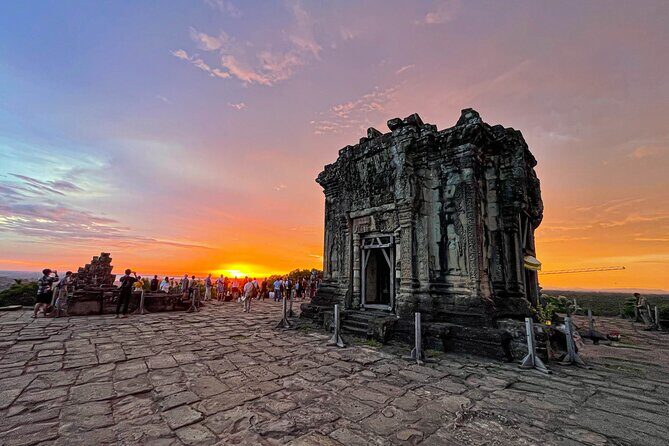
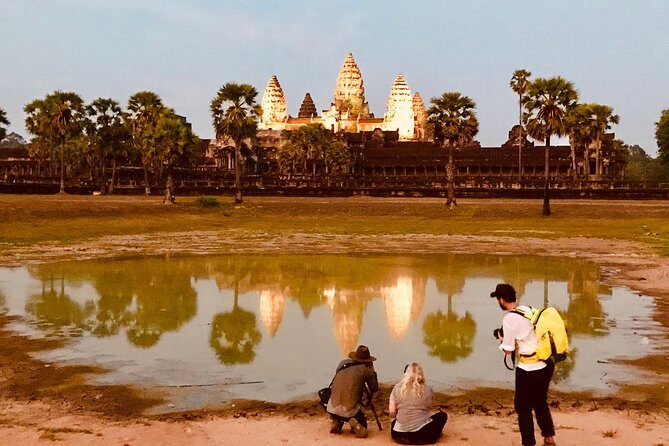
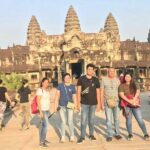
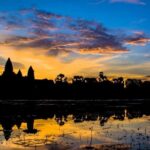
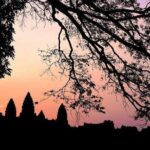
This tour starts early on Day 1. You’ll be picked up from your hotel around 4:30 to 5:00 am, and you’ll want to wait in the lobby about 10 minutes before the scheduled time. That early start is not just for romance. It helps you see Angkor Wat with better light and fewer people in your photos before the sightseeing wave arrives.
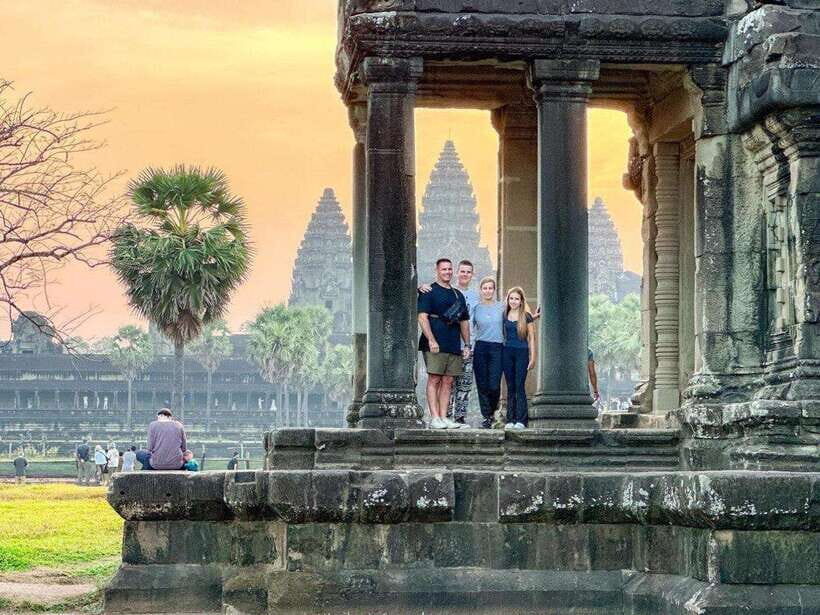
Angkor Wat is huge, and you’re not trying to “win” by rushing every corner. You’ll typically get about 1 hour and 30 minutes walking and seeing the full temple complex, which is a realistic window for taking in the main sights and getting decent photos. Your guide’s pacing also matters here: you’ll want time to stop, look up, and appreciate scale, because from a distance it’s stunning, and up close it’s crowded with details.
Practical tip: dress like you’re going to a cool morning that turns hot fast. Wear closed-toe shoes, bring a hat, and use sunscreen even if the sun hasn’t fully kicked in yet. You’re moving early, often in exposed areas, and Cambodia’s sun wastes no time.
If you're still narrowing it down, here are other tours in Siem Reap we've reviewed.
Angkor Wat and the breakfast + palm cake pause that resets your brain
After the sunrise viewing, you’ll step back for breakfast at a local family restaurant in Siem Reap. This matters more than it sounds. Early temple mornings can drain you, so a real meal keeps you functional for the long walking day ahead.
Then there’s a small cultural stop near Preah Dak village, where you can experience rural life tied to the Angkor countryside community. You’ll also get to taste traditional palm cake. It’s a simple addition, but it changes the feel of the day from tour-driving to local rhythm. You’re not just staring at carved stone; you’re seeing how people live in the same region that produced these temples.
Angkor Wat is also the place where good guiding turns “pretty” into “understood.” A guide can point out why certain layouts mattered and what stories the design references. In similar Angkor-focused tours I’ve heard guides highlight details like sound carrying in certain areas at Angkor Wat, which helps you notice the temple as an experience built for humans, not just tourists.
A drawback to note: sunrise doesn’t mean you’ll feel wide awake. If you hate early wake-ups, this tour will test you. If you’re okay with that, you’ll get one of the most satisfying lighting situations in all of Cambodia.
Ta Prohm’s jungle temple: roots, moss, and the fun kind of chaos
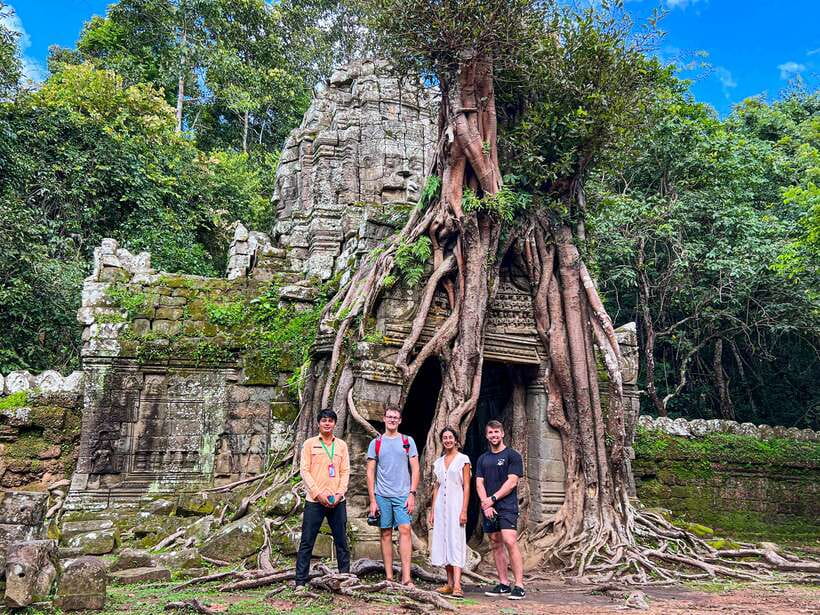
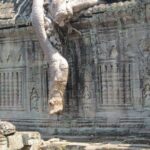
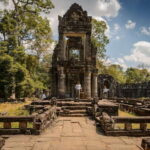
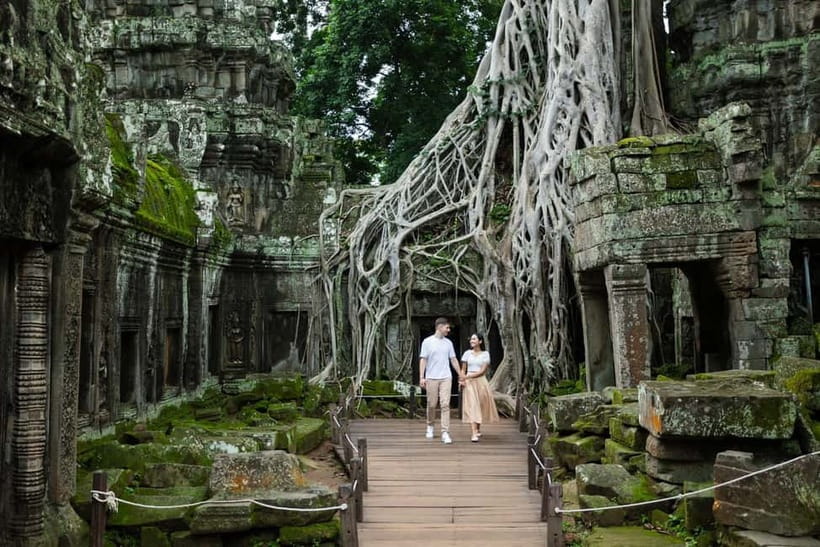
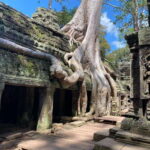
Next comes Ta Prohm, the jungle temple left in its original state and partially swallowed by trees and huge roots. This is one of those rare sites where the “setting” is part of the attraction. The stonework isn’t pristine museum-style. It’s dramatic, weathered, and intertwined with vegetation.
You’ll walk through areas where the roots twist over blocks and through openings. It looks like a movie set, but it’s also physically real: some surfaces can be uneven, and you’ll want sturdy footing. That’s why the shoe choice matters here—closed-toe shoes are a must.
What I like about Ta Prohm in a two-day combo is that it breaks up the “symmetry overload.” Angkor Wat and Angkor Thom are impressive in structured ways. Ta Prohm feels wilder, more accidental, more alive. If you’re into photography, the mix of shadow, root textures, and vine-covered stone creates more variety than a straight wide-angle temple shoot.
If you’re not a fan of sweaty walking, plan for it. This stop is visually rewarding, but it’s also active. Bring a power bank, because you’ll keep taking photos once you realize how many angles you get just by stepping a few meters.
Angkor Thom highlights: Bayon faces, Elephant Terrace, Leper King
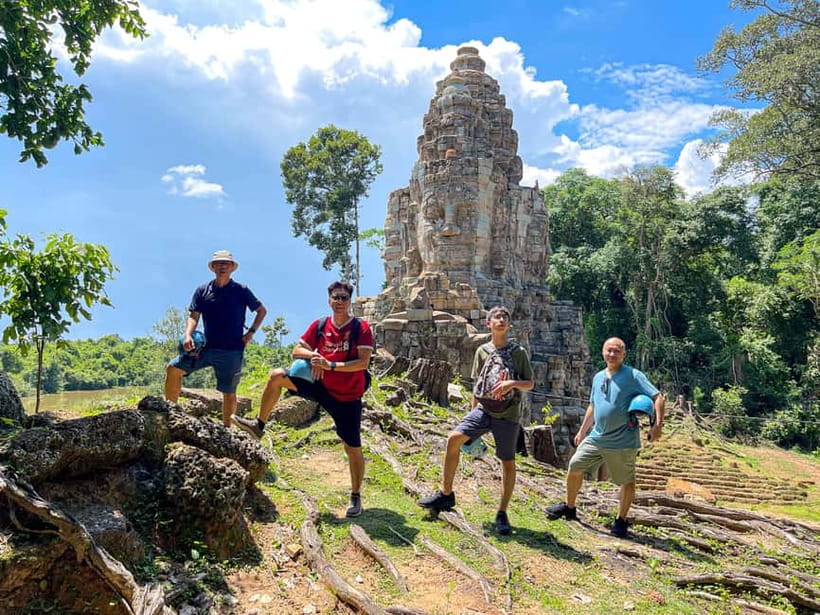
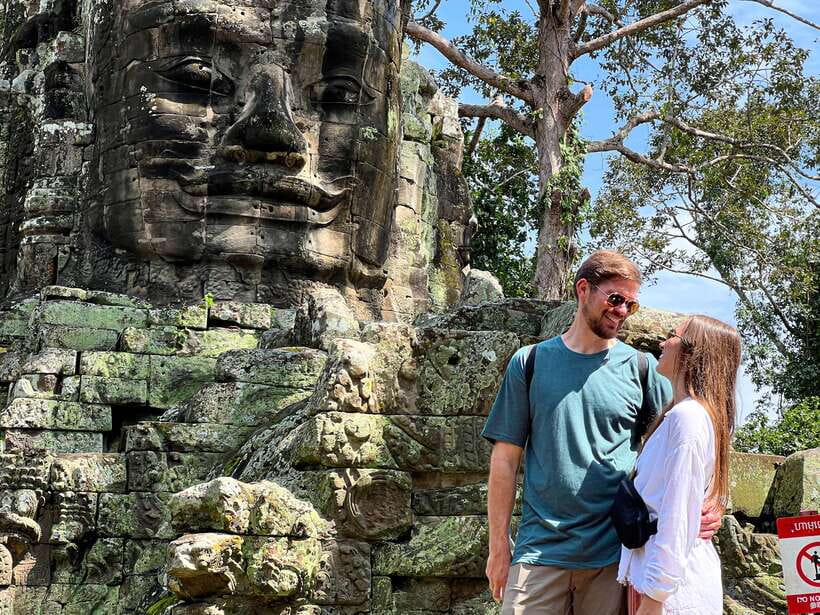
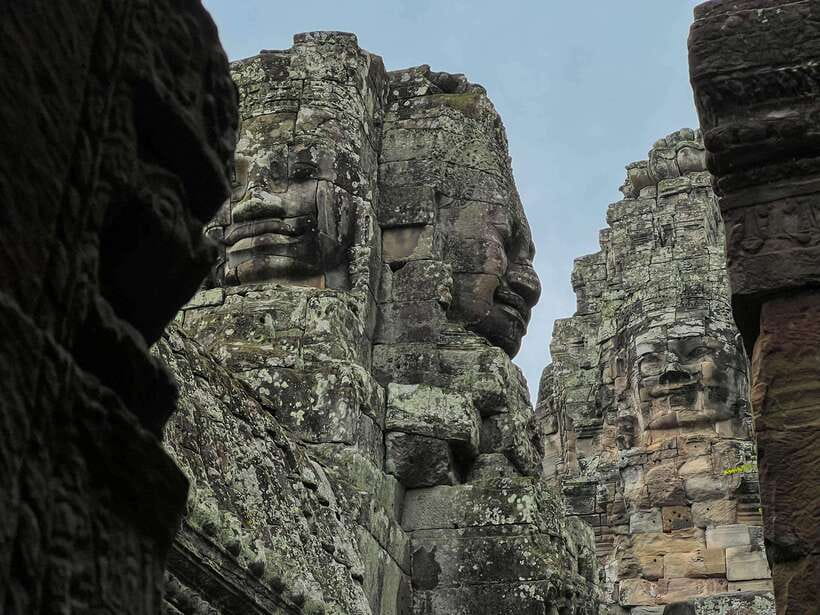
After Ta Prohm, you’ll head to the south gate of Angkor Thom. This is where the mood shifts from jungle chaos back into Khmer royal order. The headline is Bayon Temple, famous for its 54 towers and 216 faces of Avalokesvara. The faces are the kind of thing that can feel like a gimmick until you’re actually there and you notice the repeating expressions from different angles.
You’ll also visit Baphoun Temple, plus the royal stage spaces around the complex. Among the most memorable stops are:
- Terrace of the Elephant
- Terrace of the Leper King (a royal viewing platform)
These terraces are worth it because they help you visualize ceremony and power. You’re not just looking at carvings; you’re imagining who sat where and why those positions mattered.
This is also a good part of the day for your guide’s storytelling. A strong guide connects the stones to the Khmer empire—what the temples were meant to project and how rulers used architecture to communicate authority. In the feedback I saw from guide teams, names like Sam and Seila came up with praise for pacing and explanations, and that kind of guidance tends to make Bayon’s faces feel less like a photo background.
End-of-day fatigue is real here. Plan to keep your expectations flexible. You’ll likely be tired, but the payoff is the way the faces and terraces keep pulling you back into the same spot from different directions.
Phnom Kulen’s waterfalls, reclining Buddha, and River of Thousand Lingas
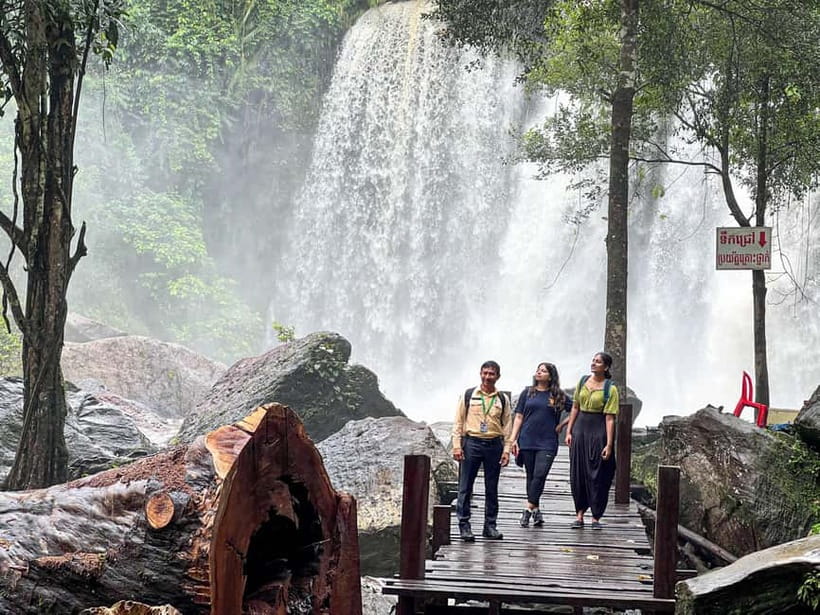
Day 2 starts with a scenic drive through rice paddies and an ascent to Phnom Kulen. You’ll have about a 1-hour drive on the way up, and then a local guide helps you explore the park’s highlights. This is the day that makes the trip feel less like “only Angkor stone.”
Expect to see:
- Poeng Ta Kho cliff viewpoint (the amazing cliff)
- Waterfalls
- A reclining Buddha sculpture
- The River of Thousand Lingas from 802 AD
That River of Thousand Lingas detail is the kind of thing you remember later because it’s specific and time-stamped. It also helps you understand Phnom Kulen as more than scenery. It’s tied to centuries of religious practice, and the river landmark gives you a concrete way to picture what people saw long ago.
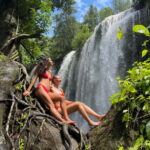
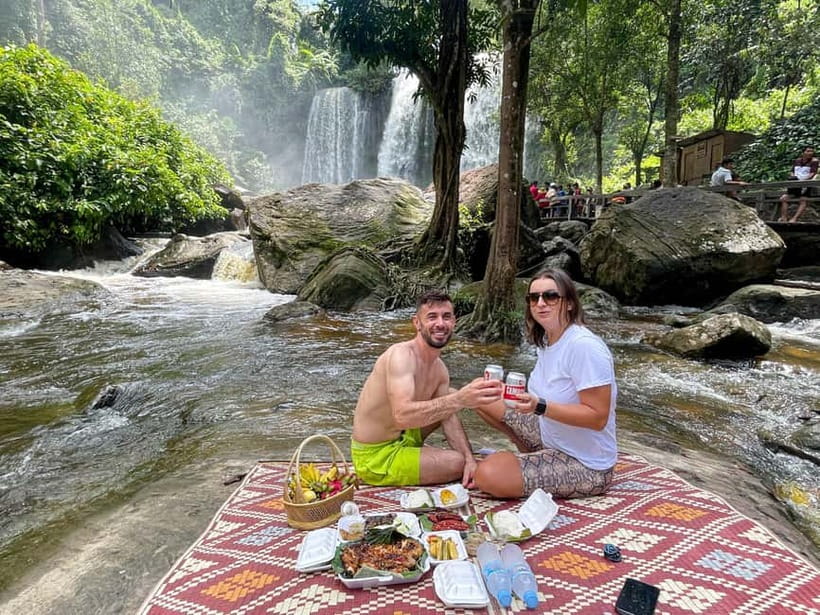
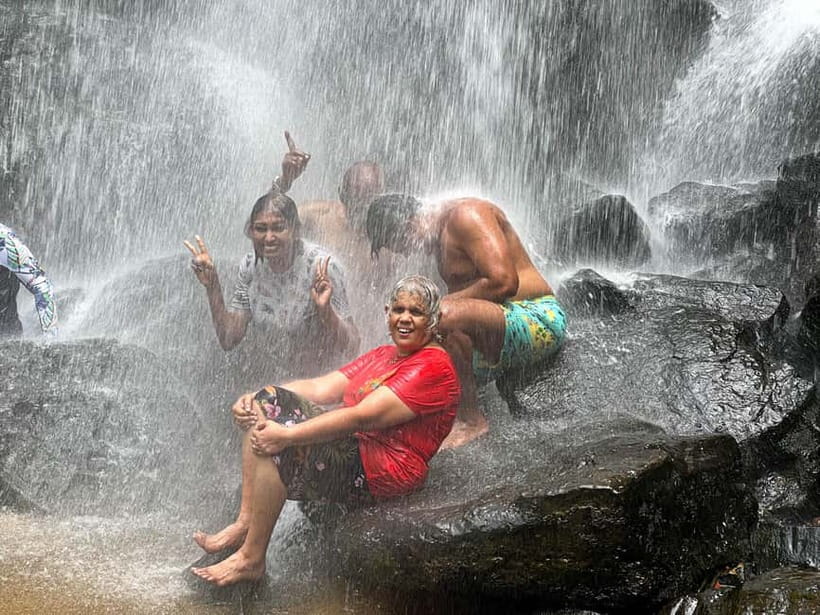
At some point, you’ll stop for a picnic lunch nearby the waterfall area. The food is described as grilled chicken with seasonal fruits, and you may even have time for swimming in the waterfall area’s plunge pool. That’s a great reset after temple walking, as long as you’re comfortable with wet stone and changing temperatures.
Logistics-wise: you’ll want your swim-ready essentials, but also remember you’re still going to keep exploring after. Bring a way to keep your phone and camera protected, since you’ll be near water and damp surfaces.
Beng Mealea: the jungle ruin that feels more like an adventure
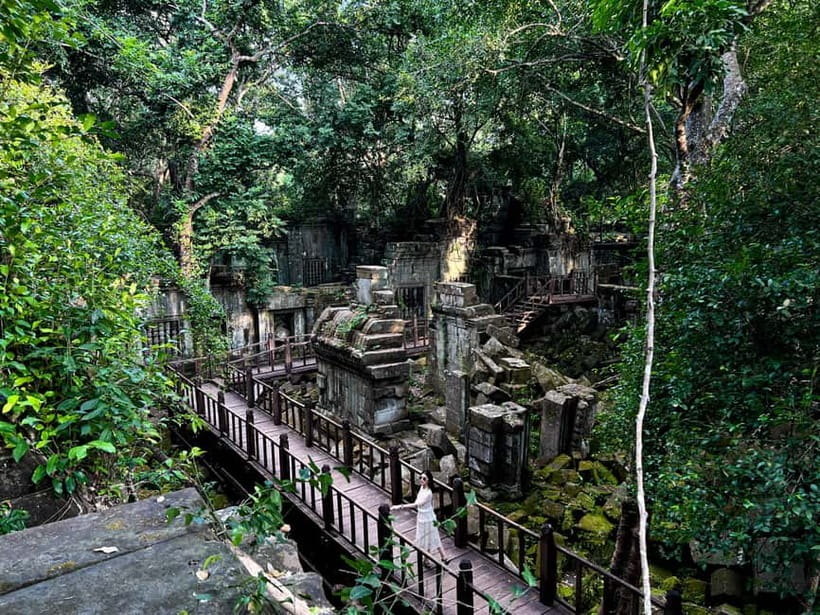
After Kulen, you’ll head deep into rainforest to explore Beng Mealea. This is a 12th-century jungle temple linked to the Angkor Wat period, and it’s overgrown with vegetation—trees, lianas, and mosses. If Angkor feels monumental and curated, Beng Mealea feels like the jungle has a claim to the stones.
Beng Mealea is also great for variety because it’s less about perfectly framed views and more about wandering through broken walls, partial doorways, and half-visible corridors. You’ll probably feel like you’re exploring a ruin rather than touring a restored site. For many people, that’s the whole point.
The trade-off is that you’re walking in a naturally messy environment. Think muddy patches, slippery growth, and uneven ground. You won’t need trekking gear, but you do need comfort shoes and a cautious mindset.
Pass note: Beng Mealea has its own pass ($10), but the data also says that a valid Angkor pass can cover it. If you’re doing both days, this can matter for your total cost.
If your guide is the photo-savvy type (names like Mony, Ho, and Youk Makara appeared in the guide feedback I received), you might get extra help spotting good angles and pacing your walk so you’re not constantly repositioning with sore legs.
Kampong Phluk on Tonle Sap: stilt houses, mangroves, and real routines
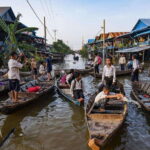
The tour finishes with a boat ride to Kampong Phluk, a floating village on Tonle Sap Lake. The best part here isn’t just the novelty of floating houses. It’s that you see daily routines—families living on stilts, fishing-based livelihoods, and homes in bright colors that make the landscape feel more human.
Your boat moves through flooded beauty and mangrove forest. One wildlife detail in the provided info is crab-eating macaques, which is the kind of bonus you might spot if you keep your eyes up and the boat doesn’t whip around too fast. Even if you don’t see animals, the mangrove corridors create that enclosed, watery feeling that inland Cambodia doesn’t always have.
There’s also often good timing value in this stop. One guide note highlighted that the visit can be timed for sunset, and that’s smart. Light on the water changes the entire mood of the village. Even if sunset isn’t part of your exact schedule, you’ll still likely end the day with slower views and fewer stones.
Tonle Sap pass note: Tonle Sap Lake pass with a boat ride is $15 per person. This is separate from Angkor passes, so don’t forget to budget it.
Price and logistics: what $69 really covers
At $69 per person for two days, this tour price is basically the service package: guide time, transport, and the key included meals/snacks. What it does not include are the attraction passes, and those add up.
Here’s what you should plan for based on the listed costs:
- Angkor pass: $37 per person
- Kulen Mountain pass: $20 per person
- Beng Mealea pass: $10 per person or a valid Angkor pass
- Tonle Sap Lake pass with boat ride: $15 per person
Depending on whether your Angkor pass covers Beng Mealea for your entry, your total out-of-pocket for passes can land around:
- $69 + $37 + $20 + $15 = $141 (if Beng Mealea is covered)
- $69 + $37 + $20 + $15 + $10 = $151 (if Beng Mealea needs its own pass)
That’s a useful range to keep in mind when judging value. The reason this still can feel like good value is that you’re getting:
- Professional English-speaking guide
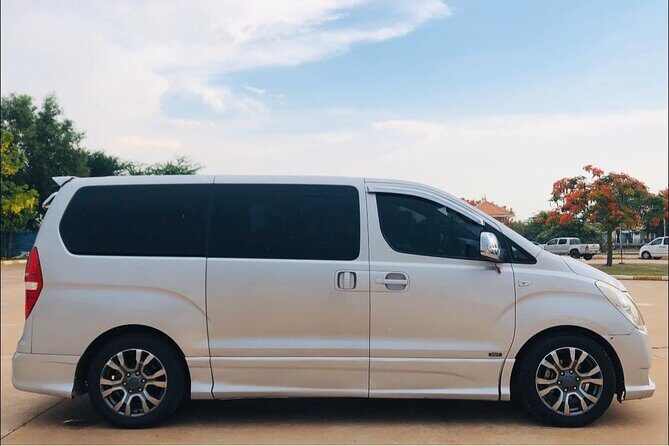
- A/C transportation (van or minibus)
- Hotel pickup and drop-off
- Cool bottle of water and towels
- Breakfast on Day 1
- Picnic lunch near the waterfall on Day 2
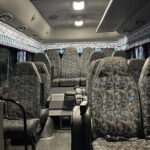
Also, the group size is limited to 14 participants, which typically makes it easier to hear instructions and move as a team. The transportation has been called out as clean and comfortable, and the A/C matters a lot in Cambodia heat.
One more logistics reality check: this is a fast, early, two-day format. If you want empty mornings and long café hangs, this won’t match that mood.
Tips that make the heat, walking, and photos feel manageable
I’d pack with the assumption that you’ll be outside for long stretches on both days. The tour data is clear about what helps: sunscreen, hat, sunglasses, insect repellent, closed-toe shoes, and a power bank.
A few practical reminders:
- Bring light, breathable clothes, but skip sleeveless shirts, since that’s listed as not allowed.
- Use insect repellent especially on the jungle and lake portions, where bugs love still moments.
- Expect you’ll take a lot of photos on temple faces and root-covered stone. A power bank is your insurance policy.
If you’re sensitive to jokes or humor that touches religion, keep this in mind. The feedback included a complaint about inappropriate religious comments from a guide on Day 1. I can’t predict who you’ll get, but it’s smart to set boundaries early. If something feels off, ask for a respectful tone rather than enduring it all day.
Finally, manage your water expectations. Cool water and towels are included, which helps a lot, but you’ll still sweat. Use the breaks to reset, not just to stand around.
Who should book this 2-day Angkor–Kulen–Tonle Sap combo
This tour is a strong fit if:
- You’re seeing Angkor for the first time and want both the big names and the jungle ruins.
- You want variety: stone temples on Day 1, then nature and waterfalls on Day 2.
- You like a guide who can connect places to meaning, not just point at carvings.
You might want to skip it if:
- You strongly dislike early mornings. The 4:30 to 5:00 am pickup is not optional.
- You prefer slow travel. This schedule stays busy, and even with a “relaxed pace,” you’ll still walk a lot.
It’s also a good option for couples and small friend groups, partly because it’s limited to 14 people and partly because the stops are varied enough that everyone finds something satisfying.
Should you book Breksa Travel for Angkor Wat, Kulen, Beng Mealea, and Kampong Phluk?
Yes, if your priority is a well-paced two-day hit list that still includes jungle texture and Tonle Sap life. I like that this version doesn’t just recycle temples. It adds Phnom Kulen’s waterfall day and the floating village boat ride, which makes the story of Cambodia feel bigger than Angkor alone.
Book it if you’re comfortable with:
- early sunrise logistics,
- walking on mixed terrain,
- and budgeting extra for Angkor, Kulen, Beng Mealea, and Tonle Sap passes.
If that early start sounds painful, you can still enjoy Cambodia, but you might look for a slower multi-day Angkor plan. This one is for people who can handle a full two days and still feel happy by nightfall.
FAQ
What time will I be picked up for Angkor Wat sunrise?
Pickup is scheduled for about 4:30 am to 5:00 am, and you should wait in your hotel lobby about 10 minutes before your pickup time.
Is the Angkor pass included in the tour price?
No. The Angkor pass is $37 per person and is not included.
What meals are included during the two days?
Day 1 includes breakfast at a local family restaurant. Day 2 includes a picnic lunch nearby the waterfall (grilled chicken and seasonal fruits).
Do I need separate passes for Kulen Mountain, Beng Mealea, and Tonle Sap?
Yes, they have separate fees listed in the activity info: Kulen Mountain pass $20, Beng Mealea pass $10 or a valid Angkor pass, and Tonle Sap Lake pass with boat ride $15.
How large is the group?
The tour is limited to a small group of up to 14 participants.
Can I swim on Day 2 at Phnom Kulen?
The plan includes an opportunity to swim at the waterfalls during the Day 2 picnic stop.
If you want, tell me your travel month and whether you’re more into photos or more into explanations, and I’ll suggest a packing checklist and a realistic pace for both days.