REVIEW · SIEM REAP
Angkor Wat 1 Day with Sunrise Combined tour with (Tuk Tuk)
Book on GetYourGuide →Operated by Angkor Wat Private Tour · Bookable on GetYourGuide
Waking up early pays off here. This Angkor Wat sunrise day tour starts before dawn with a friendly English-speaking tuk tuk driver, so you can see the towers before the main rush and then continue through major Angkor sites at a calm, human pace. I like that you get real temple context as you go, not just a quick stop-and-snap routine.
My other favorite part is the time you’re given to actually look: after sunrise, you keep exploring and the itinerary stays balanced through the morning and into the afternoon. One consideration: temple tickets and meals aren’t included, so you’ll want to plan cash for the pass and decide where to buy breakfast and lunch (the tour can work with hotel breakfast boxes).
In This Review
- Key things I’d plan around
- Sunrise Over Angkor Wat: Timing That Changes Everything
- Temple Pass and Hotel Breakfast Boxes: The Practical Setup
- The Tuk Tuk Ride: Comfort, Control, and Cold Water Breaks
- South Gate of Angkor Thom (Tonle Om Gate): The Start of the Middle Kingdom
- Bayon, Baphuon, Phimeanakas, and the Terraces: What to Notice
- Bayon: The Faces and the Why Behind Them
- Baphuon: Hindu Roots
- Phimeanakas: The Temple-Mountain Idea
- Terraces of the Elephants and the Leper King: Staging Power
- Temples South of the Victory Way: Thommanon, Chau Say Tevoda, Ta Keo
- Thommanon and Chau Say Tevoda
- Ta Keo: The Sandstone Temple-Mountain
- Lunch at a Local Restaurant: Manage Energy, Not Just Hunger
- Ta Prohm: The Tomb Raider Temple and the Photo Problem (Solved)
- Banteay Kdei: A Citadel of Chambers Before the Return
- Price and Value: Why This Day Works at About $12
- Who This Tour Fits Best (and Who Should Skip It)
- Should You Book This Sunrise Tuk Tuk Day?
- FAQ
- FAQ
- What time does the tour start for sunrise?
- Is hotel pickup and drop-off included?
- Do I need to buy the Angkor temple pass?
- Are meals included in the price?
- Is there an official tour guide included?
- Can I bring cash for food and tips?
- Are drones allowed?
Key things I’d plan around
- 04:45 pickup and sunrise timing: the early start is the whole point, so be on time.
- Private tuk tuk comfort: quick transfers, cold water on hand, and easier photo positioning than walking.
- Angkor Thom core stops: South Gate plus Bayon, Baphuon, Phimeanakas, and the terraces.
- South-side temple mix: Thommanon, Chau Say Tevoda, and Ta Keo for variety.
- Late-day photogenic temples: Ta Prohm and Banteay Kdei before returning around 2:30–3:00.
Sunrise Over Angkor Wat: Timing That Changes Everything
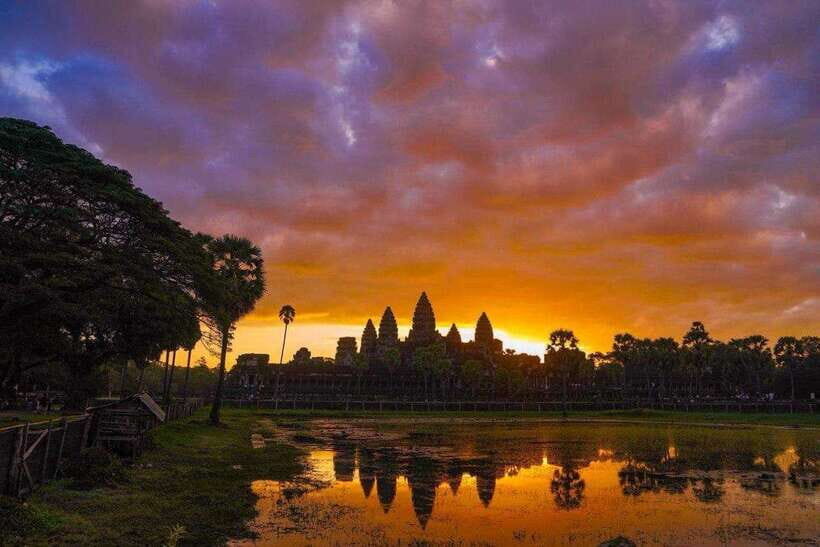
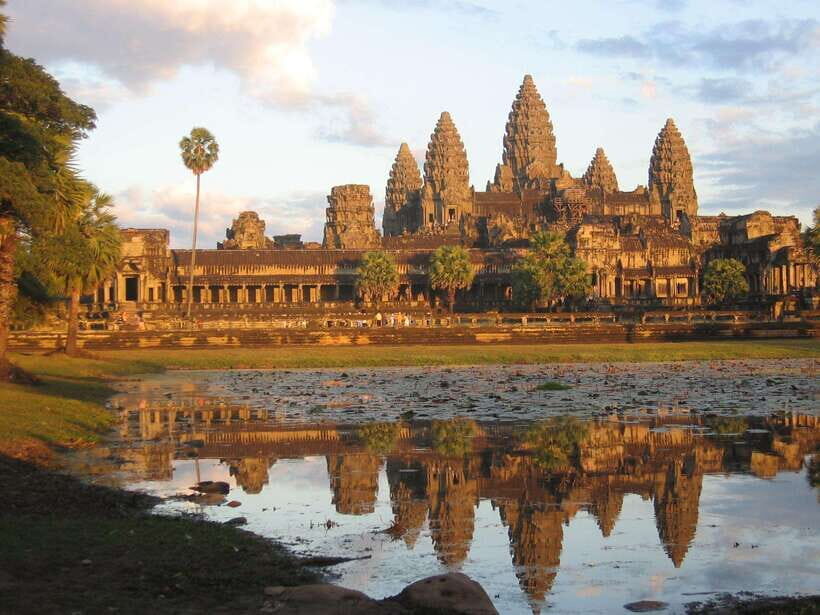
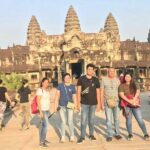
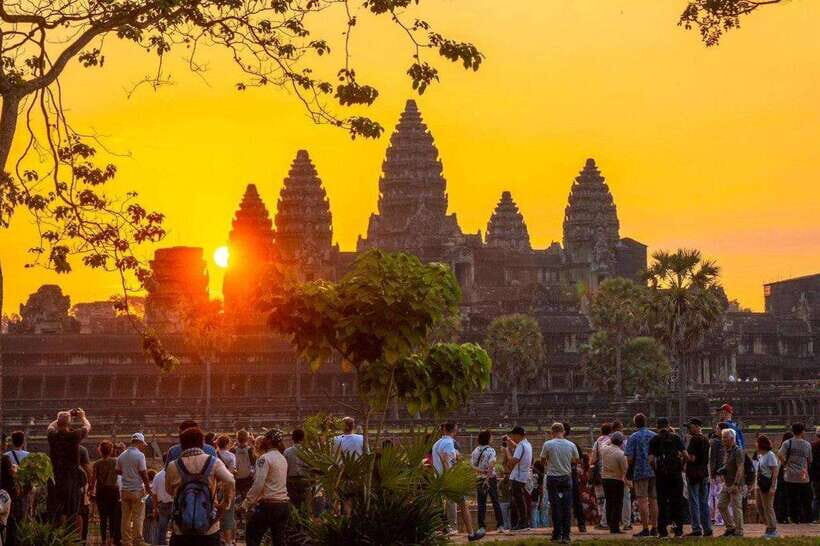
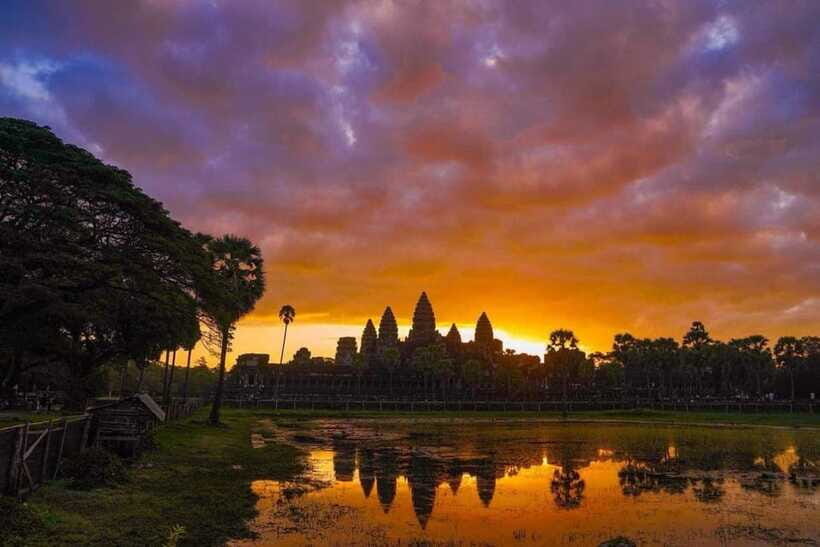
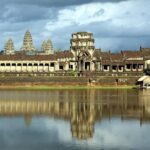
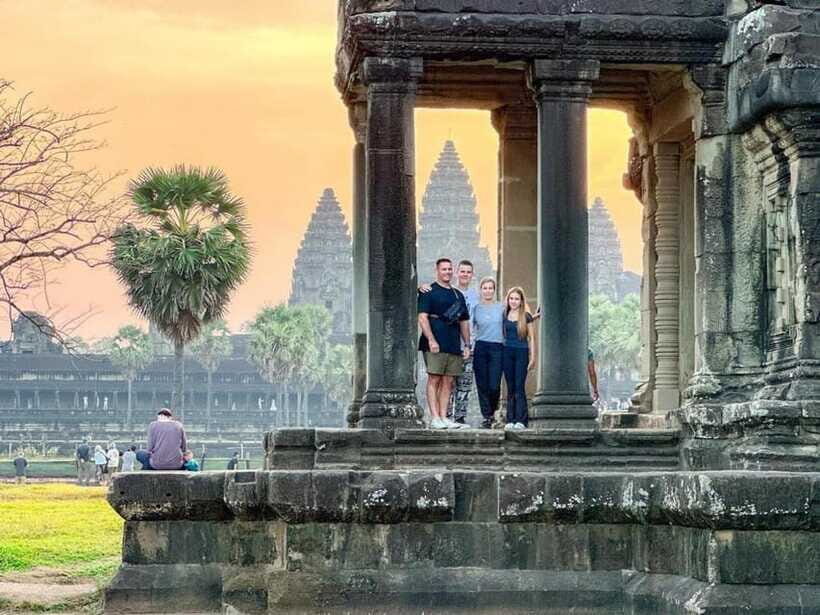
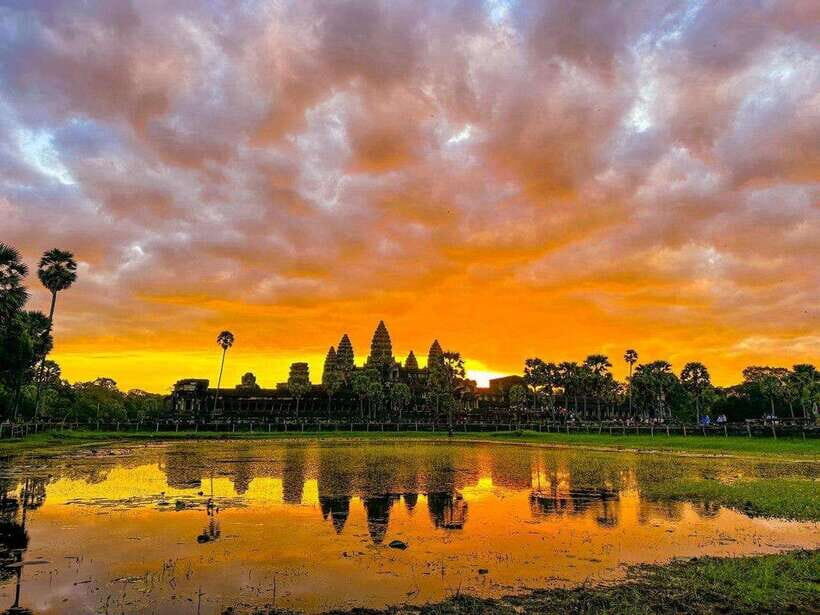
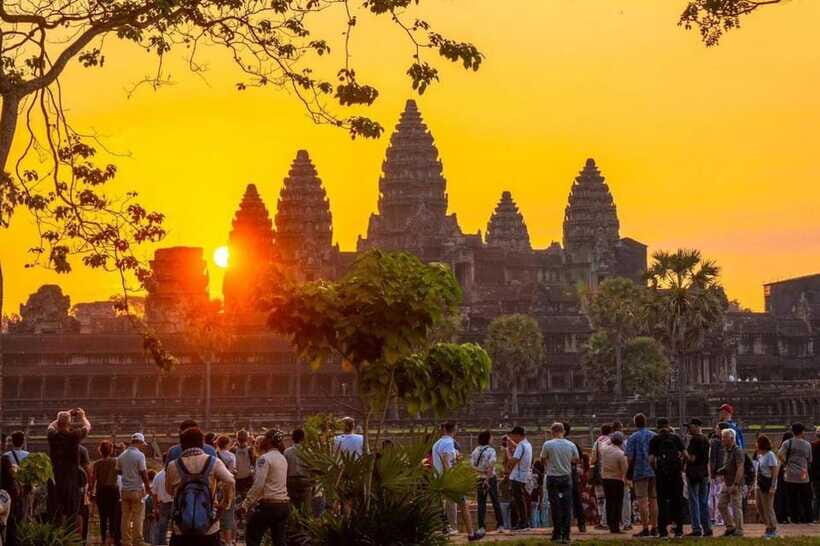
This is an early-morning day. You’re typically collected around 04:45, then headed toward Angkor Wat for sunrise viewing. Arriving before the crowd matters because you’re not just buying a ticket to the same view everyone else gets later—you’re seeing the temple in that quieter light when the carvings and tower silhouettes feel sharper.
Sunrise at Angkor Wat also sets the tone for the entire day. After you watch the light rise over the towers and the early wave of visitors moves on, the tour shifts gears into more exploring time. That’s when the experience starts feeling less like a checklist and more like a slow walk through a civilization site you can actually understand.
Other Angkor Wat sunrise tours we've reviewed in Siem Reap
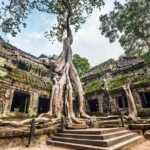
Temple Pass and Hotel Breakfast Boxes: The Practical Setup
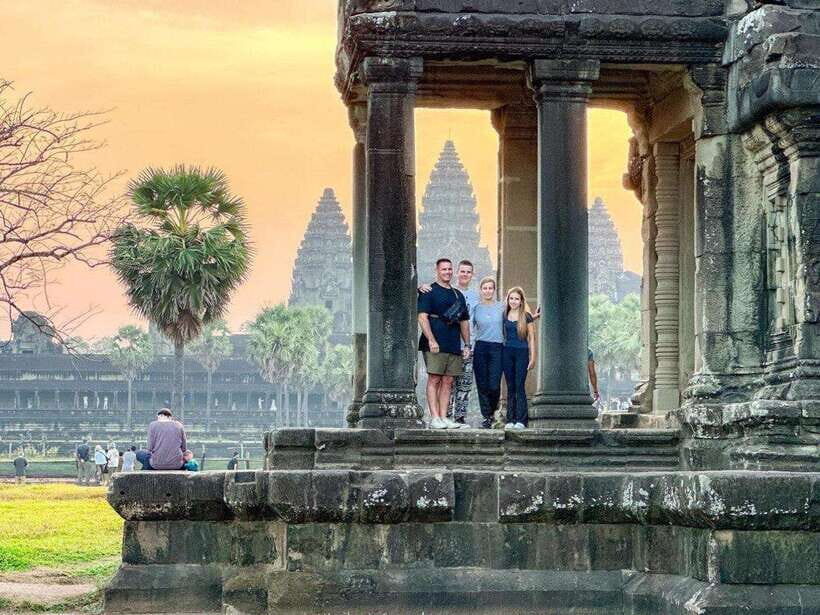
Before you enter the temples, you’ll go through the step that trips up many first-timers: getting your temple pass. Your English-speaking tuk tuk driver handles the process with your group, then you head for the sunrise.
Breakfast is the other practical piece. The tour includes a driver who will take you to a local restaurant nearby after sunrise, and many hotels provide breakfast boxes. If yours does, request it in advance and don’t forget it—having your breakfast ready helps you keep your morning smooth instead of scrambling around for food after a 4 a.m. start.
If you’re the type who gets anxious about mornings, this plan helps. You’re not doing logistics alone, and you’re not left wondering where to go when you’re sleepy.
The Tuk Tuk Ride: Comfort, Control, and Cold Water Breaks
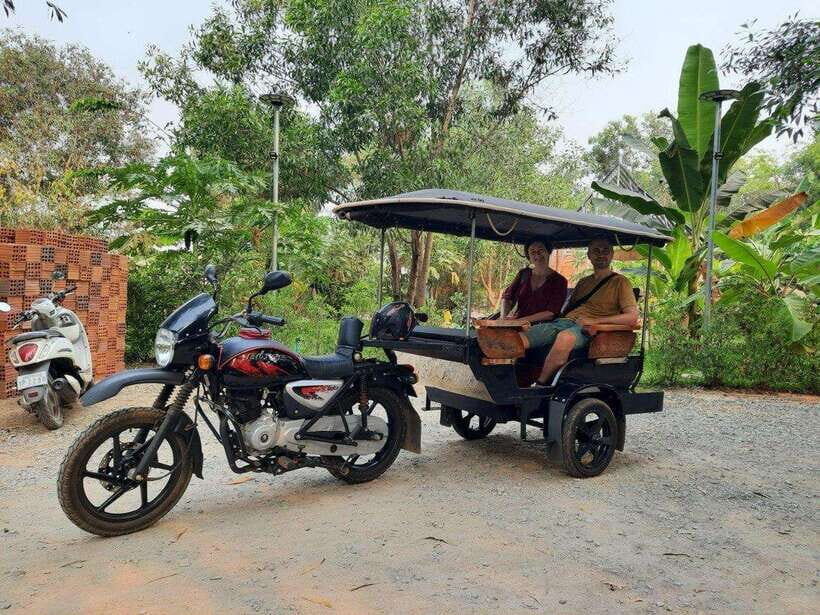
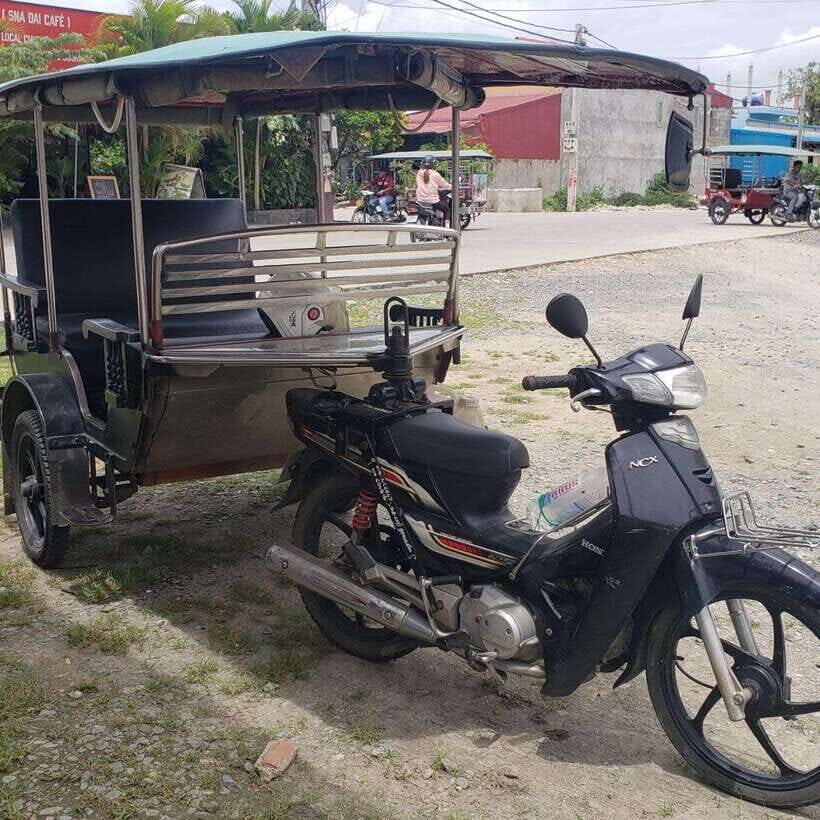
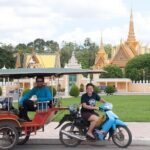
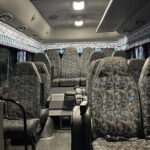
A private tuk tuk is a smart match for Angkor. The temple area is spread out, and your feet will thank you for skipping some of the longer transfers. With a driver handling the route, you spend more energy looking at stone and carvings instead of calculating distances.
Another detail that makes the day easier: cold pure drinking water is included, and it’s repeatedly used as a refresh point between temple visits. You’ll also get support for practical breaks—timing matters at Angkor, especially when you’re walking in strong sun after sunrise.
If your driver happens to be Indra, expect an extra layer of care. Several bookings highlight his punctual pickup, smooth communication ahead of time, and the way he makes sure you don’t get lost at crowded parking areas—something that can genuinely be an issue around Angkor. If Makara is your driver, the same idea shows up: adjustments for comfort and an approach that keeps you from feeling rushed.
South Gate of Angkor Thom (Tonle Om Gate): The Start of the Middle Kingdom
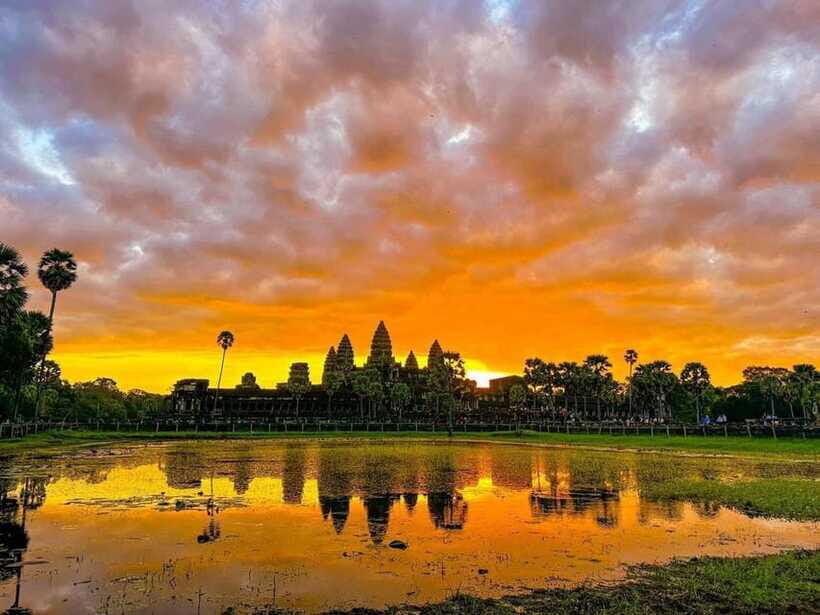
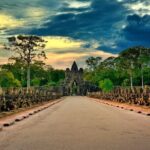
After breakfast, the route shifts from Angkor Wat’s focus to Angkor Thom, the walled city. You’ll head toward the South Gate of Angkor Thom, sometimes described as the Tonle Om Gate. It’s a short stop—about 15 to 20 minutes—but it’s worth doing because it’s an entry point into a whole different feel of the complex.
This gate sets your brain up for what comes next: Angkor Thom is big, and it’s easy to lose time if you don’t have a clear starting point. With this tour, you’re guided into the center, so your next temples feel connected rather than random.
Bayon, Baphuon, Phimeanakas, and the Terraces: What to Notice
The heart of Angkor Thom on this day is a cluster of major structures, typically taking about 1.5 to 2 hours total before returning to the parking area.
Here’s how I’d think about the stops:
Other Angkor Wat temple tours we've reviewed in Siem Reap
Bayon: The Faces and the Why Behind Them
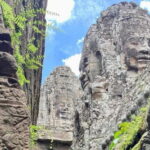
Bayon is the one you’ll feel immediately. It was built as a state temple under King Jayavarman VII, and it’s known for how the style and symbolism shifted during that era. When you look at the towers, focus on the faces—then back up and observe how the layout pulls you through different sightlines.
Baphuon: Hindu Roots
Baphuon is tied to King Udayadityavarman II and his dedication to Shiva. If Bayon feels visually Buddhist in tone, this contrast helps you see how Angkor’s rulers changed religious emphasis over time.
Phimeanakas: The Temple-Mountain Idea
Phimeanakas sits in the “temple-mountain” tradition. You’ll see it as another expression of how Khmer architecture aimed to represent cosmic order, not just a place to worship.
Terraces of the Elephants and the Leper King: Staging Power
The terraces are often the “wait, what am I looking at?” parts of Angkor. The Terrace of the Elephants was used by Jayavarman VII as a viewing platform for his returning army, while the Terrace of the Leper King is built in the Bayon style. If you want photos that feel more than postcard-simple, take a few minutes here to look for carving details and figure out the best angle before you rush on.
A tip: once you understand which structures were linked to which king and religious emphasis, you’ll start reading the stone like a timeline instead of a pile of ruins.
Temples South of the Victory Way: Thommanon, Chau Say Tevoda, Ta Keo
After you’ve covered Angkor Thom’s center, you continue with temples on the south side. These stops add variety so the day doesn’t feel like only the headline sites.
Thommanon and Chau Say Tevoda
Thommanon and Chau Say Tevoda sit in the orbit of Suryavarman II’s era. Chau Say Tevoda is described as directly south of Thommanon across the Victory Way, and it’s tied to Hindu worship. This section is ideal if you like temples that feel less crowded than the big names but still highly meaningful.
Ta Keo: The Sandstone Temple-Mountain
Ta Keo is a temple-mountain noted for being made entirely of sandstone and linked to Jayavarman V in the 10th century. It’s also one of the stops where the architecture feels more “sturdy and solid” than delicate, and it’s a good contrast after the more face-and-detail heavy areas.
If you’re a photographer, this chunk of the route gives you different textures and shapes—especially since these temples are often visited after you’ve already absorbed a lot from Angkor Thom.
Lunch at a Local Restaurant: Manage Energy, Not Just Hunger
Lunch comes after Ta Keo, usually as a break around the middle of the day. Your driver will take your group to a nearby local restaurant. You can typically choose between an outdoor area or an air-conditioned room.
One helpful thing here: the tour positions lunch as reasonable price, with plates described around $6 to $8. That matters because you’re getting a private driver and transfers; keeping lunch cost under control helps the whole day feel like good value instead of budget-stress.
If you get hot easily, prioritize air-conditioned seating. After sunrise, your body temperature can run high even if you feel fine.
Ta Prohm: The Tomb Raider Temple and the Photo Problem (Solved)
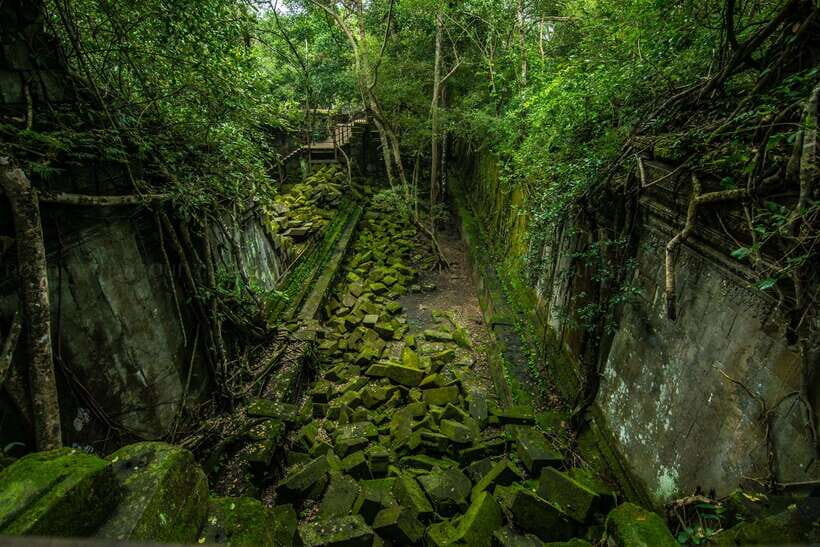
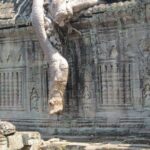
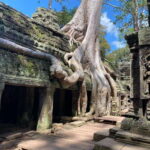
Ta Prohm is the temple often nicknamed the Tomb Raider or Angelina Jolie temple. It’s known as a Mahayana Buddhist monastery, and it’s largely associated with King Jayavarman VII’s late-12th-century style.
Here’s what’s practical: Ta Prohm is visually intense, but you can waste time if you don’t have a plan for photos. The driver’s job in this part of the day becomes more than transport—they can help with timing and angles so you get good shots without getting stuck in the densest areas.
Even if you’re not into film references, this is one of the most cinematic temple experiences in the whole region because the roots and stone create a constant foreground story.
Banteay Kdei: A Citadel of Chambers Before the Return
Your final major stop is Banteay Kdei, described as a citadel of chambers. It dates to the mid-12th to early 13th centuries during Jayavarman VII’s reign, and it’s associated with Buddhist context.
This temple works well as a “cool-down” stop. After Ta Prohm’s dramatic visuals, Banteay Kdei offers a different kind of viewing experience—more structured, more chambers, and less of that immediate chaos. When you’re trying to keep a steady pace through the heat of the afternoon, this helps.
The day usually finishes around 02:30–03:00, then the driver returns you to your hotel. You can also request a drop-off somewhere in the city if it fits your schedule.
Price and Value: Why This Day Works at About $12
The price point listed for this experience is $12 per person, and on paper that seems almost too low for what you’re getting. What makes it make sense is that you’re not paying for a separate formal tour guide package—rather, you’re paying for hotel pickup and drop-off, private tuk tuk transport, parking, and an English-speaking driver who helps you get organized and informed.
What’s not included is the temple ticket fee and meals, so your final cost depends on what you choose for food and how the pass fits your group needs. Still, for a private day with sunrise timing, transport between multiple temple clusters, cold water, and structured stops, it’s strong value—especially if you want more time to look rather than rushing through with a big group.
If you’re budgeting, a smart approach is to use your hotel breakfast box when possible and keep lunch simple at the local spot your driver suggests.
Who This Tour Fits Best (and Who Should Skip It)
This tour is a good match if you want:
- A private driver who can share temple context in English
- Sunrise at Angkor Wat, then a steady, not-too-hurried circuit
- Transport that’s easier than doing everything on foot
It’s less ideal if you have serious back problems, since the day includes temple walking and uneven stone steps.
Good news: it’s marked as wheelchair accessible, which matters if you’re traveling with mobility needs. Still, Angkor temples involve stairs and uneven terrain, so it’s wise to be realistic about what you can navigate on the ground.
Should You Book This Sunrise Tuk Tuk Day?
If you’re deciding between doing Angkor on your own versus paying for a structured sunrise day, I’d pick this style if you value three things: early access to the sunrise, fewer logistics headaches, and a pace that leaves room for your own photos.
Book it if:
- you want sunrise at Angkor Wat
- you like a driver who can explain what you’re seeing (Indra and Makara are good examples of the care you can get)
- you’d rather spend time looking than solving transportation problems
Skip it or ask more questions first if:
- you expect meals and temple tickets to be included in the price
- your plans don’t match a very early pickup
- you’re dealing with mobility limits that make temple steps hard
FAQ
FAQ
What time does the tour start for sunrise?
Most days start very early, around 04:45, with pickup from your hotel so you can get to Angkor Wat for sunrise.
Is hotel pickup and drop-off included?
Yes. Pickup and drop-off from your hotel are included, and you can also request a drop-off in the city if you prefer.
Do I need to buy the Angkor temple pass?
Yes. Temple ticket fees are not included, and you will stop to purchase the pass as part of the day.
Are meals included in the price?
Meal costs are not included. Your driver can take you to nearby places for breakfast and lunch, and many hotels provide breakfast boxes that you can bring.
Is there an official tour guide included?
No. A tour guide is not included, but you will have an English-speaking driver who provides information while you visit.
Can I bring cash for food and tips?
It’s a good idea. The tour notes bring cash as part of what you should have for the day.
Are drones allowed?
No. Drones are not allowed on this activity.