REVIEW · SIEM REAP
Siem Reap: Angkor Wat Private Tour by Tuk Tuk
Book on GetYourGuide →Operated by Tour Guide Team in Siem Reap · Bookable on GetYourGuide
Angkor at tuk tuk pace feels like the right tempo. This private Angkor day pairs classic Khmer masterpieces with local road comfort, all starting with hotel pickup in Krong Siem Reap. I like that you get a friendly, English-speaking driver who keeps things moving without rushing you out the door.
What I really enjoy is the combination of major monuments and quick photo-and-walk moments that fit a single-day plan. You’re also set up with cold drinking water to help you stay hydrated as the sun and walking stack up. One watch-out: temple tickets are not included, so you’ll need to budget and plan that before you go in.
You’ll start at Angkor Wat, built in the early 12th century as a state temple for King Suryavarman II and dedicated to Vishnu—then you’ll shift to the walled city of Angkor Thom with Bayon’s 216 faces, before ending with Ta Prohm’s roots-and-stone magic. And if you’re paying attention to the human side, there’s a pattern of drivers like Rachou, Sona, Vannak, and Pholla being helpful and patient, including photo help for solo visitors.
In This Review
- Key takeaways before you book
- The value of a private tuk tuk for Angkor’s long day
- Angkor Wat: Vishnu’s temple, Khmer engineering, and Cambodia’s symbol
- Angkor Thom’s South Gate and Bayon’s 216 faces
- Baphuon and Phimeanakas: causeways, a repaired reclining Buddha, and a climb for views
- Terrace of the Elephants and the leper king terrace: where daily life meets legend
- Smaller Angkor temples in the afternoon: Thommanon and Chau Say Tevoda
- Ta Prohm: the Spung tree roots that turned a ruin into a scene
- Price and logistics: what $13 gets you, and what you must budget separately
- Who this tour is best for
- Should you book this Siem Reap Angkor private tuk tuk day?
- FAQ
- How long is the Angkor Wat private tour by tuk tuk?
- What’s included in the price?
- Are temple tickets included?
- Is this a private tour or a shared tour?
- What temples and places are visited?
- Is there a lunch break?
- Does the tour offer skip-the-line access?
- What language does the driver speak?
- Is water provided during the tour?
- What is the cancellation policy?
Key takeaways before you book
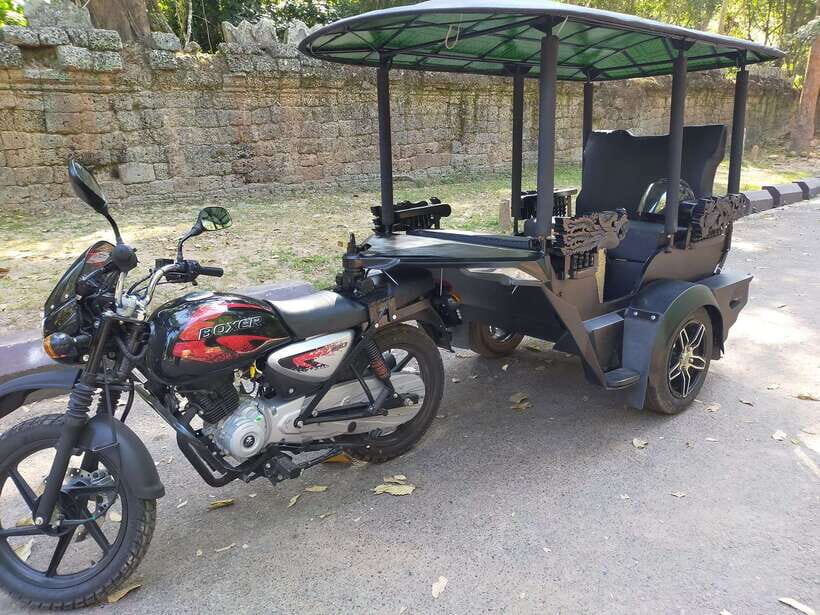
- Private tuk tuk only for your group: no joining strangers, and the driver can adjust to your pace.
- Skip-the-line via a separate entrance: fewer delays when you’re heading straight to the big sights.
- Cold water included: a simple comfort that matters at Angkor.
- Hindu and Buddhist layers: the day moves across different eras and meanings, not just one style of temple.
- Ta Prohm for photography: Spung tree roots gripping ancient stones is the crowd favorite for a reason.
- A driver who helps with the practical bits: clear meet-up, patient waiting, and support for your questions.
The value of a private tuk tuk for Angkor’s long day
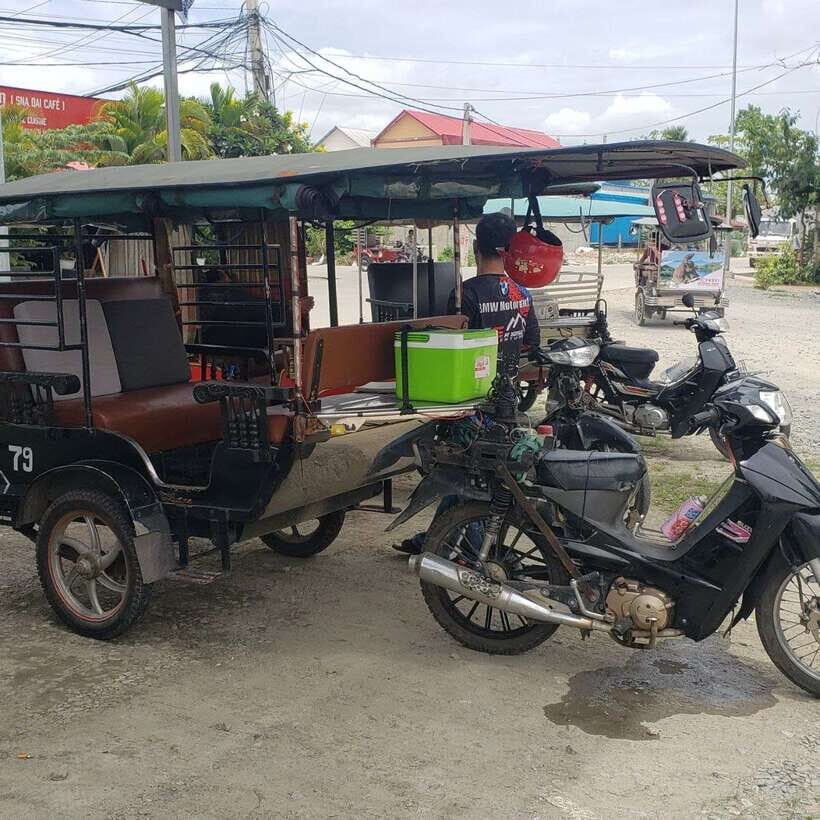
Angkor works best when you avoid the stress parts. A private tuk tuk route means you’re not stuck matching someone else’s schedule, and you can choose to linger at a carving long enough to actually see it. You also get hotel pick up and drop off, which matters in Siem Reap because the temples aren’t a quick walk from your bed.
This day is built around smart sequencing: you hit Angkor Wat first, then the major core of Angkor Thom, and later you transition to Ta Prohm when the lighting and the atmosphere can feel different. That kind of flow keeps you from spending the day mostly in traffic or waiting.
The driver side is part of the value too. The tour includes a licensed private driver who speaks English. In real life, that shows up as smoother meet-up coordination, patient waiting, and help that can include practical photo stops—especially helpful if you’re traveling solo and want a decent shot without juggling your phone while walking.
Other Angkor Wat temple tours we've reviewed in Siem Reap
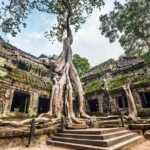
Angkor Wat: Vishnu’s temple, Khmer engineering, and Cambodia’s symbol
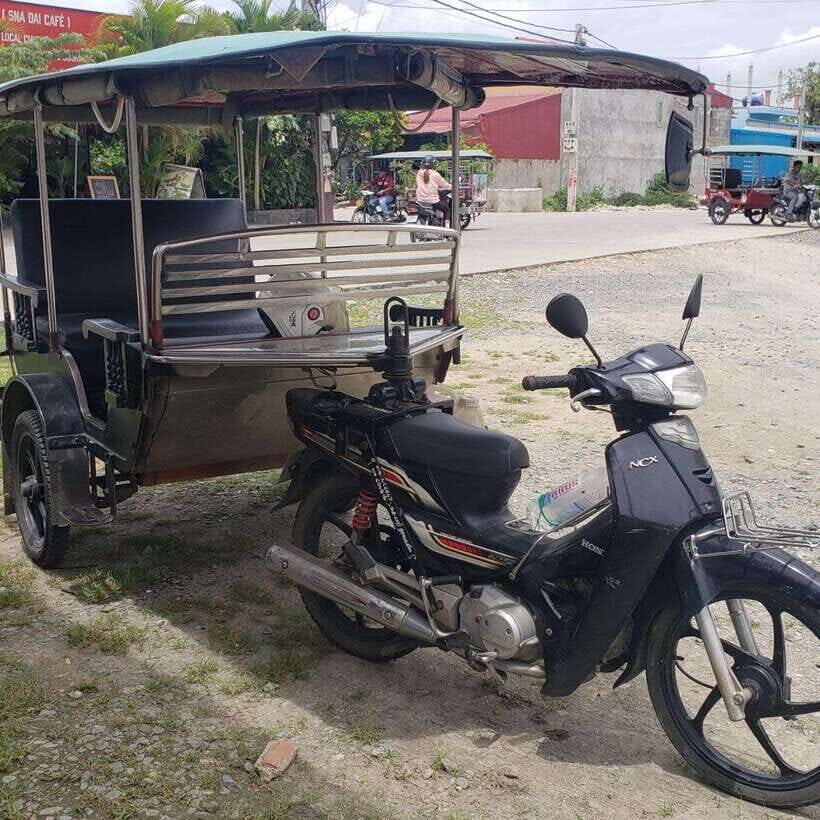
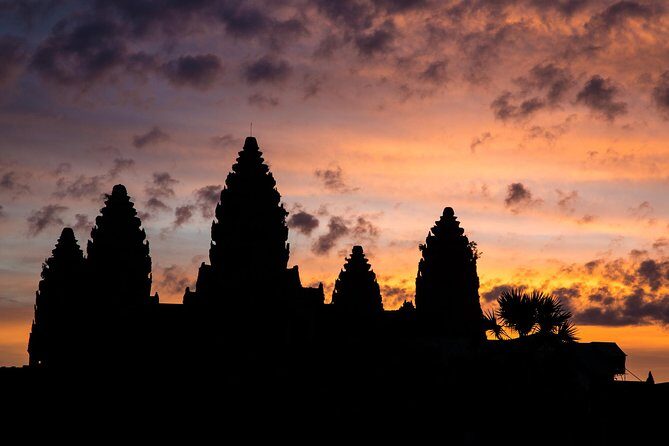
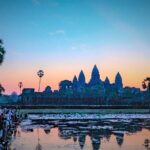
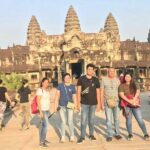
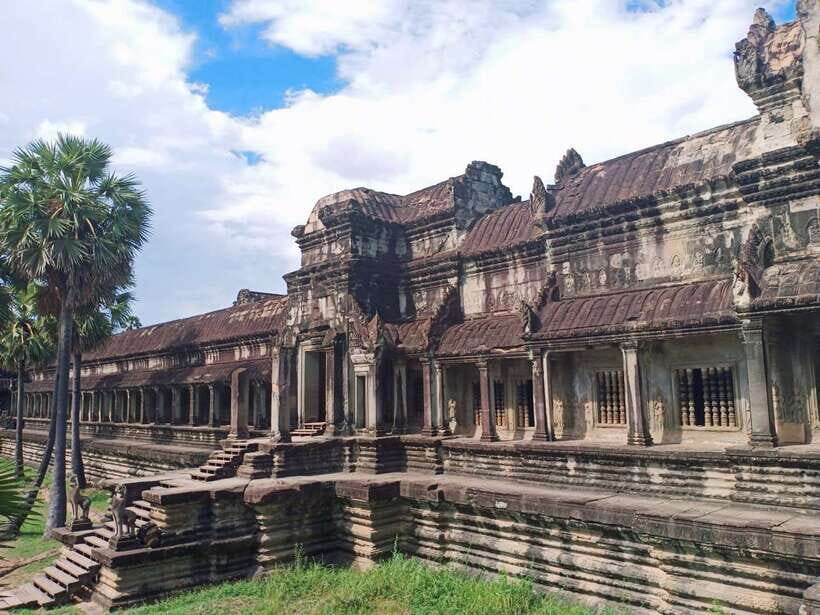
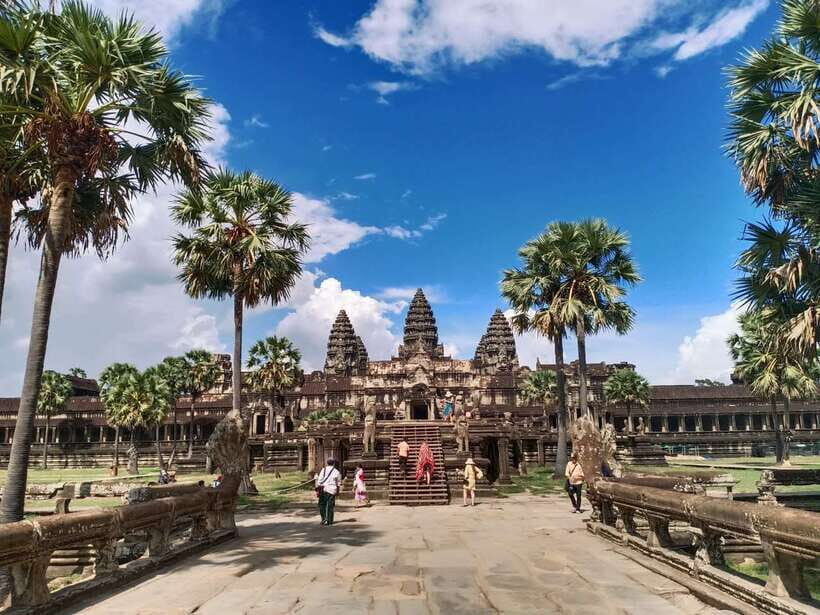
Angkor Wat is the headline, and the tour treats it like one. You’ll visit the most famous complex inside the World Heritage Site, with time to walk and actually look, not just pose and sprint.
Built in the early 12th century by King Suryavarman II in Yasodharapura (today’s Angkor), the temple was originally connected to a royal state mission and eventual mausoleum. One of the most interesting twists here is that it breaks from the Shaivism focus of some earlier kings—Angkor Wat was dedicated to Vishnu. That detail isn’t trivia; it helps you see why the iconography feels different from other temples in the region.
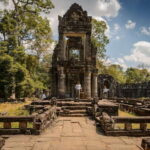
Angkor Wat also hits you architecturally. It’s considered a high point of classical Khmer style, and it remains the best-preserved major temple at the site. If you’ve ever seen Cambodia’s flag, you already know the connection: Angkor Wat is a national symbol, which is a reminder that this place isn’t only for tourists—it’s part of how Cambodia tells its own story.
Practical note: Angkor Wat is huge, and your time is finite. So expect a mix of walking and focused sightseeing rather than a slow, wandering “all day” exploration. That’s exactly why the private structure helps: you can keep your pace without getting pulled along.
Angkor Thom’s South Gate and Bayon’s 216 faces
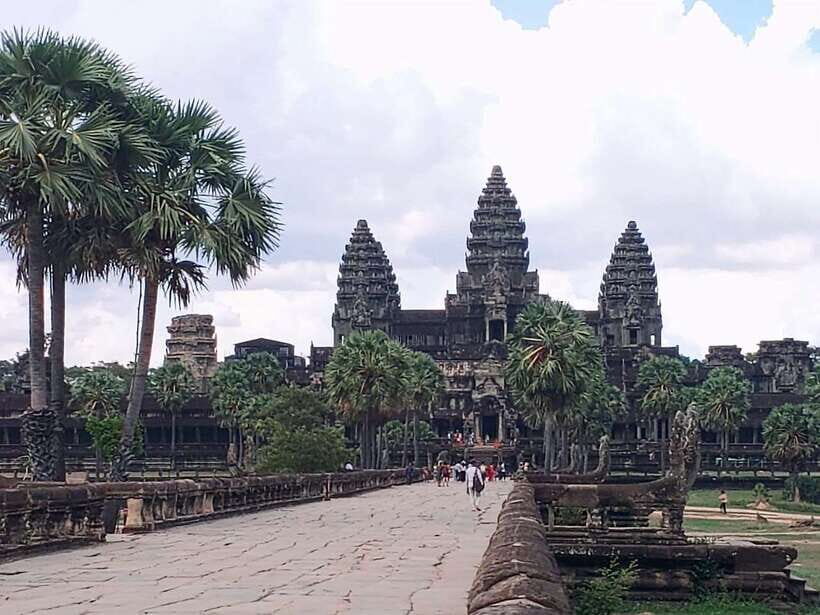
After Angkor Wat, you head to Angkor Thom—an ancient city ringed by dramatic fortifications. You enter through the South Gate, and you’ll see how the walls rise about eight meters high. Those laterite walls stretch roughly a 3 km by 3 km footprint, with a moat still flooded today. The effect is that you don’t just arrive at temples; you enter a protected world that once functioned like a capital.
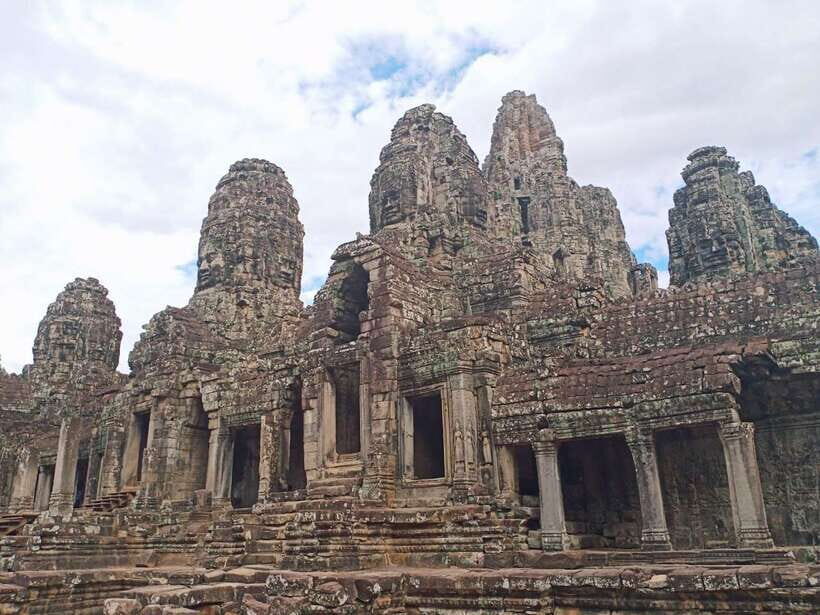
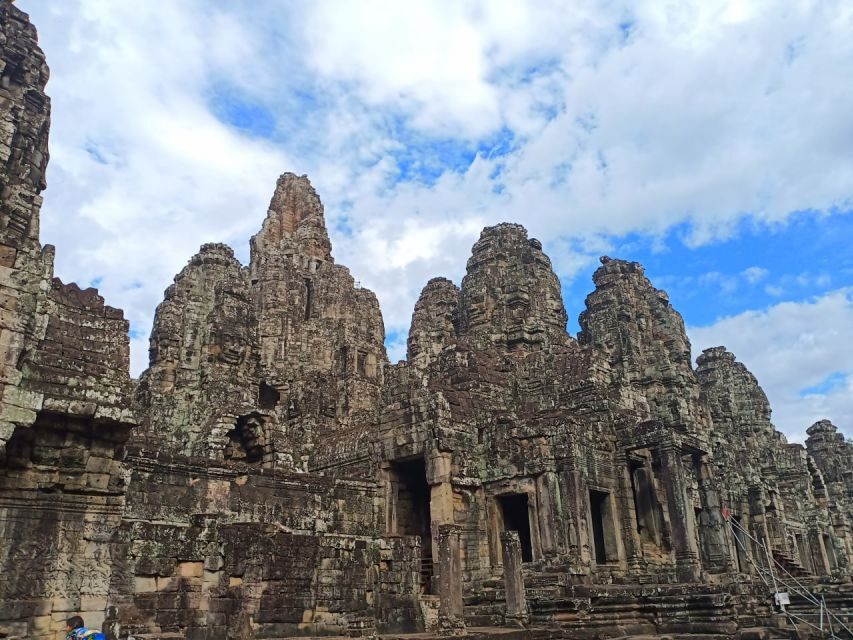
The central moment is Bayon Temple. Bayon is famous for its 216 enigmatic faces, which look out across the city’s interior. When you stand in the right spots, you get the eerie sense of being watched from multiple angles, even when you move around. That’s what makes it more than a photo stop; it changes how you experience the space.
The timing matters here too. Bayon sits at the heart of the complex, so it naturally pulls your attention back and forth between carvings, doorways, and the faces. With a private driver and your own walk pace, you can stop to make sense of what you’re seeing before you move on.
Baphuon and Phimeanakas: causeways, a repaired reclining Buddha, and a climb for views
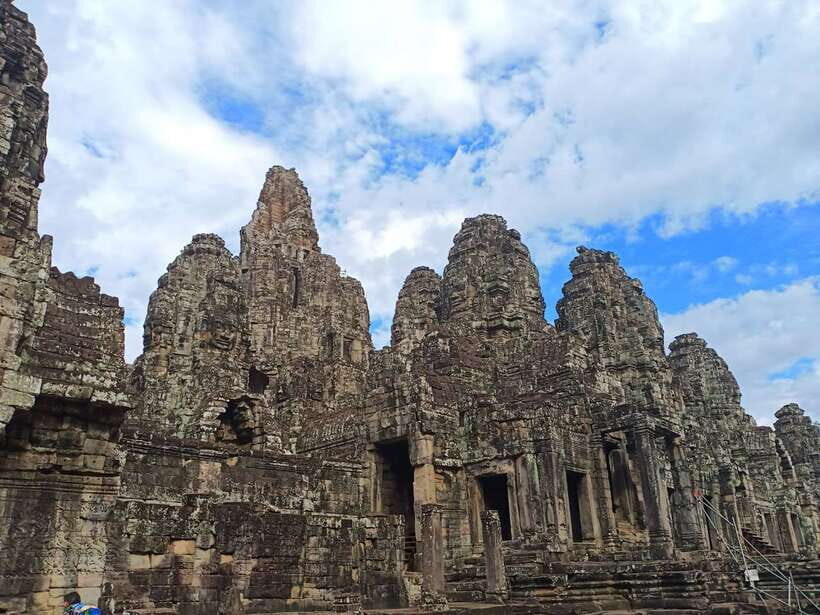
Next comes Baphuon, with a long causeway that nudges you forward through the site’s geometry. This temple includes an impressive giant Reclining Buddha. One of the more human, real-world facts about this temple is that the Reclining Buddha was disrupted for decades due to war, and it was only put back together in 2011, after a 37-year interruption. Knowing that repair happened makes the restoration feel less like a miracle and more like perseverance.
Then you reach Phimeanakas. It’s known for being partly in shaded jungle areas, and it rewards the climb with views when you reach the higher points. If you like temples where you can feel the surrounding environment pressing in around the stone, this is a good stop. If you prefer fully flat walking, the steps might be less fun, but the tour includes time to reach the viewpoint without turning it into a sprint.
The big pattern through these stops: you’ll get a mix of structured temple viewing and small “moment breaks” for photos. That balance is ideal for a one-day format because it keeps the day from feeling like only one long line of entrances.
Terrace of the Elephants and the leper king terrace: where daily life meets legend
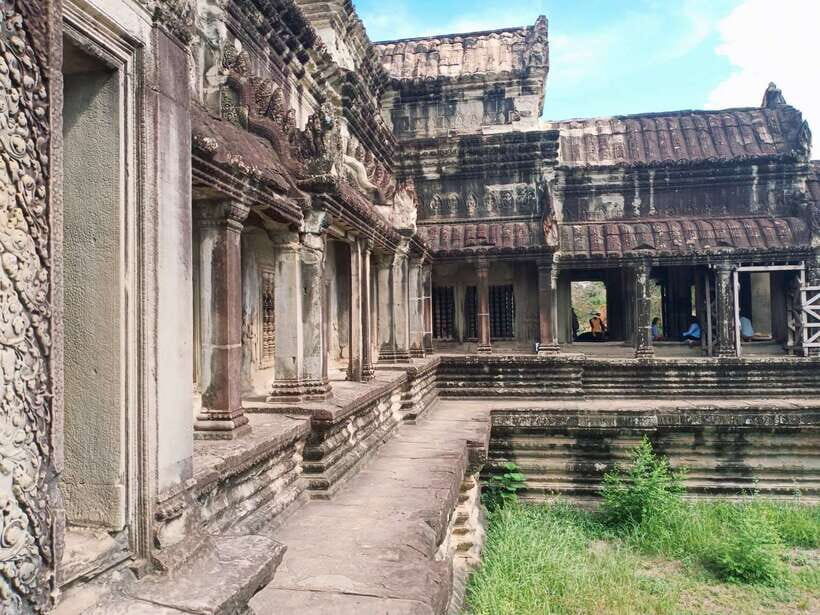
Angkor isn’t only about grand towers. Some of the most memorable moments happen on terraces with scenes carved into stone. You’ll visit the Terrace of the Elephants, also called the Esplanade of the Royal Palace. It’s one of those places where you can stand back and understand how power and ceremony were staged in stone.
Before or around this, you’ll also see Preah Ponlea Sdach Komlong, known as the Terrace of the Leper King. Even if you don’t walk away with every detail of the legend, the terrace format gives you something practical: you can scan carvings, compare angles, and get photos that show scale. It’s a good place to slow down a bit, because terraces let you “read” stone without climbing every second minute.
Then you’ll continue to shaded areas such as Preah Palilay, where you get more of that tucked-away feeling under the trees. That helps break up the heat and the long sightline moments.
Other tuk-tuk tours we've reviewed in Siem Reap

Smaller Angkor temples in the afternoon: Thommanon and Chau Say Tevoda
After lunch, you switch gears into temples that feel less like the main headline and more like chapters of the same story. This afternoon stretch includes Thommanon first.
Thommanon is tied to King Suryavarman II as one of a pair of Hindu temples at Angkor. The name comes from Pali words: Dhamma (Buddhist teachings) and Nanda (supreme wisdom). That naming link is a clue to how cultures overlap in this space, even when a specific temple started in a Hindu context.
Then you’ll visit Chau Say Tevoda, located east of Angkor Thom and directly south of Thommanon across the Victory Way. Built in the mid-12th century, it’s an Angkor Wat period Hindu temple dedicated to Shiva and Vishnu. One detail that makes this stop more than just another doorway is the presence of unique female sculptures of devatas enshrined in the temple.
These “middle stops” matter because they add variety. If the morning is about the most iconic structures, the afternoon is about texture—stonework, figurative carvings, and how the complex is layered across time and worship.
Ta Prohm: the Spung tree roots that turned a ruin into a scene
The last major temple stop is Ta Prohm, and it’s easy to see why it became famous through its 21st-century pop culture moment. Even without that context, Ta Prohm delivers what the best ruins do: it feels alive, not frozen.
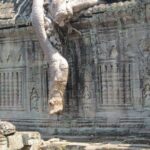
The defining sight is the relationship between ancient stones and the roots of Spung tree (Tetrameles nudiflora). You’ll see corners where moss and root structure create visual patterns that make the temple look half-grown from the forest itself. It’s a photographer’s setting because the texture is constant—roots, stone edges, shade, and light all moving together as you change your position.
The tour gives you time to walk and take pictures without treating you like you’re on a conveyor belt. That matters because Ta Prohm doesn’t reward speed. If you rush through it, you miss the best “frame within a frame” views.
Price and logistics: what $13 gets you, and what you must budget separately
At $13 per person for a private day, the value is mostly in the transportation and time efficiency. You’re getting:
- a private tuk tuk
- a licensed English-speaking driver
- hotel pickup and drop off
- toll roads and parking fees
- gasoline
- cold drinking water
This is the part people often underestimate: transport in Angkor can eat time and energy. When it’s private, the day stays under your control. When it’s public or shared, you often pay in waiting, rerouting, and lost minutes.
The main cost you need to plan for is that temple tickets are not included. Also, meals are not included, so you’ll want to treat lunch as your own choice. The tour does include a break for lunch, but your wallet still needs room for food.
One more practical point: the day is a dense one. Even though each stop includes sightseeing and walking time, it’s still a single-day sweep across many structures. If you love one temple so much you want hours inside, you might feel you’re moving along. For most people, the trade-off is worth it because you see the full set of major highlights.
Who this tour is best for
This is a great fit if you want a one-day overview that still feels personal. A private tuk tuk works especially well if you:
- prefer not to share your ride with strangers
- want an English-speaking driver who can help keep things smooth
- like photos but also want time to walk and actually look
- don’t want to handle the stress of coordinating transport between multiple temple zones
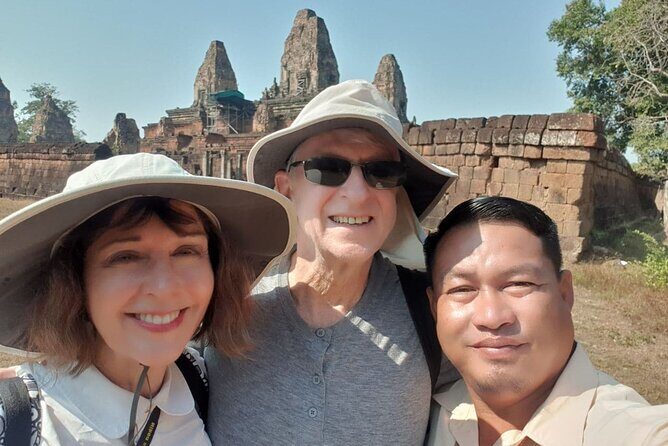
It’s also ideal for couples and small groups. And from the real-world driver experience (names like Rachou, Sona, Vannak, and Pholla showing up with good communication), solo travelers can also do well—especially when you want help getting photos rather than playing photographer and subject at the same time.
If you’re the kind of traveler who wants the deepest possible temple study at a slow pace, this format might feel a bit fast. But for most visitors, it’s a smart way to cover the big moments and still end the day satisfied.
Should you book this Siem Reap Angkor private tuk tuk day?
If your goal is to see Angkor Wat, Angkor Thom, and Ta Prohm in one efficient day—without wasting time on transit headaches—this is a strong choice. The biggest “yes” points are private transport, English-speaking driver help, and cold drinking water, plus the skip-the-line separate entrance benefit that saves you from unnecessary waiting.
I’d book it if you’re traveling for a short stay and you want the major temples covered with enough walking to feel real. I’d reconsider if you’re determined to spend a long, slow day at just one or two temples, because the schedule is built to fit many stops into a single day.
If you do book, the smart move is simple: budget the temple ticket cost ahead of time and choose lunch plans that keep you comfortable during the afternoon push. Then you’ll get a day that feels efficient, calm, and very in-touch with Cambodia’s stone-and-story world.
FAQ
How long is the Angkor Wat private tour by tuk tuk?
It’s listed as a 1-day experience. The exact starting time can vary based on availability.
What’s included in the price?
The tour includes a private tuk tuk, a private licensed driver (English-speaking), toll roads, fee parking, cold drinking water, gasoline, and hotel pickup and drop-off.
Are temple tickets included?
No. Temple tickets are not included, so you’ll need to arrange or pay for them separately.
Is this a private tour or a shared tour?
It’s fully private. It’s described as 100% private for the number of people you book and not a join tour with other guests.
What temples and places are visited?
The day includes Angkor Wat, Angkor Thom (including the South Gate and Bayon), Baphuon, Phimeanakas, Prasat Preah Palilay, the Terrace of the Leper King, the Terrace of the Elephants, Thommanon, Chau Say Tevoda, and Ta Prohm.
Is there a lunch break?
Yes. The tour includes a break for lunch.
Does the tour offer skip-the-line access?
Yes. It includes skip the line via a separate entrance.
What language does the driver speak?
The driver is listed as English speaking.
Is water provided during the tour?
Yes. Cold waters are included, with the goal of helping avoid dehydration.
What is the cancellation policy?
Cancellation is listed as free up to 24 hours in advance for a full refund.