REVIEW · SIEM REAP
5-Day ‘All The Sights’ Tour
Book on Viator →Operated by Asia Voyage Tour · Bookable on Viator
Five days in Siem Reap goes fast. This private all-sights route is built around a professional guide and 2-way hotel pickup, so you’re not wrestling tuk-tuks while trying to see everything. You’ll hit Khmer heavyweights like Angkor Wat, Ta Prohm, and Bayon, then trade the main-circuit crowds for Phnom Kulen, Koh Ker, Beng Mealea, and the cliff-top Preah Vihear.
Two things I especially like: the order of sights makes sense for the day (main temples in the morning, big drives and calmer ruins later), and you’re not stuck waiting—your driver and guide keep the schedule moving with bottled water and cold towels. One drawback to think about up front: it’s a lot of walking and climbing, plus long drives, so if you can’t walk normally, this may feel like too much.
In This Review
- Key highlights worth knowing before you go
- Why this 5-day private route feels easier than doing it yourself
- Price and value: $309 plus the temple pass reality
- Day 1: Angkor Archaeological Park to Bayon, Ta Prohm, Angkor Wat, and Phnom Bakheng
- Day 2: Phnom Kulen waterfalls, 1000 Lingas, Banteay Srei, Banteay Samre, and Pre Rup
- Day 3: Angkor Wat sunrise, then the Preah Khan cluster and Ta Prohm repeat (plus Ta Nei and Banteay Kdei)
- Day 4: the long-drive triangle of Koh Ker, Beng Mealea, and Preah Vihear’s cliff-top view
- Day 5: Kompong Phluk stilt villages and Siem Reap markets (Phsar Leu, Phsar Chas, plus Artisans d Angkor)
- The guide, timing, and small comforts that make the schedule work
- Who should book this tour, and who should choose a lighter plan
- Should you book the 5-Day All The Sights Tour?
- FAQ
- What’s included in the $309 price?
- What temple passes or entrance fees do I need to pay separately?
- What times does the tour start each day?
- Is this a private tour?
- Does the tour include transportation back to your hotel?
- Is a boat ride part of the experience?
- Are meals included?
- Is Angkor Wat sunrise included?
- Can I cancel for free?
Key highlights worth knowing before you go
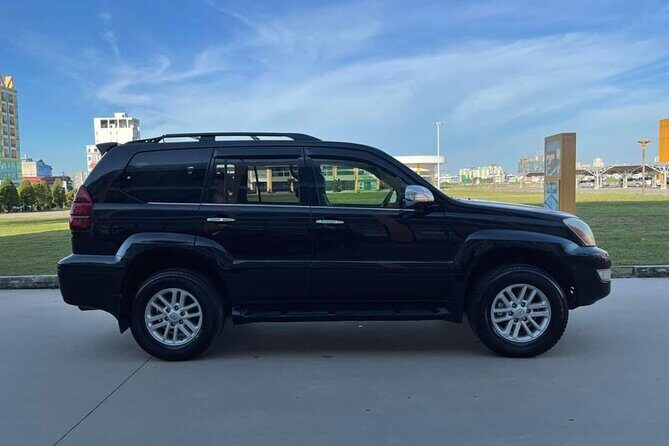
- Door-to-door pickup and drop-off mean you start at 8:30 am right from your hotel, with less hassle getting to the temples.
- Private guiding keeps the experience flexible and calmer than big bus tours.
- Angkor at the most important times, including a return to Angkor Wat for sunrise.
- Phnom Kulen includes a real swim break, plus time at the pagoda and reclining Buddha area.
- Kompong Phluk uses a motorised boat, so you’ll actually reach the stilt-house village.
- Two long-distance temple days (Koh Ker and Beng Mealea) turn this into more than just “Siem Reap temples.”
Why this 5-day private route feels easier than doing it yourself
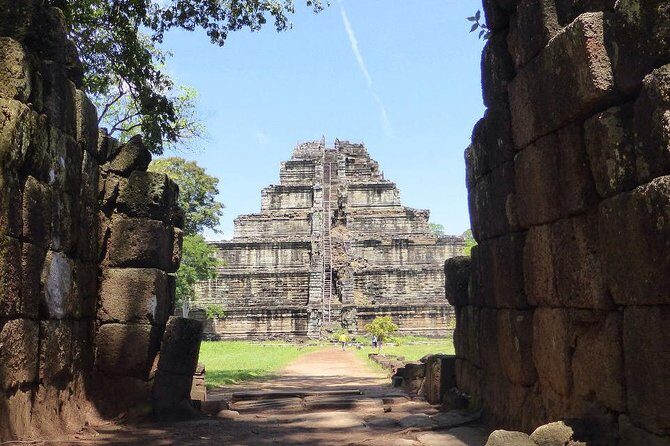
Angkor can be magical and chaotic in the same breath. The main problem isn’t finding the temples—it’s figuring out the day. You’re coordinating tuk-tuks, spacing the sites, and paying attention to which areas need permits and which ones don’t.
This tour removes that stress. You get a professional English-speaking guide and private transfers from your hotel, plus all the big “how do we get there” pieces handled in advance. Start time is 8:30 am, and you’ll feel that structure immediately: you’re out early enough to make temple time count, and you’re not losing hours to traffic guessing.
The other practical win: it’s not just temple photos. You also get Kompong Phluk on Tonle Sap (the stilt houses you reach by boat), and you spend time in Siem Reap at markets and craft shops. If your goal is to understand the region beyond Angkor’s stone, this itinerary does a decent job balancing monuments with daily life.
One more detail I like: you’re not asked to memorize a stack of logistics. The tour builds in the main stops by day—then you just show up with decent shoes and a little patience for Cambodia’s road pace.
A few more Angkor & Siem Reap tours and experiences worth a look
Price and value: $309 plus the temple pass reality
The tour price is $309 for approximately 5 days, and that covers the core experience: hotel pickup/drop-off, guide, and the motorised boat fee, plus bottled water and cold towels.
What’s not included is the part most people forget to budget for: entrance fees and temple passes, plus meals.
Here’s what you should plan to pay separately:
- Angkor temple passes: the tour expects you to buy at least a 3-day pass at the Angkor Enterprise ticket office. The listed prices are USD 62 for 3 days (and USD 72 for 7 days).
- Koh Ker: listed as USD 10 per person for the temple pass.
- Beng Mealea: listed as USD 5 per person for the temple pass/entrance.
Meals, soft drinks, and alcohol are also not included.
So if you’re estimating a rough “all-in” budget per person, it’s $309 plus the passes. That typically works out to $309 + $62 + $10 + $5 = $386, before meals. The math isn’t the whole story, though. The value here is that you’re paying for time and effort you’d otherwise spend arranging transport, tickets, and timing across multiple remote sites.
If your group is willing to walk, and you want a guide to interpret what you’re seeing, $309 starts to look reasonable. If your style is more relaxed and you only want the “top 3” temples, you might not need a five-day run.
Day 1: Angkor Archaeological Park to Bayon, Ta Prohm, Angkor Wat, and Phnom Bakheng
Day 1 is classic Angkor, but it’s not just a random temple mash-up. You start at the Angkor Archaeological Park, where you’ll buy your pass at the ticket office. The tour notes you need one pass per person and suggests at least three days.
Then you move through the heart of Angkor Thom and beyond:
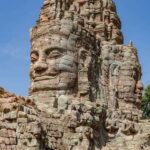
- Bayon Temple: famous for its dense decoration and its role as a state temple tied to Jayavarman VII’s Mahayana Buddhist kingdom.
- Baphuon Temple: a three-tier temple mountain in the Angkor Thom area, linked with Udayadityavarman and Shiva.
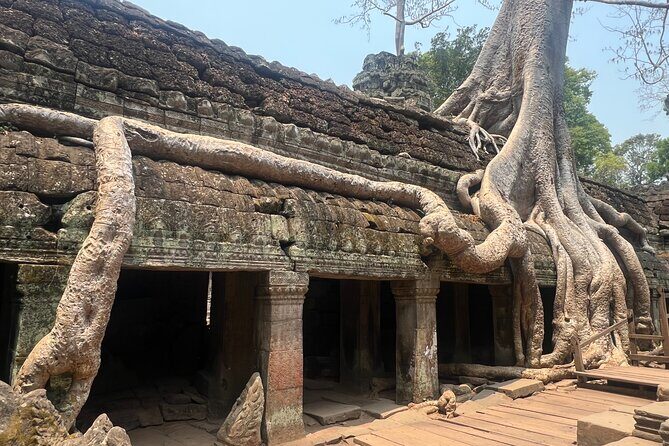
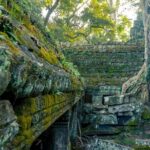
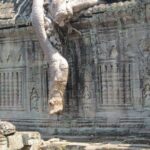
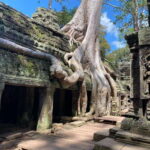
- Ta Prohm: the temple many people connect with dramatic tree roots. It’s built in the Bayon style from the late 12th to early 13th century.
- Terrace of the Elephants: part of the royal terrace system facing the parade area.
After lunch, you get the big anchor of the day:
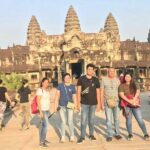
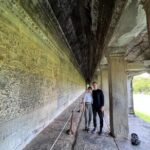
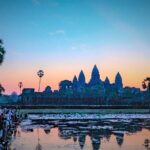
- Angkor Wat: the largest religious monument in the world, on a huge site footprint. Expect it to feel like the main event for a reason.
Finally, you top the day with:
- Phnom Bakheng: a temple-mountain on a hill. This stop takes longer (about 3 hours listed), and it’s the kind of place where you’ll feel the sun and stairs. Bring good footwear and expect a more tiring finish.
What to watch for: Angkor day one can be heat-heavy. The tour includes bottled water and cold towels, which helps a lot. Still, plan for breaks on your own terms—your guide can’t control the sun.
Day 2: Phnom Kulen waterfalls, 1000 Lingas, Banteay Srei, Banteay Samre, and Pre Rup
Day 2 shifts the mood. You still do temples, but you also get nature and a change of scenery.
You start with a stop at 1000 Lingas, then drive to:
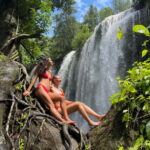
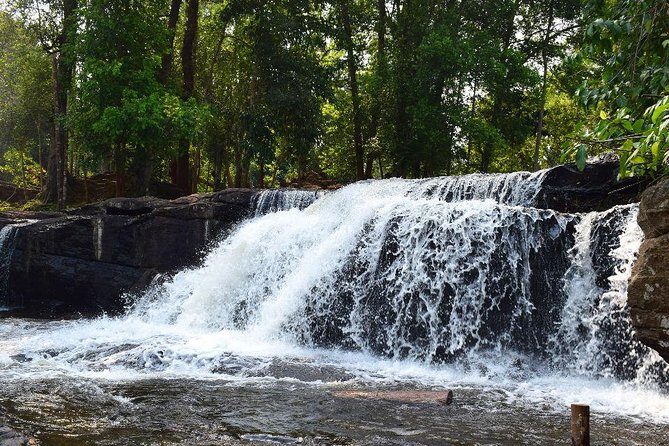
- Phnom Kulen National Park: the name points to lychees, and the big draw here is the waterfalls. The itinerary includes time for a swim at the falls, then a walk up a short way toward a pagoda and a reclining Buddha.
The tour also notes a fun possibility: guests can sometimes get a water blessing. That’s not something you can demand, but it means your guide may explain what’s going on and how to act respectfully if the moment happens.
After the outdoor time, there’s a local lunch stop, then you head into some of the smaller but very rewarding Angkor-area temples:
- Banteay Srei (often called the ladies temple): a 10th-century Shiva temple.
- Banteay Samre: a Hindu temple in the Angkor Wat style.
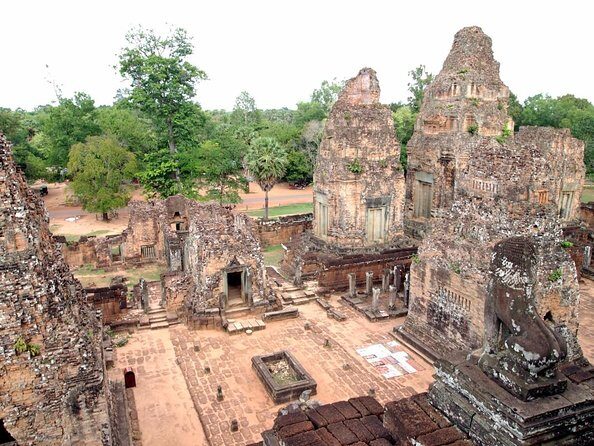
- Pre Rup: a temple mountain dedicated to Rajendravarman, with brick, laterite, and sandstone construction.
Why this day is worth it: it breaks the “only stones, only shade” pattern. You get water, a swim break, and a less crowded feel than the busiest central temple clusters (even though it’s still Angkor-region famous).
Potential drawback: you’ll want to be ready for a physical day. The day includes walking on uneven surfaces and a hike-style segment to reach the pagoda area. If you’re even slightly unsure about your stamina, I’d rate this day as the test.
Day 3: Angkor Wat sunrise, then the Preah Khan cluster and Ta Prohm repeat (plus Ta Nei and Banteay Kdei)

Day 3 begins with the schedule shift that makes this tour different from “we’ll see it later.” You revisit:
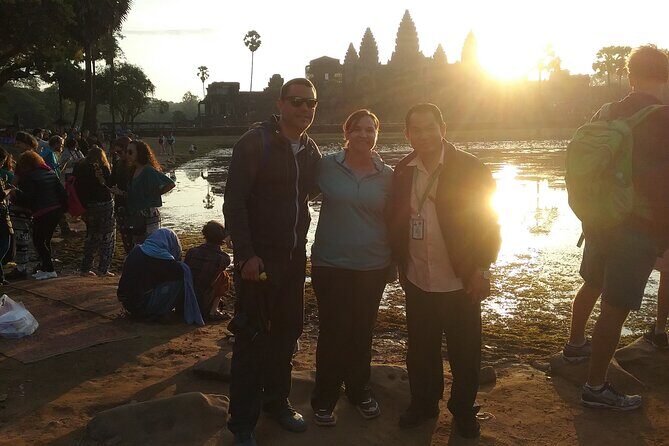
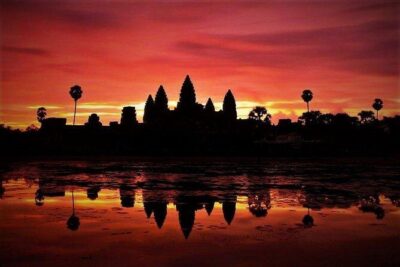
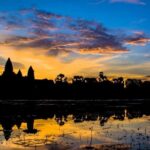
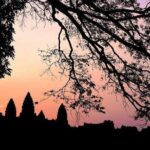
- Angkor Wat for sunrise.
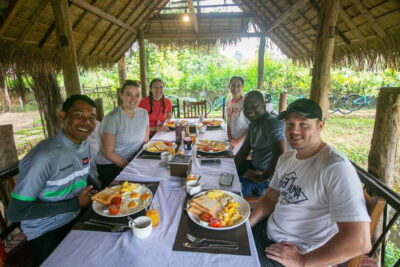
You then return to the guest hotel for breakfast. That’s a smart move. Sunrise temple mornings can fry you fast, and the itinerary gives you a real reset before you go again.
After breakfast, you explore a cluster of temples that feel connected without being identical:
- Preah Khan
- Neak Poan
- Ta Som
- East Mebon
After lunch, you go again to Ta Prohm, and this time the itinerary includes Ta Nei in the mix. You finish with:
- Banteay Kdei (a Buddhist temple also known as “Citadel of Monks’ cells”).
What you’ll like about this pacing: the tour spreads Angkor impact across the trip. Instead of cramming every temple into one day, day 1 hits the “best-known,” day 3 hits the “connected cluster,” and you get sunrise as the highlight moment.
A fair consideration: doing Ta Prohm twice can sound repetitive on paper. In real life, it often works because you’re seeing it in different conditions and pairing it with other sites that change the contrast of the day. If you prefer one-time-only visits, ask your guide how they’ll manage time so you still get breathing room.

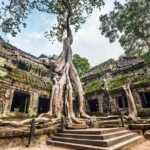
Day 4: the long-drive triangle of Koh Ker, Beng Mealea, and Preah Vihear’s cliff-top view
This is the day for people who want fewer postcards and more “where are we going next?” energy.
You start with a very long drive to Koh Ker, about 120 kilometres away from Siem Reap. The area is described as jungle-filled and sparsely populated, with over 180 sanctuaries found in the larger archaeological region. That makes Koh Ker a special kind of temple visit: less like a city center, more like you’re walking through a remote sacred landscape.
After Koh Ker, you go to:
- Beng Mealea: around 40 km east of the main Angkor group, on an ancient royal highway route area.
Beng Mealea is an Angkor-period ruin and often feels more rugged and less restored than the main circuit temples. That can be great for photos and atmosphere, but it also means you’ll probably deal with rough ground and uneven steps.
Then you finish at:
- Preah Vihear: a Hindu temple built during the Khmer Empire period, sitting on a cliff in the Dângrêk Mountains at about 525 metres.
Why this day is a standout: it adds variety that most “Angkor-only” itineraries skip. You’re seeing the empire’s reach beyond the famous core.
Reality check: this is the least comfortable day for people who hate long drives. If you’re sensitive to motion or fatigue, plan to bring a light layer for the car and use any water breaks offered.
Day 5: Kompong Phluk stilt villages and Siem Reap markets (Phsar Leu, Phsar Chas, plus Artisans d Angkor)
Day 5 slows slightly and adds culture you can feel in daily life.
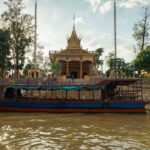
You head to Kompong Phluk, a set of villages largely built on stilts on Tonle Sap. The name is given as harbor of the tusks. The itinerary also explains how the community depends on fishing, especially during Cambodia’s wet season (May to October).
The tour includes a motorised boat fee, and you’ll cruise among the stilt houses. That matters, because you’re not just driving past—water access is part of the experience.
After that, you return and stop in Siem Reap for shopping and market time:
- Phsar Leu (top market) and Phsar Chas (old market)
- Artisans d Angkor
This market block is listed as included/featured as free in the tour details, which means you’re paying attention to your budget for shopping, not tickets to enter.
What to do with this day: treat it like a palette cleanser after the temple-heavy days. Shop slowly. Ask your guide what’s worth your money, and remember that the best souvenirs are usually the ones you can actually use or pack easily.
The guide, timing, and small comforts that make the schedule work
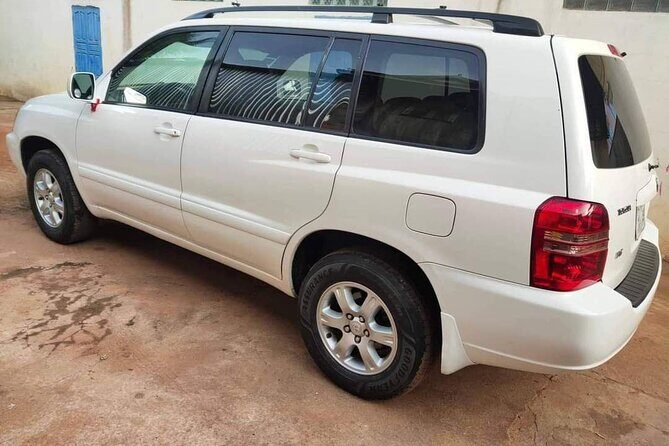
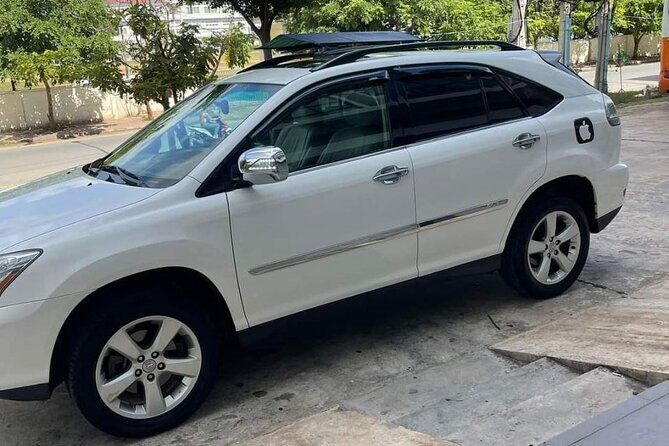
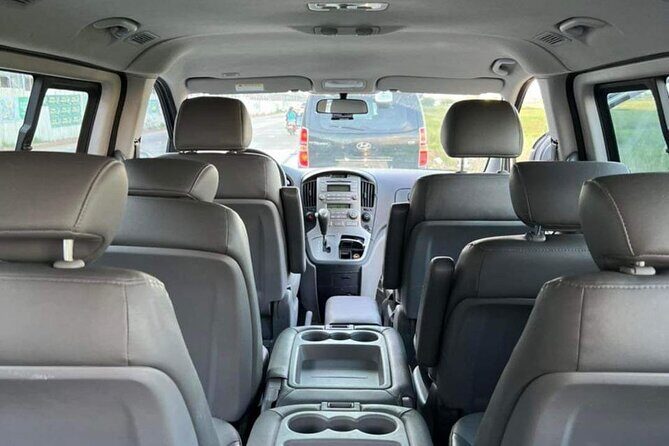
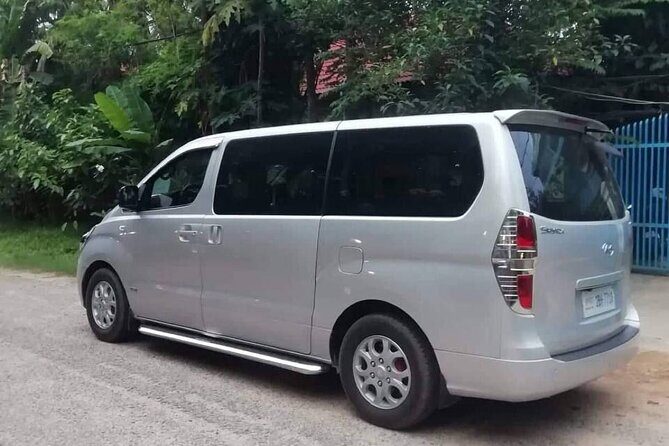
A tour like this lives or dies by timing and human details. This one includes a professional English-speaking guide and private transport that leaves your hotel at the start time (8:30 am).
Two names came up in feedback tied to what people value most:
- A guide named Choup was described as friendly and well able to explain what you’re seeing.
- A driver named Mr Bean was praised for careful driving and being ready with water during the day.
You don’t need a celebrity guide to have a great trip, but you do need someone who can translate stone into meaning and keep you from losing time. This itinerary is set up for that: it’s dense, so a good guide helps you focus on what matters rather than speeding past everything with zero context.
The small comforts—bottled water and cold towels—sound minor until you’re halfway through a hot temple circuit. They also make it easier to keep energy for the bigger climbs, like Phnom Bakheng.
Who should book this tour, and who should choose a lighter plan
This tour fits best if you want:
- a private guide instead of a big group shuffle
- major Angkor temples plus a wider range like Kulen, Koh Ker, Beng Mealea, and Preah Vihear
- the comfort of door-to-door pickup and a guide-built schedule
It may not be the best match if:
- you have less than average fitness or struggle walking normally (the tour explicitly isn’t suitable for that)
- you’re traveling with very young kids (not available under age 3)
- you hate long drives—day 4 is a long haul
If you’re the kind of person who likes sunrise moments, temple clusters, and adding countryside days instead of just hitting the famous stops, you’ll probably enjoy this.
Should you book the 5-Day All The Sights Tour?
If your goal is to see a lot—properly, with context, and with private logistics handled—you should book it. The value isn’t only the $309 price; it’s the fact that you’re getting a real itinerary across Angkor plus remote sites, with hotel pickup, an English-speaking guide, and built-in breaks like breakfast after sunrise and a swim stop on Phnom Kulen.
But if your priority is a relaxed pace, or if you know you can’t handle stairs, uneven ruins, and a packed schedule, you may feel stretched. In that case, you could get more satisfaction from a shorter Angkor-focused plan instead of committing to five full days.
If you do book, do one simple thing: budget for the temple passes and plan your meals separately. When those basics are covered, the tour structure does the heavy lifting.
FAQ
What’s included in the $309 price?
The tour includes hotel pickups and drop-offs, a professional English-speaking guide, the fee for a motorised boat, bottled water, and cold towels.
What temple passes or entrance fees do I need to pay separately?
You’ll need Angkor temple passes (at least a 3-day pass, listed as USD 62), plus separate passes for Koh Ker (USD 10 per person) and Beng Mealea (USD 5 per person). Entrance fees for Beng Mealea and Koh Ker are listed as not included.
What times does the tour start each day?
The tour start time is listed as 8:30 am, and the vehicle departs from your hotel at that time.
Is this a private tour?
Yes. It’s described as private, and only your group participates.
Does the tour include transportation back to your hotel?
Yes. Complimentary hotel pickup and drop-off is included, with 2-way door-to-door private transfers.
Is a boat ride part of the experience?
Yes. The Kompong Phluk stop includes a motorised boat, and the boat fee is included.
Are meals included?
No. Meals, soft drinks, and alcohol are listed as not included.
Is Angkor Wat sunrise included?
Yes. The itinerary includes a return to Angkor Wat to see the sunrise, followed by breakfast back at your hotel.
Can I cancel for free?
The cancellation policy says free cancellation is available up to 24 hours in advance for a full refund.