REVIEW · SIEM REAP
Siem Reap: Angkor Sunrise 2 Days Guided Bike Tour
Book on GetYourGuide →Operated by Siem Reap Private Tour. · Bookable on GetYourGuide
The trick is timing. You’ll roll out early, then pedal into Angkor when the light hits just right, with local guides and quiet jungle trails. I particularly like the mix of big-ticket temple icons with everyday village stops, so the day doesn’t feel like a checklist. One thing to consider: the first morning rides include sandy, mixed surfaces, so you’ll want comfortable bike control and a moderate fitness level.
I love how the day 1 plan starts with Angkor Wat at sunrise, then keeps going through the temple complex and beyond. I also like that the food is built in: a traditional Cambodian breakfast and a proper lunch spread, plus water, fruit, and snacks to keep you fueled.
The potential drawback is not the temples. It’s the riding style on day 1. If you only bike occasionally, you might find parts of the route tiring in heat, sand, and uneven ground, even with a good guide.
In This Review
- Quick hits
- Day 1: 5:00am Angkor Wat sunrise on two wheels
- Riding through Angkor Wat’s central complex (and beyond)
- Ta Prohm, Bayon, Preah Khan, and the Angkor Thom City circuit
- The traditional lunch stop: when refueling feels real
- Day 2: 7:30am countryside biking through rice fields and villages
- Talking with locals: why the village time works
- Guides matter: what to look for (and how to get the most)
- Price and budget reality: $95 plus temple entry
- What’s included (and what you’ll want to plan yourself)
- What to bring, plus the small rules that keep the day smooth
- How fit do you need to be?
- Who should book this two-day bike plan?
- Should you book Angkor Sunrise 2 Days Guided Bike Tour?
- FAQ
- What time is pickup on day 1 and day 2?
- Is hotel pickup and drop-off included?
- Is breakfast and lunch included?
- Do I need to pay for Angkor temple entry tickets?
- What bike and safety gear are provided?
- What should I wear for temple visits?
- Is the tour canceled if it rains?
- Is this tour suitable for pregnant women?
Quick hits
- Sunrise-focused Angkor Wat timing with early pickup, so you’re in the right place before the crowds
- Trails behind Angkor Wat that add shade and a calmer feel than going only on main paths
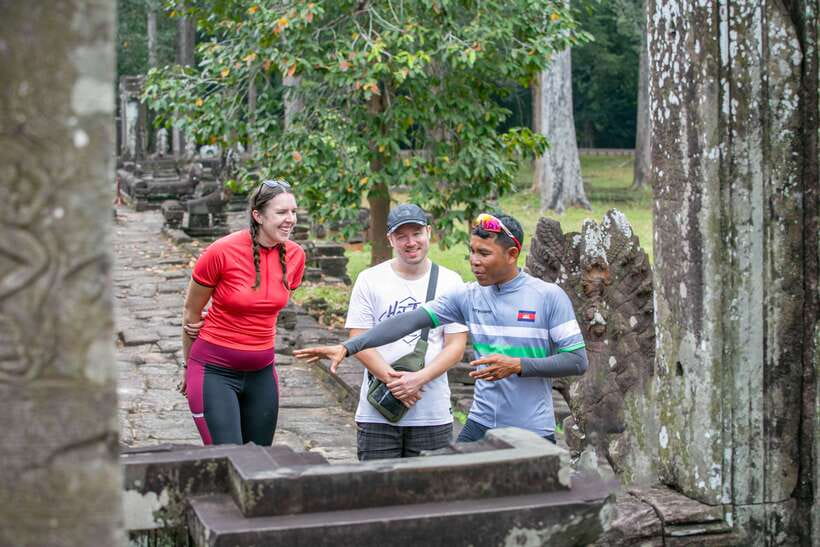
- Name-brand guides in the best sense, with people like Mony, Tida, Thy, and Bob cited for clear explanations
- Village-and-farms day 2, with market stops plus mushroom and lotus farms and rice wine distilling areas
- Food that’s actually part of the experience, not just a break in the schedule
- Temple tickets cost extra (and you should plan for that in your budget)
Day 1: 5:00am Angkor Wat sunrise on two wheels
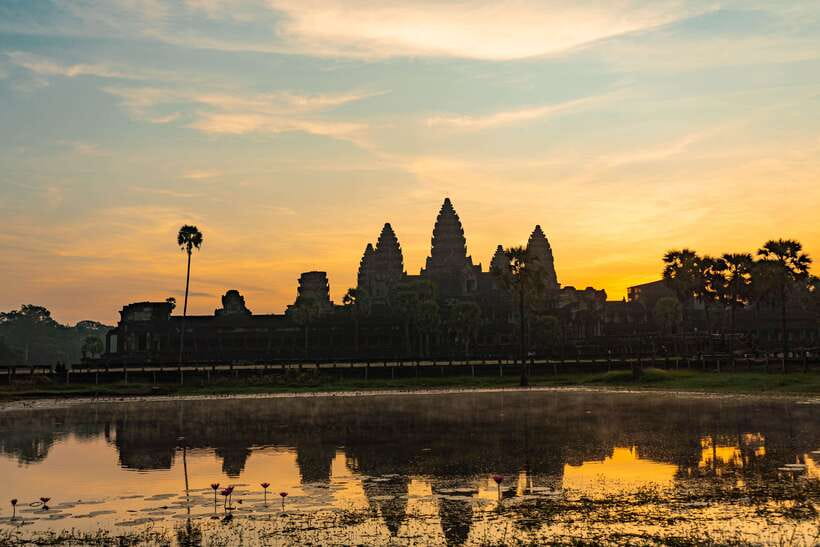
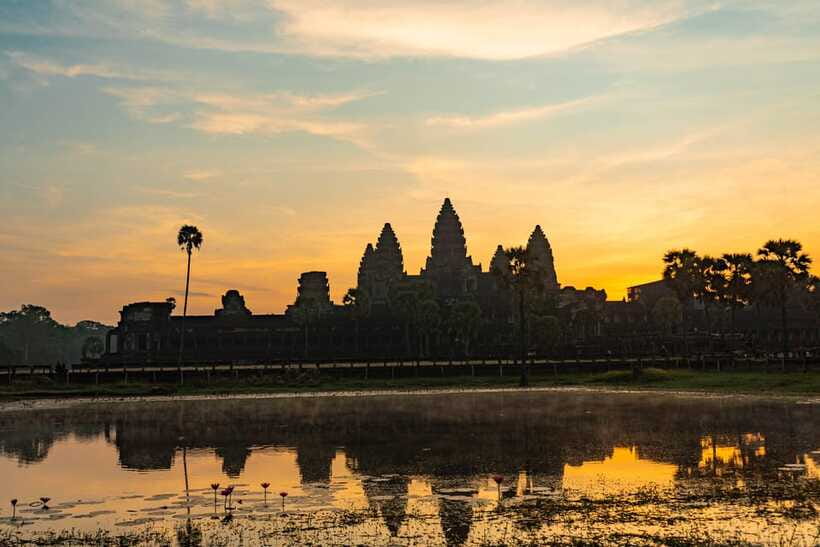
This tour starts early for a reason. When you’re pedaling toward Angkor Wat in the early morning, you’re not just seeing temples—you’re watching the whole site wake up. Expect your pickup from your accommodation at 5:00am, then a guided push to the best sunrise viewpoints before the main temple flow begins.
That first phase is where you’ll feel the “guided bike tour” difference. You’re not stuck in one spot, waiting for the light. You get to look up at the changing sky and then keep moving as the day warms up, with the guide pointing out what to notice as you approach and move through the complex.
One practical note: temple visits come with a dress rule—shoulders and knees must be covered—so I recommend you plan your outfit the night before. It’s easy to solve with light, breathable fabric, but it can be annoying if you’re scrambling in the dark.
If you're still narrowing it down, here are other tours in Siem Reap we've reviewed.
Riding through Angkor Wat’s central complex (and beyond)
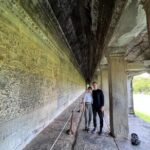
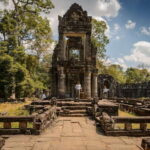
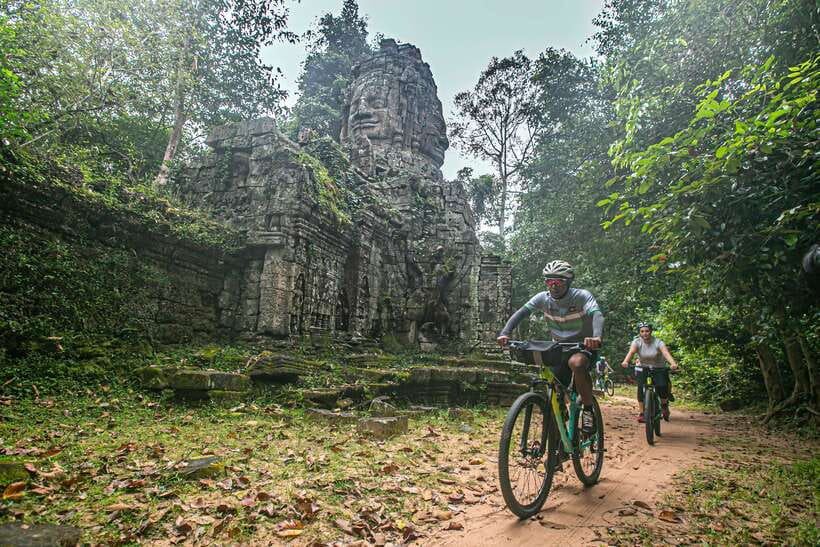
After sunrise and breakfast, the day turns into cycling. The route includes paths and trails inside and behind the Angkor Wat area, which can feel cooler and more jungle-like than you’d expect. You’ll hear the practical sounds of wheels on uneven ground, and that alone changes the experience compared with walking only on paved surfaces.
The guide’s job here is more than steering. They explain the history and symbolism of what you’re seeing as you move through the Angkor central complex. That’s especially helpful if Angkor Wat is new to you, because you’ll understand why the layout matters rather than just collecting photos.
Then comes the biking phase that many people love—and where you should be honest with yourself. Reviews point out that the riding is not always smooth pavement. Some sections can be sandy or tricky, and if you’re not used to regularly riding a mountain bike or handling varied surfaces, you’ll work harder than you expected.
Ta Prohm, Bayon, Preah Khan, and the Angkor Thom City circuit
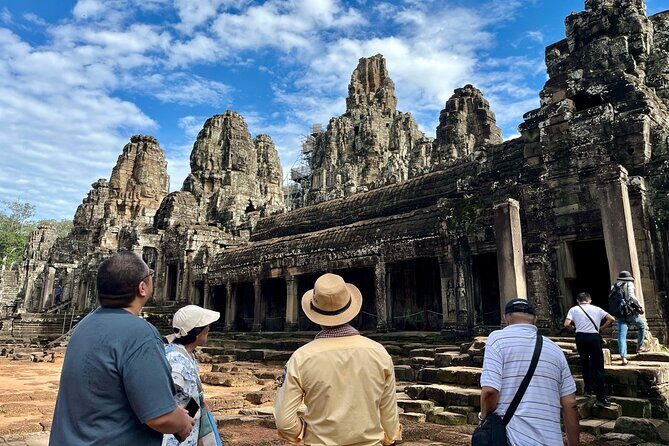
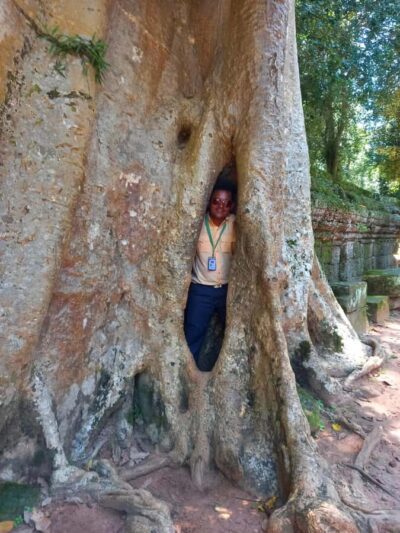
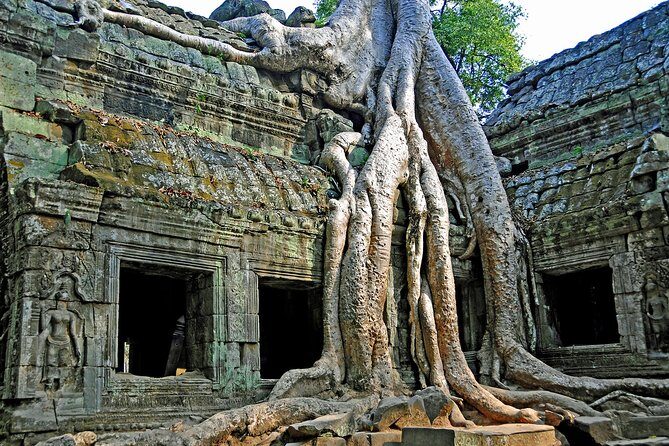
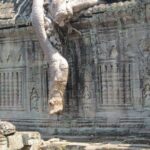
Day 1 doesn’t stop at Angkor Wat. You cycle into the wider Angkor area and visit major sites including Angkor Thom City and key temples like Bayon, Preah Khan, and the famous “Tomb Raider temple” (commonly associated with Ta Prohm).
What makes this segment valuable is pacing. You’re covering serious ground without the long, repetitive walking that can drain you before midday. And since you’re on a bike with an English-speaking guide, you can ask questions while the sites are fresh in your mind instead of after you’re back at the hotel.
Still, remember: the temple focus can be more cultural-and-historical than strictly architectural in the way some people might expect. I’d call it a “story first” approach. If you love art and architecture detail above all else, you may want to read a bit beforehand so the temple features feel even richer as you see them in person.
The traditional lunch stop: when refueling feels real
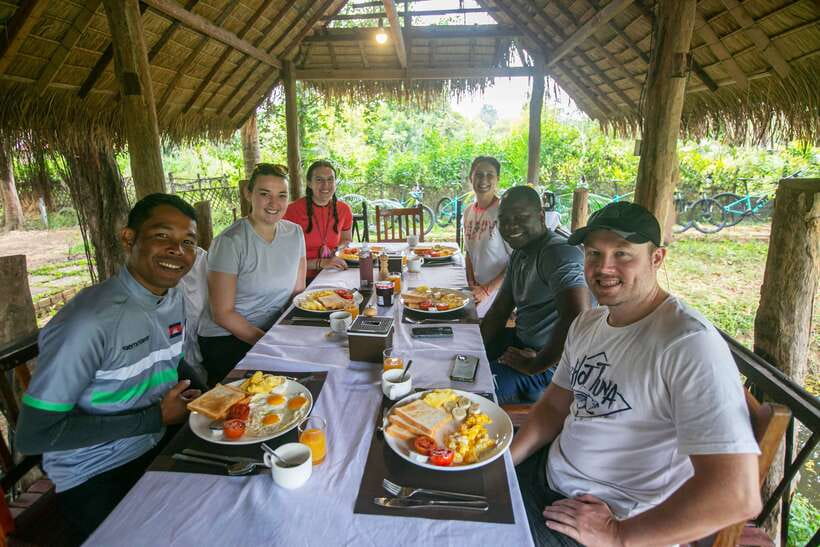
This tour plans food like it matters. After the temple touring on day 1, you get a traditional Cambodian lunch with a wide spread of local dishes. It’s one of those underrated travel details: you’re not just grabbing something quick, and you’re not eating at a random tourist-style pit stop.
You’ll also get time for recovery. The schedule includes a quick siesta after lunch, which I really like. In Cambodia’s heat, a short reset helps you avoid the afternoon slump that can make day 2 feel harder than it needs to be.
Add in the built-in support—water during the day plus local snacks and fruit—and you’ll likely feel less stressed about energy and hydration.
Day 2: 7:30am countryside biking through rice fields and villages
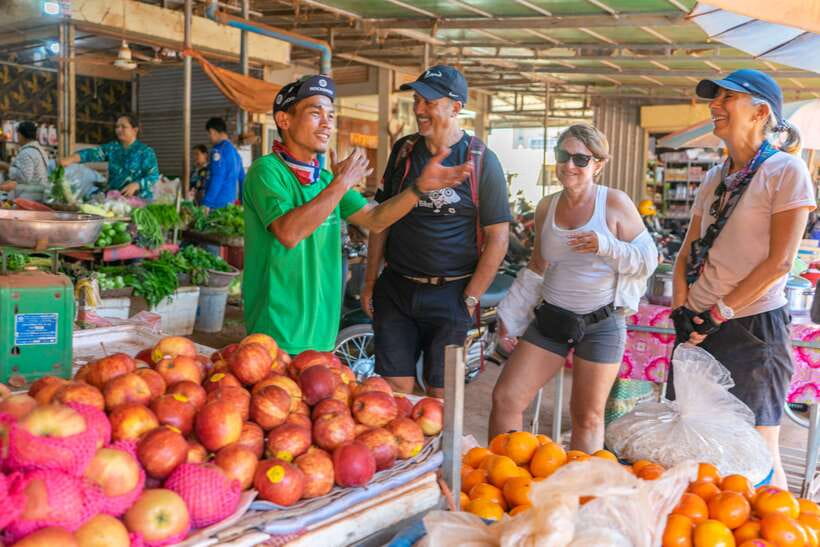
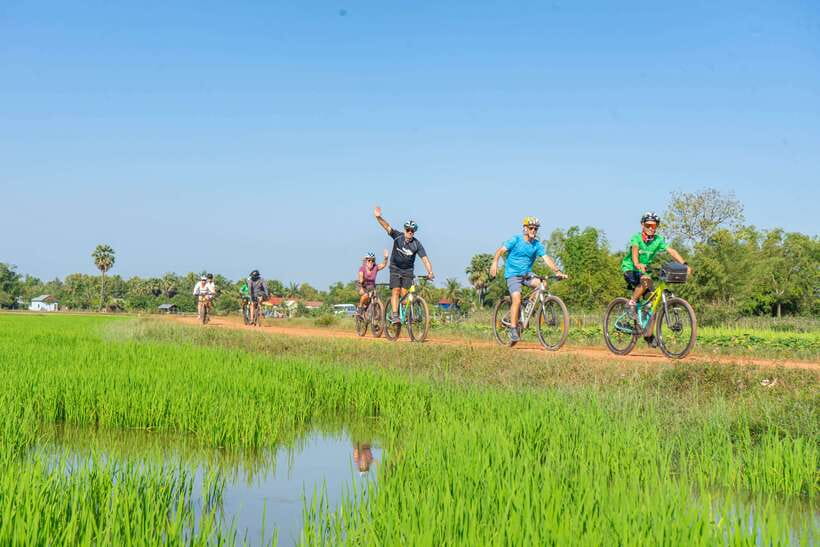
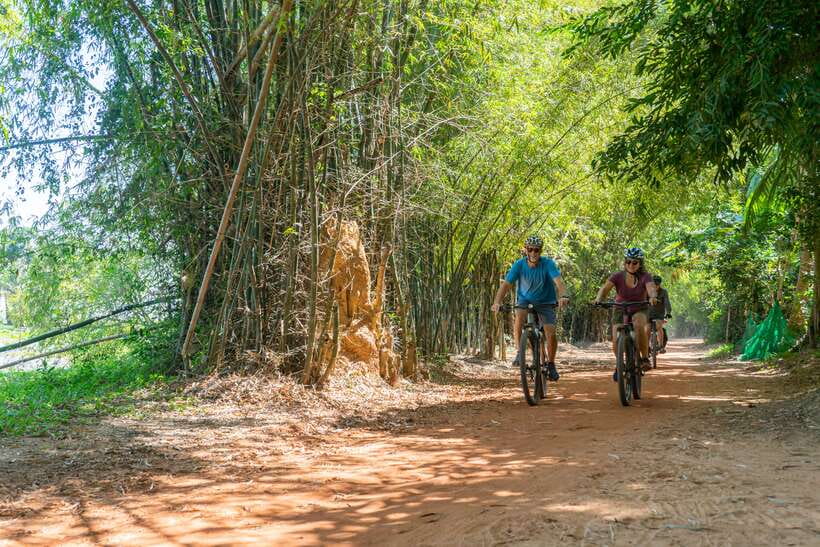
The second day shifts gears. Pickup is at 7:30am, and you’ll head to the cycling shop before getting back on the bikes. This is the “Cambodia you don’t see from a tuk-tuk window” day: backroads, rice fields and farms, and small villages where your guide can point out daily life.
The riding style here is generally more relaxed than day 1. Expect dirt roads and country tracks rather than the same sandy, temple-area difficulty. That difference matters. It turns day 2 into a more human-paced experience where you can look around and actually absorb the setting instead of just concentrating on bike control.
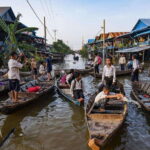
Stops are practical and specific. You’ll taste local fruit and snacks at market stops, and you’ll see places connected to agriculture such as mushroom and lotus farms, plus areas where rice wine is distilled. You’ll also spend time with village handicrafts and Buddhist temples.

Talking with locals: why the village time works
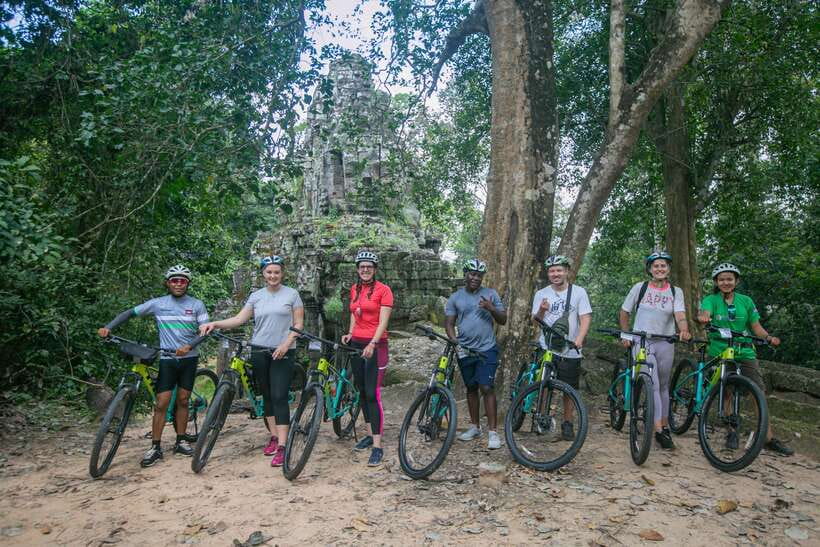
One of the highlights for me is the chance to slow down enough to speak with villagers and see rice fields up close. The value here isn’t “box-checking a culture stop.” It’s that the bicycle gives you access to quieter paths, letting you notice things like work rhythms, crops, and how people organize daily life.
Guides can make this part easier by translating and setting expectations, especially since you’re visiting local spaces that don’t run on tourist schedules. If you like respectful conversation and real-world context, this day is the heart of the trip.
Guides matter: what to look for (and how to get the most)
Across the guides named in feedback—Mony, Tida, Thy, and Bob—the shared strength is clear: they’re attentive and they explain what you’re seeing in a way that makes the temples understandable. People also mention guides helping with photo spots, which is useful because Angkor has lots of angles, and it’s easy to miss the best ones when you’re moving fast.
When you book, consider arriving with a couple of simple questions:
- What am I looking at here, and why is it arranged this way?
- What’s the one thing I should not miss at each temple?
- Where should I stand for the best photo in the morning light?
If you do that, you’ll get more than movement—you’ll leave with understanding.
Price and budget reality: $95 plus temple entry
The tour price is $95 per person for 2 days, and that’s a solid deal for the structure: hotel pickup/drop-off, an English-speaking guide, bicycle and helmet, water support, plus breakfast and lunch on day 1, and snacks/fruit.
But don’t forget the big “pay later” number: temple entry tickets are not included, and they’re listed as $37/day. Since this is a two-day temple-heavy experience, budget for about $74 total in entry fees if you’re visiting both days’ temple sites.
So your real all-in cost is closer to $169-ish per person once you add tickets. For many people, that still feels reasonable because bikes + guiding + food aren’t common for a two-day Angkor-focused plan. For others, it may be the difference between “worth it” and “I’ll manage myself with a driver.” The choice comes down to how much you value (1) sunrise timing, (2) guided context, and (3) riding access to quieter areas.
What’s included (and what you’ll want to plan yourself)
Included:
- Hotel pickup and drop-off
- English-speaking tour guide
- Bicycle and helmet
- Daily water support
- Breakfast on day one and lunch on day one
- Local snacks and fruits
Not included:
- Temple entry tickets ($37/day)
- Personal expenses
Based on that, I’d plan your spending around just the temple tickets and any personal purchases. Everything else that usually becomes a hassle—gear, water, and meals on the key days—is handled.
What to bring, plus the small rules that keep the day smooth
The list is simple:
- Sunglasses
- Camera
- Sunscreen
I’d add a practical mindset: for day 1, expect heat and mixed terrain, so protect your eyes and skin early. Also, remember the temple dress rule (shoulders and knees covered). If you’re already wearing something light and long enough, you’ll save yourself stress.
Rules-wise, there’s one clear non-negotiable: no smoking indoors. And the tour runs rain or shine, so you should be ready for wet weather. You might want a lightweight rain layer even if it’s not listed, because “rain or shine” usually means you’ll still ride.
One other important note: the tour is not suitable for pregnant women.
How fit do you need to be?
Here’s the honest feel. Day 1 is the bigger test. Even though trails may be shaded at times, some route segments can be sandy and not the smoothest surface, which means you’ll need at least moderate bike comfort. If you ride regularly and handle a mountain bike without panicking, you’ll probably enjoy it a lot more.
Day 2 tends to be easier. Dirt backroads and country tracks can still be warm and dusty, but the riding is generally more relaxed, with frequent short stops that let you rest.
If you’re on the edge, I’d rate your readiness by this question: can you ride for a couple of hours without feeling tense or exhausted when the surface changes?
Who should book this two-day bike plan?
Book it if you want:
- Angkor Wat sunrise with a guided approach that actually gets you to the right spots early
- A way to visit major temples like Ta Prohm, Bayon, Preah Khan, and Angkor Thom City without relying only on walking
- A day 2 that focuses on rice fields, markets, farms, and village life
- Built-in food stops (breakfast and a traditional lunch), plus water and snacks
I’d skip it (or consider a different style tour) if:
- You dislike uneven or sandy surfaces and you don’t bike often
- You’re looking for lots of deep architectural nitpicking rather than history and cultural context
- You need an option that’s appropriate for pregnancy
Should you book Angkor Sunrise 2 Days Guided Bike Tour?
If you’re choosing between “see Angkor” and “experience Angkor,” this tour leans toward experience. The biggest reasons to book are sunrise timing, the chance to ride into quieter temple-area trails, and the fact that day 2 brings you into the countryside with specific farm and market stops.
If you’re comfortable cycling and you can budget for temple tickets on top of the $95, I think it’s a strong value. The one caution is day 1 terrain: if you’re not at ease on mixed surfaces, it can feel more work than expected.
FAQ
What time is pickup on day 1 and day 2?
Day 1 pickup is at 5:00am. Day 2 pickup is at 7:30am, and you should wait in the hotel lobby 15 minutes before the scheduled pickup time.
Is hotel pickup and drop-off included?
Yes. Hotel pickup and drop-off are included for both days.
Is breakfast and lunch included?
Breakfast is included on day one. Lunch is included on day one as well.
Do I need to pay for Angkor temple entry tickets?
Yes. Temple entry tickets are not included, and they are listed as $37 per day.
What bike and safety gear are provided?
The tour includes a bicycle and a helmet.
What should I wear for temple visits?
You need clothing that covers the shoulders and knees for cultural respect when visiting temples.
Is the tour canceled if it rains?
No. The tour takes place rain or shine.
Is this tour suitable for pregnant women?
No. It is not suitable for pregnant women.