REVIEW · SIEM REAP
Angkor Wat, Small Circuit Private Tour with Banteay Srei
Book on GetYourGuide →Operated by Private Siem Reap Tour Guide & Transport · Bookable on GetYourGuide
Hot temples, cool extras, and a smart route. This private day strings together the big-hitters of Angkor—Angkor Wat, Bayon, Ta Prohm, and the fine carvings of Banteay Srei—with a licensed guide who keeps the day organized and the story easy to follow. I especially like the private-group pacing, so you’re not stuck reacting to crowds. And I like that the route doesn’t only chase the famous shots; it also shows you how the carvings and layouts relate to Khmer beliefs.
One thing to consider: the day is packed and the heat can be intense. You’ll also need to budget for the temple ticket, since it’s not included—though your guide will help you buy it before you start.
In This Review
- Key highlights to watch for
- Why this private small circuit feels easier than a bus day
- Hotel pickup, tickets, and the separate entrance advantage
- Angkor Wat: more than one famous photo spot
- Practical tip
- The Angkor Thom core: Bayon’s faces and the terraces you’ll actually remember
- Bayon Temple (about one hour)
- Baphuon (about 30 minutes)
- Terrace of the Elephants (about 15 minutes)
- Suprat Temple view and Terrace of the Leper King (photo stops)
- What’s great about this section
- Possible drawback
- Ta Keo: the “in-between” temple that deserves your attention
- If you like steady pacing
- Lunch break: plan for real heat and real choices
- Ta Prohm: giant trees, jungle mood, and Tomb Raider photos
- Timing advice you can use
- Banteay Srei: the pink lady carvings that reward your patience
- Why I think Banteay Srei is a must at the end
- Village stops and rice paddies: a quieter Cambodia break
- Price and value: what you’re paying for (and what you’re not)
- Who this tour suits best
- Should you book this private Angkor Wat small circuit with Banteay Srei?
- FAQ
- FAQ
- How long is the Angkor Wat small circuit private tour?
- What does the tour cost, and how big is the group?
- Is this a private tour?
- Which temples are included in the itinerary?
- Are temple tickets included?
- Do you get skip-the-line access?
- Will the guide help with temple tickets?
- What’s included in the tour price besides transport?
- What should I bring for this day?
- What is the cancellation policy?
Key highlights to watch for
- Private group pacing with a licensed driver and English-speaking guide
- Skip-the-line access via a separate entrance, plus ticket help before you go
- Angkor Wat and Angkor Thom in one pass, with stops at key terraces and viewpoints
- Ta Prohm’s giant trees and that instant Tomb Raider energy
- Cold water and cold towels that genuinely help on hot days
- Banteay Srei carving time, when your eyes finally get to slow down
Why this private small circuit feels easier than a bus day
Angkor is famous for a reason, but the hard part is doing it without turning the whole day into a sprint. A private small-circuit approach matters because you control the rhythm: you stop when it’s useful, move when it’s efficient, and you get time at the places that deserve it.
I like that this tour is built around a tight set of temples instead of a giant loop. You’ll see Angkor Wat and the Bayon area, then Ta Prohm, then you end with Banteay Srei. That order helps you experience the contrasts: grand symmetry first, crowded faces next, jungle shadows after, then the delicate “pink lady” carvings when your brain is ready for detail.
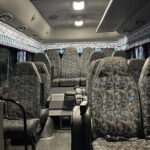
The other practical win is comfort. You’re in an air-conditioned vehicle with hotel pickup and drop-off, plus cold water for the day. In hot season, those small comforts can be the difference between enjoying the temples and just enduring them.
If you're still narrowing it down, here are other tours in Siem Reap we've reviewed.
Hotel pickup, tickets, and the separate entrance advantage
Your guide meets you in your hotel lobby in Krong Siem Reap. Then you head out by air-conditioned vehicle with your licensed driver, and you’ll also get a quick assist with temple tickets before your temple time begins.
This is where the tour saves energy. You skip the usual line through a separate entrance, which means less waiting and more actual sightseeing. If you’ve ever arrived at a temple in the busiest hours, you know how quickly “just a short wait” can swallow your morning.
Your guide is also there to keep you safe and oriented. The day includes a safety briefing at Angkor Wat, and you’ll have live guidance at every major stop, not just a “good luck” handoff.
Angkor Wat: more than one famous photo spot
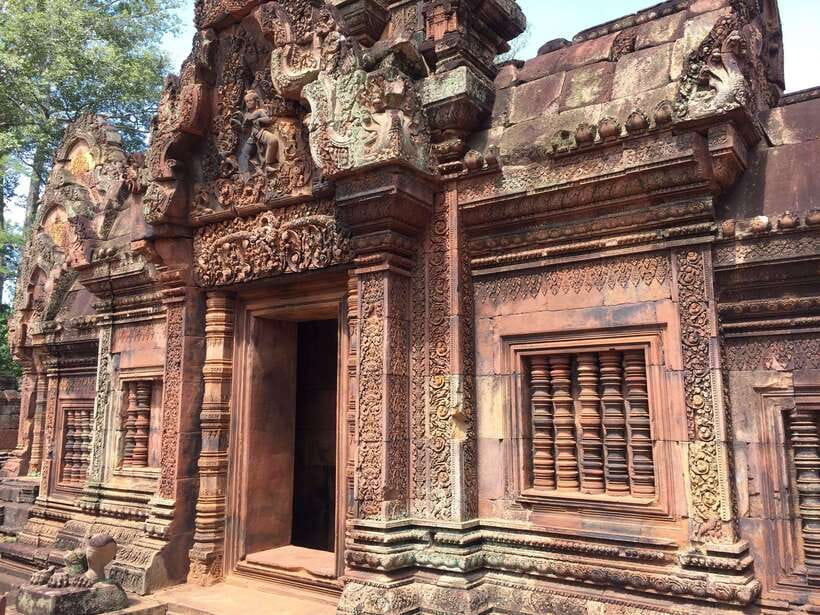
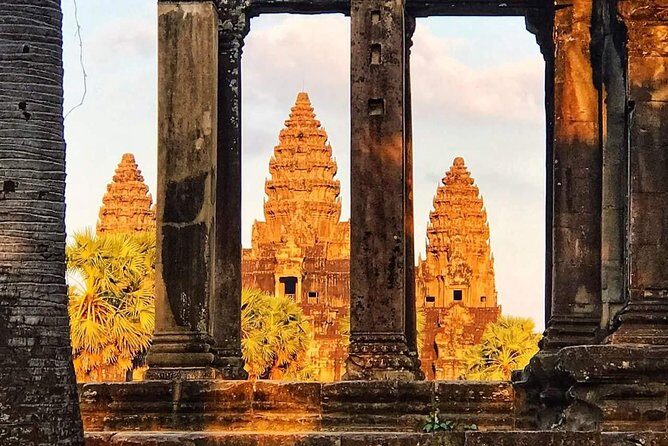
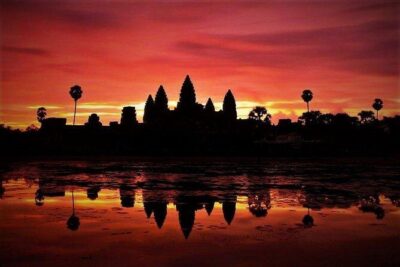
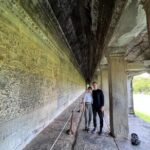
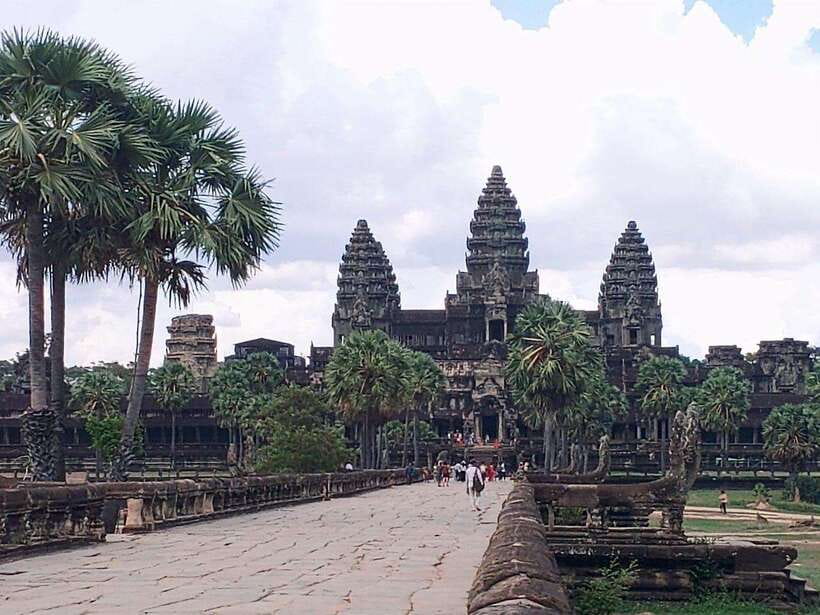
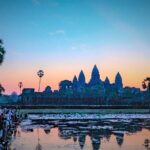
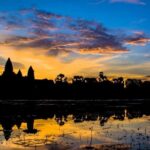
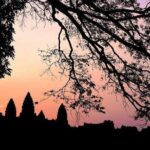
Angkor Wat is the headline, and it lives up to that billing. You’ll spend about two hours here with guided time and a bit of walking, including time to get oriented and take photos.
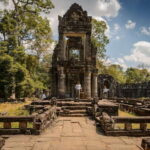
What I like about starting at Angkor Wat is that it teaches you how to read the whole complex. The temple’s size can feel abstract until you see the layout in person: causeways, gates, walls, and the way the carvings guide your eyes toward religious symbolism. Even if you’ve seen pictures, you’ll notice new details when you’re there under real light.
You’ll also do a stop at the Tonle Om Gate (Southern Gate), plus time for photos and guided sightseeing. Think of these as the transitions into the Angkor Thom zone, where the tone shifts from the monumental quiet of Angkor Wat to the denser, face-filled world of Bayon.
Practical tip
Wear shoes you can handle for repeated steps and uneven stone. Comfortable footwear isn’t a “nice to have” here—it’s what lets you enjoy the carvings instead of counting every stair.
The Angkor Thom core: Bayon’s faces and the terraces you’ll actually remember
From Angkor Wat, the tour moves you into the Angkor Thom area and gives you a guided walk through the heart of it.

Bayon Temple (about one hour)
Bayon is the place people point to for a reason: you’re surrounded by enormous Buddha faces carved into towers. Your guide helps you understand what you’re seeing, so it doesn’t become a checklist of “find the face, take the photo, move on.” The time here is long enough to look up, step back, and notice how the faces create a sense of presence from multiple angles.
Baphuon (about 30 minutes)
Next is Baphuon, a Hindu temple built earlier than Bayon. The guide frames this temple as part of the evolution of Angkor’s religious landscape, which helps you see why some structures feel older, heavier, or more transitional.
Terrace of the Elephants (about 15 minutes)
This stop is short but meaningful. Terraces are where you feel Angkor’s power in the architecture itself—stonework, carved elements, and the way the space was meant for processions and ceremony.
Suprat Temple view and Terrace of the Leper King (photo stops)
After the terraces, you’ll have additional photo stops that include Suprat Temple view and the Terrace of the Leper King. These are the kind of spots where a guide helps you connect the name to what you’re seeing, so it doesn’t feel random.
What’s great about this section
This is the most “dense” part of the day: lots of stone, lots of faces and carvings, and plenty of time spent looking both up and around. A guide makes the difference between seeing monuments and understanding them.
Possible drawback
Because it’s dense, you’ll need breaks in your own way: step into shade when you can, drink water, and slow down if you get heat-wobbly. This tour gives structure, but you still have to manage your body.
Ta Keo: the “in-between” temple that deserves your attention
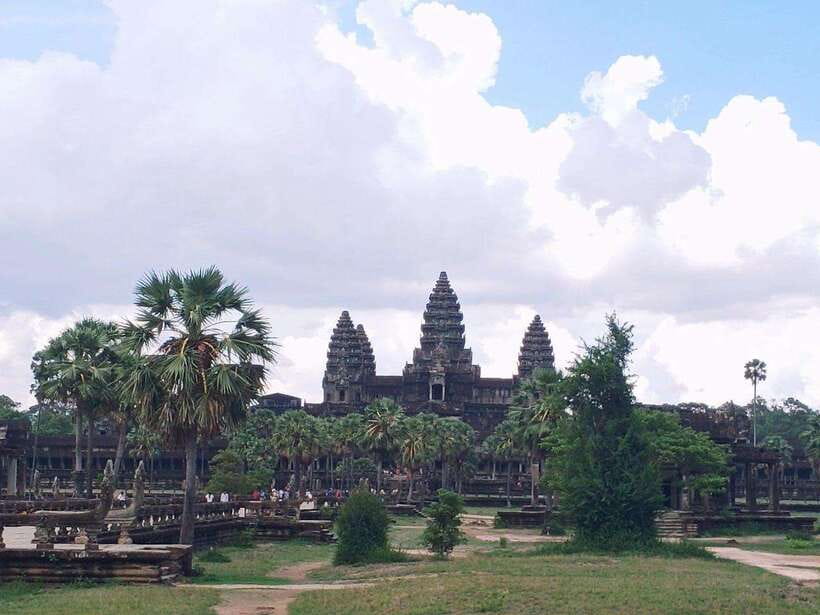
Ta Keo (sometimes spelled Ta Koe) is next, and it’s a great pivot. You’ll have about one hour here, with photo time and guided sightseeing.
Ta Keo is a huge Hindu temple built for Shiva. Even if you’re not a temple-architecture nerd, the value here is the shift in mood. After Bayon’s carved faces and terraces, Ta Keo feels more direct and commanding, and the extra time helps you notice how the design pulls you upward.
If you like steady pacing
One of the best strengths of this tour is that it can be slow and careful when needed. People who want an unhurried day will appreciate that the pace doesn’t force you to race from stop to stop. That matters if you’re traveling with older family members or you simply want less stress.
Lunch break: plan for real heat and real choices
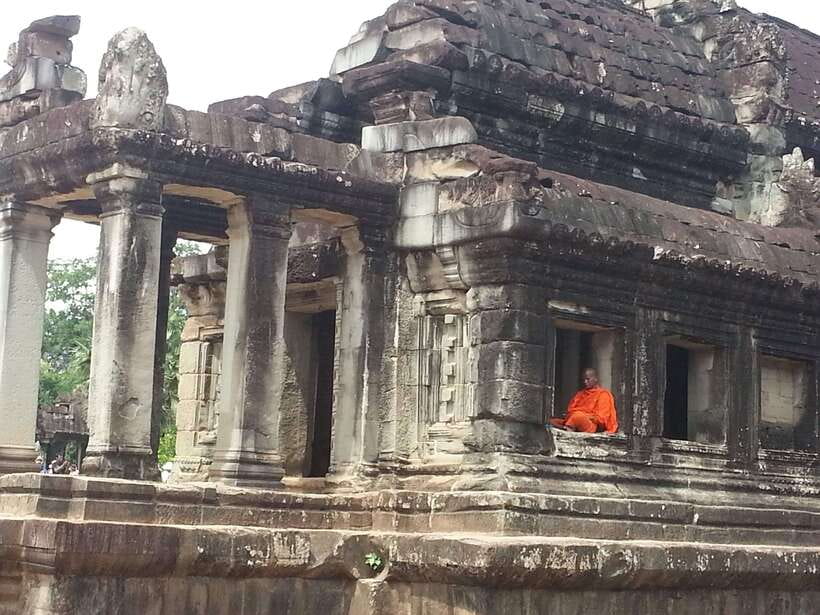
Midday includes a break time for lunch (about one hour). Meals aren’t included, so you’ll use that hour to eat wherever makes sense for you.
Here’s the practical mindset: treat lunch like a temperature reset. Drink water, pause in shade when possible, and don’t try to cram extra sightseeing right after. You’re heading to Ta Prohm next, and that stop is both visually wild and physically demanding.
Ta Prohm: giant trees, jungle mood, and Tomb Raider photos
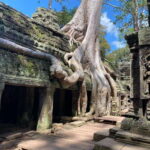
Ta Prohm is the temple that makes people sit up and grin. You’ll spend around one hour here, with guided walking and photo stops.
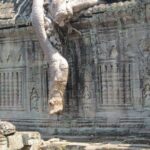
What makes Ta Prohm special is the jungle effect: giant roots growing into and around the temple structures. The result is a scene that feels half architecture, half forest. Your guide helps you see it as intentional and historical, not just “cool nature.”
It’s also known as the Tomb Raider temple, because the movie used it as a filming location. That recognition can help you frame what you’re seeing quickly—then your eyes can move past the fandom and appreciate the structure underneath the roots.
Timing advice you can use
Go slow here. Ta Prohm is easy to photograph from one spot, but the best views come when you walk the edges and look for where the roots connect to carvings. If you’re trying to beat the heat, take short photo bursts, then step back in the shade.
Banteay Srei: the pink lady carvings that reward your patience
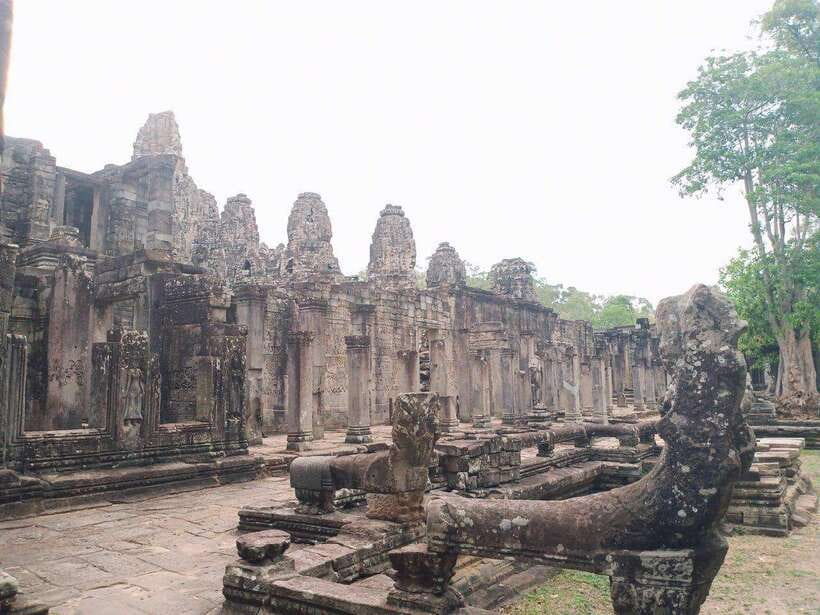
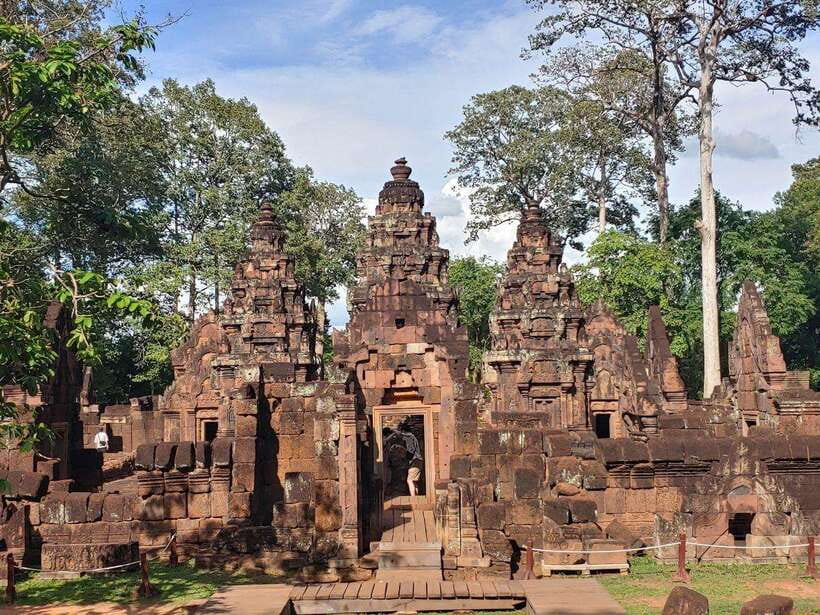
Banteay Srei is the finishing move that often surprises people. You’ll spend about one hour here, with guided time and walking.
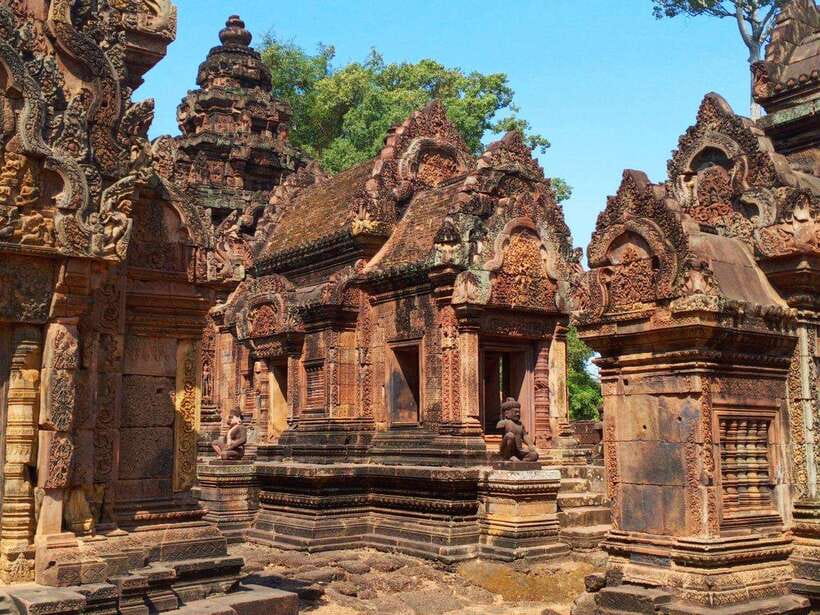
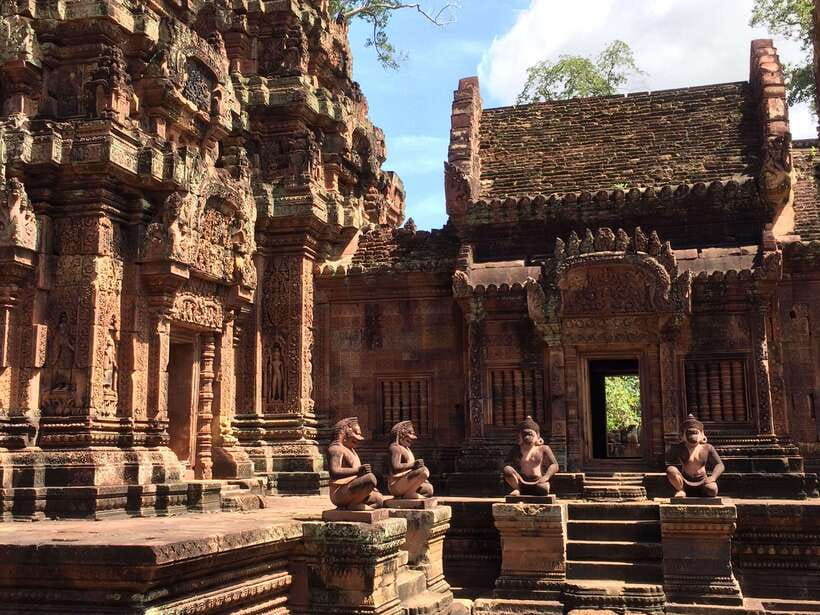
This is the temple many guides point to for craftsmanship. It’s older than Angkor Wat and famous for some of the finest temple carvings in Cambodia and beyond. The “pink lady” nickname fits because the stonework has that warm, light tone that shows up beautifully in photographs—especially when you’re not rushing.
Why I think Banteay Srei is a must at the end
By the time you reach Banteay Srei, you’ve already seen the huge monuments. Now you get the opposite kind of experience: intricate carving, fine detail, and the kind of work you can only really appreciate when you slow down and look close.
If you like architecture and storytelling, this is where the guide’s explanations pay off. The carvings aren’t just decoration; they’re part of a broader religious and artistic language.
Village stops and rice paddies: a quieter Cambodia break
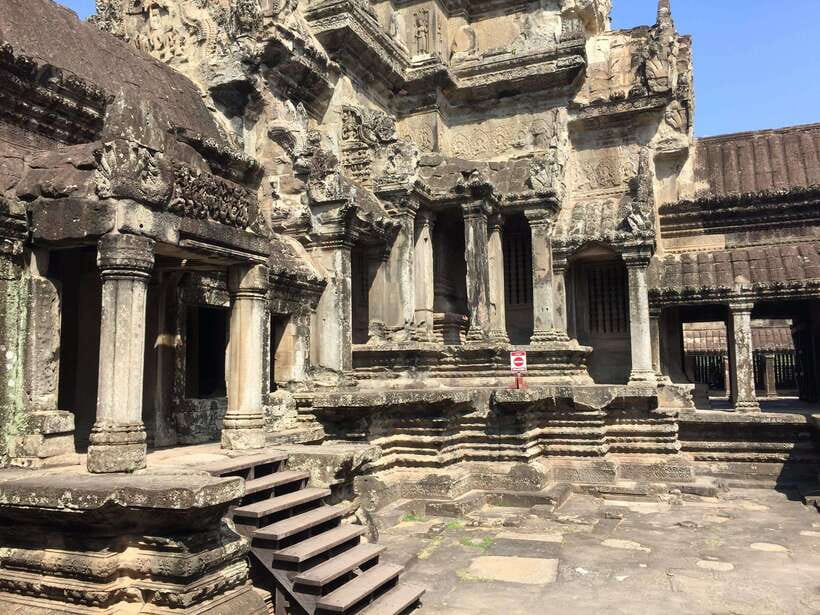
On the journey between temples, the tour includes chances to see local life—rice paddies, village homes, and local villagers. There’s also a mention of a potential stop to see Palm sugar village, where you might have the chance to talk with villagers.
Even short stops like this matter because Angkor can feel like its own world. Seeing the farmland around it helps you remember that this region is living, not frozen. You also get a change in pace between temple clusters, which is useful if you’re feeling temple-fatigued.
Price and value: what you’re paying for (and what you’re not)
The price is $155 per group up to 6 for a one-day private tour. On paper, it’s easy to compare this to a cheaper group bus. In practice, you’re paying for three things you can feel during the day:
- A private guide and driver, so your day moves with intention instead of waiting for other groups.
- Comfort and time-saving, including air-conditioned transport and cold water.
- Guided temple time, which you’ll want in Angkor because the sites are complex and easy to misunderstand on your own.
What’s not included is the temple ticket and lunch. That’s normal for Angkor days, but it does mean you should budget a bit extra. The temple ticket is also why the guide’s ticket-assistance step is worth noting—having someone help you handle it is time you don’t lose.
Who this tour suits best
This tour is a strong fit if you want a structured day with personal attention. It’s especially good for:
- Families or couples who want private time rather than shared chaos
- First-timers who want the main sites plus Banteay Srei’s detail
- Travelers who appreciate a slower, careful pace—there’s clear value for people who prefer less rushing
If you love solo travel and you’re the type who plans your own temple visits with zero guidance, you might not feel the value as much. But if you want someone to make the day make sense, this is the way to go.
Should you book this private Angkor Wat small circuit with Banteay Srei?
I’d book it if you want the classic Angkor hits without the time-drain of crowds. The mix here is smart: Angkor Wat for scale, Bayon for faces, Ta Prohm for jungle drama, and Banteay Srei for carving detail when you’re ready to slow down and look.
I’d hesitate only if you’re highly sensitive to heat or you know you won’t handle lots of walking and steps. In that case, you’ll want to plan your own pace carefully and bring the essentials—hat, sunscreen, and comfortable shoes—so the day stays enjoyable.
FAQ
FAQ
How long is the Angkor Wat small circuit private tour?
It’s a full day tour with a total duration listed as 1 day.
What does the tour cost, and how big is the group?
The price is $155 per group, up to 6 people.
Is this a private tour?
Yes. It’s a private group experience with a private vehicle, driver, and guide.
Which temples are included in the itinerary?
You’ll visit Angkor Wat, Bayon Temple, Baphuon, Terrace of the Elephants, Ta Keo, Ta Prohm, and Banteay Srei, with additional gates and photo stops along the way.
Are temple tickets included?
No. Temple ticket costs are not included.
Do you get skip-the-line access?
Yes. The tour notes skip-the-line access through a separate entrance.
Will the guide help with temple tickets?
Yes. Your guide assists you in buying tickets before you start visiting the temples.
What’s included in the tour price besides transport?
Included items are a licensed professional guide, private driver, private travel insurance, cold waters, toll roads, parking, gasoline, and hotel pickup and drop-off.
What should I bring for this day?
Bring comfortable shoes, a hat, camera, sunscreen, and water.
What is the cancellation policy?
You can cancel up to 24 hours in advance for a full refund.