REVIEW · SIEM REAP
Private Sunrise Angkor Wat Tour with pickup from your hotel
Book on Viator →Operated by Travel to Inspire · Bookable on Viator
Sunrise at Angkor Wat has a way of resetting your brain. This private tour from Siem Reap strings together Angkor Wat dawn light and the key Angkor highlights—Ta Prohm, Angkor Thom’s South Gate, and Bayon—while you’re guided by Thom. If monk blessings are available, you might even get that quiet, special moment during the visit.
I especially like two things: the hotel pickup (so you’re not wrestling with tuk-tuks before sunrise) and the way Thom explains what you’re seeing, not just where it is. You’ll learn the story behind the temples, and you get time inside Angkor Wat rather than only snapping photos from the outside.
One thing to consider is that the ticket for the temples is not included. You should budget for a 1-day temple pass (listed at $37), and plan for tipping your guide and driver, since that’s recommended.
In This Review
- Key things I’d plan around
- Sunrise at Angkor Wat: why the timing matters more than the photos
- Thom-led guiding: what makes this tour feel worth it
- Stop 1: Angkor Wat (sunrise, outside-and-inside in about 3 hours)
- What you’ll do here
- A drawback to be aware of
- Stop 2: Ta Prohm, the tree temple moment in about 1 hour
- What makes it special
- Practical note
- Stop 3: Angkor Thom South Gate (Tonle Oum) and how the city is laid out
- Why I like a guided gate stop
- Stop 4: Bayon faces, plus Elephant Terrace along the circuit (about 1 hour here)
- Where Elephant Terrace fits
- Monk blessing possibility
- Timing and logistics: how to make a sunrise tour actually work for you
- Price and value: what you’re really getting for $65.90
- What to wear and bring so you don’t lose time at the gates
- Who this tour suits best (and who should consider something else)
- Should you book this Private Sunrise Angkor Wat Tour?
- FAQ
- Is pickup from my hotel included?
- Are the Angkor temple tickets included in the tour price?
- What’s the tour duration?
- Do I need to dress a certain way for the temples?
- Is this tour private?
- Can I get a full refund if I cancel?
Key things I’d plan around
- Sunrise timing that beats the worst crowds with an early route, often via a back entrance
- Thom’s guided walkthrough style, with stories that connect the sights to Khmer history
- Inside-and-outside access at Angkor Wat and Bayon, not just quick exterior stops
- Ta Prohm’s tree temple feel, where root-covered ruins make the place feel alive
- Angkor Thom South Gate context (the gate system and city layout) so the ruins make sense
- Monk blessing opportunity when monks are available, usually during key temple moments
Sunrise at Angkor Wat: why the timing matters more than the photos
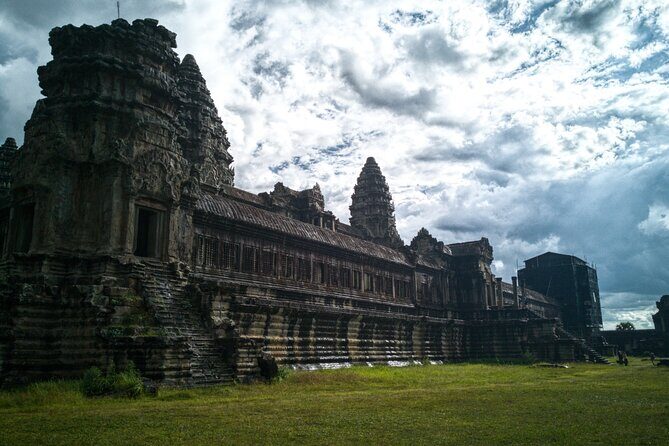
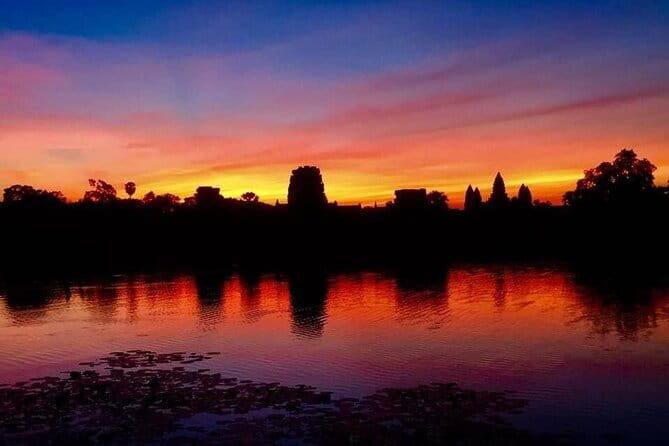
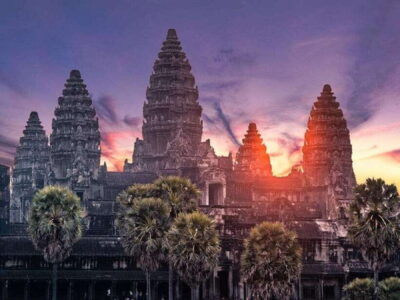
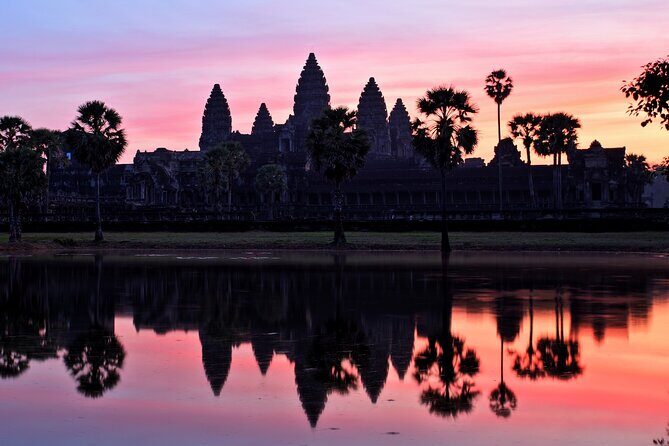
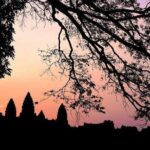
Angkor Wat at sunrise is not just a nice view. The light shifts fast, and that changes how carvings, towers, and the temple’s geometry look from moment to moment. On this tour, you’re set up to be there early enough that the atmosphere feels calmer, and you spend time looking before the day gets busy.
A practical win here is how the schedule works: you don’t just arrive, you actually move through the temple with a guide who’s keeping your bearings. That matters because Angkor Wat can feel overwhelming if you’re walking in cold. With Thom leading, you’re watching the right details at the right time—then stepping into the inside areas with context.
Another small but real advantage: you’re traveling in an air-conditioned vehicle early in the morning and then you’re not stuck overheating between temple stops. By the time the day stretches out, that comfort helps you keep your energy for the next ruins.
Other Angkor Wat sunrise tours we've reviewed in Siem Reap
Thom-led guiding: what makes this tour feel worth it
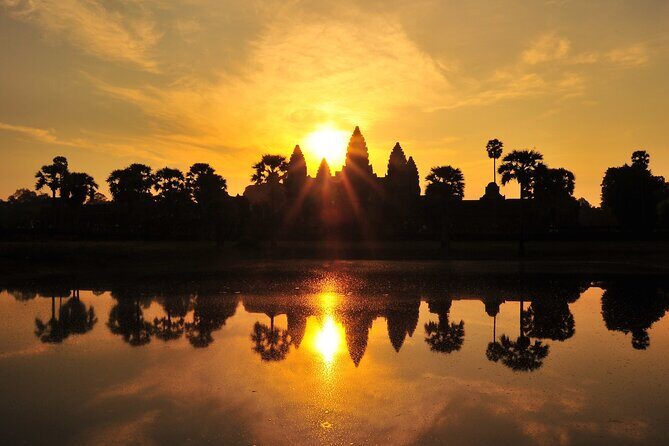
What you’re paying for on a sunrise tour is attention and timing. This one delivers both, and the reviews highlight Thom’s role clearly: he’s the local English-speaking guide who can answer questions and turn scattered facts into something you can remember.
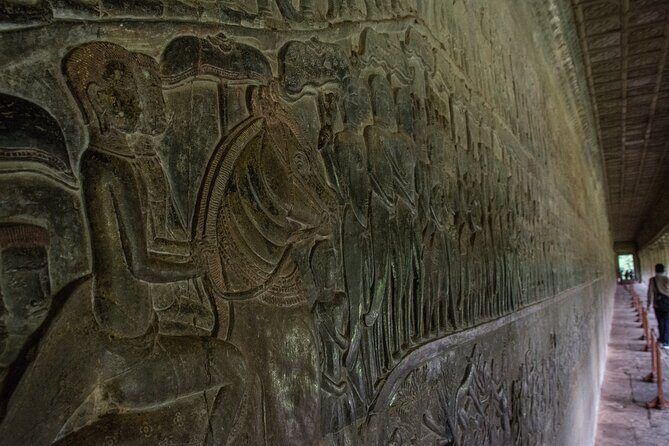
At Angkor Wat, you’re not limited to a quick loop. You get time for an outside view and then an inside visit with explanation of the temple’s meaning and history—plus the way the site represents Cambodia. That kind of guided structure is what transforms a temple visit from seeing things into understanding things.
Thom’s style also seems to focus on storytelling tied to what you’re standing next to. At Bayon, for example, the famous faces make people point and shoot. With a guide, you’re more likely to notice symbolism and architectural choices, which gives the faces a purpose instead of turning them into a backdrop.
One more detail I liked from the tour’s vibe: it’s private, so you can ask questions without feeling like you’re interrupting a group shuffle. You can keep the pace human, pause for photos when they matter, and spend more time where your curiosity pulls you in.
Stop 1: Angkor Wat (sunrise, outside-and-inside in about 3 hours)
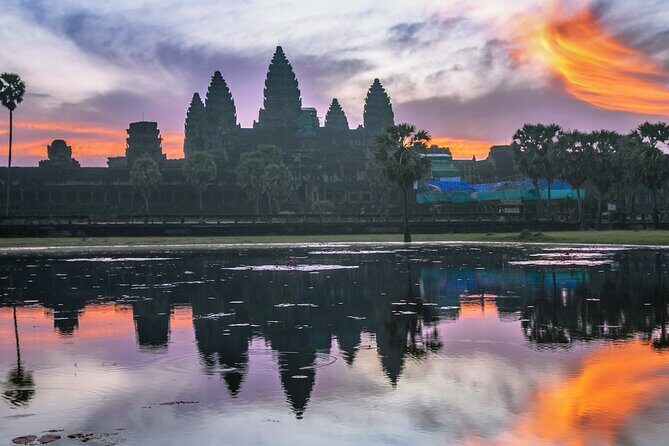
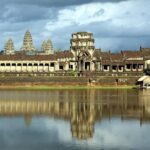
Angkor Wat is the headline. The tour starts with the sunrise moment and then builds into a guided visit that’s long enough to feel like a real experience, not a rushed checklist.
What you’ll do here
- See Angkor Wat from outside first, so you can take in the overall layout and lines.
- Then move into the temple for an inside guided visit, where the guide provides history and meaning.
- You may also have a chance for a monk blessing at Angkor Wat, depending on whether monks are available.
The inside time is the difference-maker. Many tours treat sunrise as the only value and then skim the rest. Here, you’re getting a deeper look at Angkor Wat’s carved spaces and what they represent.
A drawback to be aware of
You need to come prepared for temple rules: you must cover your knees and shoulders. That’s easy if you pack a light layer or wear respectful clothing from the start, but it can slow you down if you show up unprepared.
Also, temple tickets aren’t included. The tour lists the 1-day ticket price at $37, so you’ll want to factor that into your total cost before you arrive.
Other Angkor Wat temple tours we've reviewed in Siem Reap
Stop 2: Ta Prohm, the tree temple moment in about 1 hour
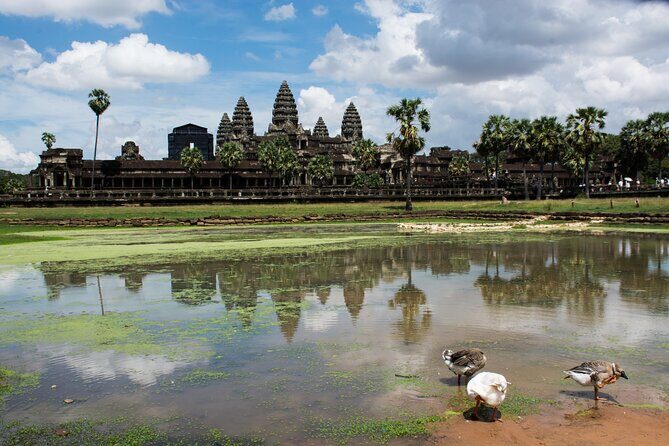
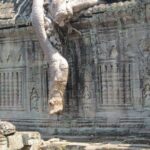
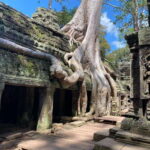
Ta Prohm is the ruin that looks like nature has moved in and decided to stay. It’s often called the tree temple, and the reason is obvious as soon as you see the roots wrapped around the structures.
This stop works best when you slow down. Even in a 1-hour window, there’s a lot to notice: how the trees frame doorways and windows, how the stone has been reshaped by time, and how the site feels more cinematic than orderly.
What makes it special
- You see it from outside and inside, not just one fast viewpoint.
- Your guide adds context so you understand what you’re looking at beyond the visual impact.
Practical note
Comfort matters here. You’ll be walking on uneven temple surfaces, so comfortable walking shoes are a must. The tour includes drinking water and cold towels, which is a big help for keeping you comfortable during the day’s heat after sunrise.
Stop 3: Angkor Thom South Gate (Tonle Oum) and how the city is laid out
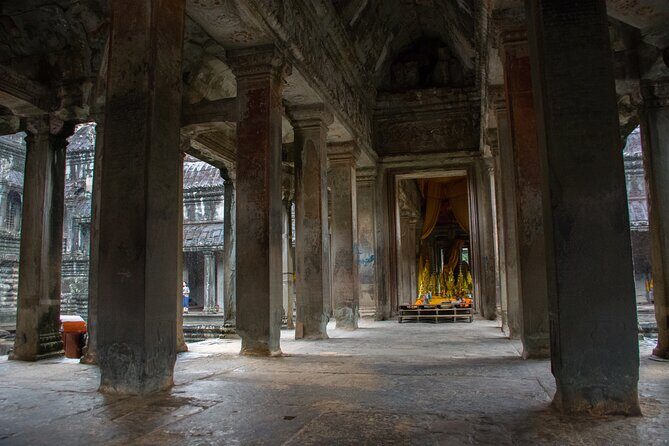
Angkor Thom is the larger walled city within Angkor’s world, and its gates give you a map of the place. The tour includes the South Gate, also named Tonle Oum.
This is a shorter stop (about 30 minutes), but it’s not filler. The point is to give you a framework. The tour explains that Angkor Thom has five gates (including the Ghost Gate or Gate of the Dead, Victory Gate, and more), and that the city’s sides stretch roughly 3 kilometers each. Even if you never walk the entire footprint, that context helps you see the site with more meaning.
Why I like a guided gate stop
Gates can look like just stone entrances. With explanation, you start noticing how power, direction, and symbolism show up in design. It also helps you connect Bayon and the broader complex to the city plan, rather than treating each temple like a separate tourist stop.
The same clothing rule applies here: knees and shoulders covered. Since this is a short stop, it’s easy to miss that you still need to comply before you enter.
Stop 4: Bayon faces, plus Elephant Terrace along the circuit (about 1 hour here)
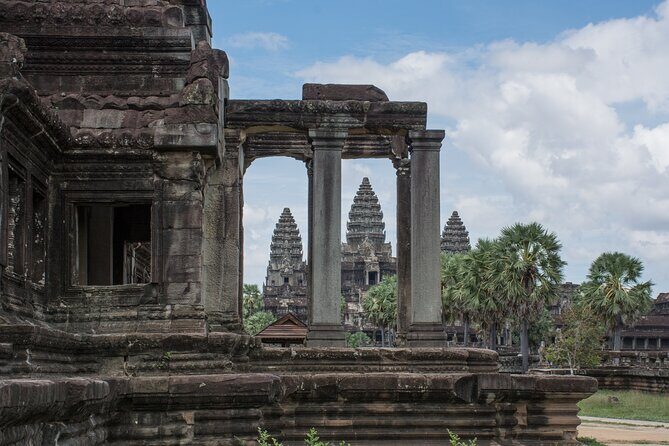
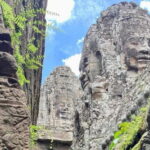
Bayon is famous for the faces. You’ll see them from the outside, then go inside for a guided look with explanations from your local expert tour guide.
This stop is about 1 hour, which is enough to get oriented and notice the details without feeling like you’re trapped in a long line. The faces change your attention: you start looking at symmetry, how viewpoints shift, and how the temple’s layout guides your movement.
Where Elephant Terrace fits
The tour route also includes the Elephant Terrace as part of the sequence before heading toward Ta Prohm. That’s a good move because it breaks up the day. You get Bayon’s iconic face towers, then a different kind of structure and carving focus before the jungle temple moment.
Monk blessing possibility
Just like Angkor Wat, there can be an opportunity for a monk blessing at Bayon depending on monks availability. Since availability isn’t guaranteed, the best mindset is flexible: if it happens, it’s a bonus moment; if it doesn’t, the guided temple time is still the core value.
Timing and logistics: how to make a sunrise tour actually work for you
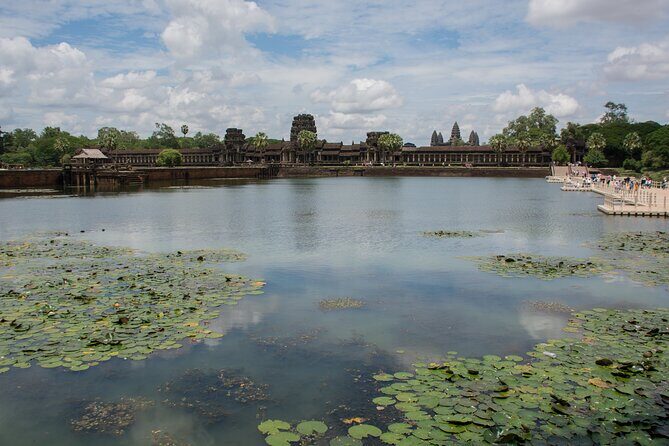
This tour is listed as 6 to 7 hours total, starting in Krong Siem Reap and running with hotel pickup and drop-off. In practice, the tour is early enough that the pickup can be around 4:30am, with arrival at Angkor Wat around 5:30am.
That early start is worth it for two reasons:
- Sunrise light is better before crowds pile in.
- The rest of the day feels smoother because you’ve handled the emotional highlight first.
You’ll travel in an air-conditioned vehicle, and you’ll get drinking water and cold towels, which is more helpful than it sounds when you’ve started before daylight and you’re walking on temple paths.
A note on money: the tour costs $65.90 per person, but temple admission is separate. The listed temple ticket is $37 for a 1-day pass, and tipping for guide and driver is recommended. Also, payment is required before starting the tour, and it can be paid to the driver/guide on the day.
One more practical tip from the tour’s guidance: you’re advised not to bring valuables. That’s common-sense travel advice, especially early mornings when you’re moving quickly and keeping your phone ready for photos.
Price and value: what you’re really getting for $65.90
Let’s be honest: sunrise tours can be pricey. Here’s why this one still makes sense for many people.
You’re paying for:
- Hotel pickup and drop-off, which saves you time and hassle before sunrise.
- A local English-speaking guide who explains what you’re seeing at Angkor Wat, Ta Prohm, Angkor Thom’s South Gate, and Bayon.
- Air-conditioned transport, plus cold towels and water.
- A social impact angle: 50% of the profits support poor student education.
Then you add your temple admission ticket (listed at $37). So your total temple spend is clear upfront, and you avoid the frustration of guessing at what’s extra once you’re already in Siem Reap.
The private nature matters too. Even if you’re solo or a couple, you’re not trapped behind a group pace. The schedule can feel more respectful and you can linger when the view or the explanation earns it.
What to wear and bring so you don’t lose time at the gates
This part is simple, and it’s worth getting right.
Bring/wear:
- Respectful clothing: cover knees and shoulders for temple entry.
- Comfortable walking shoes for uneven ground.
- A plan to keep valuables minimal.
You also get:
- Drinking water and cold towels during the tour.
- A mobile ticket for the experience.
If you’re the type who likes photos, you’ll also want to accept that sunrise can come with changing light. The tour timing helps you catch those shifts, but you’ll still want to be ready to move with the guide’s pace so you don’t miss the best angles.
Who this tour suits best (and who should consider something else)
This private sunrise route is best for you if you:
- Want Angkor Wat at first light plus the big surrounding hits in one efficient day.
- Like guided storytelling that ties the temples together.
- Appreciate early scheduling and a smooth pickup system.
It may not be ideal if:
- You hate early mornings and prefer late starts.
- You’re only interested in quick exterior sightseeing and don’t want guided time inside the temples.
Also, because monk blessings depend on monks availability, treat that as a bonus, not a guaranteed feature. The tour’s temple time and guiding are the reliable part.
Should you book this Private Sunrise Angkor Wat Tour?
If you’re choosing between doing Angkor Wat on your own versus paying for a guide-and-timing plan, I’d lean toward booking this tour—especially if it’s your first trip to Angkor. Sunrise is the hardest part to get right without local help, and you’re also covering Ta Prohm, Angkor Thom South Gate, and Bayon in a single day without juggling transport.
The value is strongest when you care about context, not just views. Thom’s guiding style, the chance for a monk blessing when available, and the early approach that helps you avoid the harshest crowding make this feel like a thoughtful way to see the Angkor highlights.
If you’re comfortable adding the temple ticket on top of the tour price and you’re prepared for the dress rules, this is a smart, efficient day that starts with one of Cambodia’s most memorable sights at the best possible time.
FAQ
Is pickup from my hotel included?
Yes. The tour includes hotel pickup and drop-off, starting from Krong Siem Reap.
Are the Angkor temple tickets included in the tour price?
No. Temple ticket admission is not included. The tour lists the temple ticket as $37 for a 1-day pass.
What’s the tour duration?
It runs about 6 to 7 hours.
Do I need to dress a certain way for the temples?
Yes. You must cover your knees and shoulders when entering the temples.
Is this tour private?
Yes. This is a private tour/activity, and only your group participates.
Can I get a full refund if I cancel?
Yes. You can cancel up to 24 hours in advance for a full refund. If you cancel less than 24 hours before the start time, the amount paid will not be refunded.