REVIEW · SIEM REAP
Private Tour Angkor Wat
Book on Viator →Operated by Private Angkor Wat Tour · Bookable on Viator
This private Angkor Wat tour is built for people who want temples without the stress—an English-speaking guide and air-conditioned transfers take care of the moving parts while you focus on the sights. I especially like that it’s private, so the day can feel paced to your group instead of swallowed by a big crowd.
I also like the built-in flexibility to customize your interests while still covering the core hits. The only real catch: the temple pass (and lunch) cost extra, so you’ll want to budget for that and plan for a full day in the sun.
In This Review
- Highlights at a glance: what makes it special
- Why This Private Angkor Wat Tour Feels Like Good Value for $49
- Door-to-Door Comfort: Air-Conditioned Rides and Cooling Towels
- Angkor Wat Sunrise: When Timing Beats Anything Else
- Angkor Thom South Gate and Bayon’s Face Towers
- Baphuon and the Giant Buddha Behind the Carvings
- Ta Prohm’s Tree Roots and the Dramatic Jungle Look
- Pre Rup Pyramid Views Before You Head Back
- Where Banteay Srei Fits In (If Your Guide Builds It In)
- What You Really Pay For: Passes, Lunch, and Tips
- Guide Quality Makes a Huge Difference on Temple Days
- Should You Book This Private Angkor Wat Tour?
- FAQ
- FAQ
- How long is the Private Angkor Wat tour?
- What’s included in the tour price?
- Is the temple pass included?
- Is lunch included?
- What time does the tour start, and do I need to wake up early?
- Is free cancellation available?
Highlights at a glance: what makes it special
- Private guide, not a bus shuffle: You get one English-speaking guide shaping the day to your pace.
- Sunrise time at Angkor Wat: The plan includes early-day light and reflections at Angkor Wat.
- Bayon’s all-seeing face towers: Expect time focused on the many-smiling stone faces.
- Cooling breaks built in: Water and cold towels come with the route between temples.
- Classic Angkor Thom to Ta Prohm to Pre Rup: You hit multiple temple styles in a single loop.
- A guide who can help you dodge crowds: One family-friendly note highlighted smarter paths to still see the key parts.
Why This Private Angkor Wat Tour Feels Like Good Value for $49
At $49 for a private, guided day, the price feels like it’s aiming for value first. You’re not just paying for a seat—you’re paying for an English-speaking guide, an air-conditioned vehicle, and the small comfort items that keep a long day from feeling punishing.
What makes this tour practical is that it’s designed for a one-day Angkor hit. You cover major Angkor sites in a roughly 6 to 8 hour window, and you’re not left trying to piece together routes, timing, and where to stop next.
The other value angle is control. Your tour is private, so your guide can steer the day based on what you care about most—big sculpture details, photo spots, or simply getting through the route without rushing.
Other Angkor Wat temple tours we've reviewed in Siem Reap
Door-to-Door Comfort: Air-Conditioned Rides and Cooling Towels
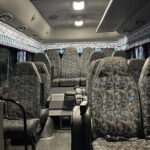
Siem Reap heat is real, and this tour works around it. The day includes air-conditioned transfers from your address, plus water and cold towels during the temple stops.
That cooling part matters more than it sounds. Angkor days can stack up fast—walking, waiting, and climbing—so having cold towels and water as you move between sites helps you reset instead of just sweating through the schedule.
Comfort also shows up in the basics. Proper uniform and the emphasis on comfortable shoes (and sunscreen) are exactly what you want on a temple route that includes early and late sun.
Angkor Wat Sunrise: When Timing Beats Anything Else
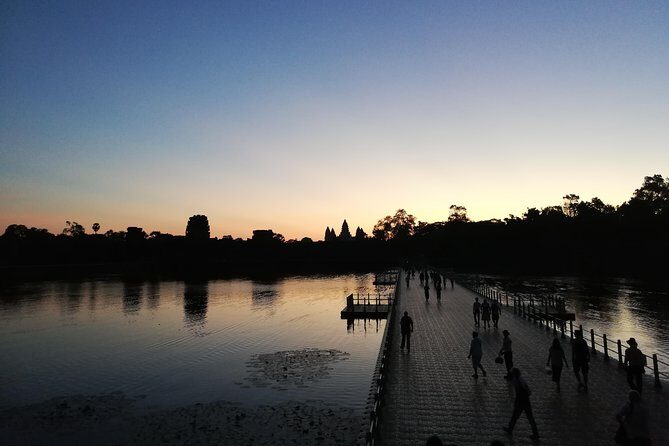
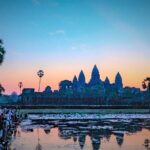
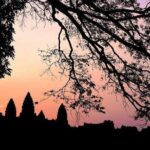
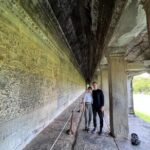
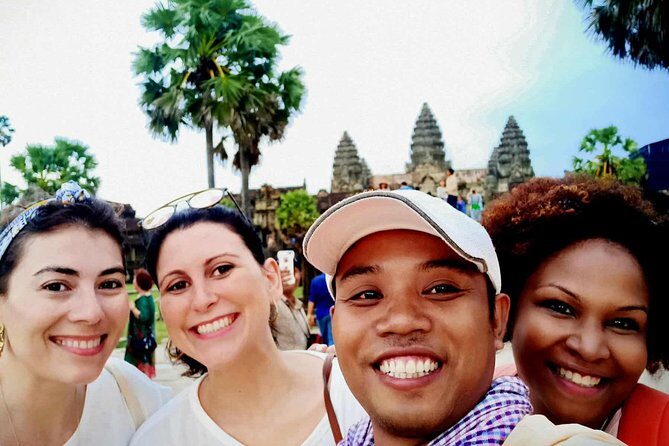
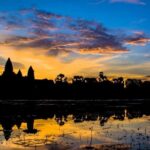
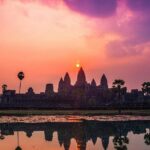
The day starts with Angkor Wat, with a focus on sunrise. You get about 3 hours here, and the experience is described as temple silhouettes reflecting on lotus ponds—an iconic image, and one reason sunrise days are so popular.
Yes, sunrise can mean an early wake-up. The schedule can vary by day, but I’ve seen guests note a very early start such as a 4am wake-up call—so don’t assume this is a normal late-morning outing. If you want sunrise, plan for it.
Practical takeaway: if you hate standing in lines and heat, sunrise is your friend. You’re getting a head start before the day fully ramps up.
And because it’s private, you’re not stuck watching from the edges. You can move with your guide’s guidance so you spend time looking instead of figuring out where to stand.
Angkor Thom South Gate and Bayon’s Face Towers
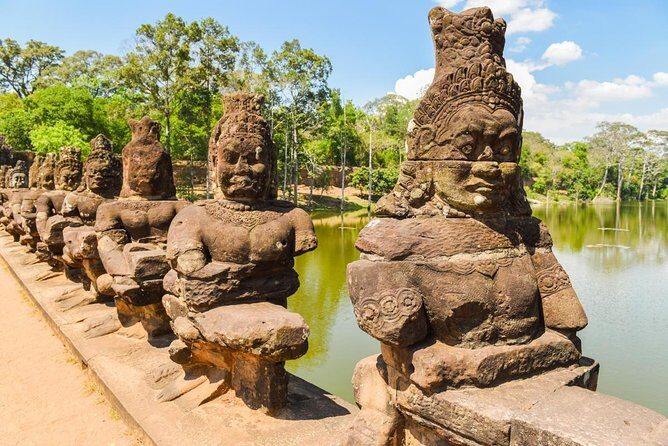
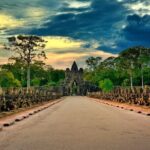
After Angkor Wat, you head to Angkor Thom’s South Gate for about 30 minutes. This gate is known for its grand stone entrance lined with gods and demons holding a Naga—a scene that’s easy to miss if you only glance while walking.
That short stop is a smart move. It keeps the day moving, but still gives you a focused moment at one of Angkor’s dramatic entry points.
Then comes Bayon for about 1 hour. Bayon is famous for its many stone towers carved with mysterious smiling faces, and this is where you’ll want to slow down. The whole point of including Bayon in this route is the visual rhythm—each angle shows a new layer of expression and stone detail.
If you care about photos, this is the part where a good guide helps most. Bayon’s faces are a natural magnet for your camera, but you still need to know where to position yourself to get the effect without constantly shuffling.
Baphuon and the Giant Buddha Behind the Carvings
Baphuon is a different kind of stop. You’ll spend around 1 hour here, and the focus is on how the temple was modified over time—converted into a Buddhist temple, with a giant Buddha behind carvings.
This is one of those “read the stones” moments. The tour description highlights learning from a local guide, and that’s where context helps you understand what you’re seeing rather than just counting features.
There’s also a practical break built around this stop. You’ll get lunch at a nearby local restaurant (lunch itself is not included in the tour price). In plain terms: you’re not dragging your day through temple-to-temple without food options.
A detail I like: one guest said the lunch spot was a nice quiet place to eat. Even if your restaurant stop differs, having a planned break beats hunting for something on your own.
Other private tours in Siem Reap

Ta Prohm’s Tree Roots and the Dramatic Jungle Look
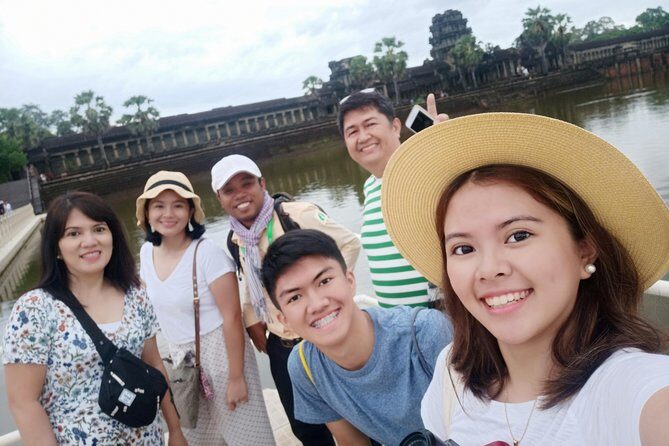
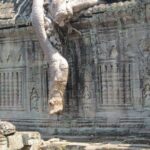
Next is Ta Prohm for about 1 hour. Ta Prohm is known for giant tree roots entwined with ancient ruins, creating a jungle-style drama right on the temple grounds.
This stop is a balance after the more structured Angkor Wat and Bayon shapes. Ta Prohm feels more organic, with roots and masonry working together like nature is part of the design. That contrast is exactly why it belongs in a single-day loop.
Potential drawback: this kind of stop can take longer to feel “done,” because you’ll want to keep looking up and around. If your group wants a faster pace, tell your guide at the start. This is a private tour, so you can shift how long you linger.
Pre Rup Pyramid Views Before You Head Back
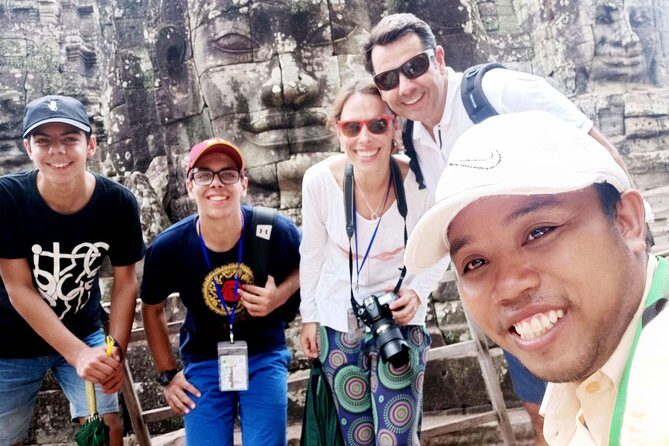
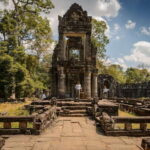
The final listed temple stop is Pre Rup, also about 1 hour. Pre Rup is described as a pyramid temple with very nice views, and this is a great closing act because it usually feels like the day’s last big panorama.
If you’re the type who likes a “wrap-up viewpoint,” Pre Rup fits. It gives you a final chance to take in the broader sense of the Angkor area before the day ends.
Then you return to the meeting point. The tour is structured as a full loop back where you started in Krong Siem Reap.
Where Banteay Srei Fits In (If Your Guide Builds It In)
The tour overview calls out Banteay Srei for its pink carvings. Even though the core timed stops are clearly laid out, the experience is marketed as customizable, so your guide may adjust which nearby temples get time.
If Banteay Srei is important to you—especially for the color and carving style—bring it up early. A good guide can help you decide how to trade minutes so you don’t end up rushing through the parts you care about most.
Also remember: any extra temple stop usually means more walking and more sun exposure. The tour already includes air-conditioned transfers and cooling items, but it still helps to think about what kind of pace you want.
What You Really Pay For: Passes, Lunch, and Tips
The price is $49, and what you get is solid: an English-speaking guide, air-conditioned vehicle, and water and cold towels. That’s the core value.
What’s not included is the big cost variable: the temple pass. The description also lists lunch as not included, even though lunch is arranged at a local restaurant during the day.
Tips for your driver and tour guide are also not included. In other words, your day isn’t all-in at the checkout page—you’ll want to budget for at least the pass and lunch, then decide on gratuities based on your experience.
If you want a smooth day financially, do this small planning step: set aside cash or payment for the temple pass and lunch before you go.
Guide Quality Makes a Huge Difference on Temple Days
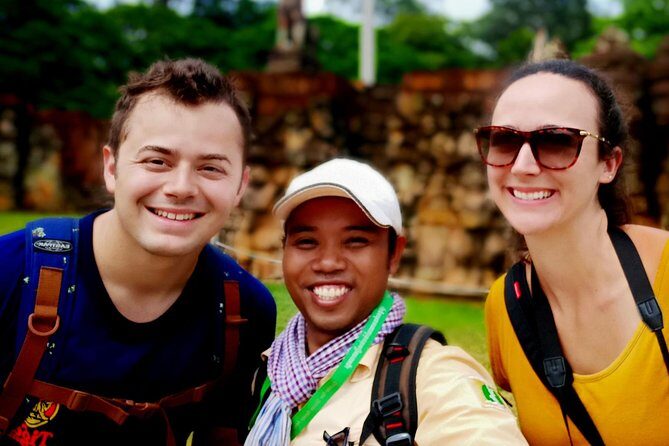
This is where private tours tend to shine, and this one leans hard into guidance. Guides are described as explaining history and keeping guests informed about what to look for.
Names you might run into include Rain, Jaek, and Chek, and one driver mentioned by name is Sopheak. You don’t choose your exact match from the data you see up front, but it’s a good sign when multiple staff members earn praise for clarity and day-of problem solving.
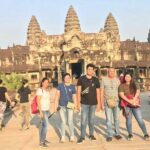
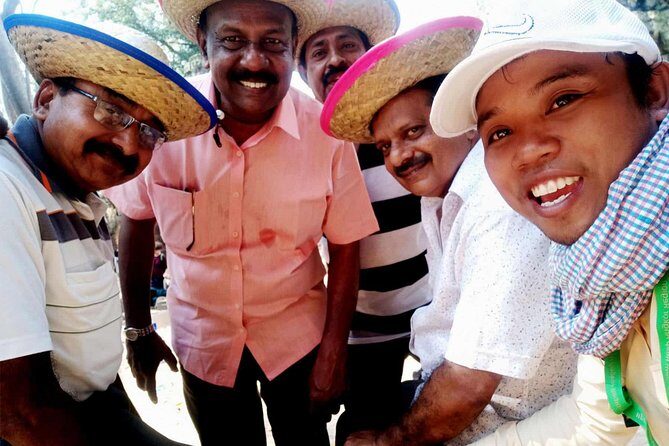
Practical example from guest notes: there’s mention of guides taking photo help, and also helping families move at the right speed. One family-focused note said the guide knew paths that help avoid crowds while still hitting the key parts—and that water and cool clothes arrived after stops.
That combination—explanation plus pacing—is what turns Angkor from a list of buildings into a story you can actually track.
Should You Book This Private Angkor Wat Tour?
Book it if you want an Angkor day that’s guided, private, and temperature-aware. The air-conditioned transfers, water, and cold towels make the schedule feel more doable, especially if you’re squeezing Angkor into limited time.
I’d also book this if Bayon and Ta Prohm are on your must-see list. Those stops are the visual heart of the route: the face towers and the tree-root ruins give you the kind of photos people don’t forget.
Skip or rethink it if you dislike early departures for sunrise. The plan includes sunrise at Angkor Wat, and some guests note very early wake-ups like 4am. If sunrise timing doesn’t fit your energy level, you might still consider other Angkor options that match your pace better.
FAQ
FAQ
How long is the Private Angkor Wat tour?
It runs about 6 to 8 hours, with specific temple time blocks that include a long visit to Angkor Wat and shorter stops at other sites.
What’s included in the tour price?
You get an English-speaking tour guide, an air-conditioned vehicle, and water plus cold towels.
Is the temple pass included?
No. The temple pass is at your expense.
Is lunch included?
Lunch is not included in the tour price. A lunch stop is planned at a nearby local restaurant during the day.
What time does the tour start, and do I need to wake up early?
The start time is listed as 8:00 am, and the plan includes sunrise at Angkor Wat, which may require an earlier departure. Your exact start will be confirmed at booking.
Is free cancellation available?
Yes. You can cancel for a full refund up to 24 hours in advance of the experience start time. If weather is poor and the tour is canceled, you’ll be offered a different date or a full refund.