REVIEW · SIEM REAP
Siem Reap: 1-Hour Cambodian Buddhist Water Blessing
Book on GetYourGuide →Operated by Beyond. Unique Escapes · Bookable on GetYourGuide
A one-hour ritual can change your whole mood. In the countryside just south of Siem Reap, I like how this Buddhist water blessing feels personal but still deeply traditional, and I like that you get a clear explanation right before you start. You’ll hear monks chanting good luck and long life, choose between two blessing styles, and leave with red wrist ties that mark the blessing you received.
The biggest practical thing to know: you may get a lot wetter than you expect, especially if you select the longer water-pouring option. If you’re sensitive to water, cold surprises, or tight timing, plan for that reality up front.
In This Review
- Key Things You’ll Notice
- Reaching Wat Arang Pagoda: Past the Usual Angkor Loop
- The Ceremony Itself: What Monks Are Doing During the Water Blessing
- Two Blessing Options: Light Sprinkling vs. the Longer Head-Pouring Ritual
- Option 1: Chanting and a Light Water Sprinkling
- Option 2: A Longer Ritual with Blessed Water Poured Over Your Head
- The Sarong Moment: Dressing for Respect (and for Staying Comfortable)
- The Included Market Visit: A Real-Life Cambodia Bonus
- Your English-Speaking Guide: The Real Secret Ingredient
- Value for $37: What You’re Paying For (and What You’re Not)
- Timing and Comfort in Siem Reap Heat
- Who Should Book This (and Who Might Skip It)
- Final Thought: Should You Book the Wat Arang Water Blessing?
- FAQ
- How long is the Cambodian Buddhist water blessing experience?
- What does the water blessing involve?
- Do I get help from an English-speaking guide?
- Is there a sarong provided for the ritual?
- Is a market visit included?
- What is included in the price?
- What should I bring?
Key Things You’ll Notice
- Wat Arang Pagoda in the countryside, a working place of worship instead of a staged show
- Two blessing styles: a lighter sprinkling option or a longer ritual with blessed water poured over your head
- You’ll change into a sarong, especially for the longer ritual, to help keep your clothes dry
- Monk chanting plus meaning, with an English-speaking guide to walk you through what’s happening
- Red wrist ties at the end, a simple visual reminder of the blessing
- Included market visit that adds everyday local life before or after the ceremony
Reaching Wat Arang Pagoda: Past the Usual Angkor Loop
Siem Reap is famous for temples, but this is a different kind of visit—one that’s tied to daily spiritual life. The blessing happens at Wat Arang Pagoda, located in the countryside just south of town. You’re not spending the day chasing ruins; you’re going to a functioning pagoda where monks live and perform rituals.
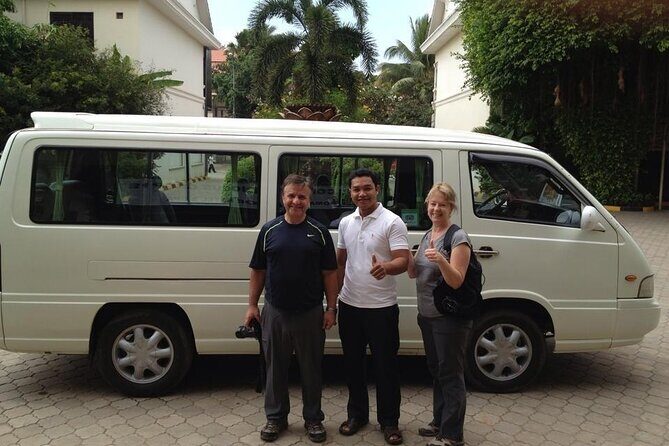
From Siem Reap, you’ll ride by tuk-tuk with hotel pickup. That matters because the heat and traffic can turn “a short trip” into a slog. With a driver handling the route, you can focus on the experience rather than logistics.
Once you arrive, the tone shifts quickly. You’ll have a guide speaking English who explains the process so you know where to stand, what to do, and when to prepare for water. This is one of the most important parts of the whole tour—if you go in unsure, it’s easy to feel self-conscious. With guidance, you can actually participate.
If you're still narrowing it down, here are other tours in Siem Reap we've reviewed.
The Ceremony Itself: What Monks Are Doing During the Water Blessing
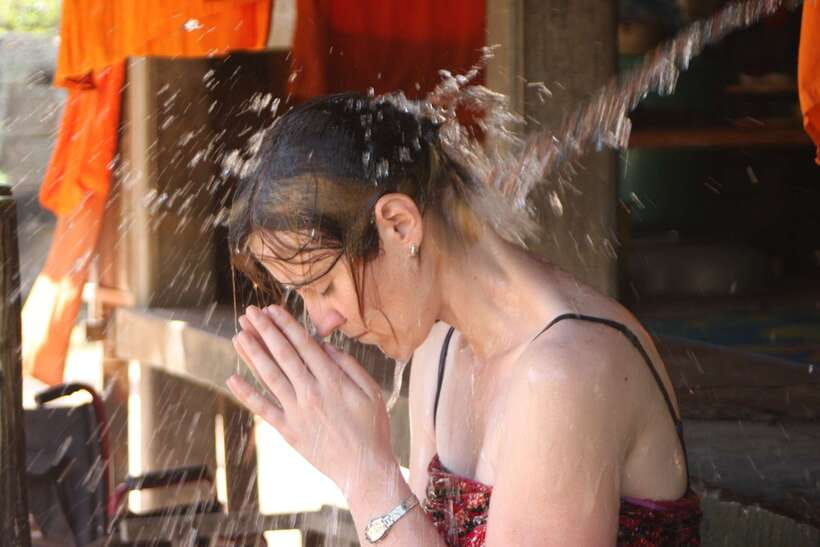
This is a Buddhist water blessing experience designed to be shared with visitors, but it’s still rooted in the ritual behavior monks perform. During the ceremony, monks chant harmoniously as part of the blessing. The guide’s role is to help you understand the basic purpose, so you’re not just watching and waiting.
You’ll also get specific cues for the ritual moments. The chanting is paired with the water blessing, and the guide will tell you what to do with your hands, your posture, and your attention. A couple of guides are known for being very clear about the order of events, which makes a big difference when the ritual involves multiple steps.
At the end, you receive red ties on your wrist. These red ties aren’t just a souvenir. They’re tied to the blessing you took part in, so you’re leaving the pagoda with a meaningful marker that the ritual happened—not just a photo moment.
Two Blessing Options: Light Sprinkling vs. the Longer Head-Pouring Ritual
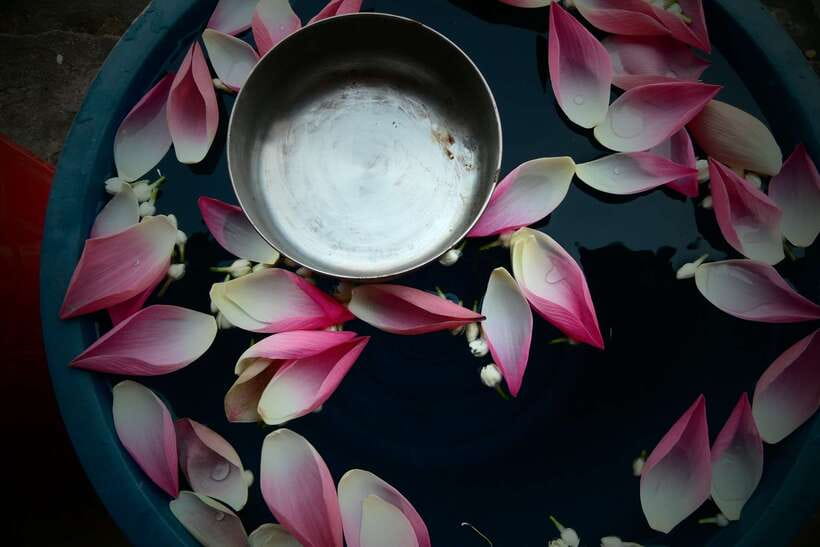
This tour stands out because you’re offered two distinct ceremony styles. The booking description says you can choose between them, and that choice affects both how you feel during the ritual and how wet you’ll get.
Option 1: Chanting and a Light Water Sprinkling
This version starts with monks chanting good wishes for you. You’re typically accompanied by a light sprinkling of water as the chant goes on—more symbolic, more gentle, less likely to soak you through. It’s a good pick if you want the meaning and the experience without the physical shock of heavy water.
Even with the lighter style, the atmosphere can feel serious and calm. You’re there to receive a blessing, not to rush through it.
Option 2: A Longer Ritual with Blessed Water Poured Over Your Head
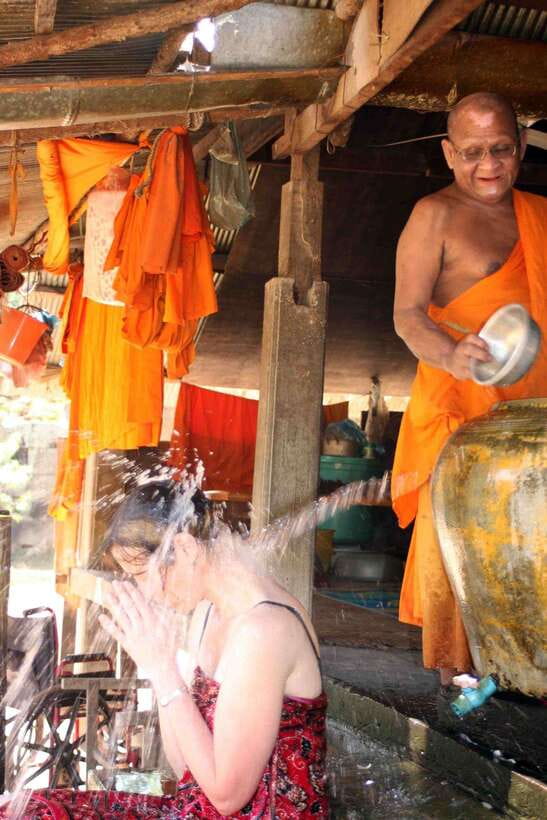
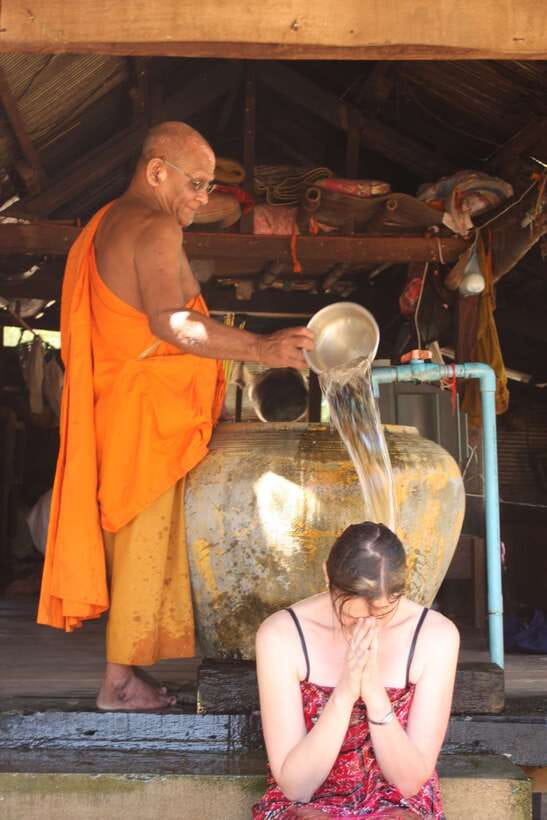
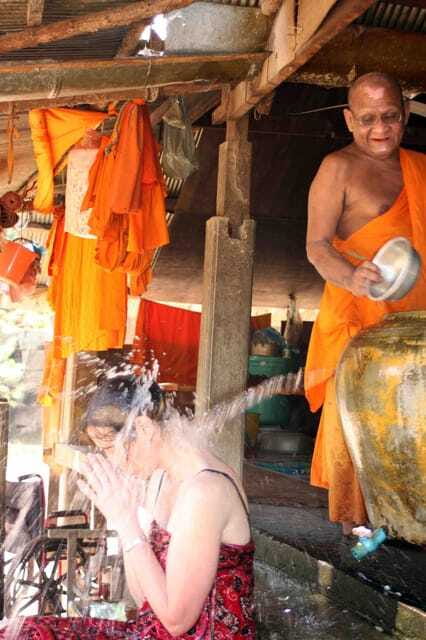
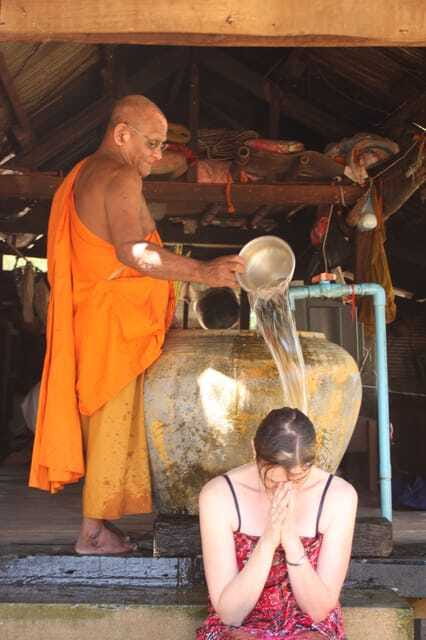
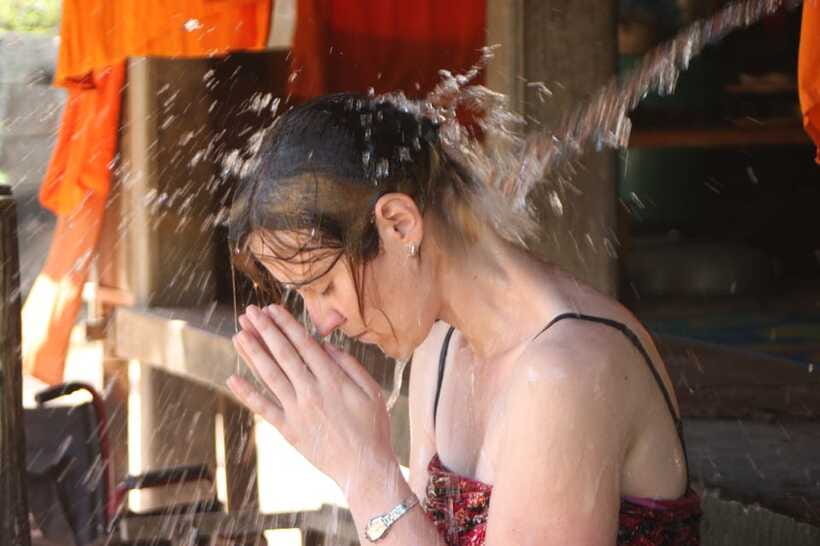
The second option is longer and more intense. It involves vessels of blessed water being poured over your head while the monks chant. This is where you should expect a bigger change in how you’ll feel—cool water, sudden wetness, and a stronger sense of “participating” with your whole body, not just your attention.
To help keep your clothes dry, you’ll be provided a sarong to change into for this longer ritual. Some people also suggest bringing extra underwear, and if you have long hair, you might want to plan for how you’ll dry off afterward. A towel may be provided, but don’t assume it will handle everything for you.
Also, one practical note: chanting can be hard to hear at moments because of water noise. The guide can help you follow along, but if your priority is clearly hearing every word, keep your expectations realistic.
The Sarong Moment: Dressing for Respect (and for Staying Comfortable)
The tour includes a sarong, and it’s not just a “costume.” It’s part of the ceremony protocol and a practical tool. You change into the sarong especially for the longer ritual, so you can keep most of your clothing dry and focus on receiving the blessing.
This matters more than you’d think. If you show up in something that you’re afraid to get wet, you’ll spend the whole ceremony thinking about your clothes. With the sarong, you can let the experience be the experience.
For the most comfortable day, wear practical clothing that you’re okay with getting a bit damp around the edges—even with the sarong. And if you’re picking the longer ritual, consider simple planning: extra underwear, and something easy to wear afterward when you head back to Siem Reap.
The Included Market Visit: A Real-Life Cambodia Bonus
After (or sometimes before) the pagoda time, you get an included market visit. This is a valuable add-on because it shifts you away from “temple-only” tourism. You’ll see how locals buy everything from food ingredients to daily items, and you’ll get explanation from your guide about what you’re seeing.
This part helps the ceremony make more sense. It reminds you that monks and rituals are part of a living community. It also turns the day into more than one short ritual—so even if the blessing itself is relatively short, your overall experience feels fuller.
Guides often take photos and video during the blessing and then use that time (and time after) to show you the grounds and explain what’s happening. That’s one way the market stop feels connected: you’re learning Cambodia as a culture, not just checking off a religious activity.
Your English-Speaking Guide: The Real Secret Ingredient
This tour is built around an English-speaking guide, and that’s a big deal here. A ritual like this runs on timing and small instructions. When your guide explains what to do right before it begins, you don’t freeze up, and you can actually stay present.
Some guides are known for being very hands-on with explaining the process and answering questions. For example, Mr. Sokha is praised for clearly walking through the steps and even translating what the monk says afterward. Lee is also repeatedly mentioned for being well spoken, polite, and informative—and for taking lots of photos while you’re being blessed.
Even if you don’t have questions in the moment, the explanation helps you relax. You stop worrying what’s expected and start paying attention to the chanting, the water, and the calm atmosphere.
Value for $37: What You’re Paying For (and What You’re Not)
At $37 per person, this isn’t a “budget” activity for Siem Reap. But it also isn’t overpriced if you look at what’s included and what kind of access you’re getting.
You receive:
- Tuk-tuk transfer plus pickup
- An English-speaking guide
- A sarong for the ritual
- A donation to the pagoda
- A market visit
That package is doing real work. You’re not just buying a bucket of water and a photo. You’re paying for a structured experience that includes interpretation, respectful guidance, and access to a working pagoda setting. The donation is also part of the value because it supports the monastery environment.
That said, one thing to be honest about: the blessing itself takes time, but it’s not a full-day immersion event. If you expect a long ceremony with constant storytelling for hours, you might find the total length doesn’t match that mental picture. In that case, the best match is to treat the day like a focused spiritual stop plus a local market glimpse, not a half-day replacement for a temple tour.
Timing and Comfort in Siem Reap Heat
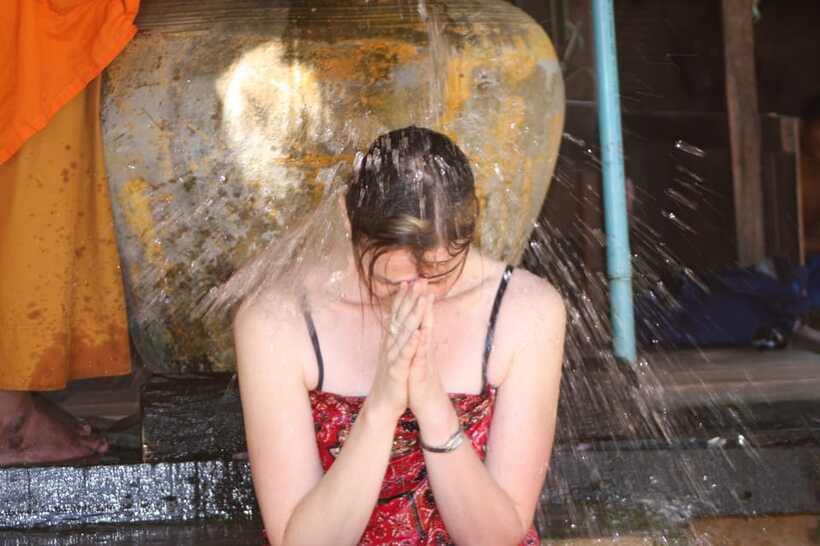
This is a practical tour length—about two hours total. Within that, you get the blessing time plus the rest of the experience. That short duration is a plus in Siem Reap because mornings and afternoons can feel intense in the sun.
But because the tour involves water and changing clothes, comfort planning matters. Here’s what I’d do if I were packing:
- Choose clothes you can handle getting damp around the edges
- Bring an extra layer you’ll be comfortable in after the ritual
- Think about hair and how you’ll dry it if you go with the longer option
- Bring a small towel if you’re picky about drying off (a towel may be provided, but personal preference varies)
If you’re sensitive to noise, remember water can mask the chanting in parts. The ritual is still meaningful even if you can’t hear every word.
Who Should Book This (and Who Might Skip It)
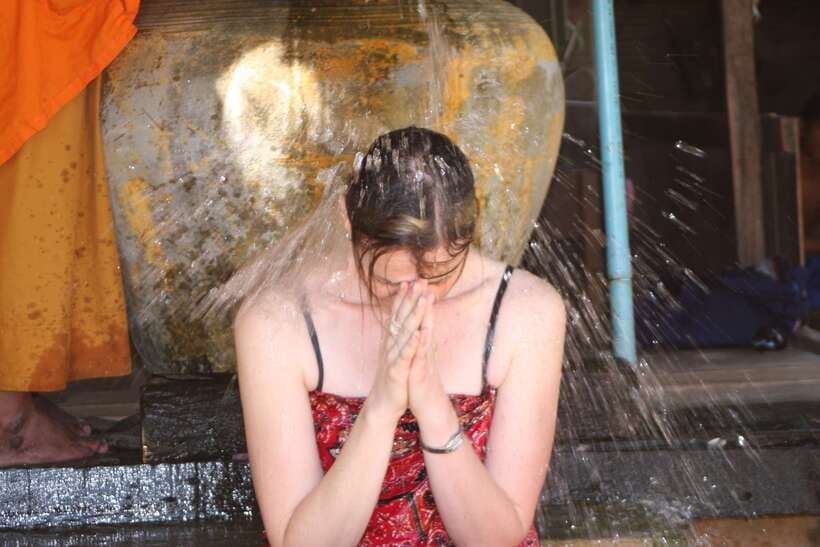
I’d recommend this tour if you want something beyond Angkor that feels local, structured, and meaningful. It’s a great fit for:
- People who enjoy cultural rituals and want context, not just sightseeing
- Visitors who want a functioning temple experience, not a staged performance
- Anyone who likes learning spiritual practices through explanation and participation
- Travelers who appreciate a guide who takes photos and helps you navigate what to do next
You might skip or choose the lighter sprinkling option if:
- You strongly dislike getting wet
- You want to control every minute and hate “not sure what happens next” moments
- You need a longer, more explanation-heavy experience than a two-hour window provides
Final Thought: Should You Book the Wat Arang Water Blessing?
If your Siem Reap plan has room for one calm, unique ritual day, I think this is a smart booking. For the price, you’re getting more than a ceremony—you’re getting local access, an English guide who explains the steps, and an included market stop that makes the day feel tied to real life around the pagoda.
Book it if you’re curious and okay with the idea that the longer blessing can get you seriously wet. If you want the gentler version, focus on the light sprinkling option and let the guide know your comfort level before the ceremony begins.
FAQ
How long is the Cambodian Buddhist water blessing experience?
The overall tour duration is listed as about 2 hours, with the water blessing experience described as a 1-hour blessing at Wat Arang Pagoda.
What does the water blessing involve?
You’ll take part in a Buddhist water blessing led by monks. Depending on the option you choose, it can include light sprinkling while monks chant, or a longer ritual where blessed water is poured over your head.
Do I get help from an English-speaking guide?
Yes. The tour includes an English-speaking guide who explains what to do during the ceremony and supports you during the experience.
Is there a sarong provided for the ritual?
Yes. You’ll be provided with a sarong to change into, especially for the longer ritual, to help keep your clothing dry.
Is a market visit included?
Yes. A market visit is included as part of the tour.
What is included in the price?
Included items are English-speaking guide, tuk-tuk transfer, sarong, donation to the pagoda, and the market visit.
What should I bring?
The tour provides a sarong, and the included experience involves water. Based on past guidance from participants, it can help to bring extra underwear if you’re selecting the longer, wetter ritual option, and plan for getting wet.