REVIEW · SIEM REAP
Siem Reap: Kompong Phluk Floating Village Half-Day Tour
Book on GetYourGuide →Operated by Siem Reap Shuttle · Bookable on GetYourGuide
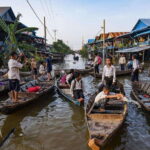
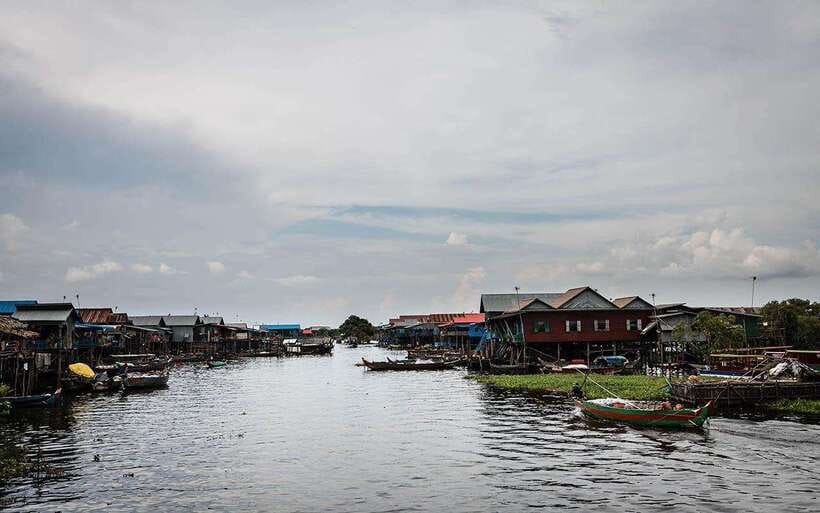
Floating villages look different from a boat. In Kompong Phluk, you cruise stilt homes, mangroves, fish farms, and rice paddies, with real village life in the mix and time for photos on the way.
I like that you start on land at the Ro Lus Market, so the day has context before you hit the water. I also like the tour guides, with standout English-speaking guides such as Nara, Lok, Ry, and Pip who explain daily life and Cambodian culture clearly.
One thing to consider: the flooded-forest rowing boat is optional, costs extra, and the ground can be rough in places.
In This Review
- Key things that make this tour worth your time
- Kompong Phluk by Boat: Why This Half-Day Feels Grounded
- Getting From Siem Reap: Pick-Up Windows and a Real 6-Hour Plan
- Ro Lus Market: The Best Warm-Up Before You Board
- Wat Damnissimraram: A Quick Pagoda Stop That Adds Context
- Kampong Phluk Village on Stilts: Motorboat Time Is the Main Event
- Dry season vs rainy season: what changes?
- Tonlé Sap Break and Boat Cruise: Lake Views With a Lay of the Land
- The Floating Café Stop and Sunset Timing
- Optional Flooded-Forest Rowing Boat (Oct–Jan): Worth the $5?
- Transportation Comfort and Small Details That Matter
- What to Bring (and What to Skip)
- Price and Value: Is $24 a Good Deal?
- Who Should Book This Kompong Phluk Tour
- Who should think twice
- Should You Book This Tour?
- FAQ
- How long is the Kompong Phluk floating village half-day tour?
- What is included in the $24 per person price?
- Is the flooded-forest rowing boat included in the tour price?
- When is the flooded-forest rowing boat available?
- What time does the pickup happen for the morning and afternoon tours?
- Do I need to bring cash?
- Is this tour suitable for young children?
- Is the tour wheelchair-friendly?
- What is the cancellation policy?
Key things that make this tour worth your time
- Ro Lus Market first: you get local rhythm before the boats
- Motorboat views of stilt homes: villages from the water, not from a distance
- Mangrove setting + safety gear: life jackets and clear briefing before you go
- Tonlé Sap break + photo stops: lake scenery and perspectives of water life
- Optional flooded-forest canoe (Oct–Jan): extra cost, big change in scenery
- Small group (up to 10): easier pace for photos and questions
Kompong Phluk by Boat: Why This Half-Day Feels Grounded
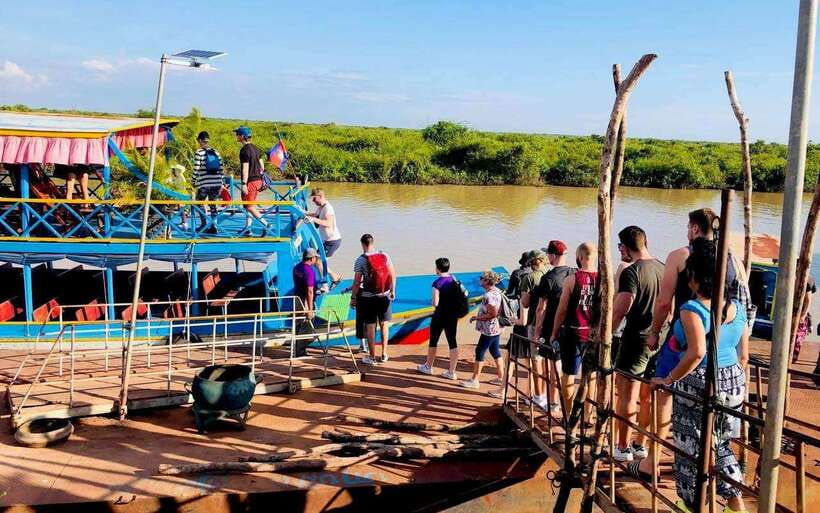
This is the kind of tour where the “floating village” label is only the headline. What you’re really seeing is how people live with water as the normal setting—houses on stilts, daily routes by boat, and a landscape shaped by Tonlé Sap and seasonal flooding.
I also like the structure. You don’t just ride around and call it done. You get land stops first (market and pagoda), then boat time, then lake views at the end—so your brain has a map of what you’re looking at.
And yes, it’s scenic. But the stronger payoff is the human adaptation: courage, routine, and community life—delivered in everyday terms by guides who know the area.
If you're still narrowing it down, here are other tours in Siem Reap we've reviewed.
Getting From Siem Reap: Pick-Up Windows and a Real 6-Hour Plan
Kompong Phluk sits about 30 kilometers southeast of Siem Reap. Your half-day schedule is built around a full circuit: travel time, multiple stops, and boat segments with enough breathing room to take photos in heat.
Pickup runs in two blocks depending on your departure:
- Morning tour: you’ll be ready around 7:45 AM, with pickups starting from 7:40 to 8:10
- Afternoon tour: you’ll be ready around 1:45 PM, with pickups starting from 1:40 to 2:10
The key detail: the vehicle leaves the office at 8:30 AM for mornings and 2:30 PM for afternoons. If you want the smoother start, plan to be waiting at your hotel a few minutes early.
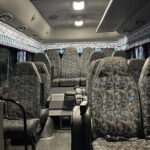
You ride in a high-quality A/C vehicle with a licensed driver, and cold bottled water plus cold face towels are included. That matters in Cambodia’s heat—especially if you’re doing a market stop early.
Ro Lus Market: The Best Warm-Up Before You Board
The tour starts with a stop at Ro Lus Market. This is a photo stop and guided visit that usually runs about one hour, giving you time to look closely at what people buy and use day to day.
Why it helps: it turns the rest of the day from “tourist sight” into “understandable routine.” You’ll likely notice how food, snacks, and daily needs fit into the bigger picture of water life and local supply routes.
A practical tip: bring cash. The tour data specifically suggests cash, and markets tend to be where you might want small purchases or snacks.
Wat Damnissimraram: A Quick Pagoda Stop That Adds Context
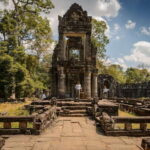
After the market, you’ll visit វត្តធម្មិស្សរារាម (a pagoda), with a short 10-minute pass-by and photo stop. It’s not a long worship visit, but it gives you cultural footing—Cambodia’s spiritual landscape still shapes daily life, even when the “main event” is the floating community.
If you’re photographing, keep it respectful. This is a working place, not a staged set.
Kampong Phluk Village on Stilts: Motorboat Time Is the Main Event
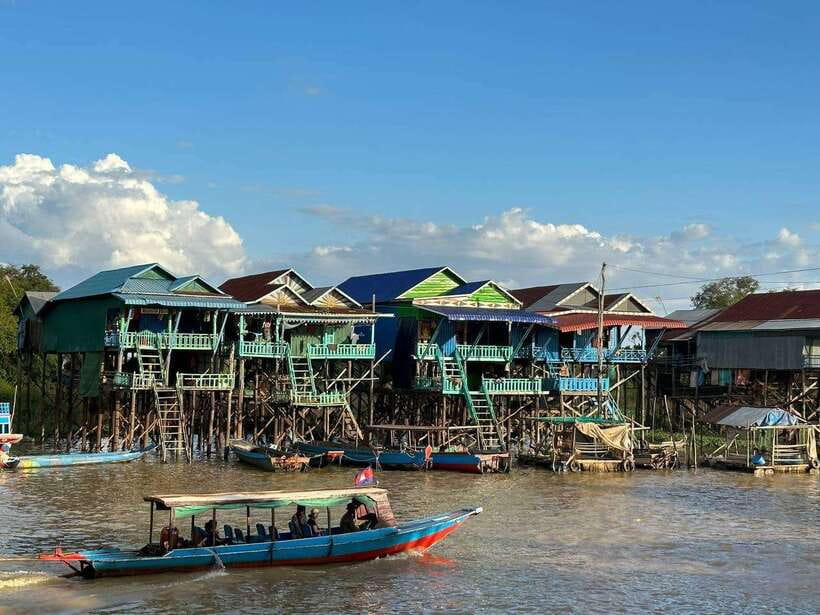
At Kampong Phluk, you’ll get the boat portion of the day: a visit plus a motorized boat cruise (about one hour) with a safety briefing and life jackets provided.
This is where the experience clicks. You see stilted houses from angles you can’t get on shore. You pass through village sections where the mangrove surroundings feel close enough to smell, and you pick up the sense of scale—how big the water-based community is.
The ride is also designed for picture-taking. You’ll have opportunities to frame stilt houses, shoreline activity, and the wider panoramic look over water-adapted farming areas—often described as including floating markets, fish farms, and rice paddies.



Dry season vs rainy season: what changes?
The optional flooded-forest rowing boat is only available October to January, which is when water conditions are right for that kind of route. During other months, you may still see impressive stilt life, but the flooded-forest part won’t be on offer. In practice, your scenery will depend heavily on the month you go.
So if you care most about the flooded-forest atmosphere, plan your visit for Oct–Jan.
Tonlé Sap Break and Boat Cruise: Lake Views With a Lay of the Land

Next you head to Tonlé Sap. This segment includes a break, photo stop, guided visit, and a boat cruise portion of about one hour.
What I like here is the “zoom out” effect. After the village details, Tonlé Sap reminds you that this is a living system—water levels shape where people build, how they travel, and what kinds of food and work are possible.
Even if you’ve never studied flood patterns, the tour guides tend to explain the geography and the lifestyle logic in plain language. Guides I’ve seen praised include Nara, Ry, and Lok, and the theme is consistent: they connect what you’re seeing to why it makes sense.
The Floating Café Stop and Sunset Timing
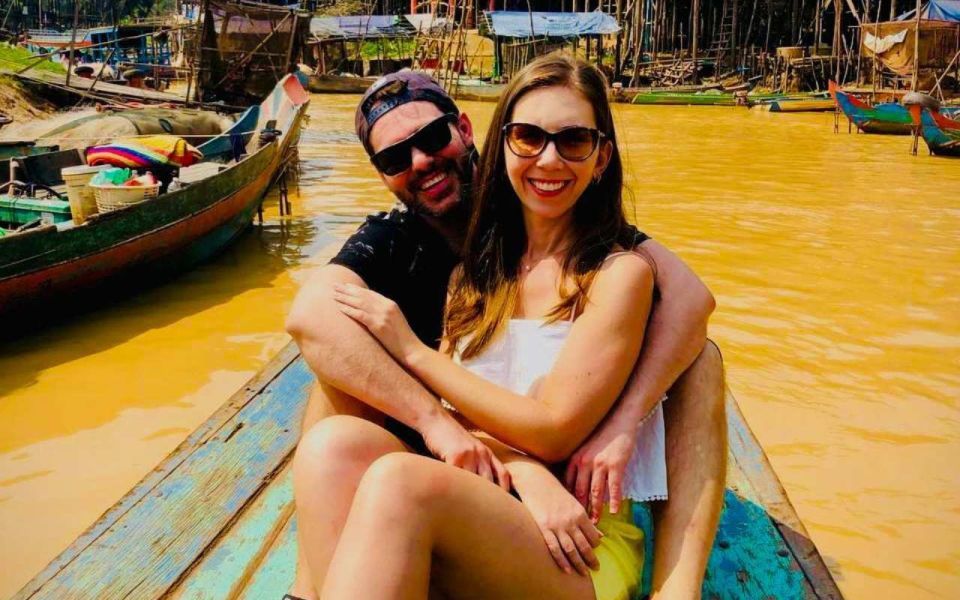
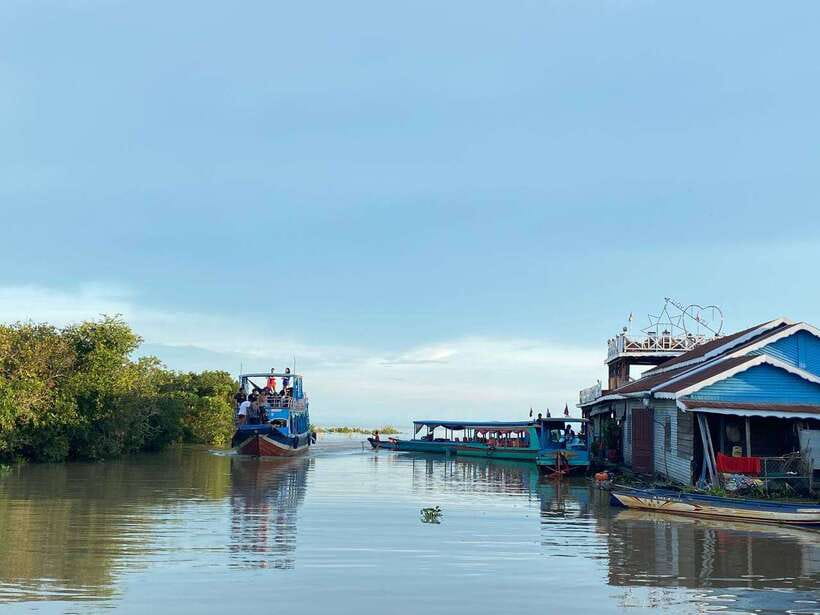
A motorboat stop at a small floating café is part of the experience, and it’s specifically described as a good place to watch the sun go down. If you book the afternoon tour, this is likely the emotional payoff moment: slower boat rhythm, lake light, and a calmer feel right before you return.
One consideration: sunset timing can include some waiting. If the group arrives early or the sun takes its time, you may spend a chunk of time near the café area before the boat goes a short distance toward the best view.
It’s still worth it if you like the idea of ending on a soft note, rather than rushing straight back after sightseeing.
Optional Flooded-Forest Rowing Boat (Oct–Jan): Worth the $5?

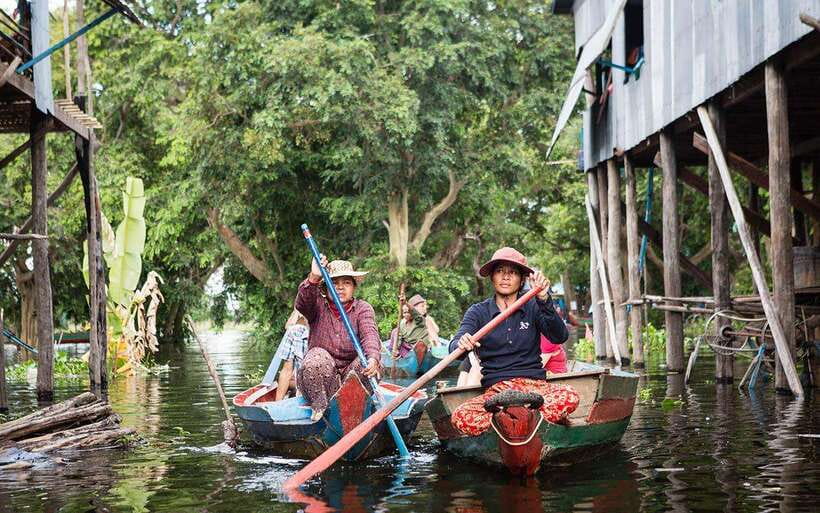
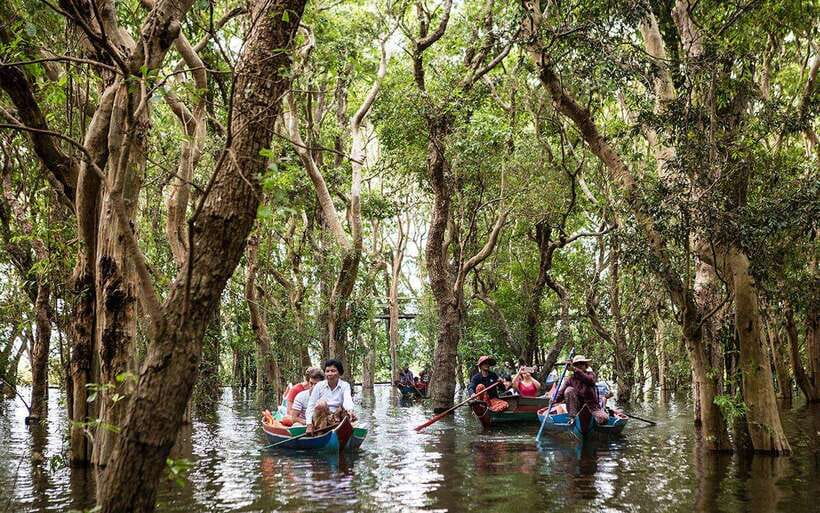
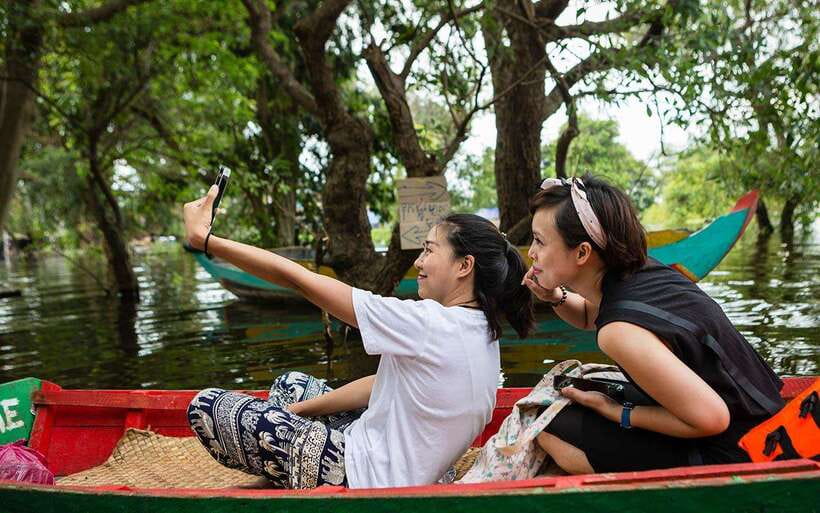
There’s an optional side trip to the flooded forest via rowing boat/canoe, available October to January. It costs USD $5 per person, and it’s not included in the base tour price.
Is it worth it? For many people, yes—because it changes the feel from motorboat-wide views to close-up waterway access through flooded mangrove surroundings. It’s also often the moment where the day’s story turns from “stilt houses” to “flooded pathways and tighter nature corridors.”
If you’re okay paying a little extra, I’d treat this as the upgrade that makes the day feel more special. If you’re on a tight budget, you can still have a strong tour without it.
Transportation Comfort and Small Details That Matter
This tour includes:
- A/C vehicle transport
- Cold face towels and bottled water
- Entrance fees and local taxes
- Life jackets
- Licensed driver and vehicle insurance/liability
- Professional English speaking guide
Small details like towels and bottled water aren’t glamorous, but they help you stay present during the long hot stretches. And life jackets matter on small boats, even when conditions look calm.
One more note from the tour data: the operator states the tour operates in all weather conditions. So expect rain can happen, and it’s smart to wear layers you can tolerate for a few hours.
What to Bring (and What to Skip)
The tour data gives clear packing tips, and I agree with them:
- Hiking shoes (or closed-toe shoes with grip)
- Sunscreen
- Insect repellent
- Cash
You’ll also want to think about what you carry. Pets aren’t allowed, smoking isn’t allowed, and you shouldn’t bring luggage or large bags.
Dress code is comfortable and casual. Think breathable clothing, plus something light for rain if you’re traveling during wetter months.
Price and Value: Is $24 a Good Deal?
At $24 per person, this tour is priced like a budget-friendly way to get real boat time, not just a drive-by. For that amount, you typically receive A/C transport, hotel pickup and drop-off, guide service, entrance fees, and the motorized boat fee.
The optional rowing boat adds $5 per person, and meals are not included. Alcoholic drinks are also not included.
So the value math looks like:
- Base price covers the core experience: transport + guide + market/pagoda context + motorboat cruising + life jackets
- Optional $5 upgrades the scenery if you’re traveling in Oct–Jan
- Food is on you, which is normal for half-day tours
If you want maximum value, plan to bring a plan for snacks or a light meal around the tour window. You’ll get the sightseeing; you’ll just need to supply your own fuel.
Who Should Book This Kompong Phluk Tour
This is a great fit if you:
- Want a half-day experience from Siem Reap with both land and water stops
- Like photo opportunities at markets, pagodas, and lake viewpoints
- Enjoy guides who tell the story in practical terms, not just facts
It’s also a good choice for couples and solo travelers because the group is kept small (up to 10). That usually means more time for questions and better flow for photos.
Who should think twice
This tour isn’t suitable for people with mobility impairments, partly because of uneven surfaces. Also, the shared tour option isn’t suitable for infants or kids under 12. If you’re traveling with younger kids, you’ll need to check what option fits your needs.
If you prefer slow and fully private pacing, the private option can make sense. It’s the same core route, but you may find the experience feels less rushed.
Should You Book This Tour?
If you want a real look at how Cambodian families adapt to life around water, I think this is a strong booking choice. The mix of Ro Lus Market, a cultural pagoda stop, then motorboat cruising through Kompong Phluk, and finally Tonlé Sap lake scenery creates a coherent story in just six hours.
Book it especially if:
- You’re in Siem Reap for a short time and want one high-impact half-day
- You like boat rides with context, not just movement
- You can do the optional flooded-forest canoe during Oct–Jan
Skip or reconsider if:
- You need wheelchair access or have significant mobility limits
- You’re traveling with a child under 12 on a shared departure and can’t switch options
- You dislike extra costs for optional activities (that $5 canoe is easy to skip)
FAQ
How long is the Kompong Phluk floating village half-day tour?
The tour lasts about 6 hours.
What is included in the $24 per person price?
It includes hotel pickup and drop-off, A/C transportation, cold face towels and bottled water, entrance fees, a professional English-speaking guide, motorized boat fees, life jackets, and local taxes.
Is the flooded-forest rowing boat included in the tour price?
No. The rowing boat/canoe to the flooded forest is optional and costs USD $5 per person.
When is the flooded-forest rowing boat available?
It’s available from October to January.
What time does the pickup happen for the morning and afternoon tours?
For the morning tour, pickup begins from 7:40 to 8:10. For the afternoon tour, pickup begins from 1:40 to 2:10. The vehicle leaves the office at 8:30 AM and 2:30 PM sharp.
Do I need to bring cash?
Yes. The tour guidance says to bring cash, and it can help for optional add-ons and small purchases.
Is this tour suitable for young children?
The shared tour option isn’t suitable for infants or kids under 12 years old.
Is the tour wheelchair-friendly?
No. It’s not suitable for people with walking disabilities or those using a wheelchair due to uneven surfaces.
What is the cancellation policy?
You can cancel up to 24 hours in advance for a full refund.