REVIEW · SIEM REAP
Small-Group Explore Angkor Wat Sunrise Tour with Guide
Book on GetYourGuide →Operated by Pitt Angkor Tour · Bookable on GetYourGuide
Angkor Wat sunrise is a serious early morning. This Angkor Wat sunrise tour is built around a guided start at 4:20 am plus a local breakfast, and the English guide gives enough stories and context to make the stone carvings feel personal. The main trade-off: the Angkor 1-day pass is not included (USD37 per person), so you’ll want to budget for that.
I also like how the tour keeps the group size small (up to 10), then packs in the big names without wasting time. You’ll break at Srah Srong for breakfast, then continue through Ta Prohm and Angkor Thom. One practical note: this is a 7-hour plan, so you’ll be on your feet for much of the day.
In This Review
- Key Things That Make This Tour Worth Your Time
- Sunrise at Angkor Wat: The 4:20 am plan that changes the day
- Srah Srong breakfast: A Royal Bath pause you’ll actually enjoy
- Ta Prohm (Tomb Raider Temple): When nature grabs the buildings
- Angkor Thom and Bayon: The 54 towers and 200+ smiling faces
- Pre Rup and the Pink Temple areas: The Hindu-brick side of Angkor
- Small-group flow and the English-speaking guide: Why it feels personal
- Transportation, pickup, and a practical 7-hour schedule
- Price and value: $20 is cheap, but plan for the Angkor pass
- What to know before you go (without the fine print headache)
- Who this tour fits best in your Siem Reap plan
- Should you book this sunrise tour?
- FAQ
- Is Angkor Wat sunrise included with this tour?
- What is included in the price?
- Do I need an Angkor pass?
- What temples are visited during the day?
- How long is the tour?
- Is the guide English speaking?
- What kind of transportation will I use?
- Is free cancellation available?
Key Things That Make This Tour Worth Your Time
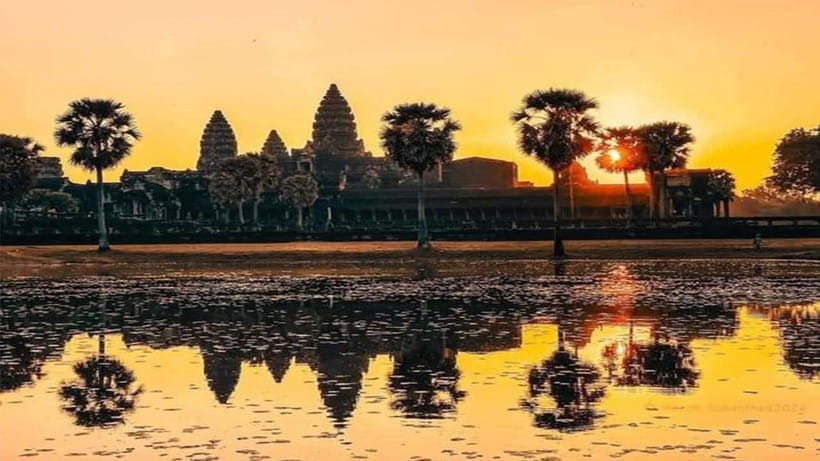
- 4:20 am Angkor Wat start with a guided sunrise visit
- Breakfast near Srah Srong (Royal Bath area) before you move on to the temples
- Ta Prohm’s tree-root ruins (the Tomb Raider Temple vibe)
- Angkor Thom + Bayon Temple faces tied to King Jayavarman VII
- Private-group feel, max 10 travelers, with English-speaking guidance
- Hotel pickup/drop-off and water + towels included for the long morning
Sunrise at Angkor Wat: The 4:20 am plan that changes the day
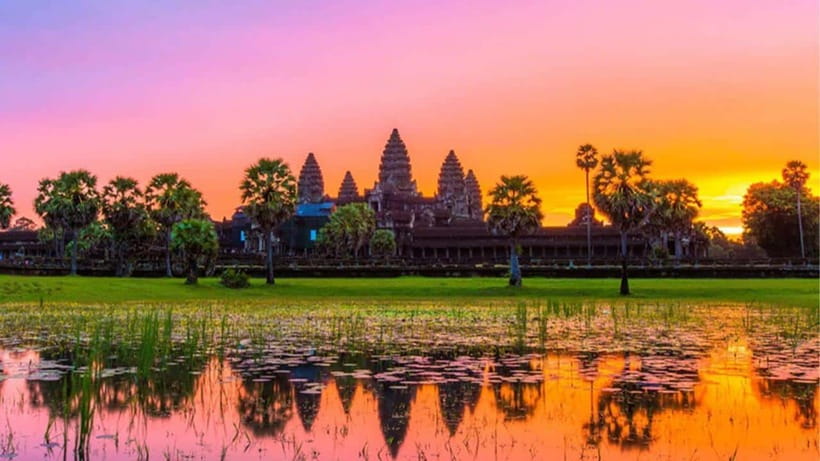
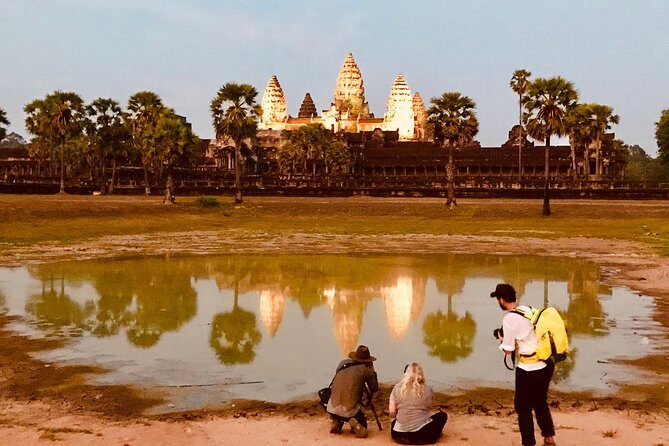
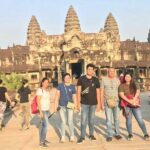
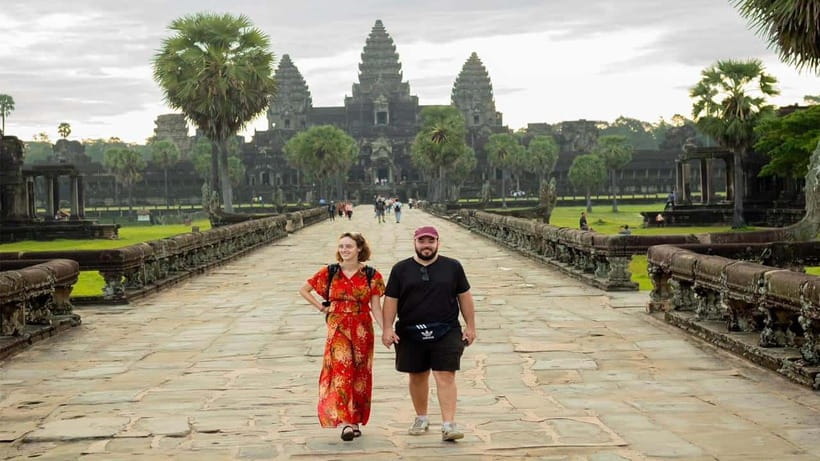
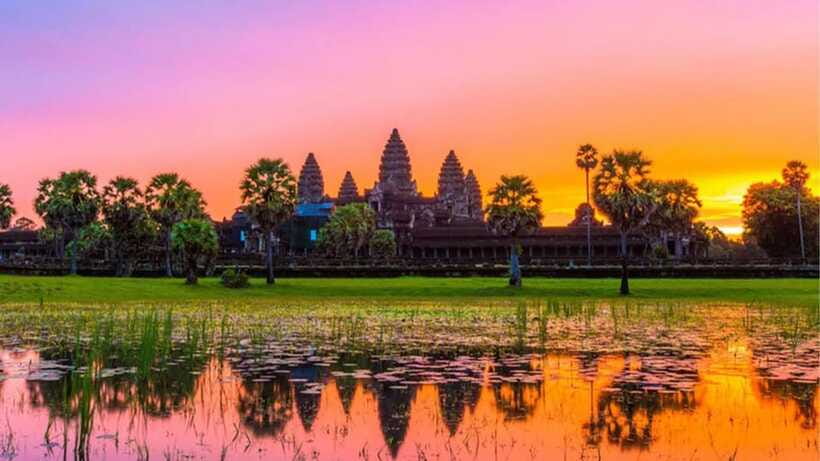
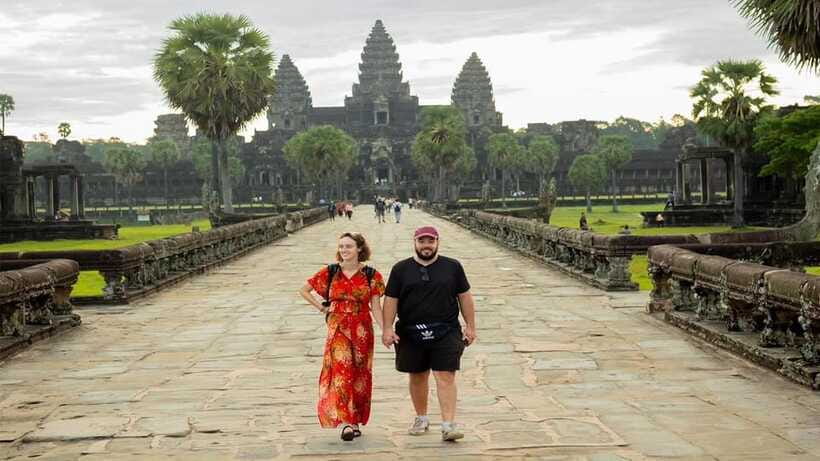
The day begins at 4:20 am, when Angkor Wat is still in that quiet, early-light mood. The tour pairs the sunrise with guided time at the temple (2 hours), which matters because Angkor Wat isn’t just a pretty view—you need a human to point out what you’re looking at.
Angkor Wat is also early-12th-century in origin, and the guide’s job is to connect the architecture and carvings to the bigger story. You’ll spend time at the world’s largest religious monument, but the real value is learning how the details work instead of just snapping photos and moving on.
If you hate early mornings, be honest with yourself here. This is the kind of tour that turns the rest of the day into a bonus, because you’ll already have the main event done by late morning.
If you're still narrowing it down, here are other tours in Siem Reap we've reviewed.
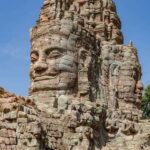
Srah Srong breakfast: A Royal Bath pause you’ll actually enjoy
After the sunrise, you get a break at a local restaurant near Srah Srong. This isn’t just a timing gap to “buy time,” because Srah Srong is known as the Royal Bath, and it gives you a nice cultural reset between massive temples.
The tour includes breakfast as part of the experience, and the schedule gives you about 30 minutes for it. That’s enough time to eat without feeling rushed, which is important because the rest of your morning is still temples-on-temples.
Practical tip: eat like you’ll be walking right after. You’ll be glad you filled up before the next set of stone steps and uneven paths.
Ta Prohm (Tomb Raider Temple): When nature grabs the buildings
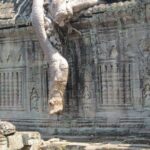
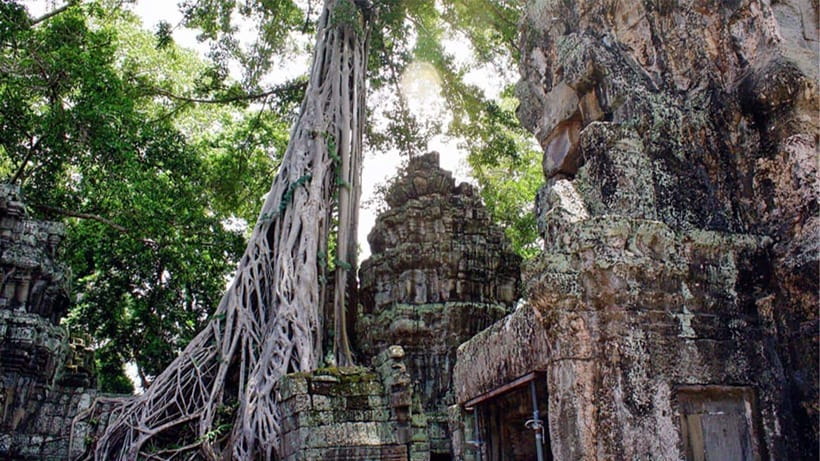
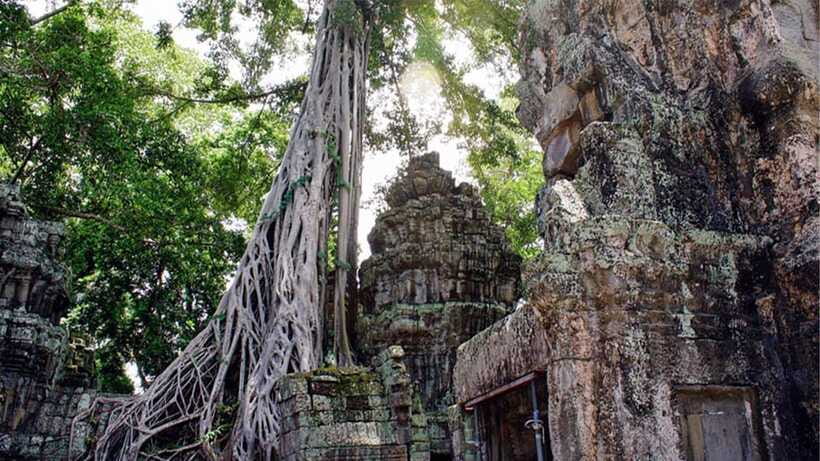
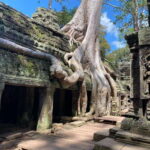
Next up is Ta Prohm, often called the Tomb Raider Temple because of the dramatic way it’s been swallowed by roots. The tour gives you a guided hour here, which is a sweet spot—long enough to see what makes it special, not so long that you get temple-fatigue.
This stop is all about the relationship between architecture and the jungle. You’re looking at a place where massive tree roots push into the structure, creating a weird, beautiful fusion of stone and living growth.
One reason this stop lands well on a guided tour is that Ta Prohm can look like one big “wow” moment from far away, but up close it becomes a puzzle of angles, carvings, and where the roots are pushing through. Having someone explain what you’re seeing keeps the hour from turning into a blur.
Angkor Thom and Bayon: The 54 towers and 200+ smiling faces
Angkor Thom is the last capital of the Khmer Empire, and this is where the tour leans into meaning, not just scenery. You’ll spend about an hour exploring with guidance, and within that time you’ll get to Bayon Temple—the star attraction people come for.
Bayon Temple is famous for its 54 towers and the over 200 smiling stone faces. Those faces are tied to King Jayavarman VII, so the guide’s interpretation makes a big difference. Without that context, you can still appreciate the craft, but with it you understand why the faces are placed where they are and what they were meant to communicate.
This is also a good moment in the day to slow down slightly. The smiles at Bayon aren’t just decorative; the whole design pulls you across the complex. Guided time helps you move with purpose instead of chasing the most photogenic angles.
Pre Rup and the Pink Temple areas: The Hindu-brick side of Angkor
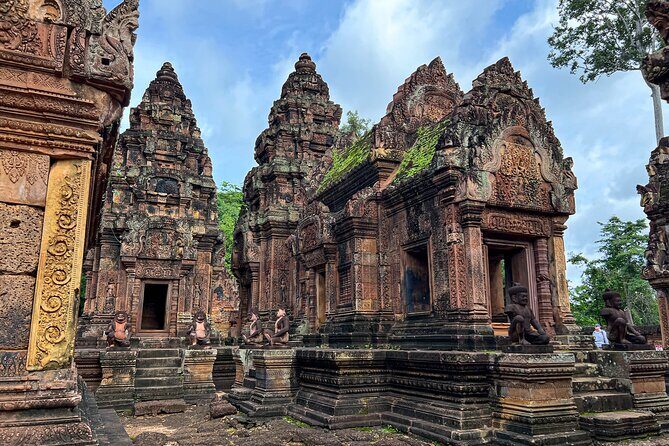
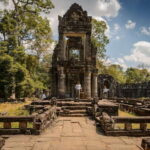
The tour highlights include a look at Pre Rup and the Pink Temple area, which adds variety beyond the most famous names. This matters because Angkor isn’t one style or one era—it’s a whole set of religious and architectural phases, and Hindu-brick landmarks help you see that range.
Even if you’re mainly in Angkor Wat mode, this kind of stop gives your brain a different visual language to process. You shift from the “classic mega-temple look” into something that feels more specific in material and mood.
If you’re the type who likes to compare styles and textures, don’t skip this part just because you’ve already seen other temples that morning. Those extra details are where the trip can start to feel more than a checklist.

Small-group flow and the English-speaking guide: Why it feels personal
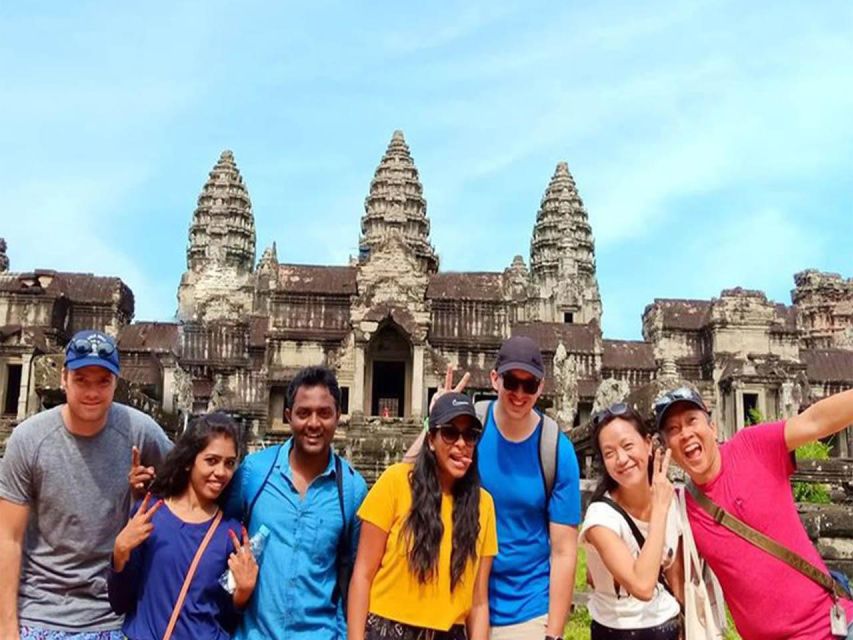
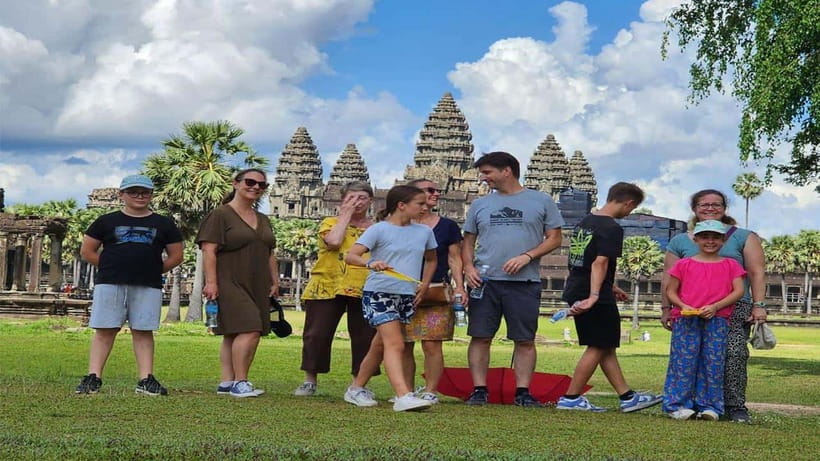
This experience is structured for a small group, with a maximum of 10 travelers. In practice, that usually means less waiting and more time actually inside the temples, where you’ll benefit from guidance.
You’re also getting an English-speaking tour guide, and the quality of commentary is a big deal here. One standout point from past bookings is the emphasis on anecdotes, details, and insight into Cambodian culture—exactly the stuff that turns ruins into a lived-in place.
You’re not just learning “what temple is this,” either. The better guides connect details like faces, carvings, and temple layouts to the people and beliefs behind them. That’s how a sunrise tour stays interesting after the morning photos.
Transportation, pickup, and a practical 7-hour schedule
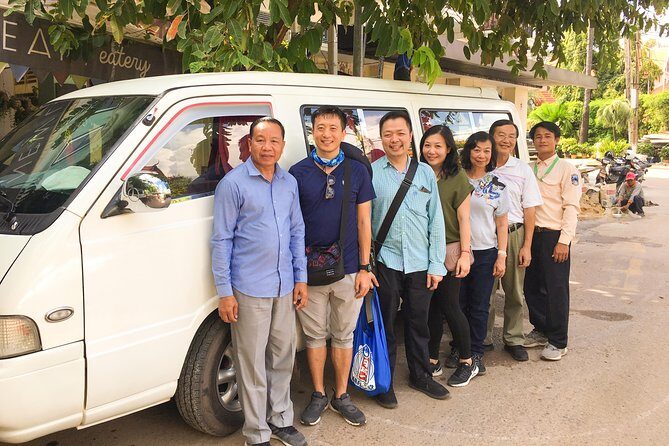
Hotel pickup and drop-off are included, and you’re asked to be ready in the lobby about 10 minutes before your scheduled pickup time. The driver holds a sign with your last name, which is a small thing, but it reduces the usual early-morning confusion.
Transportation is arranged based on group size: a tuk tuk for 1–2 people and a minivan for 3 people or more. The tour also mentions air-conditioned transportation, which is a real value when the day starts cool and later shifts into warmer conditions.
The big advantage of this structure is pacing. You start early, hit multiple major temple zones, and then return to your hotel with everything done in one day. If you’re only in Siem Reap for a short window, a 7-hour plan is often easier than trying to piece together sunrise plus multiple sites on your own.
Price and value: $20 is cheap, but plan for the Angkor pass
At $20 per person for a 7-hour guided tour, this is priced in the “good value” zone—especially because transportation, pickup/drop-off, and basic comforts are included (cool bottle of water and towels).
But here’s the key budget reality: the Angkor 1-day pass is not included and costs USD37 per person. So the practical minimum you’ll pay for the core access is closer to $57 per person, plus tips and meals beyond breakfast.
Breakfast is included, but the tour data also states food and drinks for the rest of the day are not included. That means you’ll likely need lunch and whatever you eat later, unless you already planned meals nearby.
If you’re comparing options, look at what you’re paying for:
- The low tour price buys guidance, sunrise timing, and organized transport.
- The Angkor pass buys entry access to the temple zone.
- You still handle your own extra food and drinks.
For a lot of people, that split makes this tour a smart move: you spend less on logistics and more on the one unavoidable ticket you need.
What to know before you go (without the fine print headache)

This is a private group, and the tour confirmation is received at booking. It’s also described as suitable for most travelers, and children must be accompanied by an adult.
You’ll want to be ready for a long temple day with early start timing. Wear shoes you trust for stone surfaces and steps. Bring what you need for sun and hydration, but remember water is provided.
And because the tour is guided, you’ll get more out of your time if you’re open to stopping, listening, and looking closely. Angkor rewards patience, even when you’re eager to take photos.
Who this tour fits best in your Siem Reap plan
This tour is a great match if you:
- Want Angkor Wat sunrise without figuring out timing on your own
- Like guided explanations of major sites, especially Bayon’s symbolism
- Prefer a smaller group (max 10) over a big bus crowd
- Only have one day to cover the core “classic” temples
It may be less ideal if you hate early starts, or if you already planned to rent a scooter and do temples at your own pace. In those cases, you might find you’re paying for convenience you wouldn’t use.
Should you book this sunrise tour?
I’d book it if sunrise is your priority and you want structure: pickup, guided time, breakfast at Srah Srong, and a full loop through Ta Prohm and Angkor Thom. The price is hard to beat for what’s included, as long as you’re ready for the extra cost of the Angkor 1-day pass.
If your budget is tight, do the math before you commit: tour price plus pass, then add lunch. If that still works for you, this is the kind of day trip that saves time and helps you see more meaning in each temple—especially with an English guide who focuses on details and Cambodian culture context.
FAQ
Is Angkor Wat sunrise included with this tour?
Yes. The tour includes a guided sunrise at Angkor Wat, starting at 4:20 am, with guided time at the temple.
What is included in the price?
The tour includes an English-speaking tour guide, hotel pickup and drop-off, transportation (tuk tuk for 1–2 pax and minivan for 3+ pax), cool bottle of water and towels, plus the local breakfast.
Do I need an Angkor pass?
Yes. The Angkor 1-day pass is not included and costs USD37 per person.
What temples are visited during the day?
You’ll visit Angkor Wat for sunrise, Ta Prohm, and Angkor Thom (including Bayon Temple during the Angkor Thom portion). The tour highlights also mention the Pre Rup and Pink Temple areas.
How long is the tour?
The duration is listed as 7 hours.
Is the guide English speaking?
Yes. The live tour guide language is English.
What kind of transportation will I use?
Transportation is provided for the group size: tuk tuk for 1–2 people and a minivan for 3 people or more, with air-conditioned transportation noted.
Is free cancellation available?
Yes. The tour offers free cancellation up to 24 hours in advance for a full refund.