REVIEW · SIEM REAP
War Museum, Killing Field, and APOPO Hero RATs Tour
Book on Viator →Operated by Angkor Daily Trip · Bookable on Viator
History meets hope in Siem Reap. This tour stacks War Museum Cambodia, the Wat Thmey memorial, and an APOPO HeroRAT visit into one focused 5-hour day you won’t forget.
I especially like how the day connects the past to the present: you leave the memorial sites with a clearer understanding of why landmines still matter, then you see HeroRATs at work at the APOPO Visitor Center. I also like the practical pacing—hotel pickup/drop-off, an English-speaking guide, and set time built into each stop so you’re not sprinting between locations.
One drawback to think about: this is emotional material. Add in that lunch isn’t included, and you’ll want to plan food timing so you’re not hungry during the heavier parts of the day.
In This Review
- Key Highlights You’ll Feel on the Day
- From Pickup to War Museum Cambodia: Seeing the Facts First
- Wat Thmey (Killing Fields): Quiet, Real, and Unavoidably Personal
- APOPO Visitor Center and HeroRATs: Landmines, Training, and Hope
- Satcha Handicraft Center: How Training Keeps Skills Alive
- Royal Residence (Preăh Réachôdâmnăk): A Short Detour Past the Temples
- Price, Timing, and Value of This $75 Private Tour
- Who Should Book This Tour (and Who Might Want a Softer Day)
- Should You Book This War, Memory, and HeroRAT Day?
- FAQ
- How long is the War Museum, Killing Field, and APOPO HeroRATs tour?
- Is hotel pickup and drop-off included?
- What tickets or entrance fees are included?
- Is lunch included in the price?
- Do I get a mobile ticket?
- Is this tour private?
- Can I get a refund if I cancel last minute?
Key Highlights You’ll Feel on the Day

- A storyline from war to recovery: sobering memorials followed by mine-detection work that aims to save lives
- War Museum Cambodia takes space: over 2 hectares, founded in 2001, and timed for about 1.5 hours
- Wat Thmey is a memorial inside an active pagoda: quiet, respectful, and tied to the Khmer Rouge era
- HeroRATs are the unique draw: trained African giant pouched rats that detect landmines; petting is optional
- Satcha supports artisans with real training: a handicraft incubation center launched March 2023
- A break from temples: a short stop at the Royal Residence, built in 1904
From Pickup to War Museum Cambodia: Seeing the Facts First

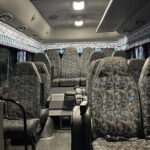
If you want a day that starts with context, this is a good way to do it. The tour runs about 5 hours total, and it typically begins with hotel pickup and an air-conditioned ride. From Siem Reap city, you head along National Road 6 toward the airport area, which makes the War Museum Cambodia stop feel like a reset button: you’re not jumping straight into temple photos—you’re getting the background first.
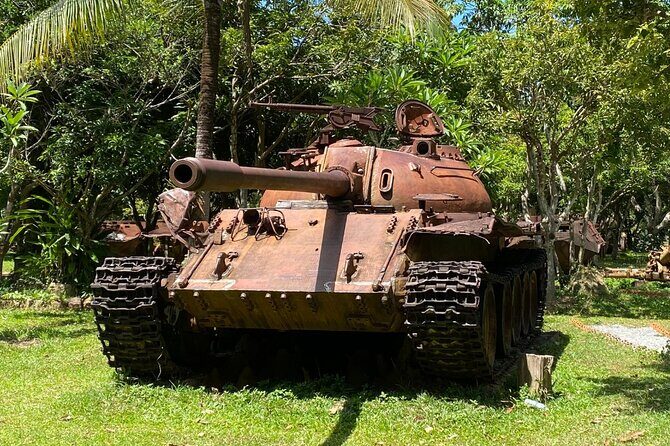
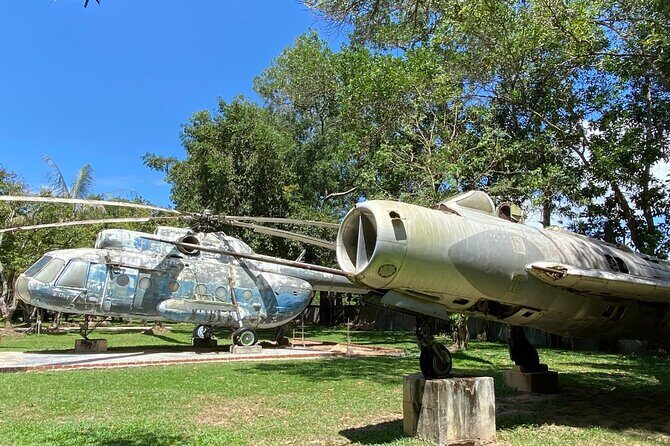
War Museum Cambodia is located on a large site (over 2 hectares) and was founded in 2001. Plan for roughly 1 hour 30 minutes here, which is enough time to absorb the exhibits without feeling like you’re being dragged through. The museum is also where that sobering tone takes shape. One reason this stop lands well is the way it mixes real objects and visible remnants with the human stories behind them—so you’re not just reading labels, you’re building a mental picture of how the conflict affected daily life.
What I like most about this first stop is that it gives you something to hold onto later. When you move on to Wat Thmey and then to the APOPO Visitor Center, the day stops being a random checklist and starts behaving like a single lesson. Just keep in mind: because the museum is intentionally serious, your mood matters. If you prefer light sightseeing only, you might find the first segment a lot.
Other museum experiences in Siem Reap
Wat Thmey (Killing Fields): Quiet, Real, and Unavoidably Personal
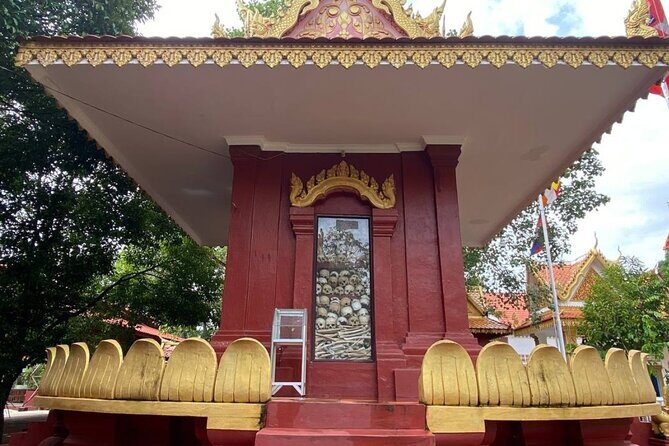
Wat Thmey is a smaller site than people expect, but it’s important. It’s built to honor victims from Cambodia’s tragic period under the Khmer Rouge regime, and it sits within the grounds of a functioning Buddhist pagoda. That combination matters. You get memorial space, but it’s also a living religious environment, so the tone is more than museum-like—it feels personal and present.
You’ll spend about 40 minutes here. That may sound short, but it’s the kind of stop where the minutes stretch because you slow down without being told to. The layout is designed for remembrance, and the facts can hit hard. I recommend treating this stop like you would a cemetery: move calmly, lower your voice, and give yourself space to absorb what you’re seeing.
A practical note: because this is a memorial, your photos (if you take them) will be more about documentation than “content.” And if you’re traveling with kids, it helps to have a guide who can explain with clarity and care. In this kind of day, the value of an English-speaking guide isn’t just translation—it’s tone management: making sure you understand without being overwhelmed.
If you’re sensitive to heavy history, take small breaks if you need them. This stop is worth it, but it’s not the place to multitask.
APOPO Visitor Center and HeroRATs: Landmines, Training, and Hope
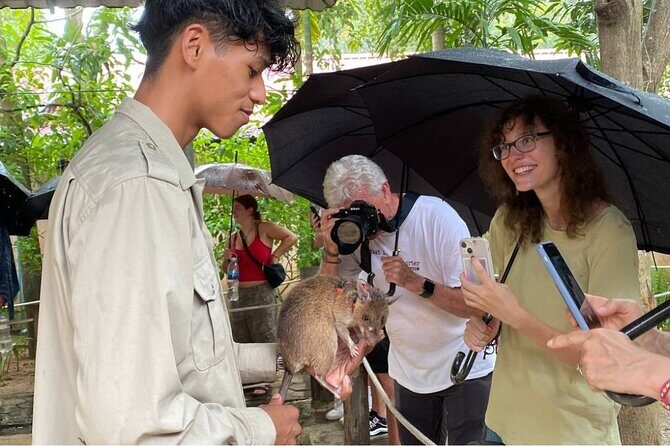
Then the day shifts gears—sharply—in a way that feels earned rather than forced. At the APOPO Visitor Center, you learn about specially trained African giant pouched rats, called HeroRATs, and how they detect landmines to help save lives in Cambodia. The visit is about 1 hour, and it’s educational in a hands-on, human way.
This is the stop that many people remember because it’s both surprising and practical. You go from memorials that explain what happened to the work that addresses what still remains. Landmines are not a museum problem; they’re a real, ongoing danger. Seeing how the HeroRATs do their job brings the idea into the physical world, and the hope part of the day becomes more than a word.
During the visit, there’s a demonstration element tied to the rats’ role. From what I’ve seen, the interaction level can vary, and petting the rats is optional. If you want that extra moment, it’s there. If not, you can still fully enjoy the educational part without feeling pressured.
My advice: treat this as your “breather stop,” emotionally. You’re not forgetting the past—you’re learning what comes next. And if your guide is strong at explaining the process clearly, you’ll leave with a deeper understanding than you’d get from reading a few posters.
Satcha Handicraft Center: How Training Keeps Skills Alive
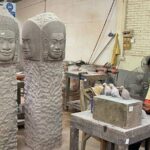
After the heavier history stops, Satcha offers a different kind of meaning: survival through skills. Satcha is a Cambodian Handicraft Center and it functions as a handicraft incubation center. It launched in March 2023 and is located at #256 BBU Road.
You’ll typically spend around 40 minutes here. The key idea is that it’s not just a shop you can browse quickly. It’s focused on empowering and training local artisans through intensive multi-year programs. That matters because a lot of “souvenir shopping” in tourist zones supports sales more than it supports skill-building. A place like Satcha is aiming at the opposite: long-term training that can make craftsmanship stronger over time.
What I like about adding this stop is the way it balances the day. You get reflection, then you get action—but in a different form. It also helps you remember that post-conflict recovery isn’t only about cleanup and safety. It’s also about rebuilding livelihoods and preserving cultural identity.
If you’re the type who likes to connect what you buy to what the money supports, Satcha fits your style. Just be ready to look closely, because the value here is in the process and the training behind the items, not just the price tags.
Royal Residence (Preăh Réachôdâmnăk): A Short Detour Past the Temples
Not every Siem Reap day needs Angkor temples, and this tour gives you a change of pace with a historical royal stop. The Royal Residence, also known as Preăh Réachôdâmnăk, is a royal villa built in 1904. It served as the official residence of the King of Cambodia when he visits Siem Reap.
You’ll spend about 30 minutes here—enough time to understand why it’s significant without turning it into your whole day. The site also has historical significance tied to the French protectorate period, which gives you yet another layer of Cambodia’s story beyond the Khmer Rouge era. That layering is useful because it prevents history from becoming one single chapter.
This stop isn’t trying to steal the spotlight from War Museum Cambodia or APOPO. Think of it like a palate cleanser. You finish learning about conflict, then you glance at the earlier political and cultural structures that shaped the region.
If you like architecture and historical context, you’ll appreciate this brief detour. If you prefer strictly serious memorial time, you may view it as optional—but it’s a helpful contrast.




Price, Timing, and Value of This $75 Private Tour

At $75 per person, the value comes from what’s included—not just the price tag. This is about 5 hours total, and it includes hotel pickup and drop-off, an English-speaking guide, and admission fees for three key sites: War Museum Cambodia, Wat Thmey (Killing Fields), and the APOPO Visitor Center.
That matters because you’re not only paying for transportation and guiding. You’re also paying to access spaces that require tickets on their own. If you try to DIY this day, you’ll still need to solve logistics, find the right admissions, and spend time figuring out the best sequence. Here, the day is already assembled around the right order: context first, memorials second, practical hope third.
The main cost you control is food. Lunch isn’t included, so you’ll want to plan whether you eat before the tour starts, after it ends, or bring a snack strategy for the long memorial moments. Also, since the tour is described as a private activity (your group only), it’s typically a calmer experience than hopping between strangers—especially useful when the content gets heavy.
If you’re visiting Siem Reap for a short stay and want depth beyond temples, this is a strong value format. You get major learning in a tight schedule without the stress of organizing multiple stops.
Who Should Book This Tour (and Who Might Want a Softer Day)
This is a great fit if you want Cambodia’s story with honesty. War Museum Cambodia and Wat Thmey are sobering by design, and the day doesn’t pretend that history is easy to process. At the same time, it doesn’t leave you in the dark. The HeroRATs portion adds practical hope that feels connected to real-world problems.
It also works well for families with older kids. I’ve seen how a 12-year-old can be fully engaged when the guide explains things with care and keeps the pacing steady. If your child is sensitive to heavy topics, you’ll still need to judge based on maturity—but the structure is built to educate without ignoring emotion.
Guide quality can make a big difference. In the past, guides such as Mr. Somra and Mr. Londgy have been praised for clear explanations and deep knowledge, which is exactly what you want on a day where tone and timing matter.
Who might not love it? If you booked Siem Reap primarily for temple views and want a relaxed, light itinerary, the memorial content will feel like a hard turn. If that’s you, consider pairing this tour with a more laid-back day rather than stacking it back-to-back with other intense stops.
Should You Book This War, Memory, and HeroRAT Day?

Book this tour if you want meaning, not just sites. The best reason to choose it is the way it links Cambodia’s difficult past to an ongoing mission that aims to reduce danger for people living there. It’s educational, emotionally honest, and—through the HeroRATs—genuinely hopeful.
Skip it or adjust your expectations if you’re avoiding heavy history. And if you book it, plan meals so the day doesn’t turn into a grumpy slog mid-way through the memorial stops.
If you’re deciding today, here’s the quick test: do you want to understand why landmines still matter in Cambodia? If yes, this tour is one of the most direct ways to get that understanding while also seeing local artisan culture and a short royal historical stop.
FAQ
How long is the War Museum, Killing Field, and APOPO HeroRATs tour?
It runs for about 5 hours (approx.).
Is hotel pickup and drop-off included?
Yes. The tour includes hotel pickup and drop-off, along with an air-conditioned vehicle.
What tickets or entrance fees are included?
Admission fees are included for War Museum Cambodia, the Killing Field (Wat Thmey), and the APOPO Visitor Centre.
Is lunch included in the price?
No. Lunch is not included.
Do I get a mobile ticket?
Yes. A mobile ticket is provided.
Is this tour private?
Yes. It’s listed as a private activity, meaning only your group participates.
Can I get a refund if I cancel last minute?
Free cancellation is available. You can cancel up to 24 hours in advance for a full refund.