REVIEW · SIEM REAP
Angkor Sunrise Expedition Cycling Through Serene Backroads
Book on Viator →Operated by Journey Cambodia · Bookable on Viator
Sunrise plus cycling beats the usual temple shuffle. This Angkor Wat dawn start pairs the big “wow” of first light with an easy bike route through calmer backroads, so you spend less time stuck in crowds and more time seeing temples at human speed. I especially like the sunrise timing and the way the ride takes you off the main foot-traffic lines.
Two more things I really liked: the small group feel (max 9) and the guide energy. In one trip, guide Chayy even asked the group whether we wanted the wider road route or a single-track option for more off-the-beaten-path temple views. One thing to plan for: temple admissions are not included, and you’ll need to budget for a $37 temple pass per person paid directly at the site (with Angkor Thom listed as free in the schedule).
In This Review
- Key things to know before you go
- Sunrise at Angkor Wat, but on your terms
- Price and what you actually pay on the day
- Morning timing: 4:30am pickup and when breakfast hits
- How the cycling stays easy (and not exhausting)
- Stop-by-stop: Angkor Wat sunrise to Bayon faces
- Stop 1: Angkor Wat at first light
- Stop 2: Srah Srang and a chance to reset
- Stop 3: Ta Prohm’s roots and village backroads
- Stop 4: Angkor Thom wall ride with moat and jungle
- Stop 5: Bayon and its central faces
- Why biking the backroads is the real point
- Weather reality: sunrise needs skies, but clouds still work
- Who should book this cycling sunrise day
- Should you book it? My decision guide
- FAQ
- What time does the tour start?
- How long is the experience?
- How much does the tour cost?
- Are temple entrance fees included?
- How much cycling will I do?
- Is a bicycle and helmet provided?
- What’s the group size?
- What happens if the weather is poor?
Key things to know before you go
- 4:30am pickup puts you at Angkor Wat early enough to catch sunrise light
- 15–25 km easy cycling over an approximately 8-hour day
- Small group, max 9 keeps the pace comfortable and the ride from feeling chaotic
- Bikes, helmets, water, and a cool towel are provided, plus a first aid kit
- Route highlights include Srah Srang, Ta Prohm, Angkor Thom’s wall ride, and Bayon’s faces
Sunrise at Angkor Wat, but on your terms
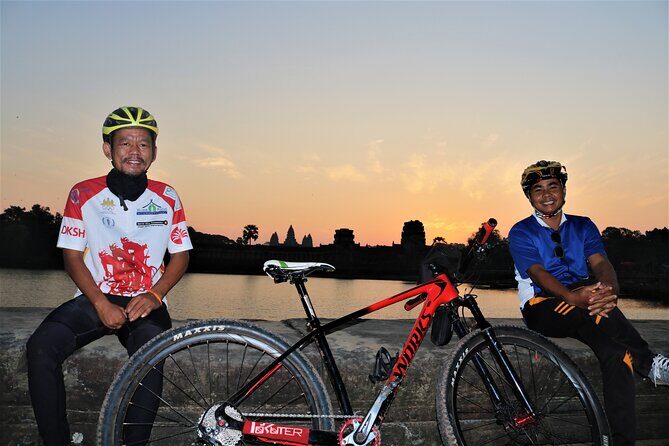
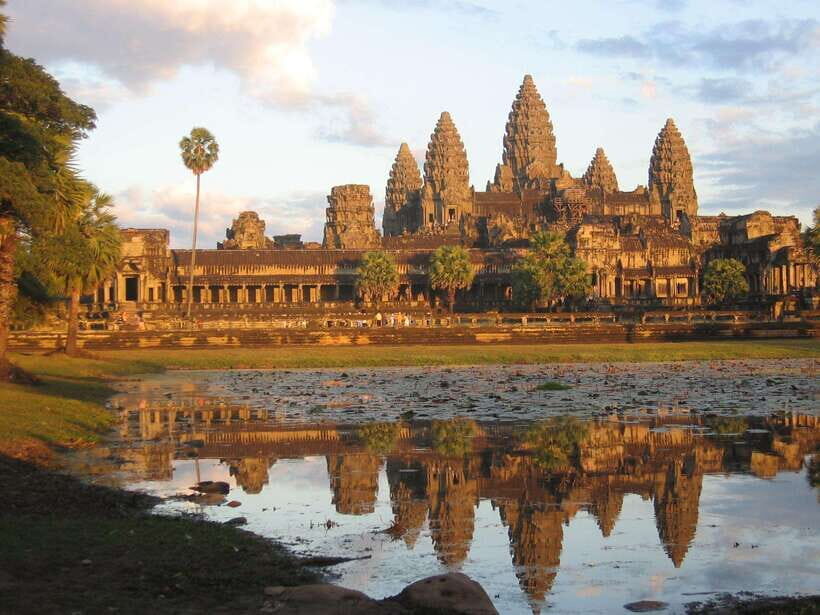
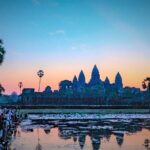
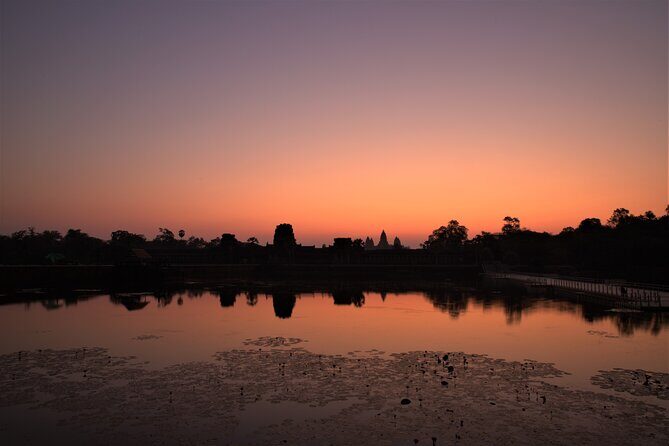
Angkor Wat at dawn is famous for a reason. The light is softer, the colors go warmer, and the whole complex feels more spiritual than photo-op. Doing it as part of a cycling expedition also changes the rhythm of the morning. Instead of standing in place, you quickly shift from sunrise viewing into motion—then you keep moving through temple areas in a way that feels more like traveling through the ruins than touring a checklist.
I love that the day is built around one clear priority: start with sunrise, then get your bike legs working. The route also aims to cut down on the worst crowd bottlenecks. You’re still at Angkor, so it’s never empty—but biking through backroads gives you breathing room. I also like the practical setup: bottled water and a cool towel help after the early start, and the support vehicle means you’re not stuck if something small goes wrong.
Other Angkor Wat sunrise tours we've reviewed in Siem Reap
Price and what you actually pay on the day
The tour price is $69 per person, and that gets you a lot of the “moving parts” handled. You’ll have an English-speaking biking guide, your bicycle and helmet, water plus a cool towel, a support vehicle (either a tuk tuk or a support van), and an air-conditioned vehicle for the ride-day transfers.
The one big add-on is the site admission. The schedule states entrance fees/temple pass are not included, and you’ll need to pay $37 per person directly to the site. That’s the main thing that can surprise people who only budget for the tour fee. Also note: Angkor Thom is listed with a free admission entry in the stop details, but the overall temple pass requirement still matters for the day.
So how’s the value? You’re paying for early access timing plus a guided cycling experience with equipment and transport support included. If you’re the kind of person who dislikes walking lines and craves a more active way to see Angkor, this can be a strong match. If you only want minimal effort and prefer to stay in one or two spots for long stretches, you may feel like you’re paying more for the bike day component.
Morning timing: 4:30am pickup and when breakfast hits
This is an early one. Pickup starts between 4:30 and 4:40am from your Siem Reap hotel by tuk tuk or mini-van, depending on group size. The goal is straightforward: you’re heading to Angkor Wat to witness the sunrise.
Here’s the smart rhythm: after the sunrise stop, you get a breakfast break and then you start cycling. That matters. Your legs aren’t asked to work hard before sunrise light show—once you’re fueled, you move into an easy ride segment through the Angkor area. The entire day runs about 8 hours, which fits well if you still want a normal afternoon back at your hotel.
The early start is the trade-off. You’ll feel it the first time you wake up before your brain is fully turned on. But if you enjoy mornings and hate crowd crush, dawn is where you win.
How the cycling stays easy (and not exhausting)
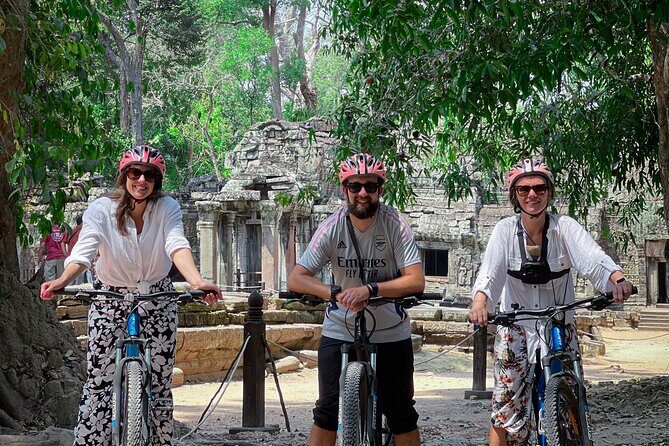
The biking portion is described as an easy ride of about 15–25 kilometers. That range is wide enough that you should plan for time in the saddle, but the word easy is doing real work here. You’re not being asked for a tough mountain-bike workout. This route style is built for sightseeing: keep pedaling, stop when the views or temples demand it, and enjoy the ride between points.
A few practical details help you feel comfortable:
- You’ll be provided a bicycle and helmet.
- You’ll have bottled water and a cool towel.
- There’s support van or tuk tuk, so you’re not fully on your own if the group spreads out or there’s an issue.
- The day includes air-conditioned vehicle transfers, which is nice after a warm morning.
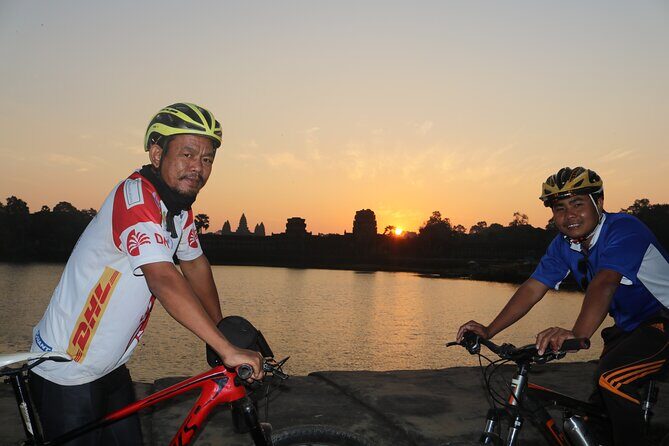
In one highlight from an earlier experience, the guide Chayy made sure the ride options were clear after the sunrise. He checked whether the group wanted a more normal road route or a single-track style path to see additional lesser-known temple areas. That flexibility tells you something important: the guide is adjusting the experience to how the group wants to ride, not treating everyone as a single pace machine.
Stop-by-stop: Angkor Wat sunrise to Bayon faces
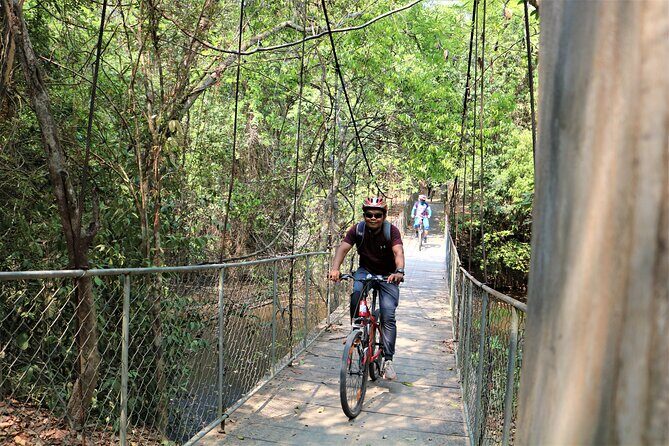
This tour flows in a way that keeps your morning story simple: sunrise, then cycling between key ruins. I like that the stops aren’t random; they build on each other visually and emotionally.
Other cycling tours in Siem Reap
Stop 1: Angkor Wat at first light
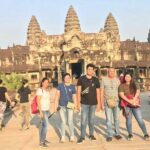
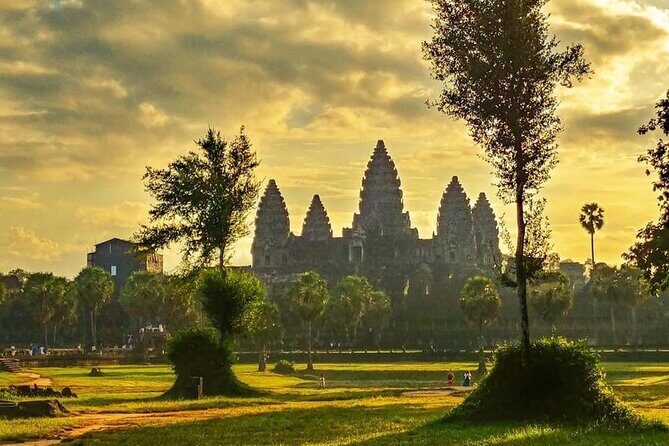
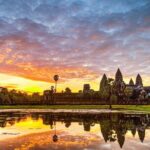
You start at Angkor Wat during the sunrise window. This is the moment most people come for, and for good reason. The light changes fast, so being there early matters. Even if the sky isn’t perfectly clear, you still get that layered look—sunrise can come with clouds, and it still feels magical.
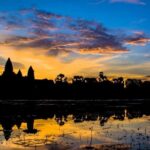
One experience shared that clouds didn’t ruin the vibe. Sunrise was still beautiful, just a little softer and more diffused. That’s a good reminder: you’re chasing light quality, not a perfect weather forecast.
Drawback to note: this is still a popular place. You’ll want to bring patience and accept that you’re part of the early-day crowd. The payoff is what comes next—your legs don’t stay parked.
Stop 2: Srah Srang and a chance to reset
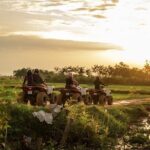
After sunrise viewing, you enjoy breakfast and rest, then you set up on your bikes for the easy ride around the Angkorian ruins. Srah Srang is part of that opening segment, and it’s a smart choice to place early. It gives you a calmer, scenic interlude after the main sunrise moment.
By cycling here, you can avoid a chunk of the walking crowd. That doesn’t mean you avoid people entirely, but the bike changes how you experience the space. You also get the feeling of moving through the temple landscape rather than only approaching it as a set of photo stops.
Stop 3: Ta Prohm’s roots and village backroads
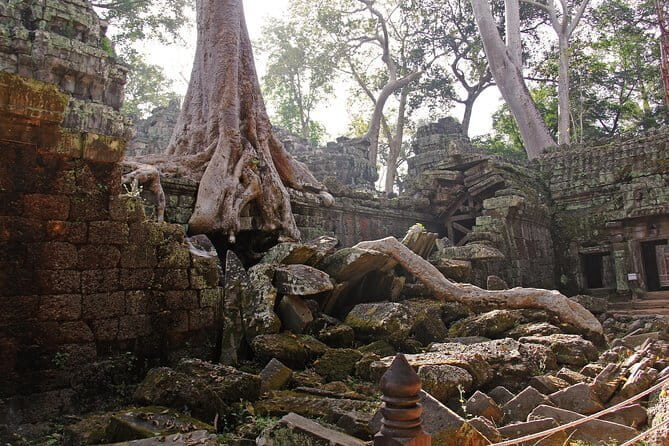
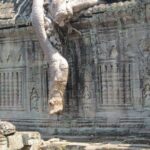
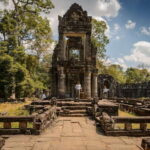
Next up is Ta Prohm, known for the dramatic look of ancient stone with tree roots wrapping through and around structures. This is one of those temple areas where the mood feels darker and more atmospheric, mainly because the jungle-structure mix looks like it grew around the ruins instead of after them.
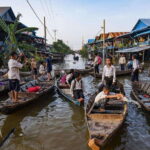
Here’s the second big win: Ta Prohm is reached via backroads that pass through local village areas and into the complex. That kind of approach matters. It gives you context for what’s around the temples. You’re not only seeing monuments—you’re seeing the living world that sits near them.
Potential drawback: Ta Prohm is still a major name in Cambodia tourism. Expect crowds at the temple itself, but the cycling approach helps you feel less boxed in.
Stop 4: Angkor Thom wall ride with moat and jungle
Then you roll into Angkor Thom. The standout detail here is riding along the wall of the ancient city, with a moat on one side and thick jungle feel on the other. That combination makes the ride portion feel more like exploration and less like just transportation between gates.
In practice, it also changes what you notice. On foot, you tend to focus forward. On a bike, you get a longer lateral view—edges, walls, angles, and the sense of enclosure. One highlight described riding past the reservoir and enjoying the temple wall stretch, which fits this “move along a boundary” style.
Stop 5: Bayon and its central faces
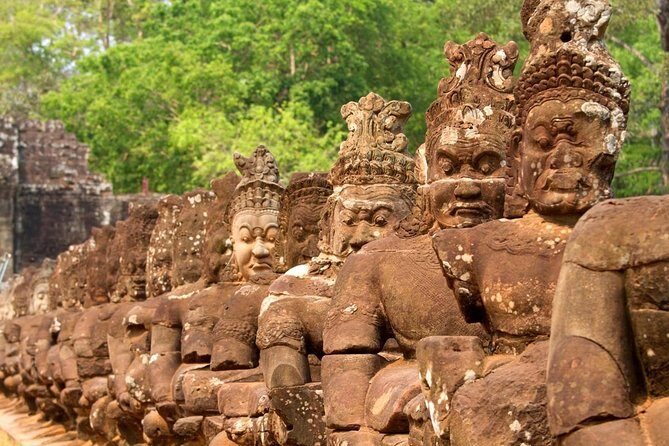
You finish with Bayon, built in the 12th century and famous for its central towers covered in more than 200 enormous faces. This stop is visually instant. Even before you get close, you can tell it’s the classic Bayon silhouette.
After Bayon, you return to your hotel, completing the day. The ride-to-ruin flow helps the finish feel satisfying instead of rushed. You’ve already spent the morning in motion, so you end with impact rather than fatigue.
Why biking the backroads is the real point
If you’re on the fence, here’s the heart of the decision: this tour isn’t only about seeing temples. It’s about how you travel between them.
Cycling gives you three benefits:
- You can experience more temples in less dead time.
- You get views from moving angles that walking doesn’t offer.
- You spend less time stuck in lines, especially during the transitions between sites.
The tour also leans into “serene backroads” rather than only main routes. That’s where the day feels special. One rider-focused highlight was the joy of riding through woods and past the reservoir, then getting that wall view during the ride segment. Those are the moments that turn a temple day into an actual trip.
Also, the guide’s approach matters. Chayy’s offer to choose road versus single track after sunrise is exactly the kind of guidance that makes the tour feel responsive. You’re not just moved from stop to stop—you’re encouraged to shape how you want to ride.
Weather reality: sunrise needs skies, but clouds still work
This experience is weather dependent. It’s built for a sunrise start, so poor conditions can force a change. The good news: if the tour is canceled due to poor weather, you’ll be offered a different date or a full refund.
What I’d do as a practical traveler: treat clouds as a possible outcome, not a disaster. One highlight already mentioned sunrise was beautiful despite clouds. Diffused light can even make stone and faces look softer and more atmospheric.
Bring a bit of patience for the early hour. And if you’re sensitive to heat later in the day, plan to drink water consistently and use the cool towel when it’s offered.
Who should book this cycling sunrise day
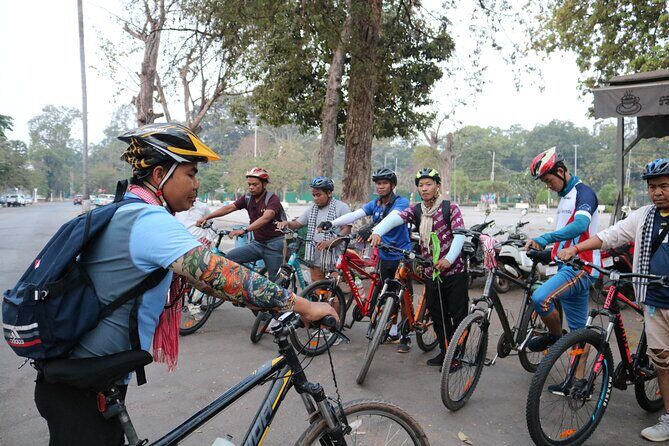
This tour makes the most sense for you if:
- You want an active way to see Angkor without turning the day into one long walking slog.
- You like early starts and you’re chasing better light, not just daytime crowds.
- You enjoy small group tours (max 9) where the guide can actually manage pacing and ride choices.
- You’re comfortable with easy cycling and want equipment provided.
It might be less ideal if:
- You hate waking up extremely early.
- You don’t want to deal with extra on-site admission fees.
- You prefer slow, lingering temple time over a structured route.
Also, it’s described as suitable for most travelers, which usually means the ride is not meant to be extreme. Still, if you have mobility limits that make early morning challenging, double-check how you personally handle long days with morning transfers.
Should you book it? My decision guide
I’d recommend booking if you’re excited by the idea of sunrise at Angkor Wat plus a bike route that avoids some of the walking crowds. The included gear, water, and support vehicle remove a lot of stress. You get a full day with a clear flow and a small group cap that keeps it from feeling like a factory tour.
I’d hesitate if the idea of paying the $37 temple pass feels like a deal-breaker, or if you’re not motivated by the 4:30am start. In those cases, you might prefer a different format that costs less and lets you start later.
If you do book, do two things: bring patience for early hours, and show up ready to ride. The payoff is the combination—sunrise drama, then quiet movement through temple backroads and walls.
FAQ
What time does the tour start?
Pickup begins around 4:30am (between 4:30 and 4:40am) from your Siem Reap hotel.
How long is the experience?
The tour runs about 8 hours (approx.).
How much does the tour cost?
The price is $69.00 per person.
Are temple entrance fees included?
No. Entrance fees/temple pass are not included and must be paid directly to the site for $37.00 per person.
How much cycling will I do?
The ride is approximately 15–25 kilometers and is described as an easy ride.
Is a bicycle and helmet provided?
Yes. A bicycle and helmet are included.
What’s the group size?
This tour has a maximum of 9 travelers.
What happens if the weather is poor?
This experience requires good weather. If it’s canceled due to poor weather, you’ll be offered a different date or a full refund.