REVIEW · SIEM REAP
Full Day to Banteay Srei, Kulen National Park and Beng Mealea
Book on Viator →Operated by The Fin Travel & Tours · Bookable on Viator
The day starts with stone and sacred symbols. This is a full, 9 to 10 hour private loop from Siem Reap that strings together three very different feels: the fine carvings of Banteay Srei, the spiritual stonework of Phnom Kulen, and the jungle-choked drama of Beng Mealea. It’s interesting because you’re not just hopping from one famous ruin to another—you’re moving through distinct cultural settings that make Cambodia’s temple story feel real.
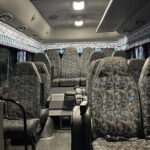
What I really like is the way the tour is built for understanding, not just photos. Fin (and in one review the driver/guide Nak was a standout) brings long experience, and the explanations are in clear English—history, plus how Cambodians think about society and daily life. I also appreciate the comfort basics: an air-conditioned vehicle and bottled water for a long day.
The one consideration: the tour price is $50, but major temple entrances are separate. You’ll need to budget for Angkor admission for Banteay Srei and Beng Mealea ($37 per person) and Kulen National Park admission ($20 per person), plus lunch if you want it at the falls.
In This Review
- Key things worth planning for
- A route that makes sense from Siem Reap
- Banteay Srei: the Lady Temple’s deep-cut carvings
- Phnom Kulen National Park and the River of 1000 Lingas
- Preah Ang Thom pagoda: the reclining Buddha on the mountain
- Waterfall break: swimming and a small picnic option
- Kulen nature trails, then the drive toward Beng Mealea
- Beng Mealea: the untouched-feeling ruins of a 12th-century temple
- Price and value: what your $50 really buys
- Guide style: Fin and the team who keep the day moving
- Practical tips so you enjoy every stop
- Should you book this tour?
- FAQ
- FAQ
- How long is the full-day tour?
- Is pickup included?
- What is included in the $50 price?
- What tickets are not included?
- Is lunch included?
- Is this tour private?
- Can I cancel for a refund?
Key things worth planning for
- Private pacing: only your group, so you can move at a human speed instead of “corridor crowds.”
- Fin’s English + context: you get more than dates; you get how people interpret the places.
- Banteay Srei’s sculpted detail: the Lady Temple is known for deep-cut carving work.
- Phnom Kulen’s river symbolism: stop for the River of 1000 Lingas carvings in the riverbed.
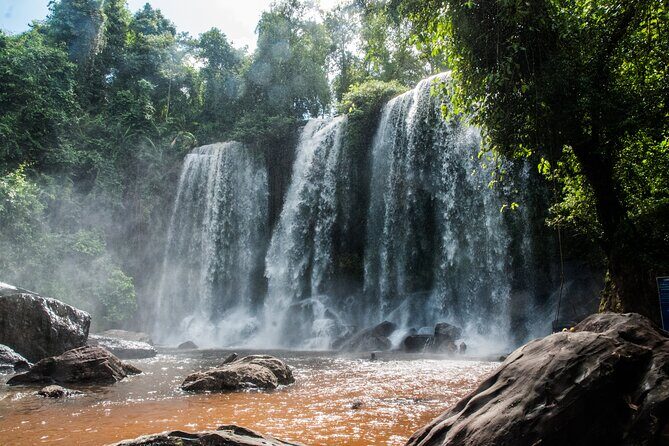
- Waterfall time with locals: swimming is allowed, and picnic lunch is optional for a small extra cost.
- Beng Mealea’s natural ruins: the “untouched” feel comes from how nature has taken over the stone.
A route that makes sense from Siem Reap
This is one of those days where geography does a lot of the thinking for you. Kulen Mountain is roughly an hour from Siem Reap, and Beng Mealea is more than an hour east, so the order matters. Starting with Banteay Srei in the morning gets you into the temple zone while you still have energy, then you climb into Phnom Kulen for the spiritual sites and waterfall break, and finally you continue onward toward Beng Mealea later in the day.
You’ll also appreciate that the driving is handled for you. You meet up at Brown Coffee Treeline on Wat Bo Road (Street 23 corner Street Achar Sva), and the tour ends back there. With an air-conditioned vehicle, the ride time is easier to swallow—especially if it’s a hot day and you want to keep your focus on the sites, not on logistics.
Other Banteay Srei tours we've reviewed in Siem Reap
Banteay Srei: the Lady Temple’s deep-cut carvings
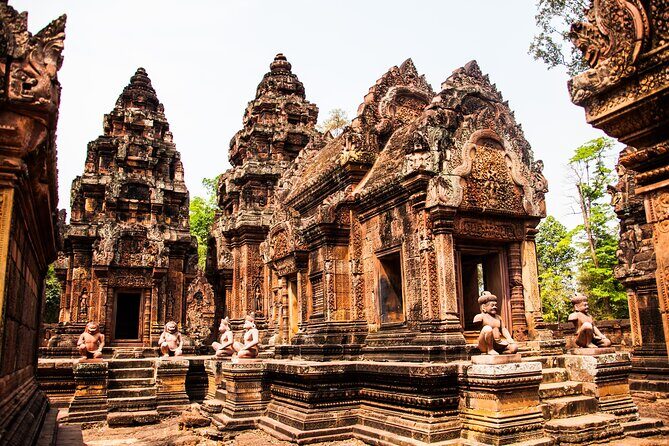
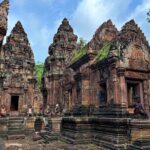
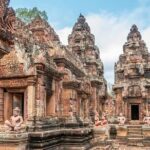
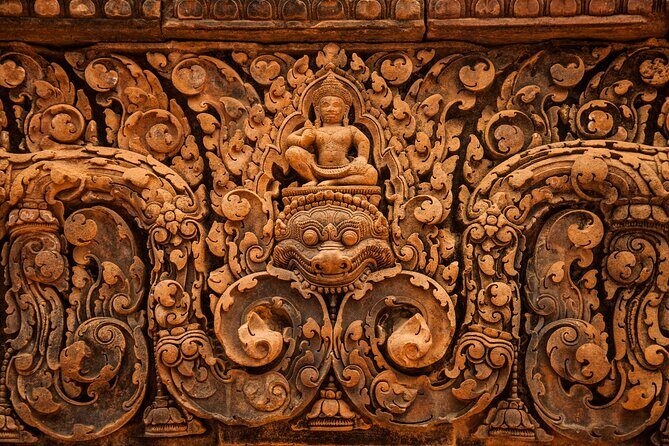
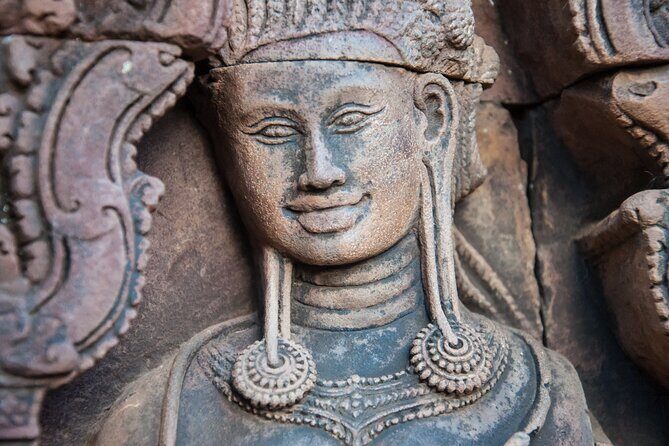
Banteay Srei is often described as a temple of precision, and you feel that fast once you’re close. You’ll head out after breakfast, traveling through the Siem Reap countryside toward this 10th-century “lady temple” where the carving work is known for being sharply cut and visually rich.
Why this stop works on a full-day itinerary: it’s a strong contrast to the bigger, more sprawling temple impressions you might already associate with Angkor. Here, the craftsmanship is the main event. Take your time on the details. Even if you’re not reading every carving, you’ll start to notice how the stones are shaped to guide the eye.
The practical catch is admissions. Banteay Srei requires the Angkor admission ticket that isn’t included in the $50 tour price. If you like to know your total cost early, plan for it so you aren’t doing math in the hot sun.
Phnom Kulen National Park and the River of 1000 Lingas
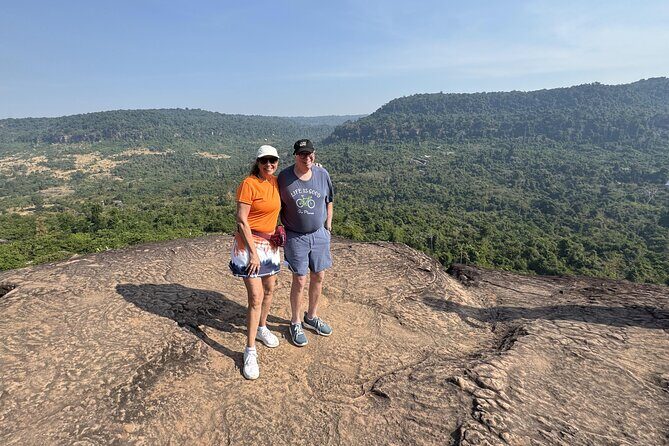
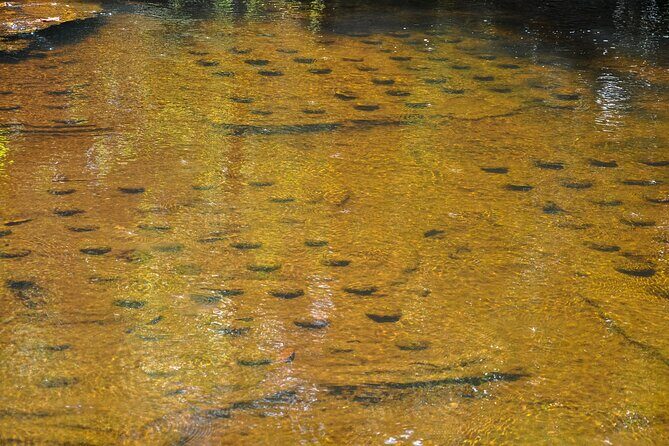
Phnom Kulen is where the trip shifts from “temple viewing” to “sacred place.” You’ll visit Kulen Mountain National Park, starting with the river area tied to the River of 1000 Lingas. The key feature here is what’s carved into the riverbed: Hindu gods and phallus symbols, created as sacred imagery tied to belief and worship.
This stop is valuable because it gives you something many temple visits skip. Instead of focusing only on stone buildings, you also see sacred symbolism in the landscape itself. It’s one thing to read about ancient religion; it’s another to stand where the iconography is actually part of the ground.
Kulen National Park admission is not included in the tour price ($20 per person). Also, some parts of the mountain stops are listed with free entry items on the schedule, but that doesn’t replace the need for the park ticket. Ask your guide if you’re unsure what is covered for your day.
Preah Ang Thom pagoda: the reclining Buddha on the mountain
Next comes Preah Ang Thom, a pagoda and monastery area described as one of the most sacred spots on the mountain top. You’ll see an enormous reclining Buddha, and you’ll have time to learn what the place means in local belief and culture.
This is a good pause in the day because it’s less about deciphering lots of small carvings and more about encountering a single major statement. The guide’s role really matters here. When the explanation is good, the reclining Buddha stops being just a photo subject and starts feeling like a living spiritual symbol with an everyday cultural function.
The schedule lists this stop as free of extra admission fees, which is a nice bonus. Still, it’s smart to come with a calm pace. This area is sacred, and moving too fast makes it easy to miss the point.
Waterfall break: swimming and a small picnic option
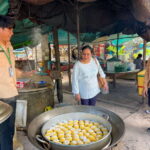
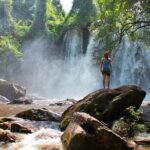
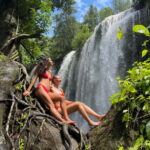
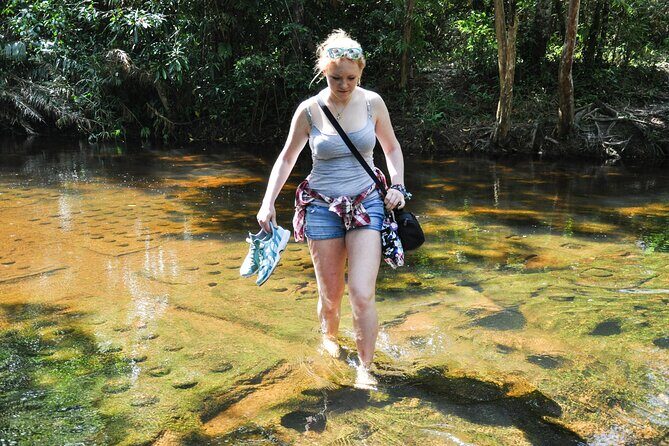
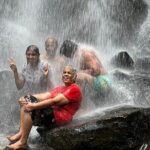
After the pagoda, you’ll head to the Phnom Kulen Waterfall area. This is the “breathe and reset” part of the itinerary. Swimming is an option, and lunch can be a picnic style meal where you’re allowed to enjoy the area. The lunch cost is listed as optional, around $4 to $6.
What makes this stop worth your time is the contrast. On the mountain, you see locals—families and friends—spending the day. It’s not just tourists doing a quick stop and leaving. Even when you’re only there for a short window, you can feel that the waterfall is part of real life.
A practical note: if you plan to swim, go with swimwear and something to protect your valuables. The tour includes bottled water, but it doesn’t include extra gear. Also, even if you don’t swim, the waterfall area can be a muddy, slippery mix of stone and water depending on conditions, so comfortable footwear helps.
Other Beng Mealea tours we've reviewed in Siem Reap
Kulen nature trails, then the drive toward Beng Mealea
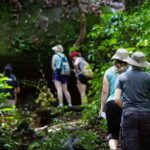
Around mid-afternoon, the tour shifts gears. You’ll continue through the Kulen area along a road and plantation route on the way down to Beng Mealea. This segment is scheduled as about an hour, giving your legs a breather after earlier climbing and walking.
Think of this stretch as the “light transition” between two temple types. Phnom Kulen focuses on sacred landscape and mountain religion. Beng Mealea is a different mood—ruined stone with nature taking over.
The schedule also includes Kulen Nature Trails before you head toward Beng Mealea, and these segments are listed as free of additional admission. Use this time to rest a bit, adjust your bag, and get ready for Beng Mealea’s rougher, more overgrown feel.
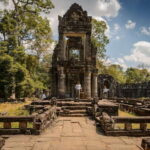
Beng Mealea: the untouched-feeling ruins of a 12th-century temple
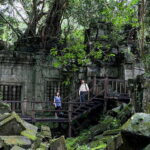
Beng Mealea is where the day turns cinematic. You’re exploring Prasat Beng Mealea, dated to the same general period as Angkor Wat, tied to the reign of King Suryavarman II in the early 12th century.
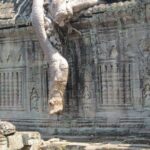
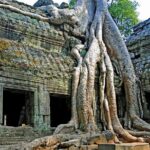
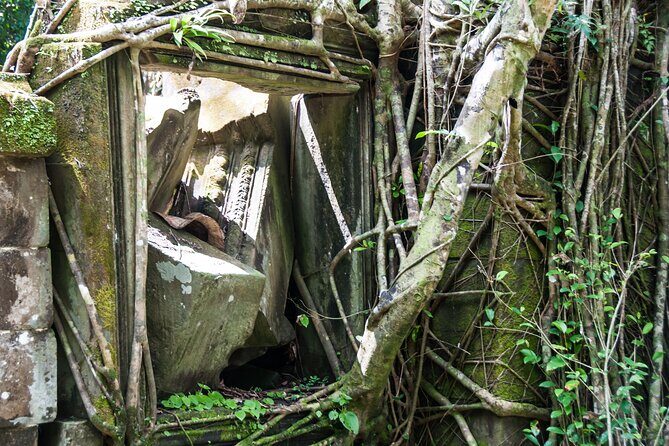
Here’s what makes it stand out in your experience: it’s described as a temple that remained in a natural state, preserved without being untouched by archaeologists. That matters, because the ruins aren’t “cleaned up for easy viewing.” Instead, you see the broken, ruined structure, plus parasite trees and invasive vegetation growing over the stone.
This is why Beng Mealea can feel different from other temple stops. You’re not just looking at architecture. You’re watching how time and plants have changed the architecture’s meaning. It’s atmospheric. It’s also less orderly, so your pace has to slow down. Plan for uneven ground and expect less “polished” pathways than you’d see at major restored sites.
Admissions matter again here. Beng Mealea requires the Angkor admission ticket that’s not included in the base $50 tour price. If you’re building a day budget, this stop is one of the big ticket costs.
Price and value: what your $50 really buys
The tour price is $50 per person for a full day, with guide service, an air-conditioned vehicle, and bottled water included. It’s also described as a private tour/activity, meaning only your group participates. That’s where the value shows: you’re paying for direct access and better pacing, not for sharing a guide with strangers.
But the real “total day” cost depends on entrances you pay separately:
- Angkor admission for Banteay Srei and Beng Mealea: $37 per person (not included in $50)
- Kulen National Park admission: $20 per person (not included in $50)
So if you’re doing everything on the route and paying all listed admissions, you’re looking at about $107 per person before optional extras like lunch. The optional lunch at the waterfall area is listed at about $4 to $6.
Is it worth it? For me, it’s most compelling if you care about explanations. Fin’s long guiding experience and the way he’s described as going beyond names and dates is part of the price you’re paying. If you’re the type who hates being stuck in silence at ruins, the guide value is real.
You also get group discounts and a mobile ticket feature, which can make the process simpler. And since the tour runs roughly 9 to 10 hours, the vehicle time is part of what you’re paying for, not something you’re solving yourself.
Guide style: Fin and the team who keep the day moving
This tour is strongly tied to its guide. Fin is listed as having more than 20 years in guiding and excellent English. He’s also described as working with well-known companies and still being a favorite guide. The big advantage isn’t just fluency. It’s that he’s said to explain Cambodian history alongside society, politics, and economics, plus culture.
That combination is rare in temple-focused days. When your guide connects ancient temple building to modern social ideas, you start seeing why these sites matter beyond the stones themselves.
In one review, Nak was specifically praised as both driver and tour guide—super friendly, full of knowledge, and making the ride comfortable (checking the A/C and providing water). Even if your day isn’t with Nak, the point is clear: this is a tour run with a focus on comfort and conversation, not a checklist pace.
Practical tips so you enjoy every stop
A full day like this can feel long if you show up under-prepared. Here’s how to make it easier on yourself:
- Bring sun protection for temple time and for the exposed parts of Beng Mealea.
- Wear shoes you can walk in slowly. Beng Mealea’s ruined and overgrown state is part of the experience, and it means uneven footing.
- Plan for optional swimming at the waterfall. If you want to swim, pack accordingly.
- Bring some cash for admissions if your plans require it, since key tickets aren’t included in the $50.
- Ask your guide what to prioritize when you’re arriving at each site. With a private setup, you can steer the day.
If you’re coming from Siem Reap, you’ll also likely benefit from an early start. The schedule window provided runs from 7:30 AM to 5:00 PM, and the tour itself keeps you moving through the day in a logical order.
Should you book this tour?
I’d book this if you want a private, full-day temple-and-nature mix where the guide explains more than just architecture. Banteay Srei and Beng Mealea are both worth seeing, but the reason this trip rises above “just temples” is Phnom Kulen—especially the River of 1000 Lingas—and the waterfall break that includes local life. If you like your travel days with a good story and enough variety to stay engaged, this fits.
I’d think twice if you only want restored, easy-to-walk temples and you’re trying to minimize extra costs. You’ll pay separate admissions for the major sites, and Beng Mealea’s natural, overgrown condition isn’t for everyone.
FAQ
FAQ
How long is the full-day tour?
The tour runs about 9 to 10 hours.
Is pickup included?
Pickup is offered, and the tour starts at Brown Coffee Treeline on Wat Bo Road and ends back at the same meeting point.
What is included in the $50 price?
You get an English-speaking guide, an air-conditioned vehicle, and bottled water.
What tickets are not included?
Angkor admission for Banteay Srei and Beng Mealea is not included ($37 per person), and Kulen National Park admission is also not included ($20 per person).
Is lunch included?
Lunch is not included. There is an optional picnic lunch at the waterfall area that costs about $4 to $6.
Is this tour private?
Yes. It’s listed as a private tour/activity, so only your group participates.
Can I cancel for a refund?
Yes. You can cancel for a full refund if you cancel at least 24 hours in advance of the experience start time.
If you want, tell me your travel dates and whether you plan to swim at the waterfall, and I’ll help you estimate your all-in cost and the best time of day to prioritize photos.