REVIEW · SIEM REAP
Shared tour: Kulen Mountain & Waterfalls – Small group
Book on GetYourGuide →Operated by Euro Khmer Voyages · Bookable on GetYourGuide
Shiva stones and waterfalls start in Siem Reap. This small-group trip to Phnom Kulen National Park follows the Khmer Empire’s roots and pairs them with the River of 1000 Shiva Lingas, plus big waterfall scenery along the way. I especially like how the drive out of town lets you see everyday rural life, not just famous monuments.
The only real drawback I’d plan for is extra spending: food and drinks are not included, and lunch is something you’ll pay for on the spot.
In This Review
- Key highlights at a glance
- Why Phnom Kulen feels like the start of Angkor
- The countryside drive from Siem Reap: more than just transportation
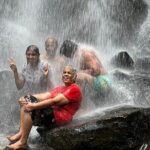
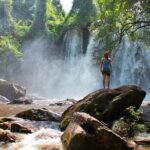
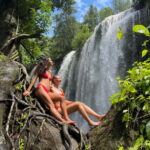
- Waterfalls at Phnom Kulen: the day’s big sensory payoff
- River of 1000 Shiva Lingas and the reclining Buddha statue
- Palm Sugar Village and the largest market in Siem Reap
- Lunch, walking time, and the 6.5-hour pacing
- Small-group touring: what you’re paying for at $75
- Who this tour suits best (and who might want a different plan)
- Should you book Kulen Mountain & Waterfalls?
- FAQ
- Where does the tour pickup?
- How long is the Kulen Mountain & Waterfalls tour?
- Is this a shared group tour?
- What language is the guide?
- What sights will I see at Phnom Kulen?
- Is lunch included?
- Are entrance fees included?
- Does the price include transportation?
- Is there time for cultural activities in Siem Reap?
- Can I cancel for a refund?
Key highlights at a glance
- Phnom Kulen National Park: the sacred high point tied to the origins of Angkor
- River of 1000 Shiva Lingas: an unusual riverside shrine you can actually walk through
- Kulen waterfalls: the big dramatic falls are the day’s natural photo stop
- Reclining Buddha: a major statue and a helpful history lesson from your guide
- Palm Sugar Village + local market: hands-on craft culture and real Siem Reap shopping energy
Why Phnom Kulen feels like the start of Angkor
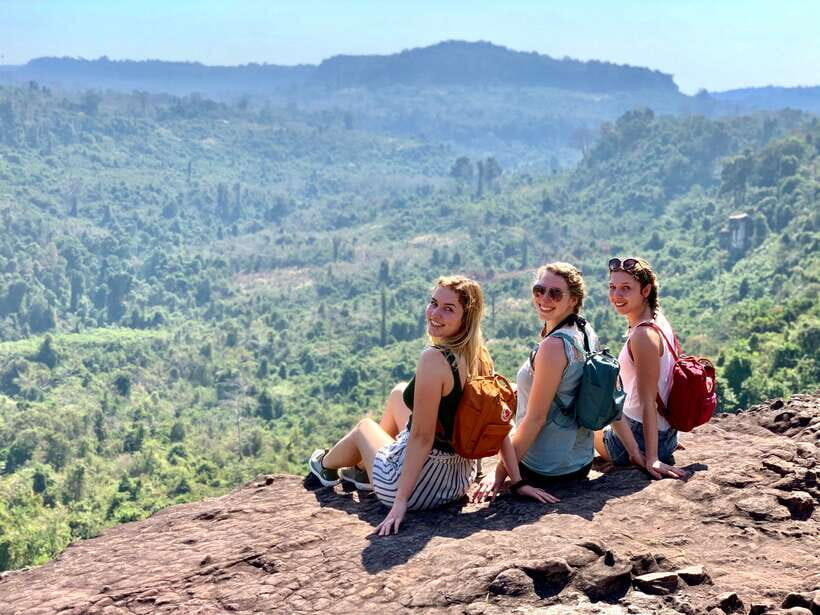
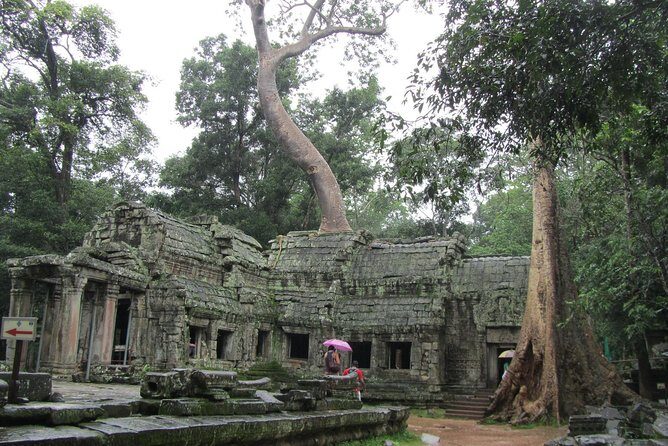
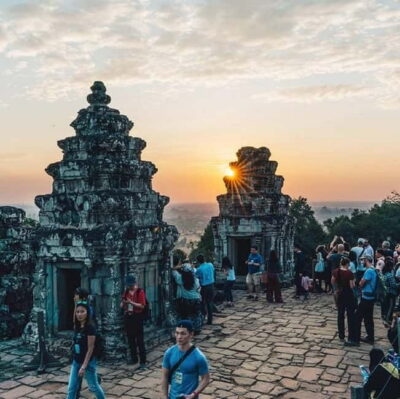
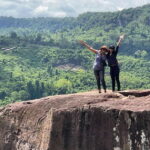
Phnom Kulen is one of those places where the scenery does part of the storytelling. You’re not just visiting a viewpoint. You’re moving through a landscape tied to spiritual life and the early Khmer Empire, with stops that help you connect what you’re seeing to why it mattered.
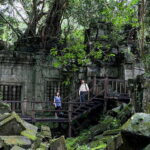
This is where the tour earns its keep. The day is paced to give you context as you travel and as you stand at each site. Instead of rushing through religious landmarks, you get time to look up close at the River of 1000 Shiva Lingas and the reclining Buddha statue, and your guide can explain what they represent in a way that makes the experience click.
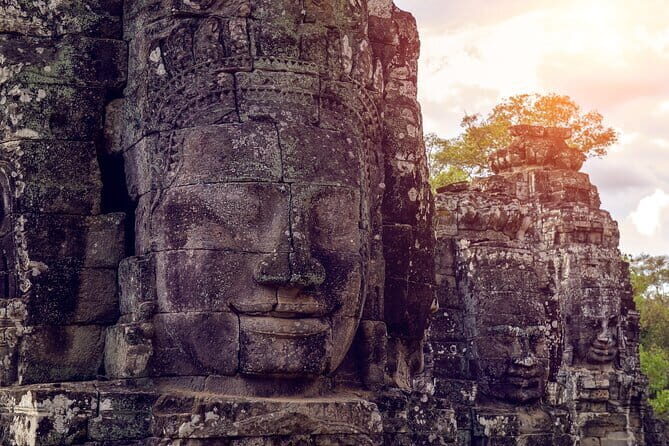
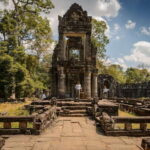
One of my favorite parts is that the park sites feel different from Angkor Wat. The Angkor temples are often about scale and geometry; Phnom Kulen feels more earthy and devotional. Even if you’ve been temple-hopping for days, you’ll likely feel the change in atmosphere immediately.
Other Kulen Mountain and waterfall tours we've reviewed in Siem Reap
The countryside drive from Siem Reap: more than just transportation
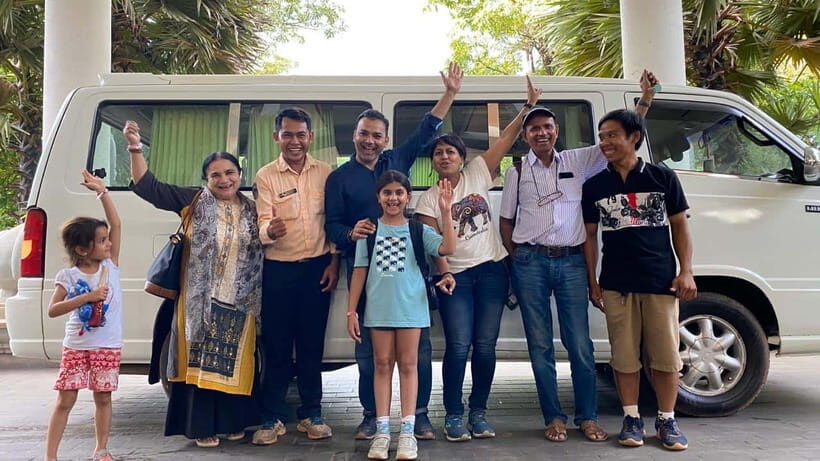
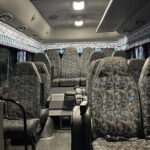
You leave Krong Siem Reap in the morning and head out by shared minibus. The ride takes about an hour and a half before you reach Phnom Kulen, and that travel time isn’t wasted.
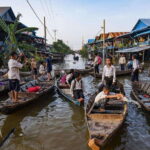
This route tends to give you a real Cambodia rhythm: rural roads, village homes, and stretches where rice paddies show up like patches of green paint. If you like travel that feels grounded, this is the part that helps it. You’re not sealed off in a vehicle that only exists to deliver you to monuments. You’re passing through the places where the Khmer culture you’re learning about still lives day to day.
Practical tip: if you get motion sick, bring your usual remedy. Also, keep your camera accessible, because the best views happen between stops when you aren’t expecting them.
Waterfalls at Phnom Kulen: the day’s big sensory payoff
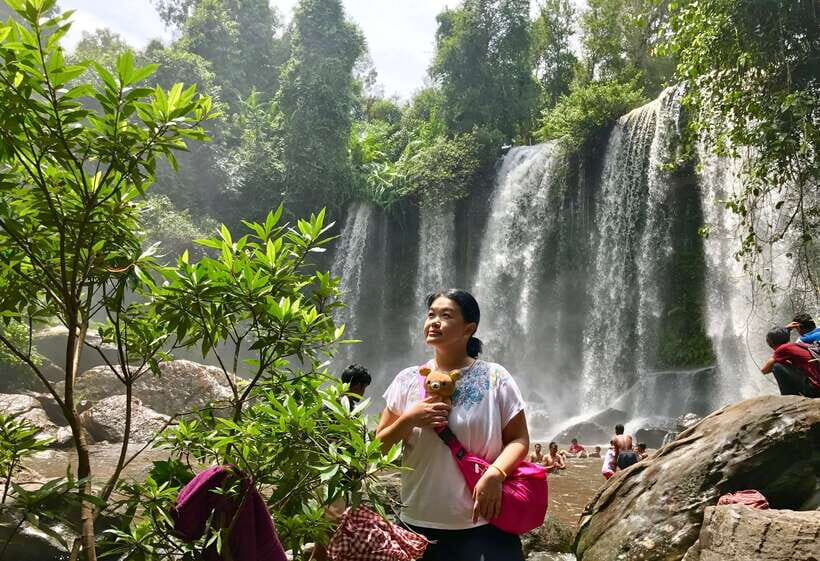
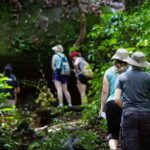
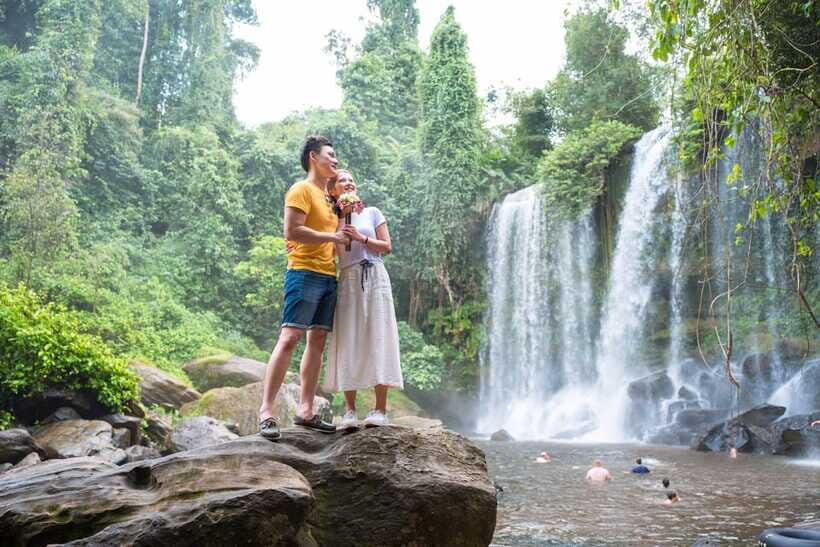
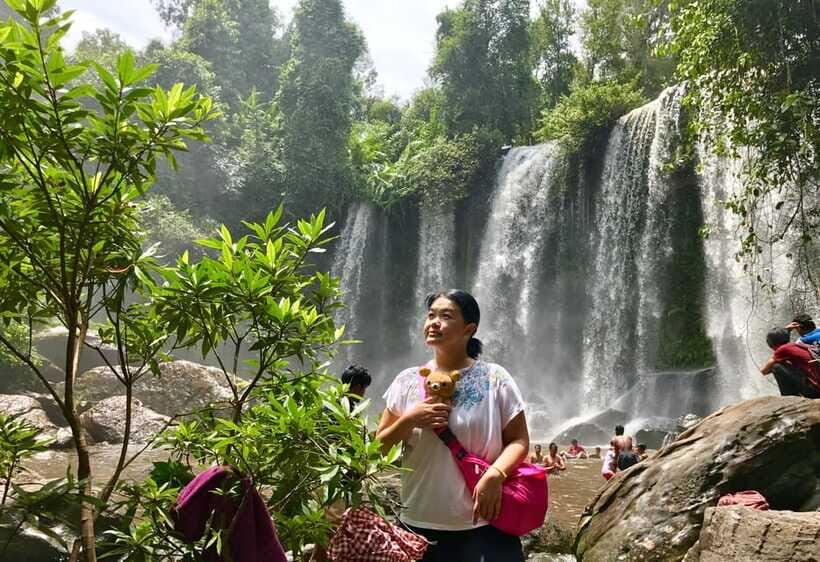
At Phnom Kulen, the tour focuses on the park’s most dramatic attractions, and waterfalls are the main character here. Expect a visit that includes sightseeing and time to walk around the area as you move between the viewpoints.
Waterfalls can be tricky on tours, though. Some operators treat them like a quick photo stop. This one gives you more time on site. You’re not just sprinting from parking lot to waterfall and back. You get to slow down, look at how water reshapes the rock and vegetation around it, and take breaks when you need them.
There’s also a lunch stop near a waterfall, which helps keep the experience from feeling like you drove out, saw the sights, then returned. Instead, the day has a natural rhythm: morning drive, park highlights, a meal in the middle, then cultural stops in Siem Reap after.
Consideration: waterfalls often mean slippery ground and uneven paths. Wear shoes you trust on wet surfaces and bring a small towel or wet wipes if you run warm. Even in cooler months, you can feel damp near the falls.
River of 1000 Shiva Lingas and the reclining Buddha statue
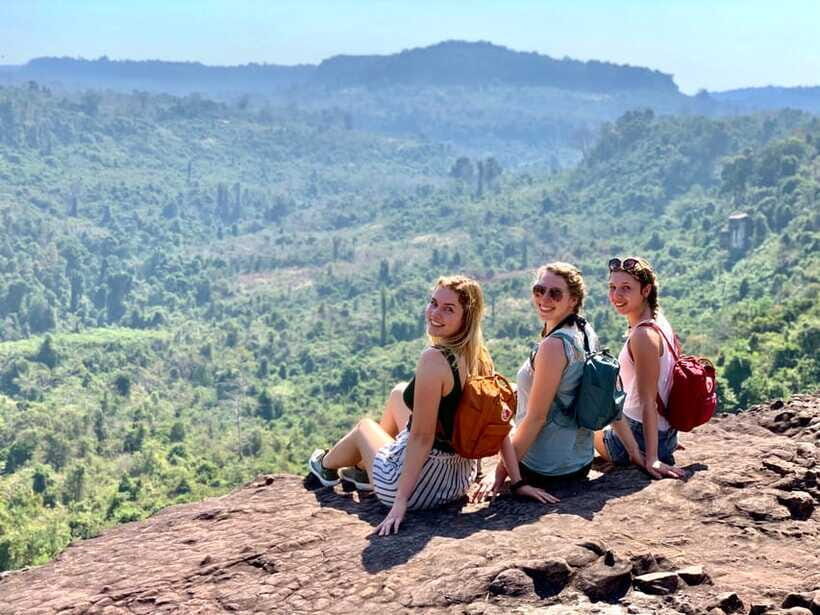
The River of 1000 Shiva Lingas is the kind of stop that turns a background fact into a visual memory. Instead of a single monument, you’re looking at a long, riverside sequence of sacred elements. Standing there, you understand why guides and temples put so much emphasis on sacred waterways and ritual spaces.
What I liked about this part of the tour is how it’s positioned after other park highlights. By the time you reach the river shrine, you’ve already been introduced to the larger Phnom Kulen setting. That makes the Shiva Linga area feel connected rather than random.
Then comes the largest 16th-century reclining Buddha statue in Cambodia. This is a big claim in size and importance, and it’s the kind of sight that changes how you view the park’s religious mix. Even if you know some Cambodian history already, seeing a major Buddha statue right here adds a different layer of meaning to the day.
What to do at these stops: take a minute before you photograph anything. Look first, then shoot. It’s the fastest way to avoid turning a powerful spiritual site into just a collection of images.
Palm Sugar Village and the largest market in Siem Reap
After the park, you shift from sacred stone to everyday craft and shopping. That’s a smart move, because it balances the emotional intensity of religious landmarks with human-scale culture.
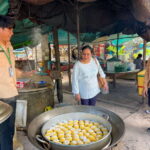
At Palm Sugar Village, you can watch how palm sugar is made using traditional methods passed down through generations. This isn’t just trivia. The process shows you how rural communities turn local plants into something useful and marketable. If you pay attention, you’ll start noticing how craft and food culture connect to the landscapes you saw earlier in the morning.
Then you head to a local market, described as the largest local market in Siem Reap. Markets are where you see what locals actually buy, what’s seasonal, and how daily life looks when it’s not built for tourists. Even if you’re not planning to shop heavily, the market stop can help you understand the city you’re returning to.
Practical tip: Cambodia markets can move quickly, and sellers may approach. Decide early what you’re comfortable with. If you’re a light shopper, focus on a small list like fruit, snacks, or a drink, and stick to it. If you want to buy palm sugar or related items, compare a couple of stalls rather than buying the first thing you see.
Lunch, walking time, and the 6.5-hour pacing
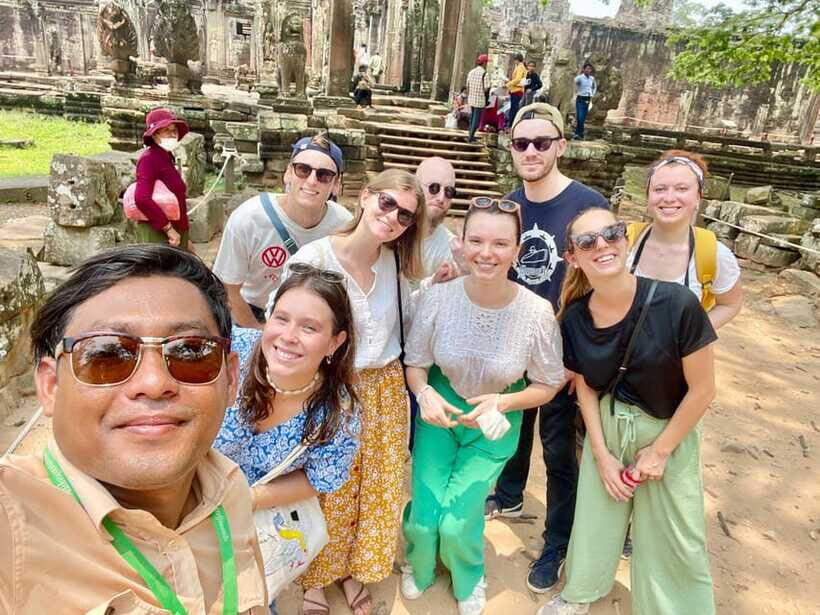
The whole trip runs about 6.5 hours, and it doesn’t feel like it’s padded. Inside Phnom Kulen, you’ll spend around four hours on visit, lunch, sightseeing, and walking, which is a real chunk of the day. That’s good because it gives the park time to sink in. It also means you should dress and plan like you’ll be on your feet.
Lunch is at a nearby spot by the waterfall area, and food and drink are not included. This is the main budgeting detail on the tour. I’d come prepared with a plan for what you’ll eat and how much you want to spend, so you don’t end up paying too much just to be comfortable.
Good to know: you’ll be back to Krong Siem Reap after a shorter ride from the city area, keeping the day from dragging late.
Small-group touring: what you’re paying for at $75
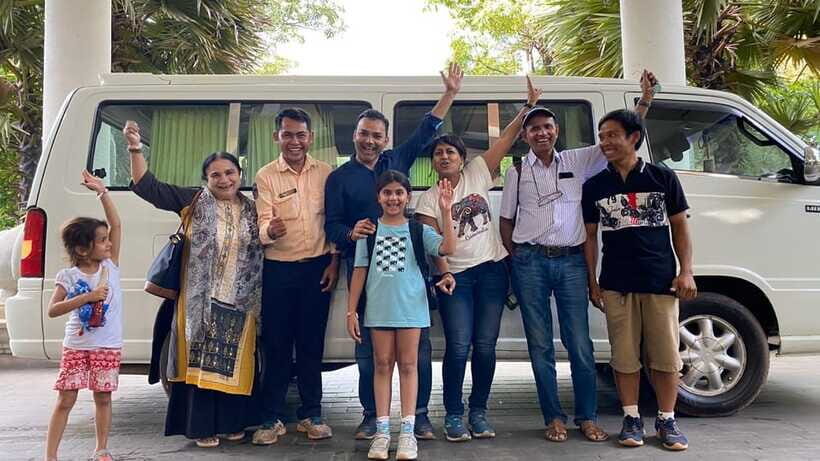
At $75 per person, the value mainly comes from three areas: the organized transport, an English-speaking guide, and access to the key Phnom Kulen Mountain entrance fee.
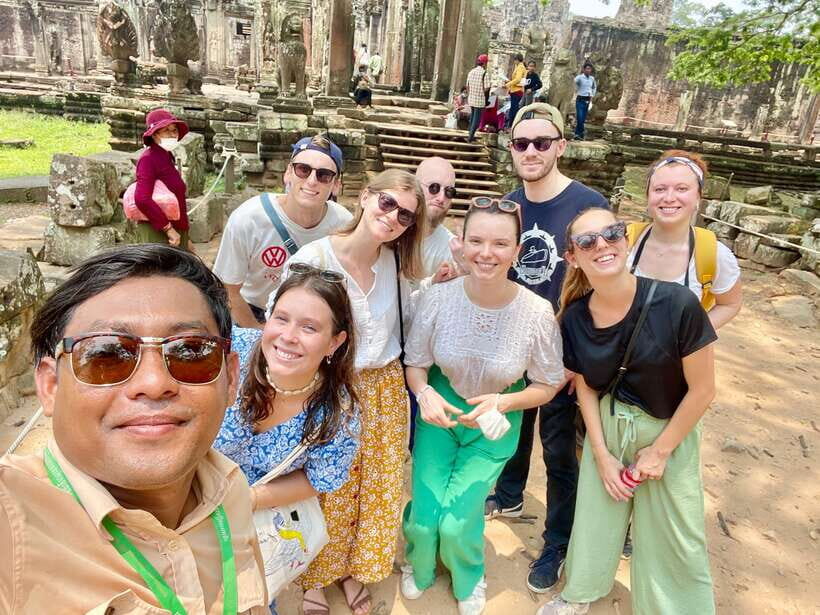
The tour includes hotel pickup and drop-off. That matters in Siem Reap because you want the day to start smoothly and end without you figuring out timing and logistics while you’re tired. The shared minibus also keeps costs reasonable while still feeling like a guided experience instead of a self-drive checklist.
The guide and driver are listed as fully vaccinated, and the guide is English-speaking, which helps if you want history and context without relying on your phone for every explanation. If you’re choosing between doing this DIY or joining a group, the biggest advantage is that someone else handles routing and site order, while still leaving room to look around.
One more detail that affects value: you’re not just ticking off monuments. You also get a countryside drive and a cultural craft stop. That’s what makes the half-day feel like a real day, not a rushed transit between photo points.
Who this tour suits best (and who might want a different plan)
This tour is a strong match if you want a structured morning that mixes major natural sights with Cambodian spiritual landmarks and then finishes with local culture in Siem Reap.
It’s also a good fit if you’re the type who likes understanding why things are where they are. The River of 1000 Shiva Lingas and the reclining Buddha statue are easier to appreciate when your guide can connect them to the story of Khmer origins.
You may want to think twice if you prefer pure nature time with minimal stops. This day includes multiple major sights, plus a market and palm sugar village. It’s not just one waterfall and a picnic.
If your travel style is very slow and you hate walking on uneven ground, plan to move at your own pace at each stop and wear grippy shoes.
Should you book Kulen Mountain & Waterfalls?
I’d book it if you want an efficient, well-shaped day that covers the most memorable Phnom Kulen highlights without turning it into a logistics problem. For $75 with transport, entrance fee coverage, and an English guide, the value is solid, especially if you like combining history, nature, and culture in one half-day.
If you hate extra costs, it’s worth knowing ahead of time that lunch and drinks aren’t included, so budget for that. If you’re okay with that, and you’re comfortable with some walking, this is one of the better ways to experience Phnom Kulen beyond just the famous name.
FAQ
Where does the tour pickup?
Pickup is available from your hotel in Siem Reap (Krong Siem Reap). You’ll need to provide your hotel name and room number when booking.
How long is the Kulen Mountain & Waterfalls tour?
The total duration is about 6.5 hours.
Is this a shared group tour?
Yes. This specific offering is described as a shared-group small group tour with a shared minibus.
What language is the guide?
The tour includes an English-speaking live guide.
What sights will I see at Phnom Kulen?
You’ll visit Phnom Kulen National Park and see the biggest waterfalls, the River of 1000 Shiva Linga, and a large reclining Buddha statue, along with other sightseeing inside the park.
Is lunch included?
No. Food and drink are not included, and lunch is a paid stop during the day.
Are entrance fees included?
Yes. The entrance fee for Phnom Kulen Mountain is included.
Does the price include transportation?
Yes. Hotel pickup and drop-off are included, and you travel by minibus during the day.
Is there time for cultural activities in Siem Reap?
Yes. The day includes visits to Palm Sugar Village and a local market in Siem Reap.
Can I cancel for a refund?
You can cancel up to 24 hours in advance for a full refund.