REVIEW · SIEM REAP
Siem Reap: 2-Day Private Angkor Wat & Phnom Kulen Tour
Book on GetYourGuide →Operated by Vamos Camboja Turismo · Bookable on GetYourGuide
Angkor can feel like a blur of stone unless someone helps you read it. This private 2-day plan keeps you focused, with a licensed guide and transport doing the heavy lifting. I really like the small-circuit pacing on Day 1 and the fact Day 2 lets you choose nature or local life instead of repeating temples. One thing to watch: the Angkor entrance ticket is not included, so budget for that before you go.
The best part is how your guide turns each stop into something you can understand in minutes, not hours. And based on recent bookings of Vamos Camboja Turismo, guides can explain clearly in different languages, including Portuguese reported by guests. The only drawback I’d flag is practical: dress rules and heat are real here, so plan clothes and footwear carefully.
In This Review
- Why This 2-Day Angkor Plan Works Better Than “Temple Sprinting”
- A note on the guide
- Price and Value: What $365 Covers for Up to 2 People
- Getting Started: Pickup, Tickets, and the Morning Rhythm
- Sunrise option changes the whole day
- Day 1: Ta Prohm, Angkor Thom, and Angkor Wat Without the Confusion
- Ta Prohm: The temple with the movie-root look
- Pre Rup and Banteay Srei: Views and fine carvings
- Angkor Thom: Victory Gate and the faces
- Bayon Temple and Angkor Wat: Smiles to symbolism
- Day 2 Choice: Phnom Kulen, Beng Mealea, or Tonlé Sap Floating Village
- Option A: Phnom Kulen + Beng Mealea (nature + mystery)
- Option B: Phnom Kulen + Tonlé Sap floating village (sacred water + daily life)
- Option C: Beng Mealea + Tonlé Sap (ruins + local living)
- Transport and Comfort Details That Matter More Than You Think
- What to Wear (So You Don’t Get Stuck Outside)
- Best-Fit Match: Who This Tour Suits
- Small Drawbacks to Consider Before You Book
- FAQ
- FAQ
- Where do you get picked up in Siem Reap?
- Is the Angkor Archaeological Park entrance ticket included?
- What’s included on Day 2 if you choose the floating village?
- Do I get lunch during the tour?
- What are the allowed languages for the guide?
- What should I bring and wear?
- Should You Book This 2-Day Private Angkor Tour?
Why This 2-Day Angkor Plan Works Better Than “Temple Sprinting”
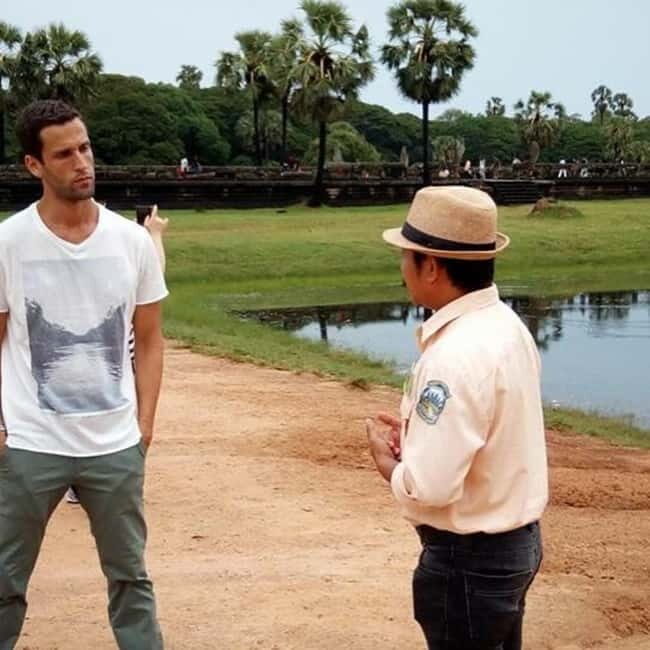
This tour is built for the way Angkor actually feels on the ground: long days, lots of walking, and plenty of photo time but also plenty of details you can miss if you show up blind. With hotel pickup, a private guide, and an efficient route, you spend less time figuring out logistics and more time seeing what matters.
On Day 1, you hit a strong blend of iconic structures and the kind of “wow, how did they do that?” craft that Angkor is famous for. On Day 2, you can step away from the main cluster and swap in jungle, a half-ruined temple experience, or Tonlé Sap village life.
I also like that it’s genuinely private. You don’t have to adjust to a big bus schedule or get split attention. You can ask questions, slow down when something grabs you, and keep moving when you’re ready.
A note on the guide
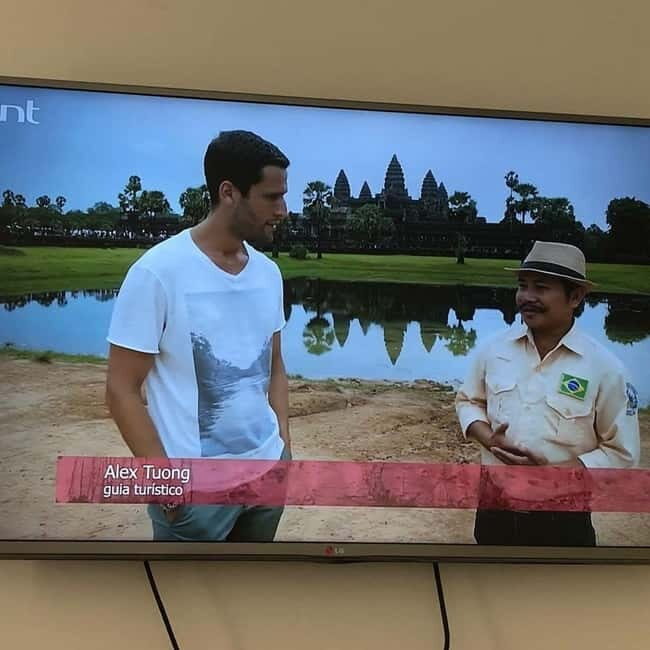
The tour lists licensed guide languages as English, Spanish, French, Italian, or Japanese. One recent guest specifically noted Portuguese explanations and excellent service. If you need Portuguese (or any specific language), confirm it when you book.
Other Angkor Wat temple tours we've reviewed in Siem Reap
Price and Value: What $365 Covers for Up to 2 People
The price is $365 per group for up to 2 people for the full 2-day tour. That matters because you’re not paying per person the way many group tours do. In practice, you’re paying for privacy plus a licensed guide plus transport plus the Tonlé Sap boat component (for the floating village option).
What’s not included is the Angkor Archaeological Park entrance ticket at $37 per person for 1 day. You’ll buy it with your guide at the ticket booth, or you can buy it online ahead of time. Plan this as a separate line item, especially if you’re doing the major Angkor sights on Day 1 and want to avoid surprises.
Day 2 costs can also shift a bit depending on your choice:
- Beng Mealea entrance ticket is listed at $10 per person
- Phnom Kulen National Park entrance ticket is listed at $20 per person
- Floating village includes the boat ticket and local taxes in the tour inclusions
If you’re comparing options, this is the key value check: you’re not just buying “a ride to temples.” You’re paying for guided interpretation and a route that aims to keep the day from feeling chaotic.
Getting Started: Pickup, Tickets, and the Morning Rhythm
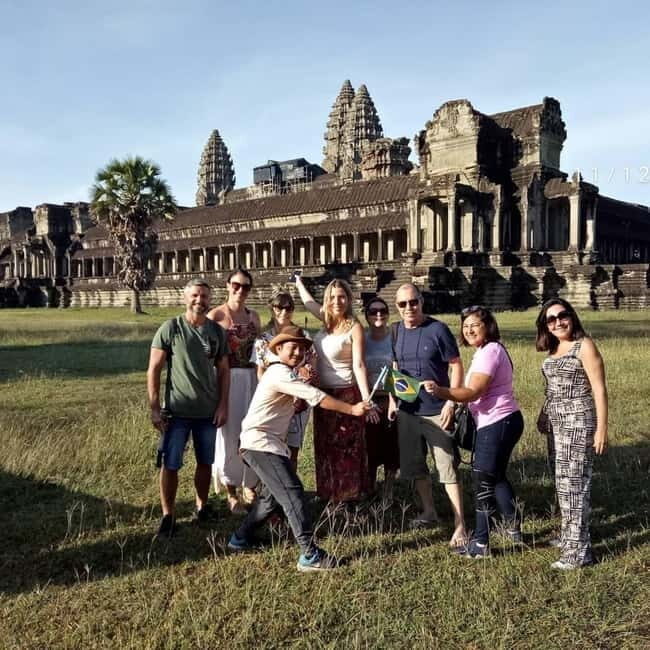
Pickup is at your hotel lobby at 08:00 on Day 1 and 08:30 on Day 2, with return drop-off around 05:00 each day. On Day 1, you’ll travel together to the ticket booth to purchase your temple pass (unless you chose to buy online in advance).
The tour also advertises skip the ticket line, which can be a big deal in Siem Reap when crowds build up fast. Still, don’t assume your only cost is the tour price. The park ticket is separate, and you’ll need to show a passport as proof.
Sunrise option changes the whole day
Day 1 has an early start option: 05:00 departure and finish around 03:30 PM. That can be a great trade if you want cooler temperatures and softer light for photos. It also means you’ll be done earlier than the standard Day 1 finish around 05:30 PM.
Day 1: Ta Prohm, Angkor Thom, and Angkor Wat Without the Confusion
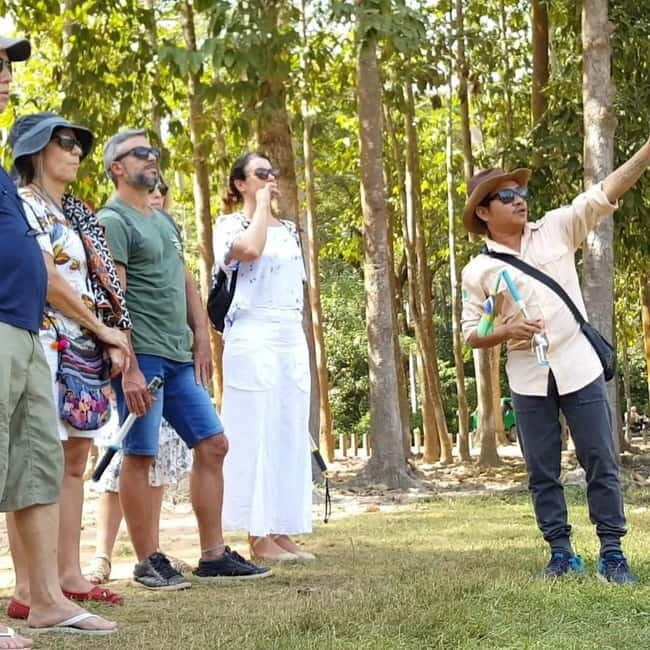
Day 1 is built around what I’d call the “big reads” of Angkor: temples that are instantly recognizable, plus spots where a guide helps you notice the symbolism and craftsmanship.
Expect a full day with guided stops and a lunch break at a local restaurant (lunch itself is not included). The tour includes cold water and a cold towel during visits, which helps more than you’d think once the heat kicks in.
Other Kulen Mountain and waterfall tours we've reviewed in Siem Reap
Ta Prohm: The temple with the movie-root look
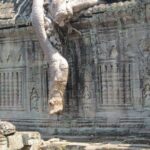
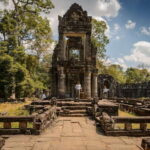
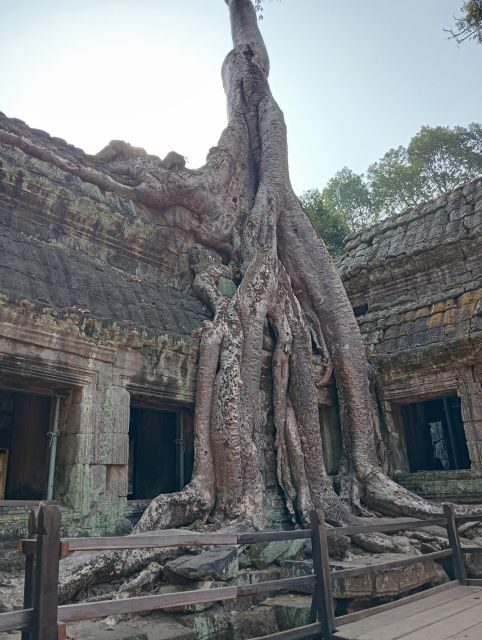
You start at Ta Prohm, famous for massive tree roots threading through stonework. The guide timing matters here because the light and crowd flow change quickly. With a guide, you’re more likely to notice where the structure was altered and why the “jungle overgrowth” look still feels so dramatic.
This stop works well even if you think you’ve already seen it online. In person, the scale is bigger, and the story is clearer when someone explains how the site sits between restoration and nature.
Pre Rup and Banteay Srei: Views and fine carvings
From the tour description, the plan continues to Pre Rup for a mountain-style temple and sweeping views over the Cambodian countryside. Then you’ll reach Banteay Srei, known as the Citadel of Women and admired for intricate pink sandstone carvings.
This is one of the smartest parts of the day: after the heavyweights like Ta Prohm, you get a shift in texture and detail. Carvings are the kind of thing you’ll either rush through or stare at for a long time, depending on whether you understand what you’re looking at.
Angkor Thom: Victory Gate and the faces
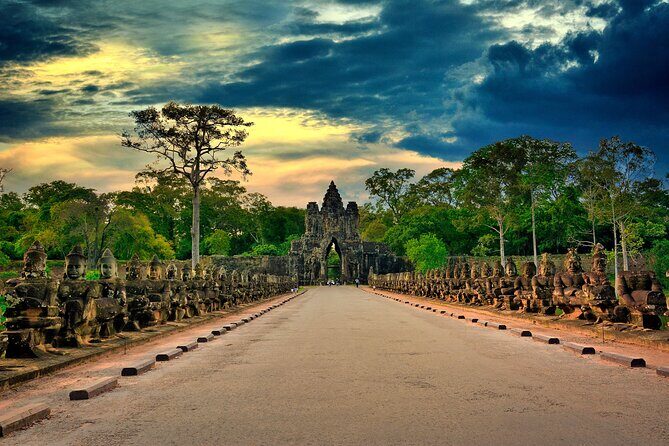
After lunch time, you move into Angkor Thom, starting with the Victory Gate and its dramatic stone faces. Then you walk the Terrace of the Elephants and Terrace of the Leper King.
These terraces aren’t just “photo spots.” They’re where you get a sense of how processions and power were staged at Angkor. With a guide, you start connecting the dots between the visual language of the city and the temples’ roles.
Bayon Temple and Angkor Wat: Smiles to symbolism
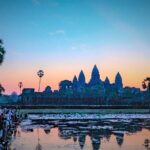
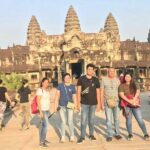
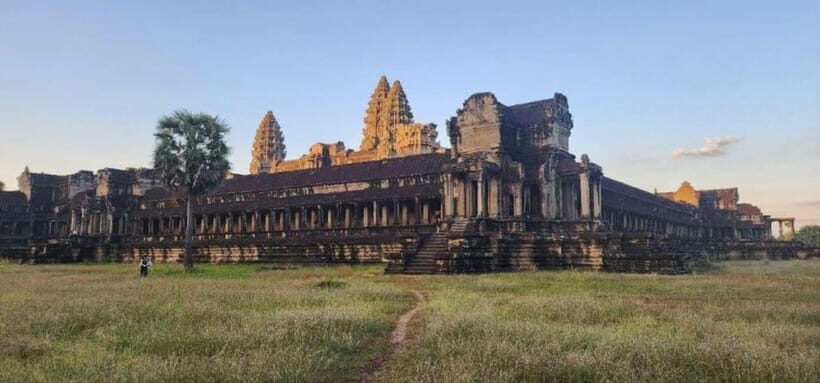
You’ll visit Bayon Temple, famous for towers of serene faces, and then finish at Angkor Wat, the world’s largest religious monument. The guide focus here is key: it’s easy to see Angkor Wat as just a perfect postcard, but a good explanation helps you understand the art and symbolism without drowning you in academic jargon.
The day ends with return to your hotel around 05:30 PM for the standard timing.
Day 2 Choice: Phnom Kulen, Beng Mealea, or Tonlé Sap Floating Village
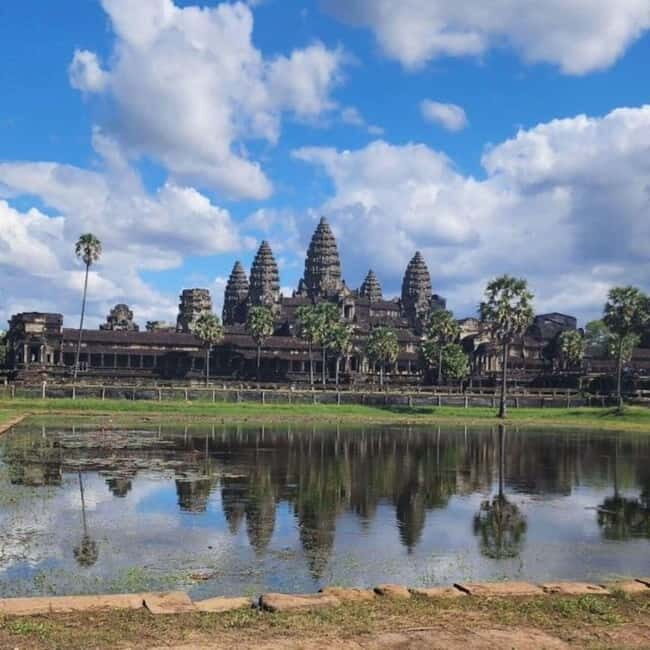
Day 2 is where this tour stops feeling like a single-theme checklist. Instead, you pick one of three pairings, and your day’s mood changes completely.
Pickup is 08:30 AM and you’re back at your hotel around 05:00 PM. You’ll choose:
- Option A: Phnom Kulen + Beng Mealea
- Option B: Phnom Kulen + Floating village (Tonlé Sap)
- Option C: Beng Mealea + Floating village (Tonlé Sap)
Option A: Phnom Kulen + Beng Mealea (nature + mystery)
If you like the idea of jungle and ruins in the same day, Option A is strong.
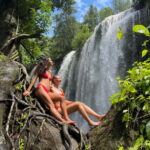
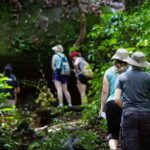
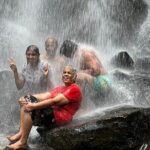
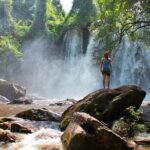
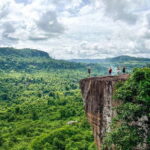
At Phnom Kulen National Park, you visit the River of a Thousand Lingas, a reclining Buddha, and waterfalls in jungle scenery. This is the day’s “stretch your legs and slow down” section, because the setting changes the way you walk and look.
Then you head to Beng Mealea Temple, a 12th-century site left largely unrestored. Expect collapsed corridors, stone galleries, and tree-covered ruins that feel like an “Indiana Jones” moment. This is not a polished showpiece; it’s a place where imagination does some of the work.
Option B: Phnom Kulen + Tonlé Sap floating village (sacred water + daily life)
Option B mixes sacred landscape with real local routines.
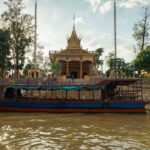
After Phnom Kulen’s spiritual sites and waterfall area, you move to the Tonlé Sap floating village by boat. Your cruise passes floating houses, schools, and markets, so you can understand daily life on the lake as water levels change.
The tour includes boat ticket and local taxes for this part, which helps keep the cost predictable.
Option C: Beng Mealea + Tonlé Sap (ruins + local living)
If you want a Day 2 built around contrast, Option C is great. Beng Mealea gives you the raw, overgrown temple feeling. Tonlé Sap then brings you into communities that live with the rhythm of the lake.
This combo often feels more balanced than doing two temple-heavy days. It’s also a nice way to avoid fatigue from too much stone.
Transport and Comfort Details That Matter More Than You Think
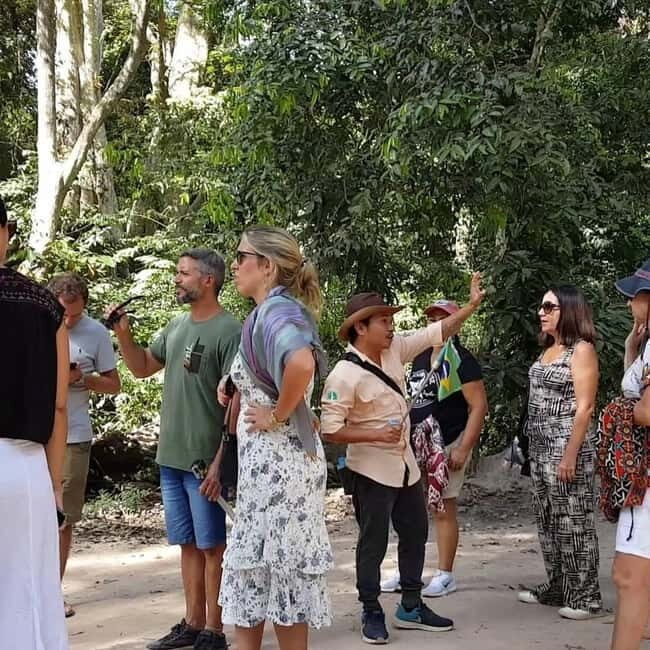
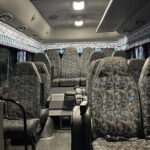
You’ll travel by air-conditioned car, van, or bus depending on group size. Since this is a private group, you’re less likely to feel squeezed into a route that makes no sense for your pace.
The tour includes hotel pickup and drop-off, so you’re not hunting tuk-tuk negotiations every morning. That’s a real value, especially if you’re trying to keep days smooth while jet-lagged or short on time.
Also bring this to mind: the tour asks for comfortable shoes, a hat, insect repellent, and cash. That’s not fluff. Angkor days are long, and small practical items prevent grumpy moments.
What to Wear (So You Don’t Get Stuck Outside)
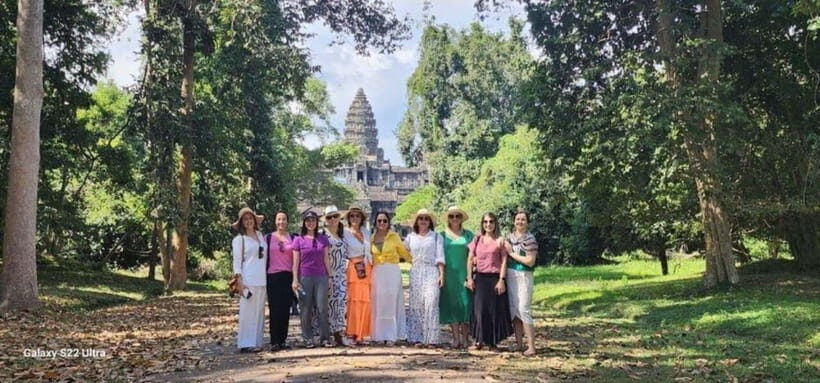
Temple dress code is strict enough to ruin a day if you ignore it. The rules:
- Shorts, short skirts, and sleeveless shirts are not allowed
- You may wear a scarf to cover knees and shoulders for most temples
- Except Angkor Wat, you must wear pants and skirts that cover the knees, plus shirts that cover shoulders
Plan for heat and humidity. A light long-sleeve shirt or breathable long pants can be the difference between enjoying the day and suffering through it.
Best-Fit Match: Who This Tour Suits
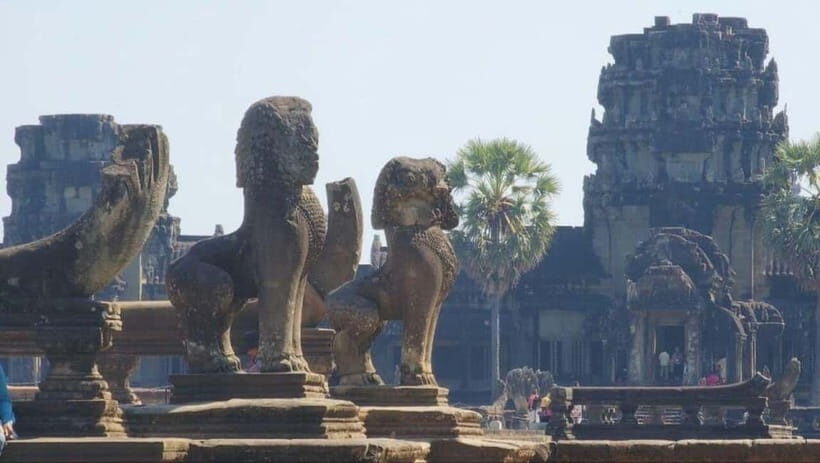
This tour fits best if you want:
- A private, licensed guide so you understand what you’re seeing
- A route that mixes famous monuments with less-overcrowded stops
- Flexibility on Day 2, with real choices between temples, nature, ruins, and local life
- Pickup and transport that keep the schedule tight but not chaotic
It’s also a solid option if you value comfort and pacing over racing. The itinerary timing is designed so you can see a lot without turning each stop into a sprint.
It’s not a fit for wheelchair users, babies under 1 year, or people over 95 years, based on the tour’s stated limits.
Small Drawbacks to Consider Before You Book
The biggest consideration is the separate Angkor entrance ticket. If you forget to budget it, you’ll feel it at the ticket booth.
Second, lunch is not included beyond a scheduled break time. So you’ll need to plan for meals and drinks on your own during the tour.
Finally, the dress code can be a hassle if you packed for beaches. If you’re in Cambodia in hot weather, it’s still worth bringing temple-appropriate clothes.
FAQ
FAQ
Where do you get picked up in Siem Reap?
You’re picked up from the lobby of your hotel. Day 1 pickup is 08:00, and Day 2 pickup is 08:30. You’ll need to provide your hotel name or address and a contact number.
Is the Angkor Archaeological Park entrance ticket included?
No. The Angkor Archaeological Park entrance ticket is not included in the tour price. It’s listed at $37 per person for 1 day, and your guide will help you purchase it (or you can buy online in advance).
What’s included on Day 2 if you choose the floating village?
For the Tonlé Sap floating village, the tour includes the boat ticket and local taxes. Entrance tickets for the other Day 2 options are listed separately.
Do I get lunch during the tour?
There’s a scheduled lunch break at a local restaurant, but lunch and drinks are not included unless specifically mentioned. You should budget for your meal on the day.
What are the allowed languages for the guide?
The tour lists licensed guides in English, Spanish, French, Italian, or Japanese. One booking noted Portuguese explanations, so if you need a specific language, confirm during booking.
What should I bring and wear?
Bring comfortable shoes, a hat, camera, comfortable clothes, insect repellent, and cash. Avoid shorts, short skirts, and sleeveless shirts. A scarf can help cover knees and shoulders, and aside from Angkor Wat, you’ll need clothing that covers shoulders and knees.
Should You Book This 2-Day Private Angkor Tour?
Yes, if you want a confident Angkor plan with less guesswork and more meaning. The private setup, licensed guide, and hotel pickup are exactly what make this easier than DIY-ing in a place where timing and rules matter.
I’d book it especially if Day 2 choice matters to you. Option A leans into nature plus a raw ruin. Option B mixes sacred sites with real lake life. Option C is a contrast-heavy day that breaks up temple fatigue.
Just don’t forget the park ticket cost and plan clothing for the dress code. If you handle those two things, you’ll get two full days that feel intentional, not just crowded.