REVIEW · SIEM REAP
1-Day Angor Wat Small Circuit Tour with Sunset
Book on Viator →Operated by Angkor Guide Services · Bookable on Viator
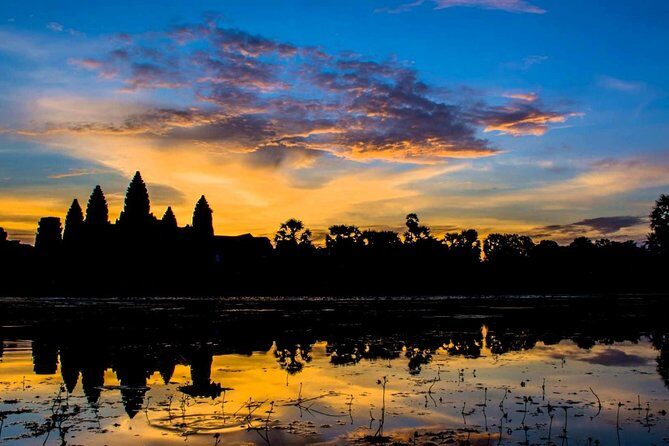
Angkor Wat in one day is a sprint. This small-circuit route is built around the best light and the right mix of famous faces and quieter stops, and I really like the way it starts early with Angkor Wat sunrise and finishes with Phnom Bakheng sunset. The other big plus is having a licensed English-speaking guide who keeps you moving with clear context and practical photo timing. One thing to consider: it’s a long day, and the final climb at Phnom Bakheng can feel tiring when you’re already footsore.
What makes this tour practical is that it wraps a lot of Angkor’s top sights into one tight loop without you needing to plan transport between sites. You’ll also get pickup and drop-off, an air-conditioned car, and small comforts like cool water and a cool wet towel—the kind of details that help when it’s hot. The itinerary also gives you a brief break from crowd gravity with a stop like Ta Nei, which stays calmer than the headline temples.
In This Review
- Key Highlights You’ll Care About
- Why the Small Circuit Works in One Day
- Morning Start: Angkor Wat Sunrise Without the Chaos
- Ta Prohm and Ta Nei: Trees, Stones, and a Much-Needed Breather
- Angkor Thom South Gate, Bayon Faces, and Baphuon’s Shape
- Royal Palace Terraces: Elephant Views and the Leper King Platform
- Phnom Bakheng Sunset Climb: Worth It, Know the Pace
- Price and Logistics: What $63 Really Buys You
- Guide Style Matters: Where Sok and Mr. Lucky Add Real Value
- Practical Tips for Comfort, Timing, and Photos
- Who This Tour Fits Best
- Should You Book This Tour?
- FAQ
- What time does the tour start?
- How long is the experience?
- Is the temple pass included in the price?
- What’s included in the tour price?
- Are meals included?
- Can I cancel for a full refund?
Key Highlights You’ll Care About
- Sunrise timing at Angkor Wat: early start for the best light and a smoother start to the day
- Tree-root drama at Ta Prohm: classic Angkor texture and angles for photos
- A quieter forest pause at Ta Nei: a small, less-restored temple stop to reset
- Angkor Thom photo points: Victory Gate, Bayon faces, and Baphuon’s stepped shape
- Royal-palace terraces: Elephant and Leper King terraces add variety beyond main towers
- Sunset from Phnom Bakheng: a final climb with big views if you pace yourself
Why the Small Circuit Works in One Day
This tour follows the “small circuit” idea: focus on the most meaningful cluster of temples rather than trying to stretch across the entire Angkor region. The payoff is real: you’ll see the headline names—Angkor Wat, Ta Prohm, Angkor Thom—and still have time for the sunset view from Phnom Bakheng.
I like that the route balances energy levels. You get intense moments (like Angkor Wat and Bayon) plus shorter stops that prevent the day from turning into one endless march. That balance is what makes it feel doable even when the day runs about 8 to 9 hours.
Other Angkor Wat sunset tours we've reviewed in Siem Reap
Morning Start: Angkor Wat Sunrise Without the Chaos
The day kicks off at 8:00am with pickup from your hotel or guest house. One detail I appreciate: the guide plans time for you to buy the temple pass before heading into Angkor Wat, so you’re not scrambling at the gates.
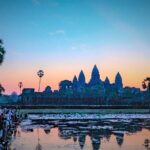
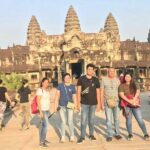
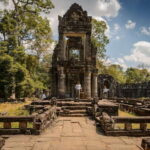
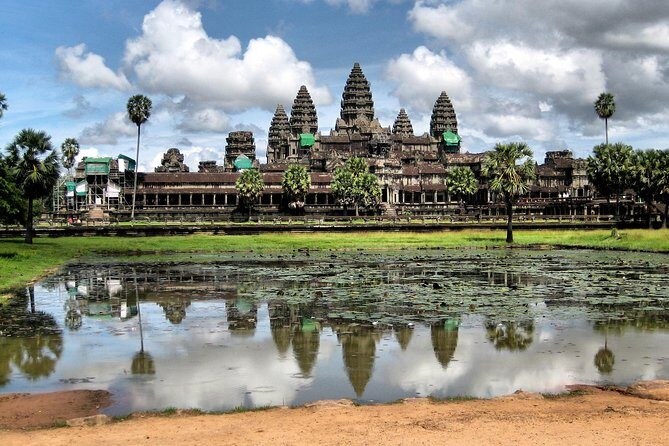
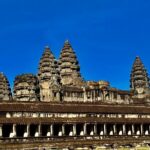
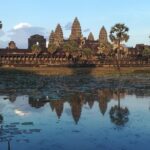
You’ll arrive early enough to watch sunrise at Angkor Wat, then continue after sunrise to explore the temple. Angkor Wat is the iconic one for a reason—massive scale, crisp geometry, and that “holy-calm” feeling once you’re inside the walls before the crowds thicken.
Practical tip: dress for heat and sunlight. Even though sunrise sounds cool, Cambodia’s sun ramps fast. Bring a hat, use sunscreen, and keep water accessible. With this tour you’ll have cool water and a cool wet towel as a bonus, but you’ll still want your own basics.
Ta Prohm and Ta Nei: Trees, Stones, and a Much-Needed Breather
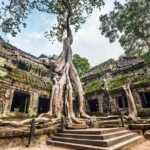
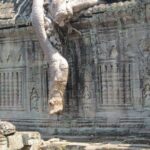
Next up is Ta Prohm, often called the Tomb Raider temple because of its film fame. The star here isn’t just the temple shape—it’s the giant tree roots climbing over stone like slow-moving machinery. This stop is great for photos because the textures create strong lines, and the guide can steer you to better angles while you’re there.
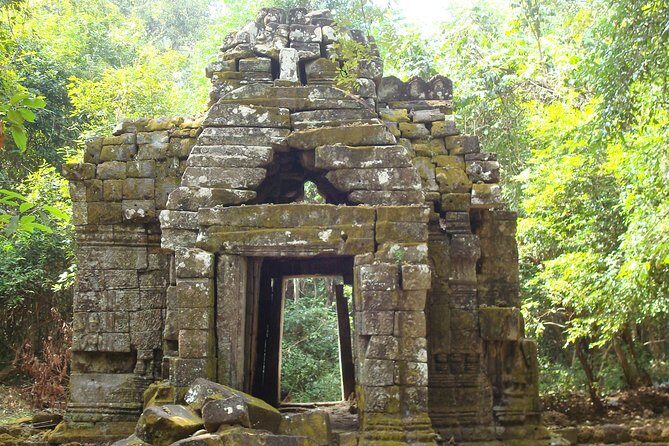
After that comes Ta Nei, a smaller temple in the forest. The key advantage is right in the name of the experience: it’s described as quiet and not yet fully restored, which typically means it feels more raw and less crowded than the headline sites. You’ll only spend about 30 minutes, so treat it like a reset button—walk slowly, look up, and take in how the forest frames the ruins.
This pairing works well for your legs and your brain. Ta Prohm gives you big drama. Ta Nei gives you a calmer pause before you return to the more crowded heart of Angkor Thom.
Angkor Thom South Gate, Bayon Faces, and Baphuon’s Shape
Angkor Thom is where Angkor turns theatrical. You’ll start with a quick photo stop at the Victory Gate (Angkor Thom South Gate), a classic framing spot where your photos can look instantly more “Angkor” just from the way the gate lines up.
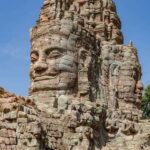
Then comes Bayon, the temple at the center of Angkor Thom with 216 faces. The effect is immediate: you feel watched from every direction. Plan to give yourself time here—about 1 hour—because Bayon rewards careful movement and looking at the way the faces repeat across levels.
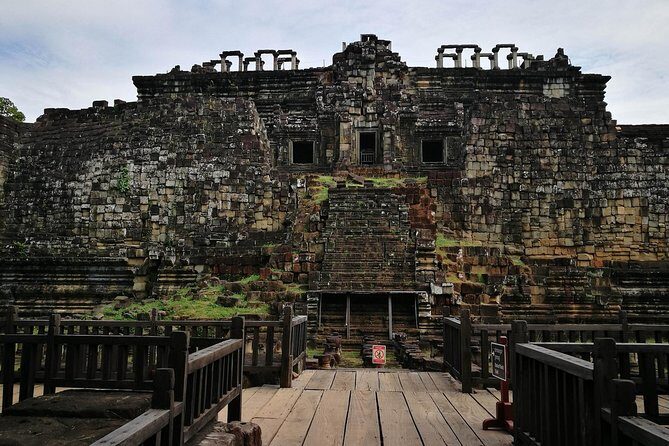
After Bayon, you’ll visit Baphuon, a pyramid-shaped Khmer structure built in the 11th century (the tour notes it as built before Angkor Wat). It’s restored and open to tourists now, and that matters because you can actually appreciate its stepped design instead of seeing only broken outlines.
A small caution: Bayon plus Baphuon means more stairs and more walking than you might expect from the itinerary’s tidy stop descriptions. Comfortable shoes are not optional. If your feet are sensitive, give your laces and socks a test before you come to Angkor.
Royal Palace Terraces: Elephant Views and the Leper King Platform
The middle-late part of the day shifts from towers and faces to palace architecture and viewpoints. You’ll visit parts of the former royal palace area, including the Terrace of the Elephants and the Terrace of the Leper King. These terraces are described as part of the royal palace enclosed walls, and they served as a viewing platform for King Jayavarman VII when he watched his victory army.
This is one of those stops that helps you understand Angkor beyond postcard ruins. Instead of only asking what the temples look like, you can picture how power and ceremonies played out across these spaces. And for photos, terraces are practical because they often give you wider sightlines than deep inside courtyards.
You’ll spend about 30 minutes here, which is enough time to look closely at details and take photos without dragging the day longer than it already is. If you’re short on time in Cambodia, this is the kind of stop that makes the whole circuit feel more “complete,” not just a list of major names.
Other Small Circuit tours we've reviewed in Siem Reap
Phnom Bakheng Sunset Climb: Worth It, Know the Pace
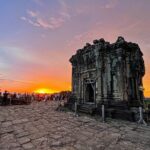
The final act is sunset at Phnom Bakheng. This tour takes you up the mountain and to the Bakheng Temple for the highest view of the sunset. The itinerary notes this as a hike, and the review caution you should take seriously is that the climb at the end can be tiring—especially after hours of walking.
So here’s how you handle it: slow down on the way up. Don’t sprint at the start. You’ll arrive out of breath, but you want your legs to be steady enough to enjoy the view when you get there.
Also, be realistic about conditions. You’ll be climbing near the end of a long day, so it’s a smart time to wear shoes with grip and skip anything slippery. Carry your water, protect your skin from sun and wind, and keep your phone charged because sunset moments can steal your attention.
If the climb is too much for you, you’ll still likely get partial views from lower points as the crowd gathers—but follow your guide’s plan so you don’t end up fighting your way through the wrong lines.
Price and Logistics: What $63 Really Buys You
At $63, this is priced like a solid “all-in-one” day plan—especially because it includes:
- a licensed English-speaking guide
- pickup and drop-off at your hotel
- an air-conditioned vehicle
- cool water and a cool wet towel
But you also need to budget for the separate temple pass for one day, listed as $37 USD per person. That brings your temple-only total to about $100 per person before any meals.
Meals are not included (no breakfast/lunch/dinner). And that matters in Angkor because you’ll be focused, hot, and walking. Plan to eat early and keep snacks handy if your appetite runs hungry between stops.
The value question is simple: if you want a guided route that hits the key temples and you don’t want to manage vehicle logistics between sites, this is good value. If you’d rather go completely flexible and you already know how you’ll handle transport and timing, you could DIY. But most people choose tours at Angkor because timing is everything, especially for sunrise and sunset.
Guide Style Matters: Where Sok and Mr. Lucky Add Real Value
One reason this tour gets praise is the guide quality. Names from the experience include Sok and Mr. Lucky, and they’re described as friendly, on-time, and strong on English. More importantly, their guidance isn’t just talking—it’s helping you see and photograph better while keeping the day organized.
Here’s what I’d look for in a good guide on this circuit:
- clear explanations of what you’re seeing (not just dates)
- smart pacing so you don’t lose the best light
- photo help, including knowing where to stand and when to move
If you end up with a guide who’s comfortable answering questions—especially about Cambodian events and temple meaning—you’ll feel like the temples become less mysterious and more personal. That’s the kind of payoff that turns “I visited Angkor” into “I understood Angkor.”
Practical Tips for Comfort, Timing, and Photos
Angkor is photogenic, but it’s also physical. Here’s how you keep the day enjoyable.
Wear the right footwear. This route includes long periods of walking and an end-of-day climb to Phnom Bakheng. If your shoes aren’t supportive, you’ll feel it fast.
Bring sun protection. Even with cool towels, you’ll still be exposed for long stretches. A hat, sunscreen, and lightweight long sleeves can save you from turning your “sunrise to sunset” day into a sunburn story.
Use the tour’s structure. Sunrise needs you ready early; sunset needs you to be patient at the end. If you try to “freestyle” during the stops, you often miss the best angles.
If photos matter to you, treat each stop like a mini photo mission. At Ta Prohm, focus on textures and root lines. At Bayon, use face patterns and the symmetry of corners. At the terraces, find viewpoints that show the scale of the palace area.
And keep your expectations realistic: you’ll see a lot in one day, so you won’t have “slow museum time” in every temple. The secret is to give your full attention to the stops you care about most—then let the rest flow.
Who This Tour Fits Best
This is a great fit if you:
- want a single-day circuit that covers the core Angkor highlights
- like having an organized plan rather than figuring out timing across sites
- care about sunrise and sunset views
- prefer a guide who can answer questions and help with photos
It’s also a decent choice if you’re traveling with limited time and want to maximize your day without hiring separate transport for every stop. If you have mobility limits, be cautious. The itinerary includes multiple walking segments and a hike up Phnom Bakheng at the end.
Should You Book This Tour?
I’d book this tour if you want the classic Angkor mix, but with practical structure. The early Angkor Wat sunrise plus the late Phnom Bakheng sunset are the kind of timing wins that are hard to replicate if you’re DIY-ing. And the included extras—pickup, AC vehicle, licensed guide, water, and wet towels—make the long day feel more manageable.
I wouldn’t book it only if you know you struggle with long, hot days and end-of-day climbs. In that case, you might prefer a shorter route with fewer stairs. But if you’re up for it, this circuit hits a strong set of temples in one day and gives you enough variety to feel like you saw Angkor, not just one landmark.
FAQ
What time does the tour start?
The tour starts at 8:00am.
How long is the experience?
It runs about 8 to 9 hours.
Is the temple pass included in the price?
No. The temples pass for one day is $37 USD per person and is not included.
What’s included in the tour price?
You get an English-speaking licensed guide, hotel pickup and drop-off, an air-conditioned vehicle, and cool water and a cool wet towel.
Are meals included?
No. Meals (B/L/D) are not included.
Can I cancel for a full refund?
Yes. Free cancellation is available if you cancel up to 24 hours in advance for a full refund.