REVIEW · SIEM REAP
Angkor Wat Small Circuit Tour
Book on Viator →Operated by Angkor Doors · Bookable on Viator
Angkor Wat is best when you know where to look. This private Angkor Wat Small Circuit Tour in Siem Reap strings together the big four temples with an English-speaking guide, AC transport, and handy water stops. I love the focused order of the route and how the guide helps you read what you’re seeing instead of just walking from one sign to the next. You should know one drawback upfront: the $37 One Day Angkor Pass is not included, so your real total is higher than the tour price.
The morning start matters. You roll out around 8:00 am after breakfast, which helps you beat the heat and get better temple light before the day gets crowded. And in the small details, I like that the experience comes prepared, with cold drinking water on board, plus the kind of thoughtful touchpoints guides are known for on this route.
You also get a true private setup. It’s only your group, and you’ll be dropped back in Siem Reap town at the end, so the day feels smooth instead of chopped up.
In This Review
- Key highlights that make this Small Circuit worth it
- The Angkor Wat Small Circuit: what you really get in 7 to 8 hours
- Price and logistics: $47.44 is only part of the equation
- The 8:00 am start and how the AC ride changes your day
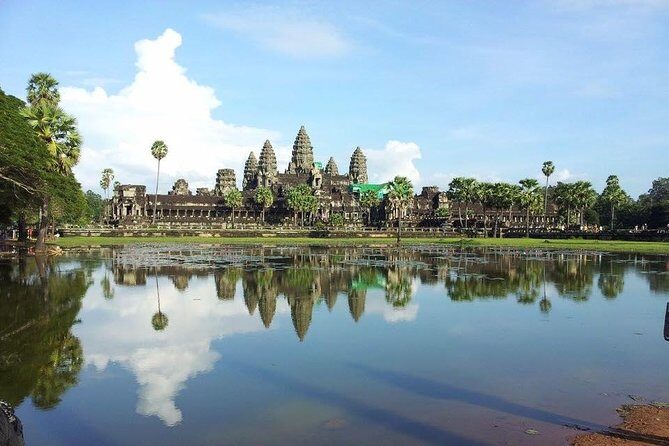
- Stop 1: Angkor Wat for the biggest-first effect
- Stop 2: Angkor Thom and the South Gate approach
- Stop 3: Ta Prohm, the Tomb Raider temple, with real-life texture
- Stop 4: Banteay Kdei for the quieter, chamber-filled finale
- Guides that make the temples click: Pat, Sophal, Pal Chen, Bunpheng, Pheng
- Temple dress code: the one rule that can derail the day
- Who this Angkor small circuit tour suits best
- Should you book this Angkor Wat Small Circuit Tour?
- FAQ
- What temples are included on the Angkor Wat Small Circuit Tour?
- How long is the tour?
- Is the Angkor Pass included in the tour price?
- What is included with the $47.44 per person price?
- What dress code do I need to follow?
- Is free cancellation available?
Key highlights that make this Small Circuit worth it

- Private guide + vehicle for a tighter, less stressful day
- Start around 8:00 am to make the most of daylight and cooler temperatures
- Four temple stops that cover the core Angkor experience: Angkor Wat, Angkor Thom, Ta Prohm, Banteay Kdei
- Cold bottled water (and comfort-focused care) so you can stay in the sightseeing rhythm
- Mobile ticket for the tour convenience
- Temple dress code is enforced: cover shoulders and thighs, or you may be refused entry
The Angkor Wat Small Circuit: what you really get in 7 to 8 hours
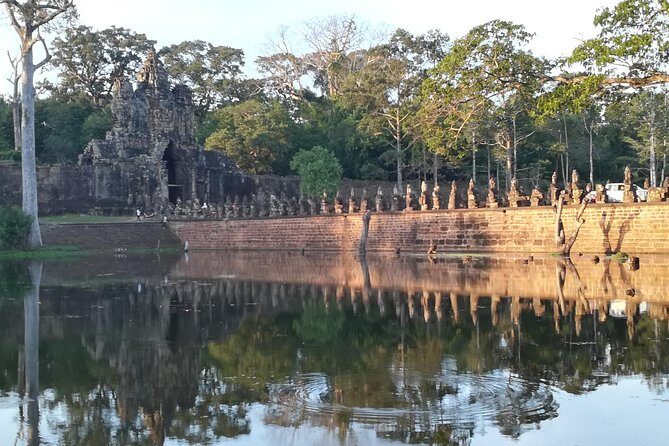
This is a “see the essentials” style of Angkor day. You’re in the Angkor Archaeological Park area long enough to enjoy the major sights, but the pacing is built for a half-to-full-day plan rather than an all-day slog. If you want a clear hit list—without choosing between monuments for hours—this route is a practical fit.
The big value is that it’s not just transport plus a map. You have an English-speaking guide and a dedicated vehicle (AC car, minivan, or minibus). That matters because Angkor rewards attention: the carvings, layouts, and symbolism can feel confusing if you’re trying to figure it out solo. With the guide, you’re more likely to understand why each temple looks the way it does and what you’re standing in front of.
Time-wise, the schedule is built around the ruins that people most want to experience:
- Angkor Wat (about 3 hours)
- Angkor Thom (about 3 hours)
- Ta Prohm (about 1 hour)
- Banteay Kdei (about 1 hour)
So yes, you will walk. But it’s not random wandering. It’s a plan designed so you can actually enjoy the temples rather than spending the day stuck in logistics.
Other Angkor Wat temple tours we've reviewed in Siem Reap

Price and logistics: $47.44 is only part of the equation
The tour price is $47.44 per person, and it includes a few comfort and service items: an English-speaking tour guide, transportation in an AC vehicle, and bottles of cold drinking water. Those are real benefits, especially in Siem Reap heat.
But the main cost you must budget for is the One Day Angkor Pass at $37.00 per person, which is not included. So, if you’re doing the math, you’re realistically looking at roughly $84+ per person for the full day once you add the temple entry.
Is that “good value”? For a private guided circuit, it usually is—because you’re paying for:
- a guide who can explain what you’re seeing (not just show up),
- a dedicated AC vehicle between sites,
- and a day plan that saves you from figuring out timing and routes on your own.
If you’re traveling with a group and splitting costs, this can feel even more efficient. If you’re solo, the pass is still the pass, but the guide and vehicle time can help you get a better return on your hours.
The 8:00 am start and how the AC ride changes your day
Starting around 8:00 am right after breakfast is the smart move here. The earlier you go, the easier it is to stay focused, take photos without squinting, and handle the walking without feeling cooked. Angkor is outdoors and it shows.
A dedicated AC vehicle also changes the experience. Between temple areas, you’re not waiting around or cramming into whatever transport is available. Instead, you’re moving on a schedule set for your group and your guide’s timing.
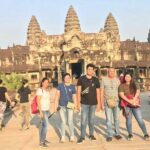
Also, the tour is set up as private, meaning it’s “your group only.” That can matter if you’re traveling with kids, older parents, or anyone who needs a slower pace. You’re not stuck inside someone else’s tempo.
The day ends back in Siem Reap town, either safely returned to your hotel or dropped off where you prefer inside town. That keeps the last part of the day simple.
Stop 1: Angkor Wat for the biggest-first effect
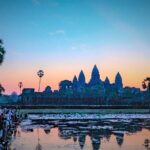
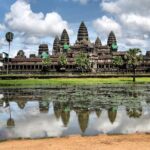
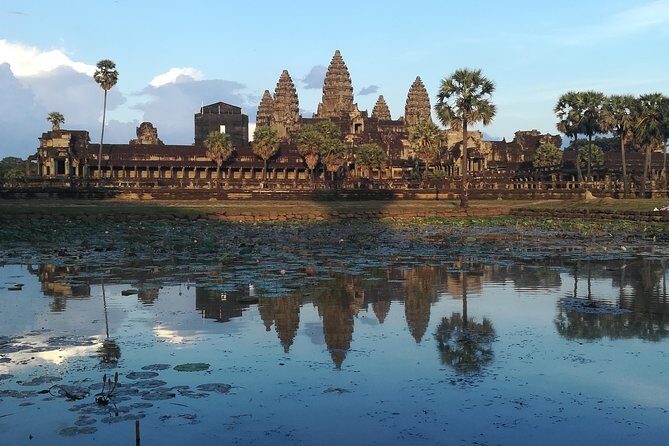
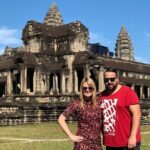
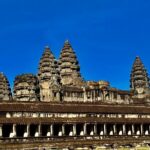
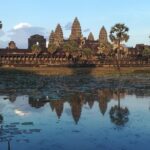
You begin with Angkor Wat, and you spend about 3 hours here. It’s described as the world’s largest religious monument, and that “scale” hits you fast. The first courtyard and main axes are impressive on their own. What turns it from wow to actually memorable is understanding what you’re seeing and why.
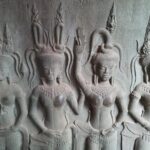
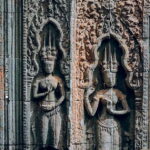
With a guide, you’re more likely to notice the details that are easy to miss when you’re just chasing photos. Angkor Wat is not one single view. It’s an architectural story, and your guide can help you connect the layout to the symbolism.
One practical note: Angkor Wat is popular, so you’ll want to be ready for crowds as the morning moves forward. Your best strategy is to use the early hours you get on this tour, then lean into the moments between the biggest viewing spots where you can slow down and look longer.
What I like about starting here: you get your “anchor sight” done first. After Angkor Wat, the rest of the temples start to make more sense because you’ve already seen the core geometry and style.
Possible drawback: three hours can feel long if you’re not into details. If you prefer quick sightseeing, use the guide to pick the best sections to prioritize rather than trying to see everything.
Stop 2: Angkor Thom and the South Gate approach
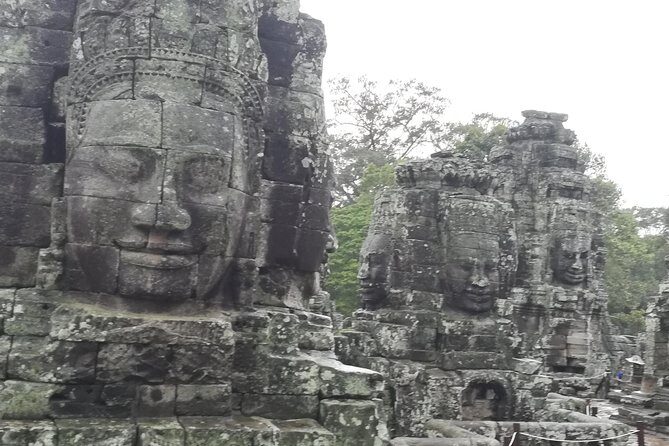
Next is Angkor Thom, also given about 3 hours. You enter through the South Gate, which is a classic way to begin because it frames the city before you even reach the inner areas.
Angkor Thom feels different from Angkor Wat. If Angkor Wat is about grand, formal order, Angkor Thom has a more lived-in vibe, like you’re stepping into a large ancient urban space. The temples and corridors can make you feel like the ruins go on forever. That’s where a guide helps most.
This is also the point in the day where you’ll likely learn how the Angkor sites fit together—why certain areas are where they are, and what you’re meant to understand as you move through the complex.
Why 3 hours works: it gives you enough time to walk the main highlights without feeling rushed the way some faster tours do. Still, you’re outdoors, and this is often when the heat starts pressing in. Keep water nearby and wear temple-appropriate clothing so you don’t waste time adjusting after you arrive.
Other Small Circuit tours we've reviewed in Siem Reap

Stop 3: Ta Prohm, the Tomb Raider temple, with real-life texture
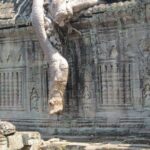
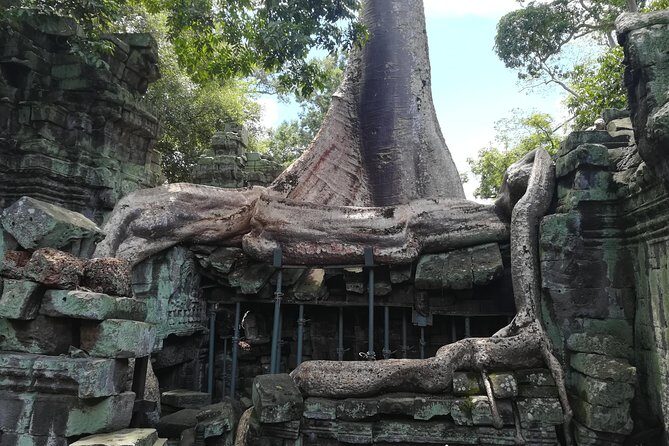
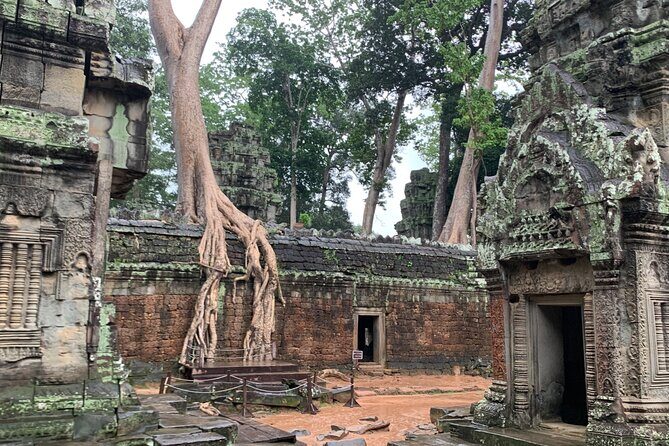
Ta Prohm is the “Tomb Raider” temple people instantly recognize. You get about 1 hour here, which is enough time to appreciate the famous tree-root visuals without turning it into an all-afternoon grind.
What makes Ta Prohm special in person is the contrast: stone structure and the jungle reclaiming it. It can look dramatic from a distance, but the real magic is noticing how the roots and broken edges shape the views. A guide can help you look at it in layers instead of treating it like a single photo backdrop.
One consideration: Ta Prohm is popular. That means tighter pacing and more people moving through the same spots. If you’re photo-focused, go with a flexible mindset. The guide can help you time pauses and choose angles so you’re not stuck waiting for the same group to clear.
Also, since your time here is shorter, don’t spend the first 10 minutes mentally regrouping. Treat Ta Prohm like a sprint with style: arrive ready, walk a bit, then slow down where the guide points out the best detail zones.
Stop 4: Banteay Kdei for the quieter, chamber-filled finale
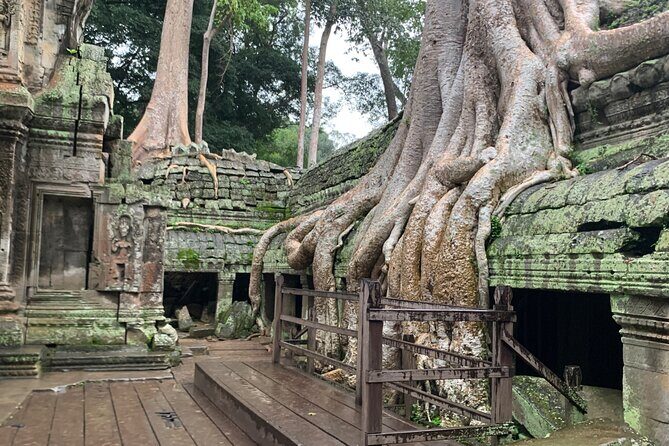
The last stop is Banteay Kdei, about 1 hour. The name translates roughly to A Citadel of Chambers, which hints at what you’ll feel here: more room divisions, more structure detail, and less of that single-scene “headline” effect you get at Ta Prohm.
Ending with Banteay Kdei is smart. By then, you’ve already seen a range of Angkor architectural styles in the earlier stops. Banteay Kdei becomes a chance to notice how these temples vary across the circuit while still sharing the same language of stone, layout, and meaning.
This is often a more manageable finale for your energy. It’s still impressive, but it’s easier to absorb without the same level of hype-pressure as the absolute top crowd magnets.
If you want a tip for your end-of-day experience: slow down on the last segment. Don’t race to finish. The last temple is where your eyes start to “click” into pattern recognition.
Guides that make the temples click: Pat, Sophal, Pal Chen, Bunpheng, Pheng
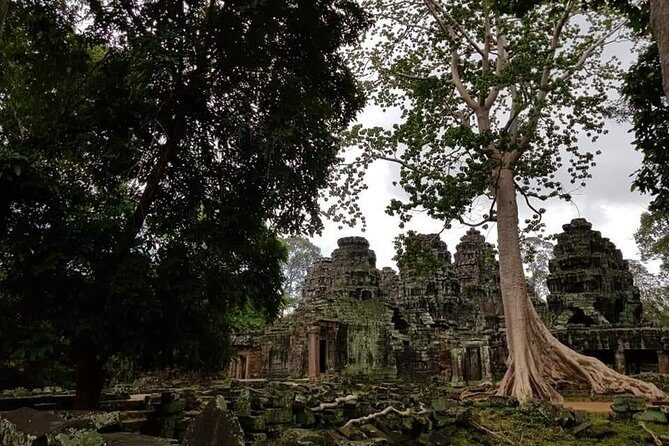
The tour’s success hinges on the guide. You’ll get an English-speaking tour guide, and the best guides on this circuit help you connect what you see to the why behind it. That’s not just trivia. It changes how you remember the day.
From prior experiences with Angkor Doors guides, names like Pat, Sophal, Pal Chen, Bunpheng, and Pheng come up for exactly this reason: they keep the explanation moving, keep it friendly, and help you feel oriented in the ruins. In one highlight example, Pat was praised for both personality and clear Cambodia context, plus extra comfort touches like cold towels.
You don’t need to be an architecture expert to benefit. You just need someone to translate the stone.
Practical advice: if your guide offers to point out specific carvings or axes, take that offer early in the day. Once you learn what to look for, you start spotting those details everywhere.
Temple dress code: the one rule that can derail the day
Here’s the non-negotiable part: Angkor temples enforce a strict dress code. You must cover your thighs and shoulders when entering the temple complex. If you’re not dressed correctly, you may be refused entrance.
This is the kind of rule that can ruin your schedule fast, so handle it before you get to the site. Wear breathable clothes that meet the standard. If you’re traveling light, bring a light layer that covers your shoulders and a way to cover your thighs.
Also remember: it’s hot. People sometimes think covering up means heavy layers. You can dress for comfort and compliance. The goal is coverage, not overheating.
Who this Angkor small circuit tour suits best
This tour is a strong fit if you want:
- a private day with minimal hassle,
- the major temples without planning your own route,
- a guide to help you make sense of what you’re seeing,
- and an AC vehicle to cut down fatigue.
It can also work well for families, since the private setup means your group can move at an appropriate pace. If you’re traveling with mixed ages, the guide can help keep the day structured while still letting people pause.
On the other hand, if you love solo exploration and you already know the Angkor basics, you might feel the guided time is less necessary. But if you’re there for the first time, the guide is usually the difference between seeing temples and actually understanding them.
Should you book this Angkor Wat Small Circuit Tour?
Book it if you want a guided, efficient Angkor day that hits the top sights in a humane amount of time. You’ll likely get strong value from the combination of private guide, AC transport, and a route that doesn’t waste hours.
Hold off or switch plans if:
- you hate budgeting for entry tickets (because the $37 Angkor Pass is required),
- you want ultra-flexible temple time without a set sequence,
- or you’re not prepared for the dress code and may scramble at the last minute.
My decision checklist is simple:
- Are you okay adding the Angkor Pass cost?
- Will you dress for temple entry?
- Do you want help interpreting the ruins?
If you said yes to those, this small circuit is the kind of day that makes Angkor feel organized instead of overwhelming.
FAQ
What temples are included on the Angkor Wat Small Circuit Tour?
The tour includes Angkor Wat, Angkor Thom, Ta Prohm, and Banteay Kdei.
How long is the tour?
It runs about 7 to 8 hours in total, with each stop scheduled for roughly Angkor Wat (around 3 hours), Angkor Thom (around 3 hours), Ta Prohm (around 1 hour), and Banteay Kdei (around 1 hour).
Is the Angkor Pass included in the tour price?
No. The One Day Angkor Pass is not included and is listed as $37.00 per person.
What is included with the $47.44 per person price?
The included items are an English-speaking tour guide, transportation in an AC car/minivan/minibus, and bottled cold drinking water.
What dress code do I need to follow?
You must cover your shoulders and thighs to enter the temple complex. If you don’t have the correct clothing, you may be refused entrance.
Is free cancellation available?
Yes. You can cancel up to 24 hours in advance for a full refund, with the cut-off based on local experience time.