REVIEW · SIEM REAP
Highlight of Angkor Complex 2 Days Private Tour
Book on Viator →Operated by About Cambodia Travel & Tours · Bookable on Viator
Two days, and you still feel the spell. What makes this tour work is the private pace plus a smart mix of headline sites like Ta Prohm and quieter ruins. I love the convenience of hotel pickup and drop-off, and I love how the itinerary pairs famous stone giants with lesser-known stops. One thing to plan for: the Angkor Pass entrance fee isn’t included, so you’ll want to budget for it and buy it at the park with your guide’s help.
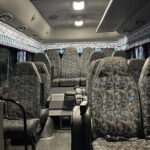
This is a true private tour, restricted to your group, with a comfortable vehicle and an English-speaking licensed guide. You also get water and cool fresh tissue during the day, which sounds small until the heat hits. If you want a no-stress way to see a lot of Angkor without feeling like you’re rushing between stops on your own, this format is built for you.
In This Review
- Key highlights that make this tour worth considering
- Why a private Angkor plan beats a temple checklist
- Getting your Angkor Pass (and why your guide matters here)
- Day 1: Angkor Thom south gate, Bayon, terraces, then Ta Prohm and Angkor Wat
- Angkor Thom South Gate (about 25 minutes)
- Bayon Temple (about 1 hour)
- Angkor Thom (about 30 minutes)
- Baphuon Temple (about 45 minutes)
- Phimeanakas (about 30 minutes)
- Terrace of the Elephants (about 45 minutes)
- Terrace of the Leper King (about 30 minutes)
- Ta Prohm Temple (about 1 hour 30 minutes)
- Angkor Wat (about 3 hours)
- Ta Nei Temple (about 45 minutes)
- Day 2: Banteay Srei to Preah Khan, ending with Banteay Prei and a local snack stop
- Banteay Srei (about 1 hour 20 minutes)
- Banteay Samre (about 45 minutes)
- Pre Rup (about 50 minutes)
- Eastern Mebon (about 30 minutes)
- Neak Pean (about 45 minutes)
- Preah Khan (about 1 hour)
- Banteay Prei (about 45 minutes)
- Om Pich steamed Toddy Palm Cake and Prashdak Village / Preah Dak Market (about 30 minutes)
- Price and value: what you get for $149.46 per person
- Dress code, meals, and what to plan for during long temple days
- Should you book this 2-day private Angkor tour?
- FAQ
- Is this tour private or shared?
- Does the price include Angkor temple entrance fees?
- What’s included for comfort during the tour?
- Are meals included?
- What should I wear when visiting the temples?
- Is there free cancellation?
Key highlights that make this tour worth considering
- Hotel pickup and drop-off in Siem Reap: You start and end with less hassle, and the day stays focused on temples.
- Private group access: You’re not sharing your schedule with strangers, and your guide can steer the pacing.
- Ta Prohm + Angkor Wat on Day 1: You get the famous contrast: “kingdom of trees” mood, then the most perfectly preserved temple on the plan.
- A mix of major and tucked-away sites: Stops like Ta Nei add variety beyond the usual photo route.
- Licensed English-speaking guide: You’ll get context for Khmer Empire sites, not just dates and names.
- Fresh water and cool tissue included: Practical comfort for long temple hours.
Why a private Angkor plan beats a temple checklist
Angkor can feel like two things at once. It’s iconic, yes. But it’s also huge, spread out, and easy to turn into a blur of stones and facts. A private tour helps you keep your footing—literally and mentally—because your guide can connect what you’re seeing to how the Khmer rulers designed their world.
I also like that the tour is structured as a circuit across both days. You’re not hopping randomly; you’re moving in a logical flow that lets you focus while you’re inside the compounds. And since it’s restricted to your own group, you’re less likely to get the “wait, everyone’s still at the same doorway” vibe.
Finally, the itinerary includes both the crowd magnets and places that most people skip. That balance matters. It’s fun to see Angkor at full volume, but the best moments often arrive when you slow down and let a smaller temple surprise you.
Other private tours in Siem Reap
Getting your Angkor Pass (and why your guide matters here)
Your Angkor Pass covers the temples on the itinerary, but the pass itself isn’t included in the tour price. The good news: your guide helps you purchase it at the entrance of Angkor Park before you start touring.
This is the difference between a smooth start and a day that drifts. With the guide handling that step, you’re not scrambling for instructions or losing time while the group figures it out. Still, do keep this in mind when you budget: you’ll pay for the Angkor Pass on-site, and tipping is also extra.
Day 1: Angkor Thom south gate, Bayon, terraces, then Ta Prohm and Angkor Wat
Day 1 is all about Angkor Thom, the royal city feel, and then a major mood shift into Ta Prohm before finishing with Angkor Wat’s grand symmetry.
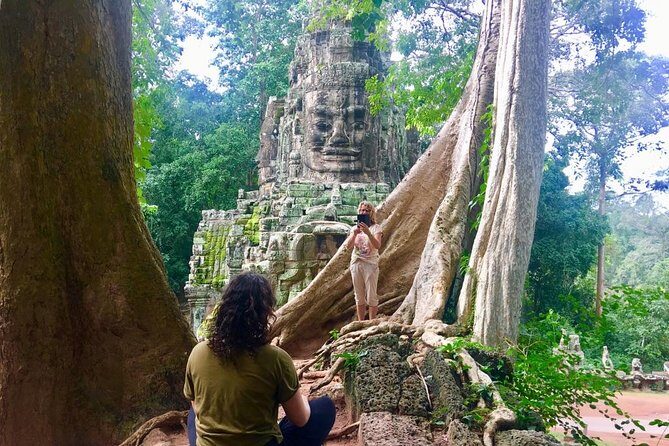
Angkor Thom South Gate (about 25 minutes)
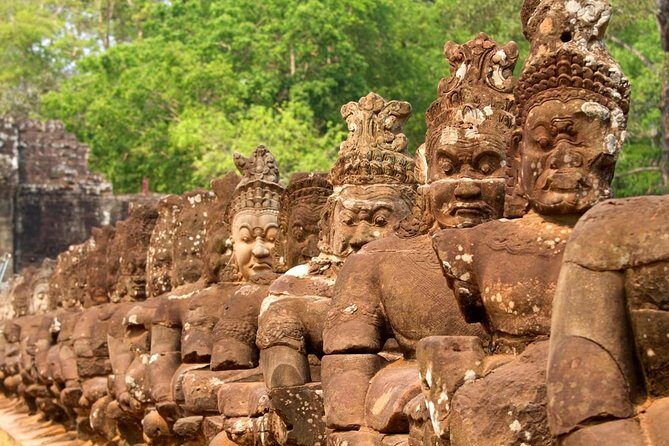
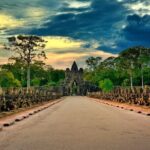
The South Gate is one of the most popular entry points because it’s been fully restored and many of the carved heads remain in place. It’s a good start—your brain needs a visual “anchor” early on—so you can orient yourself before the temples start blending together.
If you’re arriving with energy, you’ll enjoy this stop for photos and for getting the lay of the land. It’s also a reminder that Angkor isn’t one temple—it’s a whole designed city.
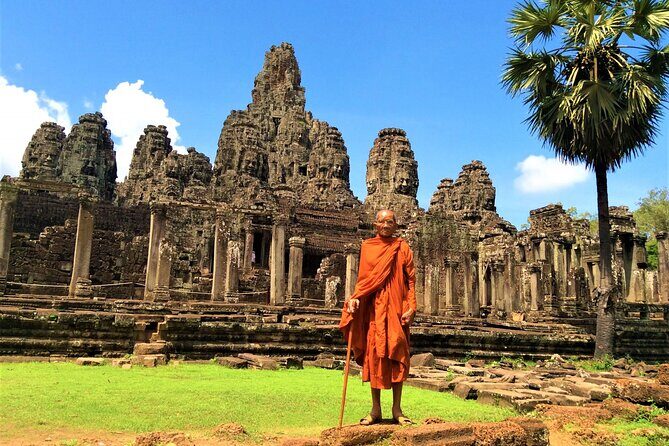
Bayon Temple (about 1 hour)
Bayon comes nearly 100 years after Angkor Wat. That timing matters: it gives the temple a different historical feel, even if you’re just looking at stone from the outside. The Bayon temple is at the center of Angkor Thom’s royal-city concept, and the stop is long enough to notice the scale and the carved detail.
You’ll walk, you’ll look up, and you’ll start to see the Khmer rulers building meaning into every angle.
A few more Angkor & Siem Reap tours and experiences worth a look


Angkor Thom (about 30 minutes)
Angkor Thom as a whole is presented as Buddhist cosmology in 3D—on the kind of national scale you only get at major Khmer sites. This is the stop where you stop thinking in single monument terms and start seeing a system.
Consider it your “big-picture reset.” If you’ve been snapping pictures nonstop, take a breath here and look at the compound layout instead.
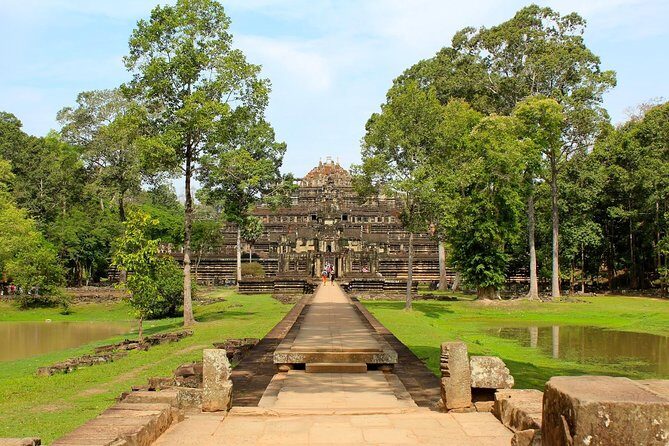
Baphuon Temple (about 45 minutes)
Baphuon sits on a rectangular sandstone base with five levels. That shape is less common than the stepped structures you might expect, and it makes the temple visually distinctive.
You get enough time to appreciate how the levels work, especially if the light is right. If it’s hot, plan on lingering less than you want—your feet will feel it after a while.
Phimeanakas (about 30 minutes)
Phimeanakas is near the center of the palace area enclosed by walls. It was originally crowned with a golden pinnacle, described by Zhou Daguan as the Tower of the Moon—one of those details that helps your imagination click into place when you’re standing there now.
This stop works best if you like historical context, not just photos. The time is short, but the location is meaningful.
Terrace of the Elephants (about 45 minutes)
This is a classic Angkor Thom terrace stop, tied to the royal world. The description emphasizes elephants stepping quietly and the idea that even-length steps don’t care about obstacles—basically, a strong image of order and power.
You’re not here for a ride. You’re here to read the stone and appreciate how the Khmer court expressed itself through architecture and sculpture.
Terrace of the Leper King (about 30 minutes)
The Terrace of the Leper King is linked to Jayavarman VII’s reign and is known for dramatic bas-reliefs, both inside and outside. It’s a strong follow-up to the elephant terrace because the visual style continues the theme of grandeur.
If you’re the type who likes to slow down for carvings, this is one of your better pauses on Day 1.
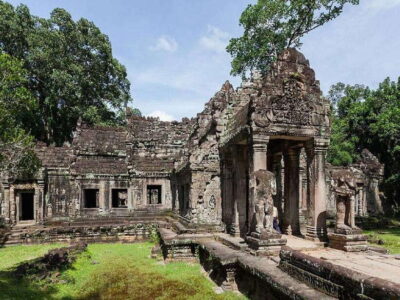
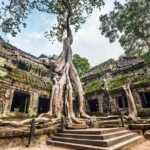
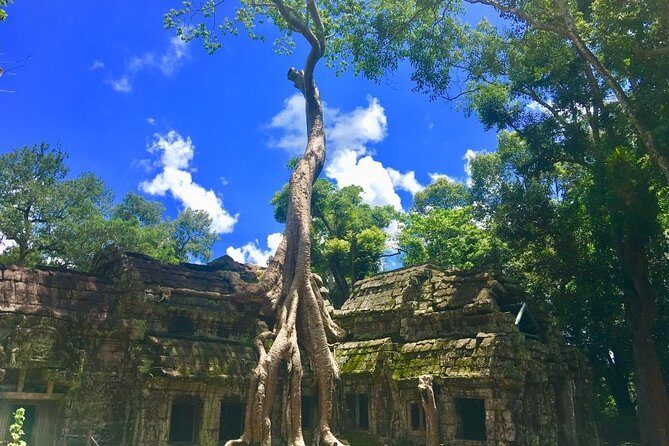
Ta Prohm Temple (about 1 hour 30 minutes)
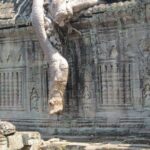
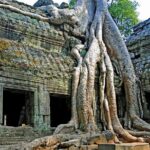
Ta Prohm is often described as the kingdom of the trees. What I like about this stop is the way it’s been handled: left largely untouched by archaeologists except for clearing paths for visitors and structural strengthening to stave off further deterioration.
That balance is the point. You see the famous “roots and ruins” atmosphere without it turning into a theme-park version of the site.
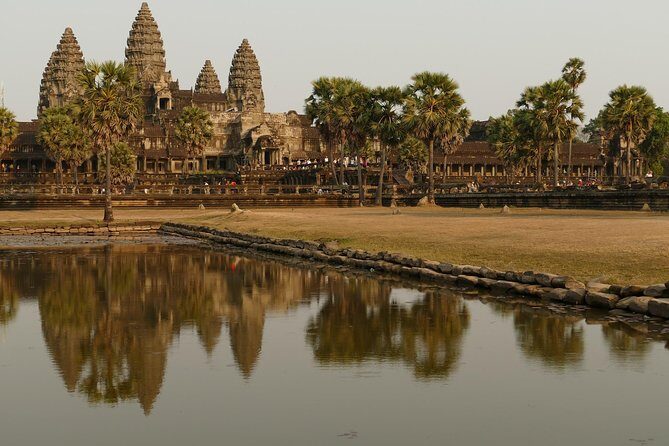
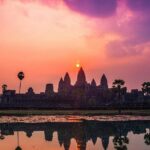
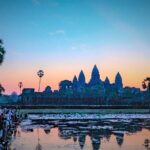
Angkor Wat (about 3 hours)
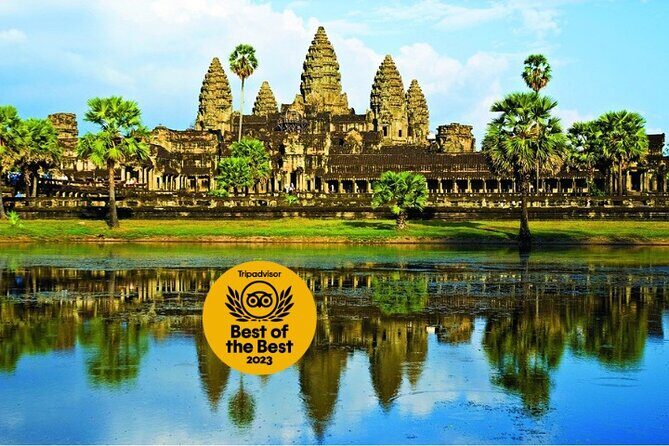
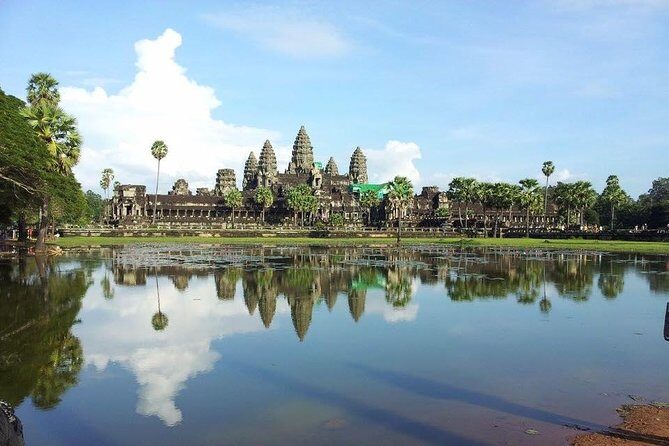
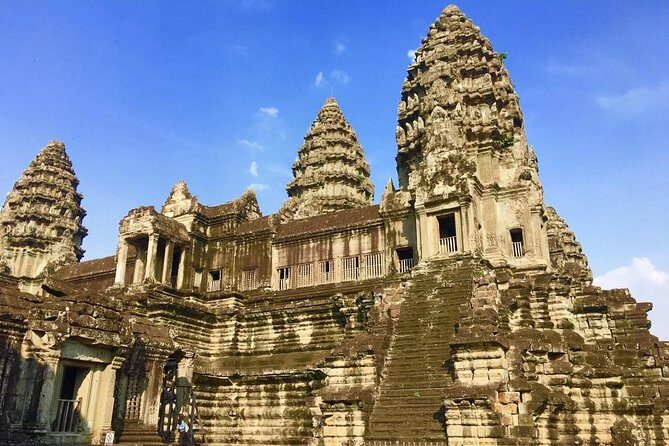
Then you shift to Angkor Wat, the largest monument of the Angkor group and the best preserved. This is where the tour turns into architecture appreciation: composition, balance, proportions, relief, and sculpture.
It’s long enough that you can move at a human pace instead of treating it like a sprint. If you only catch the highlights, you’ll still be impressed. If you take the full time, you’ll start seeing why it’s considered so carefully designed.
Ta Nei Temple (about 45 minutes)
Ta Nei is a smaller temple deep in the jungle area, about 200 meters west of the East Baray. It can be difficult to find and isn’t a common tourist destination—so it tends to feel more like a “found it” moment.
This stop adds contrast after a big day. It’s also a good reminder that Angkor isn’t only famous for the famous places.
Day 2: Banteay Srei to Preah Khan, ending with Banteay Prei and a local snack stop
Day 2 stretches you into the broader Angkor circuit feel. You’ll start with refined Khmer art, then move through temples that show different degrees of restoration and upkeep. The last stop is a practical, human one: souvenirs and a snack moment.
Banteay Srei (about 1 hour 20 minutes)
Banteay Srei is described by French archaeologists as a precious gem and a jewel in Khmer art. That kind of praise matters here because the site is known for its artistic quality, not just size.
If you like detail work—carvings, fine stone work—this is a strong start to Day 2.
Banteay Samre (about 45 minutes)
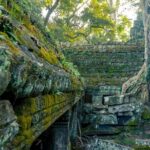
Banteay Samre is noted as one of the more complete complexes due to restoration using anastylosis. But there’s a trade-off: the lack of maintenance over the past 20 years shows.
That doesn’t make it a bad stop. It makes it a real stop—one that shows what “restored” and “aging over time” look like side by side.
Pre Rup (about 50 minutes)
Pre Rup is praised for bold architectural design and for its balance, scale, and proportion. It’s also nearly identical in style to the East Mebon, though built several years later.
This is a good stop if you enjoy comparing temples like you’d compare buildings in a city. You’ll see how Khmer architects repeated successful design choices while still evolving details over time.
Eastern Mebon (about 30 minutes)
Eastern Mebon’s sculpture is described as varied and exceptional, including two-meter-high free-standing stone elephants at corners of the first and second tiers. It also includes religious scenes with Indra atop his throne (as described in the tour info).
Even with limited time, you’ll likely want to look up and around. The sculptures are the kind of feature that can’t be rushed.
Neak Pean (about 45 minutes)
Neak Pean is described almost like a daydream: a large square man-made pond (70 meters on each side), bordered by steps and surrounded by four small structures. It’s a different kind of Angkor experience—less about a single temple façade and more about a planned water-and-space concept.
If you need a break from heavy stone climbs, this stop offers a calmer visual focus.
Preah Khan (about 1 hour)
Preah Khan is located about 2 kilometers north-east of Angkor Thom on the Grand Circuit. Built in the second half of the 12th century (AD 1191) by King Jayavarman VII and dedicated to his father, it carries the weight of a major royal project.
This stop is also longer, which helps because Preah Khan’s impact lands better when you can linger without feeling you’re behind schedule.
Banteay Prei (about 45 minutes)
Banteay Prei is rarely visited and located near Prasat Prei. It’s described as a minor temple and best for people with time and a specific interest in digging deeper into Angkor.
If you’re the type who’s already seen the headline spots and wants to keep learning, you’ll appreciate this. If you prefer only the biggest names, you might treat it as a slower, optional-feeling stop.
Om Pich steamed Toddy Palm Cake and Prashdak Village / Preah Dak Market (about 30 minutes)
This is a practical ending. The tour includes time at Preah Dak Market, noted for souvenirs like objects and arts, plus the Om Pich steamed Toddy Palm Cake stop (a local snack angle).
You get enough time to browse a bit and reset your brain after temples. Just remember: meals during the tour are at your own expense, so consider this an easy add-on rather than a full replacement.
Price and value: what you get for $149.46 per person
At $149.46 per person for two days, the value comes from combining private logistics with a licensed guide and transport, then filling the schedule with both major and lesser-known sites. For Angkor, that combination can save real time and decision fatigue.
Here’s what’s included:
- Hotel pickup and drop-off
- A professional English-speaking licensed tour guide
- Private transfers in a comfortable vehicle
- Water and cool fresh tissue during the trip
What’s not included:
- Tipping for the guide and driver
- Entrance fee: the Angkor Pass (you buy it at the park, with guide assistance)
- Meals (lunch options usually $3 to $10 per dish, depending on what you choose)
My practical take: you’re paying mostly for guided access and transportation efficiency. Since Angkor Pass and meals are separate anyway, you should compare total day costs rather than only the headline price.
Also note that this tour is commonly booked around 45 days in advance on average. If you have fixed dates, getting it on your calendar earlier is smart.
Dress code, meals, and what to plan for during long temple days
These sites are religious grounds, so dress matters. You’ll want a shirt that covers your shoulders, plus trousers or knee-length pants or skirts.
Meals are not included, but lunches are available at local restaurants with vegetarian and non-vegetarian options. The menu prices are generally in the $3–$10 range per dish, so it’s easy to manage without blowing your budget.
Bring your own comfort habits too. You’ll spend hours walking in heat, so consider sun protection and a refillable water routine even though water is provided. And wear shoes you can trust on uneven ground.
Should you book this 2-day private Angkor tour?
Book it if you want a structured, private way to see Angkor Wat and Ta Prohm while still getting time for quieter, less obvious temples like Ta Nei and Banteay Prei. The mix of royal-city stops, terraces, and contrast sites makes it feel like a guided story instead of a photo tour.
Skip it or switch plans if you only want the bare-minimum headline list. This itinerary is temple-heavy, and Day 1 alone runs through a lot of compounds. You’ll get a lot out of it if you’re ready for long days and you like temple details, not just the biggest names.
If you do book, use the guide’s help for the Angkor Pass and plan to dress modestly from the start. That’s the best way to keep your first steps into Angkor smooth.
FAQ
Is this tour private or shared?
It’s a private tour/activity, restricted to your own group only.
Does the price include Angkor temple entrance fees?
No. The Angkor Pass entrance fee is not included. Your guide will help you purchase it at the entrance of Angkor Park before starting.
What’s included for comfort during the tour?
Hotel pickup and drop-off are included, along with a licensed English-speaking guide, private transfers by comfortable vehicle, and drink water plus cool fresh tissue for the trip.
Are meals included?
Meals aren’t included. Lunch is available at local restaurants, and prices typically range from $3 to $10 per dish.
What should I wear when visiting the temples?
Dress appropriately. Your shirt should cover your shoulders, and you should wear trousers or knee-length pants or skirts.
Is there free cancellation?
Yes. You can cancel for a full refund up to 24 hours in advance of the experience start time.