REVIEW · SIEM REAP
Angkor Wat 3-Day Temple Tours
Book on Viator →Operated by Cambodia Golden Tours · Bookable on Viator
Angkor Wat at sunrise changes everything. This 3-day private temple tour in Siem Reap is built around the big moments—early Angkor Wat photos, then a full run through Angkor Thom and classic temples—while keeping things practical with hotel-lobby pickup by tuk-tuk plus free cold water and cold towels to handle the heat.
The main thing to plan for: this price covers transport and basic cooling, but temple tickets and the boat entrance fees aren’t included. Also, expect long, full days. It’s a lot of temples packed into three days, so your feet and patience should be ready.
In This Review
- Key Highlights You’ll Feel During This 3-Day Loop
- How This Private Tuk-Tuk Tour Works From Siem Reap
- Day 1: Angkor Wat Sunrise Plus the Angkor Thom Temple Run
- Day 2: Kampong Phluk on Stilts and the Roluos Group’s Early Khmer Roots
- Kampong Phluk Floating Village: a real-world view of lake life
- Roluos Group: Bakong, Lolei, and Preah Ko
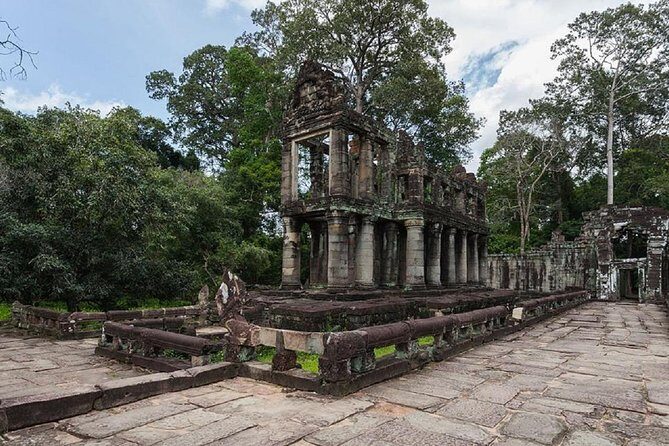
- Day 3: Preah Khan, Pre Rup, and Kbal Spean to Finish Strong
- Price and Value: What $144 Really Covers
- Temple Etiquette and What to Keep in Mind for 3 Days
- Best for Whom (and Who Might Want a Different Plan)
- Should You Book This 3-Day Angkor Tour?
- FAQ
- What’s the meeting time for this tour?
- Is hotel pickup included?
- Is the tour private?
- Does the tour use a mobile ticket?
- Are temple tickets included in the price?
- Are boat entrance fees included for Kampong Phluk?
- Is lunch included during the tour?
- Is an English tour guide included?
- What’s included for comfort during the heat?
- Which days and major sites are covered?
Key Highlights You’ll Feel During This 3-Day Loop
- Sunrise-first Angkor Wat timing that helps you catch the temple in its best light
- Private tuk-tuk, daily pickup from your hotel lobby so you’re not mapping your way across Siem Reap
- Kampong Phluk floating village visit on Tonle Sap, with life on stilts and lake-based routines
- Roluos Group temples tied to the early Khmer period, including Bakong, Lolei, and Preah Ko
- A Day 3 mix of Angkor Thom edges and beyond with Preah Khan, Ta Som, Pre Rup, and more
- Free cold water and cold towels that genuinely help when the day warms up
How This Private Tuk-Tuk Tour Works From Siem Reap
This is the kind of Angkor plan that saves you mental energy. You start in Siem Reap, and each morning you get picked up from your hotel lobby by your private tuk-tuk. That means fewer decisions and less time asking around for directions, especially once you’re juggling multiple temple zones.
It’s also a private tour/activity, so it’s just your group. Your driver handles the moves between sites, and you get a mobile ticket for the experience. The listed start time is 8:00 am, but for the Angkor Wat sunrise segment, you’ll want to confirm how early you’ll be collected so you can actually catch the light you’re paying for.
A key detail for expectations: an English tour guide isn’t included. That doesn’t mean you’ll hear nothing—drivers can often share practical context—but if you want an in-depth English guide voice for every stop, you’ll need to plan that separately or confirm what explanation style your driver can provide.
On the people side, the operation you’re booking is clearly used to running tight circuits. In real-life use, drivers like Vutha (often mentioned) and Ly (in at least one itinerary) were described as punctual and courteous, with the added bonus of adapting to what you want. One traveler also highlighted quick communication via WhatsApp, which is worth doing the day before so you can align on timing and priorities.
Other Angkor Wat temple tours we've reviewed in Siem Reap
Day 1: Angkor Wat Sunrise Plus the Angkor Thom Temple Run
Day 1 is built for the two big rewards people come to Angkor for: Angkor Wat at sunrise and the dense cluster of major temples around Angkor Thom.
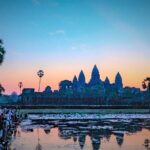
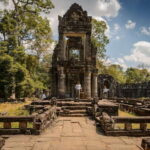
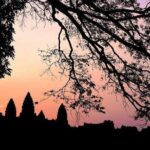
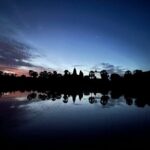
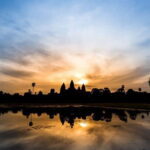
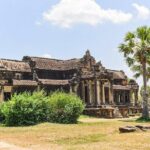
You’ll begin with a short drive to Angkor Wat, the largest religious building in the world. The real payoff is arriving early enough to take photos as the sun rises. You’ll likely appreciate the chance to see Angkor Wat in a calmer rhythm before the heaviest waves of visitors hit—this is one reason sunrise timing is a smart use of your money.
From there, you move through the small circuit of the Angkor Archaeological Park, hitting the classic line-up:
- South Gate of Angkor Thom: your entry point into the fortified city feel
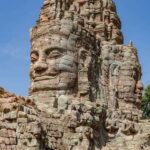
- Bayon Temple: famous for its iconic faces and busy stone detail
- Baphuon Temple: another major stop for Khmer-era architecture
- Terrace of the Elephant and Terrace of the Liper King: long, carved terraces that help you slow down and read the space
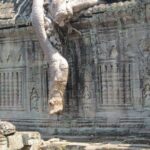
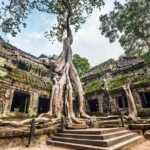
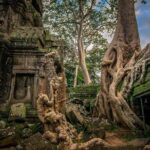
- Ta Prohm: the temple many people picture when they think of roots-and-stone Angkor
- Banteay Kdei: a calmer-feeling temple stop that still rewards close looking
- Sras Srang: a water-related site that rounds out the day with a different kind of scene
What I like about this order: it’s not random hopping. It’s a flow that lets you build “temple context” as you go. By the time you reach Ta Prohm, you’ve already seen the fortified city layout and key structures, so the vibe makes more sense.
Possible drawback: this is the longest-feeling day. You’re moving from sunrise conditions into daytime heat, and you’ll be walking through temple compounds with stone steps and uneven ground. The tour helps with cold towels and cold water, but it still helps to pace yourself and take short breaks where you can.
Day 2: Kampong Phluk on Stilts and the Roluos Group’s Early Khmer Roots
Day 2 changes tone. After the big Angkor-core temples, you head toward two different kinds of insight: life around the Tonle Sap lake and the early Khmer temples associated with the first capitals.
Kampong Phluk Floating Village: a real-world view of lake life
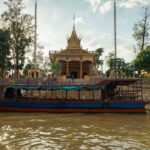
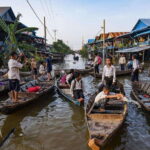
You’ll drive from Siem Reap to Kampong Phluk (about 37 km from Angkor Wat). This is a floating village community on the Tonle Sap Lake, with homes stabilized by stilts about 6 meters high to prevent flood damage during the rainy season.
What makes this stop more than a photo opportunity is the practical detail about how the community works year-round. In the dry season (roughly December to April), motorbikes can travel through the village. The area also includes everyday institutions—clinics, pagodas, schools, restaurants, and churches—so you’re seeing a functioning settlement, not just a staged attraction.
You may also get a chance to observe the floating forest and wildlife around the lake.
Important budget note: boat entrance fees aren’t included. If your plan includes a boat segment inside the village area, you’ll need to pay that separately. Build cash into your day so you’re not scrambling at the dock.
Roluos Group: Bakong, Lolei, and Preah Ko
After that, you explore the Roluos Group (also spelled Roluos/Roluos temples in the itinerary). The route starts about 13 km from Pub Street area in Siem Reap, and it’s tied to Khmer political beginnings.
Here’s the historical thread as presented on the tour:
- The Roluos area is linked to Hariharalaya, described as the first capital of the Khmer Empire.
- King Jayavarman II is mentioned as establishing his capital on Mount Kulen in 802, then moving his capital back to Hariharalaya—possibly for food supply or defense.
The temples you’ll visit include:
- Bakong
- Lolei
- Preah Ko
- plus other smaller temples in the group
This part matters because it gives you a sense of how Angkor developed. You’re not only seeing the later, grand “headline” temples—you’re also seeing an earlier phase of Khmer building, with towers made from bricks and carved details using sandstone for columns, lintels, and niches.
My advice: bring your attention to the details here. With a temple day, it’s easy to think, Been there, seen that. The Roluos stops help you notice differences in materials and style, and that makes the whole Angkor story feel less repetitive.
Other multi-temple archeological tours we've reviewed in Siem Reap
Day 3: Preah Khan, Pre Rup, and Kbal Spean to Finish Strong
Day 3 keeps the focus on major temples, but it shifts you toward the more varied mix outside the core “Angkor Wat + Angkor Thom” pattern. This is where the tour feels like it earns its three-day length.
Key stops include:
- Preah Khan (described as the Holy Sword temple), noted for Khmer Empire architectural style
- Neak Pean: a distinct feature stop within the circuit
- Ta Som: another important Khmer temple
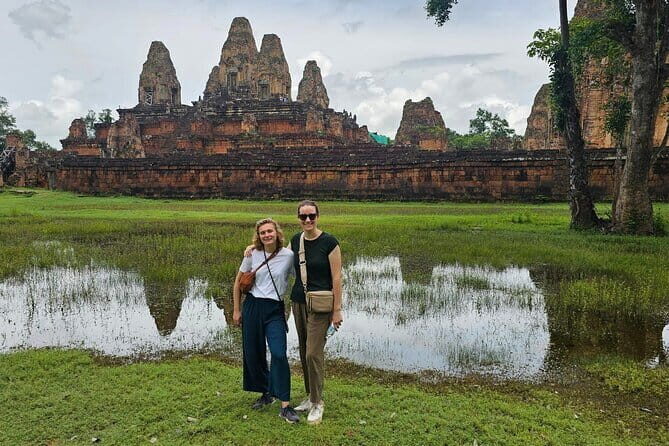
- East Mebon and Pre Rup: two different looks at how the later Angkor-era religious sites express power in stone
- Banteay Samre and Banteay Srei: additional temple variety before you head to the final nature-side stop
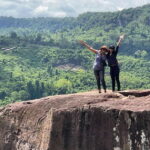
- Kbal Spean: listed as the concluding stop of the day
What’s good about ending with Kbal Spean is that it breaks the straight “temple after temple” rhythm. You’re reminded the Angkor world isn’t only carved stone in an open compound—it’s also part of the surrounding region.
The main consideration for Day 3 is energy management. By this point, you’ve already done sunrise timing and multiple compounds. So decide ahead of time what your personal priorities are: do you want more time for photos, more time for quieter spots, or a faster pace to avoid burnout? A private tuk-tuk driver gives you the flexibility to adjust, and several travelers have specifically praised the way their driver kept things prompt and accommodating.
Price and Value: What $144 Really Covers
At $144 for about three days, the biggest “value” you’re buying is logistics: private tuk-tuk transport, plus the cold water and cold towels that make the heat more bearable.
What you’re not paying for in that base price:
- Temple tickets
- Boat entrance fees
- Lunch near temples
- English tour guide
- Personal expenses
That’s not a downside—it’s how Angkor pricing often works. But you should budget properly so there are no surprises. In a practical sense, you’re paying $144 for the heavy lifting of transport and pacing. Then you top it off with the entry fees where they apply (temples and the village boat-related costs).
Is it worth it? If you’re the kind of traveler who wants to see a lot without spending half your trip figuring out routes, yes. The private pickup and the tight itinerary reduce the “wasted time” that comes from trying to piece together a schedule on your own—especially in a place where internet connections and navigation can be unreliable.
If you’re an ultra-independent traveler with strong local navigation skills and you’re comfortable paying for your own tickets and transport, you might spend less money elsewhere. But you’ll also spend more effort. This tour trades effort for planning.
Temple Etiquette and What to Keep in Mind for 3 Days
The tour notes a dress code for temple visits. That’s the key thing to follow. Since the specific rules can vary by site, I’d treat it as a practical packing checklist: bring something that meets the on-site standard and avoid last-minute outfit panic.
Also, remember this is three days of walking on and around stone temple compounds. You’ll be thankful for the cooling perks. The tour includes cold towels and cold water, which means you’re not left guessing where to buy refreshments during the hottest hours.
One more practical tip: keep some flexibility in your expectations. This itinerary is packed: sunrise, a full Angkor Thom circuit, a lake village day, and then a strong Day 3 lineup. If you want to linger, use your private time wisely—ask your driver to slow down at the stop you care about most, and cut time at the ones you can snap quickly.
Best for Whom (and Who Might Want a Different Plan)
This Angkor Wat 3-day temple circuit is a great match for:
- First-timers who want the core sights covered without building a complicated schedule
- People who prefer private transport over crowded group buses
- Short-on-time travelers who want Angkor Wat sunrise plus Kampong Phluk plus Roluos and more, all in one plan
- Anyone who likes early starts and structured days, but still wants the comfort of hotel pickup
It may be less ideal for you if you:
- Want a long, slow day with minimal movement
- Need an English guide for every stop included in the price (since an English tour guide isn’t listed as included)
- Don’t want to deal with extra costs for tickets and boat fees
Should You Book This 3-Day Angkor Tour?
I’d book this if your priority is seeing major Angkor sights efficiently while keeping the day manageable. The combination of sunrise at Angkor Wat, a lake-based community stop at Kampong Phluk, and the Roluos Group for early Khmer context makes the trip feel like a complete “Angkor story,” not just a hit list.
I wouldn’t book it as-is if you’re hoping the price covers everything. Budget for temple tickets and boat entrance fees, and check how much English explanation you’ll get on the day since an English tour guide isn’t included.
If you want an easy win, do this: message your operator in advance (WhatsApp is known to work well), confirm your sunrise pickup timing, and tell them your top 2 must-see temples. Then show up ready for three full days of stone, story, and heat-managed comfort.
FAQ
What’s the meeting time for this tour?
The listed start time is 8:00 am.
Is hotel pickup included?
Yes. You’re picked up from your hotel lobby each day by your private tuk-tuk.
Is the tour private?
Yes. It’s described as a private tour/activity, meaning only your group participates.
Does the tour use a mobile ticket?
Yes. A mobile ticket is included.
Are temple tickets included in the price?
No. Temples tickets are not included.
Are boat entrance fees included for Kampong Phluk?
No. Boat entrance fees are not included.
Is lunch included during the tour?
No. Lunch near temples is not included.
Is an English tour guide included?
No. An English tour guide is not included.
What’s included for comfort during the heat?
Cold water and cold towels are included.
Which days and major sites are covered?
Across three days, you’ll visit Angkor Wat at sunrise plus temples in Angkor Thom (including Bayon and Ta Prohm), then Kampong Phluk and the Roluos Group, and finally Preah Khan and additional sites such as Neak Pean, Ta Som, Pre Rup, Banteay Samre, Banteay Srei, and Kbal Spean.