REVIEW · SIEM REAP
Angkor Wat Private Tour in a Tuk Tuk
Book on Viator →Operated by Green Era Travel · Bookable on Viator
Six hours of temples, minus the legwork. This private tuk-tuk circuit from Siem Reap makes it easy to cover the Angkor Archaeological Park with practical pacing and English commentary focused on what you’re actually seeing, not just dates. You’ll get the main sights in a logical route, plus the kind of context that helps the carvings make sense—especially the Hindu legends behind the stonework, all while you travel through narrow passageways.
What I like most is the hotel pickup and drop-off. It keeps your day moving and reduces the hassle of figuring out transport across a large site. I also like that you get bottled water so you’re not scrambling for hydration when the sun hits.
One thing to plan for: the Angkor National Park admission ticket is not included. You’ll need to budget $37 per person at the ticket office before you can spend time at the temples.
In This Review
- Key takeaways before you go
- Tuk-tuk touring at Angkor: why this setup works
- The 8:00 am start in Siem Reap: timing you can trust
- Angkor Thom (40 minutes): the capital city feel
- Bayon Temple (40 minutes): faces, symbolism, and story
- Terrace of the Elephants (30 minutes) + Terrace of the Leper King
- Ta Prohm (about 1 hour): the ruin that people remember
- Angkor Wat (about 2 hours): the main event with the best preservation
- Guide commentary: the secret ingredient (especially for the carvings)
- Price and value: $45 works best when you factor the $37 ticket
- Getting through the day comfortably (without overplanning)
- Who should book this private Angkor tuk-tuk tour
- Should you book it?
- FAQ
- What time is pickup in Siem Reap?
- Is hotel pickup and drop-off included?
- Do I need to pay admission separately?
- How long is the Angkor Wat private tour by tuk-tuk?
- What’s included during the tour?
- Can I cancel for free?
Key takeaways before you go
- Private tuk-tuk touring through the Angkor area makes short connections easier between major stops
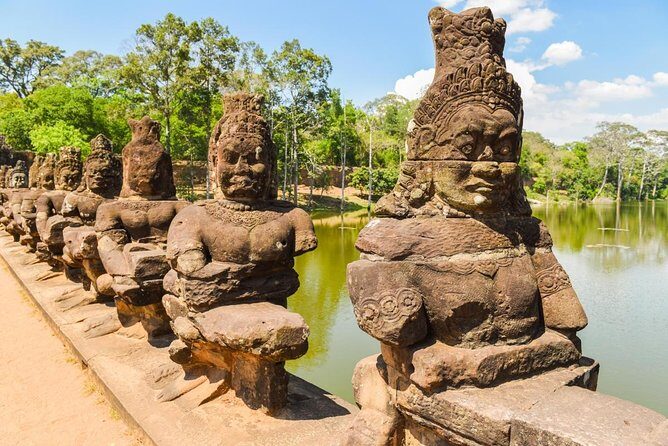
- English-speaking local guides explain the meaning behind temple carvings, including Hindu legends
- Hotel/Airport pickup and drop-off keeps your start time anchored at 8:00 am
- Bottled water included helps you stay comfortable over a long day
- Admission is extra at $37 per person, so your day budget is really $45 + the park ticket
Tuk-tuk touring at Angkor: why this setup works
Angkor isn’t one temple you stroll past. It’s a big archaeological zone with distances between highlights, and some paths can feel awkward if you’re walking the whole way. A tuk-tuk solves that. You stay seated for the transfers, but you still get close enough at each stop to actually see details up close.
This tour is built for a full-day visit, around 6 to 7 hours, and it uses a private format. That matters because you can move at the pace of your group and your guide’s rhythm, rather than feeling rushed by strangers.
I also like that the day isn’t just “temples, then leave.” You’re given commentary that connects what you’re looking at to Khmer-era storytelling and religious symbolism. When you understand the why behind the carvings, the whole place stops feeling like random stone.
Other Angkor Wat temple tours we've reviewed in Siem Reap
The 8:00 am start in Siem Reap: timing you can trust
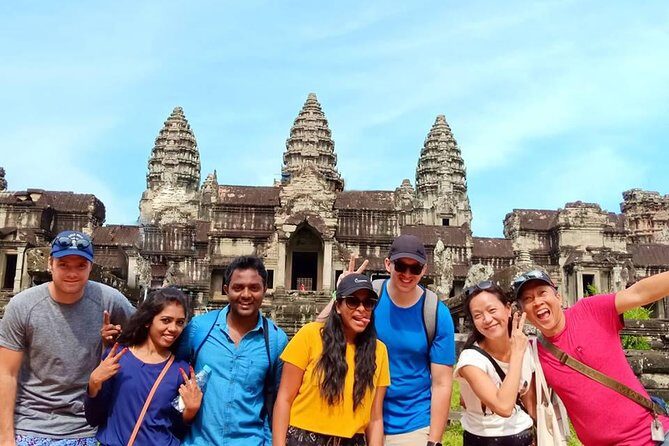
Your pickup is scheduled for 8:00 am from your hotel in Siem Reap, and you’ll be dropped back after the tour. Starting early helps you avoid the worst mid-day crush, and it gives you time for the temples that take longer to appreciate.
There’s also a practical win in using a pickup service instead of trying to coordinate rides on your own. At Angkor, small delays can stack up fast—one missed connection becomes a domino effect. This keeps the day structured, and you can plan your mornings around it.
You’ll travel by tuk-tuk from Siem Reap into the Angkor Archaeological Park area, with water provided so you’re not burning time buying bottles once you’re already on-site.
Angkor Thom (40 minutes): the capital city feel
The first real stop is Angkor Thom, the late-12th-century capital city of the Khmer empire under King Jayavarman VII. That one detail helps set expectations: you’re not just touring temples here; you’re moving through the layout of a Khmer political center.
The scheduled visit time is about 40 minutes. That’s enough to get a sense of the scale and focus on key features without turning it into a long detour. The drawback is simple: you won’t have hours to wander slowly. If you like to linger and take a ton of photos from every angle, you may want to keep an eye on your time and ask your guide to point out the most important spots first.
Bayon Temple (40 minutes): faces, symbolism, and story
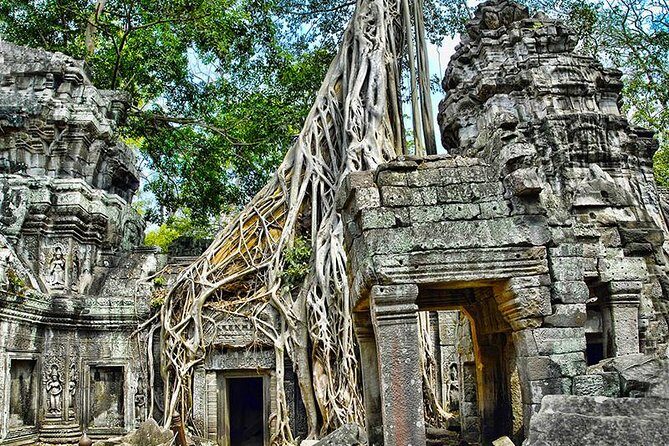
Next comes Bayon Temple, centered around its famous concentration of stone faces. This is a Khmer temple tied to Jayavarman VII and the Mahayana Buddhist context of the late 12th or early 13th century.
Why this stop works on a tuk-tuk tour: Bayon is visually dense. The temple’s carvings and iconography reward a guided explanation, because it’s easy to see the faces and stop there. With commentary, you start noticing how the stonework links to religious ideas and the way rulers wanted their power represented.
You’ll get around 40 minutes here. Again, that’s a practical window. You can enjoy the carvings and take time with the most photographed areas, but you won’t have endless hours to step away and come back again. If you care a lot about inscriptions or specific decorative panels, tell your guide what you want to focus on so you don’t feel rushed.
Terrace of the Elephants (30 minutes) + Terrace of the Leper King
After Bayon, the route shifts to the Terrace of the Elephants, a platform associated with the king viewing the victorious return of his army. That historical role gives the carvings a purpose beyond decoration—you’re essentially looking at stone theater for power.
The scheduled time is about 30 minutes, with a follow-up visit to the Terrace of the Leper King. The attraction here is the detail. Even with limited time, these terraces can feel like an “in-hand museum” because of how much is carved into the surfaces.
The trade-off: terracing takes time to read. If you move fast, the stone panels turn into a blur. If you move slightly slower with your guide’s pointing and explanations, it becomes much more satisfying. This is one of the stops where the guide matters. I’d use that time to ask questions, because the meaning behind figures and scenes can completely change how you see the terrace.
Other tuk-tuk tours we've reviewed in Siem Reap



Ta Prohm (about 1 hour): the ruin that people remember
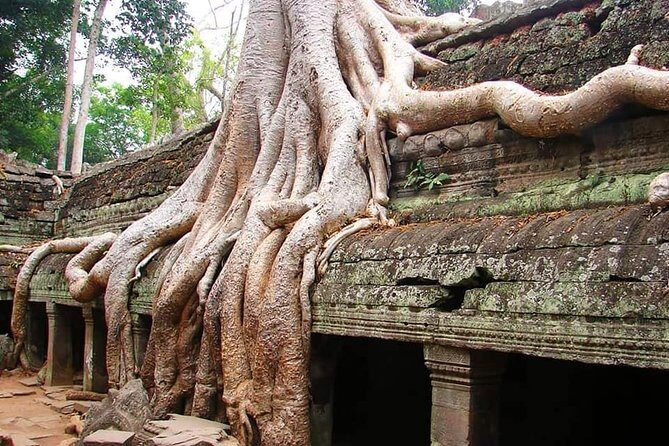
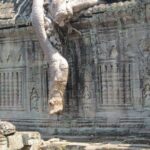
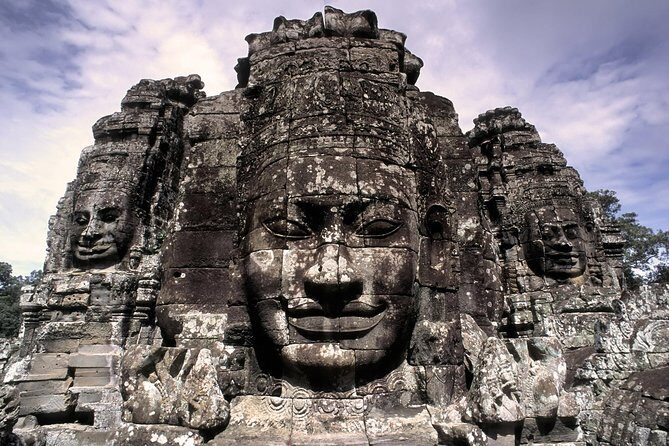
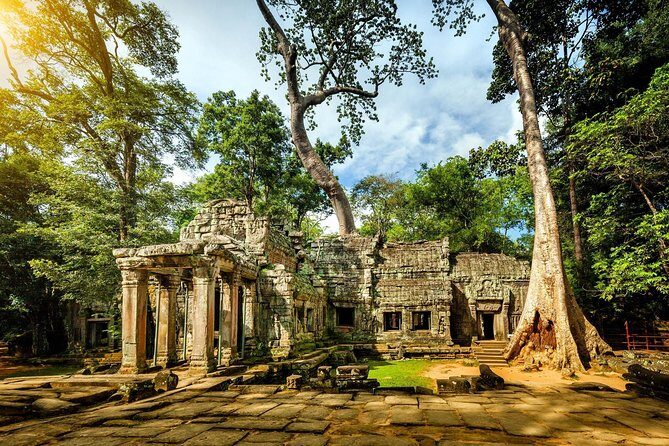
Then you hit Ta Prohm, famous for its state of ruin and the way trees and roots interact with the structure. The tour gives you about 1 hour here, which is valuable because Ta Prohm isn’t a quick-look temple. People linger because it feels different from the more fully restored or orderly complexes.
This is the stop where you’ll notice the mood shift in the day. The earlier temples feel like intentional architecture. Ta Prohm feels like nature has taken ownership, and you’re witnessing that collision in real time.
One practical note: ruins can mean uneven ground. If you’re sensitive to slipping or walking fatigue, this is where you’ll feel it most. Your tuk-tuk can’t remove all walking, but having a private setup means the guide and driver can help manage how close you get at each point. Some guides have also been praised for adjusting the route to minimize walking for visitors with limited mobility, which is worth asking about in advance if you need it.
Angkor Wat (about 2 hours): the main event with the best preservation
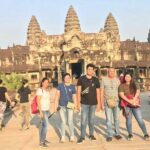
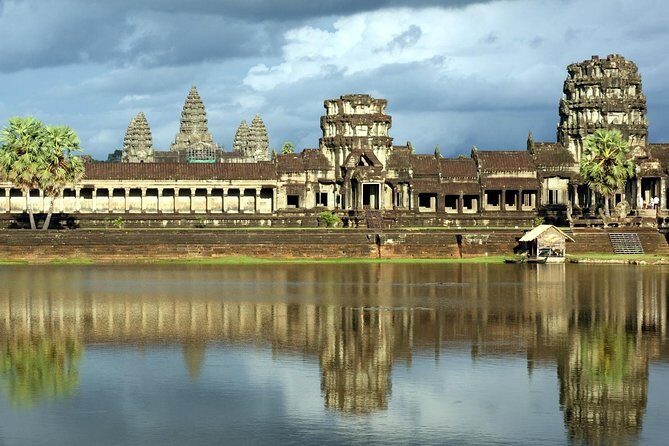
Finally, you reach Angkor Wat, widely considered the best-preserved temple complex in the area. Built in the early 12th century for King Suryavarman II, it’s also the only one at the site that really feels like a complete, coherent “center” for the whole visit.
You get about 2 hours here, which is a big deal. If any stop can absorb time, it’s Angkor Wat. Two hours lets you see the main layout, take photos, and still spend time on carved details without feeling like you’re racing the clock.
What I like about ending here: the day builds up. You start with the capital city context at Angkor Thom, continue with Bayon’s meaning, shift to the terraces as political storytelling, then see Ta Prohm’s character, and finish with the most iconic, best-kept structure.
Guide commentary: the secret ingredient (especially for the carvings)

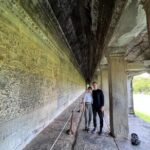
The tour’s biggest value isn’t just transport. It’s the guide commentary connecting the art to belief. You’re told about Angkor’s history and you learn how Hindu legends are represented through the intricate carvings.
That matters because Angkor can be visually overwhelming. Without context, you might remember face towers, tree roots, and wide hallways. With context, you remember themes: how rulers wanted to be seen, what stories were carved into stone, and how religious ideas shaped the design.
Names that show up as strong matches for this kind of explanation include Soydy, Vantha, Phy Phy, Long, Voath Vinh, Phuy Phy, and Nak. If you get one of these guides, you can expect a day focused on clear English and a lot of meaning—not just surface descriptions.
Price and value: $45 works best when you factor the $37 ticket
The tour price is $45 per person, and that includes:
- A private full-day tuk-tuk tour
- A local live English speaking guide
- Hotel/Airport pickup and drop-off
- Bottled water during the tour
What’s not included is the Angkor admission: the Angkor National Park ticket at $37 per person (paid at the ticket office). So the realistic all-in cost for temple access is $82 per person, before any food and drinks.
Is it good value? For me, yes, because you’re paying for organization plus guided interpretation across multiple major stops. A tuk-tuk alone can take time to coordinate, and you’d still need a guide to get the carvings and symbolism explained in a way you can actually use while you’re there.
Also note that it’s private. You won’t be sharing your tuk-tuk time and attention with strangers, which often makes a big difference on a day this long.
Getting through the day comfortably (without overplanning)
Even with a tuk-tuk, this is still a full-day temple circuit. You’ll spend time standing, walking short stretches, and moving between sites with stops that vary in length—about 30 minutes at the terraces, 40 minutes at Angkor Thom and Bayon, 1 hour at Ta Prohm, and 2 hours at Angkor Wat.
Plan your comfort around that. Bring sun protection and wear shoes that handle uneven ground. You’ll have water provided, but you’ll still want to pace yourself.
If you’re traveling with someone who has limited mobility, the best move is to talk to your guide about minimizing walking distance where possible. Some guides are praised for helping older visitors get closer to monuments and making the route workable with tools like a walking pole.
Who should book this private Angkor tuk-tuk tour
This tour is a strong match if you want:
- A structured day starting at 8:00 am with pickup and drop-off
- The major Angkor highlights without juggling logistics
- English commentary that explains Hindu legends in carvings
- A private group experience in a tuk-tuk that fits narrow passageways and quick transfers
It’s also a good fit for first-time visitors who want the “greatest hits” of Angkor in one day with a guide to keep the experience coherent.
If you already know Angkor well and you want a slow, highly flexible day for deep photo sessions at one temple, you might feel the scheduled time limits. But for most people, the pacing is exactly what makes it doable without burning the whole day.
Should you book it?
I’d book this if you want a one-day Angkor plan that balances movement with meaning. The tuk-tuk approach reduces the effort, the route covers the key stops people actually want to see, and the guide commentary is aimed at helping you understand what the carvings are saying.
If you’re watching costs closely, remember that the $37 park ticket is separate. You’ll want to budget for the combined total and also plan for the fact that admission needs to be handled on the ground.
If you’re sensitive to long days, you’ll be happiest with a tour that has a clear schedule and a guide who can keep things organized. This one does that.
FAQ
What time is pickup in Siem Reap?
Pickup is scheduled for 8:00 am from your hotel in Siem Reap.
Is hotel pickup and drop-off included?
Yes. The tour includes hotel (and airport) pickup and drop-off.
Do I need to pay admission separately?
Yes. Admission to Angkor National Park is not included and costs $37.00 per person at the ticket office.
How long is the Angkor Wat private tour by tuk-tuk?
The duration is about 6 to 7 hours.
What’s included during the tour?
You get a private full-day tuk-tuk, a local live English-speaking guide, bottled water, and hotel/airport pickup and drop-off.
Can I cancel for free?
Yes, there is free cancellation. You can cancel up to 24 hours in advance for a full refund.