REVIEW · SIEM REAP
Siem Reap: 2-Day Private Angkor Wat & Angkor Temples Tour
Book on GetYourGuide →Operated by Vamos Camboja Turismo · Bookable on GetYourGuide
Angkor in two days, without the stress. What makes this private tour work is the professional guide who explains the symbolism and architecture in your language, plus the two-circuit route that balances the must-sees with quieter stops. The main drawback to plan around: the Angkor Archaeological Park entrance ticket is not included, so you’ll want to budget for it.
You get a smooth hotel pickup at 08:30 (and a 05:00 start if you pick the sunrise option on Day 2), and the day-to-day pacing feels built for real life—heat, crowds, and walking time. I also like the practical touches: cold water and towels during the tour, plus pickup/drop-off so you’re not juggling tuk-tuks all day.
One more consideration: the temple dress code is strict. Shorts and sleeveless shirts aren’t allowed, and at most sites you’ll need clothing that covers shoulders and knees (with extra rules for Angkor Wat).
What You’ll Appreciate Most on This Tour
- A guide who speaks your language, with English, Spanish, Portuguese, Italian, French, German, or Japanese options
- Two full circuits that cover classic Angkor names and atmospheric “in-between” temples
- Comfort-focused transport that matches your group size (tuk-tuk for 1–2 on Day 1, air-conditioned vehicles for larger groups)
- Skip-the-line ticket support, so you’re not stuck waiting while the morning slips away
- Cold water and towels timed for hot, humid temple days
- Optional sunrise start on Day 2, for an early start that pairs well with the most iconic views
In This Review
- What Makes a Private Two-Day Angkor Plan Work
- Day 1: Small Circuit Highlights From South Gate to Ta Prohm
- Day 1 Wrap-Up at Angkor Wat (and How to Time It)
- Day 2 Grand Circuit: Preah Khan, Neak Pean, Ta Som, East Mebon, and Pre Rup
- Sunrise Option on Day 2: When the Early Start Makes Sense
- Banteay Srei: Pink Sandstone and Finishing With Detail
- Tickets, Dress Code, and Timing: The Stuff That Prevents Headaches
- Entrance ticket reality
- Dress code you should follow from day one
- When to show up
- Transport Choices That Actually Matter in Angkor Heat
- Value for Money: Is $245 a Fair Deal?
- Language and Guide Style: What Makes the Explanations Click
- Who This Tour Suits Best (And Who Might Want Something Else)
- Should You Book This 2-Day Private Angkor Tour?
- FAQ
- Where is the pickup and what time does the tour start?
- Is the Angkor entrance ticket included in the tour price?
- Does Day 2 offer a sunrise option, and when does it run?
- What languages can the guide speak?
- What transport will we use during the tour?
- What should I wear, and what is not allowed?
- Can I cancel and get a refund?
What Makes a Private Two-Day Angkor Plan Work
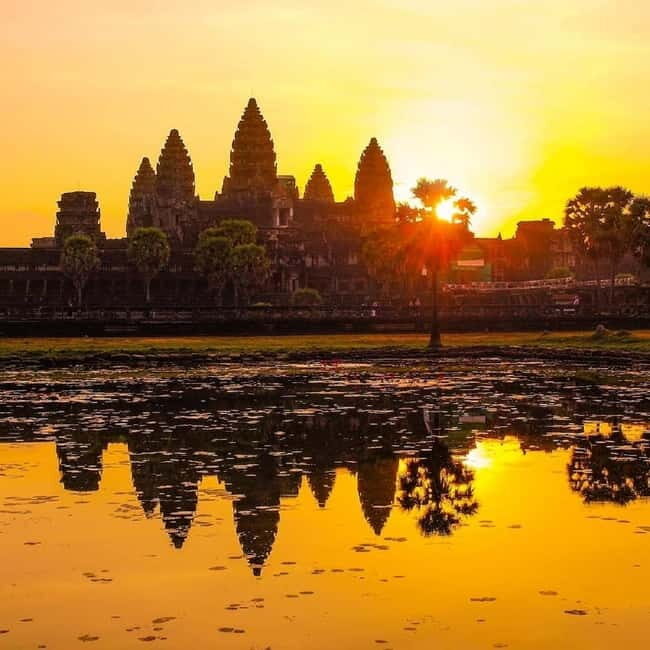
Angkor is big, and that can be the problem. This tour fixes the biggest headache by handling the logistics: hotel pickup, vehicle, guide, and the route across both days. Instead of guessing where to go next, you follow a plan built around the “inner and outer rings” of Angkor you hear about in guidebooks—only you’ll actually have time to understand what you’re looking at.
The real value here is the private pacing. With only your group, you can move at a comfortable speed, pause for photos when you want, and ask questions without feeling like you’re in a cattle line. You’ll also get a professional guide who focuses on meaning: what the temples were used for, how the carvings connect to beliefs, and why certain layouts look the way they do.
There’s also a nice practical rhythm. Day 1 is geared toward the famous highlights people picture first—Angkor Wat plus the Small Circuit core. Day 2 expands outward with the Grand Circuit and ends with Banteay Srei, a temple that feels almost delicate compared to the big stone faces.
Finally, remember: the tour is private, but you’re still visiting an archaeological park. That means walking, heat, and a strict dress code. If you can handle that, the payoff is huge.
Day 1: Small Circuit Highlights From South Gate to Ta Prohm
Day 1 is for orientation and “wow” early. You start by heading to the South Gate of Angkor Thom, where the stone figures form an immediate gateway into the ancient city. It’s the kind of entrance that helps your brain stop treating Angkor like a random collection of ruins and start seeing it as a designed place.
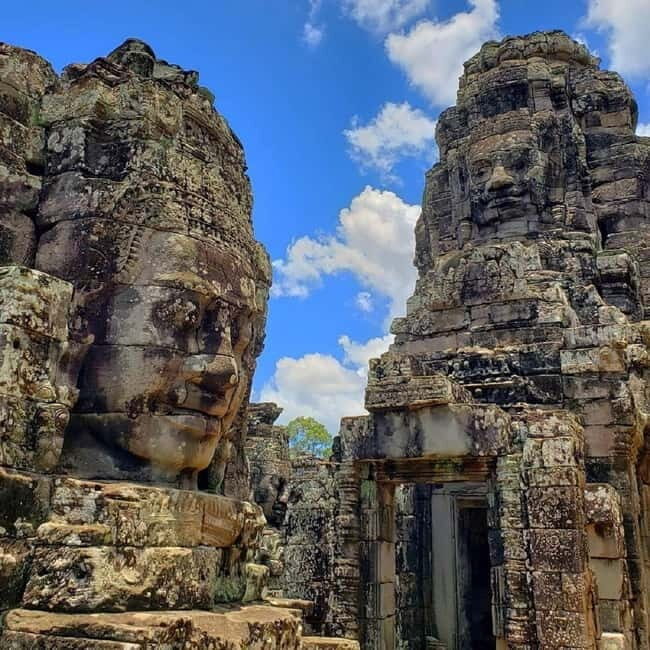
From there, the tour centers on Bayon Temple. This is where the famous faces show up again and again, carved across towers with calm expressions that look slightly different as you change your viewpoint. If you’ve ever wondered why Bayon is so iconic, it’s because it’s a blend of geometry and personality—columns, corridors, and towers arranged to keep your attention moving.
Next comes the Terrace of the Elephants and the Terrace of the Leper King. These aren’t just “pretty stops.” They’re key storytelling locations where you can see how the site used art and sculpted scenes to communicate power and belief.
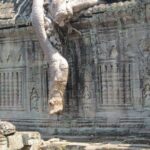
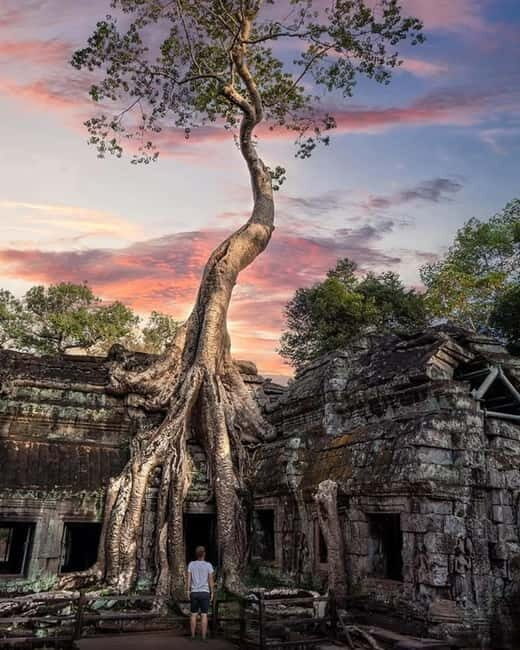
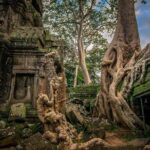
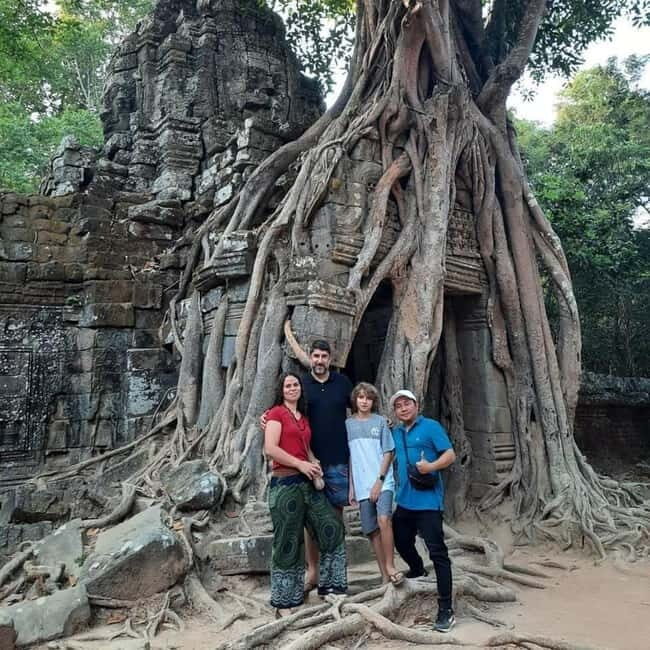
Then the day shifts into something more cinematic: Ta Prohm. Expect huge tree roots weaving through the temple walls. It’s one of the best places in Angkor for feeling the contrast between stone architecture and living growth. It can also be one of the most crowded spots, so going with a guide who keeps you moving efficiently helps.
Lunch is not included, but you’ll stop for a Cambodian meal at a nearby restaurant. That’s an underrated part of the experience. Temple days burn energy fast; having a planned meal break keeps the afternoon from turning into “where should we eat now?” stress.
A nice detail: your guide doesn’t just point and move. With a language option like English, French, German, Japanese, Spanish, Portuguese, or Italian, you can actually connect the visuals to the explanation instead of guessing.
Other Angkor Wat temple tours we've reviewed in Siem Reap
Day 1 Wrap-Up at Angkor Wat (and How to Time It)
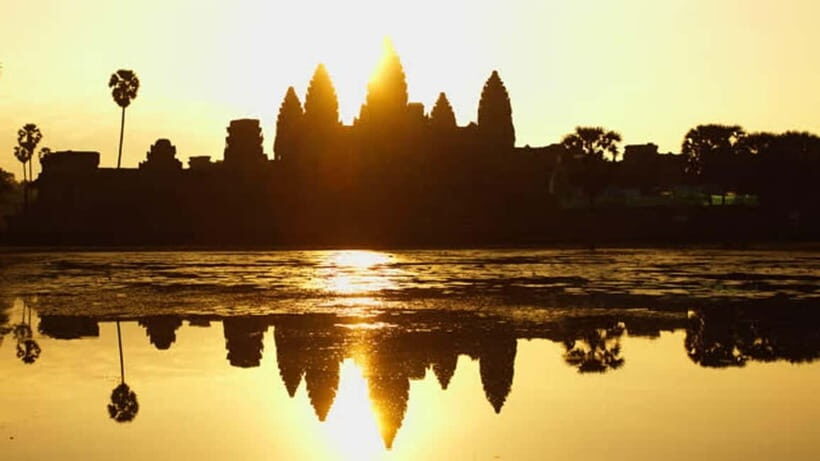
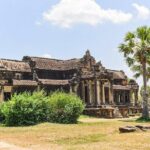
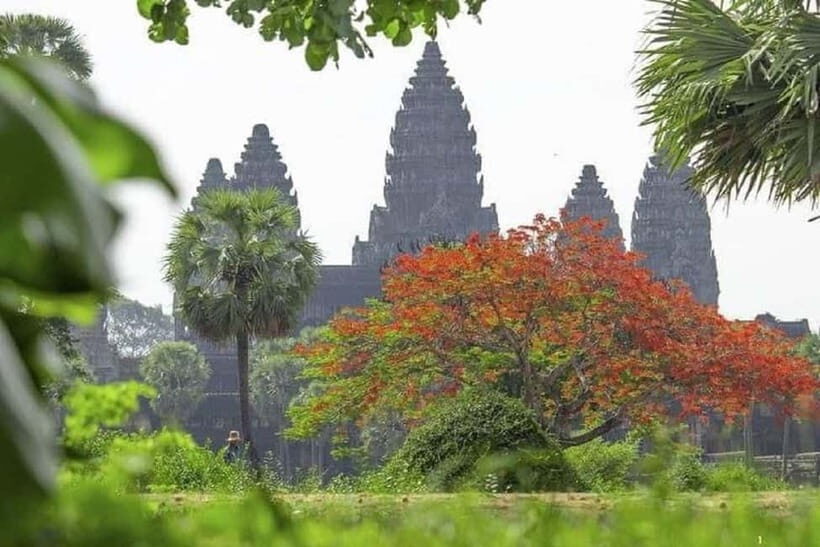
Angkor Wat is the star, and Day 1 makes sure you don’t treat it like a drive-by photo stop. It’s scheduled after the Small Circuit highlights, so you approach it with a stronger sense of what you saw earlier—gateways, towers, and carved symbolism.
Once you’re inside Angkor Wat, your guide will help you read what you’re seeing: art, history, and how the site’s design communicates religious meaning. The big advantage of a guided visit here is not just facts—it’s noticing. Many people miss details because they’re focused on the exterior. A good guide keeps you looking at the carvings and layout in a way that makes the whole monument feel intentional rather than random.
By mid-to-late afternoon, the tour finishes around 05:00 PM and returns you to your hotel. That timing matters. Angkor is tiring. This finish gives you enough day left to rest, shower, and enjoy Siem Reap in the evening without feeling like you’re dragging yourself home in the dark.
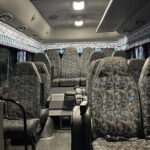
Also, you’ll be traveling in comfort. For 1–2 people, you’ll use a tuk-tuk on Day 1; for larger groups (3+), you’ll ride in an air-conditioned van or bus for both days. In a place where it’s hot and humid, that comfort difference is real.
Day 2 Grand Circuit: Preah Khan, Neak Pean, Ta Som, East Mebon, and Pre Rup
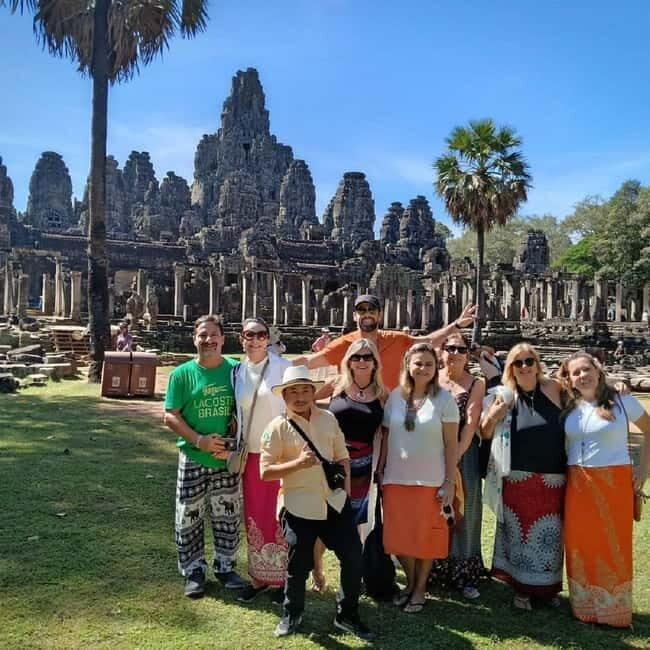
Day 2 is where Angkor starts feeling bigger than the famous headline sites. You’ll follow the Grand Circuit with a sequence of temples that vary in size and mood, so you don’t get temple fatigue too fast.
You begin with Preah Khan, a vast monastic complex with atmospheric corridors and carved detail. This is the kind of place where the guide’s job matters most: it’s easy to walk through and see “stone walls,” but with an explanation, you start understanding the complex’s purpose and the way the carvings were used.
Next comes Neak Pean, a smaller temple surrounded by tranquil pools. It’s calmer, more reflective, and a good pause before you move into busier, more dramatic structures.
Then you visit Ta Som, known for its iconic gate covered by trees. It’s a similar visual idea to Ta Prohm, but the composition is different. This is why having a guided plan helps—you’re comparing design choices across sites rather than just collecting photos.
After that, you’ll stop at East Mebon, which was once standing on an island in an ancient reservoir. Even if you can’t picture the water level from today, the explanation helps you understand why the setting mattered.
Finally, you’ll visit Pre Rup, a mountain-style temple with sweeping views over the Cambodian countryside. This is one of the best “reset your perspective” stops of the day. You get to see Angkor as part of a wider region, not just a series of close-up ruins.
Lunch isn’t included again, but you’ll eat at a nearby Cambodian restaurant. Then the tour continues toward Banteay Srei.
Expect the day to end around 04:00 PM on the regular schedule (or around 12:00 PM if you pick sunrise, more on that next).
Sunrise Option on Day 2: When the Early Start Makes Sense
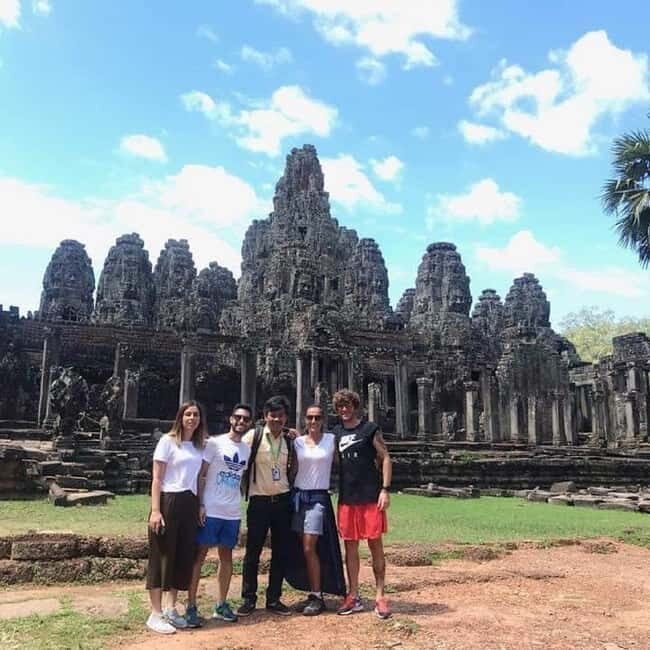
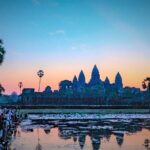
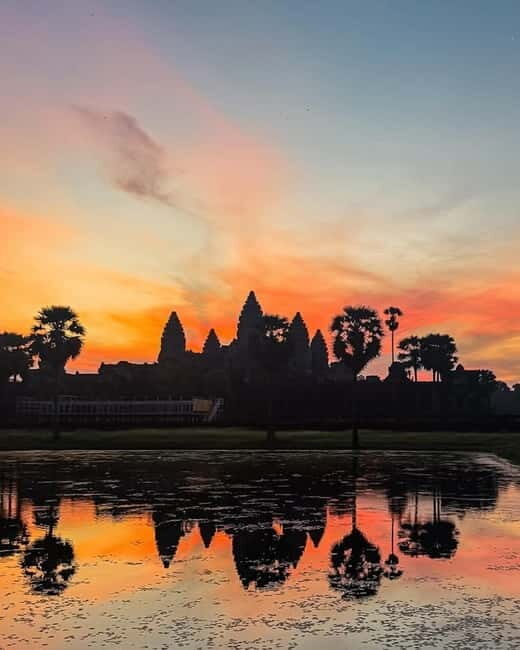
Day 2 offers a sunrise option starting around 05:00 AM and finishing around 12:00 PM. If you chose this at checkout, you’re trading the late morning pace for an early, quieter feel.
Is it worth it? For many people, sunrise is about two things: first light on the most famous structures, and avoiding the sense that you’re arriving to everything after the peak rush. Even if you’re not chasing “perfect” photos, an early start can make the whole day feel calmer.
The trade-off is obvious: you’ll wake up earlier and the tour ends earlier. If your plan includes other Siem Reap activities later in the afternoon, the shorter finish can be a real benefit. If you prefer a relaxed day without an early wake-up, stick with the regular Day 2 timing.
Either way, the sunrise option is clearly set up as a distinct schedule, not just an early departure. That structure helps—your guide can keep the timing efficient so you still cover the big stops without feeling rushed.
Banteay Srei: Pink Sandstone and Finishing With Detail
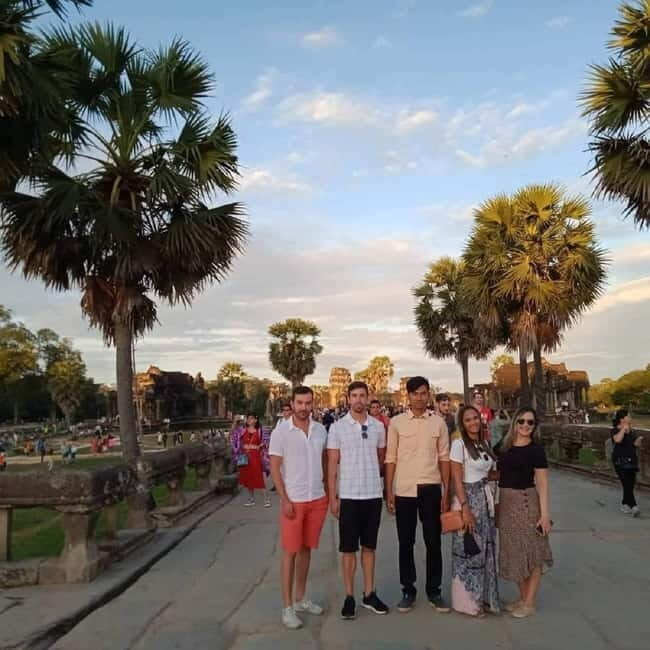
The tour ends at Banteay Srei, often described as the “Citadel of Women” because of the way it’s traditionally titled. What matters for you on the ground is the look: intricate pink sandstone carvings.
This temple is a great choice for a final day stop because it slows you down visually. After larger, more monumental sites, Banteay Srei invites you to notice fine detail—patterns in stonework and the kind of precision that makes Angkor feel both powerful and careful.
If you’re the type who likes to understand what you’re seeing (instead of just snapping photos and moving on), this ending spot works. Your guide’s explanations help you focus on why those carvings exist and what they communicate.
After your Banteay Srei visit, the tour finishes around 04:00 PM (or earlier if you chose sunrise on Day 2) and returns you to your hotel.
Other multi-temple archeological tours we've reviewed in Siem Reap


Tickets, Dress Code, and Timing: The Stuff That Prevents Headaches
Here’s where planning saves you money and time.
Entrance ticket reality
The Angkor Archaeological Park entrance ticket is not included in the tour price. The cost listed is $62 per person for a 2–3 day pass. The tour is set up to help you with the ticket process—you can buy at the ticket booth with your guide during pickup time, or purchase online in advance if that fits your style.
Two practical notes:
- Children under 12 years old don’t need an entrance ticket.
- A passport must be shown as proof for the ticket process.
Dress code you should follow from day one
Don’t treat the dress code as a suggestion. It’s enforced.
- Shorts and short skirts are not allowed.
- Sleeveless shirts are not allowed.
- Alcohol and drugs are not allowed.
For temple entry, you may use a scarf to cover knees and shoulders for many temples. But except for Angkor Wat, you must wear pants and skirts that cover the knees, and shirts that cover the shoulders. Keep clothes light and breathable—temples don’t care how pretty your outfit is if it’s not compliant.
When to show up
Pickup timing matters. You’ll be picked up from your hotel lobby at 08:30 AM. If your hotel isn’t ready at exactly that time, it’s smart to be in the lobby a bit early. The instructions also mention waiting 15 minutes before pickup time.
Transport Choices That Actually Matter in Angkor Heat
Transport isn’t a throwaway detail here. Angkor is hot, and you’ll spend time waiting to move between temples. Comfort changes the whole experience.
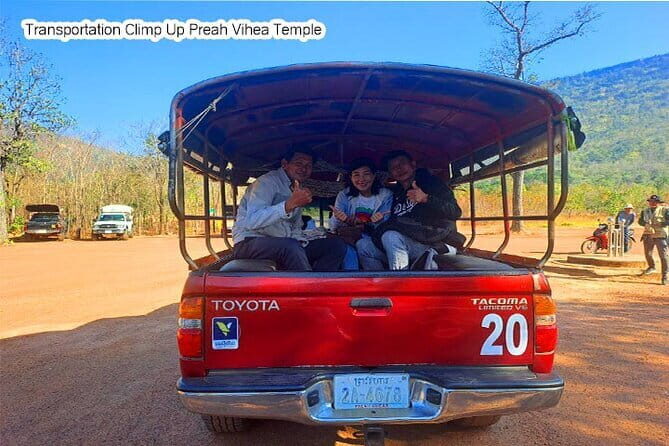
For groups of 1–2 people, Day 1 uses a tuk-tuk and Day 2 uses a private car. For 3 people or more, you ride in an air-conditioned van or bus for both days.
In plain terms: if you’re traveling solo or as a couple, you’ll still be comfortable, but you may feel a bit more “out in the open” on Day 1 because tuk-tuks are more exposed than vans. If you’re in a larger group, the air-conditioned vehicle is the comfort upgrade that helps you keep energy for long walks.
You’ll also have cold water and towels during the tour. That’s small, but it keeps you from treating your sightseeing like a survival test.
Value for Money: Is $245 a Fair Deal?
The price is $245 per group up to 2 for a 2-day tour. On top of that, you pay the Angkor entrance ticket separately ($62 per person for 2–3 days).
So what are you really paying for?
You’re paying for three big things:
- A private guide who can explain the sites in your language (English, French, German, Japanese, Spanish, Portuguese, Italian).
- Time and logistics—pickup, transport plan, and a route that hits both circuits without you having to coordinate everything.
- Comfort and pacing, including cold water, towels, and a vehicle matched to your group size.
If you compare this to the cost of hiring a driver plus buying tickets plus sorting your own route and guide gaps, the value becomes clearer. The tour price isn’t “cheap,” but it’s the kind of spend that buys you less stress and more understanding, which is exactly what you want for a site as layered as Angkor.
This is also a good option if you want to avoid the frustration of waiting in lines. The experience includes skip-the-ticket-line support, so the morning doesn’t evaporate.
Language and Guide Style: What Makes the Explanations Click
A big reason people rate private Angkor tours highly is simple: the guide turns stone into story. This tour is set up with professional guides in English, Spanish, Portuguese, Italian, French, German, or Japanese, which makes a huge difference when you’re standing in front of complex carvings and layouts.
In real-world examples, guides like Vincent Bross, Rat, Raf, and Sovuth have been praised for clear explanations and friendly service, including keeping arrivals on time and handling early sunrise days smoothly. Some guides also help with photo timing, which matters at Angkor where angle and timing can make the difference between a flat photo and one that feels like a memory.
You can also tell your guide what you care about. If you want more architecture, ask. If you want symbolism and religious context, ask. The private format is what makes those conversations easy.
Who This Tour Suits Best (And Who Might Want Something Else)
This is a strong fit if you:
- Want two full days at Angkor without organizing transport and routing yourself.
- Care about explanations and context, not just photos.
- Travel in a small group (or as a couple) and prefer a private pace.
- Can follow the dress code and handle long walking days.
It may not be the best fit if you:
- Need wheelchair access (this experience is not suitable for wheelchair users).
- Are traveling with babies under 1 year.
- Are extremely limited in mobility.
- Are over 95 years old (not suitable by the provided info).
Should You Book This 2-Day Private Angkor Tour?
If you want the easiest path to seeing Angkor without getting lost in logistics, I’d book it. The two-day structure (Small Circuit on Day 1, Grand Circuit plus Banteay Srei on Day 2) gives you balance: big iconic stops, calmer temples, and detailed finishing views.
I’d especially lean toward it if you value a guide in your language and you want the monuments explained in a way that helps you notice what matters. The $245 group price makes sense because it’s paying for the private guide and the routing you’d otherwise have to piece together.
Just do your homework on two things before you go: budget for the $62 entrance ticket per person and pack clothing that meets the temple dress code. Once you’ve got that handled, the tour’s strengths—private pacing, comfort, and strong guiding—are exactly what make Angkor feel memorable rather than overwhelming.
FAQ
Where is the pickup and what time does the tour start?
Your guide picks you up from the lobby of your hotel at 08:30 AM. You should wait in the lobby about 15 minutes before pickup.
Is the Angkor entrance ticket included in the tour price?
No. The Angkor Archaeological Park entrance ticket costs $62 per person for a 2–3 day pass and is not included in the tour price. A passport must be shown as proof. Children under 12 years old are not required to purchase an entrance ticket.
Does Day 2 offer a sunrise option, and when does it run?
Yes. If you choose the sunrise option, Day 2 starts at 05:00 AM and finishes around 12:00 PM.
What languages can the guide speak?
The guide is available in English, Spanish, Portuguese, Italian, French, German, or Japanese.
What transport will we use during the tour?
For 1–2 people, Day 1 uses a tuk-tuk and Day 2 uses a private car. For groups of 3 or more, you’ll travel in an air-conditioned van or bus for both days.
What should I wear, and what is not allowed?
Shorts and short skirts aren’t allowed, and sleeveless shirts are not permitted. Alcohol and drugs are also not allowed. You may use a scarf to cover knees and shoulders for most temples; except for Angkor Wat, you must wear pants/skirts that cover the knees and shirts that cover the shoulders.
Can I cancel and get a refund?
You can cancel up to 24 hours in advance for a full refund.