REVIEW · SIEM REAP
Siem Reap: Cambodian Desserts Cooking Lesson with Tastings
Book on GetYourGuide →Operated by Beyond. Unique Escapes · Bookable on GetYourGuide
Palm sugar turns dessert into history. This Siem Reap cooking lesson teaches you how to make three Khmer desserts with real technique, not guesswork. I like that you work with Khmer staples like palm sugar, coconut milk, ginger, and lemongrass, so the flavors make sense. One possible drawback: it’s dessert-focused, so if you came for savory Cambodian cooking, this won’t scratch that itch.
The hands-on kitchen time is where the value really shows. I also like that you get clear instructions from English-speaking hosts and chefs, with enough structure that you can realistically repeat the recipes later. The class also tends to include tastings and boxed take-home portions, which is great if you’re hungry after exploring.
If you’re watching sweetness, plan for a lot of sugar-forward flavors—palms sugar and coconut are the stars, and they don’t hold back. Also, three hours goes fast, so you’ll want to pay attention and take notes while you’re cooking.
In This Review
- Key highlights worth planning for
- A Siem Reap dessert class built around Khmer staples
- Hotel pickup, tuk-tuk ride, and the “no hassle” setup
- The ingredient starting point: market walk and snack momentum
- Your outdoor or nature-adjacent kitchen time
- What you’ll actually cook: three Khmer desserts in one class
- 1) Steamed ginger custard
- 2) Palm sugar and coconut bananas
- 3) Sweet coconut pancakes
- Palm sugar: the ingredient lesson that sticks
- Tastings and take-home food you’ll feel good about
- The real value: $32 for skills, not souvenirs
- Who this class suits best (and who might want another option)
- How to get the most out of the 3 hours
- Should you book this Cambodian dessert cooking lesson?
- FAQ
- FAQ
- How long is the Siem Reap Cambodian desserts cooking lesson?
- What does the class cost?
- What desserts will I learn to make?
- Are tastings included?
- Will I get a recipe card to take home?
- What ingredients will we use?
- Is the class taught in English?
- Do I get hotel pickup and drop-off?
- Is there a market visit before cooking?
- What’s the cancellation policy?
Key highlights worth planning for
- Market snack + shopping walk to understand ingredients before you cook
- Three Khmer desserts you’ll learn to recreate at home
- Palm sugar focus, from sugar palm source to finished sweets
- Your own work station and equipment, with chef guidance
- Tuk-tuk rides and hotel pickup/drop-off, easy logistics in Siem Reap
- Recipe card/booklet take-home, plus tastings and extra food boxed to go
A Siem Reap dessert class built around Khmer staples
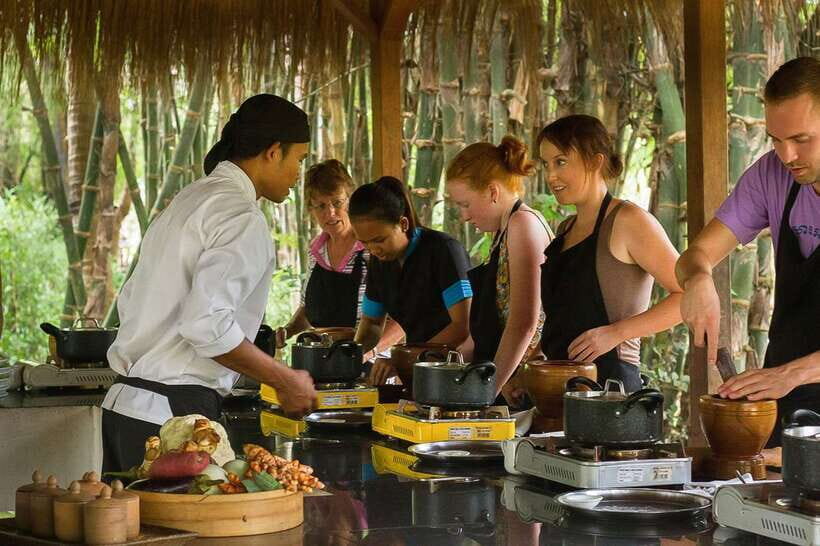
This is the kind of cooking class that feels like food education, not just a fun activity. You start with what matters most in Khmer desserts—palm sugar and coconut—and then you build from there into three different sweets with different textures and serving vibes.
The ingredients list tells you what you’re signing up for. You’ll work with palm sugar, coconut milk, ginger, and lemongrass, and you’ll see how these show up in multiple desserts rather than in one-off experiments. That repetition is smart: you leave understanding the “why” behind the flavor, not only the steps.
Other food tour and tasting tours we've reviewed in Siem Reap

Hotel pickup, tuk-tuk ride, and the “no hassle” setup
Logistics in Siem Reap can be part of your stress. This experience keeps it simple. You’re picked up from your accommodation and brought to the cooking workshop, then returned to your hotel afterward.
You also get the fun part: the ride. You’ll travel to and from the class in a tuk-tuk, which is a classic way to move around the area and makes the experience feel local instead of like you’re being shuffled around in a van.
The ingredient starting point: market walk and snack momentum
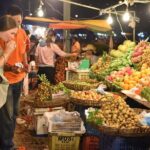
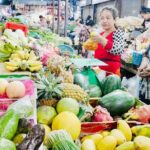
Many cooking classes jump straight to the kitchen. Here, you may begin with a local market walk, including time to ask questions and make sense of what you’re about to cook. In past sessions, guests described walking with the host and chef, stopping for a snack along the way, and getting practical advice on what to buy and why.
Even if you don’t love markets, this part helps you connect the finished dessert to the ingredients’ real textures and looks. When you later measure palm sugar and handle coconut-based ingredients, it feels less mysterious.
Your outdoor or nature-adjacent kitchen time
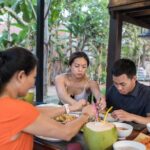
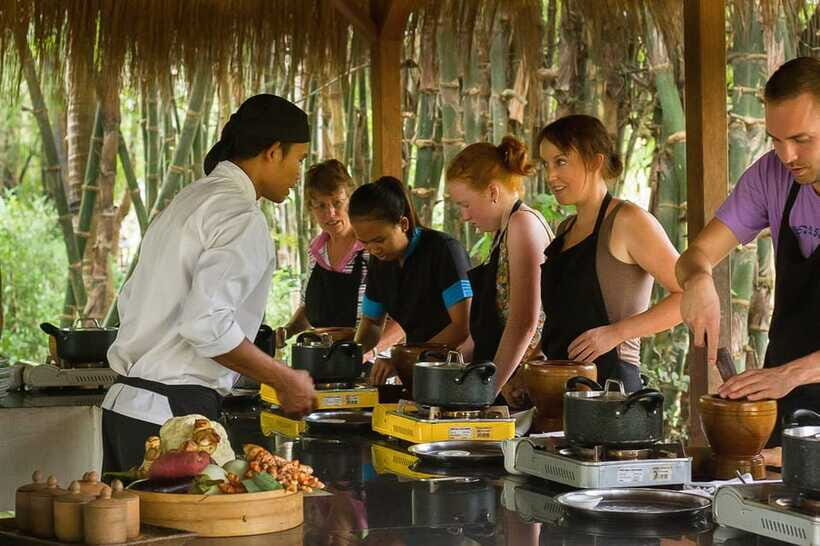
From the way guests describe it, the cooking area often feels relaxed—sometimes even peaceful, with an outdoor feel and greenery around you. That matters more than you’d think. When the kitchen isn’t cramped or chaotic, you can focus on technique like timing, heat level, and getting the texture right.
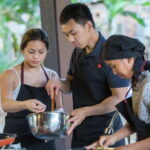
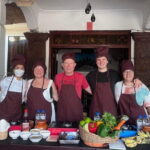
You’ll get your own work station and equipment, and the instructions are delivered step by step. In reviews, people praised the clarity and patience of the chef team, including named staff such as Prey and Bri, with Sophia described as a welcoming host. That’s a good sign if you’re not a confident cook, because dessert can be unforgiving when you rush.
What you’ll actually cook: three Khmer desserts in one class
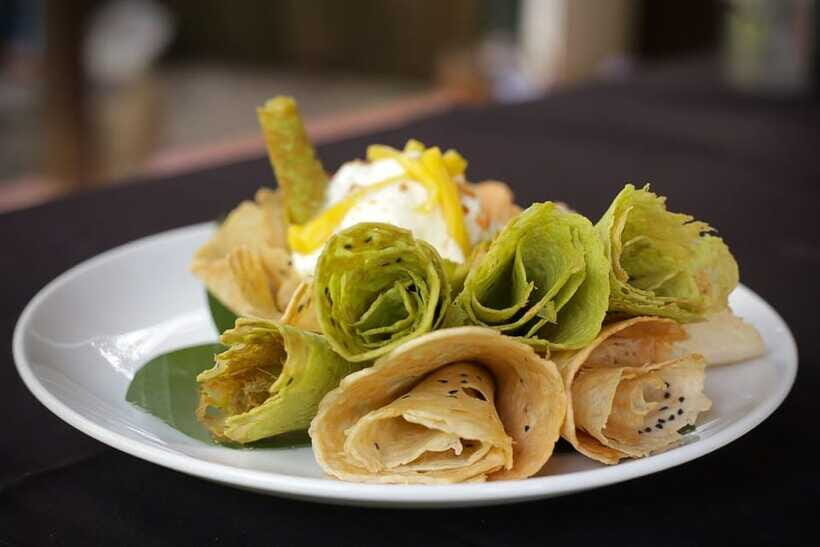
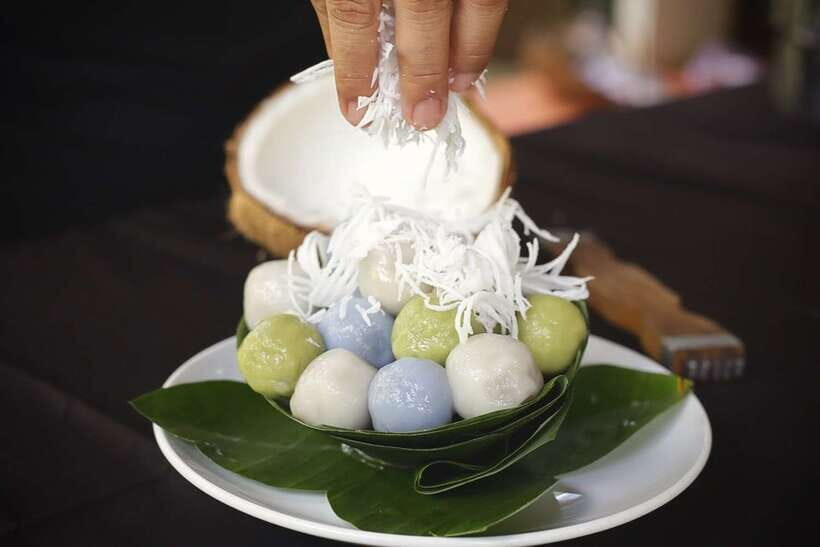
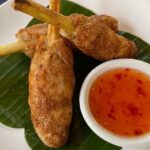
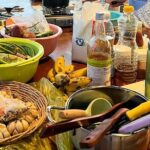
The strongest thing about this class is that it doesn’t teach you one dessert—it teaches you three. You’ll learn how to make steamed ginger custard, palm sugar and coconut bananas, and sweet coconut pancakes. Each one trains a different skill set, so your takeaway feels real.
Other cooking classes in Siem Reap
1) Steamed ginger custard
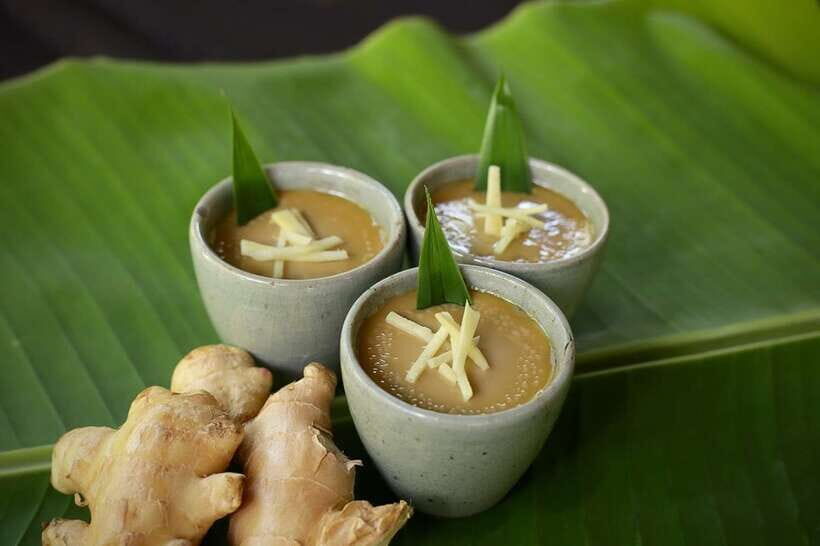
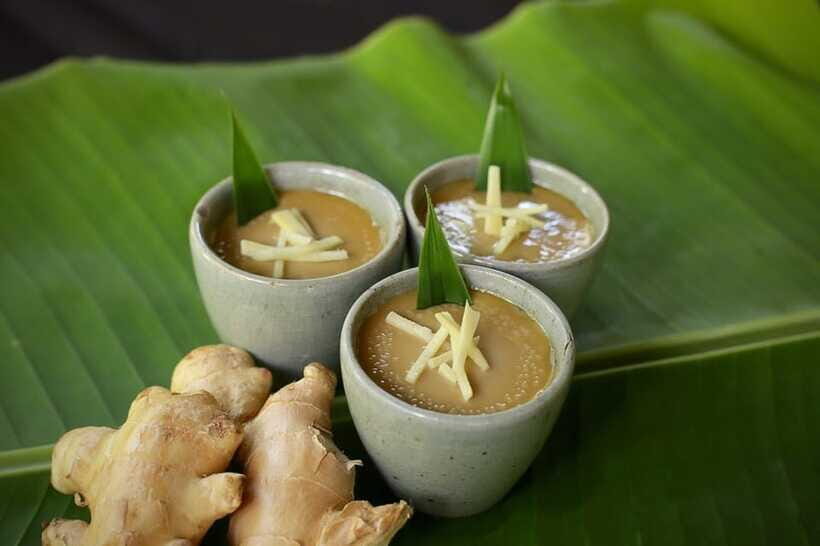
Steamed custard teaches you control. You’re working toward a set texture without turning it into something rubbery or undercooked. Ginger adds warmth and brightness, which is a smart balance against the coconut richness you’ll see in the other desserts.
This is the kind of dessert that’s easier to repeat at home because you can re-create the “set” goal with practice. Once you nail the steam time and heat balance, you can adapt flavors later.
2) Palm sugar and coconut bananas
This dessert is all about contrast: warm sweetness from palm sugar, creamy richness from coconut milk, and fruit that softens instead of staying crunchy. When palm sugar is used, it can taste more rounded than refined sugar, which is why this is a Khmer staple worth learning.
In several experiences, guests highlighted that the chef explained palm sugar clearly—starting from the sugar palm tree concept to the finished product used in the sweets. That kind of context helps you understand why it behaves the way it does in cooking.
3) Sweet coconut pancakes
Coconut pancakes bring a different texture and a different cooking rhythm: batter consistency, pan heat, and timing. If you’ve never cooked pancakes in a class before, this one is a good choice because it’s hands-on and you can visually track what’s happening as it cooks.
Also, pancakes are practical. Even if you make only one dessert again after the trip, pancake skills tend to transfer well to other home recipes.
Palm sugar: the ingredient lesson that sticks
Palm sugar is the center of gravity here. The class is designed to teach you more than its taste. You’ll hear about how it comes from the sugar palm tree to the finished dessert ingredient, and you’ll learn how it functions in Cambodian sweets.
Why this matters for you: palm sugar isn’t interchangeable with every sweetener in every recipe. Once you understand it in context—paired with coconut, ginger, and fruit—you’re more likely to succeed if you cook again at home. The goal is that you can reproduce the flavor, not just the form.
Tastings and take-home food you’ll feel good about
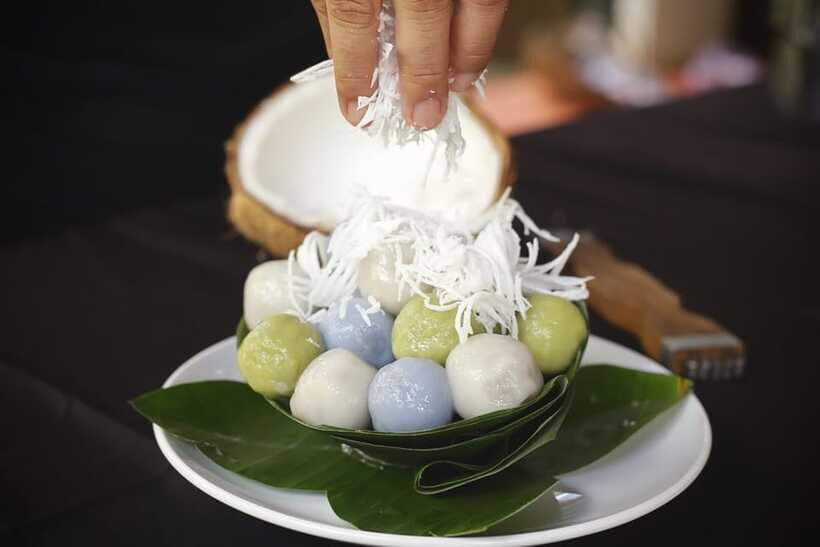
You get tastings as part of the experience, so you’re not stuck only in “look at the food, then cook it later” mode. Past guests described having plenty to eat during the class, plus extra portions boxed up to take away. That’s a small detail that changes the whole experience, especially if you’re arriving hungry.
There’s also typically a take-home element. Guests mentioned receiving recipe cards, and some sessions included a small recipe booklet. Having those written down matters, because dessert results depend on tiny timing and texture cues.
The real value: $32 for skills, not souvenirs
At $32 per person for a roughly 3-hour session, you’re paying for three things: guided cooking practice, ingredient exposure, and enough tastings and materials to make it memorable. You’re not just buying a photo opportunity.
Compared with many “light” classes, the value here comes from the structure:
- You learn three desserts, not one.
- You cook at your own station with equipment.
- You leave with a recipe card/booklet so the class doesn’t vanish the moment you get home.
- You’re handled start-to-finish with pickup and drop-off, which saves you time and awkward planning in Siem Reap.
If you’re the type of traveler who wants one activity that pays off after the trip, this is the kind that tends to work.
Who this class suits best (and who might want another option)
This experience is a strong fit if you:
- want to learn Khmer desserts you can actually repeat at home
- enjoy markets and ingredient questions
- like hands-on cooking with clear, patient guidance
- prefer structured tastings rather than only watching someone cook
It may not be the best fit if you:
- came specifically for savory Cambodian dishes
- don’t want sweetness-heavy desserts (palm sugar and coconut take over)
- dislike classes where you need to pay attention to timing and texture
How to get the most out of the 3 hours
You’ll get the most out of the class if you treat it like a mini workshop:
- Watch the chef’s texture checks. Dessert is often about feel as much as measuring.
- If the host offers shopping guidance at the market, ask what substitutes don’t behave the same. That’s where home cooking either works or fails.
- Take photos of your finished desserts and the setup at your station. It helps later when you’re comparing your results.
If you’re with family or siblings, this kind of class can also be a fun bonding experience because everyone ends up with their own plates, and you’re all learning from the same technique.
Should you book this Cambodian dessert cooking lesson?
I’d book it if you want a practical Siem Reap activity with real cooking skills attached. The class is designed around major Khmer flavors—palm sugar and coconut—and it teaches you three desserts with enough guidance to replicate them later. The best signs are the hands-on stations, clear instructions from named staff like Sophia and chefs such as Prey or Bri, and the fact that people leave with more than just a memory.
Skip it only if you’re looking for savory cooking, or if you’re not interested in sweet desserts. Otherwise, for the time and price, it’s a solid way to turn Cambodian flavors into something you can make long after you’ve left Siem Reap.
FAQ
FAQ
How long is the Siem Reap Cambodian desserts cooking lesson?
The class lasts 3 hours.
What does the class cost?
It costs $32 per person.
What desserts will I learn to make?
You’ll learn to make three Cambodian desserts: steamed ginger custard, palm sugar and coconut bananas, and sweet coconut pancakes.
Are tastings included?
Yes, tastings are included.
Will I get a recipe card to take home?
Yes, you’ll receive a recipe card (and some sessions may include a small recipe booklet).
What ingredients will we use?
You’ll work with palm sugar, coconut milk, ginger, and lemongrass.
Is the class taught in English?
Yes, the instructor is listed as English-speaking.
Do I get hotel pickup and drop-off?
Yes. Pickup and drop-off are included, and you’re taken directly from your accommodation in Siem Reap.
Is there a market visit before cooking?
Some experiences include a local market walk before the cooking workshop, with time to learn about common ingredients.
What’s the cancellation policy?
You can cancel up to 24 hours in advance for a full refund.