REVIEW · SIEM REAP
2-Days Private Tour Discovery Angkor Wat , Waterfall and Beng Mealea Temple
Book on Viator →Operated by Siem Reap Experience · Bookable on Viator
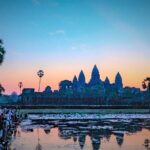
Angkor at dawn beats any late start. A private, English-led route gets you to the main sights early, with time to move at a human pace instead of getting stuck in big-group lines. I like the way this schedule centers sunrise at Angkor Wat, when the light hits the temples and the air is cooler.
On Day 1, you string together Bayon and Ta Prohm in a way that makes the ruins feel connected, not like a checklist. The guide also helps you understand what to be respectful about before you walk among active local spaces. The main drawback to plan for is practical: you’re up at 4:30 am, and temple tickets plus meals are not included.
In This Review
- Key takeaways before you go
- Sunrise Angkor Wat: why timing is the whole game
- Day 1 temple route: Angkor Wat, Bayon, Ta Prohm, Banteay Kdei
- Angkor Wat: climb for sunrise views
- Bayon Temple at Angkor Thom: faces and symbolism
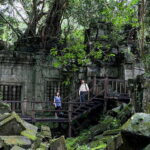
- Ta Prohm: the tree-root temple (a photo moment that’s also weirdly peaceful)
- Banteay Kdei: calmer, King Jayavarman VII era
- Day 2 outside the city: Phnom Kulen and Beng Mealea
- Phnom Kulen National Park (6 hours): waterfall day plus 1000 linga carving
- Beng Mealea (3 hours): the lost temple feeling, 70 km from Siem Reap
- Price and value: what $154 really covers
- Guides and how they shape your experience
- Logistics that matter: early start, private route, and comfort
- Practical tips for your Angkor day (so it feels respectful, not rushed)
- Who should book this 2-day private tour
- Should you book this tour?
- FAQ
- What is the duration of this tour?
- What time does the tour start?
- Is pickup included?
- Is this tour private?
- What’s included in the price?
- Are temple tickets included?
- Are meals included?
- Will I get an English guide?
- What cancellation options do I have?
Key takeaways before you go
- 4:30 am start: you’ll trade sleep for smaller crowds and comfortable morning temps
- Private pacing: your guide helps you avoid the worst crush at the temples
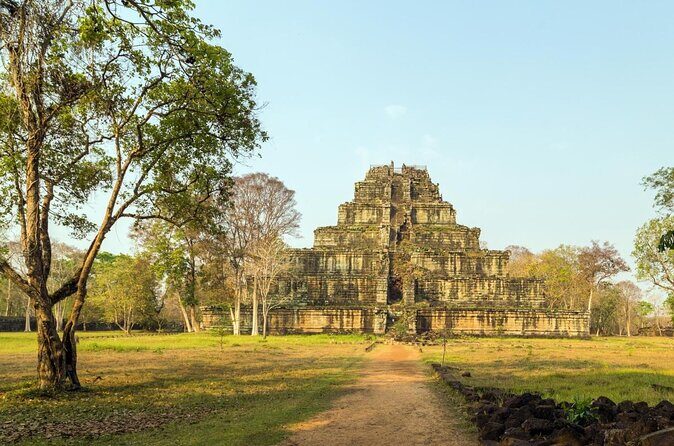
- Temple trio on Day 1: Bayon, Ta Prohm (jungle/tree roots), then Banteay Kdei (Jayavarman VII era)
- Phnom Kulen in 6 hours: waterfalls plus the 1000 linga carving area, with time for a picnic
- Beng Mealea for “lost temple” vibes: a quieter, 70 km run that feels like discovery
- Real value math: $154 covers guide + air-con vehicle, but you budget for tickets and meals separately
Sunrise Angkor Wat: why timing is the whole game
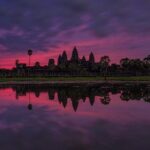
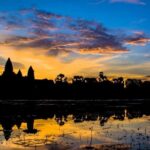
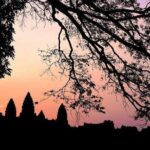
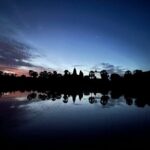
If you care about feeling awe instead of just enduring crowds, sunrise is the move. This tour starts early enough to reach Angkor Wat for sunrise from the main entrance area, then climb in to take in the view as the morning light comes up. The upside is obvious: the temples look different when the world is still quiet, and temperatures tend to feel more friendly than midday heat.
I also like that this isn’t sold as a weather guarantee. Even when conditions aren’t perfect, getting there early still helps because you’re arriving before many tour buses hit the gates. You’ll be moving before the day turns into a gridlock of camera-on-sticks.
One more thing that matters: you’re not just rushing for photos. The tour stresses learning a bit about the culture so you can avoid doing the wrong thing in the wrong place. At Angkor, that kind of “read the room” effort is what separates a smooth visit from an awkward one.
Other Angkor Wat temple tours we've reviewed in Siem Reap
Day 1 temple route: Angkor Wat, Bayon, Ta Prohm, Banteay Kdei
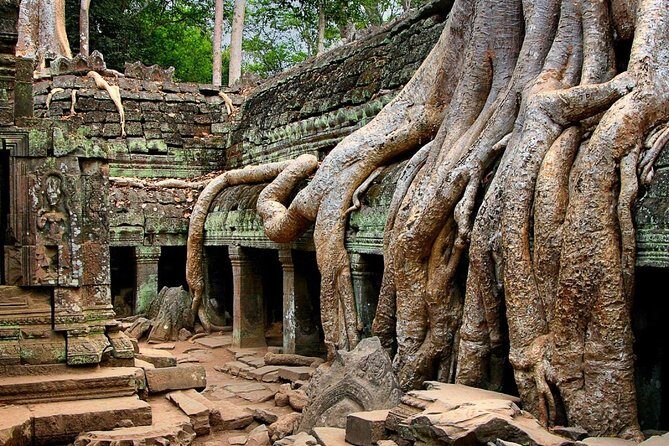
This first day is built to show you four different sides of Angkor, and the best part is how the stops flow with guidance, not just transportation.
Angkor Wat: climb for sunrise views
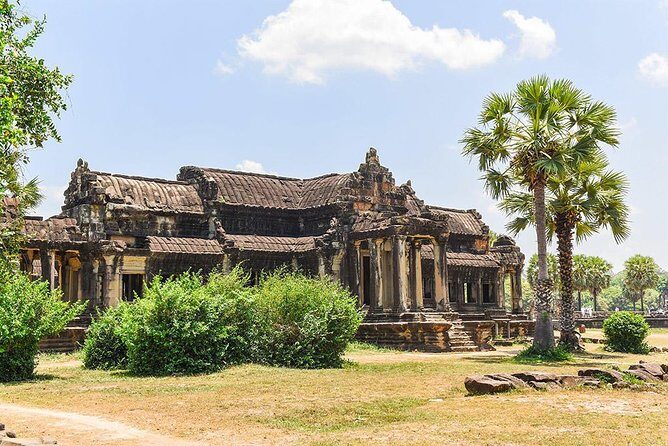
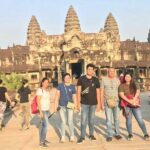
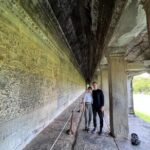
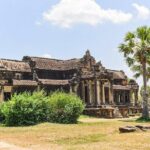
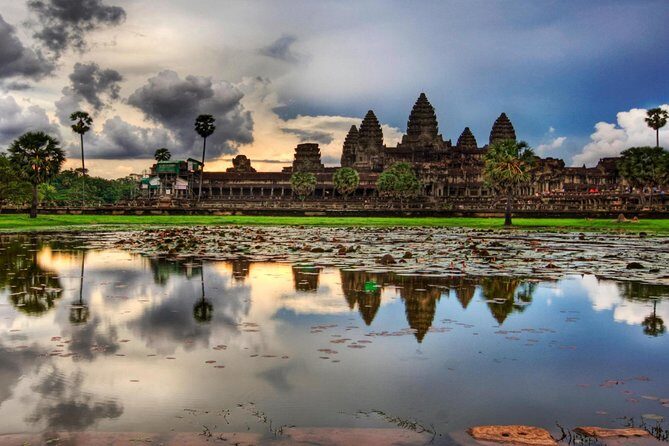
You start with the big moment: Angkor Wat sunrise plus time to explore the complex. You’ll climb up from the main entrance area, then spend about 3 hours there. The timing is the point, but the structure is too. A long-enough visit means you’re not just standing at one spot hoping the sun cooperates; you can take a breath, walk, and orient yourself.
Admission tickets are not included, so you’ll want to budget for them in advance. If you’re trying to keep costs predictable, set aside time for that ticket step before you meet the group.
Bayon Temple at Angkor Thom: faces and symbolism
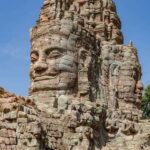
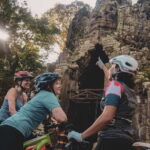
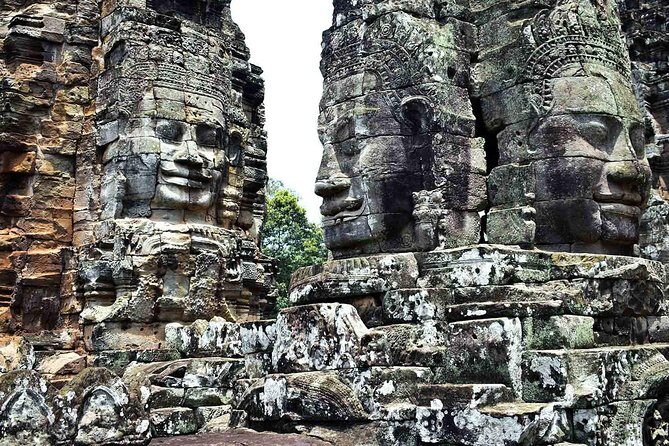
Next is Bayon Temple, through the South Gate of Angkor Thom. This stop is about 2 hours, and it’s a great choice because Bayon is instantly recognizable: it’s famous for its many towers and the 216 faces of Avalokesvara that look out from different angles. It’s the kind of place where moving even a little changes what you notice.
A practical benefit: pairing Bayon after Angkor Wat helps your brain understand the site as a whole. You’re not going from one theme park ruin to another; you’re seeing how the Khmer complex traditions repeat.
Again, tickets are not included, so plan for that.
Ta Prohm: the tree-root temple (a photo moment that’s also weirdly peaceful)
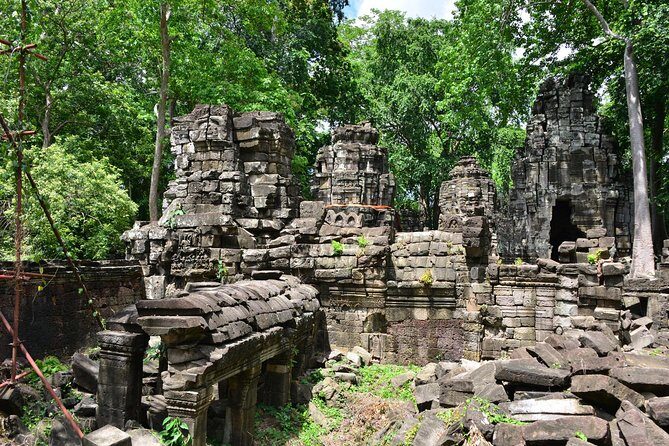
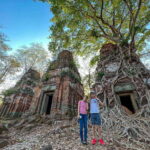
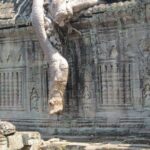
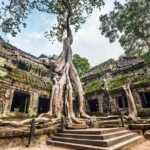
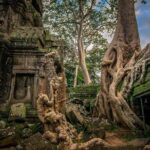
Then comes Ta Prohm, often called the jungle or tree temple. This is the ruin where enormous tree roots wrap around the stones, and the result is dramatic even before you take a photo. Your time here is about 2 hours.
What I like about this stop on a private route is how it changes your pace. In a small-group setup, you can pause without worrying you’ll lose the flow and end up stuck behind someone who won’t move. Ta Prohm tends to attract a lot of attention, so your guide’s positioning and timing helps keep it from feeling like an obstacle course.
Other multi-temple archeological tours we've reviewed in Siem Reap

Banteay Kdei: calmer, King Jayavarman VII era
You finish Day 1 at Banteay Kdei, built in the late 12th century under King Jayavarman VII. This stop is about 1 hour, which is about right after two heavier temples. It gives you a final “different style” perspective without exhausting you before the next day.
If you’re the type who likes to compare details, Banteay Kdei is a nice reset. If you’re more photo-focused, it’s still worth it because it rounds out the Angkor story beyond the most famous icons.
Day 2 outside the city: Phnom Kulen and Beng Mealea
Day 2 is where the tour broadens from temple walls into nature and more off-the-main-path ruins.
Phnom Kulen National Park (6 hours): waterfall day plus 1000 linga carving
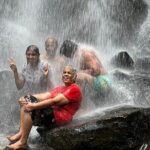
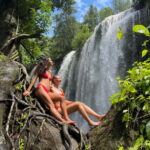
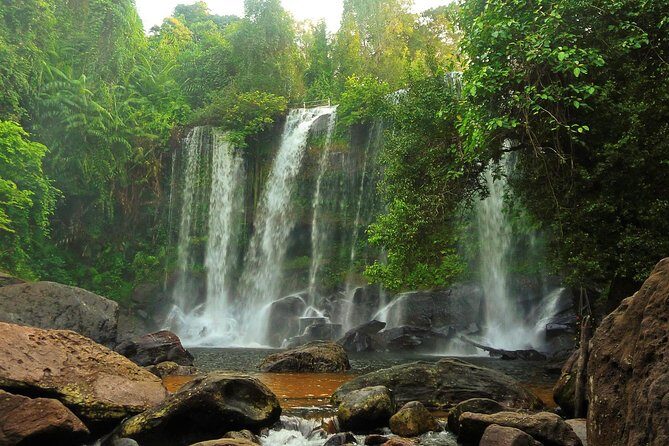
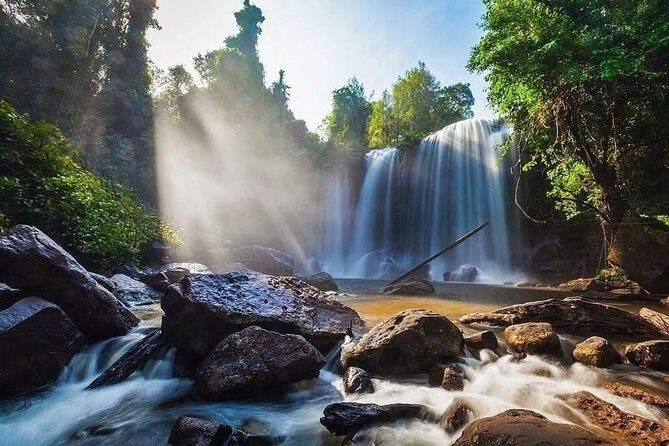
You’ll head to Phnom Kulen National Park, a longer stop at about 6 hours. The main attraction is the waterfalls at the top of Kulen Mountain, plus the 1000 linga carving area. The tour also describes Phnom Kulen as a playground for locals, which matters. You can often feel the difference between a place that exists only for visitors and a place where everyday life still happens nearby.
The name has a clue built into it: Phnom Kulen literally means Mountain of the Lychees. That doesn’t change the plan, but it gives you useful context for how locals think about the area.
The tour also notes it’s a great spot for a picnic. That’s practical value for you: you’re not just driving and sightseeing. You get a more flexible window to take a break and eat without rushing through a restaurant schedule.
Tickets are not included here either, so check what you need ahead of time.
Beng Mealea (3 hours): the lost temple feeling, 70 km from Siem Reap
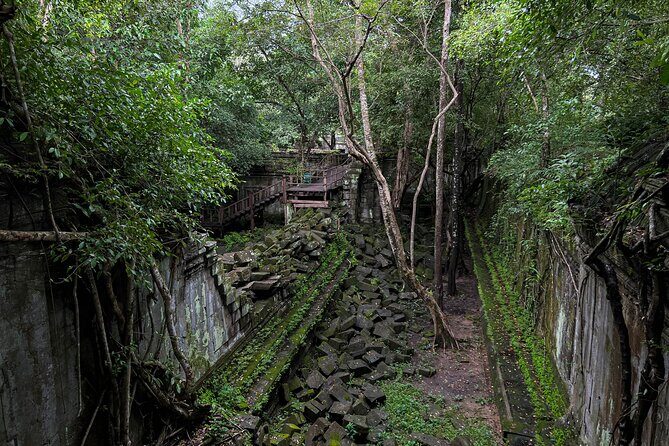
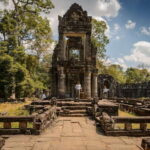
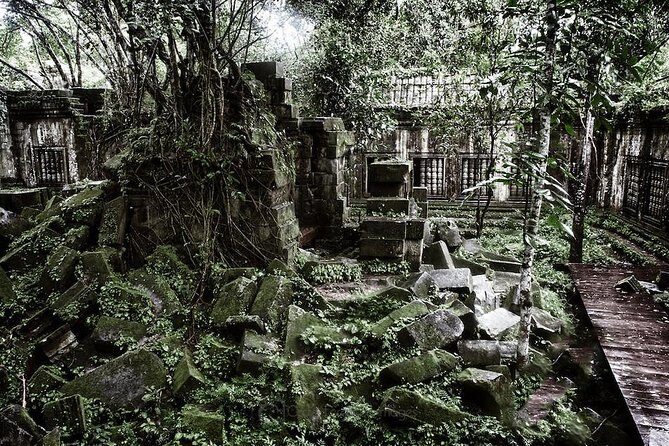
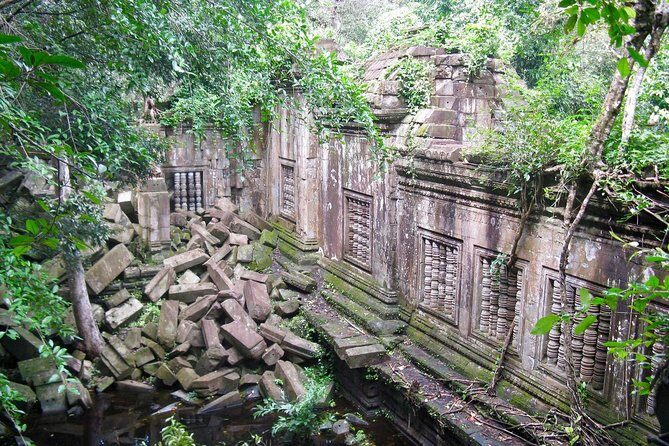
Next you visit Beng Mealea, about 70 km northeast of Siem Reap. This is described as the lost temple of Angkor, and the pitch is accurate: the location feels more secluded, so you get that explorer sensation of finding a world that isn’t plastered with tour-bus noise.
You’re scheduled for about 3 hours, which is enough time to wander and understand the layout. This temple is less polished and more “in the wild,” which can be a plus if you like ruins that still look half-discovered.
Admission tickets are not included, same as the other stops.
Price and value: what $154 really covers
At $154 for about 2 days, the value depends on how you handle the items that aren’t included.
Here’s what’s included:
- Air-conditioned vehicle
- English tour guide
- Cold water and cold towel
- Pickup offered
- Mobile ticket
- Private format: only your group participates (and you may see group discounts offered)
What’s not included:
- All temple tickets
- All meals (breakfast, lunch, dinner)
So you’re paying mainly for time, guidance, and comfort: getting there early, moving between the right sites in the right order, and having an English guide who helps you understand what you’re seeing (and how to behave respectfully). When you add temple tickets and meals, your total day-to-day cost goes up, but you’re still likely to come out ahead versus piecing together a bunch of separate guided services.
The private element is the real differentiator for most people. With crowded sites like Angkor, the cost can be worth it if you care about comfort, pacing, and not spending your day squeezed between strangers.
Guides and how they shape your experience
This tour’s quality is tied closely to the guide. In the feedback attached to this experience, guide names that come up include Prai(m) and Sen Prourng, along with a driver called Jamesbone. That combination matters because you’re relying on a driver for early-morning timing and a guide for on-the-ground context.
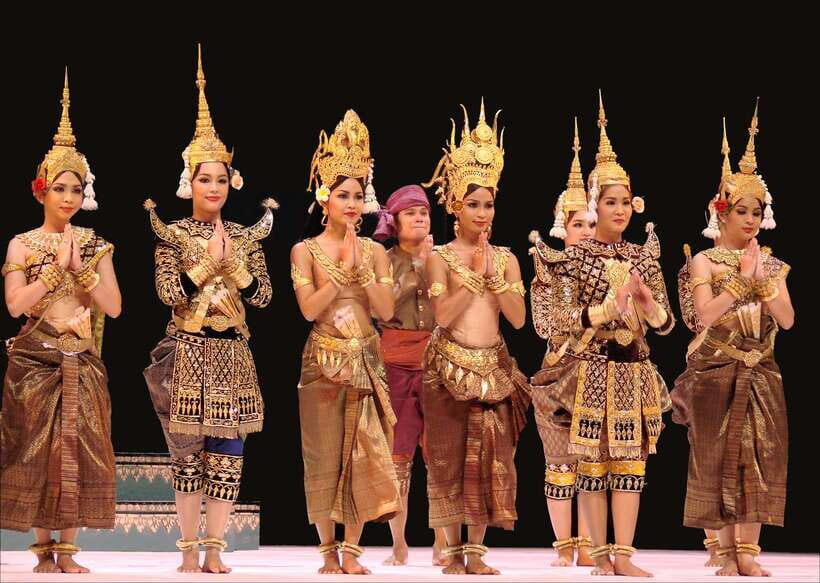
Even with a perfect itinerary, what you remember later is usually how someone explained the place. The tour emphasizes cultural awareness so you don’t accidentally offend locals. That’s not just etiquette theater; at Angkor and surrounding religious sites, small actions can make a big difference.
If you want a smoother trip, ask your guide at the start what the best way to move through each temple is so you don’t get boxed in by crowd flow.
Logistics that matter: early start, private route, and comfort
You’re meeting at 4:30 am. That’s early enough that you’ll want to treat it like a mission: sleep early the night before, and don’t plan anything the evening before that will leave you dragging. The payoff is that you’re at the temples during the calmer hours.
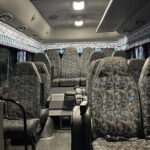
You’ll travel by air-conditioned vehicle, and you’ll get cold water and a cold towel. Those details are small, but in Cambodia’s early heat and humidity (especially after sunrise), they can make the difference between staying patient and getting cranky.
Because this is a private tour, you also avoid one of the biggest Angkor frustrations: feeling like you’re fighting to keep up with a large group’s pace. Your guide can adjust how long you linger, at least within the overall itinerary structure.
Practical tips for your Angkor day (so it feels respectful, not rushed)
The tour’s guidance on learning the culture before visiting is worth taking seriously. You don’t need to turn it into a homework project, but do a quick mindset shift: these are not just museum backdrops.
A few practical ways to get it right:
- Dress with temple-appropriate coverage so you don’t have to worry mid-visit about adjustments
- Take your photos, then leave room for others to look and pray without getting forced out
- When you hear the guide mention temple meaning or local practices, follow their cues for where to stand and how to move
Also, bring expectations down to earth: Angkor is popular for a reason. Even on a private route, you’ll still see people. The goal here is to avoid the worst crowd crush, not to eliminate humans entirely.
Who should book this 2-day private tour
This works best if you fit one of these profiles:
- You want sunrise Angkor Wat without spending hours in chaos
- You like a guided flow that helps you understand what you’re looking at, especially around Bayon and Ta Prohm
- You want a second-day change of scenery with waterfalls and Phnom Kulen, plus a more offbeat ruin at Beng Mealea
- Your group prefers private comfort over mass tours (and the vehicle + guide format matters to you)
It may feel like a lot if you hate early mornings. The 4:30 am start is the clearest “consideration,” and it’s the kind of thing that can’t be negotiated away once you’re booked.
Should you book this tour?
If you’re weighing whether to do a guided, private two-day plan versus cobbling together your own route, I’d lean toward booking if these are your priorities:
- You want Angkor Wat at sunrise and a schedule that actually gives you time to see things
- You value an English guide and want cultural context, not just directions
- You’re open to paying for convenience, then budgeting separately for temple tickets and meals
If your main goal is maximum freedom and you’re happy with planning everything yourself, you might not need this exact package. But for most first-time visitors, the mix of early timing, private pacing, and two very different second-day experiences makes this a strong value.
If you do book, plan financially for tickets and meals, and treat the 4:30 am start like part of the adventure.
FAQ
What is the duration of this tour?
It’s listed as a 2-day private tour, with the schedule described across two days.
What time does the tour start?
The meeting/start time is 4:30 am.
Is pickup included?
Yes, pickup is offered, and the tour includes an air-conditioned vehicle.
Is this tour private?
Yes. It’s described as a private tour/activity, meaning only your group participates.
What’s included in the price?
Included items are air-conditioned vehicle, English tour guide, and cold water & cold towel.
Are temple tickets included?
No. The tour states that all temple ticket(s) are not included.
Are meals included?
No. All meals (breakfast, lunch, and dinner) are not included.
Will I get an English guide?
Yes, the tour includes an English tour guide.
What cancellation options do I have?
You can cancel for a full refund if you cancel up to 24 hours in advance of the experience’s start time.