REVIEW · SIEM REAP
3-Days Private Angkor Wat Sunrise/Sunset Tours & Floating Village
Book on Viator →Operated by Siem Reap Guide · Bookable on Viator
Angkor feels bigger when you spread it out. This private 3-day Angkor Wat tour is designed to swap day-long crowd chaos for a slower circuit, with a historian and photographer guide pushing you toward better temple timing and sharper photos. I especially like how the plan pairs major icons with the “in-between” temples, so the carved details actually sink in, and you get time for viewpoints instead of just sprinting. One thing to consider: you’re paying separately for key temple admission fees, and sunrise/sunset depends on weather.
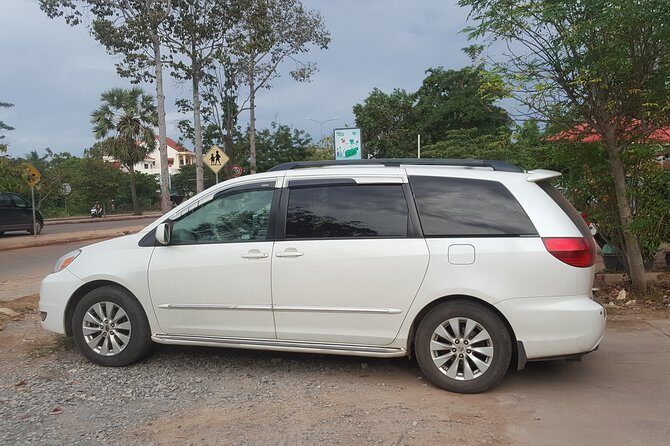
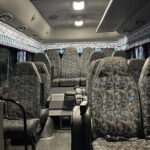
Here’s the practical appeal: pickup is included, you ride in a private air-conditioned SUV or minivan, and you’re capped at a small group size (up to 12). The tour also uses a mobile ticket, which is handy for reducing last-minute hassle. If you hate rigid schedules and want room to breathe, this style fits. If you’re ultra-sensitive to early mornings and temple rules, you’ll want to plan your day around the start time and the dress code for worship sites.
In This Review
- The value of a private 3-day Angkor circuit (and why it matters)
- Key highlights you’ll actually feel during the trip
- Day 1: Angkor Wat first, then Ta Prohm and Angkor Thom core sites
- Angkor Wat: the main monument, not the rushed version
- Ta Prohm: jungle ruin energy and photo opportunities
- Angkor Thom: the ancient city circuit, with its best-known stops
- Phnom Bakheng: sunset watching from the viewpoint
- Day 2: Preah Khan through Banteay Srei, with more space between big moments
- Preah Khan: a massive temple with vegetation still in control
- Neak Pean: the “ancient hospital” idea and a long bridge approach
- Ta Som: four Buddha faces framed by tree roots
- Eastern Mebon: an island temple turned village and rice fields
- Pre Rup: climb for the spires and the top viewpoint
- Banteay Srei: pink sandstone outside the main zone
- Day 3: Sunrise Angkor Wat, Beng Mealea’s Indiana Jones feel, and Kampong Phluk
- Angkor Wat at sunrise: when the stone looks almost new
- Beng Mealea: the jungle temple that feels untouched
- Kampong Phluk floating village: Tonle Sap life beyond the postcards
- What’s included (and what you’ll need to budget for)
- Included in your $370
- Not included (the costs you should plan for)
- Real pricing math (so you don’t get surprised)
- Dress code, timing, and comfort: small rules that control the day
- Who this private tour is best for
- Should you book this 3-day private Angkor Wat sunrise/sunset tour?
- FAQ
- Is hotel pickup and drop-off included?
- How many people are in the private tour?
- What’s included in the tour price, and what fees are extra?
- Are meals like breakfast, lunch, or dinner included?
- What’s the dress code for temple visits?
- When does the tour start each day?
- What if weather affects sunrise or sunset?
The value of a private 3-day Angkor circuit (and why it matters)
Angkor is one of those places where “seeing everything” can turn into “seeing nothing well.” This tour avoids the classic mistake: trying to cram Angkor Wat, Ta Prohm, Angkor Thom, and extra sites all in one day. Instead, you get three mornings and evenings spaced out across different temple zones.
Why that helps you on the ground:
- Less time in traffic and queues. Even with the same sites on the map, pacing changes everything.
- More time with carvings and architecture. When you’re not racing, you notice faces, bas-reliefs, and the engineering that held these places together.
- Better photo timing. Sunrise and sunset aren’t just marketing. Light quality changes how stone details pop, especially around Angkor Wat and temple gates.
The “private” part isn’t just a sales label. A small group means your guide can adjust pace when you want photos, or slow down when the terrain gets crowded.
Key highlights you’ll actually feel during the trip
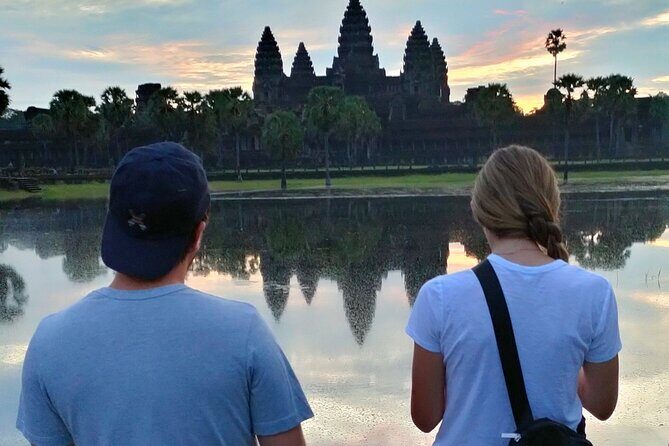
- Sunrise at Angkor Wat with early-bird timing and golden light over the main sanctuary area
- Ta Prohm, the jungle ruin linked to Tomb Raider, where trees and roots take over the frame
- Angkor Thom’s full core circuit, including Bayon with its many Buddha faces and the terraces of the Elephants and Leper King
- A sunset viewpoint at Phnom Bakheng, plus a day that moves beyond the usual checklist
- Kampong Phluk on Tonle Sap, a floating fishing village with pagoda, schools, rice fields, cattle, and mangroves
Other Angkor Wat sunrise tours we've reviewed in Siem Reap
Day 1: Angkor Wat first, then Ta Prohm and Angkor Thom core sites
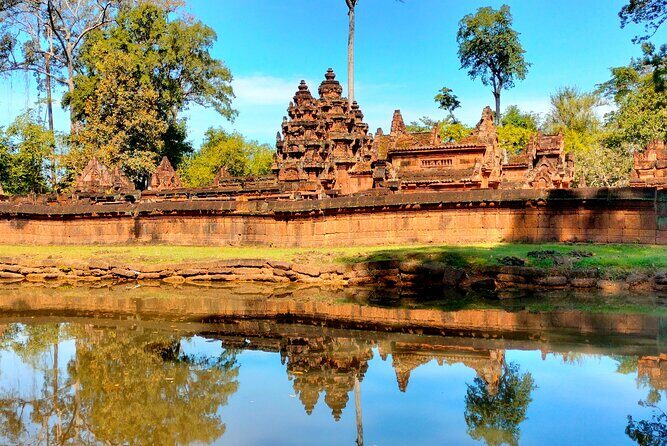
Day 1 starts with hotel pickup at 8:30 am. The plan includes time to buy your 3-day Angkor park admission pass before visiting temples. Admission isn’t included in the tour price, but having a guide handle the process early can save you stress.
Angkor Wat: the main monument, not the rushed version
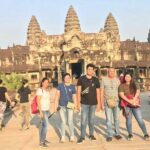
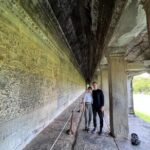
You’ll spend about three hours at Angkor Wat. This is the big one: the ancient early 12th-century temple complex and the world-famous scale of the site. The value of giving it a longer block on Day 1 is that you’re not only chasing one view. You can look at the layout, the axis, and how the stone reliefs connect across spaces.
Tip that helps right away: wear clothing that covers shoulders and knees, and keep a light layer handy. Even in the dry season, it can feel warm early and then warm up fast once the sun climbs.
Ta Prohm: jungle ruin energy and photo opportunities
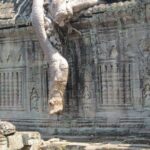
Next is Ta Prohm for about one hour. This is the overgrown temple where vegetation has returned the place to a more natural ruin state—and it’s the one made famous in Hollywood as Lara Croft: Tomb Raider. You’ll see the way roots and branches thread through doorways and stone faces.
What you’ll love here is texture: you get stone, shade, and greenery all in one view. What you should watch for is footing. Uneven ground and shaded areas can feel slippery if the surface has any moisture.
Angkor Thom: the ancient city circuit, with its best-known stops
After lunch, you’ll move into Angkor Thom, built from the late 12th century. This portion of Day 1 is about walking the “core” of the city and hitting the major set pieces inside it:
- Bayon Temple (about 45 minutes): the temple with over 200 Buddha faces in many directions, so the mood shifts as you move.
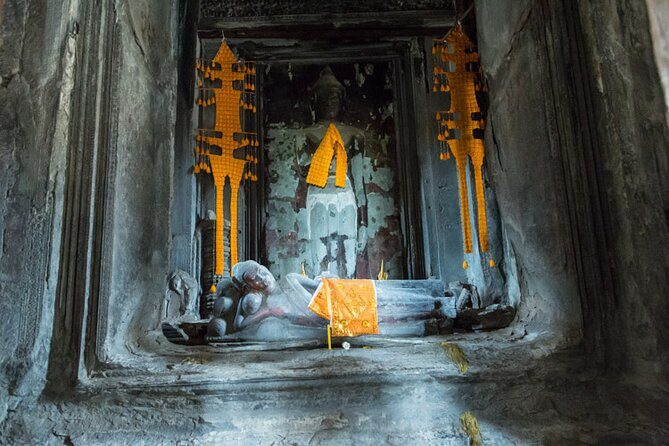
- Baphuon Temple (about 45 minutes): a large Hindu temple where you can climb to the top, plus the notable reclining Buddha carving at the back.
- Terrace of the Elephants (about 30 minutes): bas-reliefs connected to elephant flights, kick bookings, and horse racing imagery.
- Terrace of the Leper King (about 20 minutes): bas-reliefs, including a story-linked 9-headed serpent motif and a figure missing toes and fingers as locals describe it.
- Angkor Thom South Gate (about 15 minutes): a dramatic entrance with stone faces and the two-row demon and god tug-of-war theme using a seven-headed serpent.
The reason this sequence works across two halves (daytime Angkor Thom plus later viewpoint time) is mental pacing. After Angkor Wat and Ta Prohm, Bayon can feel like a switch from “big and iconic” to “busy and symbolic.” You’ll get more out of both when you’re not forced to rush.
Other Angkor Wat sunset tours we've reviewed in Siem Reap

Phnom Bakheng: sunset watching from the viewpoint
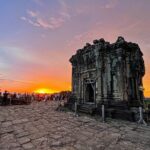
Day 1 finishes with Phnom Bakheng, described as an older Hindu temple from the late 9th century. You’ll spend about one hour, and the timing is built for sunset watching. The viewpoint is where you’ll see Angkor Wat and surrounding attractions.
Practical note: sunset viewpoints can get crowded fast. Your guide can help you choose the best spot to stand, and when to move, so you’re not spending the best light of the day stuck behind someone’s camera tripod.
Day 2: Preah Khan through Banteay Srei, with more space between big moments
Day 2 is lighter on the “headline temples” and heavier on the places that make Angkor feel like a living network rather than a single highlight reel.
Preah Khan: a massive temple with vegetation still in control
You’ll start at Preah Khan for about one hour. It’s described as a big Buddhist temple dedicated to the king father, and it retains an overgrown, vegetation-surrounded feel. This is one of those stops where you’ll appreciate the quieter atmosphere compared with the most famous complexes.
Neak Pean: the “ancient hospital” idea and a long bridge approach
Next is Neak Pean for about 50 minutes. The itinerary describes it as an ancient hospital concept using holy water to heal diseases, reached by crossing a long wooden bridge over the Jaya Tataka reservoir.
This stop is more about the approach than the clock. You get a built “pause” in your walk, and it can be a good chance to cool down, refocus, and let the day’s first temple details settle.
Ta Som: four Buddha faces framed by tree roots
Ta Som follows for about 40 minutes. It’s a 13th-century Buddhist temple built by Jaya Varman VII dedicated to Mahayana Buddhism. The highlight here is the four Buddha faces at the east gate, with trees growing into the scene.
If you like photo compositions that feel natural rather than staged, this is a strong stop. The structure gives you symmetry, while the roots break it up.
Eastern Mebon: an island temple turned village and rice fields
Eastern Mebon takes about 45 minutes. The itinerary notes its mix of clay brick, sandstone, and lava elements, plus standing elephant statues. It used to be an island temple of Eastern Baray, but the water has dried up and the area became villages, rice fields, and more.
It’s a reminder that these ruins weren’t sealed in glass. Time kept going—slowly, then all at once—and the surrounding land changed.
Pre Rup: climb for the spires and the top viewpoint
Pre Rup is about 50 minutes. It’s described as a mid-10th-century clay brick temple dedicated to Shiva, with five spires still standing, plus a viewpoint from the top.
This is one of the best moments to catch a different angle on the Angkor skyline. If you’re the type who likes to compare how each temple’s tiering changes the view, you’ll feel satisfied here.
Banteay Srei: pink sandstone outside the main zone
Day 2 ends at Banteay Srei for about 2 hours. This is a standout for many people because it’s described as a pink sandstone temple with intricate carvings, located farther out—about 40 minutes each way to reach from the main zone.
You’ll likely spend a chunk just walking slowly around the smaller scale and letting the details fill in. It’s also a great day to pack yourself with patience: this isn’t a sprint temple.
Day 3: Sunrise Angkor Wat, Beng Mealea’s Indiana Jones feel, and Kampong Phluk
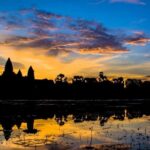
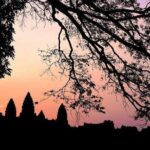
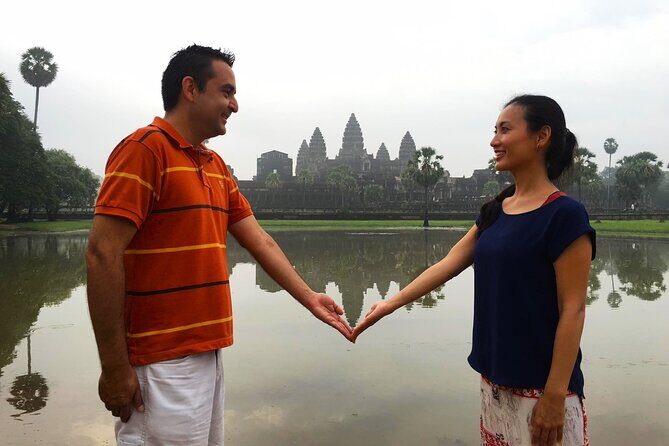
Day 3 starts early again. You’ll come back to Angkor Wat for sunrise, described as early-bird timing with golden light and reflections. The itinerary lists about two hours here, and sunrise is where this tour earns its name.
Angkor Wat at sunrise: when the stone looks almost new
Sunrise light makes Angkor Wat feel less like a monument and more like a living stage set. The reflection effect depends on conditions, but even without perfect mirror water, the light makes edges and reliefs sharper.
Weather matters. The experience specifically says it requires good weather, and if it’s canceled due to poor weather, you’ll be offered a different date or a full refund. So keep your expectations flexible: the best-case looks magical; the workable-case still has real payoff because you’re returning to the complex with fresh eyes.
Beng Mealea: the jungle temple that feels untouched
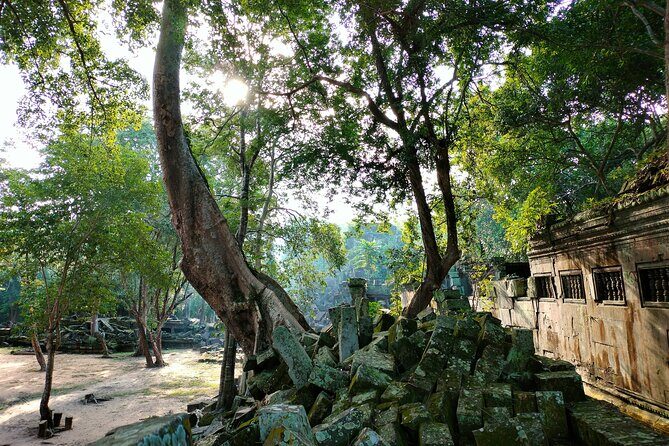
After sunrise, you head to Prasat Beng Mealea, about 68 km away, for roughly three hours. The big pitch is that it’s a jungle temple left more untouched, with ruins, vines, and rubble you can roam through like Indiana Jones.
This stop is physically and mentally different from the main Angkor circuits. Instead of curated pathways and tidy crowds, you’ll likely feel more free to explore within reason and stay aware of uneven ground. If you like texture and “ruin adventure” rather than perfect symmetry, this is the day’s dose of chaos done right.
Kampong Phluk floating village: Tonle Sap life beyond the postcards
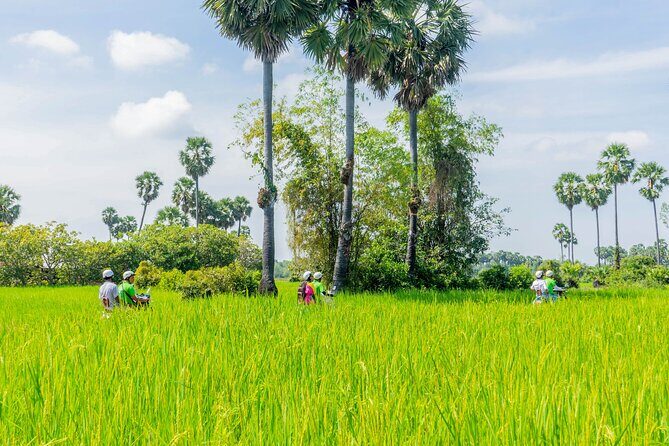
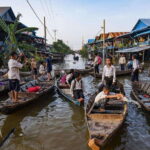
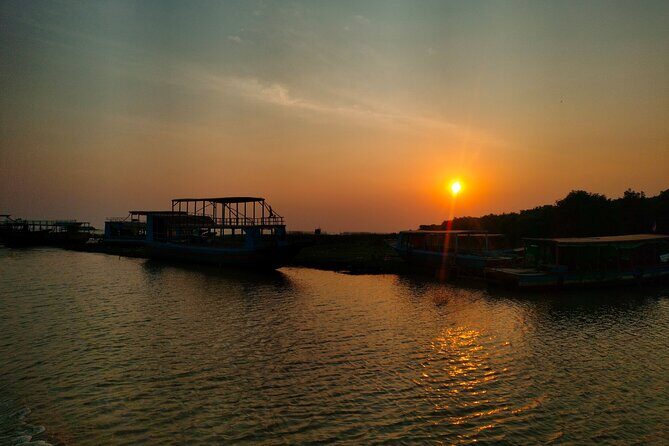
Day 3 finishes at Kampong Phluk Floating Village on the Tonle Sap lake for about three hours. The itinerary describes a unique fishing and floating community with a big resident population. You’ll see elements like a pagoda, schools, rice fields, cattles, mangrove forests, and more.
This isn’t just a scenic stop. It’s a cultural contrast to the stone temples—how people live with water, how livelihoods work on the lake system, and how the landscape shapes everyday life. If you’re hoping to balance Angkor’s history with Cambodia’s present, this ending gives you that.
What’s included (and what you’ll need to budget for)
This tour price is $370 per group (up to 12). That’s your base cost for transport and guiding. Then there are the temple fees.
Included in your $370
- Hotel pickup and drop-off
- A professional historian & photographer guide
- Cold waters and wipes
- Private air-conditioned SUV/minivan
- Gasoline, parking lots, and toll road
- Mobile ticket
That guide combination matters. You’re not just learning facts; you’re also getting help with how to frame shots and when to pull your camera up, especially around sunrise and sunset timing.
Not included (the costs you should plan for)
- 3-day Angkor park admission: $50 per person
- Beng Mealea admission: $12 per person
- Kampong Phluk admission: $20 per person
- Soft drinks and all meals (breakfast, lunch, dinner)
Real pricing math (so you don’t get surprised)
Because it’s per group, the cost per person depends on how many people share the booking:
- If you’re closer to 12 people, the base portion is about $31 per person, plus admissions.
- If it’s just a couple of people, the base portion is roughly $185 per person, plus admissions.
Then add admissions on top:
- Angkor park pass: $50 pp
- Beng Mealea: $12 pp
- Kampong Phluk: $20 pp
- Total admissions shown here: $82 per person
So your rough all-in total is:
- High-share scenario: ~$113 per person total (base + $82 admissions)
- Small party scenario: ~$267 per person total (base + $82 admissions)
Even at the higher end, the value can still make sense if you care about photo guidance, comfort, and avoiding the big-bus scramble.
Dress code, timing, and comfort: small rules that control the day
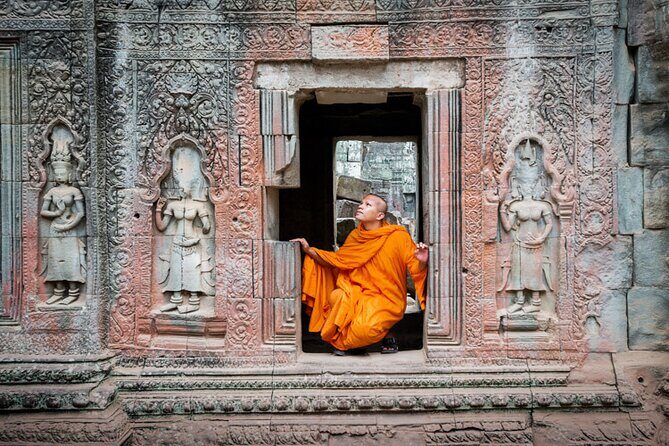
The tour lists a dress code that’s strict for places of worship and selected museums: no shorts or sleeveless tops. Knees and shoulders must be covered for both men and women, and you may be refused entry if you don’t comply.
This is not the time to treat temple rules as optional. It can ruin a good morning if you’re turned away after you’ve already paid admission.
Also note the pace and physical expectation: the tour says moderate physical fitness is recommended. That doesn’t mean you need to be an athlete, but it does mean you should expect walking, stairs at places like Baphuon, and uneven ground at ruin sites like Beng Mealea.
Finally: start time is 8:30 am. If you’re the type who needs a slow wake-up, plan to prep the night before.
Who this private tour is best for
This is a strong fit for:
- Small groups and families who want temples without the chaos of mixing with strangers
- People who care about photos and want help beyond point-and-shoot
- Travelers who hate rushing and prefer a three-day rhythm that lets you absorb the carvings
- Anyone who wants both Angkor icons and the less-crowded surrounding temples
If you only want the absolute biggest highlights and you love being flexible on your own, you might find a cheaper option. But if you want structure, guidance, and smoother timing, this tour style is made for that.
Should you book this 3-day private Angkor Wat sunrise/sunset tour?
If your goal is to see Angkor without feeling like you’re racing a clock, I’d say this is worth serious consideration. The private guide, the historian plus photographer approach, and the way the days are structured around sunrise and sunset give you more than just a checklist.
Book it if:
- You want a better photo day, not just a sightseeing day
- You prefer comfort and organization (pickup, air-conditioned vehicle, cold water and wipes)
- You’re okay paying admissions separately and following the temple dress code
Skip it if:
- You’re traveling on a tight per-person budget and won’t share the group price
- You’re not comfortable with early mornings and sunrise timing, especially when weather can affect plans
If you want Angkor to feel human-sized, not bus-sized, this route is a smart way to do it.
FAQ
Is hotel pickup and drop-off included?
Yes. The tour includes hotel pickup and drop-off.
How many people are in the private tour?
It’s private, and your group size is up to 12.
What’s included in the tour price, and what fees are extra?
Included are the historian & photographer guide, private air-conditioned vehicle, cold waters and wipes, parking and tolls, and mobile tickets. Extra fees are the 3-day Angkor park admission ($50 per person), Beng Mealea admission ($12 per person), and Kampong Phluk admission ($20 per person).
Are meals like breakfast, lunch, or dinner included?
No. Breakfast, lunch, dinner, and soft drinks are not included.
What’s the dress code for temple visits?
You need shoulders and knees covered. Shorts and sleeveless tops are not allowed, and you may be refused entry if you don’t meet the dress requirements.
When does the tour start each day?
The meeting start time is 8:30 am.
What if weather affects sunrise or sunset?
The experience requires good weather. If it’s canceled due to poor weather, you’ll be offered a different date or a full refund.