REVIEW · SIEM REAP
Angkor Temples Highlights: 2-Day Private Tour with Sunrise
Book on Viator →Operated by Bayon Guide · Bookable on Viator
Angkor Wat before dawn is pure magic. This 2-day private tour in Siem Reap builds your mornings around sunrise and keeps things flexible with hotel pickup plus an English-speaking guide. You’ll cover the classics and then slow down enough to actually notice the carvings, faces, and tree-root drama.
I love how the basics are handled for you: air-conditioned transport with cold water and cold towels during the day. I also like the way the guide work turns stone into context; guides like Mork (and others including Moaung) can connect what you see at Angkor Wat, Angkor Thom, and Bayon to the stories behind them.
The only real drawback is the early wake-up. A 4:30 a.m. start plus a required dress code (knees and shoulders covered) means you’ll want to plan an early night and pack sun and mosquito protection.
In This Review
- Key highlights to know
- Sunrise at Angkor Wat starts the day right
- Angkor Thom South Gate and Bayon: faces, myths, and daily life
- Ta Prohm: the tree roots that steal the show
- Day 2 on the Grand Circuit: scale without the sprint
- Banteay Srei: the pink stone carving finale
- Comfort and care: A/C transport plus the small things
- The sugar growers stop adds local life beyond the temples
- Price and value: $39 plus the Angkor Pass decision
- Dress code, sun, and what to pack
- Who this 2-day private tour is best for
- Should you book it?
- FAQ
- What time does the tour start?
- Is this tour private?
- Does the tour include hotel pickup and transport?
- Is there an English-speaking guide?
- What temples are included over the two days?
- Is the Angkor Pass included in the price?
- What does the tour cost?
- What should I wear and pack?
- What’s the cancellation policy?
Key highlights to know
- 4:30 a.m. hotel pickup for a sunrise approach that feels calmer than later starts
- English-speaking guides who explain Khmer scenes and temple meaning, not just locations
- Comfort on the move: A/C vehicle, mineral water, cold towels
- Two-day pacing without outside pressure since it’s private (just your group)
- Banteay Srei as the final wow with pink sandstone and extremely fine carving work
Sunrise at Angkor Wat starts the day right
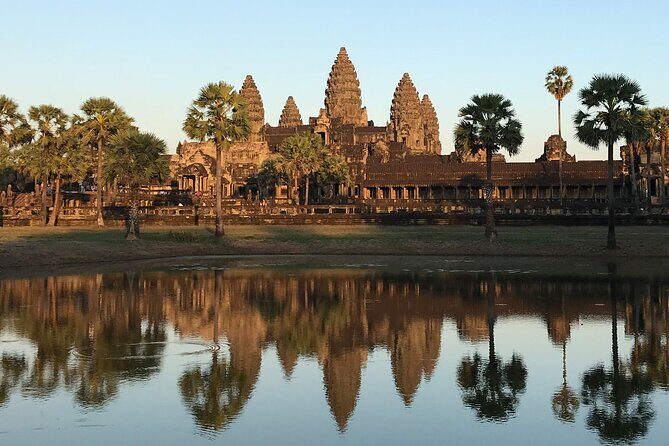
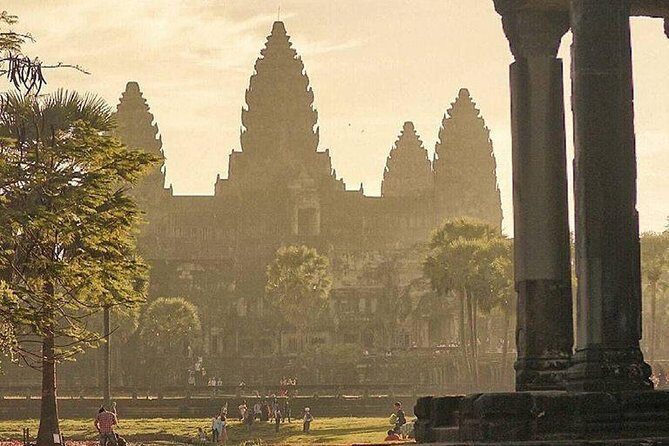
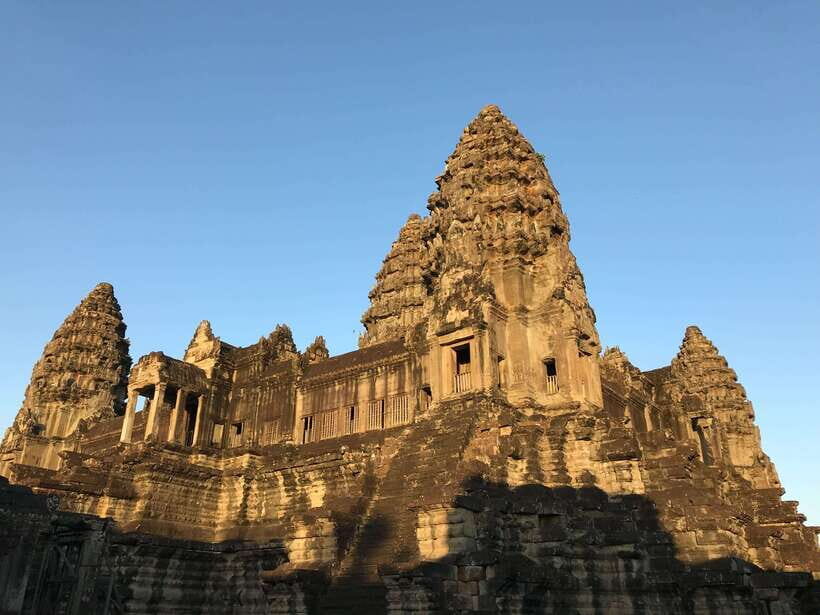
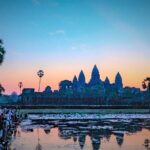
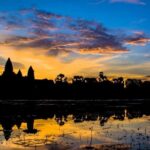
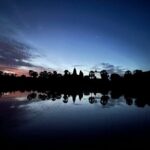
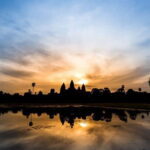
The biggest reason this tour feels special is the timing. You start with a hotel pickup at 4:30 a.m., so you’re heading into Angkor while the world is still quiet. Sunrise at Angkor Wat is the kind of moment that makes the whole complex feel less like a checklist and more like a real place with mood.
Because it’s private, you don’t have to match someone else’s pace. That matters here. Angkor Wat is big, and your eyes take a few minutes to focus on details after the early morning jolt.
Practical note: the tour requires knees and shoulders covered, so I’d treat that as part of your packing plan rather than a last-minute fix. Early mornings plus temple steps means good shoes do more than save your feet; they help you move smoothly when the light is changing.
Other Angkor Wat sunrise tours we've reviewed in Siem Reap
Angkor Thom South Gate and Bayon: faces, myths, and daily life
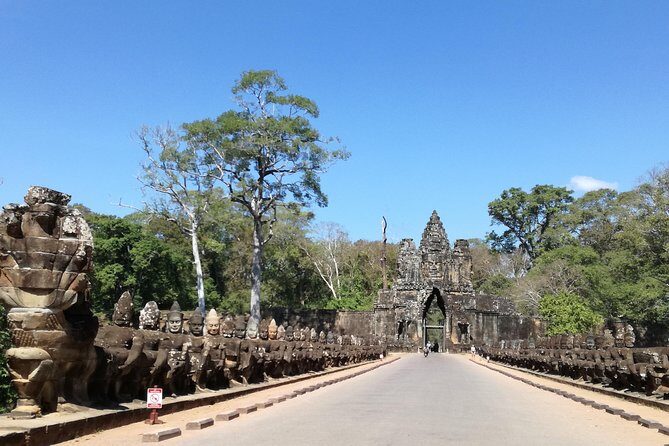
After the sunrise, you move into Angkor Thom, starting at the South Gate. You go through a causeway flanked by stone giants tied to the Churning of the Ocean of Milk story. Even if you’re not a mythology expert, it’s a strong “get your bearings fast” entrance.
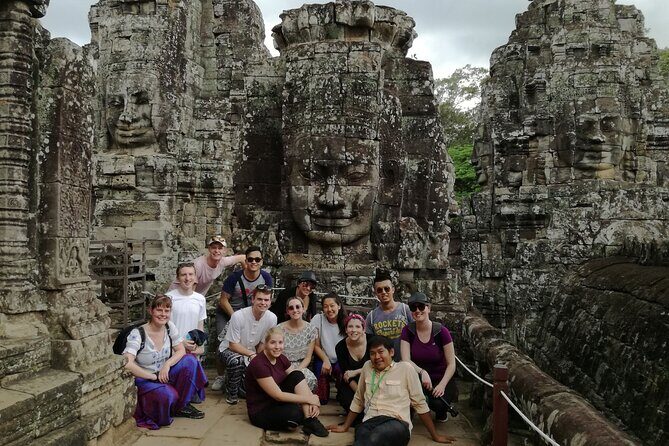
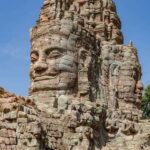
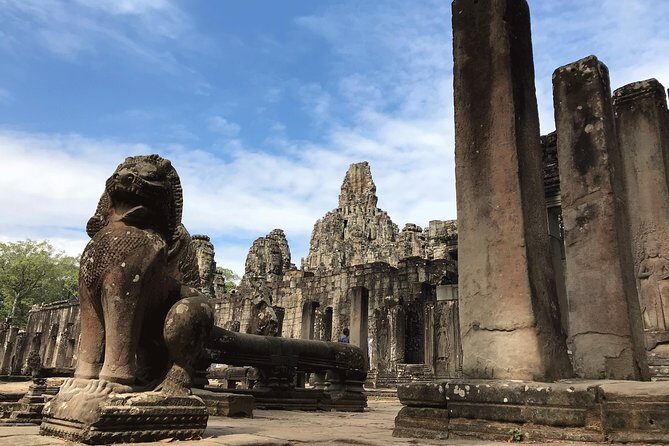
Next comes Bayon, right in the heart of Angkor Thom. This is the temple famous for many smiling stone faces, and the best payoff is how the guide helps you read what you’re seeing. Those bas-reliefs aren’t just decoration; you can understand them as scenes from daily life, historical events, and Khmer mythology.
One small consideration: Bayon and Angkor Thom can feel busy even when you start early. That said, having an English-speaking guide keeps you from spending your time guessing what matters.
If you like photos, Bayon is a win. But I’d still spend more time looking for patterns in the carvings than chasing one perfect shot, because the faces and reliefs have a lot going on.
Ta Prohm: the tree roots that steal the show
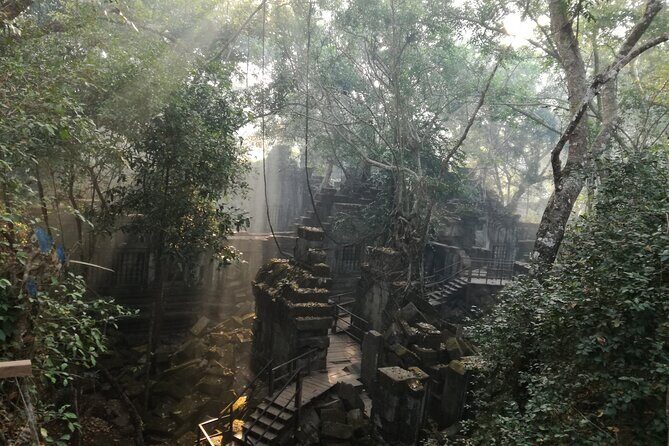
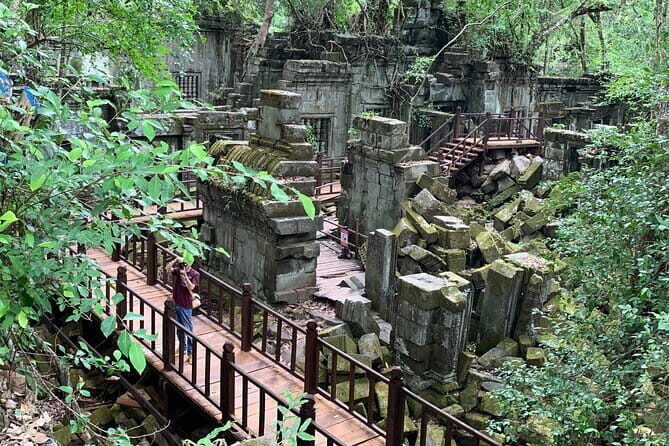
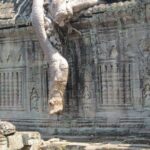
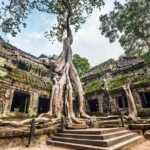
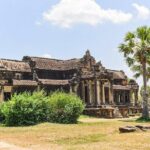
Then you step into Ta Prohm, the temple that looks like nature started redecorating long ago. Huge tree roots intertwine with old stone structures, and the atmosphere can feel a little unreal because it’s left largely unrestored. That’s part of the power here: it doesn’t try to look brand-new.
This stop is about mood as much as architecture. You get around 1 hour 30 minutes for this part on day 1, which is enough time to walk slowly and still watch how the light shifts across the roots and walls.
A practical tip that will help you enjoy Ta Prohm more: take a breath before you rush into the most photographed angles. The temple rewards patient looking. The guide’s job here is useful—if you know what each area is called and why it’s significant, you spend less energy wondering and more energy seeing.
Also, bring the mindset that you’ll be on uneven stone and under sun later in the morning. Good walking shoes aren’t optional for a day like this.
Day 2 on the Grand Circuit: scale without the sprint
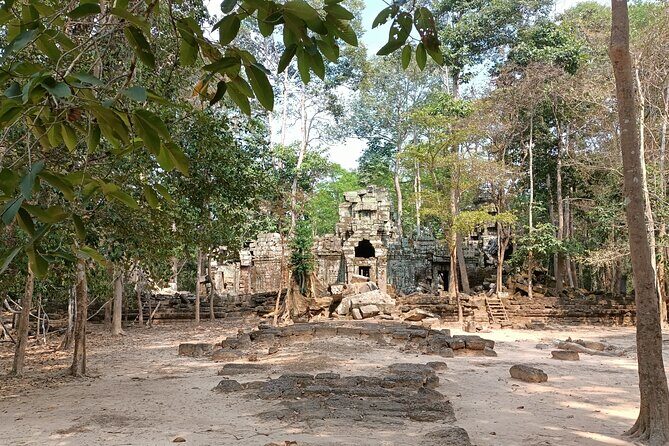
Day 2 shifts from the main crowd magnets into the Grand Circuit style of temple hopping. The rhythm changes: you’re moving with a plan, but you don’t feel shoved from one site to the next.
Your day starts with Preah Khan (about 1 hour 30 minutes). You’ll spend time seeing the scale and spiritual depth of the Khmer civilization through this larger complex. The standout value here is spacing: instead of cramming everything into a single long day, you get a calmer sequence.
Next is Neak Pean (around 30 minutes). This is a unique island temple that was once a sacred healing site. The idea of balance and purification comes through in what you’re looking at, and the short stop length helps you keep attention on the meaning rather than getting worn out.
Then comes Ta Som (about 30 minutes). This temple is quieter, with an elegant gateway crowned by massive tree roots. It’s also a strong “breather” stop. If you’re tired of the busiest angles, Ta Som gives you space for photos and slower walking.
After that, you head to East Mebon (about 30 minutes). This one sits on what was once an island in the East Baray reservoir. You’ll see imposing stone towers, detailed carvings, and guardian elephant statues at the corners. It’s a nice reminder that Angkor isn’t only about one iconic silhouette; it’s also about engineering and water-linked design.
Banteay Srei: the pink stone carving finale
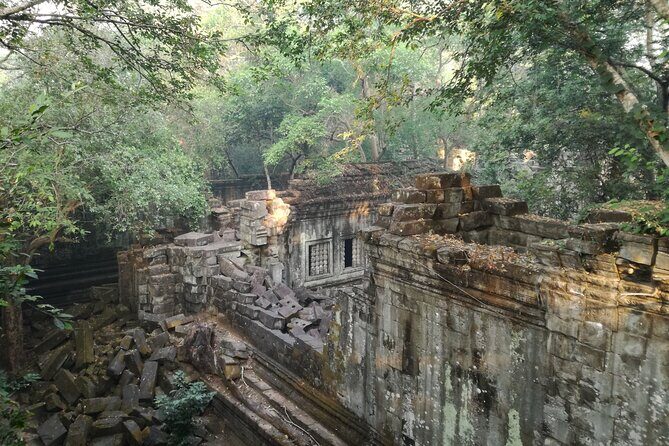
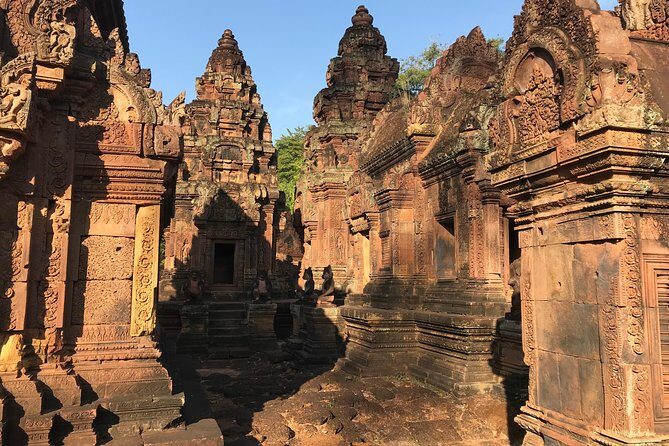
Day 2 ends at Banteay Srei (around 2 hours). This is often called the Citadel of Women, and it’s famous for its pink sandstone and some of the finest, most intricate carvings anywhere in Angkor.
If you only have one day or only care about the big famous temple, Banteay Srei might feel like a detour. But that’s exactly why it works as the finale. By the time you reach it, you’ve already seen how Angkor uses faces, towers, and symbolism. Now you get the precision. The carving work is where your eyes slow down naturally.
The guide’s storytelling matters a lot here. Intricate carvings can feel like “pretty walls” if nobody explains what scenes you’re looking at. With an English-speaking guide, you tend to notice the patterns and themes instead of just admiring the color.
This stop is also where I’d remind you to keep your skin covered. The sun in this area can hit fast. The tour includes cool water and cold towels, but sunscreen and covering fabric still do the heavy lifting.
Other multi-temple archeological tours we've reviewed in Siem Reap
Comfort and care: A/C transport plus the small things
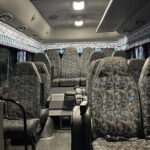
One of the quietly impressive parts of this tour is the comfort package. You get air-conditioned transport, plus mineral water and cold towels during the day. That matters more than people expect when you’re walking on stone from early morning onward.
In one review, the service detail stood out: towels, drinks, and treats were kept coming. Even if you don’t care about frills, those touches help you stay focused on temples instead of feeling drained.
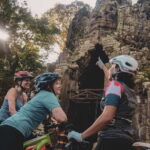
Also, because the tour is private, you can ask small adjustments in pacing without disrupting a large schedule. Want a few extra minutes at Bayon? Want to linger at Ta Prohm? This style of tour is built for that.
The sugar growers stop adds local life beyond the temples
This tour also includes a chance to meet local sugar growers. That’s a smart add-on because it shifts the story from Khmer stone to modern-day livelihoods. You get context for what people do around Siem Reap now, not only what happened centuries ago.
Even a short stop like this can change how you think about the region. Angkor is famous, but the town around it runs on people and work. A brief look at sugar growing gives you a more complete sense of place.
If you enjoy culture that isn’t only performance, this part is worth paying attention to. Ask questions. It’s usually where the tour stops feeling like transportation and starts feeling like understanding.
Price and value: $39 plus the Angkor Pass decision
The base price is $39.00 per person for the 2-day private experience. For that, you’re getting hotel pickup, an English-speaking guide, and comfortable A/C transport with water and cold towels.
The main extra cost decision is the Angkor Pass. It’s optional, listed at US$62 per person for 2–3 days. Your itinerary includes major temple stops, so you’ll want to decide ahead of time whether you’re including the pass.
Here’s how I think about value: the $39 rate covers the guide and logistics that can otherwise eat up your day. If you were to DIY this sunrise + two-day temple route, you’d spend time figuring out transport, timing, and what to prioritize. Paying for a guide is what turns the trip from seeing temples into understanding them.
Also, the tour offers group discounts and uses mobile tickets, so if you’re traveling with a friend or partner, it can be a strong option.
Dress code, sun, and what to pack
This tour has a clear dress code: knees and shoulders must be covered. That’s not just etiquette; it keeps you able to move through sites without getting stopped or redirected.
Plan for physical comfort too. The tour asks for good walking shoes, plus sun cream and mosquito repellent. Those three items make a big difference on temple days, especially when you’re up early and outside for long stretches.
If you’re the type who tends to “forget” small stuff, set a packing checklist now. With a 4:30 a.m. start, there’s no room for improvising.
Who this 2-day private tour is best for
This is ideal if you want:
- A sunrise start without negotiating transport on your own
- A guide who explains what you’re looking at in plain English
- Two days instead of one long sprint, so you can actually notice details
- Private pacing for a couple, small group, or anyone who hates rushing
It can work for many people since most can participate, but you’ll still be walking and standing. If you don’t like early mornings or you struggle with heat, this schedule will test you. Still, the tour gives comfort breaks with A/C transport and cold towels.
Should you book it?
Book this tour if you care about context and comfort as much as photos. The guide-led pacing, early sunrise plan, and the final stop at Banteay Srei make it a well-shaped 2-day route. The sugar growers stop is also a nice reminder that the region is alive beyond temple walls.
Skip or reconsider if you’re chasing only a self-guided, ultra-flexible day with no structure. A sunrise departure and a set temple sequence mean you’ll follow the plan. And if you’re not willing to cover shoulders and knees, the dress code will be a hassle.
If you’re ready for an organized two-day Angkor experience with private pacing, this one is an easy yes.
FAQ
What time does the tour start?
The start time is 4:30 a.m. with hotel pickup for the sunrise experience.
Is this tour private?
Yes. It’s a private tour/activity, and only your group participates.
Does the tour include hotel pickup and transport?
Yes. Hotel pickup is included, and you travel in comfortable air-conditioned transport.
Is there an English-speaking guide?
Yes. The tour includes an expert English-speaking tour guide.
What temples are included over the two days?
Day 1 covers Angkor Wat, Angkor Thom South Gate, Bayon Temple, and Ta Prohm. Day 2 covers Preah Khan, Neak Pean, Ta Som, East Mebon, and Banteay Srei.
Is the Angkor Pass included in the price?
The Angkor Pass is optional. The pass is listed at US$62 per person for 2–3 days if you choose to include it.
What does the tour cost?
The price is $39.00 per person.
What should I wear and pack?
You need to cover knees and shoulders. Bring good walking shoes, sun cream, and mosquito repellent.
What’s the cancellation policy?
Free cancellation is available up to 24 hours before the experience starts for a full refund. If you cancel less than 24 hours before, the amount paid is not refunded.