REVIEW · SIEM REAP
Kbal Spean, Banteay Srei, Beng Melea & Rolous temples Tour
Book on Viator →Operated by Angkor Doors · Bookable on Viator
Four temples, one calm back-road day.
This tour strings together Kbal Spean’s riverbed carvings, the delicate Banteay Srei, remote Beng Mealea, and the older Roluos temples—all in one long day outside the main Angkor loop. The schedule also includes a stop for the floating village of Kampong Kleang, where you’ll see daily life on Tonle Sap and ride out by boat with life vests provided.
I especially like the mix of big-ticket classics with quieter spaces like Beng Mealea. I also like how the tour can be led by strong guides such as Bunpheng or Peng, who bring history to life and help you get good pacing and photo angles instead of just rushing from gate to gate. The main thing to consider is logistics around tickets and clothing: some stops flag admission as extra, and the temple dress code is strict (shoulders and thighs covered), so you’ll want to plan ahead.
In This Review
- Key things to know before you go
- Price and Logistics: what $88 really buys you
- How the day runs: a practical 8am start with smart pacing
- Kbal Spean: the quiet riverbed carvings that feel different
- Banteay Srei: the Citadel of the Women and its fine carvings
- Kampong Kleang floating village: daily life on Tonle Sap
- Beng Mealea: the remote Khmer ruins day-trip that rewards patience
- Roluos Temples: Preah Ko, Bakong, and Lolei for the older layer
- What’s included vs. what you should budget for
- Who this tour suits best
- Should you book this Kbal Spean–Banteay Srei–Beng Mealea–Roluos tour?
- FAQ
- What time does the tour start in Siem Reap?
- How long is the Kbal Spean, Banteay Srei, Beng Mealea & Roluos temples tour?
- Is pickup included?
- Is this a private tour?
- What’s included in the price besides the guide and transport?
- Do I need an Angkor Pass?
- Are there dress code rules for the temples?
- Is the boat ride to the floating village included, and is safety equipment provided?
Key things to know before you go
- A full 8 to 9 hours starting at 8:00am, which means real touring time, not a quick loop
- Private guide and vehicle, so you can move at a sensible pace (and avoid the worst crowd surges)
- Kampong Kleang via boat, with life vests included for safety
- Beng Mealea’s remoteness is the point: fewer buses, more quiet ruins-walking
- Banteay Srei is a standout for fine carvings, and the admission note here says free
- Plan for extra tickets where marked not included, plus the Angkor Pass is not part of the package
Price and Logistics: what $88 really buys you
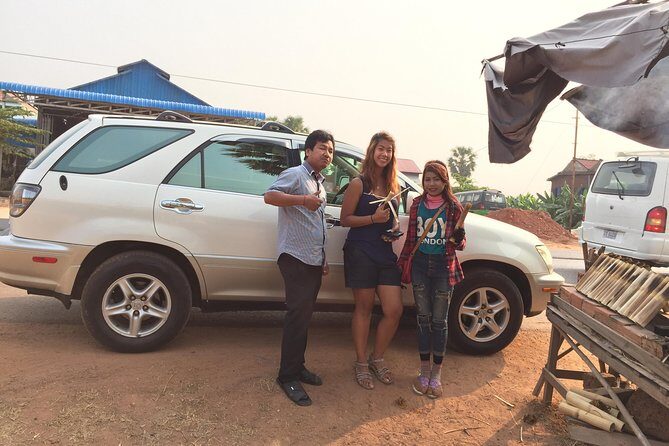
At $88 per person for an 8 to 9 hour private day in the Siem Reap area, you’re paying for three things that matter on a temple itinerary: transportation, time, and a guide who can steer you through.
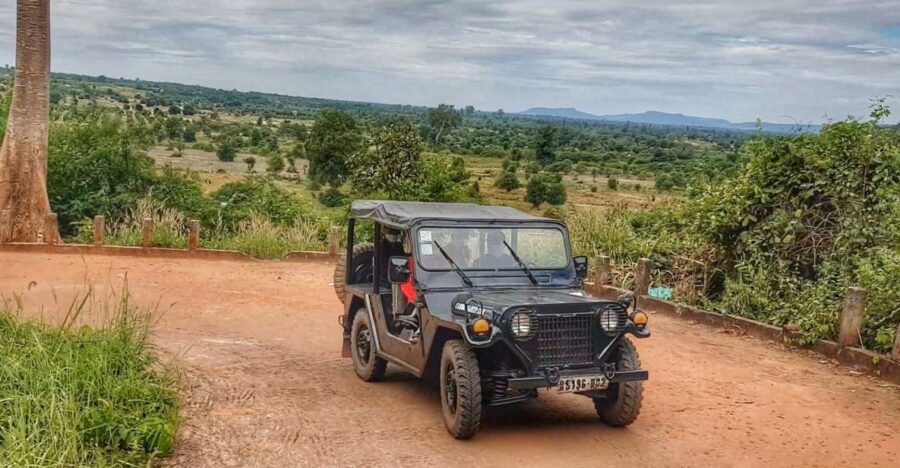
You get an English-speaking guide, an AC vehicle, and bottled cold mineral water. Those are not flashy perks, but they matter when you’re out from breakfast and done after lunch. Heat in Cambodia can make “short walks” feel longer, and an AC car is the reset button you’ll appreciate.
Two budget cautions, though. First, the plan notes admission may be extra for some stops (Kbal Spean, Beng Mealea, and Roluos are marked as not included). Second, the One Day Angkor Pass ($37 USD per person) is explicitly not included. So if you’re trying to keep your spend predictable, confirm which tickets the tour covers versus what you’ll pay at each site.
Finally: this is a temple-heavy day with a strict dress rule—cover shoulders and thighs or you risk being turned away at the gates. Bring lightweight long pants or a spare layer you can throw on fast.
Other Banteay Srei tours we've reviewed in Siem Reap
How the day runs: a practical 8am start with smart pacing
The tour starts at 8:00am, after breakfast. That early timing is useful for two reasons: cooler temperatures and fewer crowds. Even with a private vehicle, you don’t want to waste the morning sitting in traffic.
The route is organized into four temple zones plus the community visit by boat. Expect driving time between each area, then walking through temple grounds. Your guide will be key here: a good one helps you move efficiently and also adds context so you’re not just looking at stone.
From the planning style and the emphasis on guide quality (I’ve seen how guides like Bunpheng and Peng are praised for pacing and clarity), you can expect a day that feels structured without feeling like a cattle line.
Kbal Spean: the quiet riverbed carvings that feel different
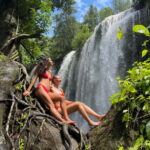
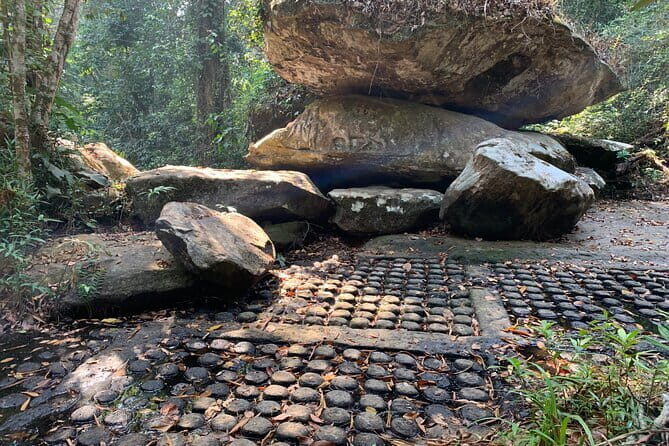
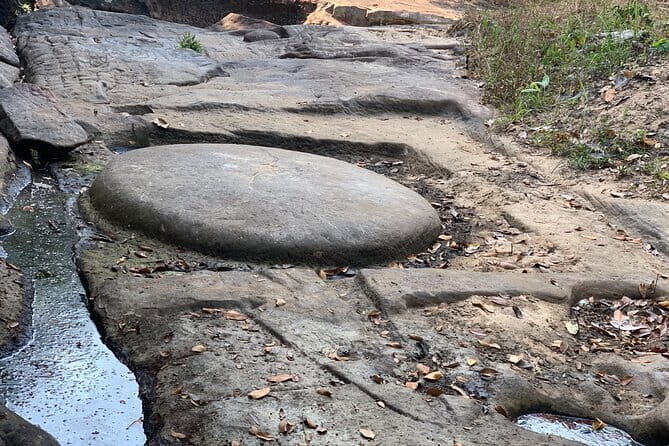
Kbal Spean is where this tour breaks the pattern. Instead of starting with the usual high-temple towers, you head to a natural stream setting where you’ll see Hindu figures carved on the riverbed—a reminder of the waves of belief that shaped Cambodia long before the better-known temple era you see around Angkor.
This stop is listed as about 3 hours. That’s a strong block of time, which tells me the value here is not just a quick look. You’re supposed to slow down and absorb the idea: nature plus carved stone plus cultural layers.
What to watch: Kbal Spean is physically different from flat temple courtyards. You’ll want footwear that handles uneven paths and some walking near water. Also, it can feel warm under direct sun, so bring sunscreen and a hat if you’re the type to burn easily.
If you like your Cambodian history in a more unusual setting, Kbal Spean is one of the best ways to start the day.
Banteay Srei: the Citadel of the Women and its fine carvings
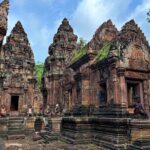
Then you shift gears to Banteay Srei, known as the Citadel of the Women. This temple is famous for fine carvings from the Khmer period, and it’s described as a unique structure of the Khmer empire.
The schedule gives this stop about 1 hour, which is actually a good match for Banteay Srei’s style. The carvings reward closer looking, but you don’t need to spend half a day here to get the point. In a day already filled with Beng Mealea and Roluos, 1 hour keeps things balanced.
The tour data also notes admission free for this stop. Whether you’re a budget planner or you just like the satisfaction of a freebie, it’s a nice relief on a long day.
The drawback? Temples still mean rules. You’ll be dealing with the same shoulders-and-thighs cover requirement, so the outfit you choose for the day has to work for multiple sites, not just one.
Kampong Kleang floating village: daily life on Tonle Sap
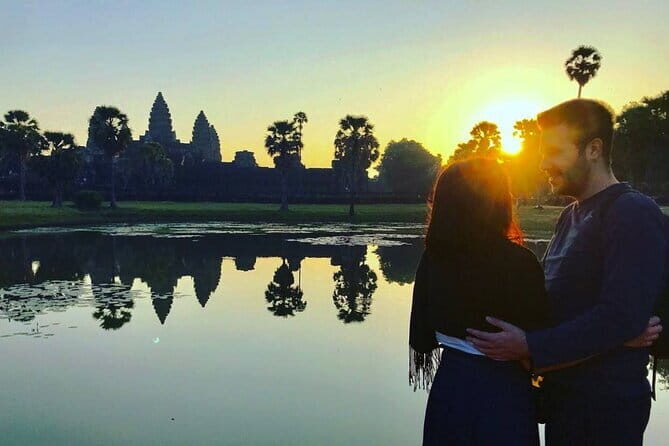
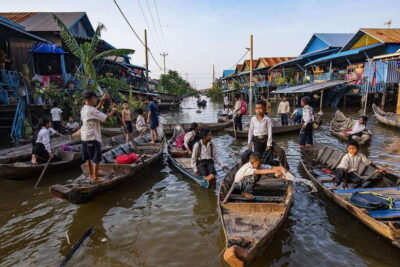
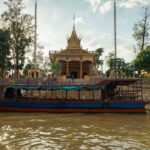
One of the most interesting parts of the day is the visit to Kampong Kleang, a floating community on the Tonle Sap Lake. You’ll learn about daily life there, and you’ll get to see how the water shapes people’s routines, homes, and livelihoods.
The plan includes a boat ride to reach the village, and life vests are provided for safety. One note to keep you from surprises: the information also flags that the boat ride may not be included in the price, even if it’s part of the program. When you book, ask what’s included in your final total so you’re not stuck doing math at the dock.
Why I like adding this stop: Siem Reap temples can make Cambodia feel like a museum of stone. A floating village visit brings you back to the living Cambodia underneath the postcard images.
What to do: keep your camera ready but also stay present. The best moments usually happen when you’re listening, not just shooting.
Other multi-temple archeological tours we've reviewed in Siem Reap


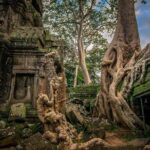
Beng Mealea: the remote Khmer ruins day-trip that rewards patience
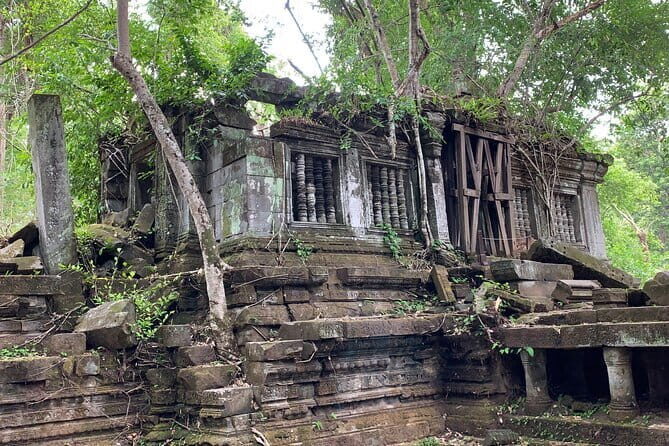
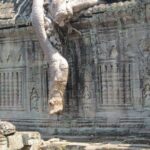
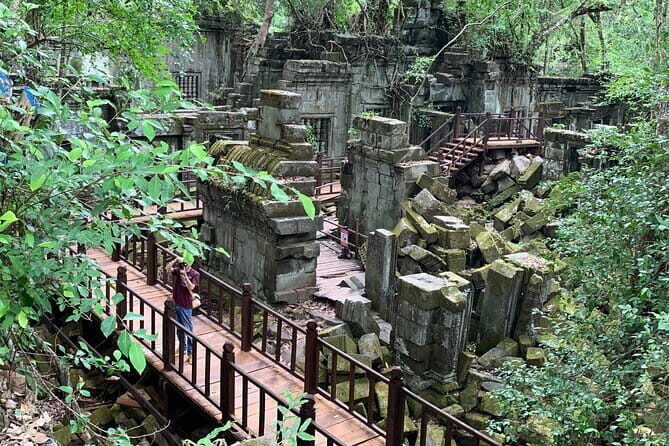
After the community stop (timing varies within the day), you head to Beng Mealea, described as stunning and left to ruins. It’s also noted as rarely visited because of its remote location away from Siem Reap—one of the reasons this tour is appealing if you want atmosphere instead of crowds.
You’ll spend about 3 hours here. That time matters. Beng Mealea is the kind of place where you’ll want to wander slower, look around corners, and let your brain assemble what used to be there. The “ruins” quality isn’t a downgrade—it’s the point. Less restoration means more texture, more confusion in a good way, and more room to feel the scale.
Tickets are flagged as not included in the itinerary notes, so plan to pay the site entry if required. Also, expect uneven ground. Bring shoes you can trust.
This is also the stop that tends to separate a good tour from a forgettable one. If your guide is strong—like the sort of people who get praised for knowing good photo spots—you’ll get viewpoints and pacing that make the ruins feel bigger and more meaningful.
Roluos Temples: Preah Ko, Bakong, and Lolei for the older layer
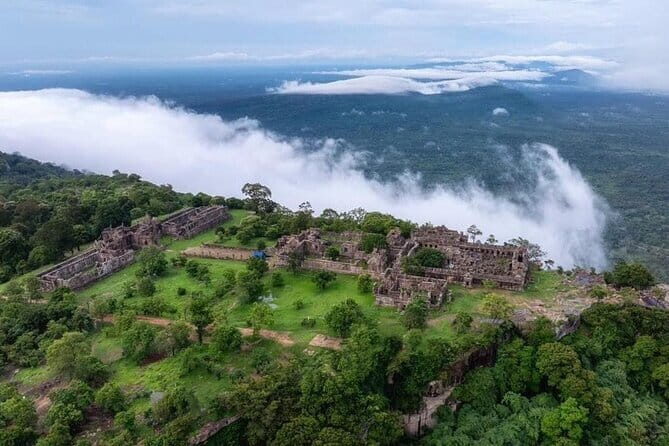
Finally you wrap with the Roluos group temples, described as the oldest in that area, linked to the Khmer classical period dating from the late 9th century. The stop focuses on Preah Ko, Bakong, and Lolei.
Time here is about 1 hour, which is smart. These temples help you understand the progression from early Khmer forms toward the more famous Angkor masterpieces. You’re not meant to linger so long that the day collapses—you’re meant to gather context and then head back.
Tickets for this stop are also marked as not included in the notes. Still, even if you pay extra, the value here comes from how well it completes the story of the day: mythic river carvings, ornate smaller-craft temple work, wild remote ruins, then a return to older foundational architecture.
If you like learning in a way that feels visual—stone style, era, and technique—Roluos is the right closing chapter.
What’s included vs. what you should budget for
Here’s the practical breakdown based on the info you have:
Included
- English-speaking tour guide
- Transportation in an AC car/minivan/minibus
- Bottled cold mineral water
Not included (or may be extra)
- Food and drinks
- One Day Angkor Pass (listed as $37 USD per person)
- Entrance fees appear marked as not included for multiple stops (Kbal Spean, Beng Mealea, Roluos)
- Boat ride to Kampong Kleang is flagged as not included in price, even though it’s part of the activity, and life vests are provided
That means you should budget for a bit of on-the-spot spending at gates and possibly the boat. If you want your day to run smoothly, ask your operator before departure what the total looks like with tickets, so you don’t run into a cash scramble.
Who this tour suits best
I’d point this one toward you if you want:
- A private-feeling day without having to coordinate everything on your own
- A mix of temples plus a real community visit on Tonle Sap
- A schedule designed for a slower, less crowded vibe, especially at Beng Mealea
It may be less ideal if you only want the most famous Angkor sights. This route leans into quieter, more off-main-circuit stops, and that’s exactly why it’s worth it.
Should you book this Kbal Spean–Banteay Srei–Beng Mealea–Roluos tour?
Yes—if you care about variety and atmosphere. This day avoids the “just take photos at the same three places” trap by pairing Kbal Spean’s river carvings with Beng Mealea’s remote ruins and a floating village visit. That blend is what makes it feel like a real Cambodian day, not an Angkor checklist.
Before you book, do three quick checks:
1) Confirm which temple admissions are included and which you pay at each stop.
2) Confirm whether the boat ride to Kampong Kleang is included in your final price.
3) Pack for the strict dress code so you don’t lose time (or get refused entry).
If those boxes are checked, you’re set up for a calm, meaningful route with the kind of guide attention that can turn ruins and carvings into something you remember.
FAQ
What time does the tour start in Siem Reap?
The tour starts at 8:00am.
How long is the Kbal Spean, Banteay Srei, Beng Mealea & Roluos temples tour?
The duration is about 8 to 9 hours.
Is pickup included?
Pickup is offered, and the tour includes transportation in an AC car or minivan or minibus.
Is this a private tour?
Yes. It is listed as private, meaning only your group participates.
What’s included in the price besides the guide and transport?
The tour includes an English speaking tour guide, transportation, and bottles of cold mineral water. Food and drinks are not included.
Do I need an Angkor Pass?
A One Day Angkor Pass is not included in the package, and it’s listed at $37 USD per person.
Are there dress code rules for the temples?
Yes. There is a strict temple dress code: you must cover thighs and shoulders when entering the temple complexes or you may be refused entrance.
Is the boat ride to the floating village included, and is safety equipment provided?
A boat ride is part of the activity and life vests are provided for safety. The notes also say the boat ride may not be included in the price, so confirm with the provider when booking.