REVIEW · SIEM REAP
Angkor Wat Sunrise & All Highlight Angkor Temple Private Day Tour
Book on Viator →Operated by About Cambodia Travel & Tours · Bookable on Viator
Early sunrise at Angkor Wat is a game-changer. This private day keeps you moving fast with hotel pickup and an English-speaking guide while you chase the best light over Angkor’s top temples. My favorite part is the crowd-smart route and the way your guide explains what you’re seeing at each stop. The main drawback is simple: you start at 4:30 am, so plan for an early wake-up and a lot of walking.
The route covers the classic big names—Angkor Wat, Bayon, Ta Prohm—plus major extras like the Terrace of the Elephants and the Terrace of the Leper King. You’ll also hear context that goes beyond stone details, including Cambodia’s relationship with death and cremation rituals as the day winds down. If you hate early mornings or you want lots of long sit-down breaks, this style may feel a bit rushed.
In This Review
- Key highlights worth planning for
- Why 4:30 am changes everything at Angkor Wat
- Getting picked up in Siem Reap: the logistics that make or break the day
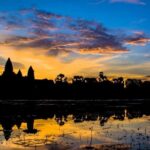
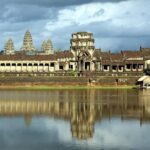
- Angkor Wat at sunrise: reflection pools and the first big wow
- Angkor Thom’s South Gate and Bayon: faces, scale, and stop-by-stop timing
- Baphuon and Phimeanakas: the royal-palace zone you shouldn’t skip
- Terrace of the Elephants: carving storytelling at close range
- Terrace of the Leper King, Ta Nei, and the Tree Kingdom mood shift at Ta Prohm
- Banteay Kdei: a strong closer with a calmer feel
- Ending at Pre Rup: why the day’s story turns toward death and cremation
- Price and what you still pay: $65.55 of value, plus a couple extras
- Who should book this private sunrise tour
- Practical tips to make the day feel smoother
- Should you book the Angkor Wat Sunrise & All Highlight Angkor Temple Private Day Tour?
- FAQ
- What time does the tour start?
- Is this tour private?
- Do you pick up from hotels in Siem Reap?
- Are entrance fees included?
- How long is the tour?
- Is lunch included?
- What transport is used?
- Is there free cancellation?
Key highlights worth planning for
- 4:30 am start to catch sunrise timing and better photo positioning
- Private tour, limited to your group for a calmer pace inside the temples
- English-speaking licensed guide who keeps the story clear and practical
- Elephant Terrace + Leper King Terrace for some of Angkor’s most dramatic carvings
- A/C transfers or Tuk-Tuk option with cold water and towels
- Angkor Pass guidance so you’re not stuck figuring out tickets on your own
Why 4:30 am changes everything at Angkor Wat
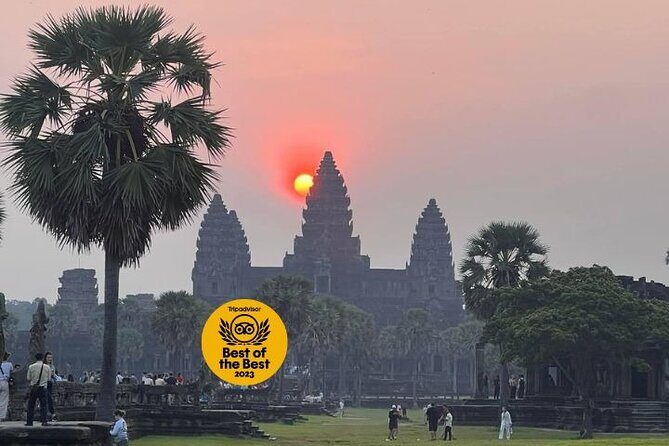
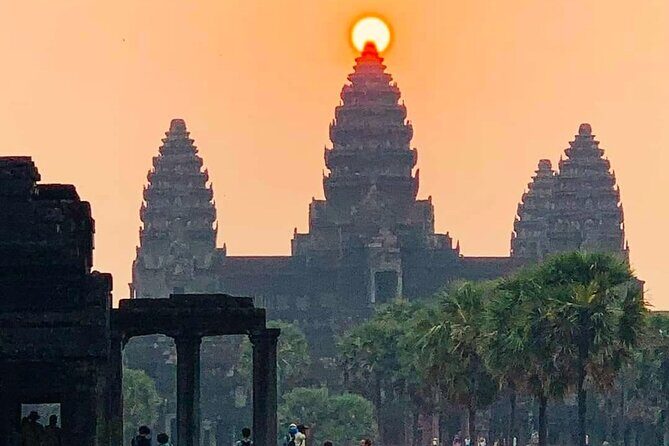
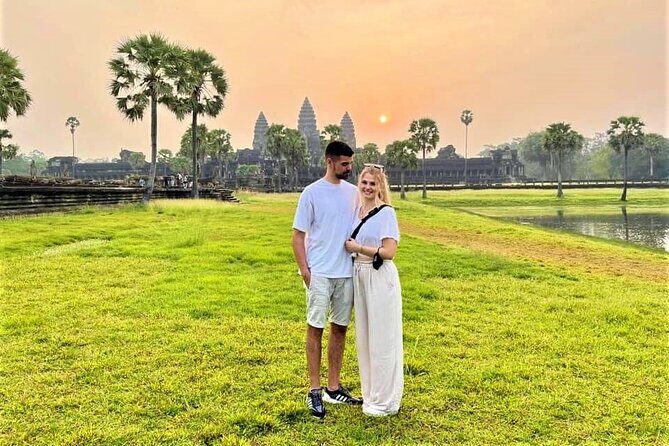
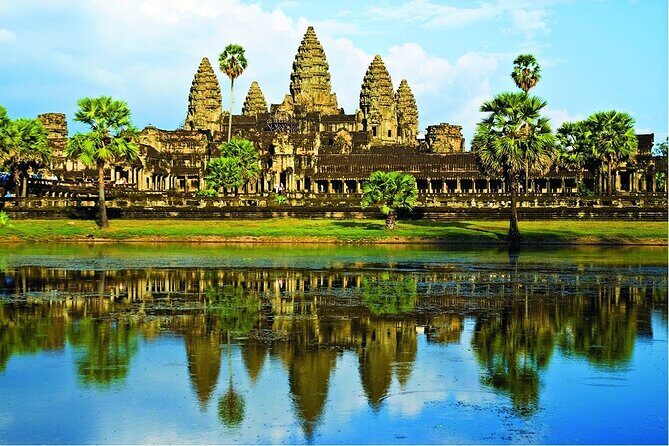
Angkor Wat sunrise is one of those rare travel moments where timing really matters. This tour starts at 4:30 am, which is early enough that you’re not arriving after the best light has already been fought over. The payoff is the chance to line up for reflection-pool photos, especially near the two most popular reflection areas at the front.
There’s also the practical side: sunrise means you avoid some of the later-day heat. Even if you’re still wearing layers early on, you’ll feel grateful once the sun climbs and the temple stone starts giving off its full warmth. And because this is a private tour restricted to your group, you’re not stuck in the same slow-moving crowd crush as the biggest shared groups.
One more thing I like: the guide’s role isn’t just talking at you. The day is planned so you move from site to site with less dead time, which helps you stay focused instead of feeling like you’re constantly waiting in line.
Other Angkor Wat sunrise tours we've reviewed in Siem Reap
Getting picked up in Siem Reap: the logistics that make or break the day
This one is built around hotel pickup in Siem Reap city. You provide your hotel name and address, and the driver meets you at the hotel lobby. That sounds basic, but in practice it saves you stress at dawn—no scrambling for a ride, no trying to figure out where a meeting point actually is before daylight.
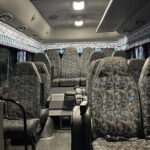
For transport, you’ll use an air-conditioned vehicle or a Tuk-Tuk, depending on the option you choose. Either way, the tour includes cold drinking water and cold towels, which is a small thing that turns into a big morale booster in the Angkor heat.
The tone of the day tends to feel organized rather than chaotic. People often mention guides by name—Mr. Sara and Leap come up, and drivers like Ay and Ree show up too—which suggests the operation keeps the same kind of team rhythm: drive, arrive, brief, see, move on.
Angkor Wat at sunrise: reflection pools and the first big wow
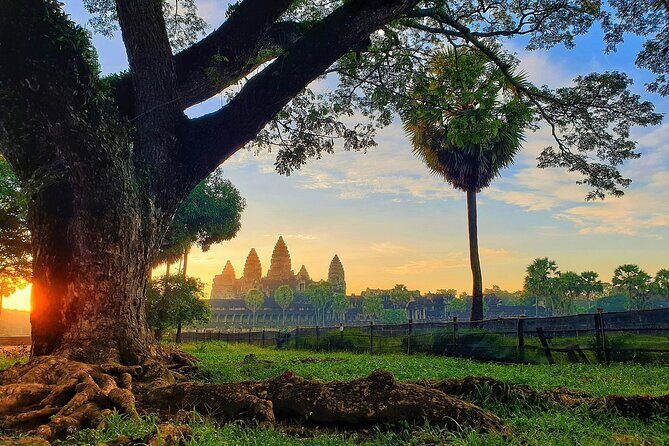
Your main stop is Angkor Wat, and you get about two hours there. The sunrise arrival is aimed at giving you the best shot at prime viewpoints around the reflection pools at the front. If you care about photos, this is where you’ll spend the most mental energy—camera ready, patience on hand, and a willingness to wait a few minutes for the light.
What I appreciate about having a guide here is that you don’t just stand and stare. You get help reading the place: what you’re looking at, why it looks the way it does, and how Angkor Wat fits into the larger Angkor complex instead of feeling like an isolated monument.
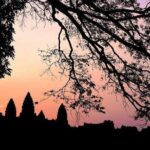
Also, sunrise at Angkor has a rhythm: you see the temple silhouette settle into view, then details sharpen as the sky brightens. If rain pops up, the tour still continues with the same plan, and you keep your energy because you’re not losing time by reinventing the day.
Angkor Thom’s South Gate and Bayon: faces, scale, and stop-by-stop timing
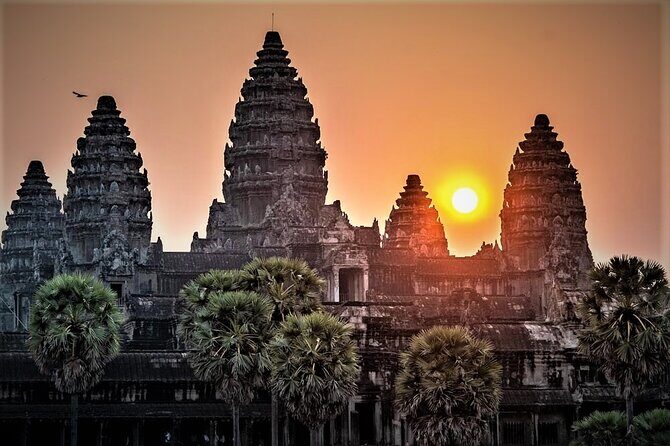
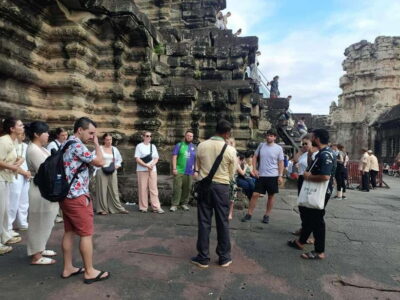
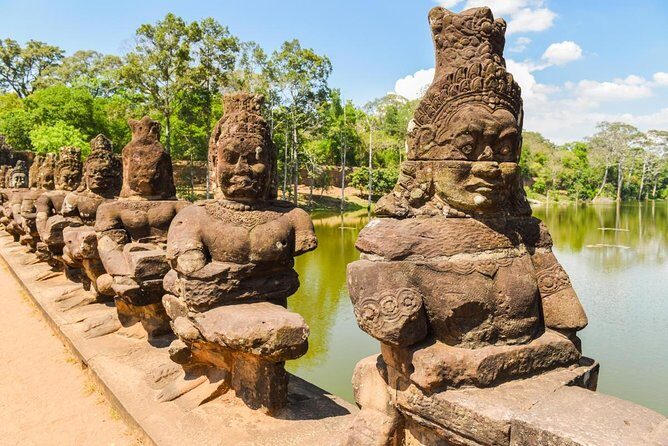
After Angkor Wat, the route moves into Angkor Thom with a quick hit at the South Gate. This stop is short (around 30 minutes), but it’s a great way to transition from Angkor Wat’s iconic symmetry into the larger royal-city layout.
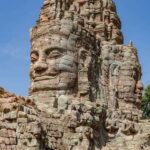
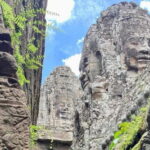
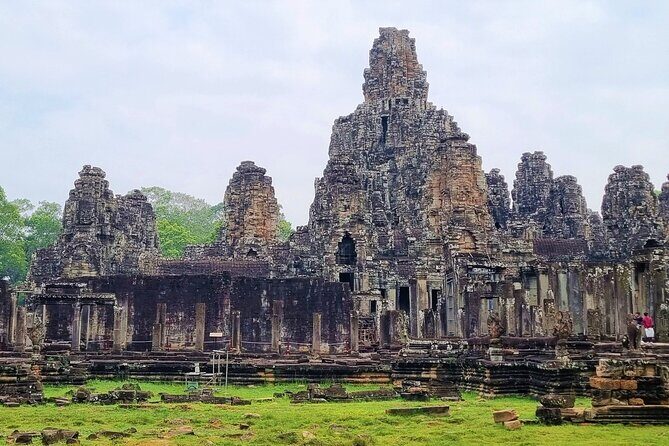
Next comes the Bayon Temple, about an hour. Bayon is famous for its face towers, and the best way to enjoy it is to take the time to look in layers—wide views first, then the smaller carvings once you’re inside. With a good guide, you’ll understand why Bayon’s position and design feel different from Angkor Wat. It was built later, and that time gap shows.
Then you get another brief stop at Angkor Thom itself (about 30 minutes). This is where you start to feel the city as a whole, not only the highlights. You’ll get just enough context to connect Bayon and the surrounding structures.
One practical note: the route is structured to reduce crowd friction where possible. In other words, you’re not repeatedly doubling back through the same busy lanes.
Baphuon and Phimeanakas: the royal-palace zone you shouldn’t skip
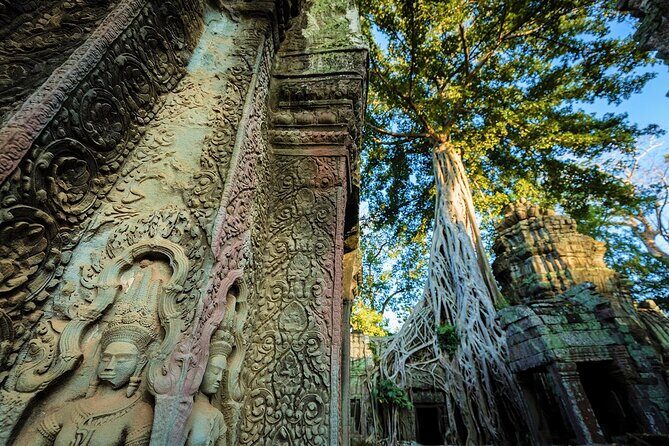
Two more stops round out the Angkor Thom palace area: Baphuon (about an hour) and Phimeanakas (about 25 minutes). Baphuon is built in five levels and tends to feel like a step pyramid compared to the more common tapering temple styles. It’s a great stop for people who like architecture details, especially if you’re past the stage of only chasing the biggest photo icons.
Phimeanakas sits near the center of the palace enclosure. This one is shorter, but it’s worth it because it helps you see how the royal space works. You’ll get the sense that Angkor wasn’t just religious stonework—it was a lived-in, planned world built around power, belief, and ritual.
If you’re the type who thinks you’ll only be satisfied by the headline temples, this is where you build a deeper connection. The tour doesn’t leave you with only the showpieces.
Other Angkor Wat temple tours we've reviewed in Siem Reap
Terrace of the Elephants: carving storytelling at close range
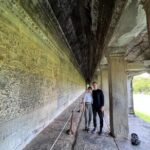
The Terrace of the Elephants is one of the emotional centers of the day. You’ll spend about 30 minutes here. The carvings are dramatic, and the terrace itself gives you a sense of movement—elephant imagery, processional energy, and the kind of intricate bas-relief work that rewards calm attention.
The guide framing matters a lot at this stop. When someone explains what you’re looking at, it becomes more than decoration. It starts to feel like visual storytelling.
Also, this terrace is a good “pause moment” in the schedule. The earlier sunrise energy gave you the wow factor. Elephants gives you the texture and craftsmanship that makes Angkor feel human—messengers, rituals, ceremony, the idea of order made visible in stone.
Terrace of the Leper King, Ta Nei, and the Tree Kingdom mood shift at Ta Prohm
From the Elephants Terrace, the route continues to the Terrace of the Leper King (about 30 minutes). This terrace is known for its grand bas-reliefs, inside and outside. It’s a strong follow-up because the style and intensity feel like a step up in drama.
Then you move to Ta Nei (about 30 minutes). It’s a late 12th-century stone temple, dedicated to the Buddha, and it sits near the East Baray’s northwest corner. If you like learning how each temple fits into a larger water-and-ritual map, this is the stop where the setting starts to make sense.
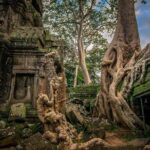
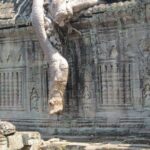
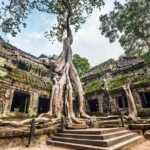
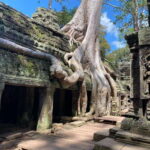
Finally comes Ta Prohm (about an hour). Ta Prohm is famous for being left largely untouched by archaeologists, with paths cleared for visitors and structural strengthening to slow further damage. In plain terms: it feels raw. Trees and temple ruins mix in a way that’s hard to manufacture.
If you’re chasing cinematic photos, Ta Prohm is where you’ll feel the “wow” hit again. If you’re more into atmosphere than selfies, it’s still worth it because it shows Angkor’s power to live inside nature, not just sit above it.
Banteay Kdei: a strong closer with a calmer feel
After Ta Prohm, you go to Banteay Kdei (about an hour). This is a temple area that’s known for discoveries related to Buddhist artifacts found in a cache in 2001. You don’t need to be a scholar to appreciate that kind of detail—what it signals is that Angkor isn’t frozen in time. It has layered meaning, and new finds can change how you read what you’re seeing.
Banteay Kdei is built on ground level and used as a Buddhist monastery. That matters because it shifts your mindset from only thinking about outer grandeur to understanding how the space might have supported daily religious life.
By the time you reach this stop, you’ll likely appreciate the slower, less frantic feeling. This is where many people start to enjoy the day more, not less, because you’re no longer fighting to catch the sunrise moment.
Ending at Pre Rup: why the day’s story turns toward death and cremation
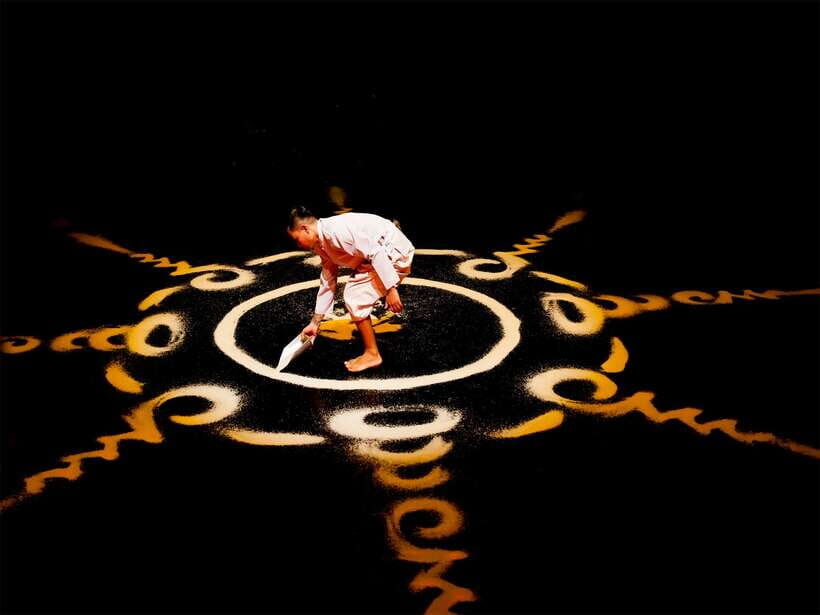
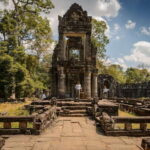
Your day is designed to end at Pre Rup, and the tour includes discussion of Cambodia’s relationship with death and cremation rituals. That adds a meaningful layer to what could otherwise be purely a sightseeing marathon.
Pre Rup is often the kind of ending where the light and the setting make you feel the passage of time. Even if you don’t know anything about the rituals in advance, hearing the explanation while you’re on-site changes the tone. Angkor isn’t just monuments; it’s belief made visible across centuries.
This is also a good time to think about what you’ll remember later. You’ll remember sunrise silhouettes, sure. But the conversation around cremation and the way it connects to temple meaning is the kind of detail that sticks.
Price and what you still pay: $65.55 of value, plus a couple extras
At $65.55 per person, this tour can be good value because several expensive-feeling parts are already covered: hotel pickup and drop-off, the licensed English-speaking guide, and private transfers by air-con vehicle or Tuk-Tuk (depending on your chosen option). You also get cold water and cold towels, which you’ll actually use.
What’s not included is key: you’ll pay for the Angkor Pass (entrance fees for the temples on your route). Your guide helps you purchase it at the Angkor Park entrance before the tour begins. That’s important because it removes a lot of hassle, even though it still means an extra cost.
Lunch is also on your own (usually $3–$10 per dish). Tips for the guide and driver are not included either, so budget for those based on your comfort and how the day goes.
The big picture: the price is mainly for guiding + logistics + comfort. If you already planned to hire private transport and want a sunrise start, this package can feel like the efficient, low-friction choice.
Who should book this private sunrise tour
I’d steer you toward this tour if you want:
- A private group experience with an English-speaking licensed guide
- An early start that targets sunrise timing without you doing the planning work
- The classic Angkor highlights plus multiple strong side stops like the Elephant and Leper King terraces
- A route that’s designed to reduce wasted time between major sites
It may not fit you as well if you hate early wake-ups or you’re looking for a slow, unhurried museum-style day. This tour is structured to cover a lot, and that requires energy.
Practical tips to make the day feel smoother
Wear comfortable walking shoes. Angkor temples are not something you stroll through like a city park. Bring a light layer for early morning and something for sun once it rises.
Use your guide’s timing help. If you want photos, don’t just wait for the perfect moment—listen to when the guide suggests a viewpoint shift, because that’s where you often gain the best angles.
And take the included comfort seriously. Cold towels and water aren’t just extras; they help you stay focused while the day runs ahead of you.
If you can’t handle dust or wind, a face covering can be useful. The tour doesn’t mention weather gear, so you’ll want to think ahead based on what you’ve seen in Siem Reap recently.
Should you book the Angkor Wat Sunrise & All Highlight Angkor Temple Private Day Tour?
I’d book it if you want a well-run Angkor day with an early sunrise plan, private pacing, and strong temple variety. The standout strengths are the overall organization, the quality of the English-speaking guide experience (names like Mr. Sara and Leap show up often), and the practical touches like drivers (Ay, Ree) who keep transfers smooth and deliver cold water and towels at the right times.
Skip it if you’d rather sleep in and move at a slower pace. Sunrise tours reward early energy, and this one is built around that trade.
If you’re flexible, this is a strong way to see Angkor’s top hits and also get enough explanation that the day feels meaningful, not just busy.
FAQ
What time does the tour start?
The start time is 4:30 am, with pickup from your Siem Reap hotel.
Is this tour private?
Yes. It’s a private tour/activity, and only your group will participate.
Do you pick up from hotels in Siem Reap?
Yes. You’ll be picked up at your hotel lobby in Siem Reap city. You’ll need to provide your hotel name and address when booking.
Are entrance fees included?
No. Entrance fees are not included. You’ll need the Angkor Pass, and your guide will assist you with purchasing it at the entrance of Angkor Park.
How long is the tour?
The duration is about 8 to 9 hours.
Is lunch included?
No. Lunch is available at local restaurants, and meals are at your own expense (menu prices typically range from $3–$10 per dish).
What transport is used?
You’ll use an air-conditioned vehicle or a Tuk-Tuk, depending on the price option you choose.
Is there free cancellation?
Yes. You can cancel for a full refund up to 24 hours before the experience starts.