REVIEW · SIEM REAP
Angkor Wat Tour, Explore The Main Temples With Tour Guide
Book on Viator →Operated by Angkor Wat Merge Tour · Bookable on Viator
Early temples teach you fast. This Angkor Wat guided tour packs the park’s best-known sights into one smart day, with an English-speaking guide who brings the architecture to life. I especially liked the early hotel pickup that gets you in place for the big morning temple moments, and the way the guide turns carvings and layout into stories you can actually remember (Mao is mentioned as a standout guide name). One thing to plan for: the tour price is not the entrance fee, so your day needs a separate budget for tickets.
You’ll ride in an air-conditioned minibus, then jump between major temples at a pace that makes sense for a single long outing (about 8 hours). The group is capped at up to 30 travelers, and you’ll get water, plus pickup and drop-off. It’s a good choice if you want the highlights without trying to stitch together transport and timing on your own.
In This Review
- Key Highlights You’ll Feel in Your First Hour
- Early Morning Pickup That Changes Everything at Angkor Wat
- Angkor Wat: What You Notice When You Have a Guide
- Banteay Kdei: The Quieter Temple Stop That Makes the Day Work
- Ta Prohm: When Tree Roots Turn Stone Into a Story
- Bayon Temple: The 54 Towers and Faces of Avalokiteshvara
- Tonle Om Gate (South Gate of Angkor Thom): A Short Stop With Big Drama
- Price and Value: What $12.50 Really Gets You
- Pace, Walking, and the Reality of a Full 8-Hour Day
- Guides Matter: Storytelling Turns Stone Into Meaning
- Who Should Book This Angkor Wat Shared Tour?
- Practical Tips to Make the Day Smoother
- Should You Book This Angkor Wat Tour?
- FAQ
- What is the duration of the Angkor Wat tour?
- Where does the tour start?
- How much does the tour cost?
- Is the entrance fee included in the tour price?
- Which temples are included in the tour?
- Is transportation included?
- Is there an English-speaking guide?
- How many people are in the group?
- Is free cancellation available?
Key Highlights You’ll Feel in Your First Hour

- Early morning pickup from Siem Reap to catch the Angkor Wat temple mood
- English-speaking tour guide who explains art, layout, and meaning in plain terms
- Main Angkor circuit coverage: Angkor Wat, Banteay Kdei, Ta Prohm, Bayon, and Tonle Om Gate
- Comfort upgrades: air-conditioned minibus, water, and hotel pickup/drop-off
- Group size control with a maximum of 30 people, keeping things manageable
Early Morning Pickup That Changes Everything at Angkor Wat
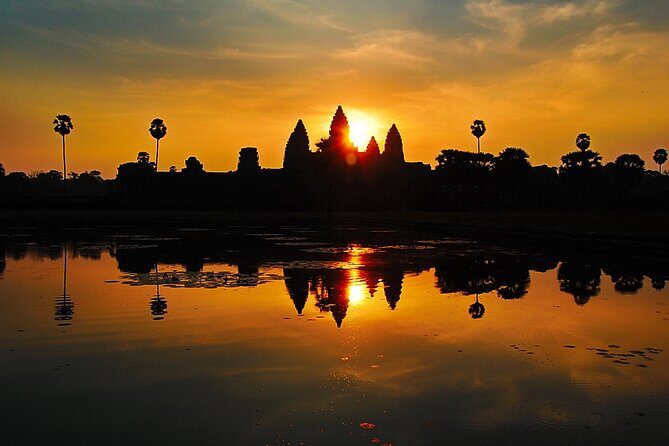
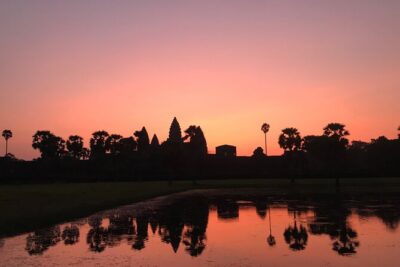
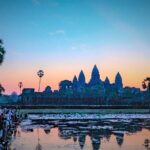
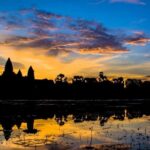
The biggest reason to pick an organized Angkor Wat tour is timing. You start with an early hotel pickup, then head to the Angkor Archaeological Park before the day fully heats up and crowds multiply. That early push helps you see more with less stress, and it also gives you better lighting for photos.
The ride itself is practical: an air-conditioned minibus means less time melting in traffic and more time focused on the temples. You’ll also have the benefit of someone else handling the “how do we get there” part, which matters in Siem Reap when you’re trying to fit everything into a limited number of days.
And if you care about atmosphere, mornings at Angkor Wat are the whole point. You’ll feel the site’s scale right away, especially once you’re standing in the temple area with that first wave of light.
Other Angkor Wat temple tours we've reviewed in Siem Reap
Angkor Wat: What You Notice When You Have a Guide
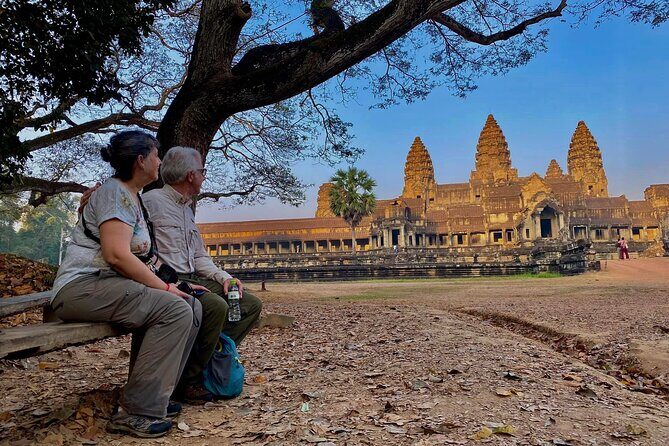
Angkor Wat is the headliner, so you’ll spend the first stretch of the day here. The tour includes you getting the right tickets for the park area, then settling into the temple experience with an English-speaking guide.
What I like about a guided visit is that Angkor Wat is not just impressive because it’s big. It’s impressive because of how much design meaning is packed into the layout—alignment, thresholds, and the way carvings frame key spaces. A good guide helps you avoid wandering randomly and instead gives you a mental map you can hold onto later.
The day also flows in a way that’s friendly to first-timers. After the first temple, you’re not stuck trying to figure out what’s next. You move on through the Angkor highlights while things are still fresh, which makes the day feel purposeful instead of rushed.
Tip: wear comfortable shoes and plan for a lot of walking on uneven stone. This is a temple park, not a stroll through a museum courtyard.
Banteay Kdei: The Quieter Temple Stop That Makes the Day Work
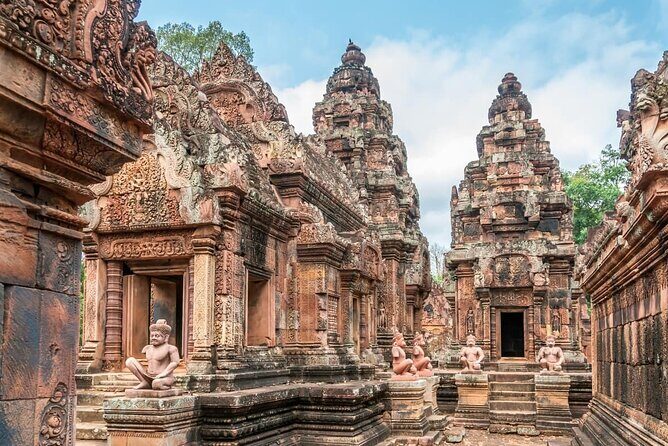
After Angkor Wat, the tour shifts to Banteay Kdei. This stop is a nice rhythm-break because it’s described as quieter and less known than the big names around it. You’ll get about an hour here, which is often just enough time to see what makes it different.
Banteay Kdei’s name means Citadel of Chambers, and the site is a Buddhist monastery built in the late 12th century. The appeal is in the details: unique carvings and a feel that’s more contemplative than spectacle-heavy. If Angkor Wat is the grand performance, Banteay Kdei is the part where the story becomes personal.
Why this stop matters for you: it prevents “temple overload.” When you only see the most famous places, they can start to blur together. Banteay Kdei helps you reset your eyes and notice carvings and stonework in a slower way.
One consideration: because it’s less famous, you might not feel instantly wowed without context. That’s exactly where the guide earns the price—by telling you what to look for and why the design choices matter.
Ta Prohm: When Tree Roots Turn Stone Into a Story
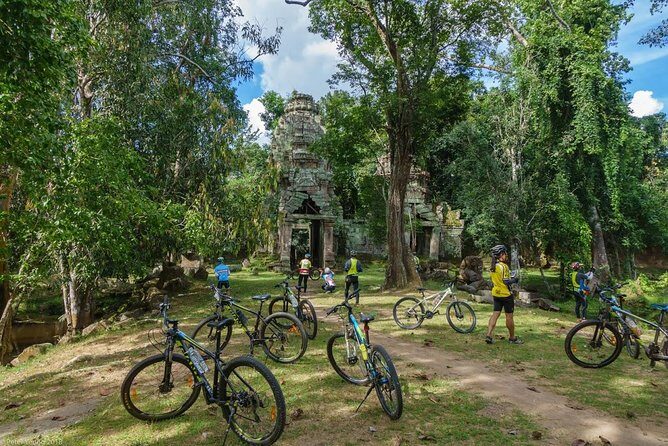
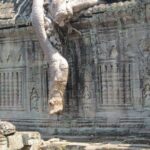
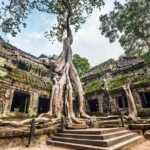
Then comes Ta Prohm, famous for the huge tree roots that grow over parts of the temple. This is one of the most photogenic places in the park, and the tour gives you about two hours here.
Ta Prohm is a 12th-century temple that’s famous for being left largely unrestored, which gives it that iconic jungle temple look. The result isn’t just dramatic in photos—it’s also meaningful. It shows the contrast between human building and the slow force of nature.
What you’ll likely enjoy most: walking through spaces where the architecture feels half discovered and half protected by roots. It’s eerie in a good way, and it makes the carvings and pathways feel less like a strict monument and more like part of a living landscape.
Practical tip: bring sunglasses and sunscreen. This stop can feel open and bright depending on where you’re standing, and the roots don’t make shade appear where you want it.
Also, go a little slow here. Two hours sounds like a lot, but Ta Prohm can pull your attention in every direction.
Bayon Temple: The 54 Towers and Faces of Avalokiteshvara
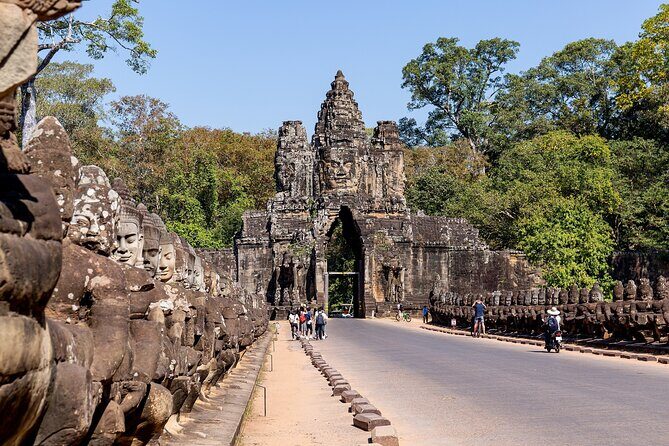
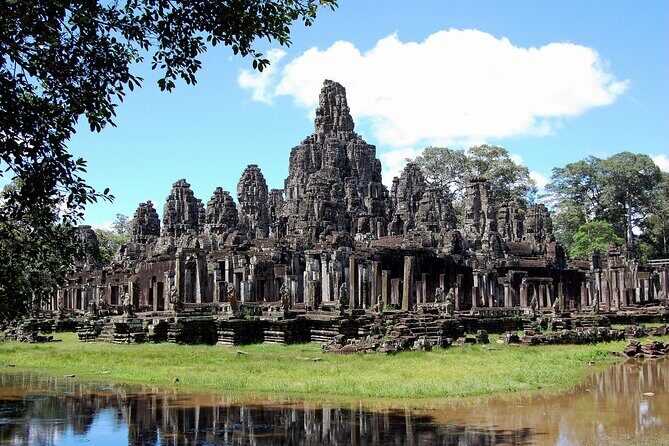
Next up is Bayon Temple, located in the center of Angkor Thom. You’ll get about an hour here, and it’s one of the most striking sights in the whole Angkor circuit.
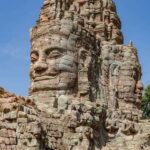
Bayon is known for its 54 towers, each decorated with four massive, serene faces of Avalokiteshvara. That repetition changes how you experience the space. Instead of one focal point, you get a sense of being watched—or guided—by the same expression from many directions.
The guide’s job becomes extra valuable at Bayon, because the site’s power is visual, but the meaning sits in the details: the temple’s layout, the carving themes, and how Bayon fits the larger Angkor Thom complex. With context, you’ll notice how the faces and stonework work together rather than treating it as just a photo backdrop.
You’ll also get to see carvings that depict stories and scenes, and you’ll likely understand more of them than if you were going on your own. That’s one of the main value drivers of this type of tour: a guide helps you convert images into understanding.
Other multi-temple archeological tours we've reviewed in Siem Reap


Tonle Om Gate (South Gate of Angkor Thom): A Short Stop With Big Drama
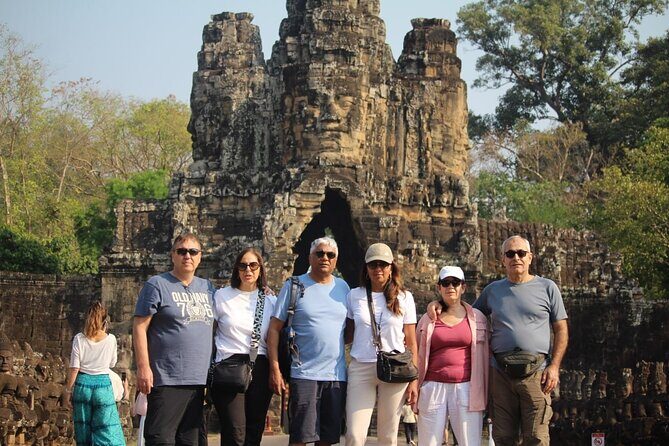
The final temple-focused moments land around Tonle Om Gate, which is the South Gate of Angkor Thom. You’ll have about 30 minutes here, so think of it as a dramatic send-off rather than a full sightseeing segment.
This gate and causeway area is described as flanked by a causeway lined with statues of gods and demons. The gate itself is crowned, giving you that grand Angkor entry feeling even if you’re only stopping briefly.
Why this matters: it helps you close the loop. You’ve seen the major religious and symbolic spaces; now you’re finishing at an entrance that shows the bigger ceremonial design of Angkor Thom. Even in a short time window, you get a strong sense of the overall plan.
If you’re the type who likes photos, this is a good place to slow down for a few frames—causeways with repeating figures are great for composition.
Price and Value: What $12.50 Really Gets You
On paper, the price looks like a steal: $12.50 per person. In real life, your budget needs a quick math check because the entrance fee is $37.00 per person and isn’t included in the tour price.
So the realistic total you should plan for is about $49.50 per person, assuming you buy the stated entrance ticket. That still can be good value, especially if you factor in what’s included.
What you do get for your money:
- Transportation in an air-conditioned minibus
- English-speaking tour guide
- Water
- Pick-up and drop off
- Mobile ticket
Where the guide and logistics really pay off is time and confidence. You don’t have to solve the day’s travel puzzle, and you get someone telling you what to look for so you aren’t just walking from one famous pile of stone to another.
Group size also affects value. With a maximum of 30 travelers, you’re less likely to feel like you’re in a giant cattle line. It’s not “private tour” level, but it’s structured enough to stay organized.
Pace, Walking, and the Reality of a Full 8-Hour Day
This tour is about highlights, but it still takes effort. The day runs around 8 hours, and you’ll be moving between multiple sites in the Angkor Archaeological Park.
One review calls the tour physically challenging, and that tracks with reality. Temple ground can be uneven, stairs and slopes are common, and midday sun can add to the work. If you’re not used to long days of walking, go into it with honest expectations.
My advice: treat this as an all-day sightseeing workout. Start hydrated (you’ll have water), wear shoes you trust on stone, and don’t plan to squeeze in extra heavy activities the evening you return.
That said, the same reviews also suggest it’s worth the effort. When you see Angkor Wat, Ta Prohm, and Bayon in one guided flow, the time investment makes sense.
Guides Matter: Storytelling Turns Stone Into Meaning
This is the kind of tour where your guide can make or break the day. The standout theme in the experience descriptions is not just facts—it’s storytelling and personal explanation.
Mao is specifically mentioned as a guide who was extremely friendly and professional, with a deep focus on history and how the Cambodian people connect to these temples. Another common compliment is how the guide provided information with care, plus a personal touch that made the day feel more human than tour-bus generic.
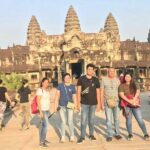
One practical benefit: you may get help with photos. In at least one account, the guide took and shared many photos, which is a huge plus if you’re traveling as a couple or solo and want images that aren’t just self-timer blur.
If you want the temples to feel like more than a checklist, this guided style is the right fit.
Who Should Book This Angkor Wat Shared Tour?
This is best for you if:
- You’re in Siem Reap for a limited time and want the core Angkor highlights in one go
- You like learning how art and architecture connect to meaning
- You’d rather pay a guided price than manage transport and timing yourself
- You want a structured day with pick-up and drop off, plus water
It’s also a good match for solo travelers. Group tours can feel awkward, but having a guide handle the flow (and a manageable max group size) usually makes it easier to enjoy the temples rather than worrying about what to do next.
If you’re the type who wants total freedom and you hate schedules, you might prefer something more flexible. This tour is built for a complete highlight route with a guide at the center.
Practical Tips to Make the Day Smoother
A few things will make this tour feel easier from the start:
- Wear good walking shoes. The ground is temple-stone, not paved sidewalks.
- Bring sunscreen and a hat. Early helps, but sun still shows up.
- Consider using the mobile ticket feature if it helps you avoid extra waiting on the day.
- If you care about photos, plan to pause at the best spots rather than sprinting. This is especially true at Ta Prohm and Bayon.
- Give yourself a little buffer mindset. With multiple stops, you’ll move through the day faster than you think.
Also, keep your entrance fee plan clear. Since admission is not included, you’ll want that $37 per person ready so the day doesn’t start with confusion.
Should You Book This Angkor Wat Tour?
Yes, you should book this if you want the main Angkor temples with a guide and a simple plan. The value is strongest when you care about context—learning what you’re seeing at Angkor Wat, spotting what makes Banteay Kdei different, understanding why Ta Prohm looks the way it does, and catching the meaning behind Bayon’s faces.
Skip it only if your top priority is maximum freedom and minimal structure, or if you’re not up for a full day of walking across temple terrain. Otherwise, this is a practical way to see the best parts of Angkor Archaeological Park without turning your day into a logistics project.
If you can, choose a day that gives you an early start from Siem Reap. That timing is part of the payoff.
FAQ
What is the duration of the Angkor Wat tour?
The tour runs for about 8 hours.
Where does the tour start?
It starts with pickup from your hotel in Siem Reap.
How much does the tour cost?
The tour price is $12.50 per person.
Is the entrance fee included in the tour price?
No. The entrance fee is $37.00 per person and is not included.
Which temples are included in the tour?
You’ll visit Angkor Wat, Banteay Kdei, Ta Prohm, Bayon, and you’ll stop at Tonle Om Gate (the South Gate of Angkor Thom).
Is transportation included?
Yes. Transportation in an air-conditioned minibus is included, along with water.
Is there an English-speaking guide?
Yes. The tour includes an English-speaking tour guide.
How many people are in the group?
The group size is capped at a maximum of 30 travelers.
Is free cancellation available?
Yes, free cancellation is available up to 24 hours in advance for a full refund.