REVIEW · SIEM REAP
Explore Angkor Wat Temple , Bayon Temple and Jungle Temple Ta-Prohm
Book on Viator →Operated by Angkor Wat Travel Tour · Bookable on Viator
Four temples worth your time, one tight route.
This private Angkor Wat day trip is built for people with limited time who still want the big three stops: Bayon, Ta Prohm, and Angkor Wat. I like that you get hotel pickup and drop-off, so you’re not wasting your morning figuring out tuk-tuks. I also like the early pacing, with Bayon and Angkor Thom visited first to help you get around the busiest hours.
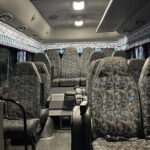
You’ll travel in an air-conditioned vehicle with bottled water, and on a hot day that matters more than you’d think. One thing to plan for: entrance tickets and meals aren’t included, and the day still involves a lot of walking in warm weather, so comfortable shoes are not optional.
In This Review
- Key Highlights at a Glance
- Private Angkor Day: 7 Hours Starting 8:30 in Siem Reap
- What You Get for $43: Guide, Car, Water, and Temple Tickets
- Bayon Temple and Angkor Thom South Gate Without the Rush
- Ta Prohm Under the Fig Trees: Ruins Left in Place
- Angkor Wat in the Afternoon: A Major Khmer Site in 3 Hours
- Where Lunch Fits When You Stay Near the Temples
- Comfort Tips for a Hot, Walk-Heavy Day
- Who This Private Tour Fits Best
- Should You Book This Temple Route?
- FAQ
- What time does the tour start?
- How long is the tour?
- Is this tour private?
- Does the price include entrance tickets?
- Are meals included?
- Is hotel pickup and drop-off included?
- What language is the guide?
- Is bottled water included?
- Is there a cancellation option?
- Are children allowed?
Key Highlights at a Glance
- Private tour flexibility so your day can move at a human pace
- Early start at Angkor Thom to catch Bayon before the heaviest rush
- English guide commentary that helps the temples make sense
- Cooling extras on the day such as cold water and cool washcloths
- Seven-hour, three-temple flow: Bayon (2 hrs), Ta Prohm (2 hrs), Angkor Wat (3 hrs)
Private Angkor Day: 7 Hours Starting 8:30 in Siem Reap
This is a private tour/activity with only your group, starting at 8:30 am. That private setup changes how the day feels. Instead of joining a long-moving pack and playing catch-up, you can keep the momentum without feeling rushed every minute. With a total duration of about 7 hours, the route is efficient but not completely sprint-like.
The tour is also designed for real-world schedules. If you only have one full day in Siem Reap, this kind of tight plan is the practical move. You cover major stops across the Angkor Archaeological Park in one shot, rather than splitting temples across multiple tours or trying to stitch together your own route.
The itinerary order matters too. Bayon and Angkor Thom come first in the morning, then Ta Prohm, and Angkor Wat later. That rhythm is about avoiding crowds and keeping your visit calmer, especially for the more “photo-stop” temples like Ta Prohm.
Other Angkor Wat temple tours we've reviewed in Siem Reap
What You Get for $43: Guide, Car, Water, and Temple Tickets
The price is $43 per person, which is a solid baseline for a private guide plus transport. You’re not just buying a ride. You’re paying for an English-speaking guide and an air-conditioned vehicle, and you’re also getting bottled water included.
From what I’ve seen make the biggest difference in hot temple days, the extra comfort is meaningful. The guide Paul, mentioned in the experience feedback, helped make the heat more manageable with cold water and cool washcloths. That may sound like a small perk until you’re in long sun exposure and realize how much better you feel after a quick cooling reset.
Now, the one budget reality: entrance tickets are not included, and meals are not included. Lunch is on your own expense, and you’ll want to plan for it. If you don’t mentally budget for tickets and food, the day can feel pricier once you arrive. The upside is that you can choose what fits you best nearby the temples rather than rushing back into town for every need.
If you’re price-sensitive, compare this against DIY plus a guide. Many people end up paying a similar total once transport, wasted time, and ticket logistics pile up. Here, the “value” is mostly in time saved and guidance that helps you enjoy the sites instead of just passing through.
Bayon Temple and Angkor Thom South Gate Without the Rush
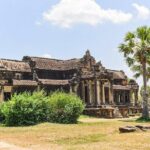
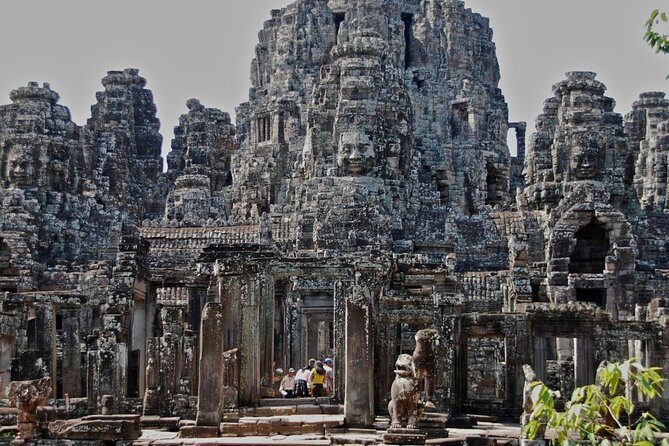
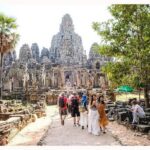
The morning starts with Bayon Temple, reached via the South Gate of Angkor Thom. This matters because Bayon isn’t just one viewpoint. You’re moving through Angkor Thom’s center area, and your guide’s commentary is the difference between seeing stone faces and understanding what you’re looking at.
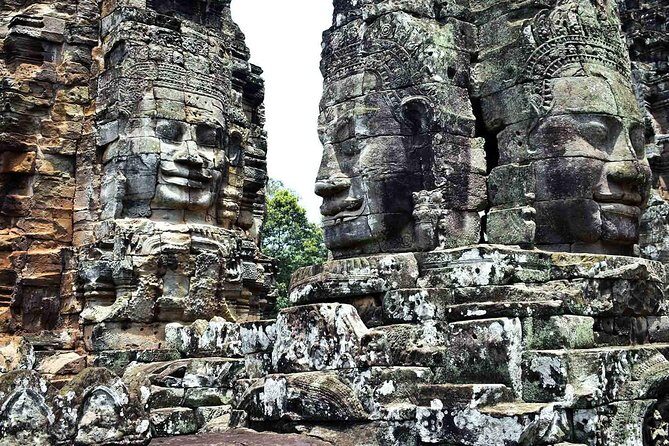
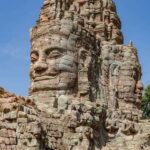
Bayon is described as having 54 towers and 216 faces of Buddhisatva Avalokesvara. That’s specific, and it gives you something concrete to watch for as you walk. Your guide’s job here is to help you orient yourself, so you don’t feel like you’re wandering through an impressive maze with no “anchor” points.
Bayon is also tied to a named ruler in the tour info: it was built by King Jayavaraman. Even if you’re not trying to memorize Khmer royal history, hearing the connection to a builder and era helps the temple feel less random. It turns your visit into a story you can follow, rather than a set of angles you take pictures of.
This stop is allotted 2 hours, which is about right for Bayon without turning it into a marathon. The morning strategy is to go early to beat crowds, and that’s what keeps the experience enjoyable instead of frantic. You’ll still walk, but you’re more likely to enjoy the details.
Possible drawback: If you’re the kind of person who hates morning starts, 8:30 am may feel early. On the flip side, that early timing is exactly what gives you a smoother Bayon experience.
Ta Prohm Under the Fig Trees: Ruins Left in Place
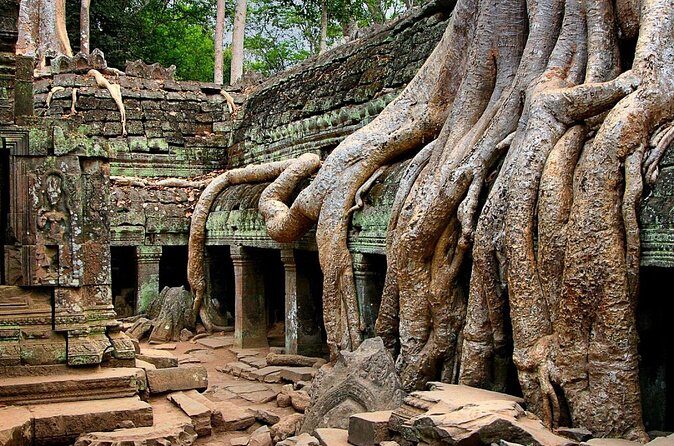
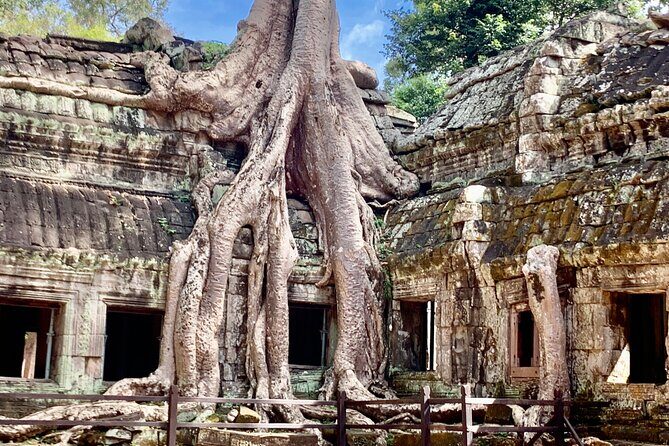
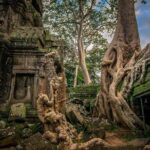
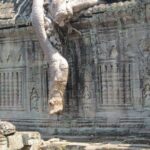
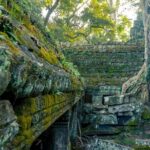
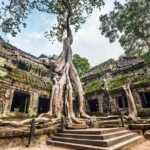
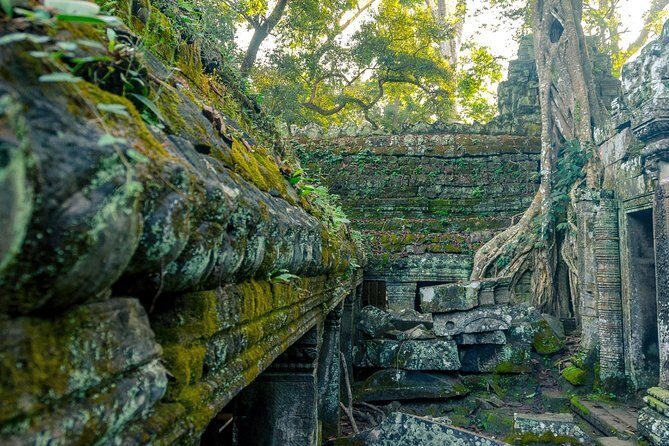
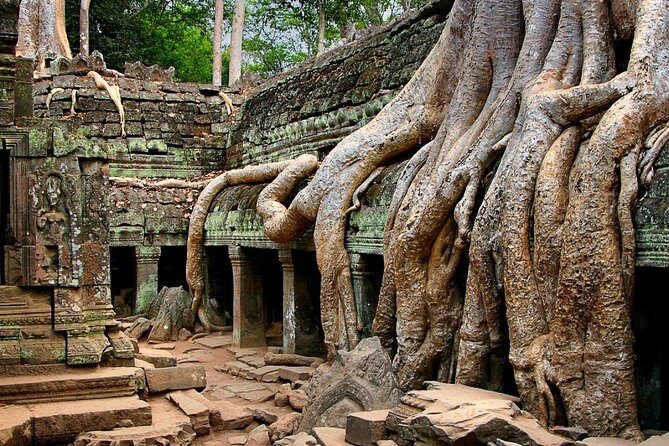
After Bayon, you move to Ta Prohm, another favorite stop because it’s a temple that feels pulled into the forest. The tour describes it as embraced by enormous fig trees, and that visual is the whole point of the visit. You’re not just looking at carvings. You’re watching roots and stone interact in a way that makes the scene feel alive.
A key detail from the tour description: Ta Prohm has been left in much the same condition in which it was found. That phrasing is useful. It tells you to expect a place that doesn’t look “cleaned up” for easy sightseeing. You’re going to see it as a working archaeological site atmosphere, not a fully restored theme-park stop.
Ta Prohm gets 2 hours. That time helps because the temple’s big feature is visual layering: you’ll want a moment to look up, then down at the ruins, then around again to catch how the fig trees frame certain angles. A guide makes this easier by pointing out what to focus on, especially if you’re not sure where to stand for the best views.
This is also the point in the day when heat can feel most intense. The included cooling support (cold water and cool washcloths) becomes more than a nice extra. If you get tired easily, plan your pace here and let your guide know if you want slower stops.
Possible drawback: Ta Prohm is visually dramatic, which means it’s also a natural place where you might feel tempted to rush. Try not to. The best experience comes from giving yourself enough time to notice how the trees shape the ruins.
Angkor Wat in the Afternoon: A Major Khmer Site in 3 Hours
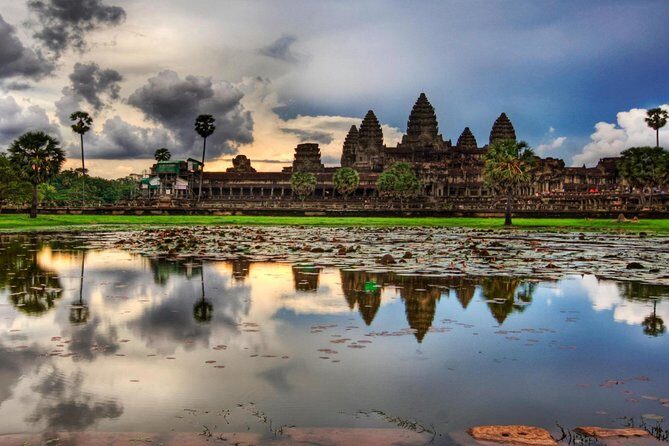
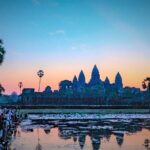
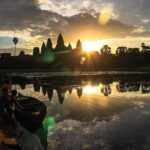
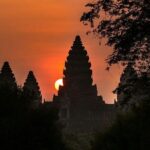
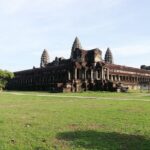
The final stop is Angkor Wat, visited in the afternoon. This temple gets 3 hours, and that’s a good amount of time if you want to do more than a quick walk-through.
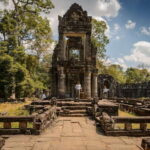
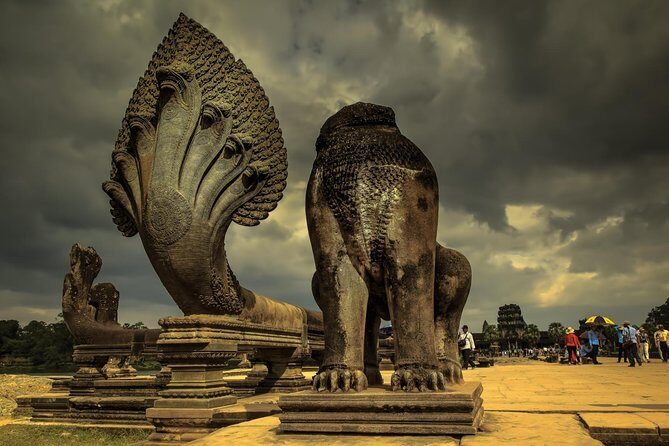
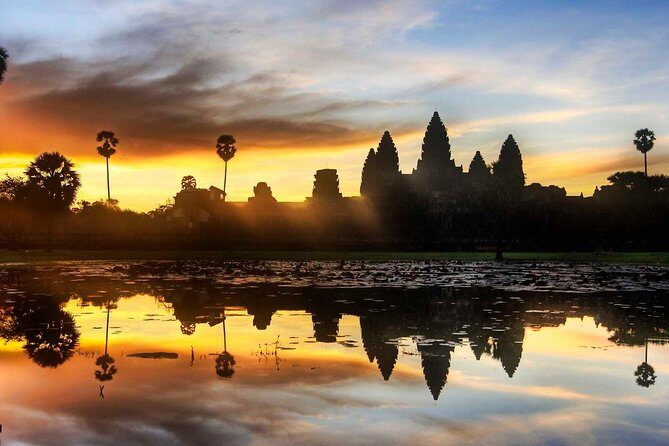
Angkor Wat is described as one of the most important archaeological sites in Southeast Asia. The tour info also names the builder and dedication: it was built by Khmer King Soryavaraman II in the early 12th century and dedicated to Vishnu. That’s the kind of detail that makes your visit feel grounded, not generic. Instead of treating Angkor Wat like a single iconic monument, you can understand it as a specific religious and historical creation.
With a longer time block here, you can slow down. Angkor Wat tends to reward lingering. If you’re into symmetry, viewpoints, and “readable” temple design, three hours gives you the chance to step back, take it in, then come closer again to focus on smaller elements.
The overview also notes you can see top attractions such as the Terrace of the Elephants during the day. Even if you’re not focused on that specific terrace, it’s a helpful signal that the tour isn’t only about standing in front of one main structure. It’s built to help you experience multiple highlights within the Angkor complex.
Possible drawback: Afternoon light can be harsh. That means you may want to manage your energy and keep hydrated. With bottled water included and cooling provided, you’re set up better than if you were traveling on your own without support.
Other Angkor Thom and Bayon tours we've reviewed in Siem Reap
Where Lunch Fits When You Stay Near the Temples
Lunch is not included, and the plan is to eat near the temples. That detail is easy to overlook, but it’s one of the most practical things about this tour.
If you’ve ever tried to visit major Angkor sites and then get back to town for a meal, you know the time cost can be brutal. Eating near the temples helps you avoid losing hours back-and-forth. It also helps you stay in the temple zone when your guide is able to keep your route moving smoothly.
Since lunch is on your own expense, you get flexibility. You can choose something quick and cool if you’re tired, or something more filling if your energy holds. The key is to not treat lunch like a “long break.” In a 7-hour temple plan, it’s best handled as a reset so you can enjoy Angkor Wat without feeling drained.
Comfort Tips for a Hot, Walk-Heavy Day
This is a walking day. The tour includes an air-conditioned vehicle, but once you reach the temples, you’re on your feet. The experience feedback strongly reinforces the same message: comfortable shoes are crucial. Expect plenty of walking, and you’ll move between different temple areas.
Heat is another real factor. The reviews highlight an attentive approach to comfort, including cold water and cool washcloths on a hot day. Even with that included, you’ll still feel the sun. Wear a hat if you use one, and keep your water routine simple: drink early, drink often.
Also, because this is a private tour, you’re more able to adjust your pace. If you need extra minutes in shade, you can ask. If you want more time for photos, you can ask. Private usually means fewer fixed moments and more control over how your group experiences each site.
One more practical detail: mobile ticket is listed as a feature. That’s convenient because you’re less likely to scramble with paper confirmations on your phone. Still, you’ll want your booking details accessible so check-in doesn’t become a headache.
Who This Private Tour Fits Best
I think this tour is a great match for three kinds of travelers.
First, it’s ideal if you have limited time in Siem Reap and want the major temples covered in a single day. Bayon, Ta Prohm, and Angkor Wat are the core trio for most first-timers, and the day is structured around seeing them without skipping.
Second, it’s a smart choice if you want the value of a guide without feeling locked into rigid group pacing. With only your group participating, you can move at a comfortable rhythm and rely on your English guide for orientation and temple context.
Third, if you’re sensitive to heat and long commutes, the combination of hotel pickup/drop-off, air-conditioned transport, and cooling extras helps you feel cared for. It doesn’t remove the fact that you’ll walk a lot, but it reduces friction.
If you’re the type who loves total freedom and hates schedules, you might find a guided route less flexible than going entirely on your own. But for most people, the time saved and the way the stops connect is worth it.
Should You Book This Temple Route?
Book it if you want an efficient one-day plan that covers Bayon, Ta Prohm, and Angkor Wat with private convenience. The early start at Angkor Thom is a big plus, especially if you prefer a calmer visit. You also get real comfort support for heat, like cool washcloths, and an English guide who helps you understand what you’re seeing.
Hold off if you already have entrance tickets and meals handled in a way that makes you feel confident organizing everything yourself. Also, if you can’t do mornings and don’t like walking in warm weather, this route may feel like too much packed into one day.
FAQ
What time does the tour start?
The tour starts at 8:30 am.
How long is the tour?
The duration is approximately 7 hours.
Is this tour private?
Yes. It’s described as a private tour/activity with only your group participating.
Does the price include entrance tickets?
No. All entrance ticket fees are not included.
Are meals included?
No. Meals (breakfast, lunch, and dinner) are not included. Lunch is typically planned near the temples and is at your own expense.
Is hotel pickup and drop-off included?
Yes. Hotel pickup and drop-off are provided.
What language is the guide?
The tour includes an English tour guide.
Is bottled water included?
Yes. Bottled water is included.
Is there a cancellation option?
Yes. There is free cancellation, and you can cancel up to 24 hours in advance for a full refund.
Are children allowed?
Children must be accompanied by an adult. The tour also says most travelers can participate.