REVIEW · SIEM REAP
Siem Reap Angkor Wat Sunrise Explore The Most Iconic Temples
Book on GetYourGuide →Operated by Khmer Bookingcom · Bookable on GetYourGuide
Sunrise at Angkor feels like a reset button. This 8-hour tour hits the main icons with an early start, plus a smart route that gives you Angkor Wat in soft morning light before the busiest wave arrives. Along the way, you also get variety: wide-open Angkor Wat, a calm monastery at Banteay Kdei, and the jungle-drama of Ta Prohm.
I especially like the sunrise timing and the photo advantage of the western entrance into Angkor Wat, which helps you see the reflections in the moat without fighting the biggest crowds. I also really enjoyed how the English guide, including Noun (who’s been praised for being insightful), points out where to stand and how to read what you’re looking at—so you’re not just ticking off temples.
The one thing I’d plan around is group size and pace. On some days the tour can run with a large crowd (around 40 people), and with one guide handling everyone, it can feel a bit less personal and more about keeping the group moving.
In This Review
- Key highlights worth waking up for
- Why this temple circuit works: 5 stops, one great flow
- Pickup at 4:20–5:15am: what that early start buys you
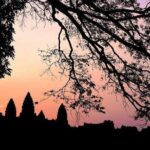
- Angkor Wat sunrise: the iconic moment and how to enjoy it
- Sunrise photo time, before the crowd wave
- Inside Angkor Wat: Hindu beginnings, later Buddhist use
- Banteay Kdei: the calmer stop that makes the day feel worth it
- Ta Prohm: the jungle temple moment (and what to watch for)
- Bayon Temple: 54 towers and the face game
- Tonle Om Gate: the big entrance that finishes the day cleanly
- Price and value: $13 is cheap, but plan for the extras
- The tour’s biggest strengths (what you’ll likely remember)
- Possible drawbacks to take seriously
- Who this tour is best for
- Should you book this tour? My straight answer
- FAQ
- FAQ
- What’s the duration of the Siem Reap Angkor Wat sunrise tour?
- What time is pickup in Siem Reap City?
- How much does the tour cost?
- What’s included in the price?
- What’s not included?
- Do I need to buy the temple ticket before entering?
- Which temples are included in the itinerary?
- Is free cancellation available?
Key highlights worth waking up for
- Pre-dawn pickup in Siem Reap so you’re already moving before sunrise
- Angkor Wat sunrise with photo time before the main rush
- Banteay Kdei calm and quiet compared to the headline temples
- Ta Prohm jungle effect with huge tree roots over the stones
- Bayon’s 200+ stone faces across 54 towers in Angkor Thom
- Tonle Om Gate photo stop with statues of gods and demons
Why this temple circuit works: 5 stops, one great flow
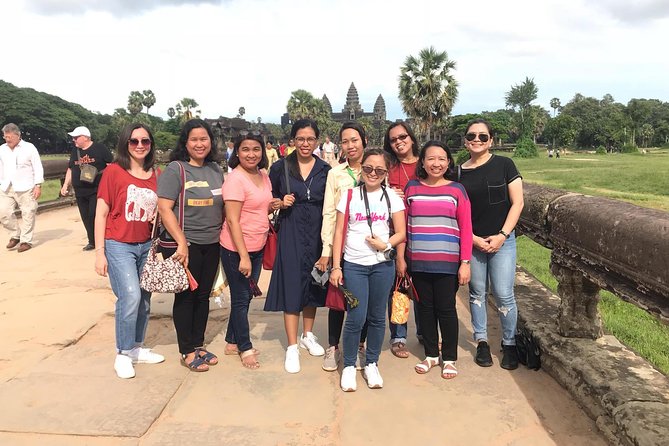
This tour is built for people who want the headline experience without spending your whole day figuring out logistics. You start early, travel to the Angkor Archaeological Park by air-conditioned minibus, then you rotate through temples that feel different from each other. That contrast is the secret sauce. Angkor Wat is grand and orderly. Banteay Kdei feels softer and more worn. Ta Prohm is chaotic and cinematic. Bayon is intense and human. And Tonle Om Gate brings you back to the big entrance drama of Angkor Thom.
Also, the tour includes transportation, an English-speaking guide, and drinking water. The base price is low for a full morning and noon window, especially when you consider that you’d still pay for transport and a guide if you did it on your own. The entrance tickets and meals are extra, so your cost is really split into two parts.
Other Angkor Wat sunrise tours we've reviewed in Siem Reap
Pickup at 4:20–5:15am: what that early start buys you
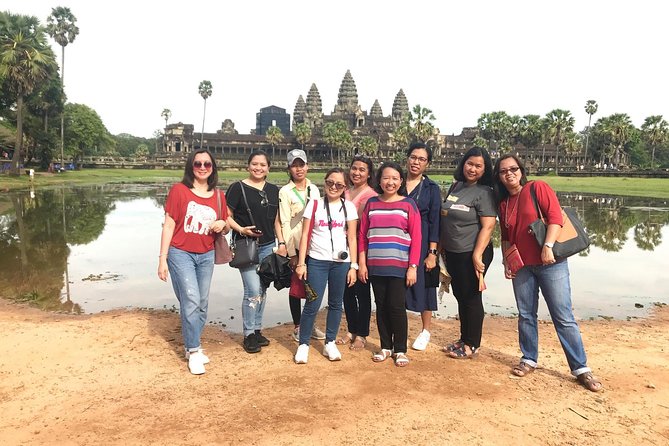
The tour starts with hotel pickup in Siem Reap City between 4:20am and 5:15am. You’re driven for about one hour to the Angkor area, and the day finishes back in Siem Reap between 12:00pm and 1:00pm.
That early schedule matters because sunrise at Angkor Wat is not the same experience at 7:30am as it is at first light. The tour is timed so you can reach the site for the sunrise moment and get photography done while it’s still quieter. It’s not just about the sky. It’s the way the stone looks before the heat kicks in.
Practical note: this schedule can be tiring if you’re staying somewhere far from the pickup zone or if you’re not used to very early mornings. But for Angkor, most of the magic is in getting there first.
Angkor Wat sunrise: the iconic moment and how to enjoy it
Sunrise photo time, before the crowd wave
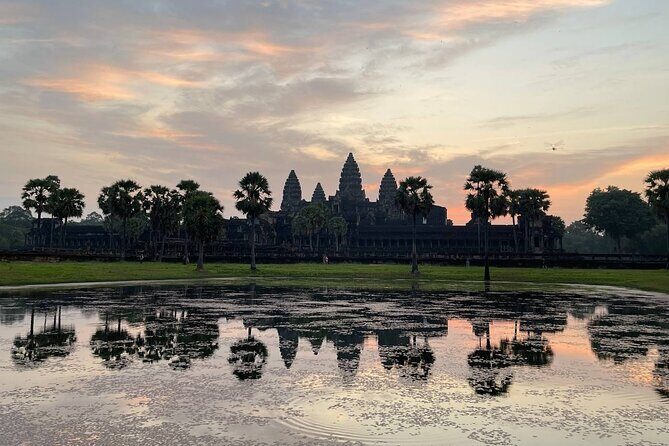
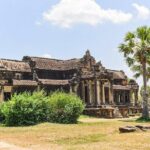
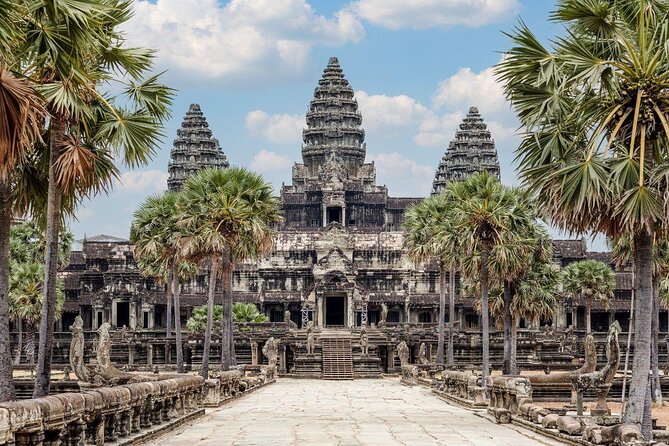
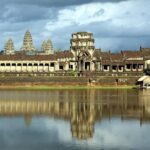
Your first major stop is Angkor Wat, where the tour focuses on sunrise plus time for photos. You’ll purchase temple tickets on site first (tickets are not included in the price), then you head in through the western entrance for that early viewing setup.
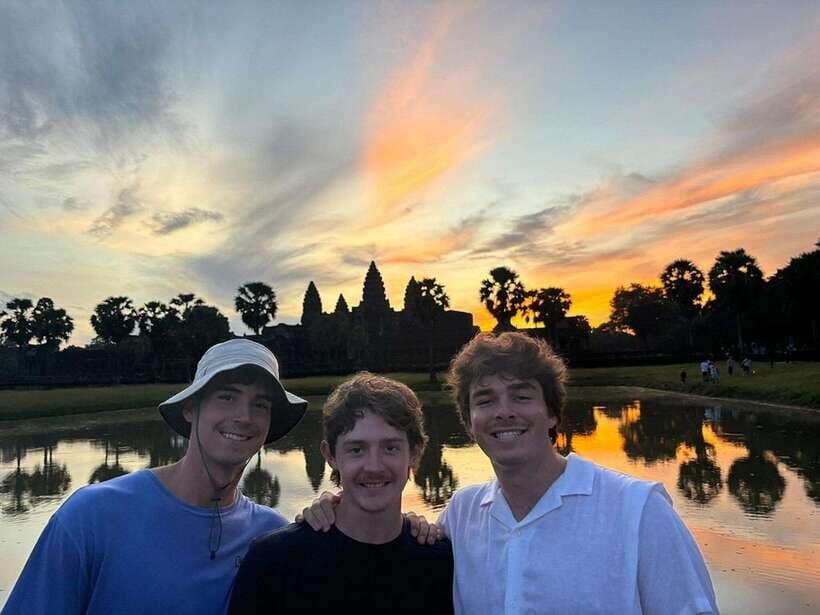
Why I like this approach: sunrise at Angkor Wat isn’t just a viewpoint. The temple’s towers and the moat create that classic reflection effect, and seeing it before the busiest groups arrive makes your photos easier and your sightseeing less stressful. If you’ve ever been to a big famous monument later in the day, you know how quickly everything becomes crowded and frantic. This timing helps you avoid that feeling.
Inside Angkor Wat: Hindu beginnings, later Buddhist use
After sunrise, you go inside Angkor Wat for a guided visit. The temple began as a Hindu temple dedicated to Vishnu, then later became a Buddhist site. That change helps you read the carvings and spaces with more context than just guessing what everything means.
What to look for during your walk:
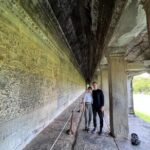
- The grand galleries that guide your eye along long stretches of stone
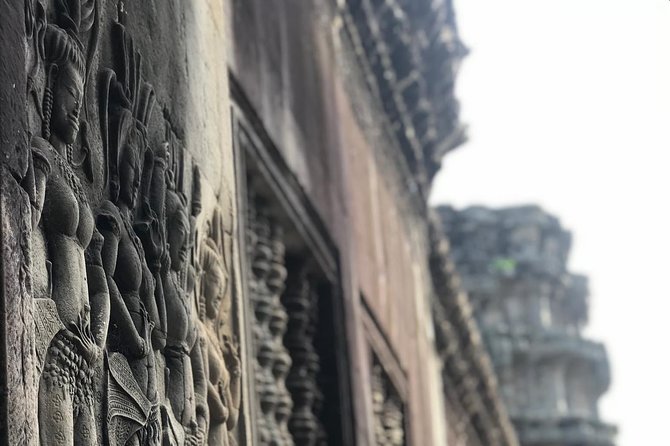
- Intricate bas-reliefs showing Hindu mythology
- The sense of movement toward the central sanctuary, where the design feels intentional and layered
Even if you don’t consider yourself a history person, the architecture is easy to appreciate: it’s designed to slow you down, make you look closely, and understand the temple as a structured experience rather than random ruins.
Other Angkor Wat temple tours we've reviewed in Siem Reap
Banteay Kdei: the calmer stop that makes the day feel worth it
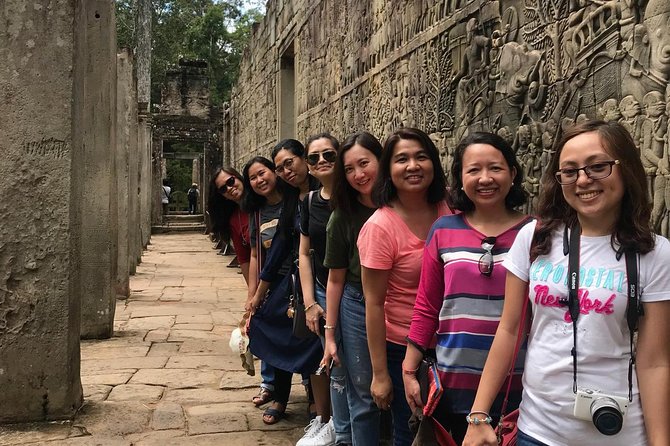
Banteay Kdei comes next for about an hour, including a short guided walk and photo time. It’s often less crowded than the bigger names, and the tour’s placement is smart because it gives you a break after the most famous site.
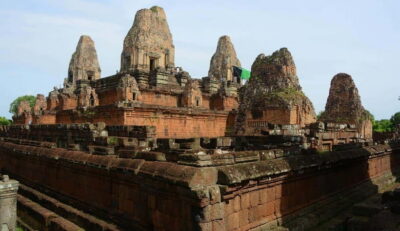
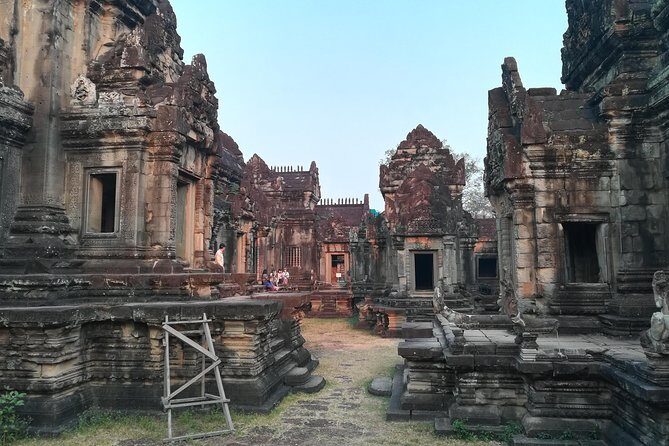
Banteay Kdei means Citadel of Chambers, and it was built in the late 12th century as a Buddhist monastery. The tour highlights the serene corridors and unique carvings, plus the fact that it’s partially in ruins. That matters because ruins change the atmosphere. The slower you move here, the more you notice textures and details that you miss when you’re rushing.
A small drawback: because it’s quieter, you’ll get more from Banteay Kdei if you pay attention to what the guide points out. If you’re the type who only likes big iconic spots, you might view this as a filler hour. But if you enjoy atmosphere and stonework, this stop is a real payoff.
Ta Prohm: the jungle temple moment (and what to watch for)
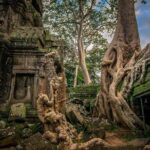
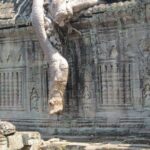
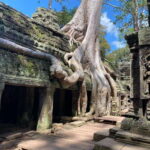
Then you head to Ta Prohm for about 1.5 hours. This is the temple famous for massive tree roots wrapping over the ruins. It’s one of those places where the stones feel alive, like the forest never stopped growing.
You’ll also hear why it became world-famous: it was featured in the movie Tomb Raider starring Angelina Jolie. Even if you don’t care about the film, the roots are worth it on their own. Ta Prohm has that “left alone on purpose” quality, described as a jungle temple effect because the site has been left largely unrestored.
How to enjoy it without getting overwhelmed:
- Look up often. The roots are dramatic overhead.
- Take a few minutes to notice the contrast between carved stone and living growth.
- Keep an eye on your footing; the ground can be uneven and you’ll be walking more than standing still.
This is also one of the best places to accept that you can’t see everything perfectly. Ta Prohm is about the feeling and the visuals, not checking every carving.
Bayon Temple: 54 towers and the face game
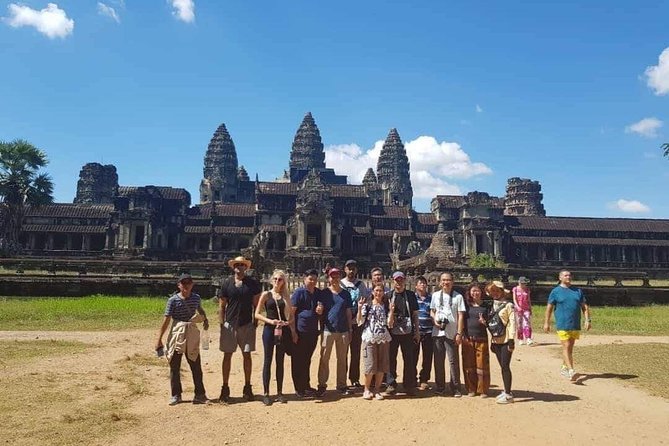
Next is Bayon Temple, located in the center of Angkor Thom. The tour spends about 1.5 hours here, with guided viewing and walking.
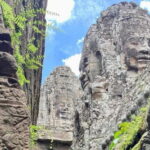
Bayon is known for the 200+ stone faces on 54 towers. The faces are the kind of visual you can’t ignore: serene expressions, repeated angles, and a sense that you’re being watched from multiple directions. The guide also points out that the temple includes carvings showing scenes of daily life and historical battles.
What you’ll likely feel here: Bayon is more crowded in mood than Banteay Kdei. You’re drawn to the faces again and again, and it’s easy to spend time just looking rather than moving. That’s not a bad problem. Bayon is one of those stops where slowing down helps you notice variations in expression and placement.
A practical tip: plan for stairs and uneven surfaces. You’ll get moments where you’re on lower ground, then suddenly higher viewpoints appear. The best photos usually come after you climb a bit and realize the faces align better from that angle.
Tonle Om Gate: the big entrance that finishes the day cleanly
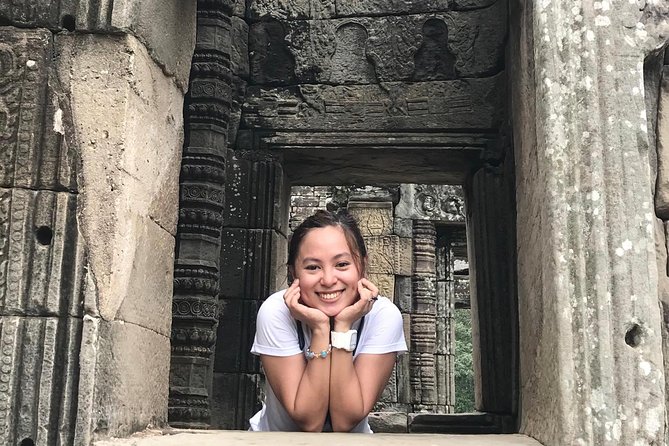
Your final temple stop is Tonle Om Gate (South Gate of Angkor Thom) for about 30 minutes. It’s crowned with four giant stone faces, similar in style to the faces at Bayon. The causeway leading up to the gate is lined with statues of gods and demons, which gives you that classic Angkor entrance theater.
Why I like ending here: it’s a “wrap-up” view. You’ve been walking through temples with a lot of stone detail and symbolism, and then Tonle Om Gate gives you a full-frame composition that feels like a conclusion. It also works well for photos because you’re coming off the most intense face-focused stop and your eyes get a breather.
After this, it’s back on the minibus for about 30 minutes to return to Siem Reap.
Price and value: $13 is cheap, but plan for the extras
At $13 per person for an 8-hour guided experience, this tour is good value—especially because the essentials are included: air-conditioned transport, English guide, drinking water, and hotel pickup and drop-off.
But you should budget for what’s not included:
- Temple ticket (paid separately)
- Meal (not provided)
So the real question isn’t just the $13. It’s whether you want a structured, guided day versus planning your own route. If you’re short on time in Siem Reap or you want someone to help you read what you’re seeing, the value is stronger. If you’re traveling with a flexible plan and you love figuring things out yourself, you might spend less overall by doing it independently. Still, sunrise at Angkor Wat is one of those times where having a ready schedule can save you headaches.
The tour’s biggest strengths (what you’ll likely remember)
- Sunrise at Angkor Wat with time to photograph and enjoy the reflections.
- A guided sequence that moves from grand to quiet to wild to face-filled to gate-drama.
- The option to experience Angkor Wat through the western entrance for a smoother sunrise setup.
- The balance between headline stops (Angkor Wat, Ta Prohm, Bayon) and a calmer contrast stop (Banteay Kdei).
- Consistent guide quality: names like Noun show up in praise for insight and picture help.
Possible drawbacks to take seriously
- Group size and pace can vary, and on some days it may feel large (around 40 people). With one guide coordinating, you might not get one-on-one attention.
- You start very early. If you’re not a morning person, plan for the fatigue.
- No meal is included. The tour runs until around midday, so you’ll want a plan for food after you’re back.
None of these are dealbreakers. They’re just the kinds of factors that decide whether you enjoy the day or feel rushed.
Who this tour is best for
This is a strong fit if you:
- Want the major Angkor temples in one morning
- Like the idea of sunrise and photos before the busiest crowds
- Prefer a guide who can help you understand what you’re looking at
- Want air-conditioned transport and a clear plan without thinking too hard
It may be less ideal if you:
- Want a small group experience with lots of flexibility
- Plan to spend long hours lingering at each temple without a schedule
- Are extremely sensitive to early starts
Should you book this tour? My straight answer
I’d book it if your priority is sunrise at Angkor Wat plus a clean circuit through the most iconic nearby temples without stress. The price is low for what you get, and the itinerary includes a nice mix: calm Banteay Kdei and the dramatic jungle feel of Ta Prohm, not just the biggest names back-to-back.
If you can only handle large groups or you need lots of downtime, I’d think twice. In that case, you might want a smaller-group sunrise option or plan a more flexible route. For most visitors, though, this is a practical way to get the best of Angkor in one day.
FAQ
FAQ
What’s the duration of the Siem Reap Angkor Wat sunrise tour?
The tour lasts about 8 hours, with pickup in the early morning and a return to your area between 12:00pm and 1:00pm.
What time is pickup in Siem Reap City?
Hotel pickup happens between 4:20am and 5:15am.
How much does the tour cost?
The price is $13 per person.
What’s included in the price?
You get an English-speaking tour guide, air-conditioned transportation, drinking water, and hotel pickup and drop-off.
What’s not included?
You’ll pay separately for temple tickets, and meals are not included.
Do I need to buy the temple ticket before entering?
Yes. You’ll purchase your entrance tickets at the start of the visit before going into the temples.
Which temples are included in the itinerary?
The itinerary includes Angkor Wat, Banteay Kdei, Ta Prohm, Bayon Temple, and Tonle Om Gate (South Gate of Angkor Thom).
Is free cancellation available?
Yes, you can cancel up to 24 hours in advance for a full refund.
If you want, tell me your travel dates and whether you care more about photos, less walking, or deeper explanations, and I’ll help you decide if this timing and group style matches your style.