REVIEW · SIEM REAP
Angkor Wat: 2-Day Sunrise and Floating Village Tour
Book on GetYourGuide →Operated by Angkor Wat Travel Tour · Bookable on GetYourGuide
Angkor Wat at sunrise has a way of resetting your whole trip. This small-group 2-day tour mixes iconic Khmer temples with real daily life on Tonle Sap, guided in English by people who make the stories stick.
What I like most is the way it balances big set-piece sights with quieter temple corners, and it actually keeps the group together—no wandering off and guessing. I also really appreciate the care you get between stops, including cold water and cold towels after temple visits.
One thing to plan for: the schedule is early and runs rain or shine, so you’ll want to dress for hot, humid mornings and sudden downpours.
In This Review
- Key moments that make this tour work
- Angkor Wat Sunrise: how the early start pays off
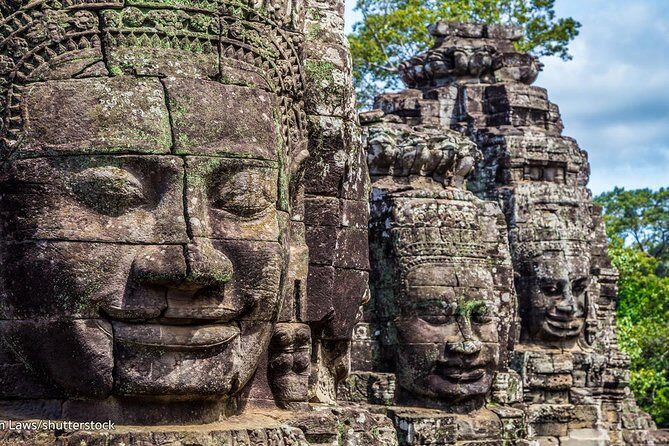
- Angkor Thom’s South Gate, Bayon, and Baphoun: the stone story explained
- Elephant Terrace and Leper King: when details slow you down
- Ta Prohm and Banteay Kdei: the day’s final temple stretch
- Tonle Sap Lake and the floating village: daily life above the water
- Mangroves by boat, optional flooded-forest experience, and sunset realism
- Price and what your $49 really includes
- Who this tour suits best in Siem Reap
- Should you book this Angkor Wat sunrise + Tonle Sap tour?
- FAQ
- What is the duration of the tour?
- Is hotel pickup and drop-off included?
- What does the price include?
- Are entrance tickets and food included?
- How big is the group?
- Does the tour run in bad weather?
- Is the floating-forest portion on Day 2 mandatory?
- FAQ
- Is the sunset on Day 2 always guaranteed to look clear?
- Who should not book this tour?
- Should you book this Angkor Wat sunrise + Tonle Sap tour?
Key moments that make this tour work
- Sunrise timing at Angkor Wat so you can see the temple complex in its best early light
- South Gate of Angkor Thom + Bayon and Baphoun with an English guide to explain what you’re seeing
- Photo help and group control from guides who handle questions and keep everyone together (and even take pictures)
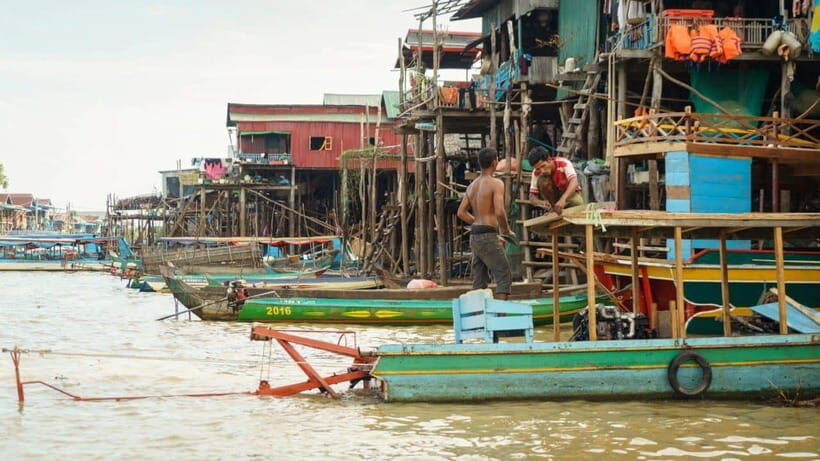
- Tonle Sap floating village by boat plus stilt homes, a floating hospital, and local fishing life
- Mangrove forest and optional flooded-forest walk with nature sightings depending on conditions
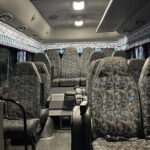
- Comfort between stops: air-conditioned transport, cold towels, and water when you need it most
Angkor Wat Sunrise: how the early start pays off
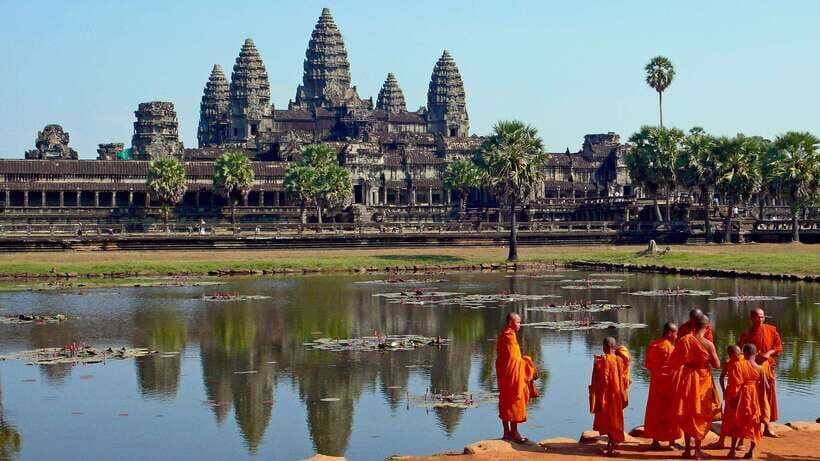
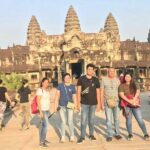
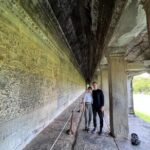
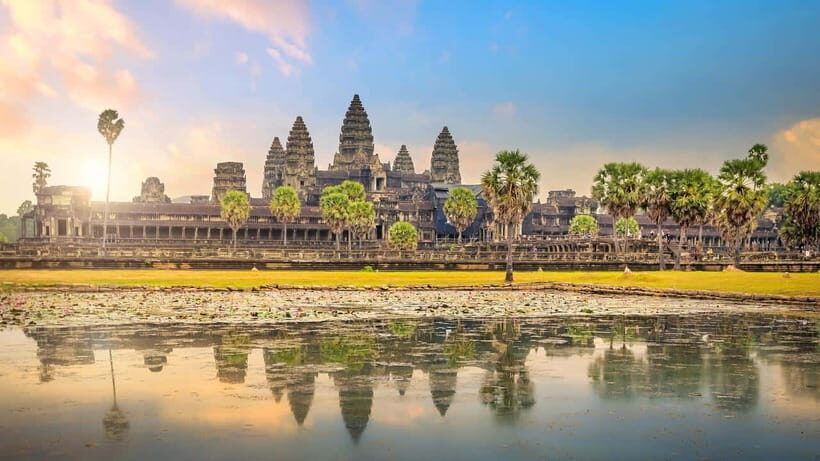
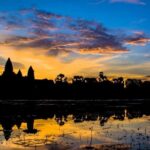
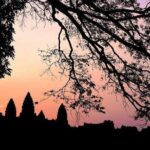
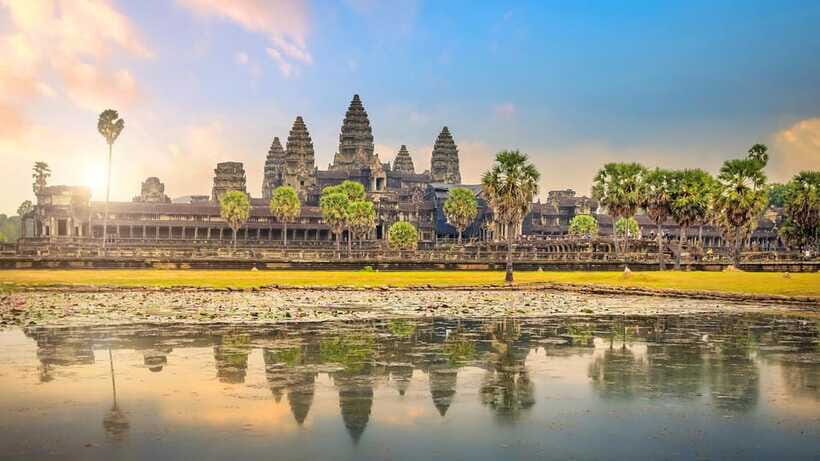
The tour begins with an early pickup from Siem Reap, then heads straight to Angkor Wat for sunrise. That first light matters here. The stones look different when the sky is still changing, and you get a sense of the place before the crowds fully swell.
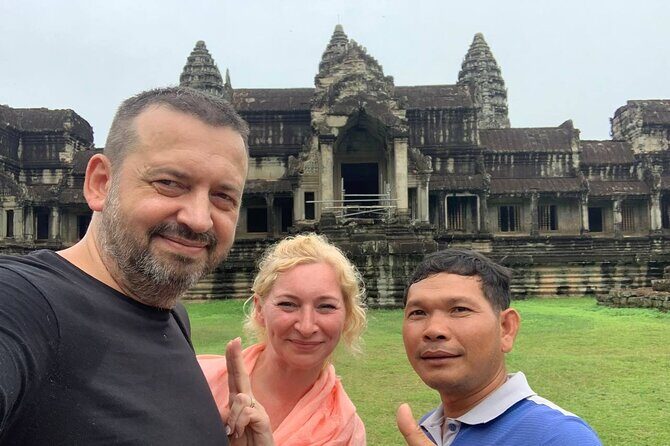
You’ll then move through Angkor Wat’s area with time to look, not just pose. A big part of why this works is the guide’s pacing. In the reviews, guides like Sen (also seen as Sen Prourng) and others such as Mr. T / Tear are praised for clear explanations, plus humor and photo advice. That combination is useful. You’re not only hearing temple facts—you’re learning what to notice as you stand there.
Bring practical basics: comfortable shoes (the grounds can be uneven), a hat (sun comes fast), and a camera. If you’re sensitive to heat, plan for mornings that start cool-ish and turn warm quickly. One review even points out humid weather being handled well, which tells me the tour is built to keep you going without losing the storyline.
Other Angkor Wat sunrise tours we've reviewed in Siem Reap
Angkor Thom’s South Gate, Bayon, and Baphoun: the stone story explained
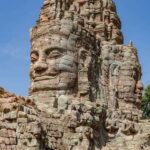
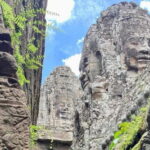
After sunrise, you head to Angkor Thom’s South Gate, then on to major sights like Bayon and Baphoun. This is where a good guide earns their fee. Bayon is famous for its faces, but without context it can turn into a lot of staring. With an English-speaking guide, you get the historical and cultural background that helps those carvings mean something.
Expect more than just facts, too. Several reviews highlight guides using illustrations, keeping the group organized, and answering questions with real depth. That matters because temples raise questions fast: What am I looking at? Why this layout? What changed over time?
Also, the tour keeps momentum. Lunch comes before the next chunk of sights, so you’re not forced to rush through every stop while hungry. That balance is part of the value: you get intensity without losing basic comfort.
Elephant Terrace and Leper King: when details slow you down
After lunch, you visit the Terrace of the Elephant and the Terrace of the Leper King. These terraces are easy to underappreciate if you treat them like quick photo stops. The carvings and layout deserve a pause, and that’s exactly what you can get on a guided route.
The guide’s role here is important. They’ll point out what’s worth seeing and connect it to how Khmer architecture and royal symbolism worked. Even if you’re not a temple-nerd, these terraces can feel different once someone explains the intention behind them.
This is also a good moment to think about pacing in your own head. If you want a few longer stops for close-up viewing, ask. Reviews mention guides being willing to help with photos from the best angles and answering questions, and that’s the kind of flexibility that makes the day feel personal instead of factory-run.
Ta Prohm and Banteay Kdei: the day’s final temple stretch
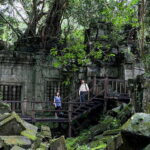
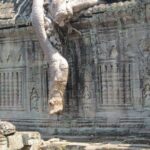
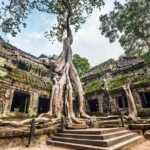
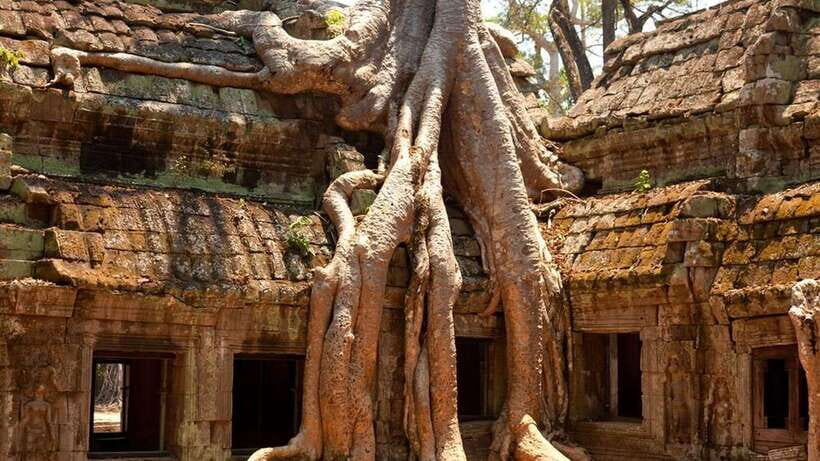
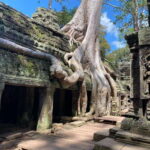
Next up is Ta Prohm, the temple where trees and roots interact with the ruins in a way that looks almost staged—until you realize it’s just time and nature doing their work. Then you continue to Banteay Kdei on the way back.
Ta Prohm is the type of place people love for atmosphere, but it can also feel crowded and chaotic if you’re not guided on where to stand and when to move. Here’s where having a guide who understands crowd flow and photo timing helps. One review specifically calls out that the guide knew the best photo spots away from bigger crowds.
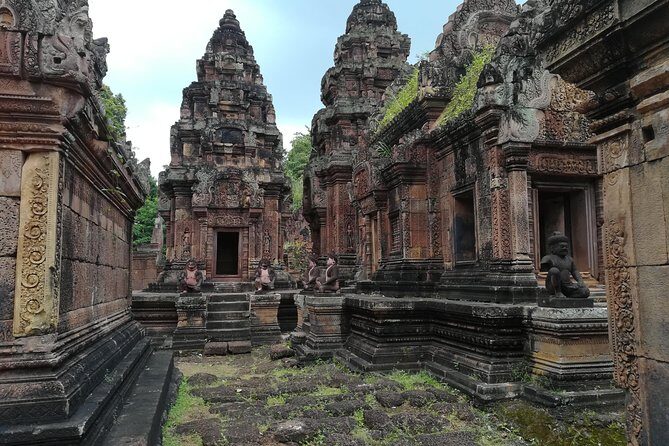
Banteay Kdei is a nice follow-up because it shifts you from the famous visual chaos of Ta Prohm to a more grounded temple mood. The combo gives you contrast across the day, which keeps it from feeling like the same style of photo over and over.
Between temples, you’ll get cold water and wet wipes/cold towels (not just once at the start). That kind of refresh is more than comfort. It helps you stay present and not just survive the heat.
Tonle Sap Lake and the floating village: daily life above the water
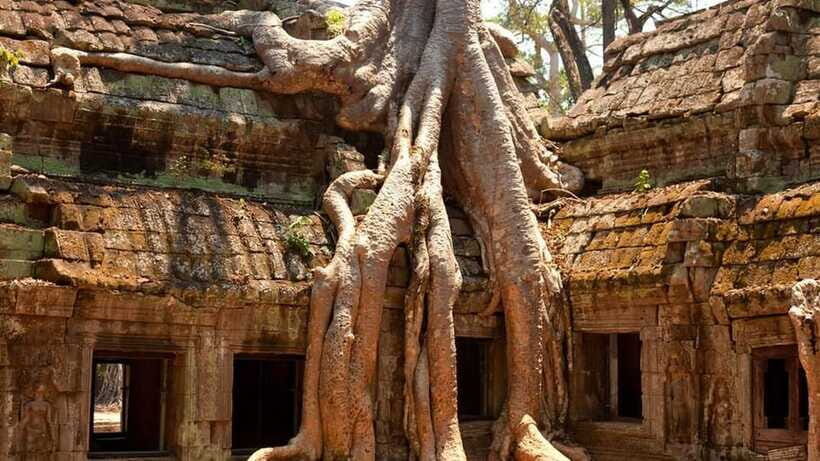
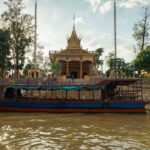
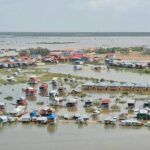
Day 2 is where the tour changes gears, and it’s a strong move. You go to Tonle Sap Lake, the biggest freshwater lake in Southeast Asia, then travel to the floating village.
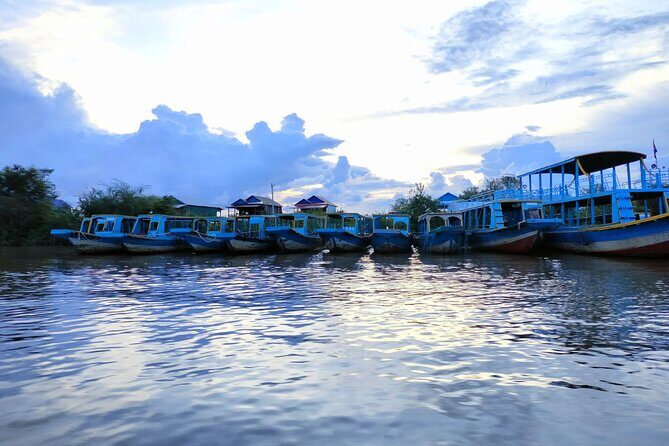
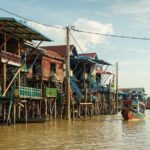
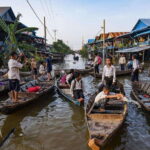
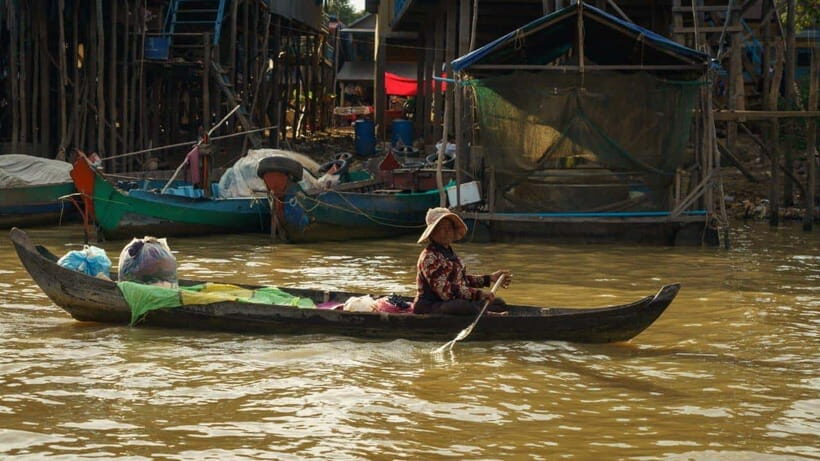
Here’s what you’re looking for: stilted houses, a floating hospital, fishery activity, and the surrounding mangrove forest environment. This part of the tour isn’t just scenery. It’s a snapshot of how livelihoods adapt when the water level changes.
A guide’s storytelling really matters on this day. Reviews describe guides like Andrea (also seen as Indrea) and Teah / Tear focusing on local history and also how social life and agriculture link to the lake economy. If you want the “why” behind what you see, this is where you’ll get it.
You’ll also spend time on a 2-hour boat trip, which is the right length to feel like you’re actually on the lake, not just passing by the edges. Boat time can be bumpy and bright, so keep sunscreen and a hat in mind even if the morning starts cloudy.
Other Angkor Wat temple tours we've reviewed in Siem Reap
Mangroves by boat, optional flooded-forest experience, and sunset realism
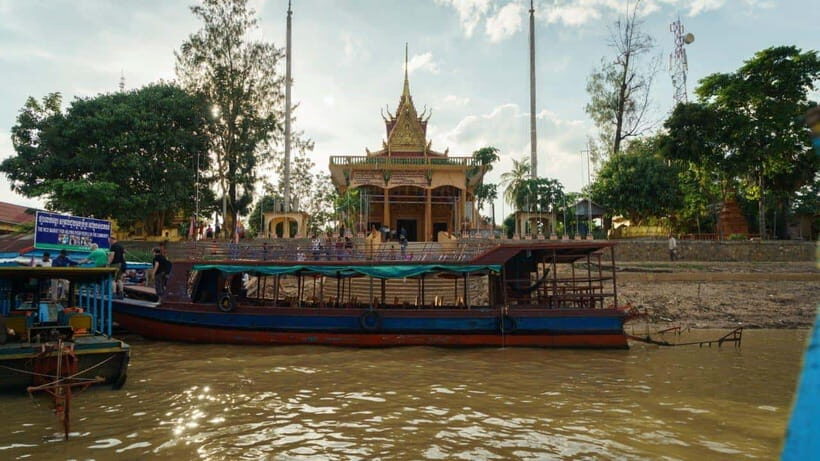
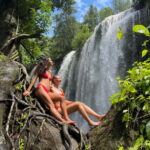
After the floating village, the tour heads into the Mangrove Forest area. There’s an optional mini tour through flooded mangroves, where you can see local plants and wildlife conditions from the water.
This is one of those parts where the word optional is key. If the flooded areas are accessible, you’ll likely come away with a different kind of Angkor contrast: less stone, more ecology and movement. If conditions limit it, you still get the main lake experience.
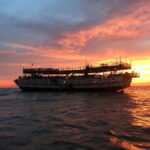
Then comes sunset over the lake. This is where you should keep expectations flexible. One review notes that during monsoon season, sunset enjoyment can be affected by weather. Since the tour runs rain or shine, you might still reach the viewpoint, but cloud cover can change the drama. Bring a light rain layer anyway, because comfort helps you enjoy whatever the sky gives you.
Price and what your $49 really includes
At $49 per person for a 2-day combo, the big value isn’t the temples themselves—it’s the logistics you don’t want to manage alone.
What’s included:
- Air-conditioned vehicle
- English-speaking tour guide
- Cold water and cold towel
- Boat trip (2 hours)
- Hotel pickup and drop off in Siem Reap city area
- Hotel pickup process: wait about 10 minutes in the lobby; the driver holds a sign with your last name
What’s not included:
- Entrance tickets
- Food
That split changes how you plan meals. The tour includes lunch on Day 1, but food isn’t otherwise covered. Plan on budgeting for snacks or meals, especially on Day 2.
Also, the transport quality matters. Reviews highlight a strong track record for the ride (94% of reviewers gave transport a perfect score). On a schedule with an early start and multiple temple stops, that’s not a minor detail—it directly affects how good the day feels.
Who this tour suits best in Siem Reap
This is a solid fit if you want:
- A small group experience (limited to 10 participants), which makes it easier to ask questions and get photo help
- An English guide who explains Khmer temple meaning, not just names of places
- Two days that cover both the famous ruins and the Tonle Sap living landscape
It’s not for everyone. The tour data says it’s not suitable for pregnant women and wheelchair users, so plan accordingly if mobility needs are a factor.
If you’re short on time in Siem Reap, this kind of 2-day structure is practical. You cover major Angkor sights plus Tonle Sap in one package, without trying to stitch together separate day trips.
If you hate early mornings, consider whether sunrise is worth the wake-up call. In this case, it is a central part of the appeal, and the guide-led route helps you get meaning from it—not just an early bus and a quick look.
Should you book this Angkor Wat sunrise + Tonle Sap tour?
Book it if you want a guided, small-group run that pairs sunrise Angkor Wat with Tonle Sap floating village and includes comfort touches like cold water and towels plus a full 2-hour boat trip. The guide quality stands out in the details—humor, clear explanations, and photo support are repeatedly mentioned.
Consider choosing carefully if you’re traveling in rough weather seasons or if you’re expecting a guaranteed picture-perfect sunset. The tour operates in rain or shine, so plan for variable skies on Day 2.
If this fits your pace and mobility needs, it’s a strong value way to see two very different sides of Cambodia in just 2 days.
FAQ
What is the duration of the tour?
The tour runs for 2 days.
Is hotel pickup and drop-off included?
Yes. Hotel pickup and drop-off in the Siem Reap city area are included. You’ll wait about 10 minutes in the hotel lobby, and the driver holds a sign with your last name.
What does the price include?
The price includes an air-conditioned vehicle, an English-speaking tour guide, cold water and a cold towel, a 2-hour boat trip, and hotel pickup and drop-off.
Are entrance tickets and food included?
No. Entrance tickets and food are not included.
How big is the group?
It’s a small group, limited to 10 participants.
Does the tour run in bad weather?
Yes. The tour happens rain or shine.
Is the floating-forest portion on Day 2 mandatory?
No. The flooded mangroves forest mini tour is optional.
FAQ
Is the sunset on Day 2 always guaranteed to look clear?
The tour includes a sunset over the lake. Weather can affect what you see since the activity runs rain or shine.
Who should not book this tour?
The tour data lists it as not suitable for pregnant women and wheelchair users.
Should you book this Angkor Wat sunrise + Tonle Sap tour?
Book it if you want a well-structured 2-day package that saves you from planning transport, finding routes, and managing a long day alone—while still giving you real time with guides at key temples and on Tonle Sap. If you can handle an early start and come prepared for sun and rain, the mix of Angkor Wat sunrise, Angkor Thom temples, and the Tonle Sap floating village is a very efficient use of your time in Siem Reap.