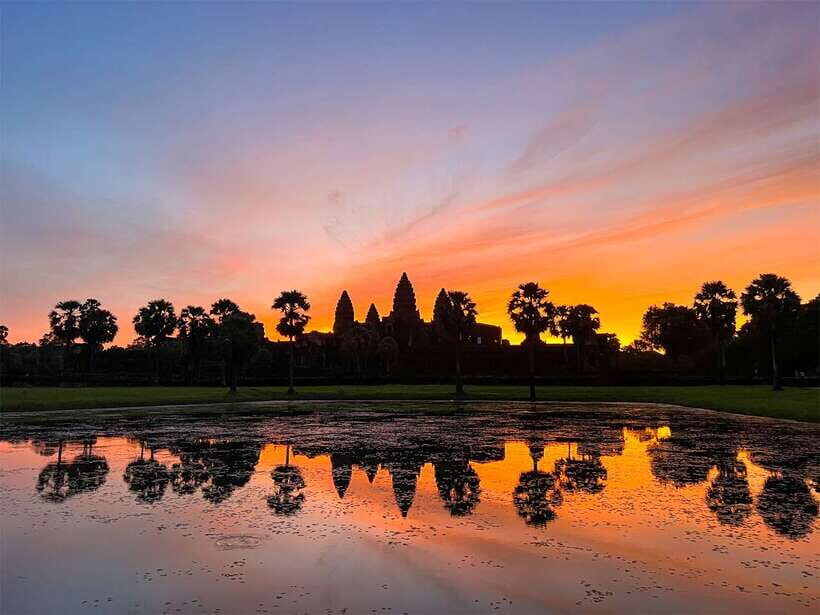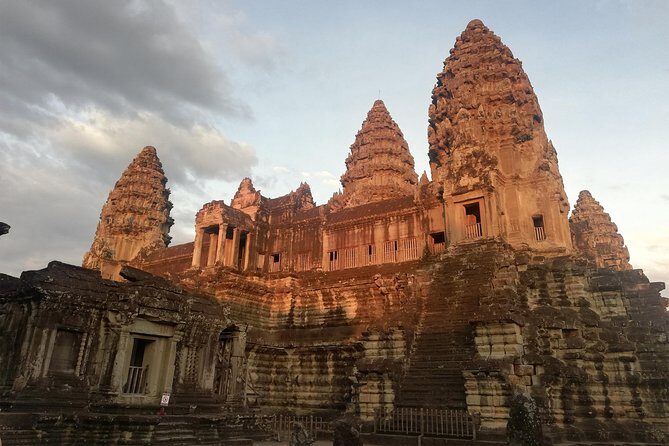
Twilight on two wheels beats plain sightseeing. This 3pm ride takes you out past Siem Reap’s usual sights and into everyday village life, ending with lotus farm drinks as the light turns soft. You’ll see how people grow food, run small market stalls, and keep faith spaces at the center of daily routines.
I really like two things here. First, the small group feel (max 12) makes it easy to chat and get pulled into real street-level moments, from quick greetings to kids waving from doorways. Second, the guide named Phoeun Phoeut, also known as Thom, helps the stops click into place so you understand what you’re seeing, not just where you’re going.
One drawback to plan around: the ride runs close to sunset, and the tour depends on good weather. If you dislike cycling in the late day heat and light, you’ll want to think twice.
In This Review
- Key things you’ll notice on this twilight ride
- Twilight Cycling in Siem Reap: Why This Timing Works
- Price and what you actually get for $39
- Getting set up: pickup, mobile ticket, and the small-group rhythm
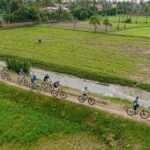
- Riding out to the villages: you’ll feel the everyday pace
- Stop 1: Widow Corner Market (ផ្សារកែងមេម៉ាយ)
- Stop 2: Family Mushroom Farm (Chreav village)
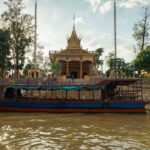
- Stop 3: Wat Po Banteaychey (Banteaychey Buddhist center)
- Stop 4: Lotus Farm at Twilight with cool drinks
- The ride logistics you should plan for
- Who should book this twilight bike tour
- Should you book it?
- FAQ
- What time does the tour start?
- How long is the bike tour?
- What is included in the $39 price?
- Do I need to bring my own bike or helmet?
- Are there admission fees for the stops?
- What happens if the weather is bad or I need to cancel?
Key things you’ll notice on this twilight ride
- A dusk-focused route that’s built for that last-light glow
- Local stops with free admissions at each listed visit
- Thom (Phoeun Phoeut) as your English-speaking guide, who keeps the day friendly and clear
- Hands-on agriculture moments, including a family mushroom farm and a lotus farm
- Bottled water, snacks, and drinks included after you bike out of town
Twilight Cycling in Siem Reap: Why This Timing Works
Starting at 3:00 pm is a smart move. You’re not stuck grinding through the hottest part of the day, and you’re not rushing from one landmark to the next. Instead, you get the slow pace of late afternoon village life, where people are transitioning from work to evening.
The ride also builds suspense in a good way. At first it’s just you, your bike, and a long stretch of countryside roads. Then the stops start stacking: market, farm, a Buddhist center, and finally the lotus farm with twilight drinks. By the time the sun starts to dip, you’re ready for the break.
And that matters because this isn’t a “grab photos and move on” tour. It’s more about context. Even the way locals interact is part of the experience. You’ll likely get waves and friendly hellos as you pass homes and small shops along the way. That’s the kind of detail that makes the evening feel human, not staged.
Other Angkor Wat sunset tours we've reviewed in Siem Reap
Price and what you actually get for $39
At $39 per person, this is one of those prices that feels reasonable once you look at what’s included. You’re getting a mountain bike with a helmet, an English-speaking guide, snacks, bottled water, and both soft and alcoholic beverages. You also get community donations included, which is a nice touch if you like spending money where it can do some good locally.
You’re also not paying extra entry fees at the stops. Each listed stop has admission ticket free noted, so you avoid the usual “now pay again” surprise.
Where the value shows most is in the mix: this is countryside riding plus cultural pauses, not just one or the other. Many tours do markets or temples. This one does markets and farms, then finishes with a scenic stop and drinks. For a roughly 4-hour outing, that’s solid.
Getting set up: pickup, mobile ticket, and the small-group rhythm
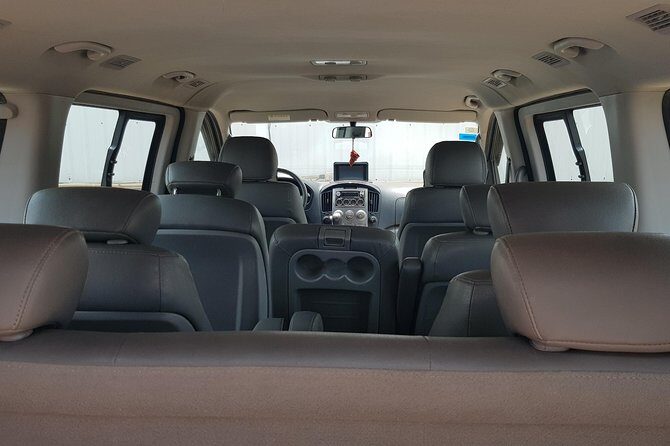
You’ll start at the tour shop, and pickup is offered, which is helpful in Siem Reap where distances can add up. The meeting point is near public transportation, so you’re not trapped if you’re not using the pickup.
You’ll receive a mobile ticket, and confirmation comes at booking. That keeps things simple when you’re figuring out transport during a busy trip.
The group size is capped at 12 travelers. In practice, that matters. With a smaller group, you spend less time waiting at road crossings or hovering for the slowest rider. It also makes conversations more possible when Thom starts explaining what you’re seeing.
The bike is a mountain bike, so you’re not on some delicate city cruiser. You’ll still want to ride with care—countryside roads can be uneven—but the bike type suggests the route is designed for normal biking surfaces rather than tricky technical terrain.
Riding out to the villages: you’ll feel the everyday pace
Long rides can go one of two ways: either you zone out, or the scenery keeps feeding your attention. This route tends to do the second.
As you head toward the southern city area, you’ll pass houses, small businesses, and farmland edges. The interaction component is real here. You may notice locals waving repeatedly, and kids sometimes calling out from their homes. These moments aren’t just cute. They remind you that you’re entering a living community, not crossing a museum-style backdrop.
You’ll probably get guided transitions too. Thom’s job isn’t just to point at places; it’s to connect the dots—why a market sits where it does, how farming fits into daily schedules, and what a temple site means beyond its photo value.
If you enjoy seeing how people live when they aren’t performing for tourists, this “ride out” segment is half the payoff.
Stop 1: Widow Corner Market (ផ្សារកែងមេម៉ាយ)
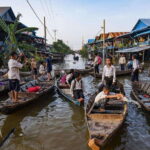
Your first stop is Widow Corner Market, listed as a 45-minute visit with free admission. The name signals something distinctive and community-based, and the point of the stop is to show you a small local market that serves real needs—food, errands, and neighborhood commerce.
What I like about starting here is the grounding effect. Markets tell you what matters to daily life: what people buy, what products move through the area, and how informal commerce runs on trust and routine.
A possible consideration: markets can be lively in a way that feels busy or crowded, depending on the time of day and how many shoppers are out. You’ll still have a set time window, so you can look, wander a bit with your guide, and then move on without getting stuck.
Tip for making this stop satisfying: take in the rhythm first, then zoom in. Look at what’s for sale, then ask Thom what it connects to in people’s lives. That order makes the market feel meaningful instead of just visual.
Other Siem Reap city and countryside tours we've reviewed in Siem Reap


Stop 2: Family Mushroom Farm (Chreav village)
Next you’ll head to a family mushroom farm in the Chreav village area for another 45-minute stop, also with free admission.
This is where the tour leans into sustainable agriculture. You’ll learn about mushroom cultivation and how the farm supports the local food chain, with mushrooms heading to local markets, restaurants, and households. The farm is presented as eco-friendly and tied to organic practices.
For me, this stop is the best example of what a countryside bike tour can do that a temple-only day can’t. You’re seeing a livelihood in action. Food isn’t abstract here. It’s grown, processed, and routed into daily eating.
A caution, in a friendly way: it’s easy to forget that farms have real routines. If you get bored by “how it works” explanations, bring patience. The time is long enough to understand the basic system, but it’s not a hands-on workshop unless the guide chooses to highlight particular demonstration elements.
Stop 3: Wat Po Banteaychey (Banteaychey Buddhist center)
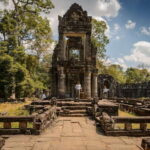
After the farms, you’ll pause at Wat Po Banteaychey for about 30 minutes, again with free admission.
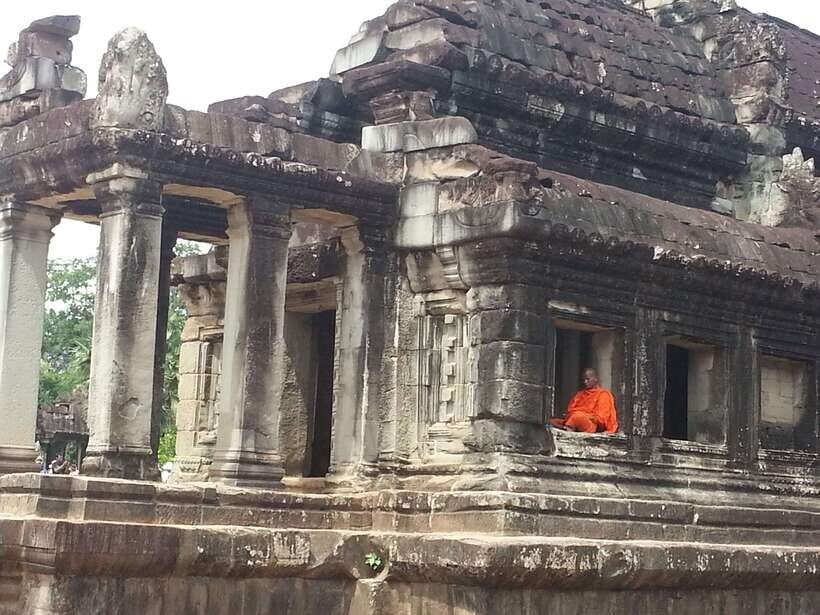
This is a Buddhist center known for intricate carvings and stunning architecture. The plan includes time to explore surrounding gardens and enjoy a guided look at the site and its meaning. Even if you’re not the type who reads every inscription, you’ll still get value from the guided explanation, because it helps you notice details you’d otherwise rush past.
The benefit of the stop timing is that it balances the day. Your earlier stops lean practical—markets and food production. This one shifts to belief and art, so the day stops feeling like a nonstop list.
Possible drawback: it’s a shorter visit. If you love temples and want lots of time to wander alone, you may wish this stop were longer. But as part of a four-hour cycling loop, it works as a focused pause.
Stop 4: Lotus Farm at Twilight with cool drinks
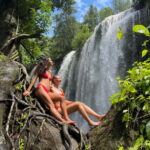
The final stop is Lotus Farm Siem Reap for about 1 hour, and this is where the tour earns its twilight promise.
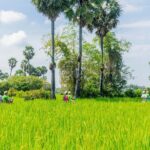
You’ll visit blooming lotus plants, and you’ll enjoy snacks and drinks while you learn about Cambodian agriculture and everyday living. The description also notes interactive exhibits and demonstrations, so it’s not just a viewpoint.
This part is designed for an emotional landing. After riding through villages and pausing at market and temple, you end with a slower, calmer setting. The lotus blooms give you a natural sense of place at that golden time of day, and the included drinks make the ride feel like it’s closing in a relaxed way.
One practical consideration: lotus-farm lighting can change quickly as twilight arrives. If you like taking photos, bring a steady hand and be ready to snap sooner rather than later.
And yes, alcoholic beverages are included as part of the refreshment set. If you’d rather keep it non-alcoholic, you can likely choose your pace at the drinks table, but the tour does list alcohol as available.
The ride logistics you should plan for
This tour is built for most participants, and it includes the key gear (bike and helmet). Still, you’ll want to think about comfort because it’s a countryside ride close to evening.
Here’s what matters most:
- Bring a light layer even in Cambodia. Late-day air can feel different once the sun goes down.
- Wear closed-toe shoes you trust on bike pedals.
- Use sun protection early in the ride. Even at 3pm, you’re still in daylight for a while.
- Go easy on alcohol if you tend to feel buzzed while biking. The ride is almost done by then, but you’ll still want steady energy.
Also, the tour requires good weather. That doesn’t mean it’s fragile, but it does mean you should expect the day to be more enjoyable when skies cooperate.
Who should book this twilight bike tour
This one fits best if you want:
- a countryside experience beyond Angkor-area stops,
- a mix of food/agriculture and culture,
- and a small-group ride where you can actually talk to your guide.
You might skip it if you:
- hate biking for even short stretches,
- only want long, slow temple exploration,
- or prefer a daytime tour with more daylight to see everything clearly.
Should you book it?
If your goal is a real-feeling Siem Reap evening—one that’s part cycling, part community, and part calm lotus-time—this tour is a strong choice. The $39 price lands well because you’re not just renting a bike. You’re getting guided context, included refreshments, free-entry stops, and a community-focused approach with donations built in.
Also, with Thom (Phoeun Phoeut) leading and the group staying under 12 people, the day feels more personal than a big bus tour. Book it if you want your trip to include how Cambodians live between the tourist landmarks.
If you’re sensitive to late-day biking or rain, keep an eye on weather and have a flexible plan.
FAQ
What time does the tour start?
The tour starts at 3:00 pm.
How long is the bike tour?
It runs for approximately 4 hours.
What is included in the $39 price?
Included are snacks, bottled water, alcoholic beverages, a mountain bike with helmet, and an English-speaking tour guide, plus community donations.
Do I need to bring my own bike or helmet?
No. The tour includes a mountain bike and helmet.
Are there admission fees for the stops?
The stops listed all show admission ticket free, so there are no extra entry fees noted for these visits.
What happens if the weather is bad or I need to cancel?
The experience requires good weather. If it’s canceled due to poor weather, you’ll be offered a different date or a full refund. You can cancel for free up to 24 hours in advance for a full refund; canceling later than that doesn’t include a refund.