REVIEW · SIEM REAP
Explore The Kampong Pluk Floating Village
Book on Viator →Operated by Cambodia Voluntour - Day Tours · Bookable on Viator
One morning on Tonle Sap can change how you picture Cambodia’s water life. Kampong Phluk looks like a floating village, but the houses sit on tall stilts, and the lake decides whether they appear to float.
What I like most is how practical the experience feels: you’ll learn why stilt homes exist and how families live with big seasonal water swings. I also love the human side—walking through the village streets and seeing everyday life up close, including meeting local children, makes the day feel real.
One thing to consider: this is weather-dependent. If the lake conditions are poor, your tour may shift or get canceled, and one past traveler noted a booking-time mix-up that forced a later start.
In This Review
- Key highlights
- Kampong Phluk on Tonle Sap: What “Floating” Really Means
- The 8:00 AM Start and How the Day Flows
- Tonle Sap Lake Facts You’ll Appreciate Once You’re There
- Walking the Village Streets: The Part That Feels Most Human
- Stilted Houses and Boat Views: How to Spot the Details
- Chong Kneas or “More Genuine” Stilted Areas: Why It Matters
- Artisan School + Old Market Drop: Turning the Day Into Something Useful
- Pickup, Group Size, and the Small-Group Advantage
- Price and Value for a 5-Hour Tonle Sap Day
- Who This Tour Fits Best (and Who Might Want to Skip)
- Practical Tips So Your Day Goes Smoothly
- Should You Book Kampong Pluk Floating Village?
- FAQ
- What time does the Kampong Pluk floating village tour start?
- How long is the tour?
- Is pickup included, and will I get a ticket on my phone?
- What’s included in the experience?
- Is the tour dependent on weather?
- What is the cancellation policy?
Key highlights
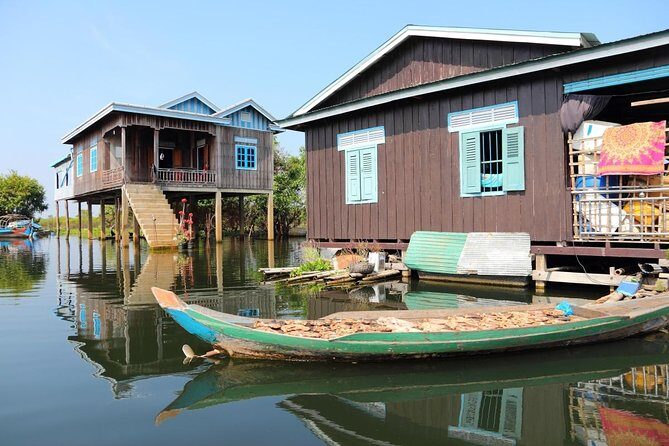
- Stilted “floating” homes that rise with the rainy season, changing the village’s look
- Boat time along the lake margins where daily life happens on and above the water
- Walk-through village streets that make it easy to notice details of daily routines
- Tonle Sap context in plain language about fishing and harvest-season life
- Small group (max 10) for a calmer pace and more questions
- Add-on stops at an artisan school and the Old Market for shopping
Kampong Phluk on Tonle Sap: What “Floating” Really Means
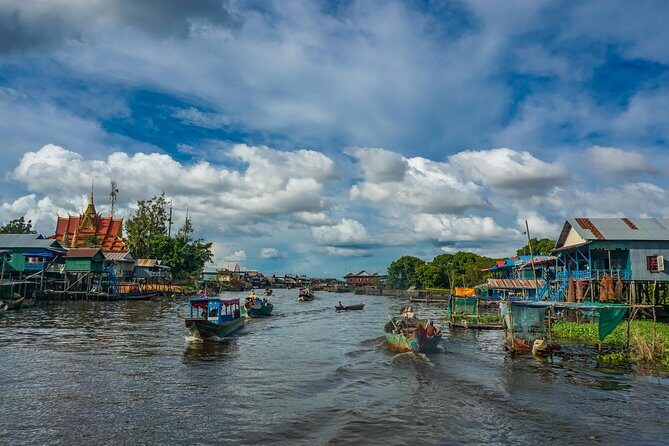
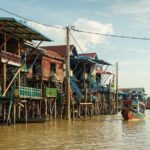
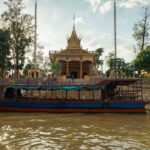
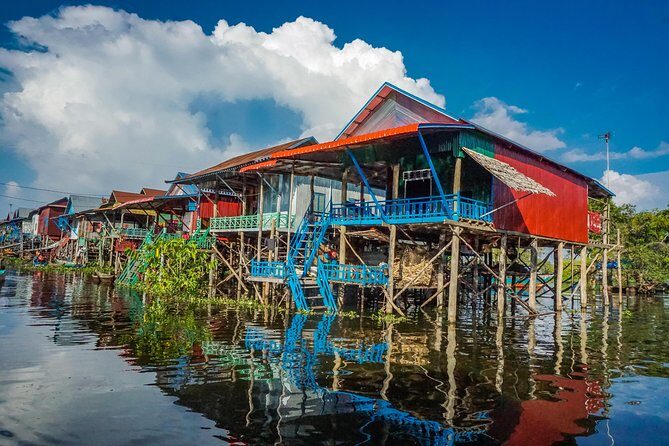
Kampong Phluk is in the middle of Tonle Sap Lake, which is often described as Cambodia’s most important freshwater system. The term “floating village” gets thrown around a lot, but here’s the key detail: the houses are built on very tall stilts, around 8 meters high.
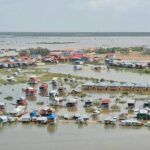
During the rainy season, the lake rises and covers those stilts. That’s when the village looks like it’s floating. The clever part is that the village design matches the lake’s schedule, not the other way around.
Tonle Sap’s seasonal change matters a lot because the lake is a major source of food and work. It’s described as the richest fresh water fishing ground in the world, and the communities around the lake have built their lives around huge water-level swings. In other words, you’re not just seeing a photo opportunity. You’re seeing a system.
Other Tonle Sap and floating village tours we've reviewed in Siem Reap

The 8:00 AM Start and How the Day Flows
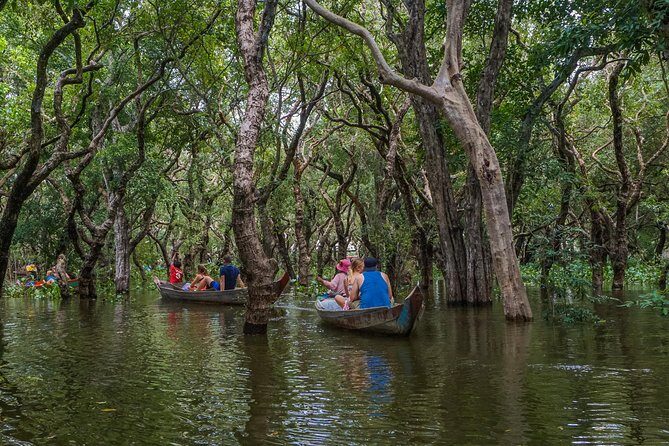
Your day begins at 8:00 am, with pickup offered and a tour duration of about 5 hours. Expect a schedule that’s built around daylight and lake conditions, since boat time is the heart of this outing.
Most of the morning is spent on the lake area, and you’re not just parked beside a pier. The plan is to experience Tonle Sap first, then continue by boat along the margins of the lake to see how stilted living works in real time.
Afterward, the tour includes a visit to an artisan school, then you get dropped at the Old Market area with time for shopping before returning to your hotel. That structure makes it easy to turn this into a meaningful half-day without burning your whole day in transit.
Tonle Sap Lake Facts You’ll Appreciate Once You’re There
You’ll hear Tonle Sap explained as a national treasure, and the tour frames it in terms that actually help: food, work, and water level changes.
Here are the ideas that make what you see make sense:
- Tonle Sap goes through extreme seasonal variation in water levels.
- Communities respond by building homes on floating bamboo rafts or on tall stilts (around 30 feet is also mentioned for some areas).
- The placement of stilt villages in and around the lake helps fishermen and rice farmers during harvest season, when they need easier access to land and water resources.
This is where the tour earns its value. If you’ve ever wondered why people build this way instead of moving inland, you’ll get a clearer answer by the time you step onto the boat.
Also, you may get taken beyond the more commonly photographed village area. The tour describes aiming for more genuine stilted villages such as Chong Kneas, depending on water levels. That’s a smart approach because it keeps the day from feeling like a single fixed “set” you’ve seen before.
Walking the Village Streets: The Part That Feels Most Human
The most praised part of this experience is also the simplest: walking through the village streets and getting a close view of how people live. You’ll see families’ homes on stilts, notice how the village layout adapts to water, and understand how everyday life continues despite the lake’s shifting boundary.
It’s also a chance to interact in a respectful, low-pressure way. In the tour experience, meeting local children comes up as a highlight, and it makes sense. When you’re walking, you’re at eye level. You see the small stuff: movement, routines, and how the village feels like a place people actually live—not just pass through.
My practical tip: keep your pace slow and your camera ready, but don’t rush for shots. If you move carefully and give people space, the walk becomes the “real” part of the day.
Stilted Houses and Boat Views: How to Spot the Details
The “floating” illusion is fascinating, but it’s not just an aesthetic trick. The tour focuses on what the stilts mean for daily living.
When you pause by the stilted houses, pay attention to how the homes relate to the water. In dry or lower-water periods, the village can look like it’s sitting above the world. In higher-water periods, those supports disappear under the lake surface, and the village seems to lift.
Then you go by boat along the margins of the lake. From the water, you get a better sense of how close everyday life is to the lake edge. Boats aren’t an optional sightseeing tool here. They’re a natural part of moving through the lake world.
If you’re prone to motion sickness, this is where you’ll want to be prepared. The tour time is limited, so you don’t want to spend it feeling sick. Bringing basics like motion-sickness aids can make a big difference.
Other Siem Reap city and countryside tours we've reviewed in Siem Reap




Chong Kneas or “More Genuine” Stilted Areas: Why It Matters
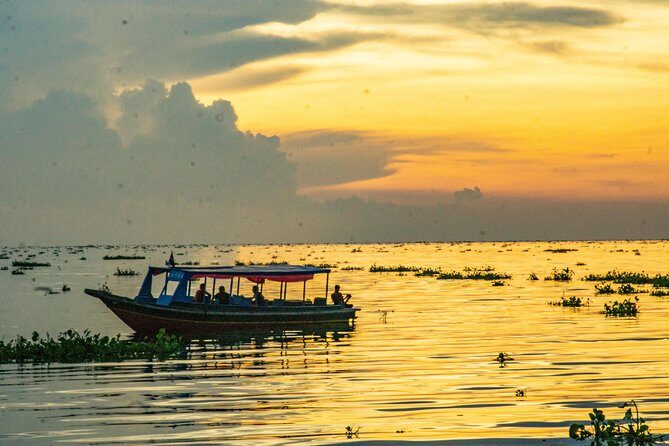
One small line in the tour description points to something important: the plan can shift depending on water levels, including the possibility of visiting Chong Kneas rather than sticking only to Kampong Phluk.
That matters because not all stilt villages feel the same. When you’re taken to a place that’s more focused on local life, you tend to see fewer tour bubbles and more normal village rhythms. The idea is to understand contemporary lake life, not just tick off a landmark.
Keep this in mind as you plan your expectations. If water levels are one way, your route might look slightly different than a friend’s photos from another month. That’s not a disappointment. It’s the point. Tonle Sap changes, and the tour is built around that reality.
Artisan School + Old Market Drop: Turning the Day Into Something Useful
The lake part is the headline, but don’t skip the second half of the day. The tour includes a visit to an artisan school, then drops you at the Old Market area for shopping before returning to your hotel.
Why this works:
- The artisan stop gives you a break from boat time while still keeping the day grounded in real Cambodian work and learning.
- The Old Market drop is practical. If you want souvenirs, you’re not stuck trying to guess where the best options are after a busy morning.
One caution: Old Market shopping can eat time fast. If you’re budget-conscious, set a quick plan before you walk in. Decide what you want (and what you’re not buying) while the morning is still fresh.
Pickup, Group Size, and the Small-Group Advantage
This tour caps at 10 travelers, which is a big deal for a place where boat movements and walking can get crowded. Smaller groups usually mean you spend more time looking at what matters and less time stuck behind someone trying to take the perfect shot.
Pickup is offered, and you’ll receive a mobile ticket. Those two items are simple, but they help the day run smoothly—especially on a half-day schedule where you don’t want extra friction.
If you’re the type who likes to ask questions, the group size also helps. You’re more likely to get answers than to have your guide manage a crowd.
Price and Value for a 5-Hour Tonle Sap Day
The price is $166 for about 5 hours, with an admission ticket included. That’s not a budget price, but it’s also not an all-day, multi-region extravaganza. So the real question is: what are you paying for?
You’re paying for:
- Guided access to Tonle Sap and the stilt village context
- Boat time along the lake margins
- A structured half-day that includes more than one stop (artisan school + Old Market area)
For me, the value depends on what you care about. If you want a photo-only hit, you could probably do something simpler for less. But if you want the story—why stilt villages exist, how the lake’s seasonal cycle shapes life, and what daily routines look like up close—this format has a clear advantage.
Also, the max 10 group size makes the price feel a bit more reasonable. You’re not sharing the experience with a huge crowd.
Who This Tour Fits Best (and Who Might Want to Skip)
This tour fits best if you:
- Like meaningful “see how people live” experiences more than passive sightseeing
- Want Tonle Sap context explained in a way that clicks fast
- Enjoy boat travel when it’s part of a cultural story, not just transportation
You might want to think twice if you:
- Hate weather uncertainty. The tour notes it depends on good weather.
- Need a perfectly timed, zero-surprise schedule. There’s at least one recorded issue where a booking time didn’t happen as expected, leading to a later start.
If you’re visiting Siem Reap and you want one half-day that truly changes your understanding of Cambodia’s water world, this is a strong contender.
Practical Tips So Your Day Goes Smoothly
Here’s how to get the most from Kampong Phluk without turning your morning into chaos:
- Wear shoes you don’t mind getting a bit damp, since stilt areas and lake-adjacent walking can feel humid and changeable.
- Plan for sun and heat. A morning start is great, but you’ll still feel the tropical sun once you’re out.
- Bring a light layer. Lake breeze can cool you down at times, even when the air feels warm.
- Keep your schedule flexible. Since the tour depends on conditions, give yourself breathing room that day.
- For interactions, be kind and low-key. The village walk is the highlight, so your calm presence matters.
Most importantly: keep your attention on the daily details. The best moments come from noticing routines—how people live on stilts, how the village adapts, and how the lake is part of everything.
Should You Book Kampong Pluk Floating Village?
If you like authentic, practical cultural experiences, I’d book it. Kampong Phluk works when you treat it as a window into Tonle Sap’s seasonal life, not just a place that looks cool in photos. The walk-through village streets and the boat ride are the two parts that genuinely earn their hype.
Book it especially if you want to understand why families build on tall supports and why harvest-season life depends on lake access. And if you’re flexible with timing and weather, you’ll get a day that feels personal and grounded.
If your travel style demands strict, predictable timing with no risk of changes, then you’ll want to factor that in. This experience is worth it—but it’s also a lake day, and lakes have their own rules.
FAQ
What time does the Kampong Pluk floating village tour start?
The tour starts at 8:00 am.
How long is the tour?
The duration is about 5 hours.
Is pickup included, and will I get a ticket on my phone?
Pickup is offered, and you’ll receive a mobile ticket.
What’s included in the experience?
It includes admission ticket coverage, plus lake time (including boat time) and visits that include an artisan school and a drop at the Old Market area before returning to your hotel.
Is the tour dependent on weather?
Yes. The tour requires good weather, and if it’s canceled due to poor weather, you’ll be offered a different date or a full refund.
What is the cancellation policy?
You can cancel up to 24 hours in advance for a full refund. If you cancel less than 24 hours before the experience starts, the amount paid is not refunded.