REVIEW · SIEM REAP
Full-Day Siem Reap Angkor Major Temples Private Tour
Book on Viator →Operated by Angkor Boutique Tours · Bookable on Viator
Angkor can feel like a blur of stone—this private tour is built to keep it organized, starting at 8:00am and moving through the main hits with smart timing. I like the combination of A/C comfort plus small add-ons (cold face towel and bottled water), and I also like that the guide’s plan aims to help you reach temples before crowds build. One consideration: admission tickets aren’t included, so you’ll want to budget for that extra step and dress properly to avoid entry problems.
You’ll be picked up at your hotel lobby and meet your English-speaking guide before 8:00am. From there, the day becomes a smooth route through Angkor Thom highlights and ending at Angkor Wat, with stops that match what most people actually want to see—just without feeling like a sprint. The pace can still be tiring (Angkor is warm and temples can be steep), but you’re not stuck in a large group where nobody listens.
In This Review
- Key Highlights Worth Planning Around
- How the 8:00am Start Keeps Angkor Feeling Manageable
- Hotel Pickup and the Private-Van Comfort Factor
- Temple Tickets, Dress Code, and Avoiding the Entry Headache
- Ta Prohm: The Tree-Root Tomb Raider Temple
- Angkor Thom South Gate: A Fast Landmark Before the Crowds Breathe In
- Bayon Temple and the 216 Smiling Buddha Faces
- Baphuon Temple: When the Guide Lets You Choose the Climb
- Phimeanakas and the Royal Palace Core
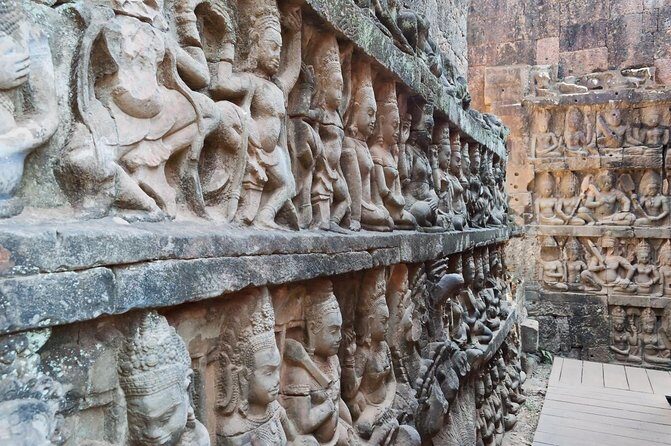
- Terrace of the Elephants: Where Power Worked and Entertained
- Terrace of the Leper King: A Grim Name, Useful Context
- Suor Prat and Taprhom Stops: More Angkor Thom Without the Burnout
- Angkor Wat: The Main Event You’ll Finish On
- Price and Logistics: Is $68 Worth It?
- Who This Tour Suits Best (and Who Should Rethink It)
- Should You Book This Siem Reap Angkor Major Temples Private Tour?
- FAQ
- What time does the tour start?
- Where do I meet the guide?
- Is admission to the temples included?
- How long is the tour?
- Is pickup included?
- What’s included in the tour price?
- What should I wear to enter the temples?
- What if weather is poor?
- Can I cancel for a full refund?
Key Highlights Worth Planning Around
- Early start at 8:00am to reduce crowd pressure
- Private setup: it’s only your group, not a mixed herd
- A/C car + cold towel + mineral water for real day-long comfort
- Angkor Thom route in logical order: South Gate, Bayon, Baphuon, and more
- Steep-temple flexibility: the guide helps you decide whether to climb
- Admission tickets separate: you’ll handle temple entry fees during the tour
How the 8:00am Start Keeps Angkor Feeling Manageable
Starting at 8:00am matters in Siem Reap more than you might think. Angkor is popular, and the later you arrive, the more you deal with bottlenecks near staircases, doorways, and photo angles. This tour is designed around that reality, with a plan to enter temples at appropriate times to avoid the worst crowd waves.
It also affects your comfort. The morning tends to feel easier for walking, climbing, and taking photos without feeling like you’re wearing a heat blanket. Even if you’re “just there for pictures,” you’ll still spend plenty of time on uneven paths.
Other multi-temple archeological tours we've reviewed in Siem Reap


Hotel Pickup and the Private-Van Comfort Factor
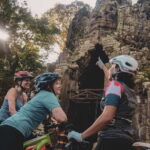
This is set up as a private experience, so you’ll meet your licensed guide in the lobby area of your staying hotel before departure. You’re not sharing your day with strangers, and that’s a big deal at Angkor where people move at very different speeds.
The transport is also practical: you’re riding in an A/C car that’s kept clean, and it’s powered by fuel covered in the tour price. On top of that, you get a cold face towel and cold mineral water. These sound like small touches until you’re doing repeated temple entrances in humid heat. It helps you stay functional, not just sightseeing.
Temple Tickets, Dress Code, and Avoiding the Entry Headache
Here’s the one part you must plan for: temple admission tickets aren’t included. You’ll still see the major sights, but you’ll handle those entry fees separately as part of the day (the tour notes you’ll buy the ticket partway through).
Also, Angkor is not the place to show up dressed like a beach day. A dress code is required for places of worship and selected museums. No shorts or sleeveless tops. Knees and shoulders must be covered for both men and women. If you ignore that, you risk refused entry, and then you’ll waste the time you came to protect.
If you’re unsure what to wear, think light layers that still cover shoulders and knees. You’ll be glad when the morning starts cool and by midday feels like a warm workshop.
Ta Prohm: The Tree-Root Tomb Raider Temple
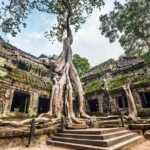
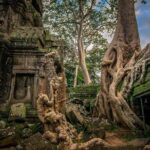
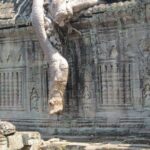
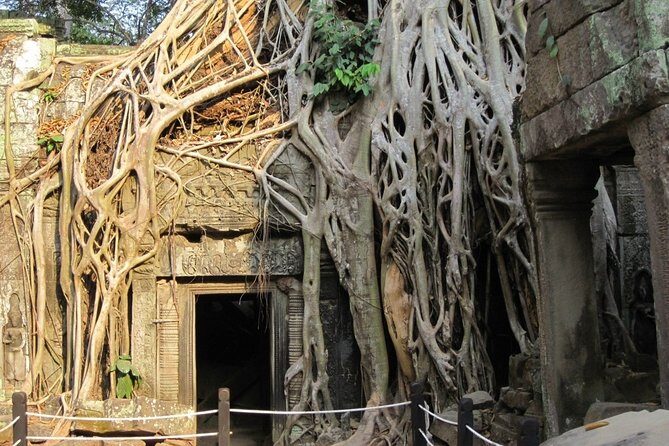
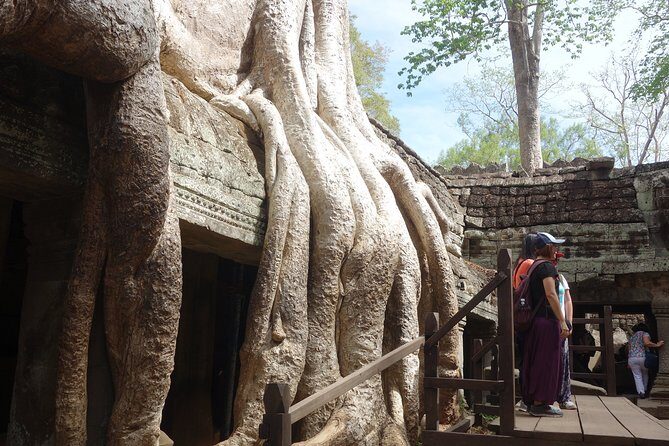
Ta Prohm is the kind of scene that makes you stop talking. The main draw is that the temple has major sections overgrown with tree roots, so the whole place feels like nature is quietly taking it back. The tour calls it the Tomb Raider Temple, and that nickname fits the mood perfectly.
You’ll spend about 1 hour here, which is usually the right amount. Long enough to wander slowly, notice details, and take photos without feeling rushed. Short enough that the heat doesn’t turn the experience into a sweaty chore.
Practical tip: wear shoes you can trust on uneven ground. Even if you only plan to take a few photos, you’ll walk more than you expect around roots, steps, and pathways.
Angkor Thom South Gate: A Fast Landmark Before the Crowds Breathe In
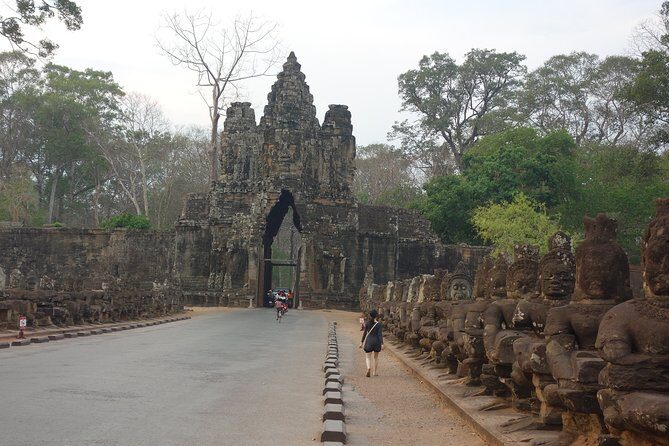
Next comes Angkor Thom’s South Gate, one of the five major gates of the ancient capital city. This stop is brief—about 5 minutes—but it’s a strong “place this on the map” moment.
Think of it as the opening chapter. Even when you only get a short look, it helps orient you for the rest of Angkor Thom’s core sights. It’s also one of those spots where you can take a few photos quickly and then get moving, instead of spending too long and losing your energy for the temples that need time.
Other private tours in Siem Reap

Bayon Temple and the 216 Smiling Buddha Faces
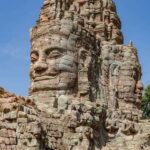
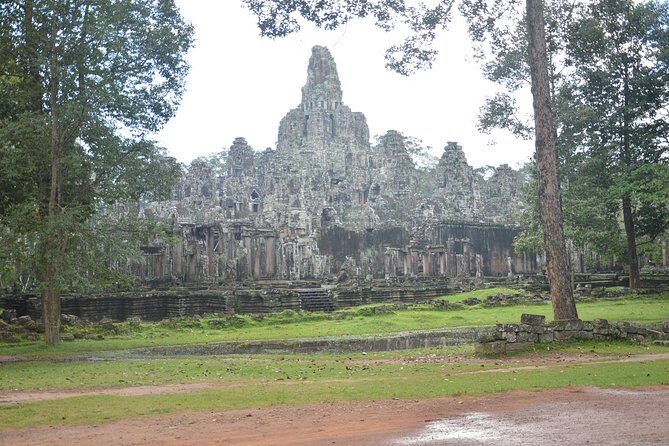
Bayon is famous for the 216 smiling Buddha faces on the top of 54 towers. This isn’t just a single viewpoint. It’s layered, and you’ll keep noticing new expressions as you move around.
Plan for about 1 hour here. That time helps you do two things: first, see the faces clearly from different angles; second, slow down enough to notice how the faces are carved into the towers rather than pasted onto the surface. If you only rush through, you’ll miss the whole effect.
Also, Bayon is busy. The good part about this tour’s timing is that you have a better chance of reaching it before the heaviest crush. Still, come ready for people in close quarters.
Baphuon Temple: When the Guide Lets You Choose the Climb
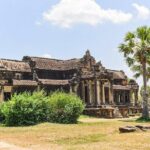
Baphuon is described as the biggest temple in the Angkor Thom area, and the key practical detail is the steepness. The tour notes that the guide will let you decide whether to go up or not based on your physical condition.
That matters because at Angkor, one hard climb can wipe out the rest of your day if you push too far too fast. Having the option means you can still enjoy Baphuon’s shape and presence without forcing a choice that your knees regret later.
Expect about 20 minutes at this stop. It’s the kind of timeframe that works well for a careful look, and the flexibility keeps it from turning into a stress moment.
Phimeanakas and the Royal Palace Core
Phimeanakas is located in the middle of the old royal palace area. It’s a shorter stop—around 10 minutes—so you’re mainly there to clock the layout and get a sense of the palace center’s spiritual and political importance.
Because it’s brief, you’ll want to use your time smartly: look around, capture a couple of key angles, and then move on. Treat it like a “high point” not a full meal.
Terrace of the Elephants: Where Power Worked and Entertained
The Terrace of the Elephants is described as an ancient entertainment arena for royalties and high-ranking officials. That clue helps you read the place correctly.
Instead of imagining it as only a scenic photo spot, you can picture the terrace as part of how elites gathered, watched events, and displayed status. The tour gives it about 10 minutes, which is enough to walk the area and connect the carvings to the function.
This is also a good stop for a quick rest. Angkor days have rhythm; terraces like this help you reset without losing momentum.
Terrace of the Leper King: A Grim Name, Useful Context
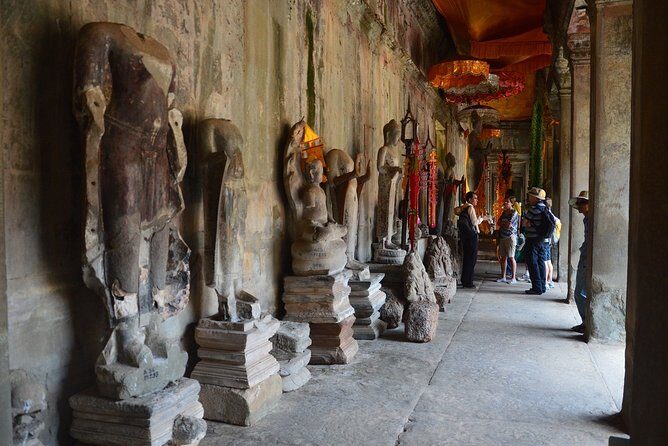
Terrace of the Leper King is tied to use as an ancient royal crematorium. The name can sound sensational, but the key value here is context. You’re looking at a site shaped by death rites and royal ceremonies.
The stop is 10 minutes, which is ideal. If you try to overstay a short area like this, the day’s heat and fatigue can start to dull the experience. Use the time to get the layout, take your photos, and then keep going.
Suor Prat and Taprhom Stops: More Angkor Thom Without the Burnout
Between the terraces and the day’s final anchor, you’ll also see additional Angkor Thom temple stops including Suor Prat Temples and Taprhom Temple (listed as Taprhom in the tour description). These aren’t described in long detail on the tour notes, but they help round out the Angkor Thom experience so your day doesn’t feel like a straight line of only the most famous structures.
From a practical standpoint, adding these stops can be a good trade: you add variety while still staying within the planned route, rather than improvising extra tuk-tuk stops that cost time and energy.
If you’re the type who enjoys seeing how temples differ even within the same complex, you’ll likely appreciate this added coverage.
Angkor Wat: The Main Event You’ll Finish On
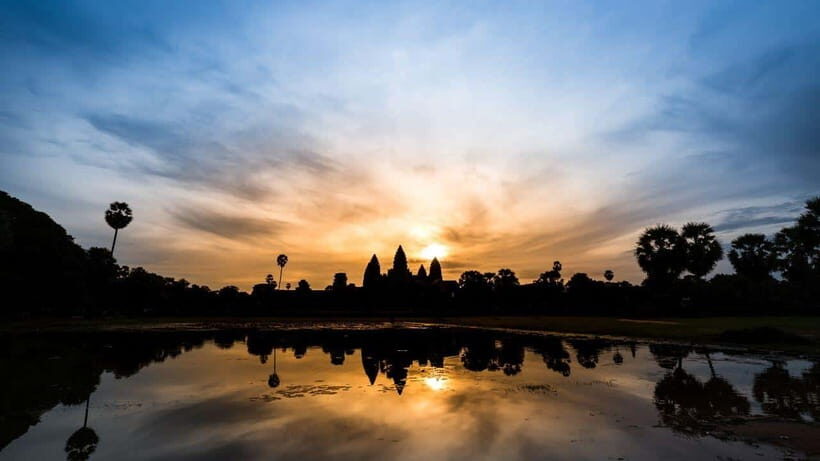
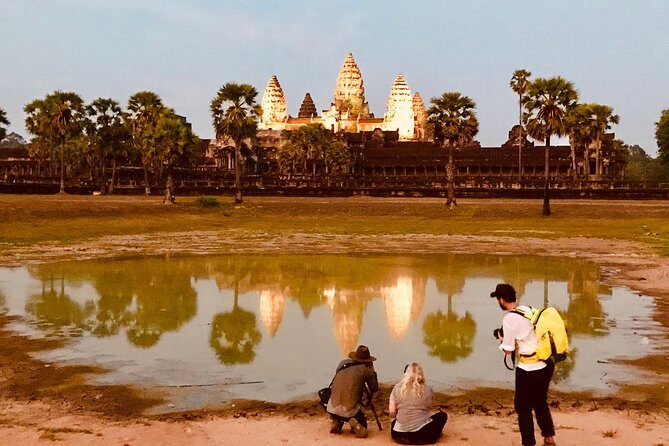
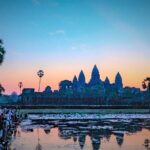
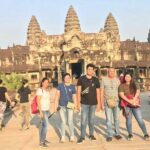
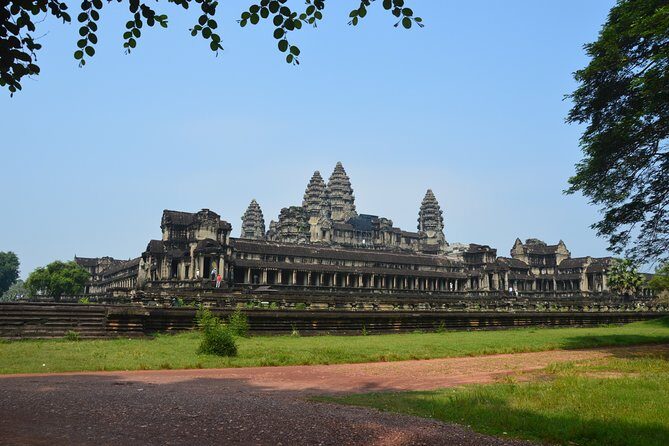
Finally, you reach Angkor Wat, described as the world’s biggest temple and built in the early 12th century as an emperor’s tomb symbolizing the world. This is where the day’s pacing pays off. Ending here means you arrive with enough energy to actually look carefully.
You’ll spend around 1 hour 30 minutes at this stop. That’s important because Angkor Wat is huge in both size and sightlines. With only a quick visit, you might see the gate and a couple angles and call it done. With time, you can walk, re-orient, and notice how the architecture pulls your eyes across levels and corridors.
Tip: Angkor Wat attracts attention, so pick a couple of photo targets and then give yourself freedom to wander. The best moments here often come from not trying to capture everything.
Price and Logistics: Is $68 Worth It?
At $68 for a private full-day major-temples tour (about 6 to 8 hours), you’re paying for three things: transportation, an English-speaking licensed guide, and the convenience of a structured route.
Admission fees and meals aren’t included, so you should expect extra costs for lunch and temple entry. But the core value is that you don’t have to manage logistics while dealing with heat, temple queues, and navigation through a massive site.
If you’re traveling as a small group and you’d otherwise spend money on multiple drivers, tickets, and time lost to route confusion, this price often feels fair. The included comfort extras—A/C, cold towel, mineral water—also make the day feel more humane than the budget option.
The one “hidden” cost is your own energy. Angkor is physically demanding. This tour gives you structure and timing, but it can’t remove stairs, uneven ground, or the sun.
Who This Tour Suits Best (and Who Should Rethink It)
This tour fits best if you want:
- A private Angkor day without planning stress
- The major highlights: Ta Prohm, Bayon, Angkor Thom sites, and Angkor Wat
- A guide who paces the day and offers choices for steeper sections (like Baphuon)
You might rethink it if:
- You’re extremely price-sensitive once you add temple admissions and a meal
- You hate walking or climbing in heat and don’t want any crowds at all (even with timing help, Angkor is popular)
If you care about seeing a lot without wasting time, this is a smart match.
Should You Book This Siem Reap Angkor Major Temples Private Tour?
I’d book it if you want an organized Angkor day with comfort built in. The early start, the private pace, the A/C van, and the included cold towel and water add up fast when you’re spending hours between temples. And the route covers the big-name sights most people come for, plus extra Angkor Thom stops like Suor Prat and Taprhom.
I’d pause before booking if you’re not ready for separate admission tickets and you still need to confirm your clothing for the dress code. That’s the main way the day can turn annoying.
Also, there’s a strong signal in the guide experience: punctual, knowledgeable guidance and a calm pace that helps you enjoy the temples rather than sprint through them. For many people, that’s the difference between a “checklist day” and a genuinely satisfying Angkor visit.
FAQ
What time does the tour start?
The tour starts at 8:00am.
Where do I meet the guide?
The guide meets you in the lobby area at your hotel before 8:00am. The experience ends back at the meeting point.
Is admission to the temples included?
No. The tour notes that admission tickets are not included, and you’ll buy the ticket partway through the tour.
How long is the tour?
It’s listed as 6 to 8 hours (approx.).
Is pickup included?
Yes. Pickup is offered, and the guide meets you in your hotel lobby area.
What’s included in the tour price?
Included items are an A/C car, fuel, an English-speaking tour guide, a cold face towel, and cold mineral water.
What should I wear to enter the temples?
You must cover your knees and shoulders. Shorts and sleeveless tops are not allowed, and you may risk refused entry if you don’t meet the dress code.
What if weather is poor?
The tour requires good weather. If it’s canceled due to poor weather, you’ll be offered a different date or a full refund.
Can I cancel for a full refund?
Yes, you can cancel for a full refund up to 24 hours in advance of the experience start time.
—
If you tell me your travel month and whether you prefer lots of walking or a slower pace, I can suggest what to prioritize during your Angkor day.