REVIEW · SIEM REAP
Half Day Kampong Phluk Floating Village and Flooded Forest Tour
Book on Viator →Operated by Angkor Daily Trip · Bookable on Viator
A floating village in the wet season is a mind-bender. This half-day route pairs a boat ride on the Tonle Sap region with a flooded mangrove stop, plus a quick taste of local life at Rolous Market. You get the kind of small-scale, practical wildlife-and-livelihood experience that Siem Reap tours often skip.
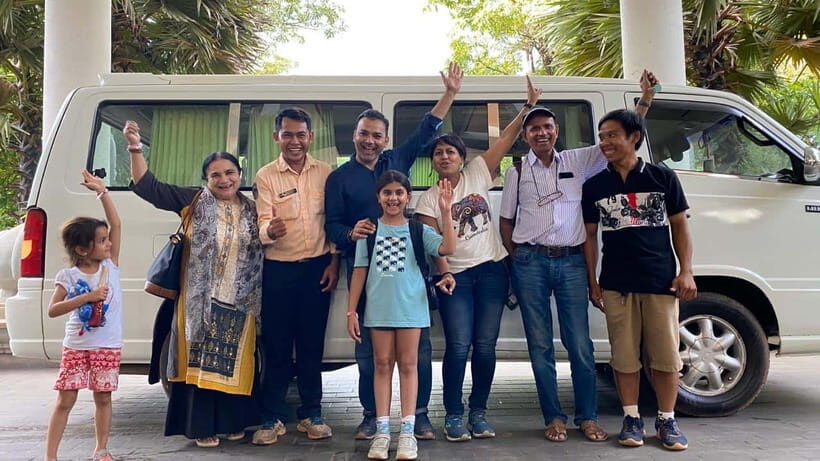
I especially like how the day is built for comfort and efficiency: hotel pickup/drop-off, an air-conditioned vehicle, and bottled water keep the focus on the sights. I also like that your licensed English-speaking guide connects the dots between mangroves, fishing life, and the way the community adjusts to seasonal flooding.
One drawback to keep in mind: the main wow factor depends on water levels. Kampong Phluk’s flooded mangrove forest is typically submerged from July to February, so your experience can look different outside that window.
In This Review
- Key things to know before you go
- Kampong Phluk Flooded Forest and Floating Village in Four Hours
- What Makes This Tour Worth $55: Admissions, Boat, and Pickup
- Rolous Market Stop: A Guided Taste of Local Everyday Life
- Kampong Phluk Flooded Mangroves: Reading the Waterline
- Floating Village on Stilts: How Tonle Sap Homes Handle Flooding
- Transportation and Timing: How This Half-Day Stays Relaxed
- Who This Tour Suits Best (and Who Might Want a Different Day)
- Price, Tickets, and Getting Set Up Without Stress
- Should You Book This Kampong Phluk Half-Day Tour?
- FAQ
- How long is the Half Day Kampong Phluk Floating Village and Flooded Forest Tour?
- What’s included in the tour price?
- What are the main stops during the tour?
- Is lunch included?
- When is the flooded mangrove forest usually submerged?
- Is this a private tour?
Key things to know before you go
- Flooded forest timing matters: the mangroves are truly waterlogged in the monsoon months (often July to February).
- Boat-first sightseeing: you spend real time gliding through the watery mangrove setting around Kampong Phluk.
- Market stop isn’t just a photo break: you’ll get a guided walk through common goods and snacks at Rolous Market.
- Three stops, clean pacing: market, Kampong Phluk mangroves, then the floating village—so you’re not stuck in transit all day.
- Private tour for your group: only your group participates, which usually makes questions easier.
- Comfort details included: A/C transport and bottled water help on a 4-hour schedule.
Kampong Phluk Flooded Forest and Floating Village in Four Hours
This tour is designed for people who want the Tonle Sap region without burning a whole day. In about 4 hours, you’ll move from Siem Reap area streets to a market first, then toward Kampong Phluk’s flooded environment, and finally to the floating village portion. It’s a compact format, which matters because Kampong Phluk is one of those places where your best moments are tied to timing and conditions.
Kampong Phluk itself is known for a mangrove ecosystem that changes dramatically in the wet season. When the water rises, the trees appear to grow straight out of the water, creating that surreal look people travel for. The area also supports wildlife and plays a real role in local fishing-based livelihoods—so it’s not just scenery, it’s a working ecosystem.
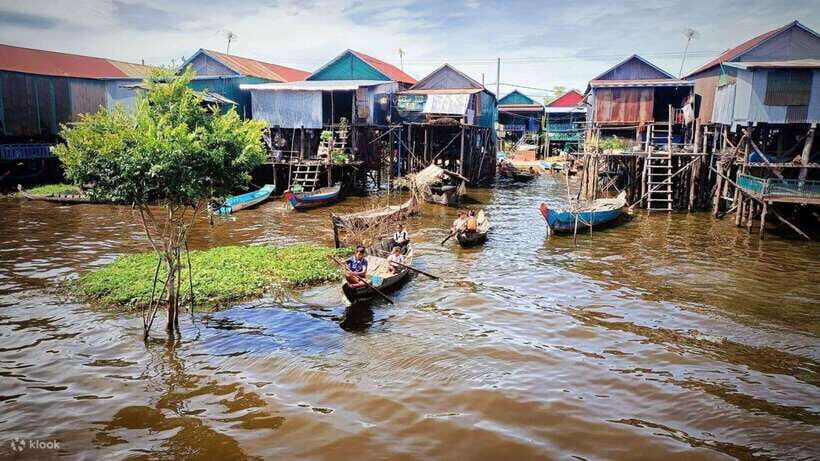
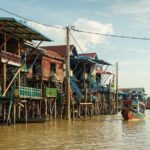
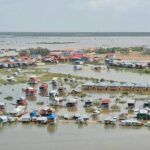
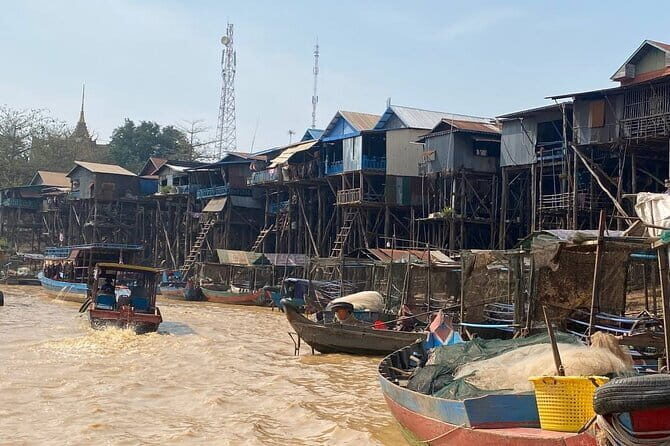
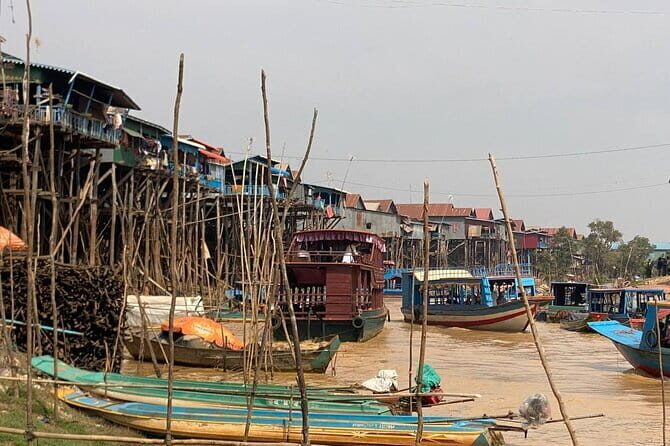
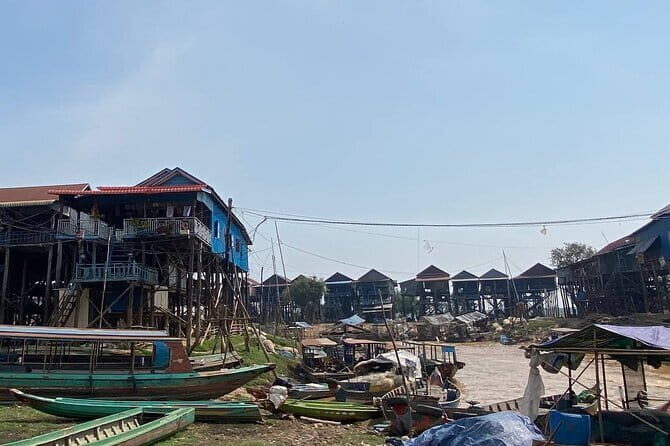
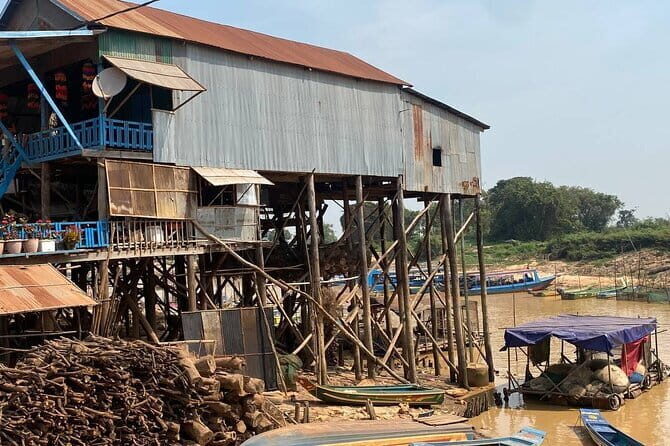
Then there’s the floating village side of Kampong Phluk: a community built on stilts along Tonle Sap Lake. During seasonal flooding, homes seem to shift with the water, which is why the village feels “alive” in a seasonal way rather than static like many tourist towns. You’ll see how daily life is organized around the rhythms of flooding, fishing, and shrimp farming.
Other Tonle Sap and floating village tours we've reviewed in Siem Reap
What Makes This Tour Worth $55: Admissions, Boat, and Pickup
At $55 per person for a half-day, you’re not just paying for a ride. The price includes several items that add up quickly on Cambodian day trips: an English-speaking licensed guide, hotel pickup and drop-off, a boat ride to the floating village, and entrance fees connected to the floating village experience. Bottled water is also included.
Here’s how that changes the value for you. If you were to piece this together yourself, you’d likely have to arrange transport, pay separate entrance fees, and negotiate boat access. With this tour, the structure is already handled, and you can spend your energy on the actual experience instead of logistics.
One more practical note: the tour is offered as a private tour/activity, meaning it’s only your group. That’s often a big quality-of-life upgrade on busy sightseeing routes—less waiting, fewer awkward crowd pauses, and more straightforward conversation with your guide.
One thing you should plan for: lunch isn’t included. With a tour this short, you may be fine grabbing a snack, but if you’re traveling with kids or you’re the type who likes a proper meal on schedule, decide in advance whether you’ll eat before or after.
Rolous Market Stop: A Guided Taste of Local Everyday Life
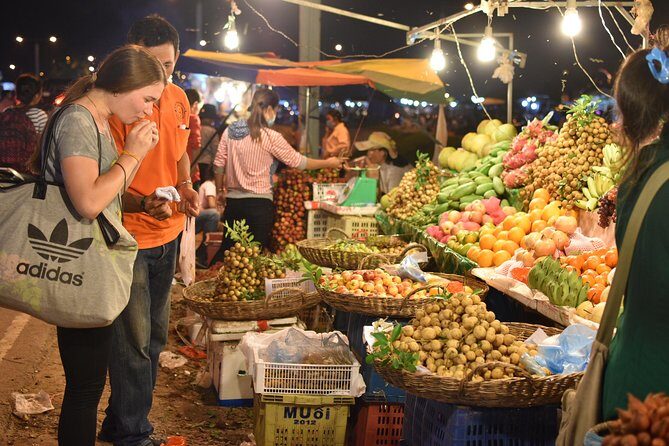
The first stop is Rolous Market, around an hour long. This isn’t framed as a strict market shopping spree; it’s more of a guided introduction to daily life in the area. Vendors typically display a mix of produce, dried fish, and traditional snacks, so you get a quick sense of what people buy and cook with.
What makes this stop valuable is the way it’s handled. A strong review described how the guide walked through the market, explained different items, and helped the group try local produce. That’s the difference between passing through a market and actually understanding what you’re seeing.
For you, the market stop works well for two reasons:
- You get context before you head into nature and village life, so the later stops make more sense.
- You have a chance to shake out your legs and reset your expectations—markets can be chaotic visually, but a guide gives you a way to process it.
A minor consideration: if you prefer quiet sightseeing with minimal time around crowds, you’ll want to treat this as a short orientation stop rather than the main event. It’s one hour, so you won’t get stuck too long.
Kampong Phluk Flooded Mangroves: Reading the Waterline
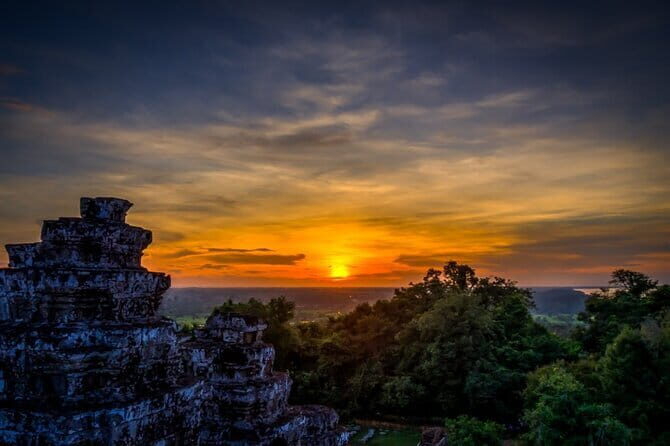
After Rolous Market, you’ll move to Kampong Phluk for about two hours, with admission included. This is where the tour earns its reputation.
Kampong Phluk’s flooded mangrove forest is submerged during the monsoon season, typically from July to February. In that period, the water can make the forest look surreal—trees seem to emerge from the surface, and the whole area feels different than the drier months. It’s a mangrove ecosystem, meaning the environment is designed for water, tides, and seasonal change.
What you’re really seeing is the connection between environment and livelihood. Mangroves support wildlife and act like a natural buffer in coastal and lake ecosystems. For the local fishing-based community, the flooded forest area is part of an overall system tied to daily work and fishing activities.
A practical tip for managing expectations: if you visit outside the wet-season window, the flooded effect may be weaker. That doesn’t make the area “wrong”—it just means you’re seeing a different phase of the ecosystem. For photographers and first-timers, that seasonal piece is the biggest variable.
You’ll likely spend time observing from the routes used on this half-day format, and because you’ll return to water-based travel again at the floating village portion, you’ll get a clear progression: market life, forest flooding, then the community built on top of that reality.
Floating Village on Stilts: How Tonle Sap Homes Handle Flooding
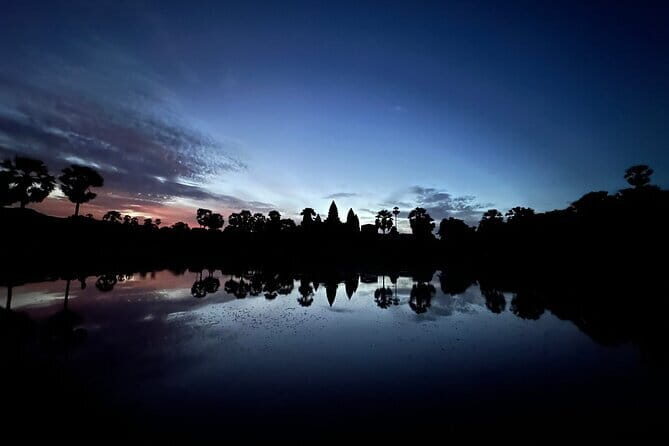
The final major stop is the Kampong Phluk Floating Village, about one hour. The tour includes the boat ride to reach it and the entrance fee tied to the village experience.
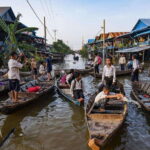
This is the part most people picture when they imagine “floating village,” and it’s more interesting than it sounds. The community is built on tall stilts along Tonle Sap Lake. During seasonal flooding, homes effectively shift into a floating mode—meaning the village adjusts rather than disappears. That’s a big difference from a village that simply gets visited by tourists at one point in the year.
Residents rely on fishing and shrimp farming, so the village’s seasonality ties directly into practical work. When you’re standing around the village structures, the whole setup makes sense as an adaptation to water level changes—less about magic, more about living with a natural schedule.
The boat element matters here. You’re not only looking at the village from a single shoreline vantage point. You glide through the tranquil waters to get there, which helps your brain treat this as a real place instead of a staged attraction. It also makes it easier for kids and first-timers to feel the scale without being rushed on foot.
A quick consideration: because this is water-based, you should be ready for the feeling of being around open-air elements—cooler air near water, possible humidity, and whatever conditions are happening on the day. This tour includes bottled water, which helps you stay comfortable as the day moves fast.
Other Siem Reap city and countryside tours we've reviewed in Siem Reap


Transportation and Timing: How This Half-Day Stays Relaxed
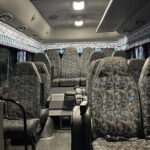
The tour includes air-conditioned vehicle transport and pickup/drop-off at your hotel, which is worth treating as part of the experience, not just a convenience. If you’re visiting Siem Reap and spending most days near temples, it’s nice to have a plan that doesn’t require you to constantly navigate local rides to different scattered points.
Your schedule is built to keep you from getting stranded:
- Market stop: about 1 hour
- Kampong Phluk area: about 2 hours
- Floating village: about 1 hour
- Total time: about 4 hours (approx.)
That pacing is one reason this tour works well for short stays. You get a meaningful dose of the Tonle Sap ecosystem and village adaptation without turning your trip into a marathon.
This is also a private tour for your group, so your guide can adjust question time without the pressure of keeping a full bus on track. The half-day format can feel a bit tight on paper, but private pacing tends to make it feel smoother in real life.
Who This Tour Suits Best (and Who Might Want a Different Day)
This is a good fit if you want:
- a half-day nature-and-culture experience
- a guided introduction that explains what you’re seeing (especially at the market)
- the specific Kampong Phluk vibe: flooded forest months and the floating village season adaptation
- private-group comfort with hotel pickup
It can also be a strong choice for families. One review specifically mentioned Tonle Sap with kids, and the structure makes sense for shorter attention spans: market, then a clearly themed nature/water sequence, then the village.
If you’re the type who wants a longer, slower day with more time on the water or deeper exploration of village life, you might eventually wish you had more hours. This tour is compact by design, so it’s better viewed as a smart, efficient taste rather than the final word.
Price, Tickets, and Getting Set Up Without Stress
Here’s what you should know before you book:
- You’ll pay $55 per person
- You’ll receive mobile ticket access
- Confirmation is received at booking time
- The tour includes admissions and core sightseeing items (not lunch)
Also, it’s a tour that people often plan ahead for: on average, it’s booked about 70 days in advance. If your dates are fixed around the best wet-season window, booking earlier is a safe move.
On the day, the biggest practical variable isn’t the tour—it’s water levels and weather conditions. Since the flooded forest is tied to the monsoon period (often July to February), your experience will reflect what the lake is doing at that moment.
If you’re deciding last-minute, the operator offers free cancellation up to 24 hours in advance for a full refund, which gives you a bit of wiggle room if weather plans shift.
Should You Book This Kampong Phluk Half-Day Tour?
I’d book this tour if you want a concentrated, well-structured way to see why Kampong Phluk matters: mangrove flooding in the wet season, a working community adapting to Tonle Sap’s cycles, and a boat ride that makes the whole thing feel real. The best part is the combination—market context first, then flooded forest, then the floating village—so the day tells a story instead of being three unrelated photo stops.
Skip it (or consider a longer option) if your main goal is maximum time on the water or you’re traveling outside the flooded-season window and are hoping for the most dramatic submerged-tree look. In those months, you may still have a meaningful visit, but it won’t match the classic flooded-forest photos people come for.
If you book, do it with one mindset: this is a half-day introduction to a seasonal world. You’ll get a lot for the money, especially because the essentials—guide, boat, entrances, and hotel transport—are already included.
FAQ
How long is the Half Day Kampong Phluk Floating Village and Flooded Forest Tour?
It runs for about 4 hours (approx.).
What’s included in the tour price?
The tour includes hotel pickup and drop-off, an air-conditioned vehicle, a licensed English-speaking guide, a boat ride to the floating village, entrance fee for Kampong Phluk Floating Village, and bottled water.
What are the main stops during the tour?
You’ll visit Rolous Market, Kampong Phluk, and Kampong Phluk Floating Village.
Is lunch included?
No, lunch is not included.
When is the flooded mangrove forest usually submerged?
The flooded mangrove forest is typically submerged from July to February.
Is this a private tour?
Yes. Only your group participates.