REVIEW · SIEM REAP
Kompong Phluk Floating village & Mangrove forest cruise
Book on Viator →Operated by Bayon Tabi Tour · Bookable on Viator
Tonlé Sap can’t be described, only seen. This Kompong Phluk floating village tour pairs easy air-conditioned pickup with a guide’s take on how life shifts with the seasons, then adds a mangrove canoe ride when conditions allow. One thing to plan for: the mangrove small-boat cruise is not available from Feb 15 to July, so your mangrove portion may be different in those months.
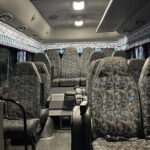
I really like two practical touches here. First, you get bottled water and cool, air-con transport for the drive out to the lake—helpful in Siem Reap heat. Second, you visit the floating village with a professional guide, not just a quick boat stop, so you understand why homes sit on stilts and how communities manage flooding and calmer dry-season water.
The only “consider me” moment is timing. This is a half-day tour (about 3 to 4 hours), and it moves at a steady pace: you’ll want comfortable shoes and a mindset of short, focused stops rather than a long, slow wander.
In This Review
- Key things you’ll notice on this Kompong Phluk & mangrove cruise
- A Tonlé Sap day trip that feels like real life, not a photo stop
- Tonlé Sap Great Lake: the one-hour lesson in scale
- Kampong Phluk floating village: stilt living explained in plain language
- Mangrove forest canoe time: what to expect in wet season, and what changes in dry season
- The quick stop at Psar Chaa (Old Market) on the way back
- Price and logistics: what your $105 is really buying
- Comfort notes that make the day easier
- Who should book Kompong Phluk and this mangrove cruise?
- Should you book this Kompong Phluk & mangrove tour?
- FAQ
- How long is the Kompong Phluk floating village and mangrove cruise?
- Where does the tour start and is pickup included?
- Is a guide included, and what languages are available?
- What’s included in the price of about $105?
- Is the mangrove forest cruise available year-round?
- If I don’t want to take the mangrove small boat, can I skip it?
- What is the cancellation policy?
Key things you’ll notice on this Kompong Phluk & mangrove cruise
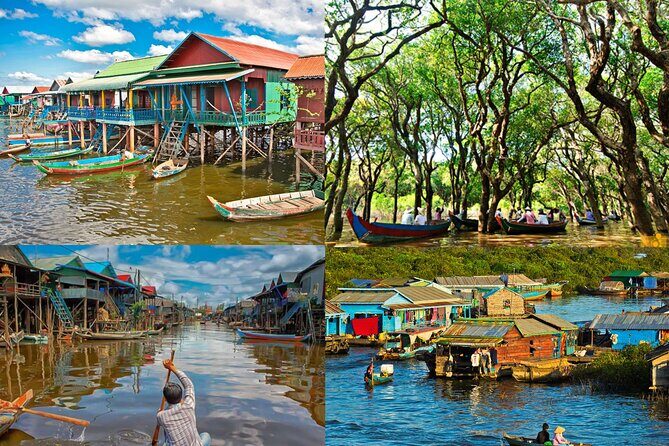
- Air-con transfers plus bottled water keep the ride comfortable in warm weather
- Tonlé Sap Great Lake scale gets explained while you’re actually on the water
- Floating village life on stilts makes more sense with a guide’s seasonal context
- Seasonal mangrove paddling happens via canoe when the forest is flooded
- Small-boat mangrove cruise isn’t running Feb 15 to July (plan for an alternate mangrove option)
- You can skip the small mangrove craft and wait on the big boat at the shop area
A Tonlé Sap day trip that feels like real life, not a photo stop
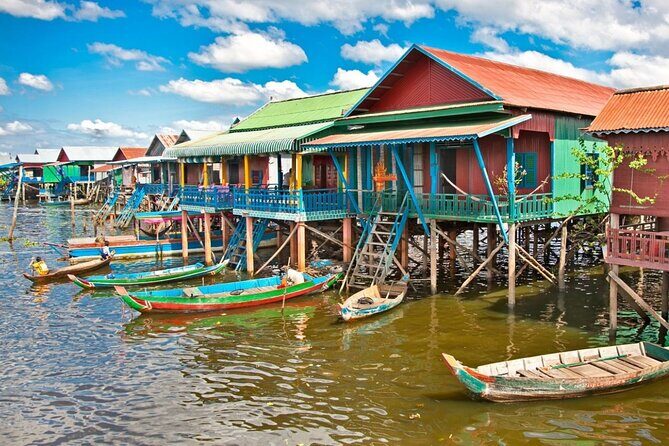
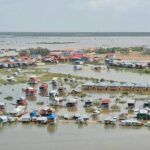
Kompong Phluk sits where the huge Tonlé Sap lake meets the rhythm of the seasons. In dry months, the village looks like it’s perched just above land. In wetter months, everything changes: water rises, routes shift, and daily life reorganizes around flooded edges and calm channels.
That seasonal contrast is the reason this tour is more than sightseeing. You’re not only looking at stilt houses—you’re learning why they exist and how people adapt when the water is high versus when it drops. A good guide matters here, and this tour is designed around a licensed English/Japanese-speaking guide who explains what you’re seeing as you go.
The other reason I’d pick this over a DIY boat day is simple: it’s structured. You get a set block of time that includes lake time, the floating village, and a quick local-market stop on the return. For many people, that pacing is exactly what they want after Angkor—something meaningful, but not exhausting.
Other Tonle Sap and floating village tours we've reviewed in Siem Reap
Tonlé Sap Great Lake: the one-hour lesson in scale
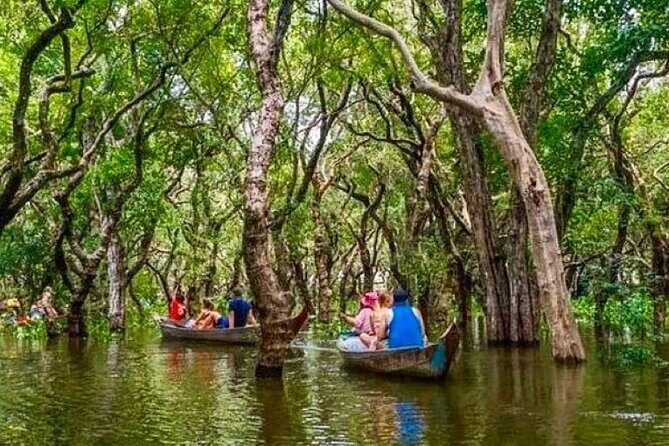
Your tour starts with time on Tonlé Sap itself, and the lake’s size is hard to get from land. From the water, you can see how the Tonlé Sap connects to life around its edges—how boats, homes, and livelihoods rely on the lake’s level rather than fixed roads.
In practical terms, that one hour works well. It’s long enough to notice the water patterns and silted areas, but short enough that the day doesn’t drag. Admission to the lake portion is included, so you don’t end up chasing paperwork or second-guessing what’s covered.
If you’re coming in from Siem Reap, the air-conditioned vehicle can feel like a reset button. You start the day with cool comfort, then step out into open air on the water. If you’re traveling during hotter months, that transfer detail is a small upgrade you’ll feel later.
Kampong Phluk floating village: stilt living explained in plain language
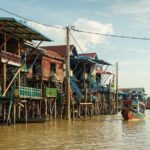
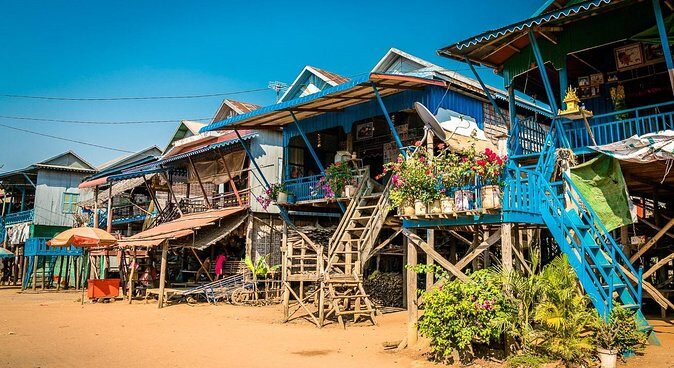
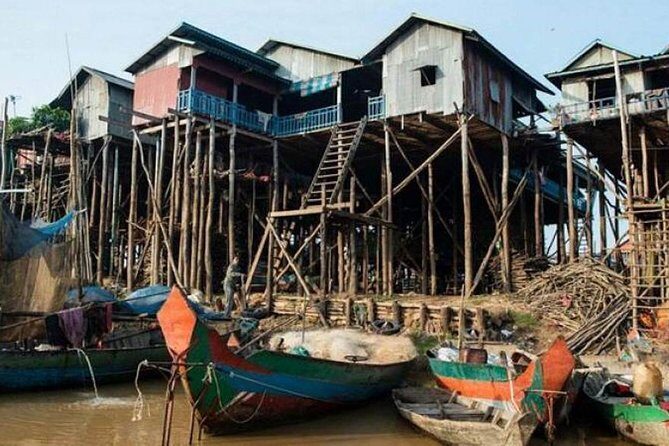
Kompong Phluk is best understood as a community built for change. The floating village is famous for its houses on stilts, but the stilt part is only the beginning. What you learn—if your guide is doing the job well—is how families handle the practical reality of shifting water levels.
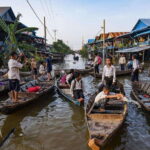
Expect boat movement through the village area and views of the stilt homes and surrounding structures. The guide typically frames what you’re seeing: how the village functions when water is lower, what it looks like when water rises, and how people move through the space between lake and shore.
One of the most praised parts of this tour is the way guides make it make sense. People have specifically highlighted guides like Nak Chum, Phy, Tommy, and Pen for staying enthusiastic and keeping the group engaged. That matters because a floating village can look like a scenic setting at first. With the right explanation, it becomes a working ecosystem where people have adapted to the conditions rather than fighting them.
You may also have moments that add texture beyond the main boat ride. For example, some departures include walking segments where the guide escorts you through an area that can be dry during certain season conditions, and there can be stops connected to village life such as a mosque area. It’s the kind of detail that helps you picture how people actually spend their day.
The big takeaway: you’re not just passing by buildings. You’re learning the logic behind them—why stilt houses are a survival strategy on Tonlé Sap.
Mangrove forest canoe time: what to expect in wet season, and what changes in dry season
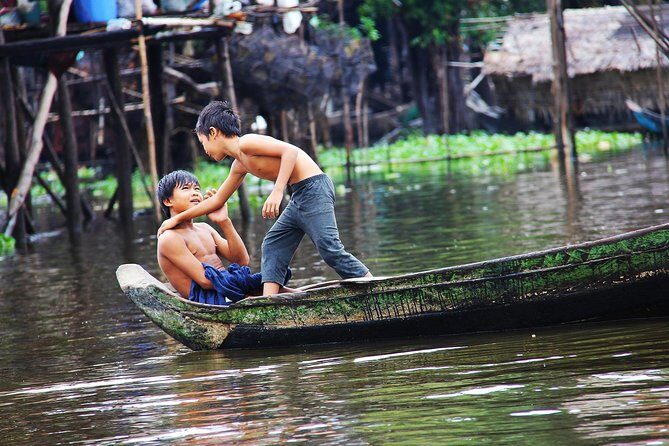
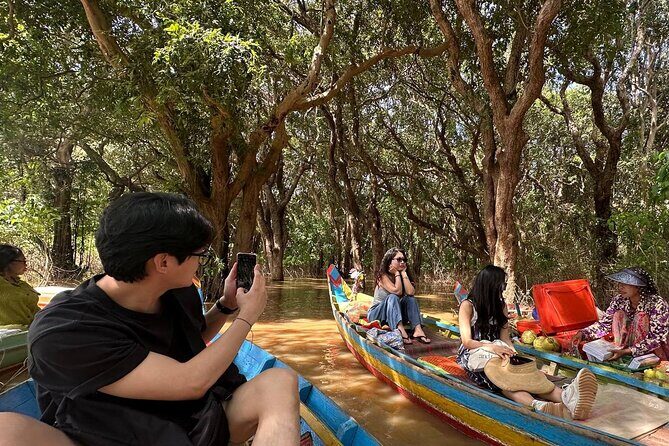
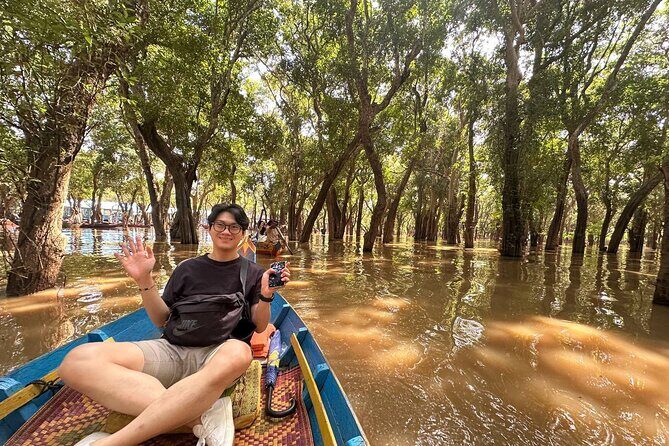
Here’s the heart of the experience: the mangrove forest portion. During the wet season, the tour travels by canoe through a flooded mangrove forest. That phrase matters. Flooded mangroves aren’t just trees and branches—they’re a watery maze where narrow channels and shallow water shape how you move and where you can go.
You’ll feel the difference in the water itself. In those conditions, the mangroves become part of the travel route, and the experience shifts from “looking around” to “moving carefully through.” This is usually where the trip turns memorable for people: not because it’s loud or flashy, but because it’s quietly different from everything else you’ll do around Siem Reap.
Now for the practical consideration. The mangrove forest small boat cruise is not available from Feb 15 to July. That doesn’t mean you’ll have zero nature time, but it does mean the specific small-craft canoe/kayak-style segment may be limited. The operator also notes an option: if you don’t want to take the mangrove small boat, you can wait on the big boat at the shop area.
So how do you plan for this?
- If you’re visiting outside Feb 15–July, you can reasonably expect the mangrove paddling portion as described.
- If you’re visiting inside that date range, accept that the mangrove component may run differently, and ask your operator what the substitution looks like for your exact day.
Also keep in mind that mangrove time can feel damp and cooler than open water, but it depends on the day and season. Dress for wet splashes and sun exposure.
The quick stop at Psar Chaa (Old Market) on the way back
On the return, you’ll stop at Psar Chaa (Old Market) for around 30 minutes. This isn’t a long shopping spree, and it’s not meant to replace browsing in Siem Reap markets. Think of it as a palate cleanser and a chance to see local trade rhythms.
The value here is timing. After time out on the lake and floating village, a short market stop helps your brain reorient back to land life. You can pick up small snacks, do a quick browse for souvenirs, or just watch the mix of locals buying daily items.
If you like to travel with your senses switched on, a brief stop like this can be great. If you’re shopping-focused, don’t count on having enough time to compare everything—you’ll want to treat it as a quick look rather than a full market day.
Other Siem Reap city and countryside tours we've reviewed in Siem Reap

Price and logistics: what your $105 is really buying
At $105 for about 3 to 4 hours, this tour can feel like a lot until you break down what’s included. Here’s what you’re paying for besides the “experience” label:
- Air-conditioned vehicle with cool water and bottled water
- English/Japanese-speaking licensed guide
- Entrance fees
- Boat fees, including the mangrove boat segment and boat from port
- A structured visit to Tonlé Sap, Kampong Phluk, and a market stop
That’s a lot of operational cost baked in. You’re not just paying for someone to point and talk—you’re paying for transport, permissions/entry, and multiple watercraft segments.
It also helps that the group size is capped at 15 travelers. Smaller groups usually mean less waiting around and more chance to actually hear the guide while you’re moving.
A small but meaningful detail: pickup is offered, and the tour uses a mobile ticket. That reduces time spent sorting out paperwork at the start of your day.
Comfort notes that make the day easier
Because the tour is water-based, a few comfort decisions pay off fast.
Wear shoes you can trust. Even if you’re not doing any serious hiking, you may step on uneven ground near docks or village edges. Closed-toe shoes are simply safer than sandals.
Bring sun protection. You’ll be out on the water and around open areas. Even with air-con on the drive, the lake portion doesn’t stay in the shade.
Expect wet-season reality if conditions match. If you’re traveling when mangroves are flooded, you’re choosing a watery environment. Plan for splashes and keep a dry layer if you can.
Bring cash only for extras. The tour states the market stop and other personal expenses are not included, and tips are not included. So keep small bills handy if you want snacks or a souvenir in Psar Chaa.
And if you know you’re not comfortable on small watercraft: you have the option to avoid the mangrove small boat segment and wait on the big boat.
Who should book Kompong Phluk and this mangrove cruise?
This tour is a strong fit if you want:
- A cultural ecosystem experience tied to seasons, not just a quick stilt-village photo
- A guide-led explanation of life around Tonlé Sap
- A half-day that fits after Angkor without stealing your whole daylight
It’s also a good option for people who like small groups (up to 15) and appreciate air-conditioned transport. And if you’re traveling as a family or with mixed ages, the guide-led pace helps keep the day organized.
If, on the other hand, you dislike water travel or you’re visiting during Feb 15–July when small-boat mangrove cruising isn’t available, you should ask what the mangrove portion becomes on your date. Then you’ll know if the schedule matches your expectations.
Should you book this Kompong Phluk & mangrove tour?
Yes—book it if you want a guided, structured way to understand Tonlé Sap life and see Kompong Phluk with seasonal context. The combination of lake time, floating village explanations, and the mangrove canoe idea (when running) is exactly the kind of half-day that feels worth the effort.
I’d only hesitate if you’re very date-sensitive about having the small-boat canoe/kayak-style mangrove ride. In that case, confirm what runs on your day, because Feb 15 to July is specifically when the small-boat mangrove cruise isn’t available.
If your goal is meaningful nature + human adaptation in a short visit, this is a solid choice from Siem Reap.
FAQ
How long is the Kompong Phluk floating village and mangrove cruise?
The tour runs about 3 to 4 hours.
Where does the tour start and is pickup included?
The tour is based in Siem Reap and pickup is offered.
Is a guide included, and what languages are available?
Yes. It includes an English and Japanese speaking licensed guide.
What’s included in the price of about $105?
Entrance fees are included, along with boat fees for the mangrove forest boat and boat from the port. Air-conditioned transport with cool water and bottled water are also included.
Is the mangrove forest cruise available year-round?
No. The mangrove forest small boat cruise is not available from Feb 15 to July.
If I don’t want to take the mangrove small boat, can I skip it?
Yes. If you don’t want the mangrove small boat, you can wait on the big boat at the shop.
What is the cancellation policy?
You can cancel up to 24 hours in advance for a full refund. If you cancel less than 24 hours before the start time, the amount you paid is not refunded.