REVIEW · SIEM REAP
Kulen Mountain: Full-Day Private Waterfall Tour
Book on GetYourGuide →Operated by Angkor T.K. Travel & Tours · Bookable on GetYourGuide
Phnom Kulen is Cambodia at its most spiritual and wild. This full-day private tour takes you from Siem Reap Province into Phnom Kulen National Park, where the scenery turns green, the air feels cooler, and the sites shift from Hindu symbols to Buddhist worship. I especially love how the day mixes sacred history with real time outdoors, plus the payoff of the refreshing waterfalls after the drive up.
Two moments really stick: the River of 1000 Lingas, with thousands of carved symbols along the riverbed, and the summit visit for the large Reclining Buddha and pagoda views. One thing to consider: the experience depends heavily on your guide’s communication style. Based on past bookings, some guides give fewer explanations unless you ask, and a few move through stops with less time for group pacing.
In This Review
- Key things to know before you go
- Phnom Kulen feels different from the Angkor circuit
- From your hotel to the mountain: the ride you actually need
- River of 1000 Lingas: Hindu symbolism you can see up close
- Summit time: pagoda views and the Reclining Buddha
- Waterfalls on Kulen: where the cool air hits
- Lunch and downtime: what’s included and what’s not
- Price and value: $175 for two, then add entrance fees
- The Banteay Srei option: worth it if you plan your pass
- Guide quality can make or break the day
- Who this private Kulen tour is best for
- Should you book the Kulen Mountain full-day private tour?
- FAQ
- How long is the Kulen Mountain full-day private waterfall tour?
- Where does the tour start?
- Is transportation private?
- Is there an English-speaking guide?
- What’s included in the price?
- What entrance fees should I expect?
- Do I need an Angkor day pass?
- Is lunch included?
- Is the tour good for couples?
- What’s the cancellation policy?
Key things to know before you go
- Private transportation from your hotel lobby means you won’t be lumped into a long shared departure line.
- Early-morning start helps you reach Kulen before the day gets too crowded at the key viewpoints.
- River of 1000 Lingas is the standout for many people because the carvings are unique and spread right along the water.
- Summit for pagoda and Reclining Buddha combines faith-focused stops with big sky-and-views moments.
- Waterfall breaks include swim time at two beautiful spots, so plan for wet feet and changing conditions.
- Optional Banteay Srei stop can extend the value, but you’ll need an Angkor day pass.
Phnom Kulen feels different from the Angkor circuit
If Angkor temples are the headline in Siem Reap, Phnom Kulen is the “why” behind the region’s stone-and-sacred-mountain mindset. Phnom Kulen is widely regarded as the birthplace of the ancient Khmer Empire, and the sandstone used for Angkor temples was brought from this mountain during temple construction. That connection adds weight to every stop, even when you’re just pausing to cool off by the waterfalls.
What I like is that the day doesn’t stay in one mode. You move through long-sight countryside first, then you climb into a national park setting, and finally you end with water, shade, and time to relax. It’s a balanced day: reverence without feeling like a museum tour.
Other Kulen Mountain and waterfall tours we've reviewed in Siem Reap
From your hotel to the mountain: the ride you actually need
You’ll depart in the morning with private transportation picked up from your hotel lobby. The route is part of the experience: you’ll drive through wide open rice fields and scattered villages with traditional houses, then wind up the rocky road as the elevation increases.
Why this matters for you: the drive sets expectations. Kulen is not a “step out of the car for 10 minutes” place. The road gets rougher toward the top, so plan to settle in and expect the day to feel active even before you start sightseeing.
Once you arrive, you’re entering Phnom Kulen National Park, where the sites feel more spread out and less compressed than the main Angkor areas. That difference helps the day feel like an outing, not a checklist.
River of 1000 Lingas: Hindu symbolism you can see up close
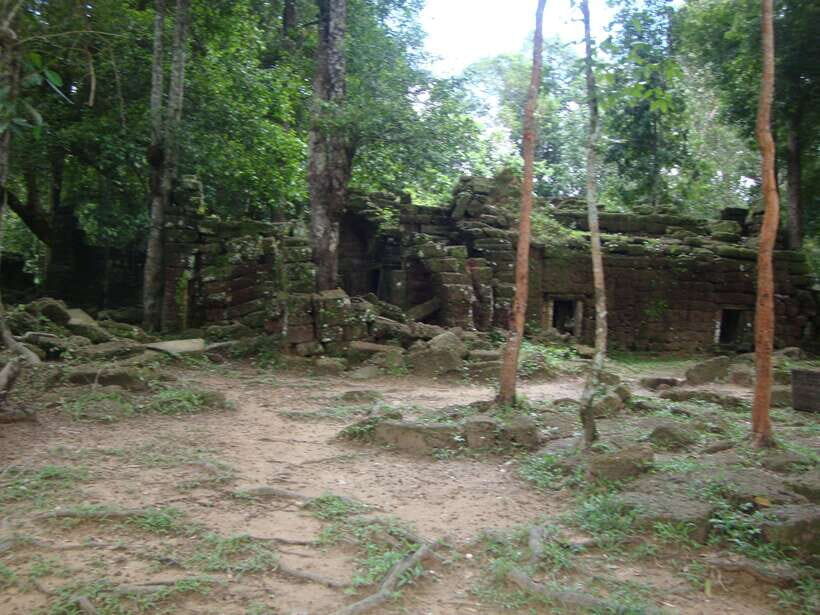
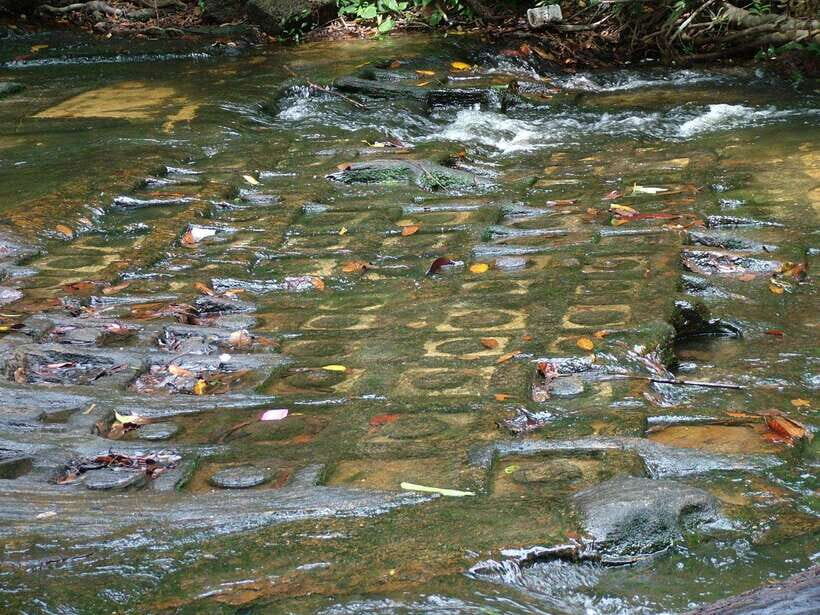
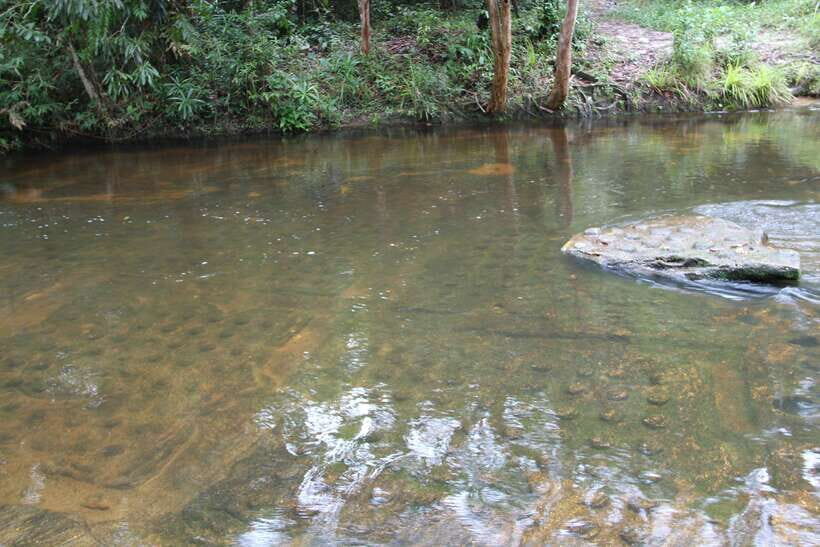
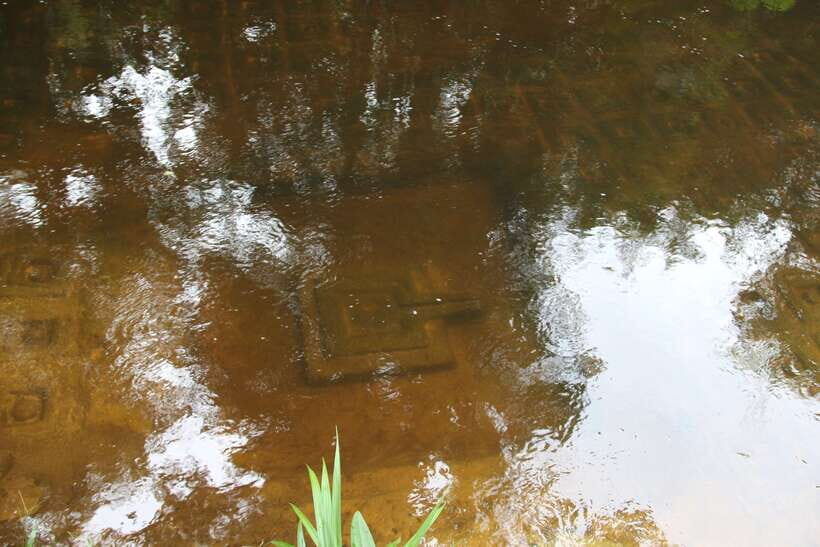
The River of 1000 Lingas is divided into three ports for the Hindu trinity gods, and the riverbed is filled with thousands of unique carvings. This is one of those places where context helps, because it’s not just “old rocks.” It’s an entire visual system laid into the landscape.
I find it most compelling when you slow down and look at the variety. Even if the overall idea is consistent, each carving creates a slightly different pattern across the stones. You’re right next to it, so you experience the sacred imagery as part of the terrain rather than something behind ropes.
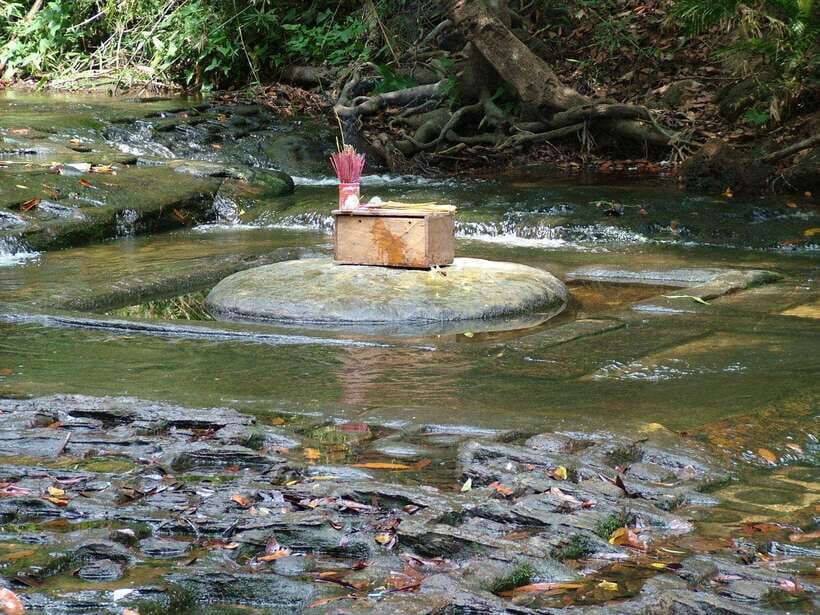
One practical tip: expect uneven ground and slippery surfaces near the water. Even if you’re not planning to go far in, you’ll still want comfortable footwear and a careful step around the riverbed areas.
Summit time: pagoda views and the Reclining Buddha
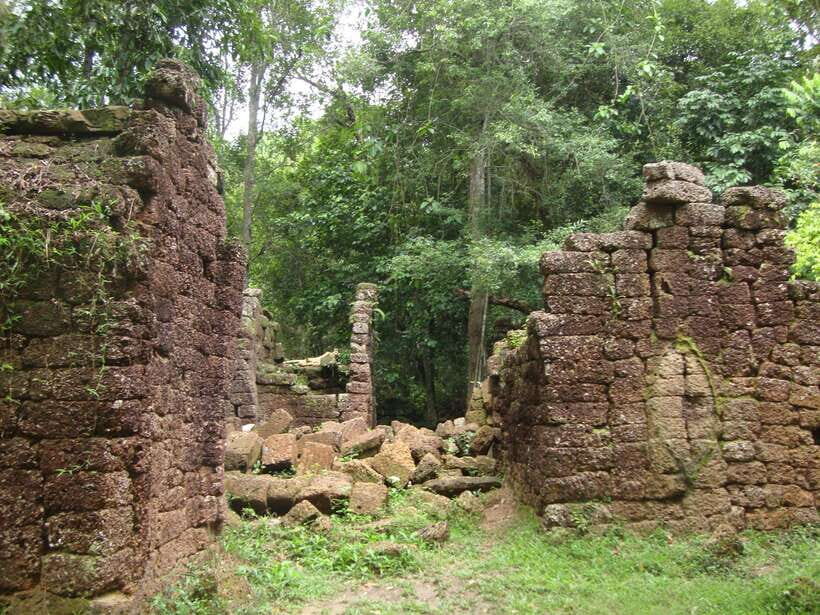
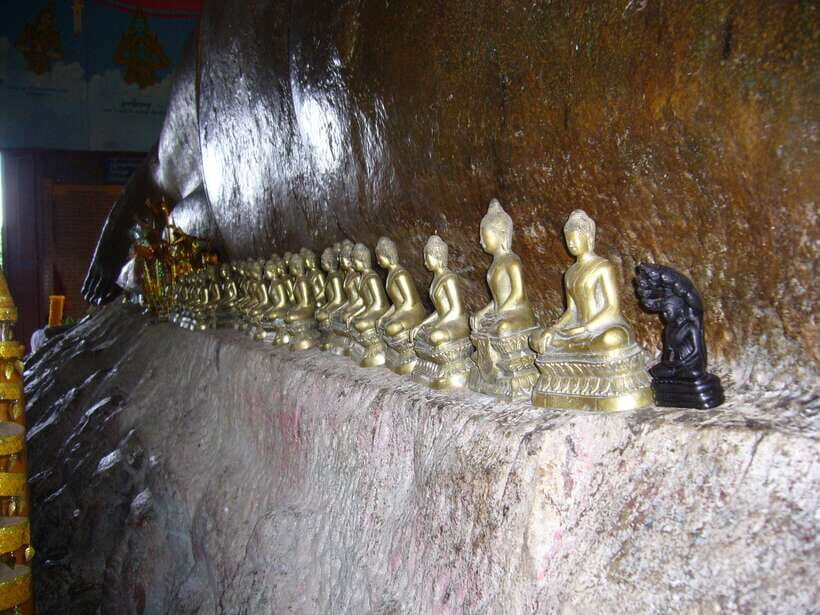
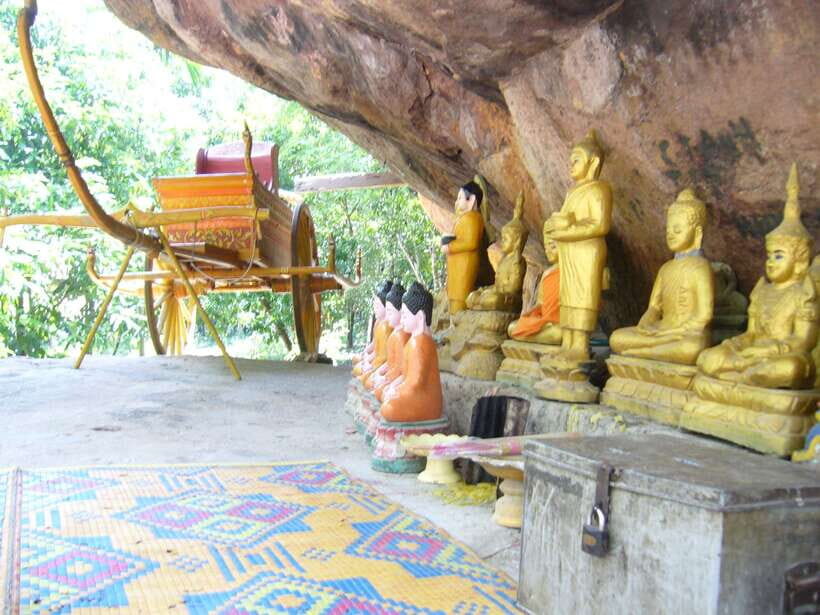
After the river stop, you ascend to the hilltop for the Buddhist pagoda and the large Reclining Buddha statue. This is the moment where the day shifts clearly from carved Hindu symbolism in the river to a Buddhist place of worship with a strong focal form.
What you’ll likely feel here is scale. The reclining statue is meant to draw you in, but the climb also sets your mind toward quiet attention. People go to pay respects, not just to photograph, so treat it like a working spiritual site.
If you’re trying to get the best experience for yourself, aim for a calm pace at the summit. When you rush, you miss the point. When you linger—just a bit—you’ll catch more of the atmosphere and likely get better time to absorb both the statue and the surroundings.
Waterfalls on Kulen: where the cool air hits
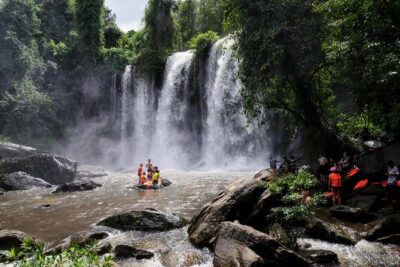
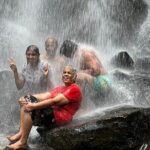
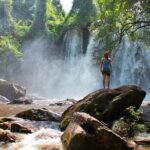
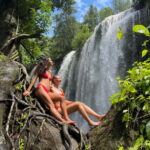
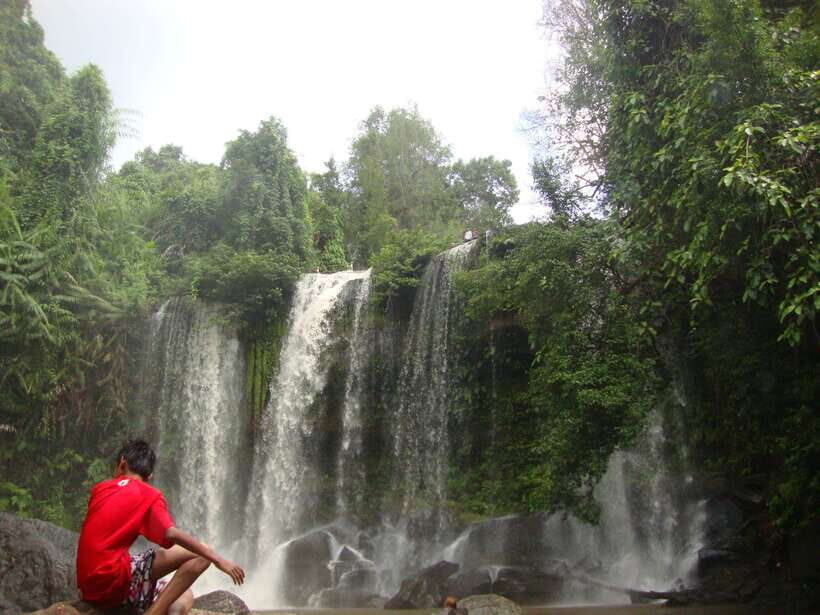
Then the tour moves into the part many people come for: the Kulen waterfalls. You’ll pause at two beautiful spots, with time that may include a swim. This is the break where the mountain day becomes physical in a good way—cool water, shaded falls, and a chance to reset after climbs and walking.
Two-waterfall stops is a smart structure for you. If one spot is busy or the light is weird, you still get a second chance to catch a calmer view. Also, the waterfall timing matters because you’ll want energy left for the water.
If you plan to swim, keep it simple: wear something you can rinse and dry, and watch out for slippery stones. Even with short swim breaks, the area around waterfalls can be wet in unexpected places.
Other private tours in Siem Reap

Lunch and downtime: what’s included and what’s not
Your tour includes a refreshment drink and a cold towel, which is a nice touch after the drive and walking. Lunch is not included, but there’s a chance to grab food during the breaks—just don’t assume it’s handled for you.
This matters for budget planning. If you’re traveling with only one other person (remember the group is up to 2), your cost can look low at first and then rise once you add entrance fees and a meal. If you want a smoother day, plan to carry some snack options or decide in advance how you’ll handle lunch on-site.
Price and value: $175 for two, then add entrance fees
The tour price is $175 per group up to 2 people for a 6-hour private experience. That base price helps make Kulen more affordable than it might seem, especially if you’re a couple or a small group where shared tours would still feel like a long day.
But you should budget for the separate fees:
- Kulen entrance fee: $20 per person
- Angkor Temple Pass: around $37 per person if you choose to stop at Banteay Srei (Women’s Citadel)
A quick value check for two people:
- Base: $175
- Kulen entrance: $40
- If you add Banteay Srei: about $74 for the pass
That puts the total around $289 for two, plus lunch and personal spending.
Is it worth it? For me, yes—when you treat it as a full mountain outing with private time, guide support, and real waterfall breaks. It’s not just “temples and photos.” It’s a day that combines sacred places with a physical nature component.
The Banteay Srei option: worth it if you plan your pass
You’ll wrap up around 2:00 PM, and then you have an option to stop at Banteay Srei, known as the Women’s Citadel and built of majestic red sandstone. If you do this stop, you’ll need a valid Angkor day pass, costing around $37 per person.
For your decision: Banteay Srei is often loved for its specific look and the way it fits into the broader Angkor story. But adding it also means more time on the road and more costs, so I’d consider it if you already know you want a second major site that same day.
If you’re more focused on Kulen itself—waterfalls, the carvings, and the summit—then skipping Banteay Srei can keep the day calmer.
Guide quality can make or break the day
This tour runs with an English-speaking guide, and that’s a big deal because Kulen isn’t just scenic. The sites carry meaning, from Khmer-era origins to the sacred symbolism of the river carvings and worship at the top.
Here’s the honest part: guide communication has varied in past experiences. Some guides provide limited historical context unless you ask, and a few manage time in ways that can feel rushed. There have also been comments about guides not staying close to the group at all times.
How to protect your experience:
- Ask early what you’ll see and why it matters, then keep asking if answers aren’t coming.
- Set a pace expectation for photos and walking time.
- If you care about interpretation, tell the guide right at the start that you want more context, not just stop-to-stop logistics.
A private tour makes it easier to adjust than a group bus day. Use that advantage.
Who this private Kulen tour is best for
This is a strong fit if you:
- Want a private day from Siem Reap with flexible pacing
- Care about sacred sites beyond Angkor’s main temple complex
- Like nature breaks and not only dry sightseeing
- Are traveling as a couple or small group (since the price is per group up to 2)
It may feel less ideal if you mainly want a fast photo hit with lots of passive sitting. Kulen involves walking, a rocky road climb, and time spent outdoors around water and stones.
Also, if you’re someone who really depends on detailed historical narration, you’ll want to actively engage your guide. This is where asking questions early pays off.
Should you book the Kulen Mountain full-day private tour?
If you want a day that mixes Khmer heritage with real outdoor refreshment, I’d book it. The River of 1000 Lingas and the summit Reclining Buddha stop are exactly the kind of combination that makes Kulen more than a side trip, and the waterfall breaks with swimming time are the practical reason the day feels worth waking up early.
I would only hesitate if you’re sensitive to guide communication issues. The tour can still work great with the right guide, but if you’re expecting constant, in-depth storytelling without you prompting, you’ll want to set that expectation from the start.
In short: book this when you want a meaningful sacred mountain day plus cool water time, done privately so you can move at a human pace.
FAQ
How long is the Kulen Mountain full-day private waterfall tour?
It lasts about 6 hours.
Where does the tour start?
Pickup is included from your hotel lobby in the Siem Reap area.
Is transportation private?
Yes. The tour includes private transportation.
Is there an English-speaking guide?
Yes. The guide provides live interpretation in English.
What’s included in the price?
The tour includes private transportation, an English-speaking guide, and a refreshment drink plus a cold towel.
What entrance fees should I expect?
You’ll pay an entrance fee for Kulen (about $20 per person). Entrance fees are not included.
Do I need an Angkor day pass?
You only need an Angkor Temple Pass (around $37 per person) if you choose the optional stop at Banteay Srei.
Is lunch included?
No. Lunch is not included.
Is the tour good for couples?
Yes. The price is per group up to 2 people, and it’s a private group experience.
What’s the cancellation policy?
There is free cancellation up to 24 hours in advance for a full refund. You can also reserve now and pay later.