REVIEW · SIEM REAP
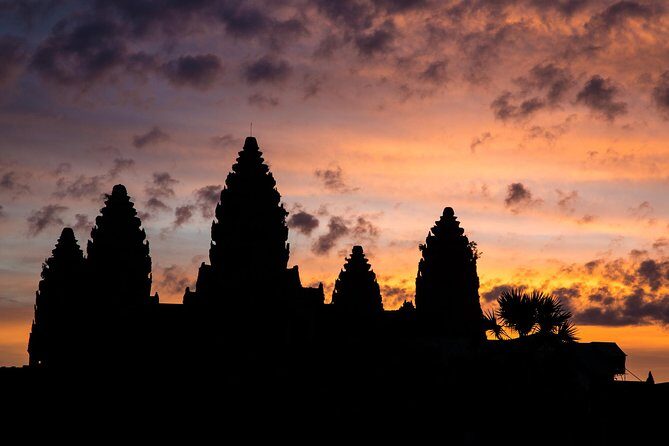
Sharing Trip to Angkor Temple with sunset
Book on GetYourGuide →Operated by Tour Guide Team Phnom Penh · Bookable on GetYourGuide
Angkor looks unreal in real life. This full-day shared tour strings together Angkor Wat, Angkor Thom, and Ta Prohm with an English-speaking guide who helps you see the details (and not just snap photos). I especially like the guided context on Khmer history and the practical pace support—cold water and wipes keep you moving. The big drawback is heat and walking time; you’ll spend most of the day outdoors with limited shade.
I like that the day starts with pickup right from your Siem Reap hotel lobby, then you skip line hassles with a separate entrance. The route is efficient, and the stops are long enough to get something real out of each temple—especially Bayon, with its famous faces, and Ta Prohm, where tree roots swallow stone. If you hate steep steps or long hot stretches, plan carefully and pack like you mean it.
Price-wise, the tour is a bargain at $19 for the vehicle, licensed guide, and sightseeing flow—but temple tickets and meals are extra. For most people, the all-in cost ends up closer to the mid-$60s once you add the Angkor temple pass.
In This Review
- Key points before you go
- Hotel lobby pickup and a realistic plan for the heat
- Angkor Wat: the national-flag icon and a guided history lesson
- Crossing into Angkor Thom via the South Gate
- Bayon Temple: 216 faces, carvings, and where to stand
- Baphuon and the reclining Buddha that was rebuilt
- Phimeanakas: shaded jungle views and steep steps
- Terrace of the Elephants to Preah Palilay: royal palace walkways
- Ta Prohm at golden hour energy: roots, moss, and Tomb Raider fame
- Price and logistics: what $19 really covers
- Who this tour fits best (and who should think twice)
- Practical packing checklist for Angkor heat
- So, should you book this Angkor sunset-focused day?
- FAQ
- Is hotel pickup and drop-off included?
- What’s included in the tour price of $19?
- Do I need to buy a separate temple ticket?
- Are meals included in the tour?
- What language is the guide?
- Is there drinking water during the day?
- What should I wear or bring for the temples?
- Is this tour suitable for children or wheelchair users?
Key points before you go
- Hotel pickup and drop-off make the day feel easy from minute one in Siem Reap
- Skip-the-line via a separate entrance helps when crowds build
- Angkor Wat to Ta Prohm covers the big three highlights in one day
- Photography-friendly guidance at Bayon (and again at Ta Prohm) saves time guessing angles
- Cold water and wipes are part of the trip, not an afterthought
- Hot-day reality check: long outdoor walks mean you should bring shade-minded gear
Hotel lobby pickup and a realistic plan for the heat
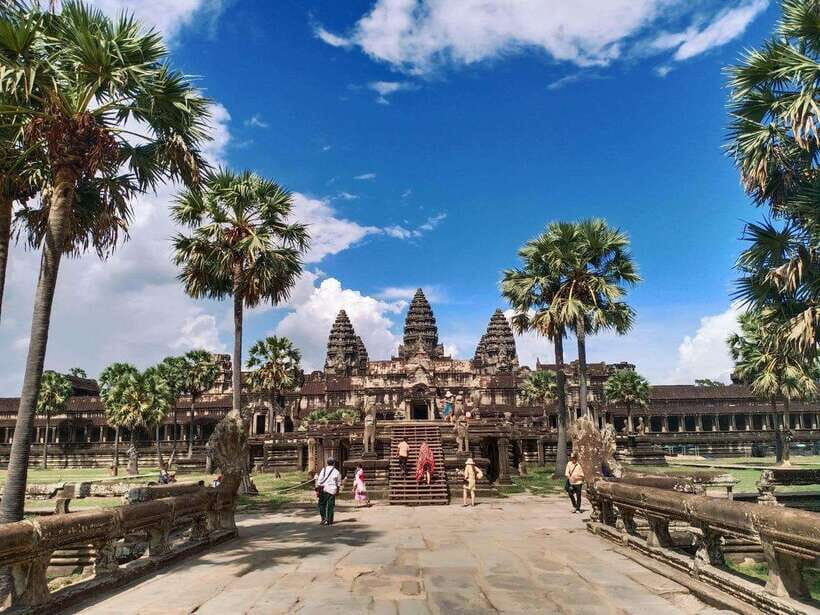
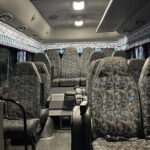
This is a one-day Angkor temples program with free pickup and drop-off from your hotel lobby in Krong Siem Reap. You roll out by air-conditioned van, with driver petrol, toll roads, and parking included—so you’re not stuck worrying about logistics. It also includes travel insurance, which is a nice baseline for a long day on the ground.
The itinerary is built around getting going early to beat both the heat and crowds. Still, you’ll be outdoors for most of the day. That matters because Angkor isn’t a quick museum visit. It’s stairs, uneven stone, dusty paths, and long sun exposure between temple zones.
Here’s the practical mindset I’d use: treat the day like a walking tour in a hot climate. Wear comfy closed shoes, bring sunscreen, and use a hat. The tour asks you to cover knees and shoulders at religious monuments, so you’ll want long pants and a long-sleeved shirt that can handle warm weather. (You can be cool and covered; you just need the right clothing.)
Other Angkor Wat sunset tours we've reviewed in Siem Reap
Angkor Wat: the national-flag icon and a guided history lesson
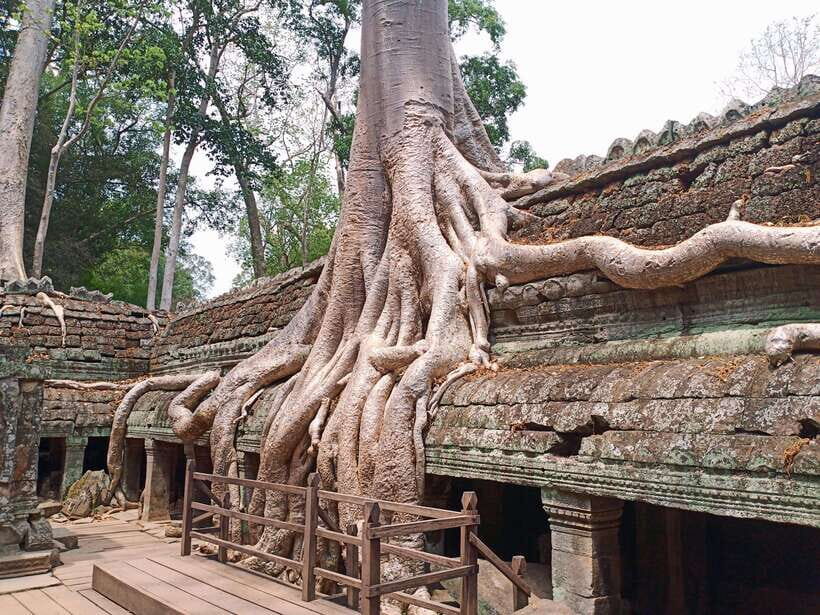
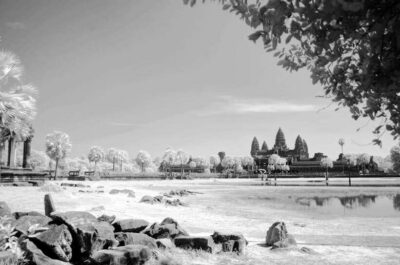
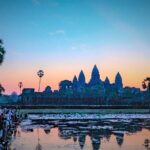
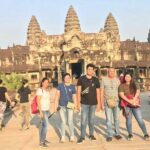
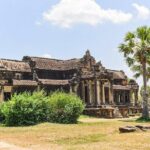
Your morning begins at Angkor Wat, with time for a photo stop and then a guided visit. You’ll spend about 2.5 hours here, so it’s not rushed. This is the site that people come to for good reason: it started as a Hindu temple complex and later became Buddhist, and it’s the largest religious monument in the world. It’s also a Cambodian symbol, appearing on the national flag.
What I like about going with a guide is not the facts themselves—it’s how they shape what you notice. Angkor Wat rewards a slower look: the layout, the carved details, the way light changes the surfaces. A licensed English guide helps you understand what you’re seeing so you’re not just walking through a beautiful maze.
One travel-smart tip: if you’re chasing the sharpest photos, bring your camera and plan for walking on uneven ground. The site has open stretches with little shade, and that’s where a hat and sunscreen really earn their keep.
Crossing into Angkor Thom via the South Gate
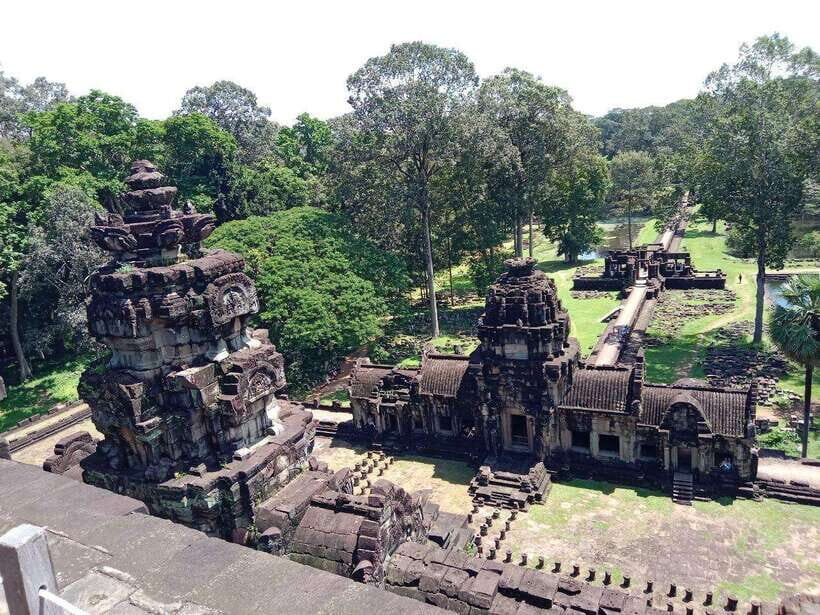
After Angkor Wat, you head to Angkor Thom and enter through the South Gate. This part is shorter (about 20 minutes of walk and touring), but it sets the tone for the day. You’ll see the scale right away: a wall about eight meters high, built with laterite blocks that measure roughly 3 by 3 kilometers and protected by a moat that still holds water.
This is a good moment to slow down and orient yourself. The South Gate is your main entrance into the ancient city, so getting your bearings helps the rest of the circuit make more sense. Think of it as the transition from a single grand temple to a whole urban world of Khmer power and ritual.
Bayon Temple: 216 faces, carvings, and where to stand
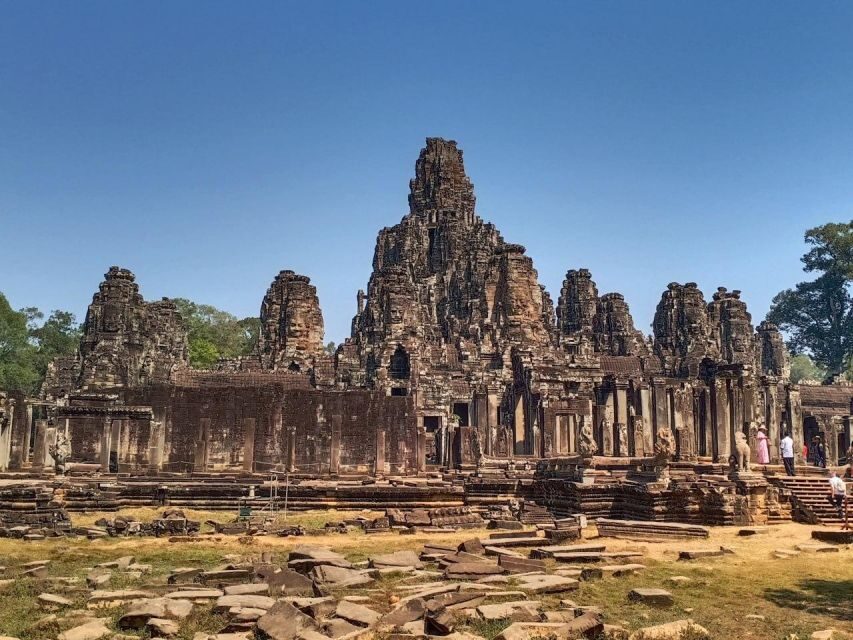
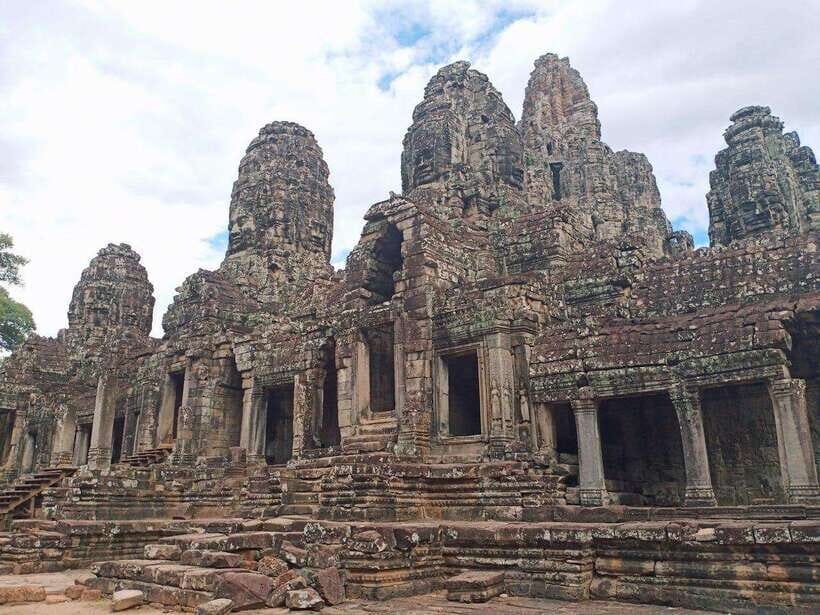
Next comes Bayon Temple, where the atmosphere changes fast. Expect about 1.5 hours here, including guided explanations and time to walk. Bayon is the centerpiece of Angkor Thom, and it’s famous for the 216 enigmatic faces—stone watchers that seem to follow you as you move around.
I love Bayon because it feels interactive without being loud. You’re not just looking at a monument; you’re reading it. The guide helps you understand the carvings and points out the best angles for photography, which saves you time and guesswork. If you try to figure out angles alone, you’ll waste energy in sun that could go to better shots and a more relaxed pace.
Bayon can also be psychologically tiring in a good way: it’s dense with detail. So give your eyes a break every now and then, sit for a minute when you can, and let your brain reset. Your guide’s job is to help you decode what you’re seeing; your job is to avoid frying yourself.
Baphuon and the reclining Buddha that was rebuilt
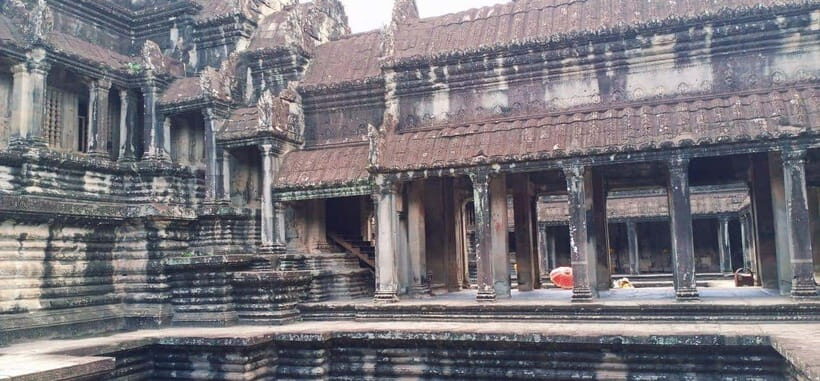
You’ll continue to Baphuon, spending about 30 minutes. Baphuon includes a long causeway and an impressive giant Reclining Buddha. Here’s the history detail that makes this stop more than a photo op: the reclining figure was disrupted for decades and was only put back together in 2011 following a 37-year-long interruption caused by the war.
This kind of story is why I think guided temple tours are worth it. Without context, you see stones. With context, you see survival—of a site, of a craft tradition, and of a culture that kept coming back after damage. It changes how you look at the cracks, repairs, and mismatched stonework.
Practical note: causeways and paths can be uneven. Good shoes matter, because you’ll feel it if your footwear is too soft or too slippery.
Other multi-temple archeological tours we've reviewed in Siem Reap


Phimeanakas: shaded jungle views and steep steps
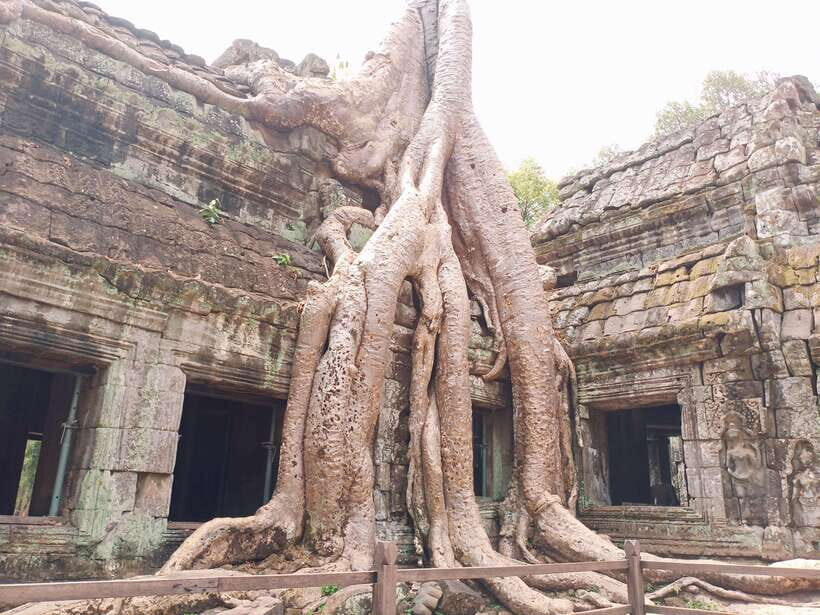
Phimeanakas is the stop that tests your legs a bit. You’ll visit for about 30 minutes, including guided walking and sightseeing. The temple sits in a shaded jungle area, and the highlight is the over-the-tree-tops view you get if you conquer the steep steps to the top.
If you’re comfortable with stairs, this is a rewarding break from the busier carvings. If you’re not, don’t force it. You can still enjoy the setting lower down, and the guide can help you understand what you’re seeing at different viewpoints.
This is also a moment to slow your pace. Heat makes everything feel harder than it looks. Take water between sections and don’t treat the stairs like a fitness test.
Terrace of the Elephants to Preah Palilay: royal palace walkways
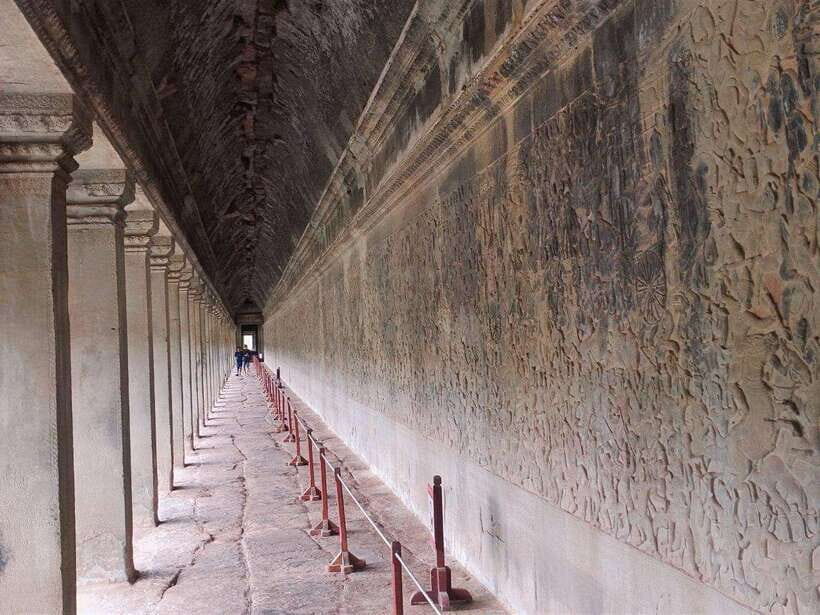
Then you roll into Terrace of the Elephants, also known as the Esplanade of the Royal Palace, with about 30 minutes allotted. This is part of Angkor Thom’s royal complex vibe, and it’s a great place to see the scale of how power was displayed through architecture.
After that, you continue to the shaded area of Preah Palilay. Shaded space is not guaranteed at Angkor, so any cooler patch counts. You’ll use this time while you’re still in temple mode before lunch.
Lunch is a break, but meals aren’t included in the tour price. You’ll typically need to budget about $7–$10 for food, and it’s smart to keep a little cash on you. The day works better if you don’t skip lunch or try to wait too long to eat, because afternoon sun can feel relentless.
Ta Prohm at golden hour energy: roots, moss, and Tomb Raider fame
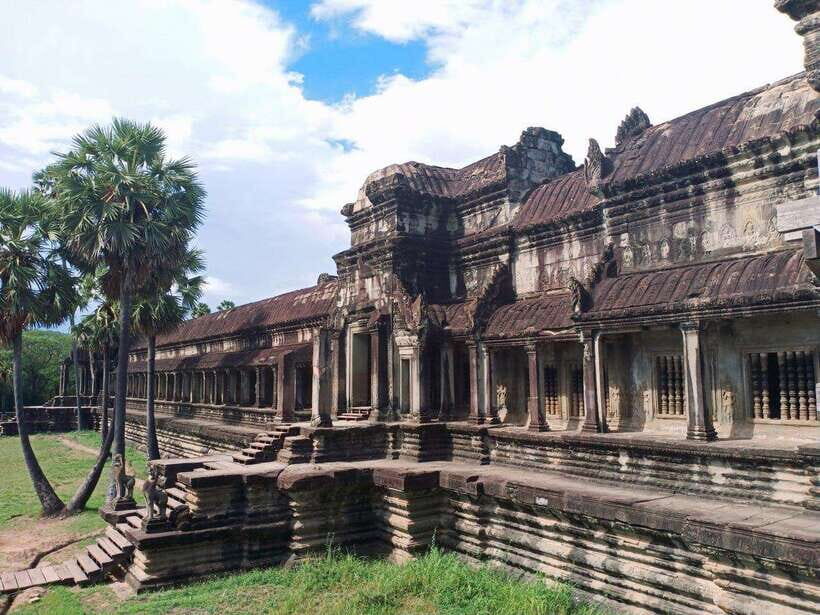
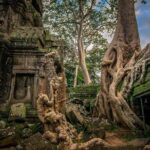
In the afternoon, you’ll visit Ta Prohm for about 1 hour. This is the temple famous to modern audiences from Tomb Raider, with Angelina Jolie as Lara Croft. Today, the “movie link” is just a starting point—because Ta Prohm’s real power is physical.
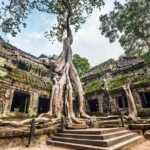
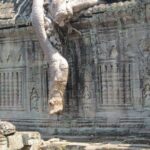
This temple is known for stone intertwined with the roots of Spung tree (Tetrameles nudiflora), plus moss and that overgrown, time-worn look. It’s a photographer’s dream because it creates natural framing—roots become columns, stone becomes texture, and the light catches everything differently than at cleaner, more restored temples.
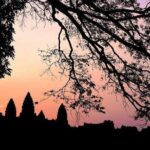
You should also think about sunset. The day’s structure includes photo moments that let you capture late-day light at Ta Prohm. I can’t promise exact timing (because it depends on the day and crowds), but the afternoon slot is clearly built for that end-of-day glow.
When you’re there, don’t just shoot wide. Take a few minutes for close-ups: roots against carved stone, moss in shaded cracks, and any small details the guide points out. This is where your guide’s “look here” tips can help the photos go from pretty to memorable.
Price and logistics: what $19 really covers
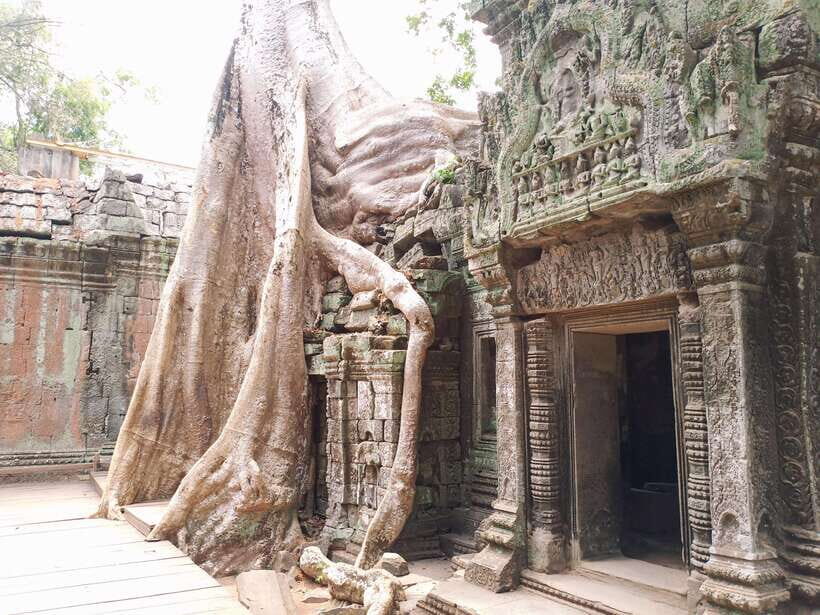
The headline price is $19 per person for a full day. That’s attractive, but the value depends on what you add on top.
Here’s what’s included:
- Air-conditioned transport
- Licensed professional English guide
- Temple sightseeing support, including a skip-the-line separate entrance
- Cold waters and wipes
- Gasoline, toll roads, and parking
- Hotel pickup and drop-off
- Travel insurance
What you need to budget extra for:
- Temple ticket: $37
- Meals: $7–$10
So for many people, the realistic all-in day cost becomes roughly around the mid-$60s, depending on what you eat. That still stacks up well if you want a guided day rather than doing everything independently—especially because the guide explains the monuments, points out photography angles, and helps you move through a logical loop without wasting time.
Also, this is listed as a shared trip. The “sharing” part matters because it often means you’ll be making short conversation moments with other people between stops. One of the perks is the chance to make a new friend during the day, even if you’re not traveling solo.
Who this tour fits best (and who should think twice)
This tour makes the most sense if you want a guided, high-impact Angkor day with a clear route and explanations along the way. You’ll appreciate it if you enjoy history and cultural context and you want help spotting details you might miss on your own.
It’s probably a strong match for:
- First-timers who want Angkor Wat + Thom + Ta Prohm without planning stress
- Photo fans who like guidance on where to stand
- People comfortable with walking, stairs, and heat management
It’s not a great match if:
- You dislike long, hot outdoor walks
- You need full accessibility support (it’s not suitable for wheelchair users)
- You have limited vision support needs (it’s not suitable for visually impaired people)
- You’re traveling with kids under 10
Also, pets aren’t allowed, and you’ll need to cover knees and shoulders in religious areas.
One important reality check: it’s a long walking day. Even when the stop durations look manageable, you’re still combining causeways, steps, and temple-to-temple movement under sun. One participant flagged that walking adds up to around 10 kilometers depending on the pace and how long you linger at each photo spot.
Practical packing checklist for Angkor heat
The tour’s advice is solid, so I’d treat it like your packing list for survival.
Bring:
- Sunglasses and a sun hat
- Sunscreen
- Mosquito repellent (biodegradable is recommended)
- Camera and a power bank
- Long-sleeved shirt and long pants for temple rules
- Cash for meals and any extras
Wear:
- Comfortable closed shoes
Plan a mindset:
- You’ll want water discipline. The tour provides cold waters and wipes during the trip, but you should still drink steadily rather than chug once you’re wiped out.
And yes, you’ll likely want to take breaks when you can. Heat is the main variable, not the stones.
So, should you book this Angkor sunset-focused day?
I think you should book if you want a guided Angkor “big hits” day with a licensed English guide, easy hotel logistics, and built-in photo planning—especially if Ta Prohm is on your must-see list. The combination of Angkor Wat’s iconic symbolism, Bayon’s face-filled maze, and Ta Prohm’s roots-and-stone atmosphere gives you a full range of what Angkor does best.
I’d hold off if you’re very heat-sensitive, you struggle with stairs, or you’re looking for a relaxed, low-walking pace. This tour is structured for sightseeing, not spa energy. If that sounds like you, consider adjusting your expectations—or choose a shorter or less step-heavy option.
If you do book, plan your clothes for rules and sun, bring a real hat, and don’t underestimate the full-day walking. You’ll get a much better day when you arrive ready for Angkor’s pace.
FAQ
Is hotel pickup and drop-off included?
Yes. You get free pickup and drop-off at your hotel lobby in Krong Siem Reap. You’ll just need to provide the hotel name and address where you’re staying.
What’s included in the tour price of $19?
The tour includes an air-conditioned vehicle, a licensed professional English guide, hotel pickup and drop-off, cold waters and wipes, travel insurance, toll roads, parking, and gasoline.
Do I need to buy a separate temple ticket?
Yes. The temple ticket is not included and costs USD 37.
Are meals included in the tour?
No. Meals are not included. The tour notes a typical food budget of about USD 7–10.
What language is the guide?
The guide is English speaking.
Is there drinking water during the day?
Yes. Cold waters are provided during the tour, along with wipes.
What should I wear or bring for the temples?
You should wear/bring long pants and a long-sleeved shirt to cover knees and shoulders at religious monuments. Also bring sunscreen, sunglasses, a hat, camera, mosquito repellent, cash, and a power bank.
Is this tour suitable for children or wheelchair users?
No. It’s not suitable for children under 10, and it’s also not suitable for wheelchair users. It’s not suitable for visually impaired people either.
If you want, tell me your travel dates and whether you prefer fewer steps or more temple time, and I’ll help you decide if this exact route matches your pace.