REVIEW · SIEM REAP
Siem Reap: Angkor Wat: Small-Group with Sunset Tour
Book on GetYourGuide →Operated by Tourme ANGKOR · Bookable on GetYourGuide
Angkor temples are easier to love with a plan. This small-group day turns Siem Reap into a real-world history lesson, with expert guiding through the big-name sights from Angkor Wat to Ta Prohm.
What I like most is the built-in flow: you get hotel pickup plus an organized run at the main temples, so you spend less time sorting logistics and more time staring at stone. The route also saves you from the most common first-timer problem at Angkor—getting turned around.
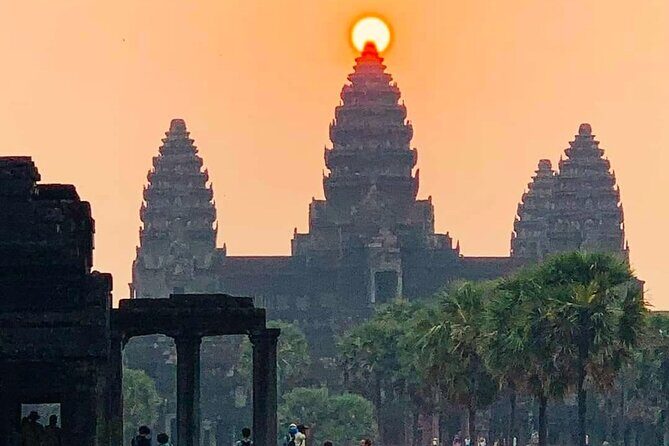
My second favorite part is ending at Bakheng mountain for sunset, because it changes the whole feel of the day. You’re not just checking ruins off a list; you’re ending with the view and the mood that makes people linger. One consideration: group timing can affect the sunset experience. In one case, a participant couldn’t watch the sunset because the rest of the group had to head back, and they were offered a long wait for a tuktuk instead—so if sunset is your top priority, confirm how the return is handled.
In This Review
- Key Things I Found Most Worth Your Time
- From Siem Reap to Angkor Park: A Smooth Start That Matters
- Angkor Wat: Moat Crossings and the Geometry That Hits Hard
- Srah Srang Break: The Temple Day Needs a Reset
- Ta Prohm: Jungle-Wrapped Stone and Why It Feels Different
- Angkor Thom and Bayon: Southern Gates, Smiling Faces, and Terraces
- Bakheng Mountain Sunset: The Shiva Connection and the One Timing Risk
- Price and Logistics: What $19 Buys You (Plus the $37 Entrance Fee)
- The Guide Experience: English, Passion, and What It Changes
- Who This Tour Fits (and Who Should Skip It)
- Should You Book This Angkor Wat Sunset Tour?
- FAQ
- What is the duration of this Siem Reap Angkor Wat sunset tour?
- Is hotel pickup and drop-off included?
- Is the Angkor entrance fee included in the price?
- Does the tour skip the ticket line?
- What temples and stops are included?
- Is lunch included?
- What should I bring?
- Who is this tour not suitable for?
Key Things I Found Most Worth Your Time
- Hotel pickup + air-conditioned minivan means less stress before you even hit Angkor Park
- Angkor Wat’s layout (moat, outer wall, long galleries) is easier to appreciate with a guide walking you through
- Ta Prohm with jungle hold hits differently when you know what you’re looking at
- Angkor Thom and Bayon deliver the famous smiling faces plus stone terraces without rushing
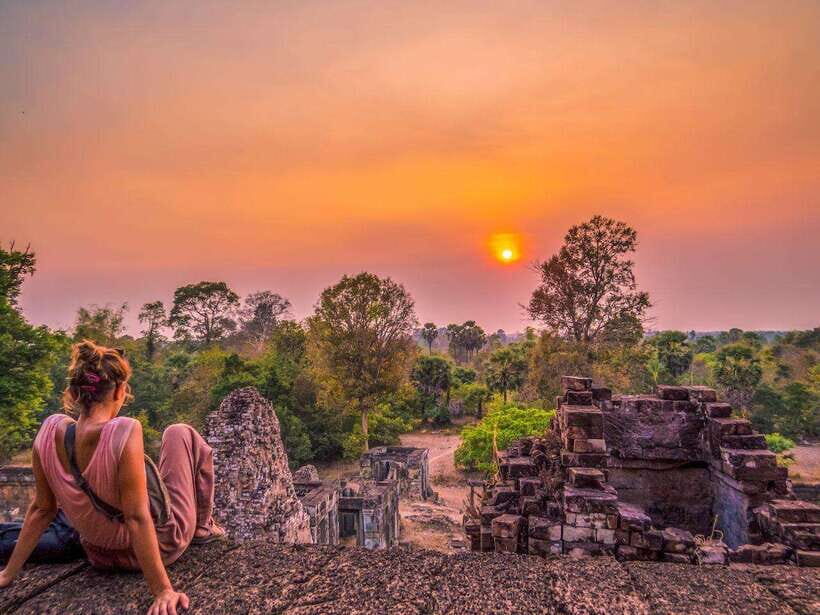
- Bakheng sunset is the emotional payoff, but timing can swing based on group logistics
From Siem Reap to Angkor Park: A Smooth Start That Matters
This tour is built around the easiest win in Siem Reap: you don’t have to figure out transport on your own. You’re picked up from your hotel in Krong Siem Reap and then driven by air-conditioned minivan. That’s a real comfort factor when you’re stepping into heat, dust, and crowds later.
Right after arrival, there’s time for an Angkor Park Pass ticket check setup and a short safety briefing (about 20 minutes). You’ll also have a skip-the-ticket-line advantage, which helps you start temple time earlier rather than standing around.
Included along the way are mineral water and a cool towel, small things that keep you functional. You should still plan for sun and bugs, though—bring sunscreen and insect repellent as the heat can hit fast. Comfortable shoes are non-negotiable because you’ll do a lot of walking on stone and uneven paths.
One more practical note: entrance fees are not included in the tour price. The tour price is low, but you’ll still pay the Angkor entrance fee separately (listed as $37 per person covering the temples mentioned). If you’re budgeting, plan on that total up front.
Other Angkor Wat sunset tours we've reviewed in Siem Reap
Angkor Wat: Moat Crossings and the Geometry That Hits Hard
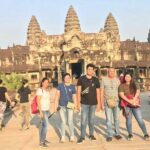
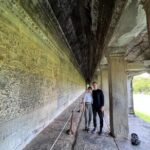
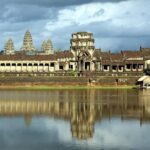
Angkor Wat is the headliner, and the way this day approaches it is smart. You’ll spend about two hours at Angkor Wat with a guided walkthrough plus time to wander. The best part is that you’re not just taking photos—you’re learning the structure while you’re standing inside it.
You’ll start with the feel of the place: the massive scale, the moat crossing, and then the sightline toward the outer wall. Once you get past the initial wow moment, the guide helps you understand the long rectangular gallery design that people often miss when they rush. It’s one of those temples where knowing what you’re looking at makes the whole experience click.
You’ll also get photo stops, so you can capture the classic angles without sprinting. Still, aim to arrive in the mindset of a slow observer—Angkor Wat rewards patience. If you only skim, it can feel like you saw a big monument. If you look and walk, it feels like you stepped into a plan created for power and belief.
Srah Srang Break: The Temple Day Needs a Reset
Between the biggest “wow” stops, you get a breather at Srah Srang. This is scheduled as a break time plus lunch window (about an hour). You’ll likely notice the shift in atmosphere here: it’s less about peak monument scale and more about pausing in a quieter spot before you push on again.
Lunch is at your own expense, so I treat this time like a chance to refuel properly rather than just grab something quick. If you’re sensitive to heat, this break is also your moment to slow down, drink water, and plan your next transitions—because the rest of the day involves more walking, more steps, and more sun exposure.
This stop may not be the first thing on your Angkor wishlist, but it does something valuable. It keeps the day from becoming one long endurance march. That matters when you’ve got a 10-hour total trip time.
Ta Prohm: Jungle-Wrapped Stone and Why It Feels Different
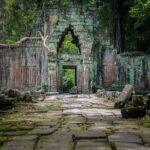
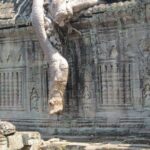
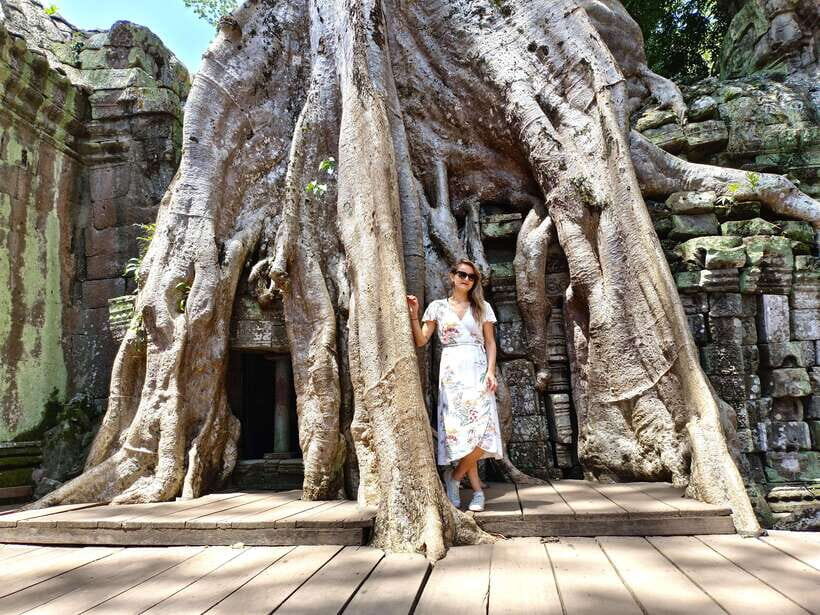
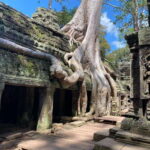
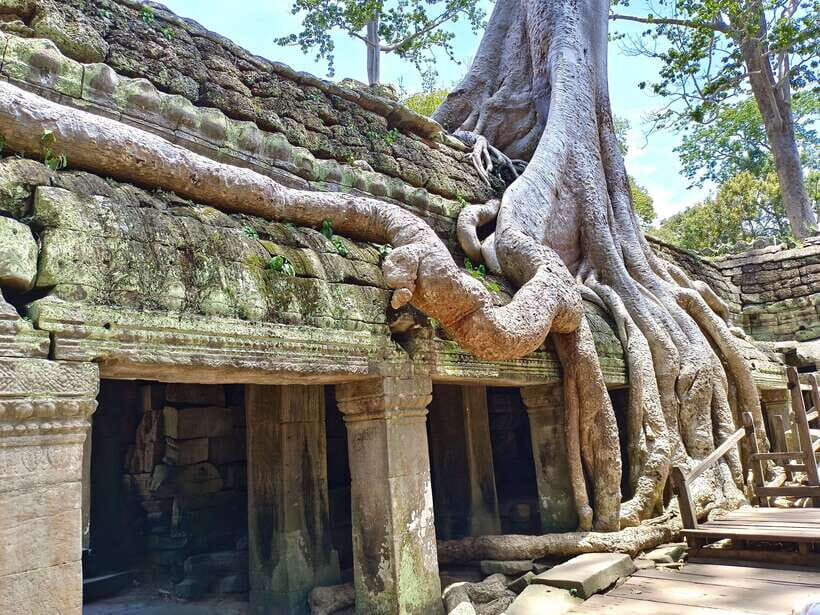
Then comes Ta Prohm, the temple many people picture before they even arrive in Cambodia. You get about one hour here, including photo stops and guided visiting time. Ta Prohm’s signature is that the temple structures are being overtaken by jungle growth, and that creates a visual story you can’t really replicate anywhere else.
Here’s the useful part: with a guide, you’re more likely to notice how the tree roots and plant growth interact with the stonework rather than just seeing it as random chaos. It’s still wild-looking, but it starts to feel meaningful instead of merely dramatic.
Photo-wise, you’ll have moments to frame the iconic “stone meets tree” look. The practical challenge is that Ta Prohm can be busy and exposed, so keep an eye on your footing and don’t lose your group during photo breaks. A small-group format helps, but you’ll still want to stay close when paths narrow.
If you like temples that feel alive rather than purely ceremonial, Ta Prohm is the emotional midpoint. It’s also a good moment to take a breather from the heavier iconography of the more formal royal complexes.
Angkor Thom and Bayon: Southern Gates, Smiling Faces, and Terraces
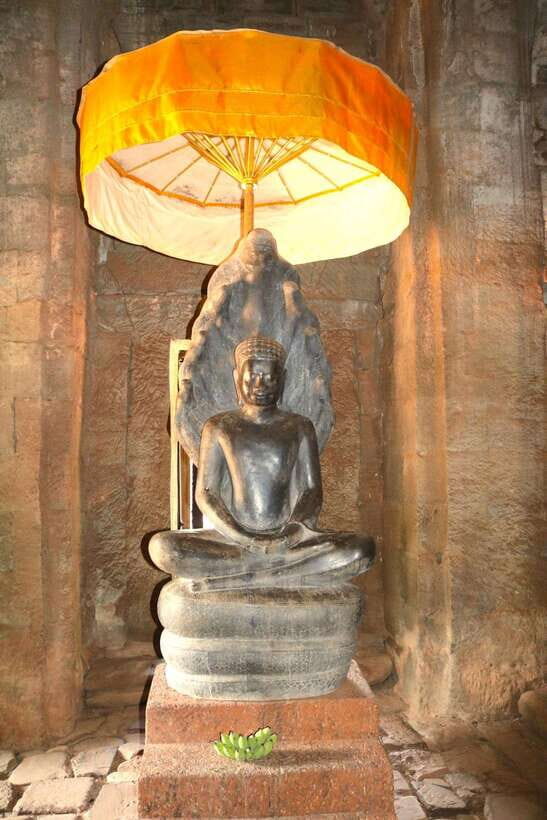
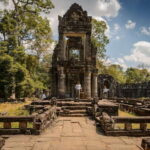
After Ta Prohm, the day shifts into Angkor Thom territory. You’ll have time at the southern gates—stone figures stand as the monumental entry points—and then you’ll move inside the city toward Bayon.
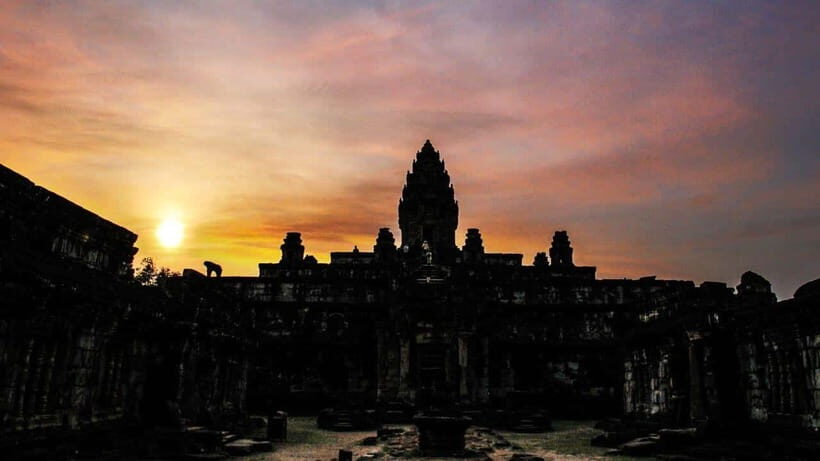
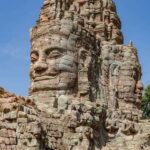
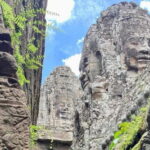
Bayon is famous for its smiling faces, carved into the upper terrace and central peak. With guidance, you’ll understand that it’s not just decoration. The faces help you orient yourself in the space, and they change how you read the temple while you’re walking through it.
This section is where the tour’s structure really pays off. You’ll do a photo stop, then a guided visit and walk that lasts roughly 40 minutes for Angkor Thom plus additional time at Bayon (including a safety briefing and sightseeing walk for about one hour). That rhythm prevents the common problem of either rushing through or getting stuck in a single spot for too long.
You’ll also see two of the most discussed terraces:
- Terrace of the Leper King
- Terrace of the Elephants
These are visually intense stops. Even if you don’t catch every interpretive detail, you’ll feel the scale of the carvings and the way the terraces were meant to stage movement and meaning. If you want an Angkor day that feels like a guided story instead of a photo scavenger hunt, this portion is where you’ll feel it most.
Other Angkor Wat temple tours we've reviewed in Siem Reap
Bakheng Mountain Sunset: The Shiva Connection and the One Timing Risk
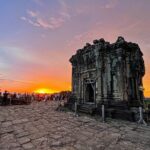
This is your finale: Phnom Bakheng for sunset. The tour includes photo stops, guided time, and then self-guided wandering, for about one and a half hours. The temple is connected to Shiva, which helps explain the religious tone of the viewpoint experience—this isn’t just a scenic hill; it’s a sacred one.
Sunset at Bakheng is the payoff for a full day because the light changes the way stone looks. It can flatten harsh shadows, soften textures, and make the temple silhouettes feel more dramatic. And since you’ll have some self-guided time, you can choose where to stand without constantly listening for the next instruction.
Now for the realistic part. One participant couldn’t watch sunset because the rest of the group had to return to the hotel on schedule. They were offered to spend hours alone in full sun and wait for a tuktuk back. That doesn’t mean this will happen to you—but it is a reminder to treat sunset as a priority that you should confirm.
If Bakheng sunset is why you’re booking, ask the guide or operator how they handle timing and whether the group return affects sunset viewing. If you want maximum control and pace, private options can reduce this kind of mismatch between group schedules and individual expectations. At minimum, plan to be firm about your goal and don’t assume you’ll automatically get the exact sunset window you imagine.
Price and Logistics: What $19 Buys You (Plus the $37 Entrance Fee)
Let’s talk value clearly, because this tour price is unusually low for a full-day guided Angkor run.
You pay $19 per person for about 10 hours with:
- hotel pickup and drop-off
- an English-speaking guide
- transport by air-conditioned minivan
- mineral water and a cool towel
- sunset at the ruin temple
What you don’t pay in that base price is the entrance fee (listed as $37 per person covering the temples you’ll visit). Meals are also not included.
So the real “get ready to budget” number is closer to $56 for temples plus the tour, before lunch. That still reads as good value if you compare it to the typical cost of transport, guide time, and the convenience of hotel pickup in Siem Reap.
Where the money really goes is in removing friction. Angkor can be confusing on a first day—timing, ticket logistics, where to stand, and which structures matter most. This tour structure helps you get your bearings fast and gives you a guided explanation while you’re already inside the sites.
The most important value check is your priority order:
- If you want a structured day and don’t want to think too much about routes, this is a strong deal.
- If you need a guaranteed sunset experience with zero schedule surprises, you should ask detailed timing questions before you book.
The Guide Experience: English, Passion, and What It Changes
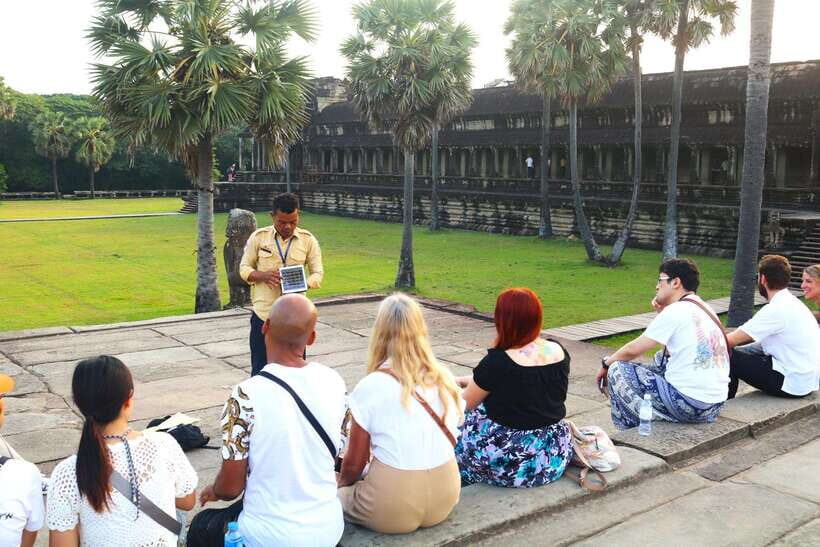
Your day lives or dies by the guide. This tour is designed around an English-speaking guide who leads and explains, and that can transform the temples from impressive to meaningful.
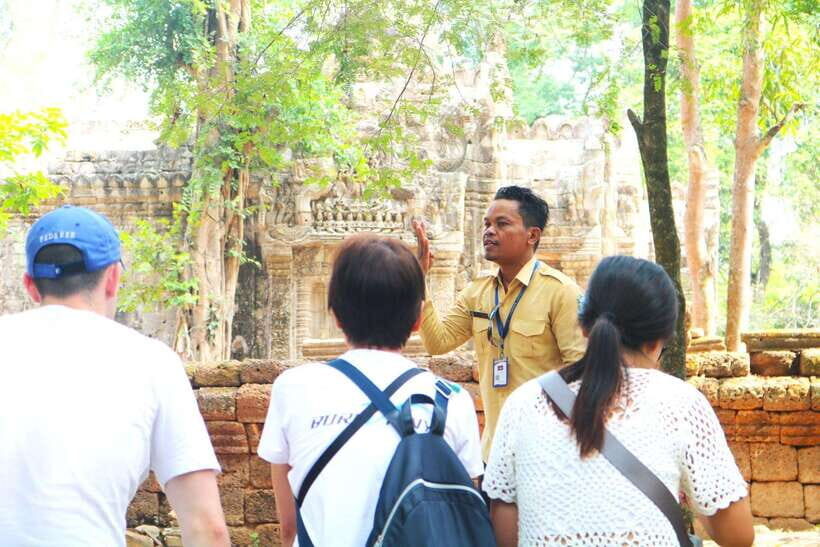
One name that comes up in the provided info is Min Nimol. In at least one booking, he was praised for strong English, passion, and clear temple history context. That’s the kind of guide you want at Angkor because the carvings, the layout, and the different temple eras can feel like random stonework unless someone puts it into words while you’re there.
If you care about understanding the Khmer Empire and how different temples served different purposes, you’ll likely get a lot more from the day than a basic walk-through. If you only want photos, you still can enjoy the stops—but a guide is what keeps you from leaving with only images and no story.
Who This Tour Fits (and Who Should Skip It)
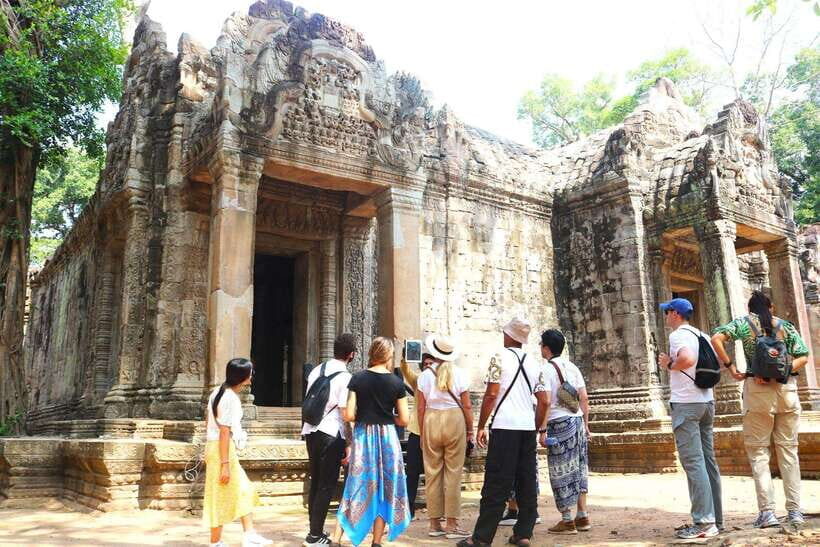
This is a temple day with a lot of walking, sun exposure, and steps. It’s listed as not suitable for:
- children under 8
- pregnant women
- wheelchair users
If you’re older, have mobility limits, or expect to need frequent breaks beyond what a short rest allows, you might find the day tiring. The included water and cool towels help, but the physical demands still come with the terrain.
Who it suits best:
- first-time Angkor visitors who want a guided route and hotel pickup
- people who like structured timing and don’t want to manage tickets and transport themselves
- anyone who wants Angkor Wat plus the big follow-ups (Ta Prohm, Angkor Thom, Bayon) in one day
If you’re the type who gets lost easily, small-group guidance is an advantage. And if you love history but hate reading from a screen, having explanations in real time is a big win.
Should You Book This Angkor Wat Sunset Tour?
Book it if you want one day, classic temples, and a guided route with hotel pickup and air-conditioned transport. The base price is a bargain for a full-day structure, and the day covers the big names without turning into a frantic sprint.
I’d be cautious if sunset is your non-negotiable goal. The Bakheng sunset is included, but group timing can affect the exact viewing experience. Do yourself a favor: ask how the return timing works for your group and be clear you want the sunset window.
Finally, pack like you’re going to be outside for hours. Comfortable shoes, sunscreen, insect repellent, and cash will make the day smoother. If you show up ready and stay close to your guide, you’ll walk away with a lineup of Angkor sights that feels connected, not random.
FAQ
What is the duration of this Siem Reap Angkor Wat sunset tour?
The tour lasts about 10 hours.
Is hotel pickup and drop-off included?
Yes. Pickup and drop-off from your hotel in Krong Siem Reap are included.
Is the Angkor entrance fee included in the price?
No. Entrance fees are not included, and the entrance fee is listed as $37 per person for the temples covered.
Does the tour skip the ticket line?
Yes, you can skip the ticket line.
What temples and stops are included?
You’ll visit Angkor Wat, Angkor Thom (including Bayon), the Terrace of the Leper King, the Terrace of the Elephants, Ta Prohm, and you’ll go to Phnom Bakheng for sunset. You also stop at Srah Srang.
Is lunch included?
No. Lunch is not included, and you’ll have a lunch break during the day.
What should I bring?
Bring comfortable shoes, a camera, sunscreen, comfortable clothes, insect repellent, and cash.
Who is this tour not suitable for?
It is not suitable for children under 8, pregnant women, or wheelchair users.